

Why handlers register dogs and use vests: clear ID, fewer interruptions, smoother housing and travel, plus simple etiquette to keep working dogs focused in public.
Read More
Learn how owners choose service dogs by matching temperament, trainability, age and lifestyle. Practical checklist, evaluation tips and public-access prep.
Read More
Why owners register dogs: practical guides to municipal licensing, breed registries, and service-animal IDs, with travel, housing tips and a simple checklist.
Read More
Sensory support dogs for vision, hearing, and sensory processing—task-based help, public access tips, travel prep, and everyday routines to boost independence.
Read More
Choose a hypoallergenic service dog with confidence: compare breeds, test allergy compatibility, set grooming routines, and prepare for public access and travel.
Read More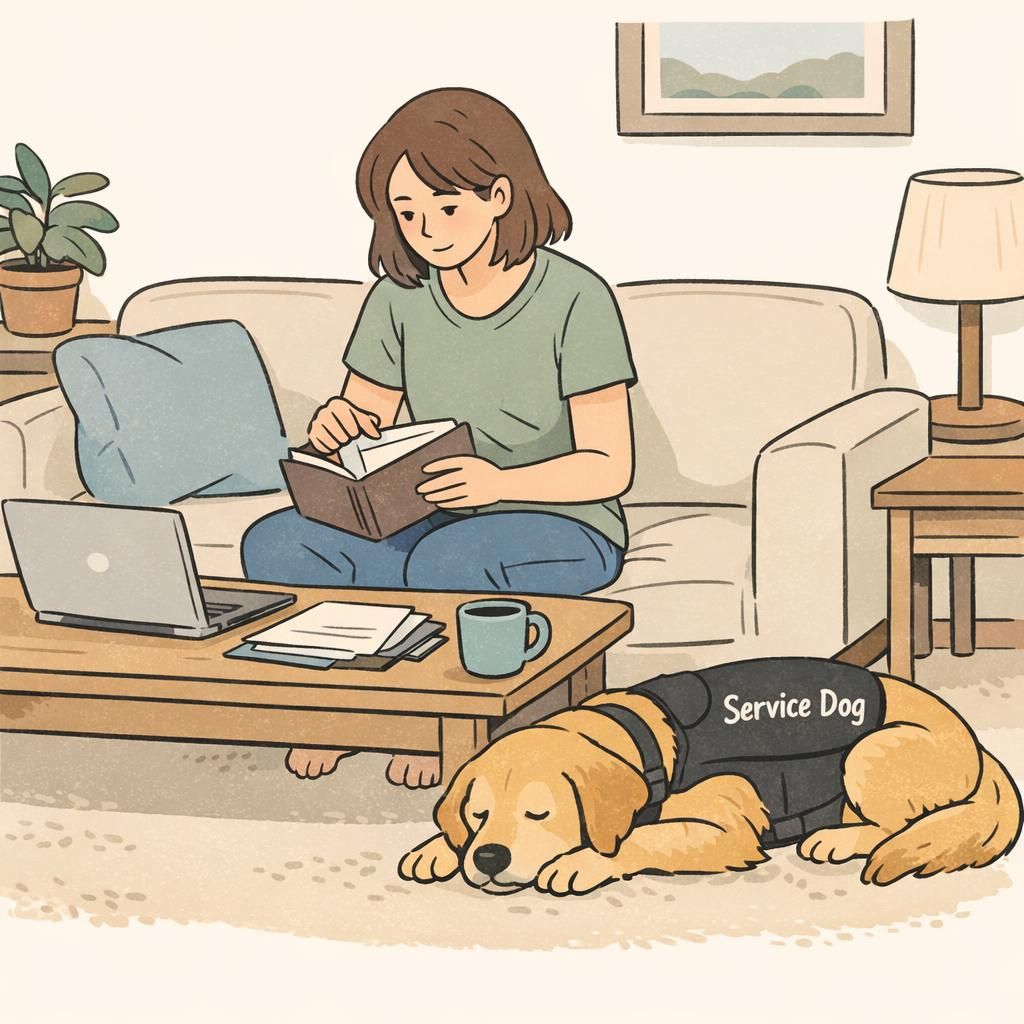
Real owner stories and practical checklists for registering your dog, handling local licensing, service/support IDs, and building a travel-ready handler kit.
Read More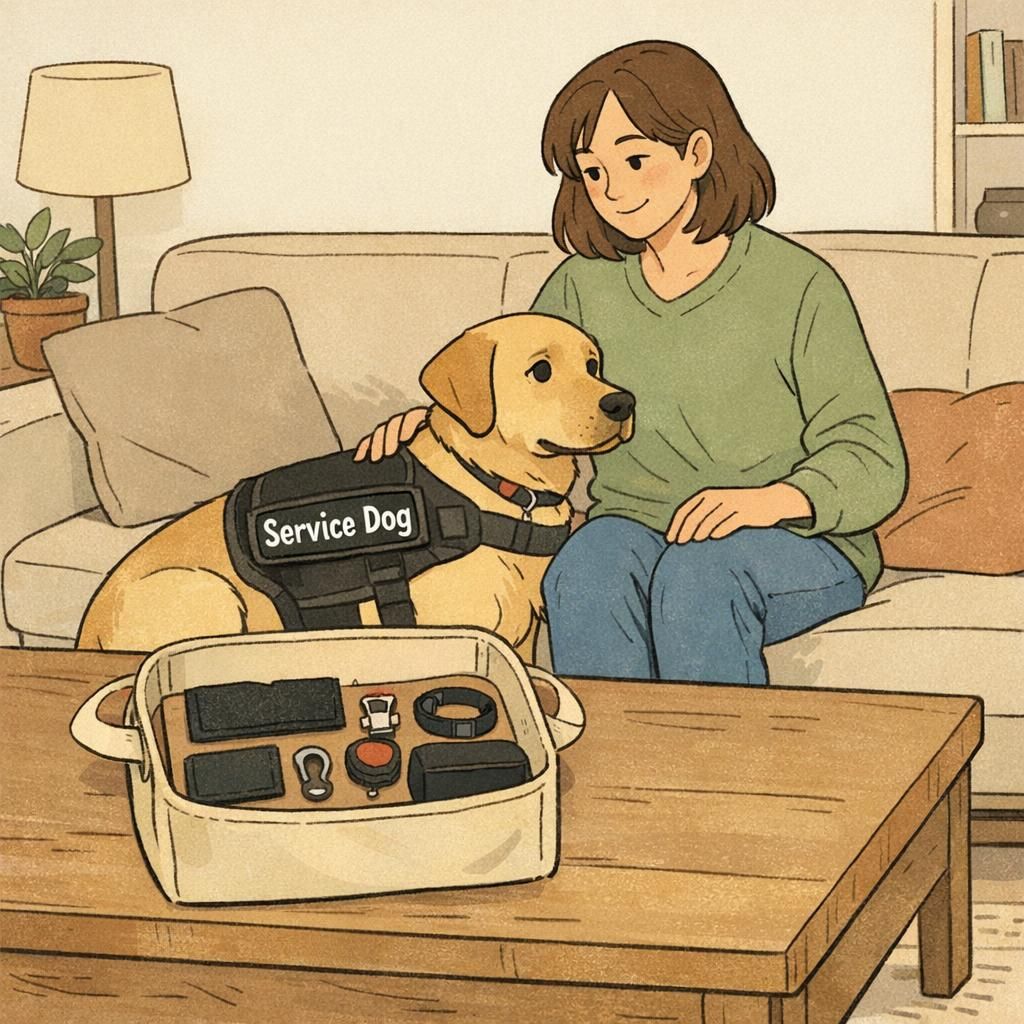
Practical guide to service dog vest accessories — patches, ID windows, handles, pouches, and comfort add-ons — to improve clarity and safety on outings.
Read More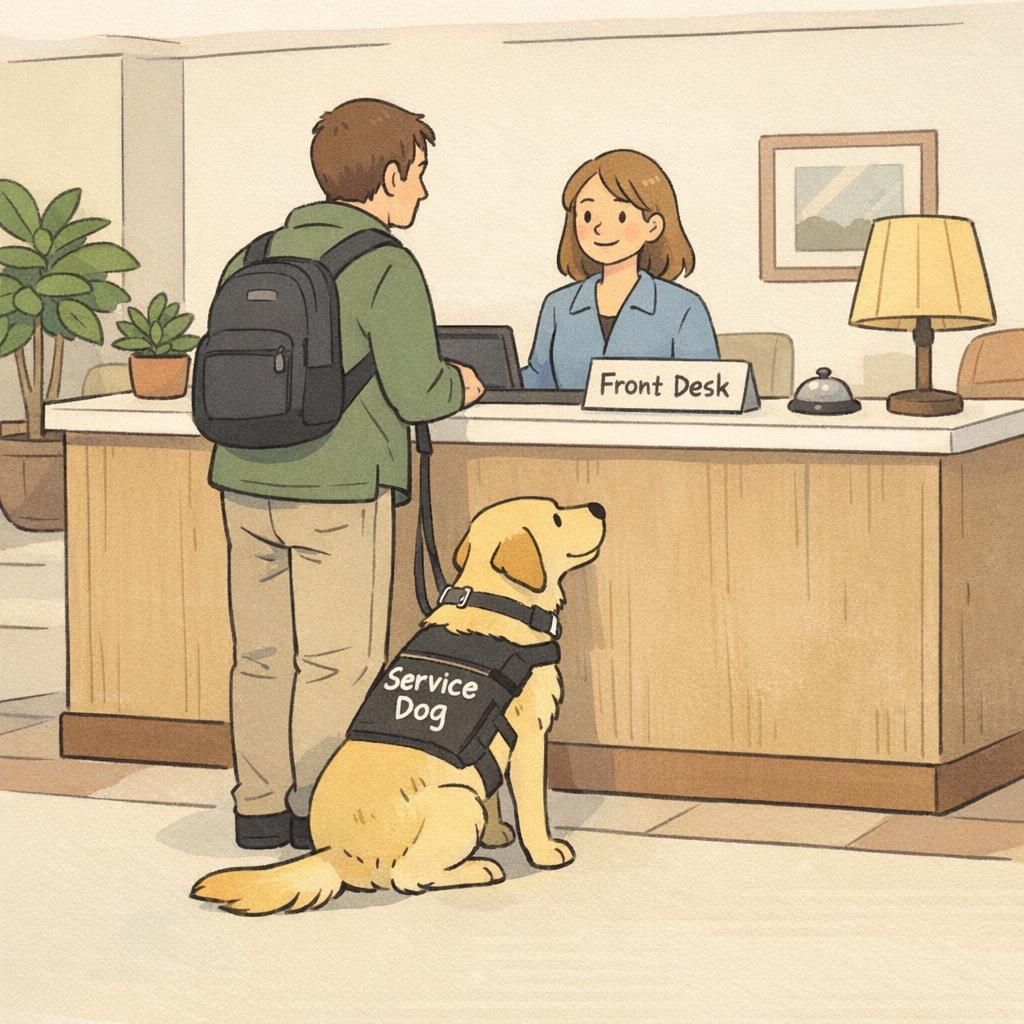
Hotel policies for service dogs: what staff can ask, when fees or room limits apply, and quick scripts to handle check-in calmly and protect your rights.
Read More
Decide between a service dog, emotional support dog, or therapy dog with practical guidance on matching temperament, training, public access, housing, and travel.
Read More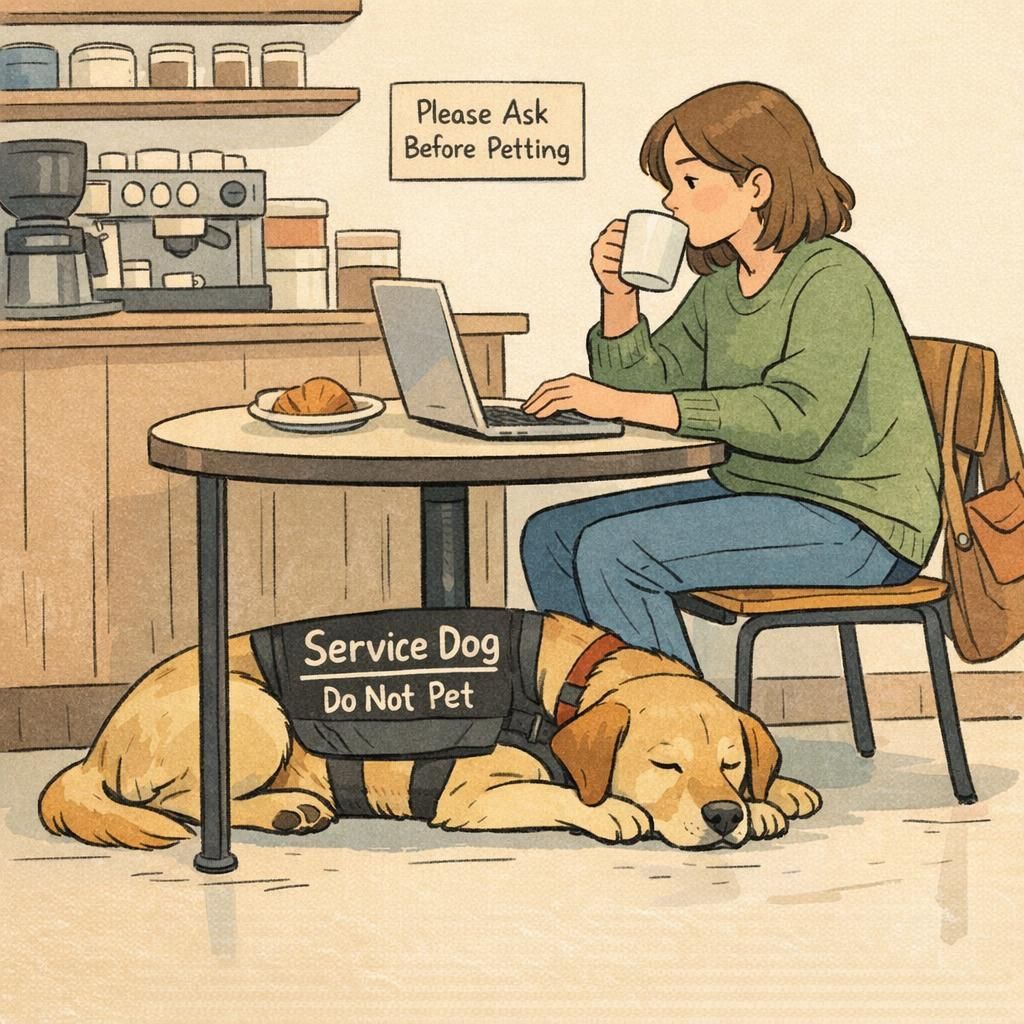
Practical tips for service dog teams in cafés, offices, transit, schools, and clinics — handling, etiquette, task adaptations, and quick travel checklists.
Read More
Your trusted source for service animal registration. Get professional ID cards, digital profiles, and smart NFC tags to keep your service animal safe and recognized.
© National Animal Registry — All rights reserved.