At-home service dog obedience training usually follows a practical progression: first you build reliable home manners, then you teach and proof basic obedience, and only after that do you layer in task behaviors that support a handler’s daily independence. This order matters because tasks are only truly helpful when the dog can perform them calmly, safely, and on cue—no matter what else is happening.
In real life, “obedience” for a service dog isn’t about perfection or strictness. It’s about predictability. When your dog understands what you’re asking and has practiced it often, you spend less energy managing behavior and more energy living your day.
A strong setup makes training easier for both of you. When your rewards are motivating, your marker is clear, and your environment is low-stress, your dog learns faster—and you feel more confident leading sessions.
Start by deciding what your dog will work for. Many dogs love soft, pea-sized treats. Others prefer a toy, a quick tug, or even enthusiastic praise and petting. You can also mix rewards: use treats for brand-new skills and switch to praise or play once the behavior is more reliable.
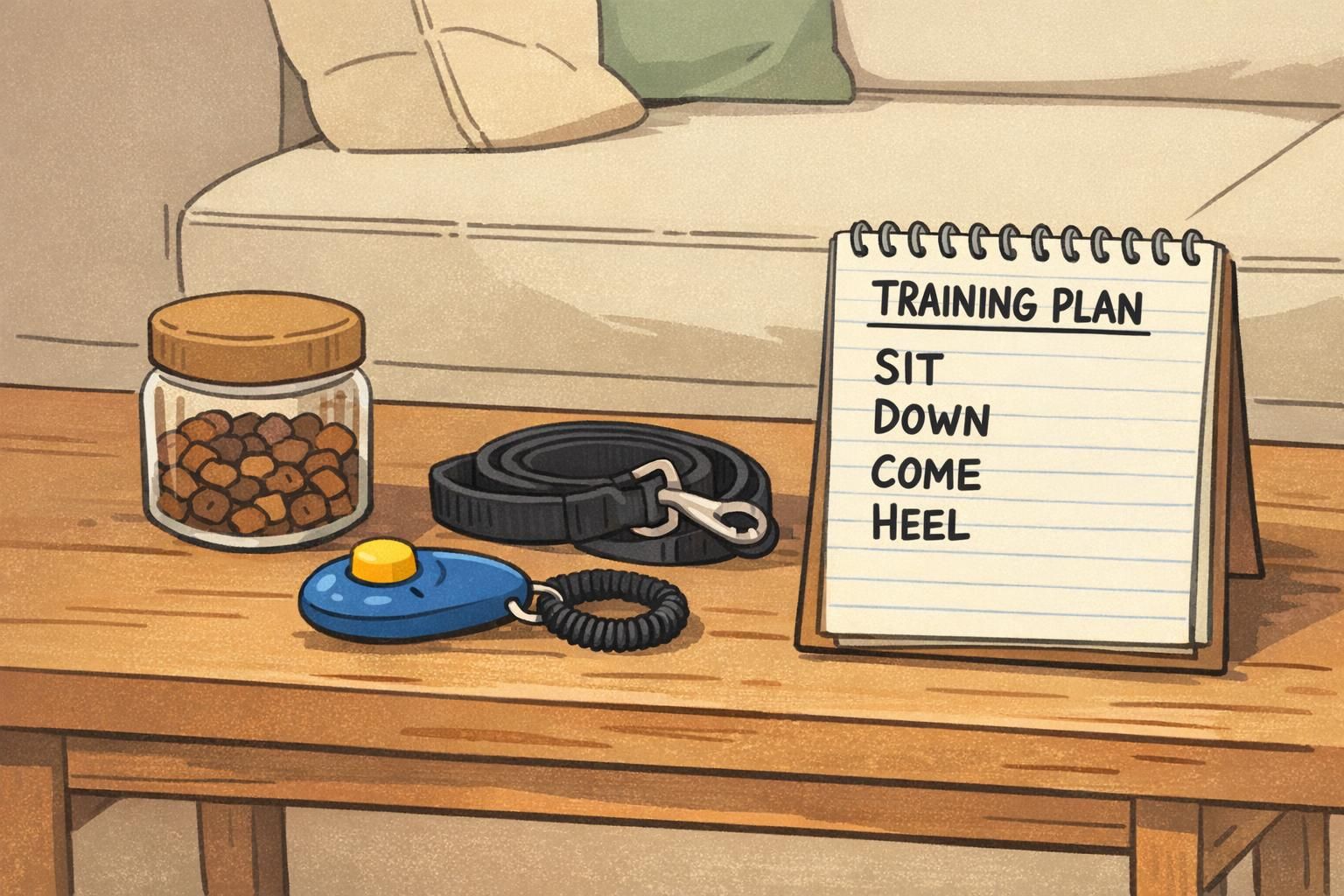
A simple structure helps you stay consistent: warm up with an easy win (like “sit”), teach or practice one skill, then end on a success and give your dog a break. If either of you starts feeling frustrated, that’s a sign to pause—training should feel clear and doable.
Either can work. Many handlers train before a meal because food motivation is higher, but the best choice is what keeps your dog engaged and your routine consistent.
Try higher-value treats (soft, smelly, tiny pieces), use a favorite toy, or reward with access to something your dog wants (like a quick sniff break) after a correct response.
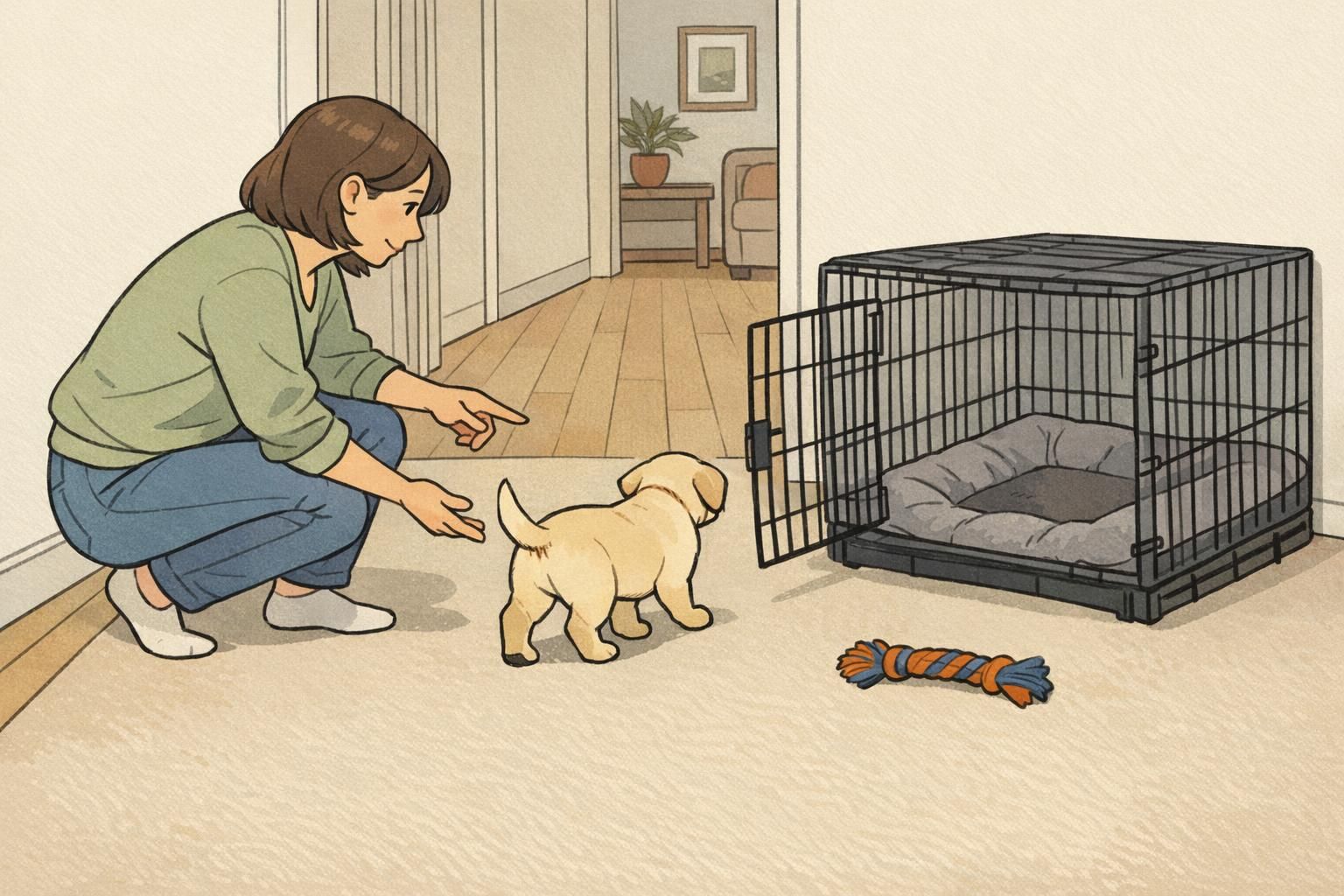
If you’re training a puppy, foundations are your “secret weapon.” When potty habits, crate comfort, and bite inhibition are improving week by week, your puppy can focus more easily during obedience lessons. You’re also building confidence—one of the most important qualities for future service work.
Think of this stage as creating a calm, predictable routine. Puppies learn fastest when the world feels safe and understandable: sleep, potty breaks, short play, short training, and rest. Over time, that routine becomes emotional stability, which makes obedience (and later task work) much easier.
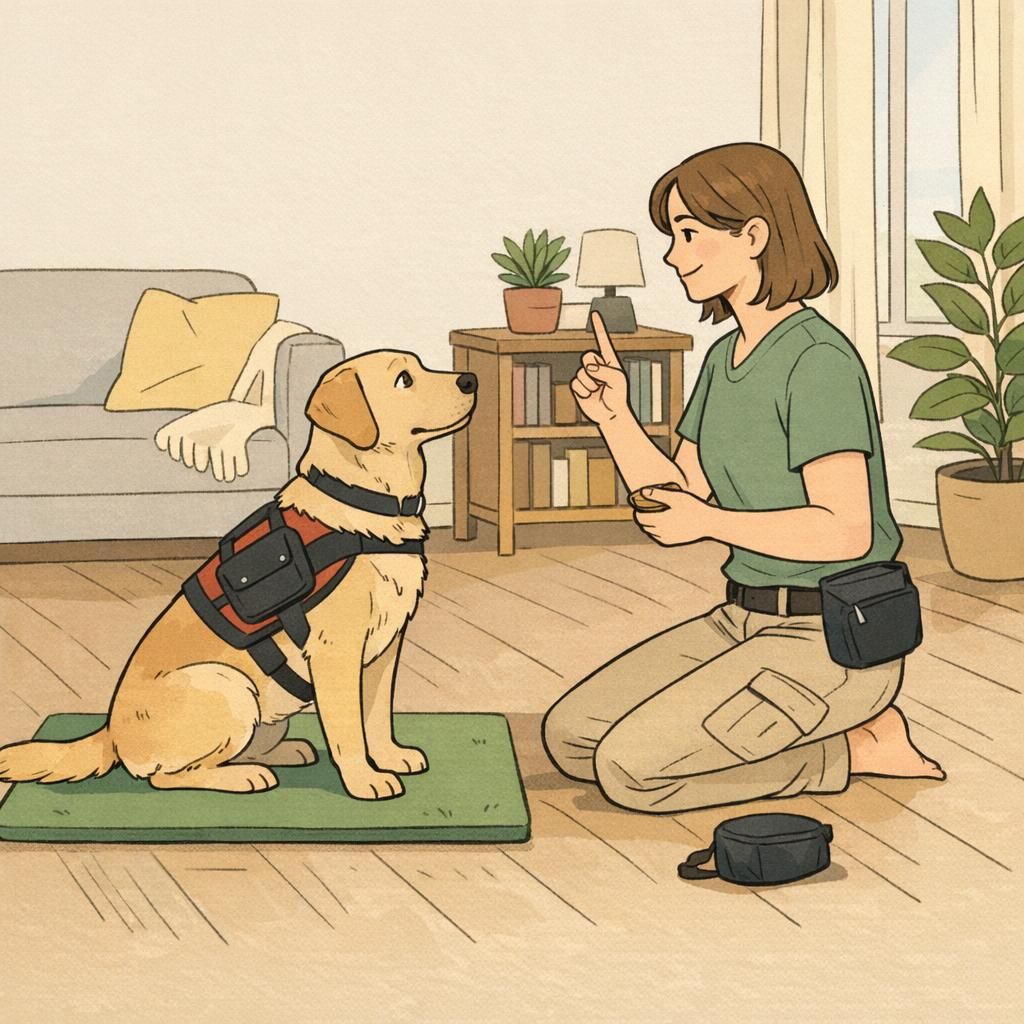
Basic cues are the foundation for service dog manners and teamwork. In the beginning, train in a quiet, familiar space. Once your dog responds reliably, you can slowly add difficulty: a different room, more distance, longer duration, or mild distractions (one change at a time).
When you teach each cue, aim for a clean pattern: one cue, one behavior, then a marker and reward. If you find yourself repeating the cue, the environment may be too hard, the reward may be too low value, or the dog may not fully understand yet. That’s normal—just step back to an easier version and rebuild.
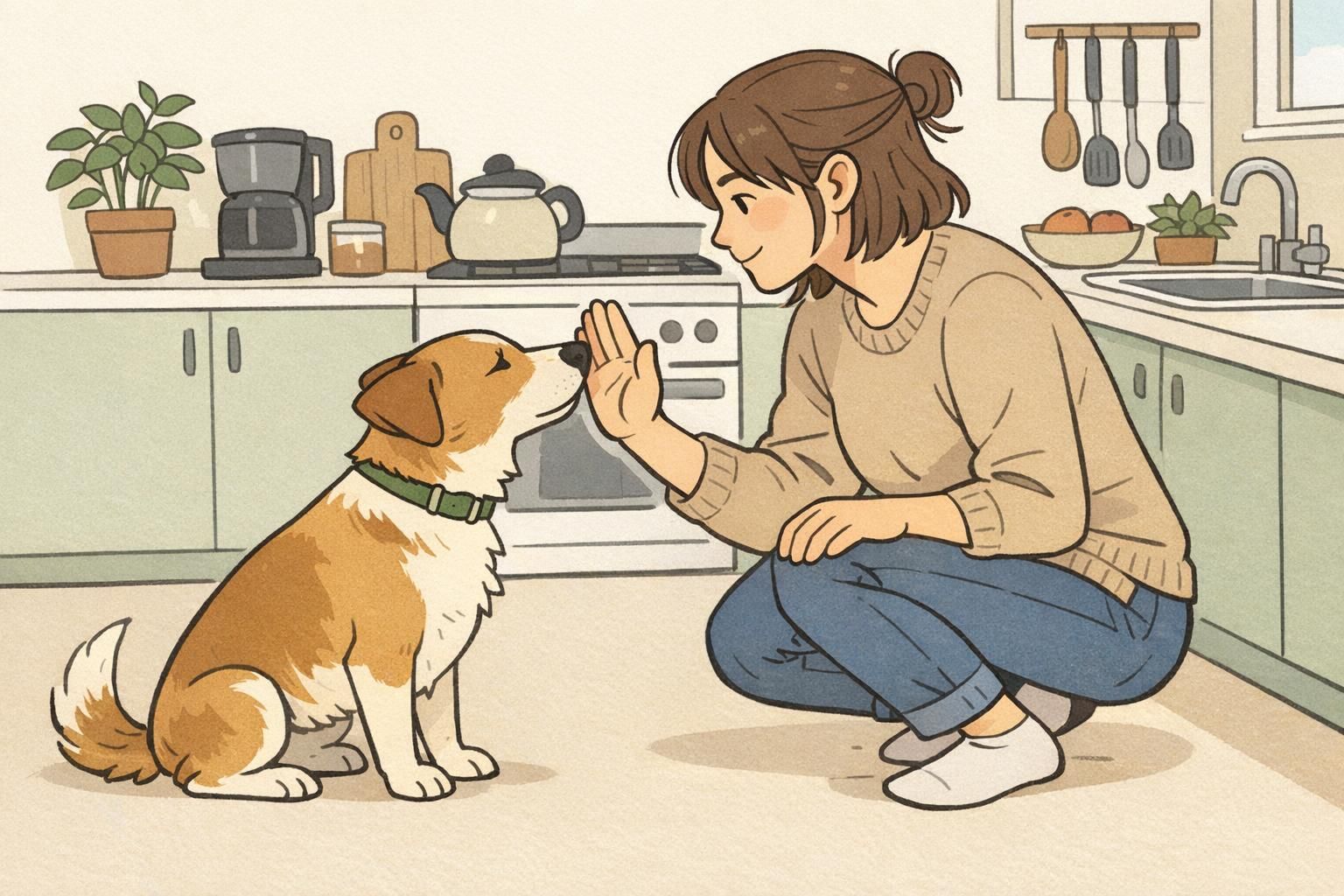
Build duration slowly and realistically. A consistent 5–10 seconds in a quiet room is a great early milestone. Then add small increases and introduce distractions gradually.
No. Many handlers start with sit, down, touch/look, and loose-leash walking, then add stay, leave it, wait, and place as the dog’s focus improves.
Positive reinforcement is one of the clearest ways to teach obedience at home because it helps your dog understand exactly what earns a reward. Three common methods—capturing, luring, and shaping—can be used alone or combined depending on the skill and the dog.
Use a repeatable communication loop in every session: cue (or set up the moment) → mark the exact behavior you want → reward. With repetition, your dog learns which choices pay off, and your cues become more reliable.
Dogs don’t automatically generalize skills. “Sit” in the living room may feel like a completely different cue on a sidewalk, near a playground, or inside a pet-friendly store. Reliability comes from gradual practice in new locations and around realistic distractions.
A helpful approach is to widen your training circle slowly: practice in different rooms, then the backyard, then quiet sidewalks, then busier areas. Keep sessions short and frequent, and increase distractions in small steps so your dog stays successful. This common training progression—foundations first, then obedience, then task work, practiced in brief sessions with gradual exposure—matches how many at-home service dog programs are structured (source).
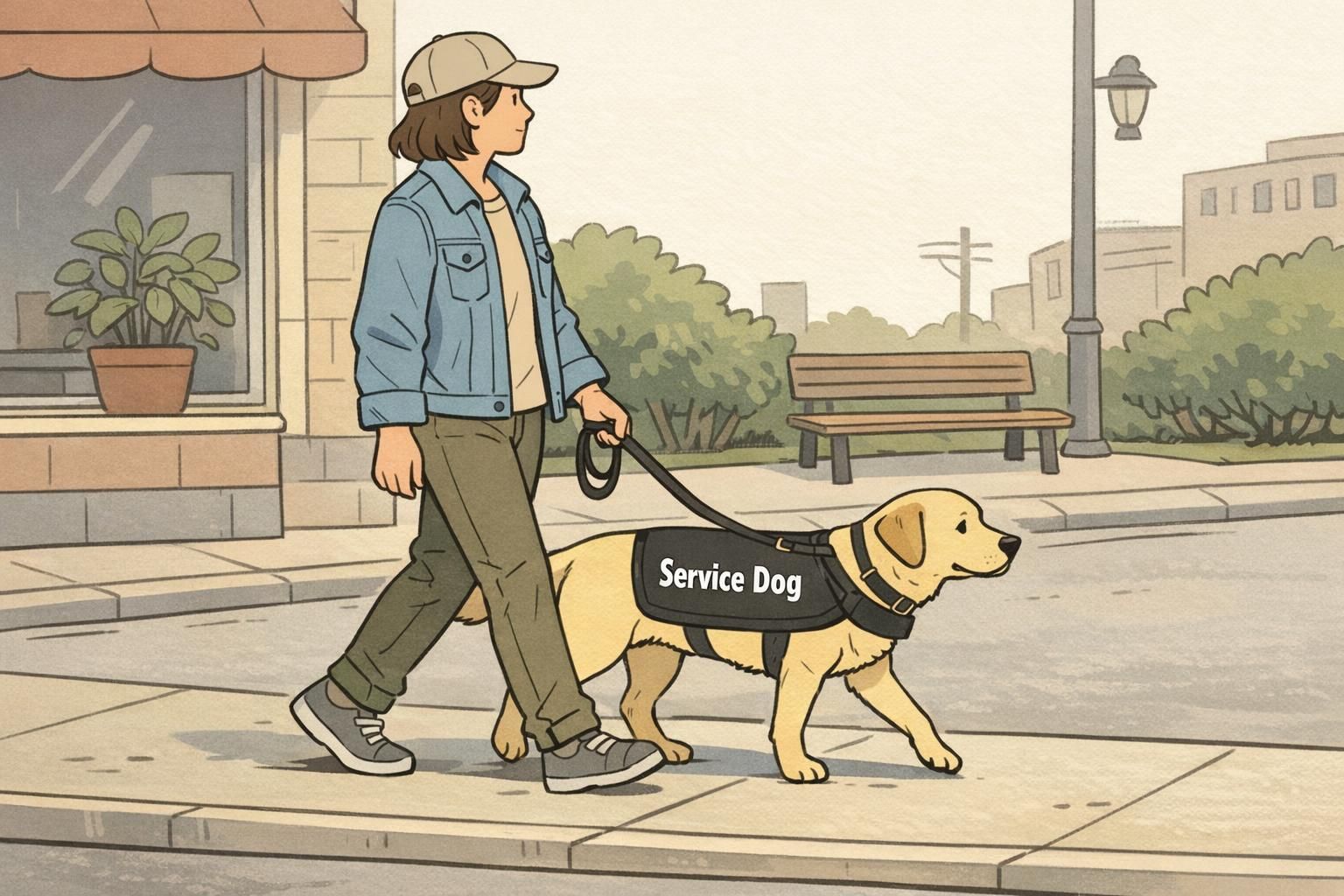
If your dog stops taking treats, can’t respond to easy cues, or becomes jumpy, vocal, or frantic, the environment is likely too difficult. Increase distance from the distraction, lower your expectations, and reward calm focus.
Once basic obedience is coming along, intermediate “teamwork” skills can bridge the gap between manners and task training. These behaviors are useful on their own—and they can be shaped later into handler-specific assistance behaviors based on your needs and lifestyle.
“ "When we focused on name response and settling first, everything else got easier. It felt like my dog started checking in with me automatically." – Service dog handler”
Every handler runs into bumps. The good news is that many common problems are training puzzles with practical solutions. When something isn’t working, try to diagnose why: Is the cue unclear? Is the environment too distracting? Is the reward not motivating enough? Is the dog tired, stressed, or overexcited?
Progress tracking can help you stay encouraged. Keep a simple weekly note: where you practiced, what cues improved, and what needs a smaller step next time. You’re looking for steady trends, not perfect days.
Yes. New environments are harder. Bring your training “back to kindergarten” outdoors: easier cues, better rewards, and more distance from distractions until your dog can succeed.
If you feel yourself getting frustrated or your dog is repeatedly missing easy cues, pause. A short reset—water, a calm walk, or a nap—often leads to a better next session.
As your dog’s manners improve, everyday situations can start to feel smoother—but it’s still common to run into questions in public. Having clear, professional identification and simple information you can share may reduce confusion and help keep interactions calm while you focus on handling your dog.
Many handlers choose optional tools like registration profiles, printed ID cards, and other ready-to-show materials to streamline routine conversations and reduce friction. If that kind of support would be helpful for you, consider a starter registration package for everyday identification so you have consistent, organized information on hand.
Public-facing moments go best when you plan for them the same way you plan training: start easy, stay calm, and set your dog up to succeed. Before an outing, practice one or two cues in the car or at the entrance, reward focus, and keep the first few trips short. In busy environments, your dog’s job is not to be “perfect”—it’s to stay responsive and under control.
For travel planning strategies—like building stamina for longer days and packing essentials—review these tips for traveling with a service dog to help outings feel more predictable.
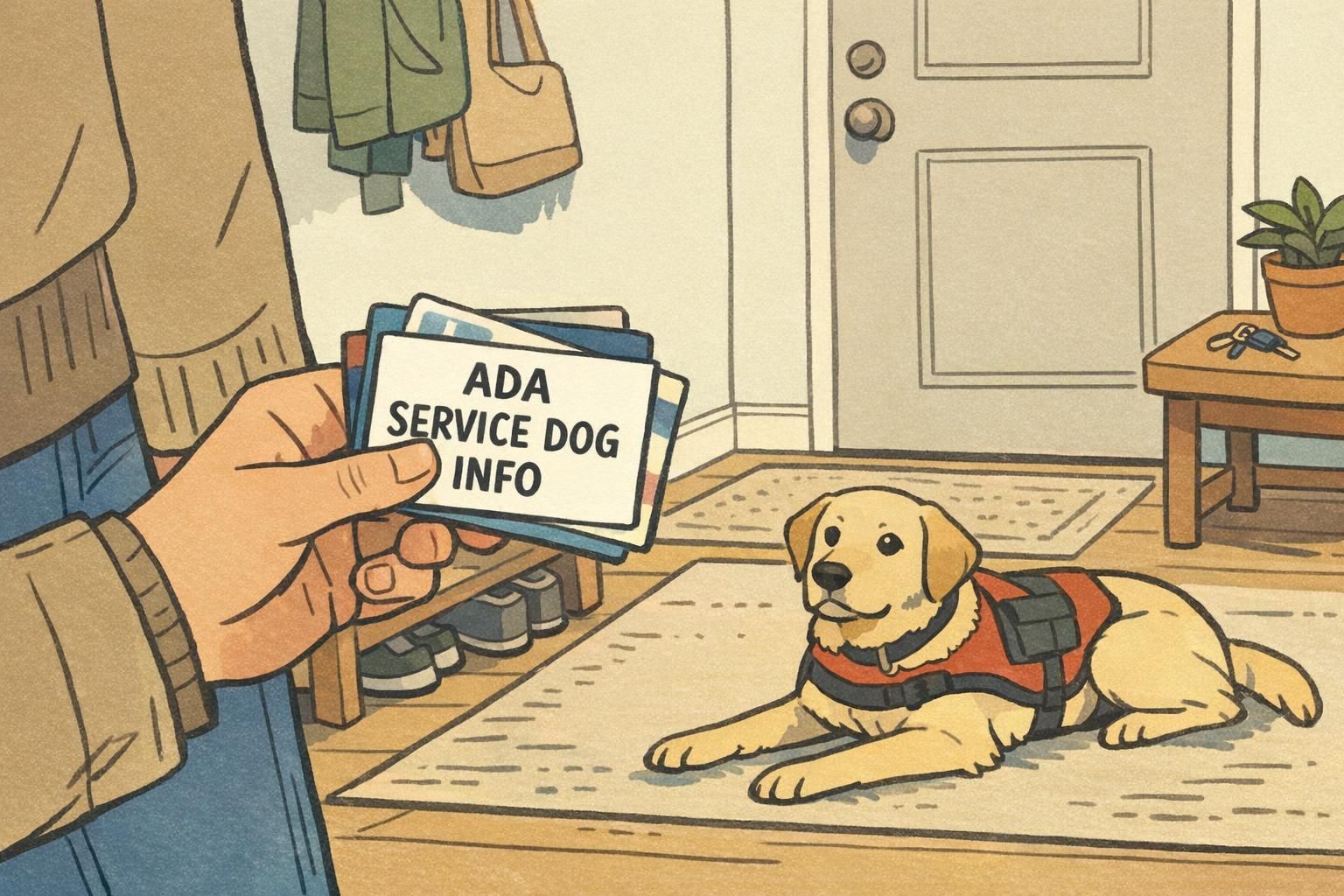
If you prefer a quick, conflict-reducing way to share basic information during real-world interactions, many handlers keep small printed cards available. Having ADA law handout cards for simple, clear communication can make it easier to stay focused on your dog rather than getting pulled into long conversations.
“ "The biggest change for us wasn’t one command—it was having a calm routine for outings. A short warm-up, clear expectations, and a polite way to answer questions made everything feel manageable." – Service dog handler”
Your trusted source for service animal registration. Get professional ID cards, digital profiles, and smart NFC tags to keep your service animal safe and recognized.
© National Animal Registry — All rights reserved.