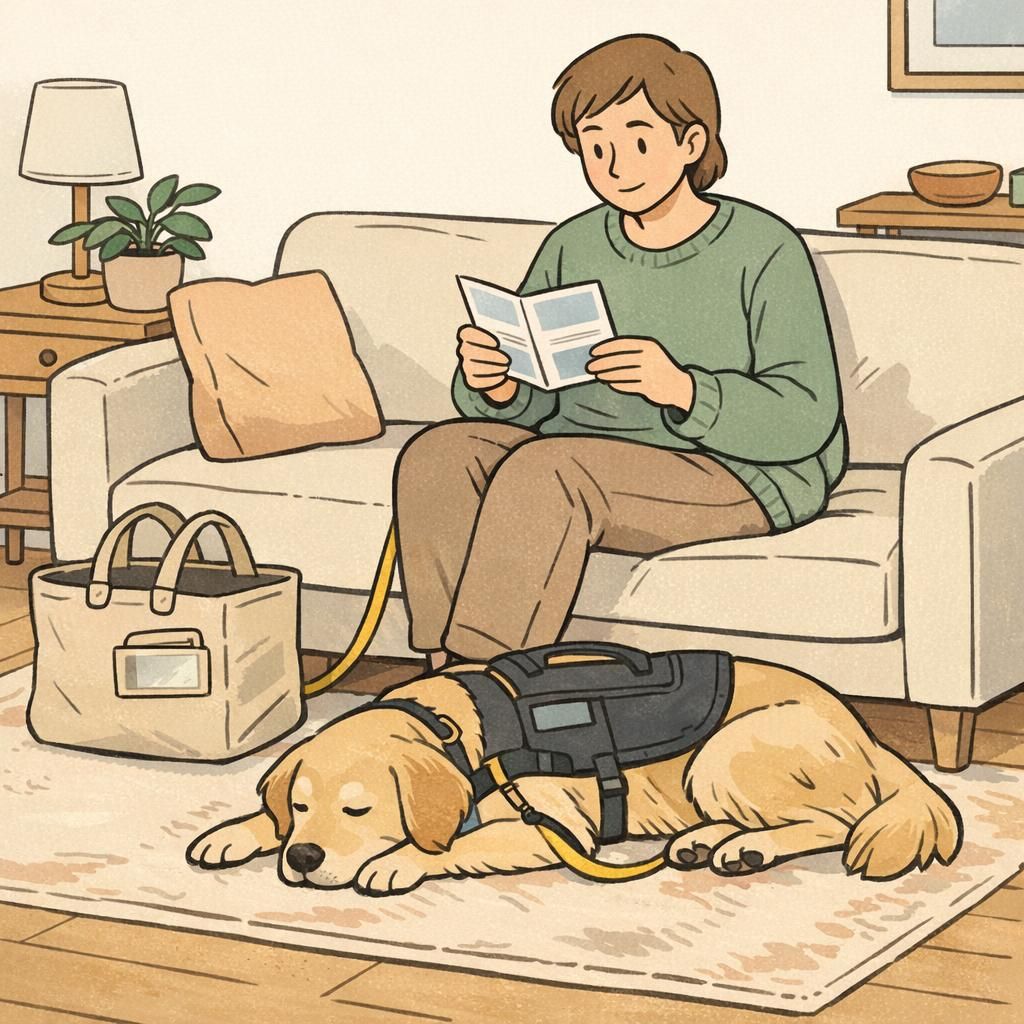
People use a lot of different terms when talking about animals that help with mental health—“service dog,” “support dog,” “therapy dog,” “companion animal.” In everyday conversation, those labels can overlap. In real life, what matters most is how the animal helps you function day to day, and whether the animal is trained to reliably do something specific that reduces the impact of a disability.
When owners say “mental health service animal,” they’re often talking about a psychiatric service dog (sometimes called a PSD). A PSD is a service dog trained to perform specific tasks that help a person with a psychiatric disability. That could mean tasks that interrupt escalating symptoms, guide the handler to safety, or help the handler stay grounded and oriented in public.
It’s also common for someone to start by calling their dog a “support dog” because that feels like the simplest description. Over time, as the person learns what their dog can be trained to do—and what category best matches their needs—the language often becomes clearer. The goal isn’t to “fit a label.” It’s to understand what support you have, what support you need, and how to communicate it confidently.
One reason owners seek registration materials is that the public uses these terms interchangeably, while the practical differences are meaningful. Understanding the categories can help you describe your animal accurately and avoid misunderstandings in housing, travel planning, and everyday public interactions.
Respectfully, none of these categories is “better” as a relationship. They’re different frameworks for different needs. For example, someone with panic attacks that cause disorientation in crowded places may benefit most from a service dog trained to guide them out. Another person may benefit primarily from the calming presence and routine of an ESA at home. And many people simply thrive with a beloved pet that brings structure and companionship.
Not automatically. Many dogs help anxiety by being comforting companions. A service dog (including a psychiatric service dog) is typically described by trained tasks the dog can perform to reduce the impact of a disability, especially in real-life situations.
Many working service dogs are also loved family pets off-duty. What matters in public settings is that the dog is under control, behaves appropriately, and can perform trained work when needed.
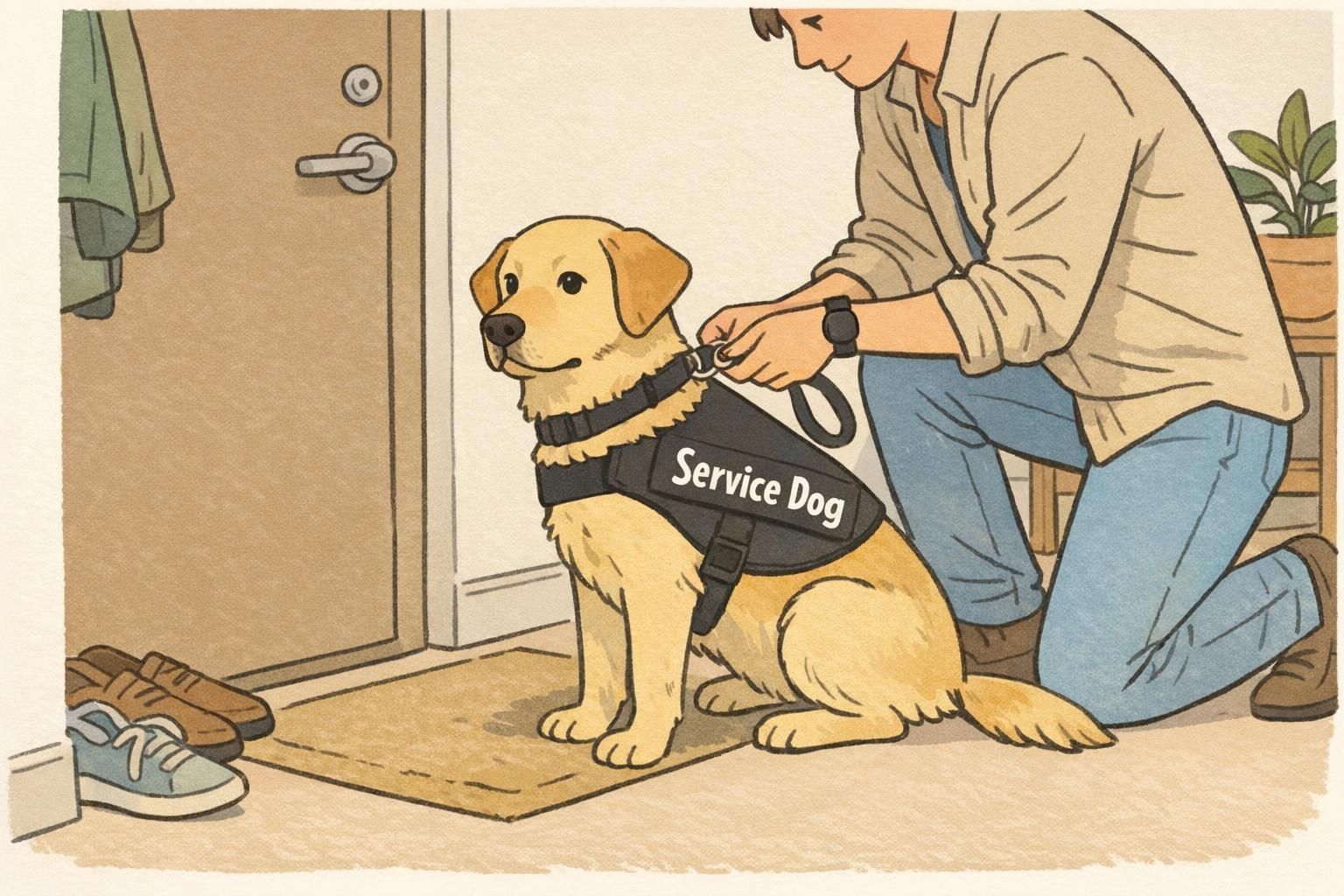
Psychiatric service dogs can be trained for a wide range of disability-related tasks. These aren’t vague “good vibes” (even though a steady dog can be reassuring). They are specific, practiced behaviors that show up consistently—at home, in public, and during the moments when symptoms could otherwise escalate.
Owners often describe the biggest value of a PSD as predictability: the dog does the same helpful thing every time, which creates stability when the handler’s mind or body feels unpredictable.
“ "The biggest change wasn’t just feeling comforted—it was knowing my dog had a reliable plan when my symptoms spiked. That predictability made leaving the house possible again." – Service dog handler”
Many handlers choose to register their mental health service animal for practical, everyday reasons. Registration is often about clarity: helping other people quickly understand that the dog is working, not just accompanying the handler as a pet.
In the real world, daily life includes apartment hallways, store entrances, workplace conversations, and the occasional awkward moment with someone who doesn’t understand service animals. Having clear identification can reduce friction and help the handler stay focused on their day—rather than on explaining personal medical details.
For owners who want a simple, ready-to-use set of materials, a starter registration package for everyday identification can be an easy way to carry what you need and reduce misunderstandings in routine settings.
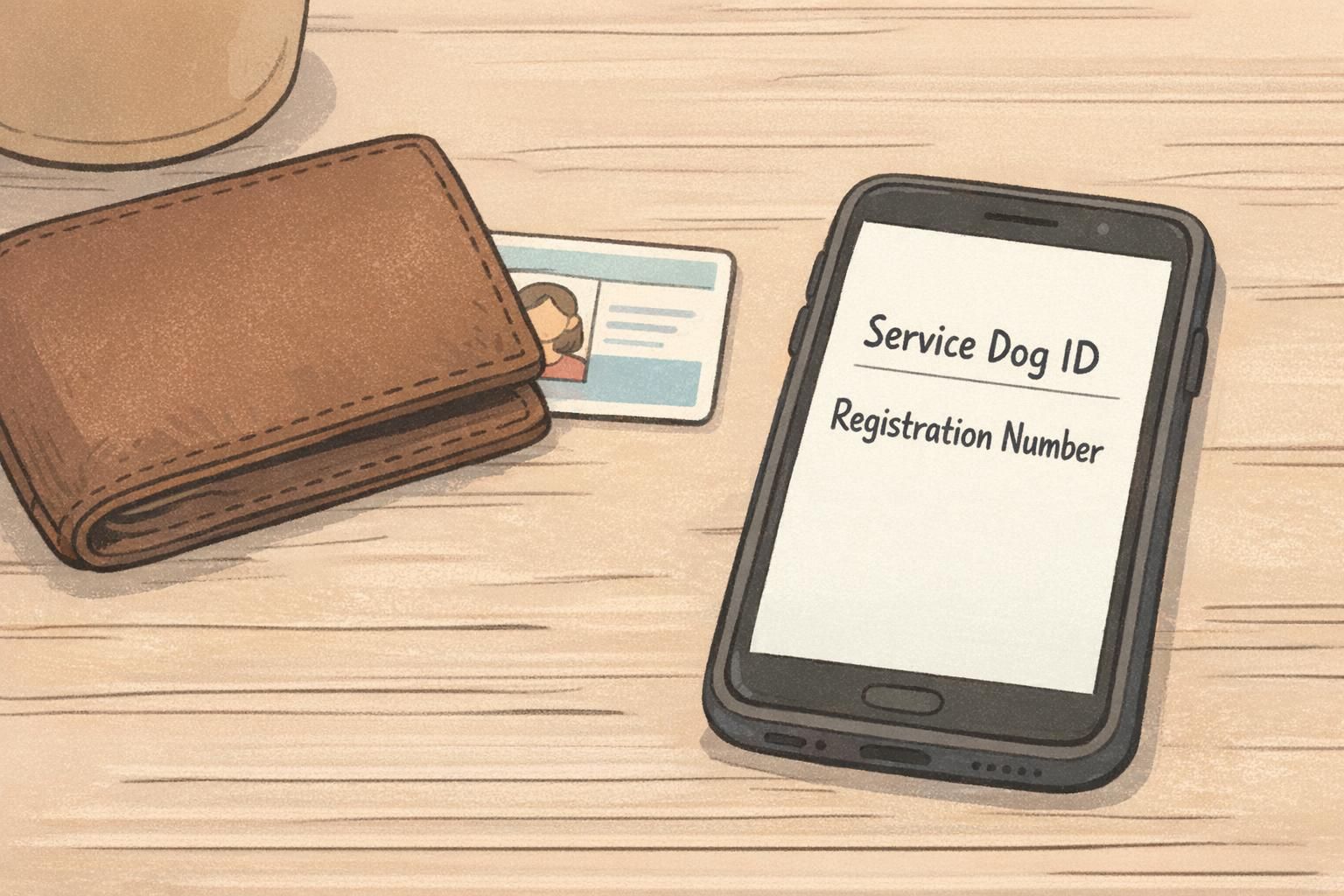
For many people with psychiatric disabilities, the hardest part of public access isn’t the dog—it’s the conversation. Being questioned can be stressful, especially if symptoms are already elevated. Registration materials can give you a calm, professional way to communicate your dog’s role while keeping your health information private.
The goal isn’t to “prove” anything in a heated moment. The goal is to reduce confusion, set a respectful tone, and move forward with as little conflict as possible.
Some handlers keep a small stack of ADA law handout cards for quick, polite explanations so they can respond consistently and professionally without turning a routine errand into an emotional discussion.
“ "When I’m already anxious, explaining feels impossible. Handing over a simple card keeps the interaction respectful and short." – PSD handler”
If you’re using a psychiatric service dog in public, it helps to know the basic framework businesses typically follow. Under the ADA, service animals are generally recognized as dogs trained to do work or perform tasks for a person with a disability.
Just as important: the ADA does not require registration or certification for public access, and businesses cannot demand documentation as a condition of entry. This is one reason handlers often choose to carry clear identification anyway—it can make everyday interactions smoother even when documentation is not required. For more details, see the ADA’s service animal FAQs (source).
If you want a single item that combines everyday identification with a quick ADA reference, some handlers prefer a customizable service dog ID with an ADA reference for convenient, on-the-go communication.
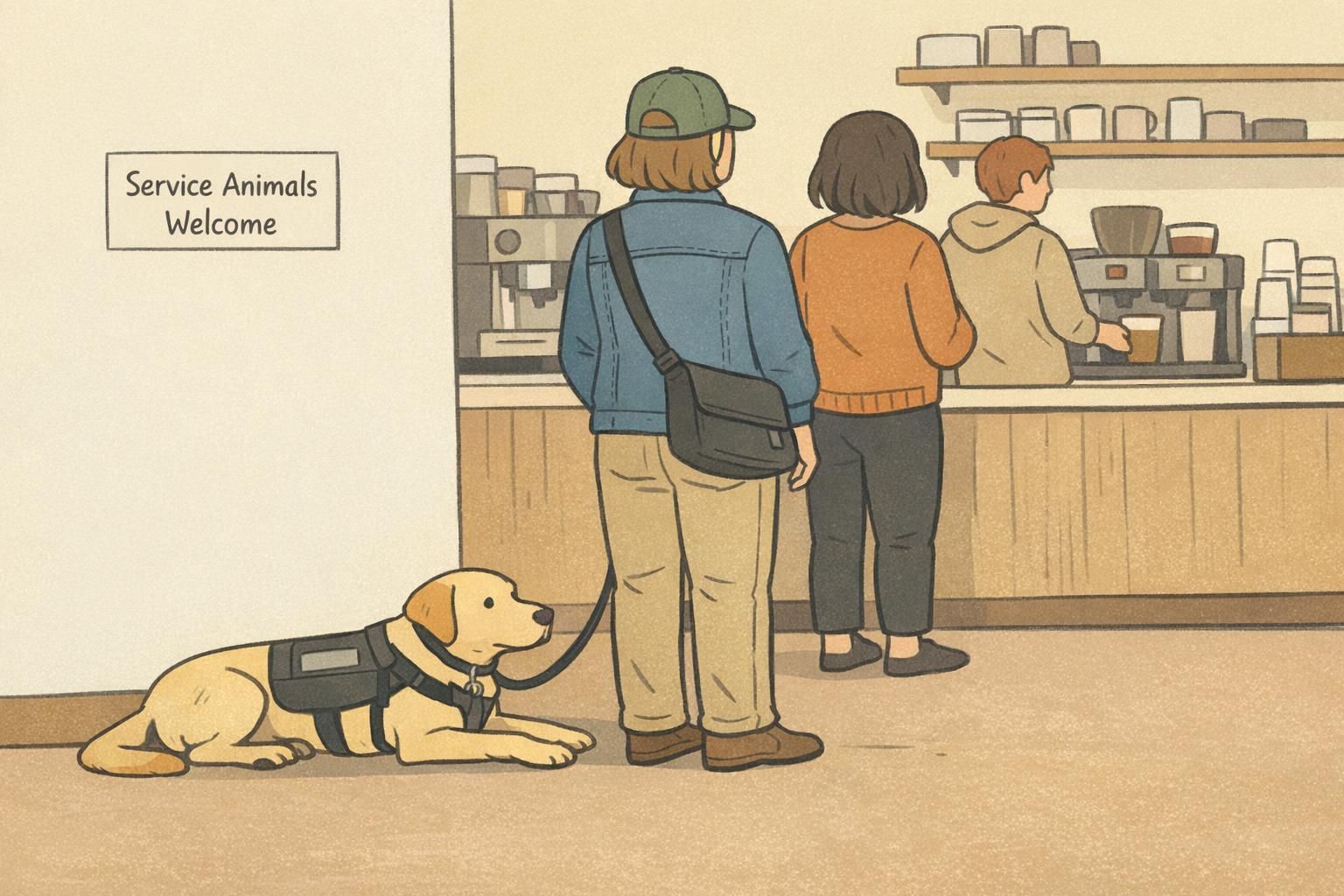
Even confident handlers can run into “pinch points,” especially during life transitions—moving to a new building, dealing with new property management, or planning travel. In these moments, having your dog’s information organized and consistent can save time and reduce stress.
Many owners build a simple “service dog folder” (physical or digital) with the basics they’re most likely to need quickly. The goal is convenience and readiness—not turning your life into paperwork.
For handlers thinking ahead about trips, these travel planning tips for handlers and service dogs can help you anticipate common questions and pack your essentials.
If you want a tidy, travel-focused set of materials that’s easy to carry and reference, a travel-ready service dog registration package can be a practical option for people who prefer having everything in one place.
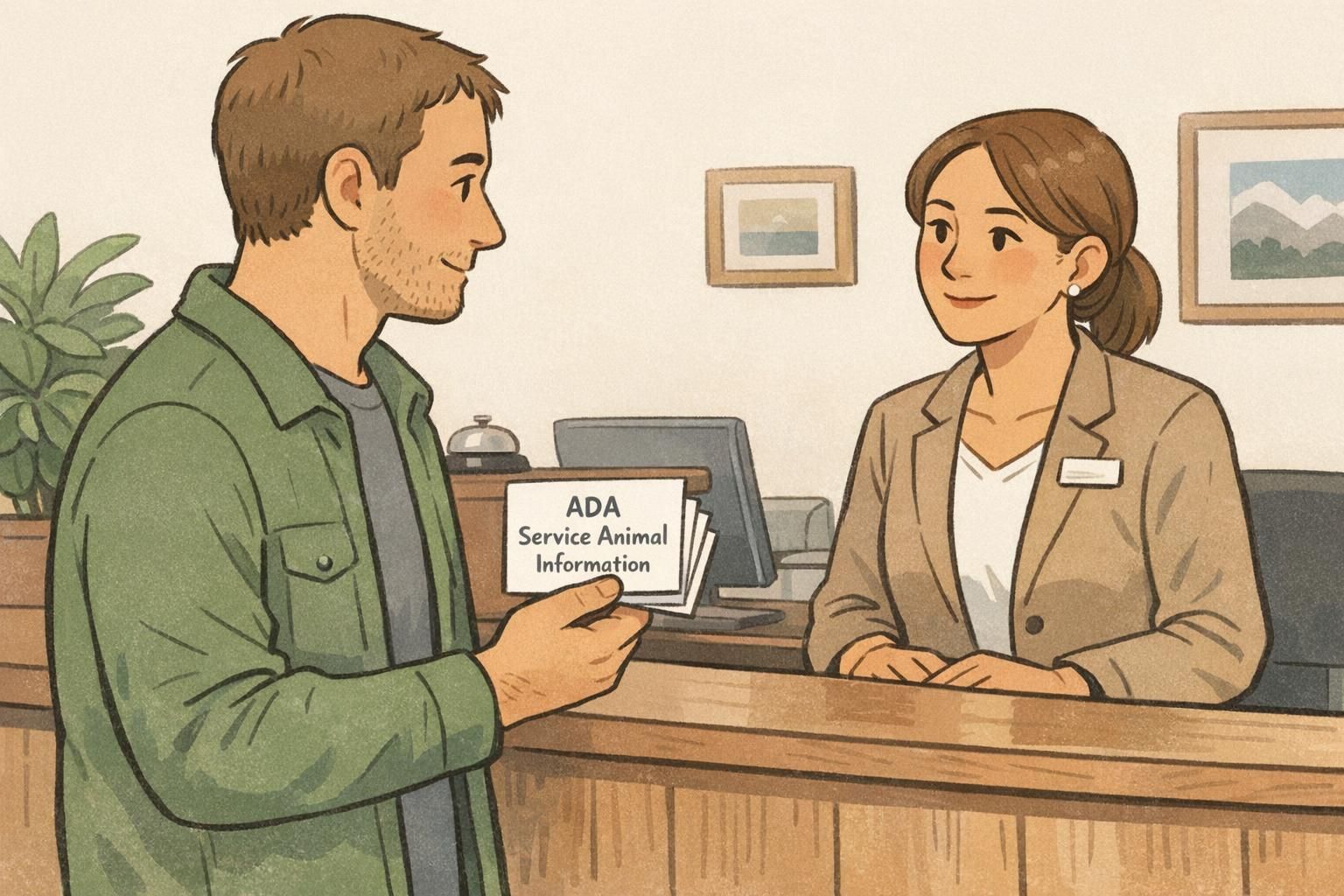
Registration isn’t one-size-fits-all. Some handlers want something fast and simple they can pull up on a phone. Others prefer a printed card they can hand over at a desk. And many people feel most at ease with a complete bundle of materials that covers day-to-day life plus travel.
If your priority is quick, convenient access, instant-access digital service dog ID can be a streamlined choice for everyday use—especially for handlers who like keeping key information on their phone.
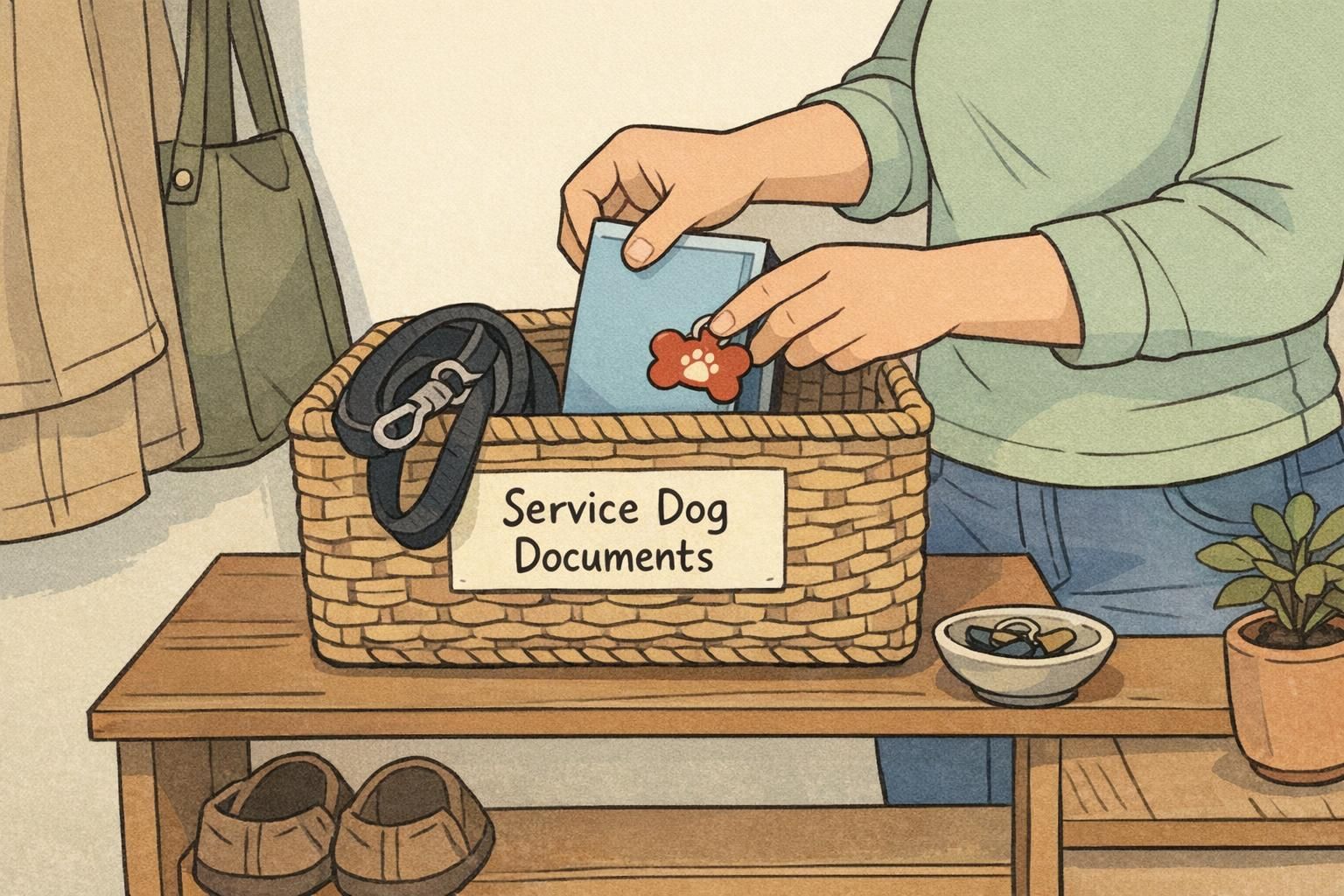
Most owners keep it simple and consistent: the handler’s name, the dog’s name, a clear photo, and the registration number/profile details. The goal is everyday identification—not sharing personal medical information.
Use it as a calm, optional communication tool. Stay brief, keep your dog close and under control, and offer the card only if questions arise. Let the card support the conversation rather than escalate it.
Many handlers use vests because they reduce confusion, but day-to-day realities vary. If your dog is not vested, clear behavior (quiet, controlled, focused) plus having an ID or profile available can help keep interactions smooth.
You can keep it simple: “I’m not comfortable discussing my medical information.” Then redirect to what matters for the moment—your dog is working, is under control, and is behaving appropriately.
Assume confusion before conflict. Use a steady tone, offer a short explanation, and focus on your dog’s training and behavior. If needed, provide a printed handout and ask for a manager calmly.
Prioritize your dog’s behavior and control, keep your local licensing and vaccinations current, and organize your dog’s key information so it’s easy to access. For individualized medical guidance, work with a healthcare provider; for situation-specific legal questions, consider speaking with a qualified legal professional.
For owners who want a single, comprehensive set of materials to cover everyday identification, communication, and common planning needs, a complete all-in-one registration package can be a comfortable choice—especially if you prefer having everything ready before you need it.
“ "Registration didn’t change what my dog can do—but it changed how smoothly my day goes. I feel more prepared, and I don’t have to scramble when questions come up." – Service dog owner”
Your trusted source for service animal registration. Get professional ID cards, digital profiles, and smart NFC tags to keep your service animal safe and recognized.
© National Animal Registry — All rights reserved.