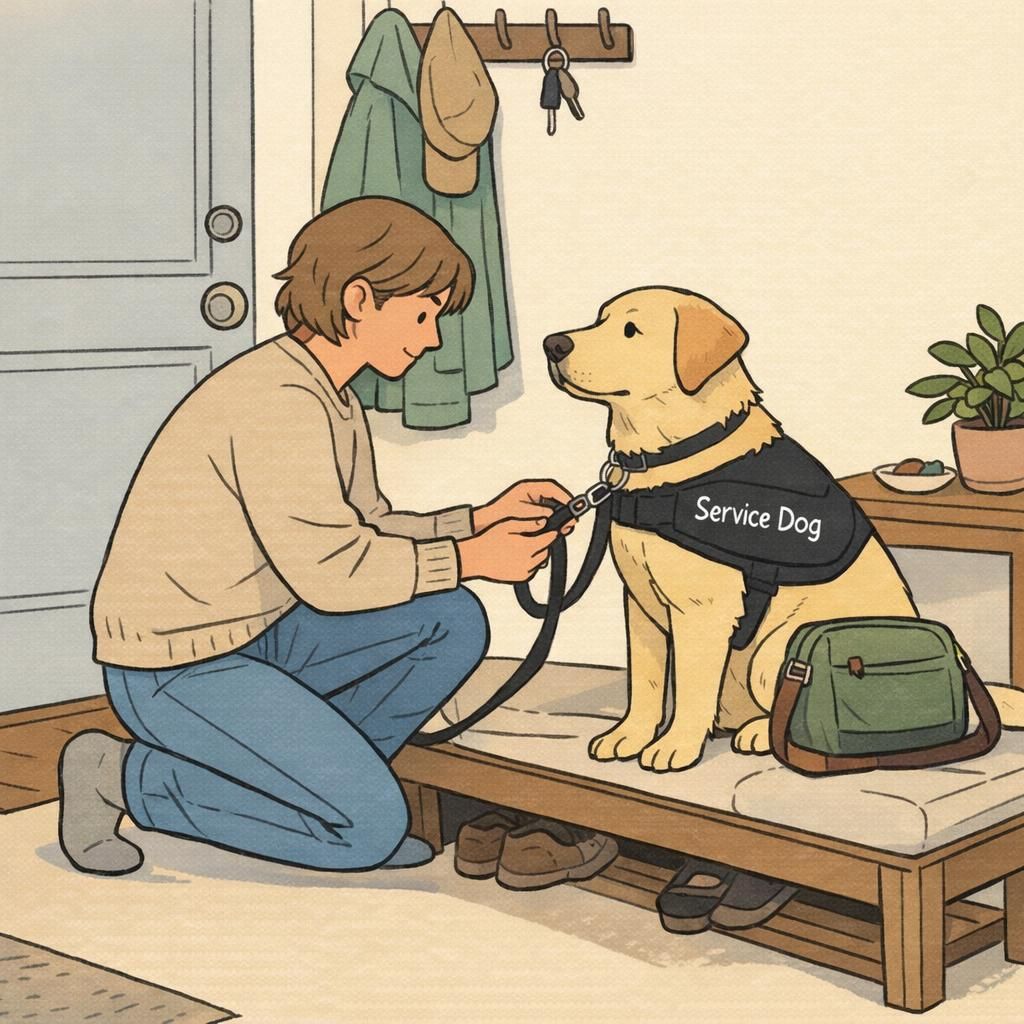
“Task-trained” means a dog has learned specific, reliable behaviors that directly help a person with day-to-day challenges. In real life, that looks less like flashy tricks and more like steady, repeatable actions: bringing a dropped phone, guiding someone around an obstacle, nudging a handler out of a spiraling moment, or leading them to an exit when things feel unsafe.
A helpful way to think about tasks is this: a task is something the dog does on cue (or when a trained situation happens) that changes the handler’s outcome. The outcome might be physical support (standing up safely), medical support (noticing a change and alerting), or mental health support (interrupting a harmful behavior and creating space to reset).
It also helps to understand common roles you may hear about, because each one supports people differently:
All of these dogs can be life-changing—but in this article, we’re focusing on the real-life benefits of task training: the practical, repeatable behaviors that make everyday moments safer, calmer, and more manageable.
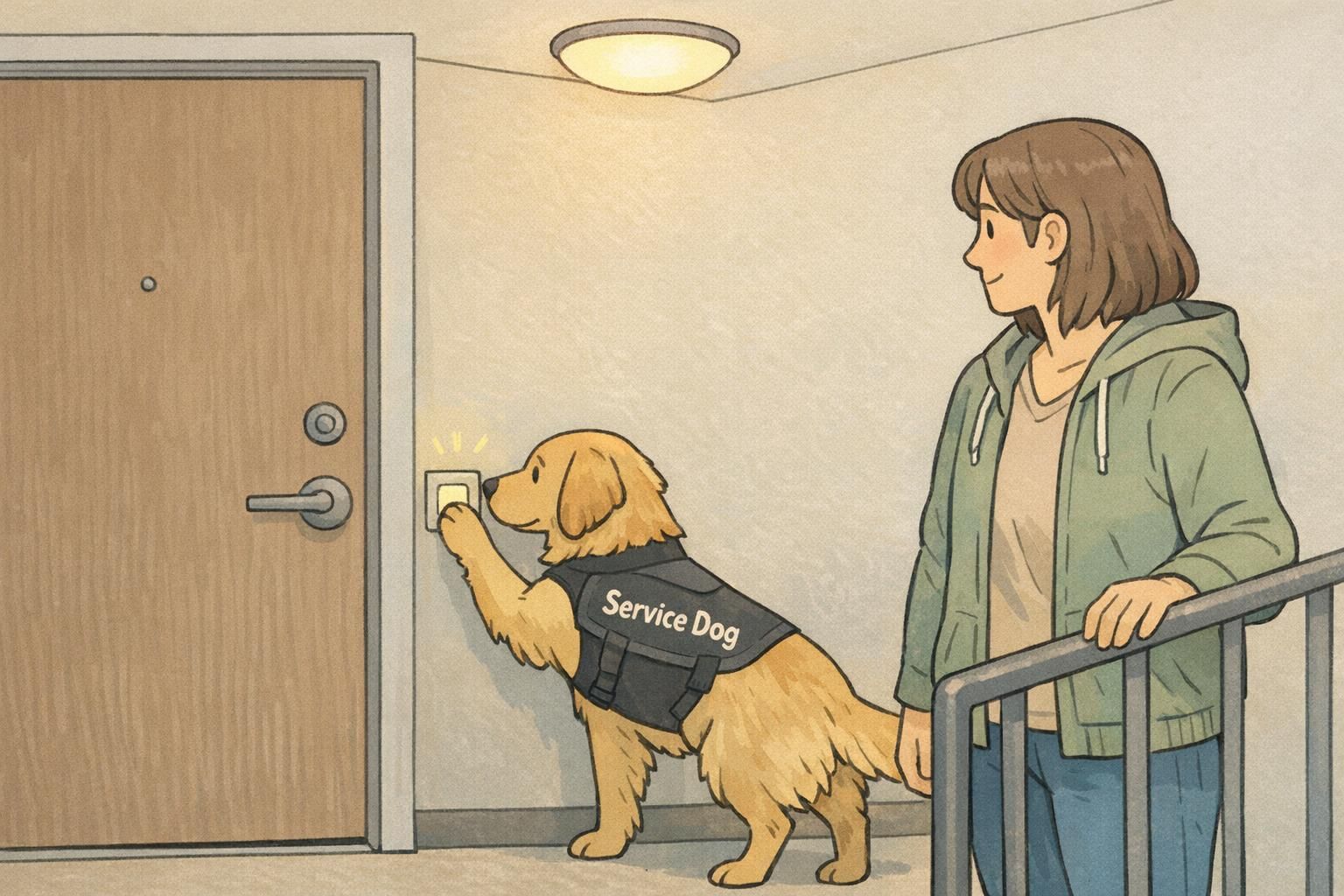
Many people first notice the impact of a task-trained dog in the “small” moments that add up: a dropped key, a difficult doorway, a light switch across the room, or a short walk that suddenly feels risky. A dog trained for mobility and daily living support can reduce strain, conserve energy, and help a handler move through their home and community with more confidence.
Physical support tasks are often designed to make the environment easier to navigate, reduce bending or reaching, and add a layer of safety when balance, strength, pain, or fatigue are challenges.
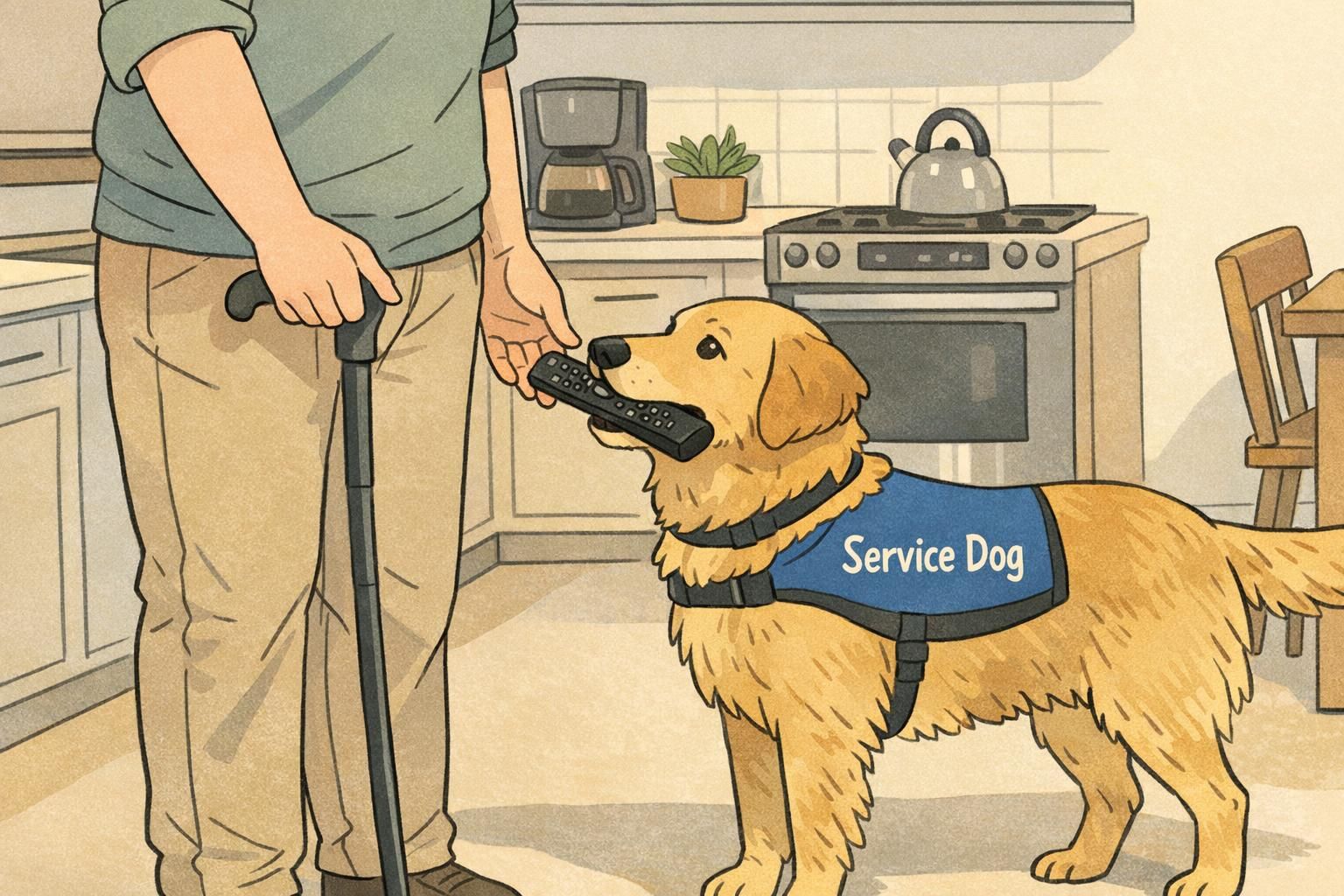
One of the biggest real-life benefits is reduced reliance on other people for routine tasks. That can mean fewer calls to a friend or family member, fewer paid assistance hours for simple errands, and less worry about being “stuck” if something falls or a door is hard to manage. Over time, these practical wins can build confidence: people often feel more willing to go out, attempt activities they’ve been avoiding, and maintain independence in their own home.
“ "It’s not just that my dog can pick something up—it’s that I don’t have to plan my day around whether someone is available to help. That changes everything." – Service dog handler”
Some task-trained dogs are trained to notice changes and respond in ways that help the handler act sooner. While every person’s needs and outcomes differ, the practical goal is consistent: reduce risk, shorten response time, and support safer routines.
Alerting and response tasks can include trained behaviors such as pawing, nudging, or persistent signaling to get attention, then leading the handler to an item or action that helps (like a kit, a seated position, or a trusted person). For many handlers, it’s not only about preventing emergencies—it’s about having a clearer “next step” when symptoms begin to change.
The everyday benefit is steadier decision-making. When a dog is trained to respond consistently, handlers often find they can keep better routines—checking levels earlier, sitting down sooner, taking a break before symptoms escalate, or exiting an environment before it becomes unsafe. That can mean fewer “snowball” days where one unmanaged moment leads to a bigger crash later.
Task-trained dogs can also support mental health in practical, structured ways. Beyond companionship, the real value often comes from predictable patterns: a dog that prompts a routine, interrupts a spiral, or provides grounding at the same moment each day. That consistency can help many handlers feel more stable and more in control of their time and energy.
Handlers commonly report improved emotional well-being, reduced stress, and greater day-to-day functioning when they have a well-matched service dog. In a large survey of service dog handlers, many participants described practical benefits such as reduced reliance on help from others and, for some, reduced prescribed medication use alongside improved well-being (source).
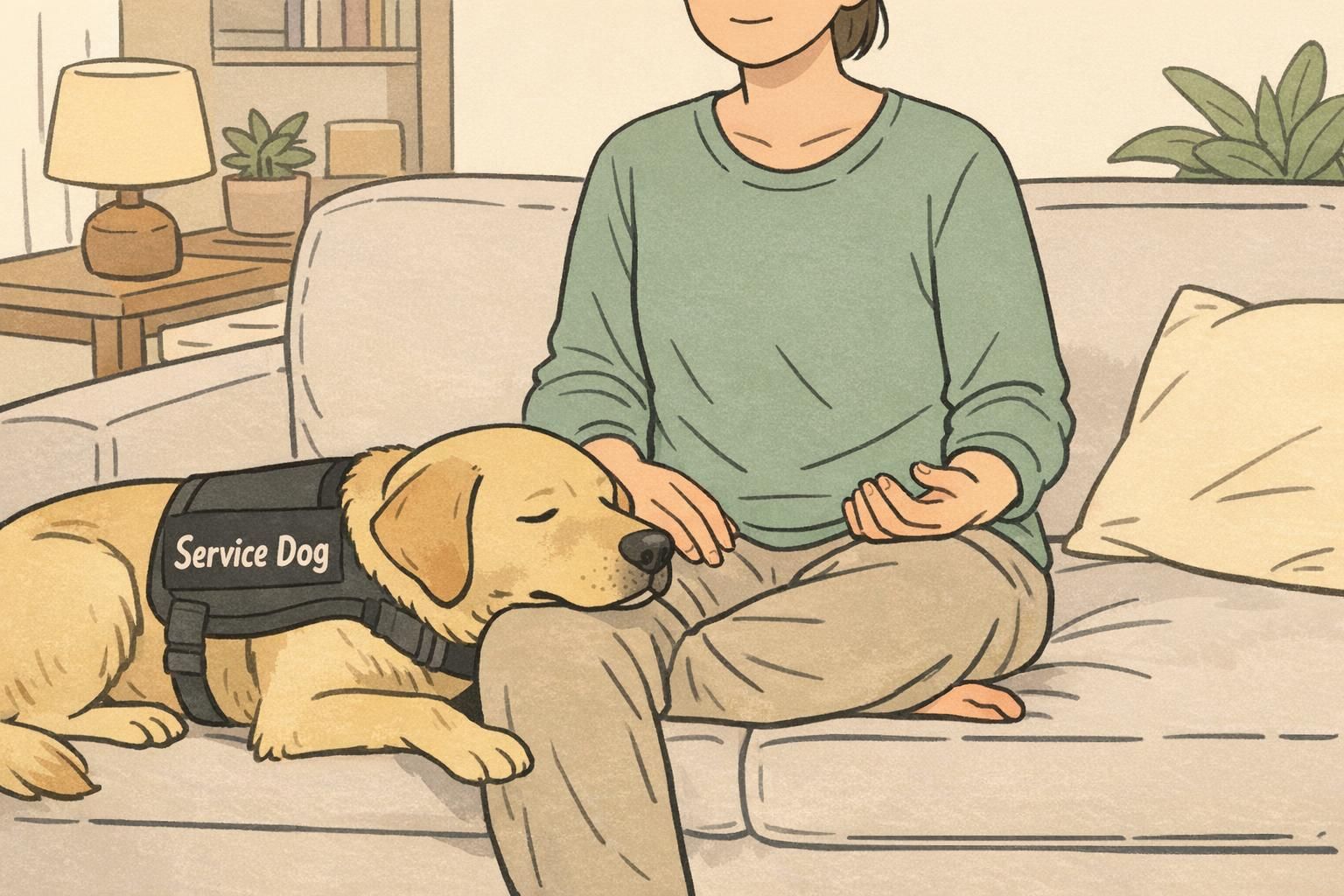
Psychiatric service dog tasks are often designed to create a “pause” between a trigger and a reaction—long enough for the handler to use coping skills, step away, or complete a stabilizing routine. These tasks can be subtle to observers but powerful for the person relying on them.
When everyday tasks become manageable, life tends to open back up. Task-trained dogs can help reduce the friction points that keep people from participating in their community—whether that’s attending class, returning to work, volunteering, running errands, or meeting friends.
In public, a task-trained dog can make routines more predictable. The handler has a plan for common stress points: navigating lines, finding a quieter route, handling a sudden symptom change, or staying steady in crowded spaces. That predictability can support better attendance and follow-through—showing up more consistently and leaving less often due to overwhelm or safety concerns.
“ "I don’t have to choose between being independent and being safe. My dog helps me do both—so I can actually say yes to plans again." – Service dog handler”
Even when a dog is well-trained, public interactions can feel stressful if the handler is worried about being questioned, misunderstood, or delayed. The goal isn’t conflict—it’s smooth, calm routines that keep the day moving.
Many handlers find that having clear identification materials available helps reduce friction in common situations like routine errands, travel conversations, or housing discussions. Optional registration and ID tools can also help you stay organized and feel more confident, especially when you’re already managing symptoms or fatigue.
For everyday identification, many handlers choose a customizable service dog ID card for everyday identification so they can quickly and calmly communicate their dog’s role when it’s helpful.
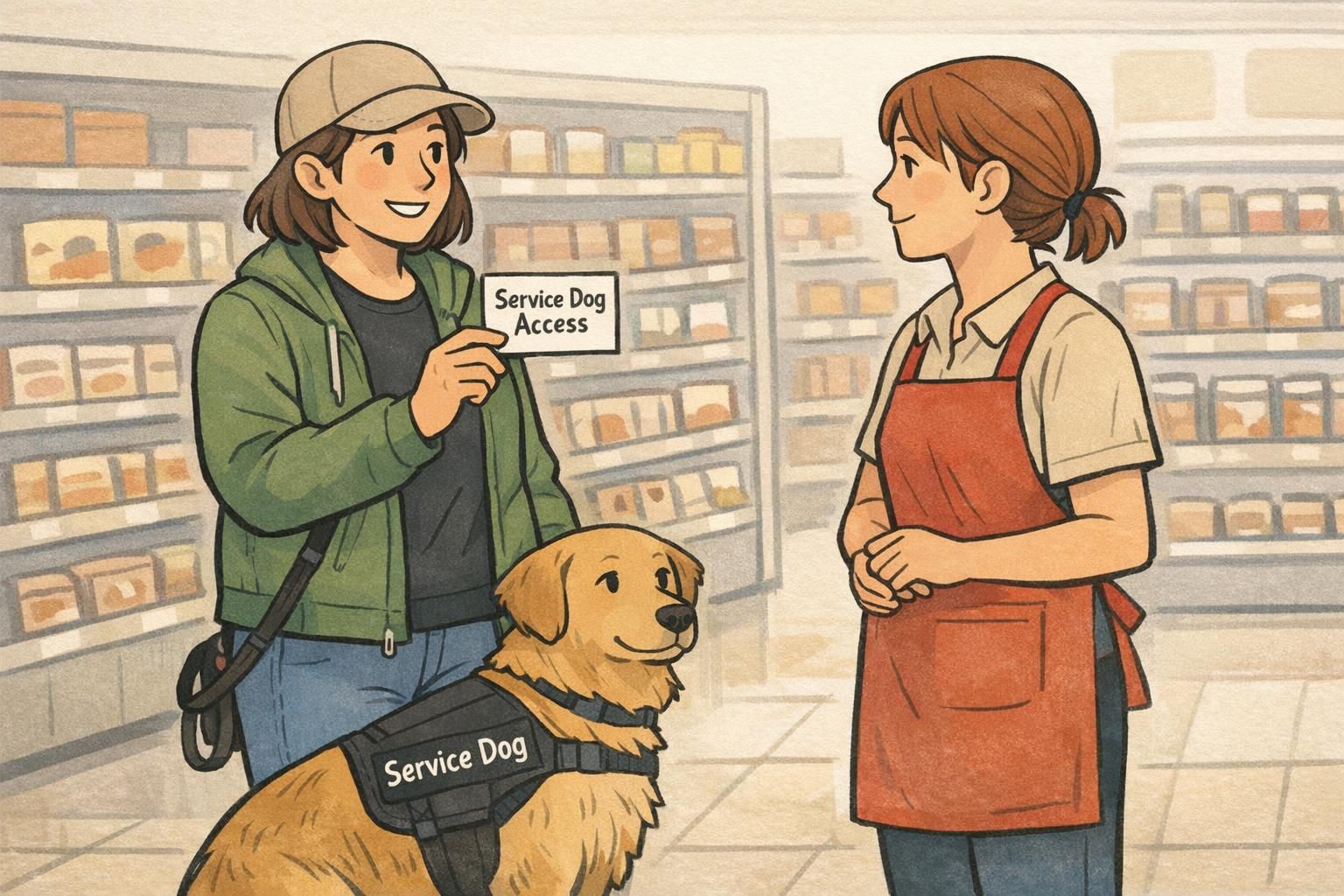
Many people rely primarily on training and calm handling, but having optional identification materials can make everyday interactions easier by reducing confusion and helping conversations stay brief and respectful.
Consistency: polite behavior, reliable cues, and a simple plan for common situations (lines, tight spaces, and settling). Clear communication tools can support that plan when you need them.
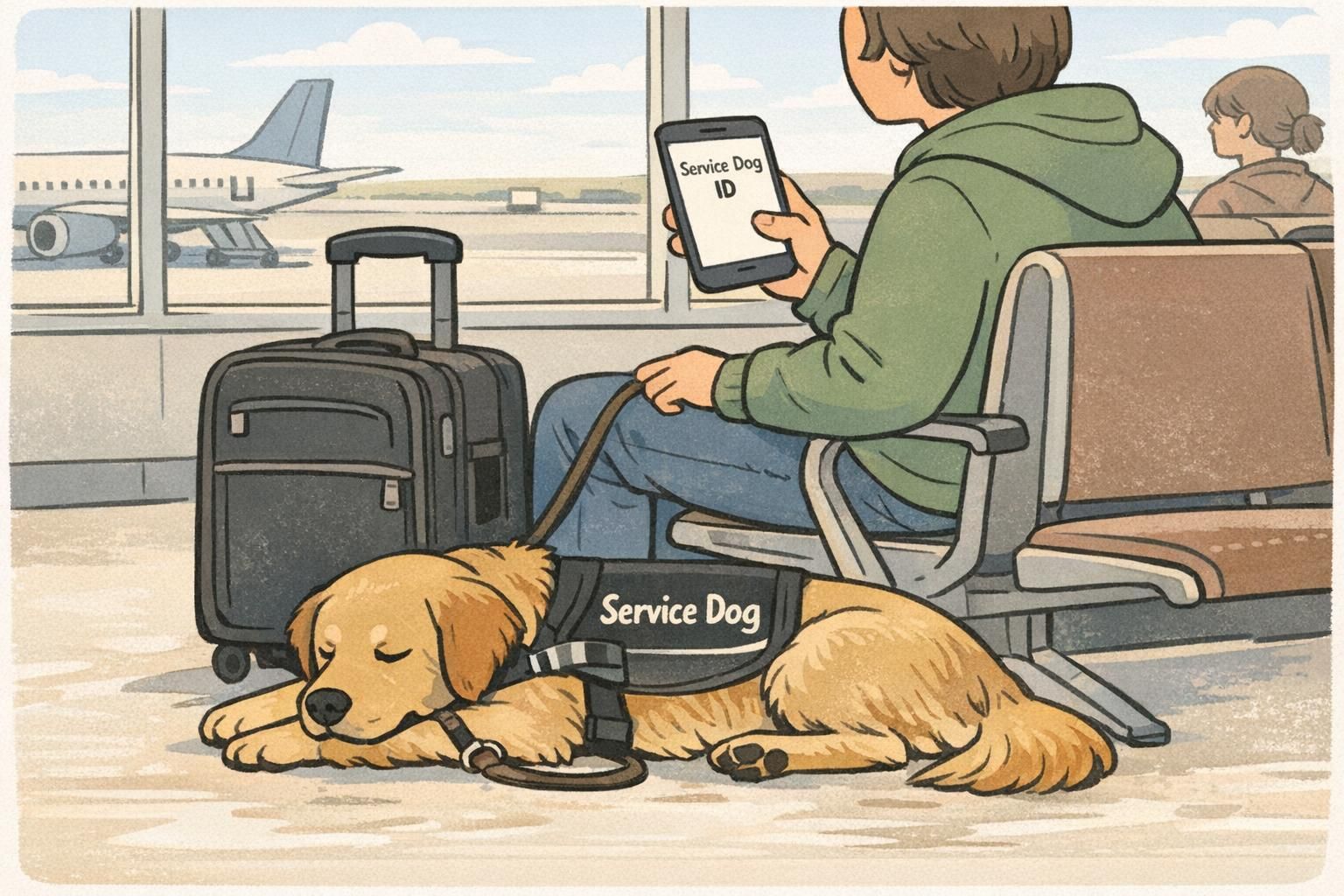
Travel amplifies everything: noise, crowds, schedule changes, and unfamiliar layouts. A task-trained dog can help turn “big days” into manageable routines by providing grounding, guiding familiar patterns (like a tight heel or a settle), and supporting mobility and focus when the environment is unpredictable.
If you’re building a travel plan, it can help to review travel tips for planning a trip with a service dog and think through your dog’s skills in the specific situations you’ll face: security lines, waiting areas, busy sidewalks, elevators, and long periods of stillness.
When a quick, calm explanation is needed, some handlers carry ADA handout cards to help explain service dog access calmly so conversations can stay respectful and brief.
Not every person needs the same kind of help. Some people benefit most from specific task-based assistance in public and at home. Others primarily need emotional support at home to improve stability, sleep, and daily coping. And for many, a beloved companion animal provides meaningful comfort and motivation that improves overall well-being—even without formal task work.
When you’re choosing the right fit, start with your goals rather than labels. Ask yourself what would make the biggest difference on an average Tuesday: fewer falls, fewer panic spirals, better medication routines, or simply a steadier sense of companionship.
Yes. Many people start with one kind of support and adjust as life changes. The “right” choice is the one that helps you function better in your real environment—home, work, school, and community.
Match. The best outcomes come from an animal whose temperament, energy level, and daily care needs fit your lifestyle—along with support strategies that address your specific challenges.
Task-trained dogs can provide powerful, real-world benefits, and many handlers report meaningful improvements in independence, emotional well-being, and daily participation. At the same time, outcomes are not identical for everyone. Benefits depend on the person’s needs, the dog’s training and temperament, the environment, and how consistently routines are maintained.
It can help to measure progress in everyday wins rather than “perfect days.” The most meaningful changes are often practical: fewer near-falls, smoother morning routines, fewer symptom escalations in public, more consistent attendance at work or appointments, and more confidence doing errands alone.
“ "My dog didn’t replace all support in my life—but he made the support I do need more targeted, and my days more predictable." – Service dog handler”
If you’re building life with a task-trained dog (or strengthening an existing partnership), the best next steps are simple and practical: clarify what you need most, reinforce reliable cues, and keep your day-to-day information organized so you can move through the world with less friction.
Many handlers also choose optional documentation to keep everything consistent and easy to reference. For example, a starter registration package for clear everyday documentation can be a convenient way to organize your dog’s information and support confident communication during travel, errands, or housing conversations.
Your trusted source for service animal registration. Get professional ID cards, digital profiles, and smart NFC tags to keep your service animal safe and recognized.
© National Animal Registry — All rights reserved.