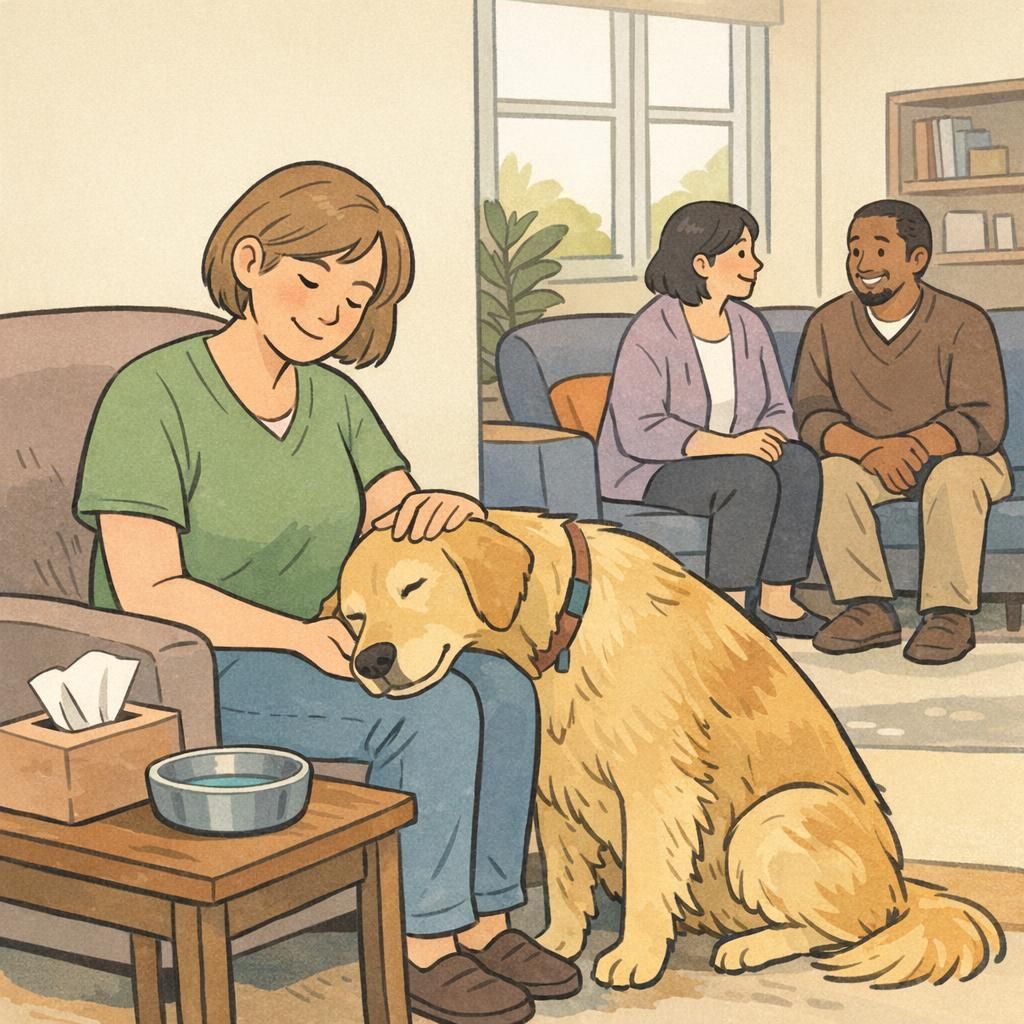
If you feel like you’re seeing therapy dogs more often—in school hallways, hospital lobbies, college finals week events, and even local community fairs—you’re not imagining it. Therapy dog programs have expanded quickly in the last few years, and they’re showing up in places that used to feel strictly “no animals allowed.”
A few big-picture shifts help explain the change. First, mental health conversations are more mainstream than ever, and organizations are actively looking for practical ways to support people in everyday moments—not just in crisis. Second, many communities are still feeling the aftereffects of post-pandemic isolation: fewer casual interactions, more stress, and a stronger need for connection. Third, there’s a growing comfort with well-run, dog-assisted programs in public-facing settings, especially when visits are structured, predictable, and focused on safety and consent.
A therapy dog is a friendly, steady dog who participates in structured visits or programs designed to provide supportive, positive interactions. These visits might happen in a hospital, a school, a senior living community, or a community event. The focus is not on performing disability-related tasks, but on offering calm presence, gentle engagement, and a chance for people to feel more at ease.
In everyday conversation, you may hear terms like “therapy animal,” “comfort dog,” or even “support dog” used loosely. Most of the time, when someone says “comfort dog,” they mean a dog brought in to help people feel calmer or more connected during a stressful moment—like after a difficult event at a school, during exam week, or in a counseling setting.
Clear language matters because it sets expectations. When a school hosts a therapy dog visit, staff and students should know what the dog is there to do (friendly, supportive interactions), what the boundaries are (ask before petting, short sessions, respect the handler), and what the dog is not there to do (provide clinical treatment or replace professional care).
Often, “comfort dog” is an informal term people use for a therapy dog or a dog involved in supportive community visits. Programs may use one term or the other depending on the setting.
No. Therapy dog programs are common in schools, colleges, senior living communities, hospices, libraries, and community events—anywhere a calm, supportive presence can help.
One reason therapy dogs are valued is that their impact can be felt quickly. Even brief, supportive visits can help reduce loneliness, ease stress, and create a sense of connection—especially in environments where people feel overwhelmed, uncertain, or isolated.
In clinical and high-stress settings, a short interaction can shift the tone of a person’s day. Petting a calm dog, making eye contact, or simply sitting nearby can encourage relaxation and help people feel grounded. For many, it’s not about a dramatic transformation—it’s about a small, real moment of comfort that makes it easier to cope with what comes next.
Research also helps explain why more institutions are investing in these programs. For example, VCU Health reported findings that therapy dogs reduced loneliness in hospitalized psychiatric patients—even with brief visits—offering a concrete, research-backed example of why hospitals and community partners continue to expand therapy dog access and programming (source).
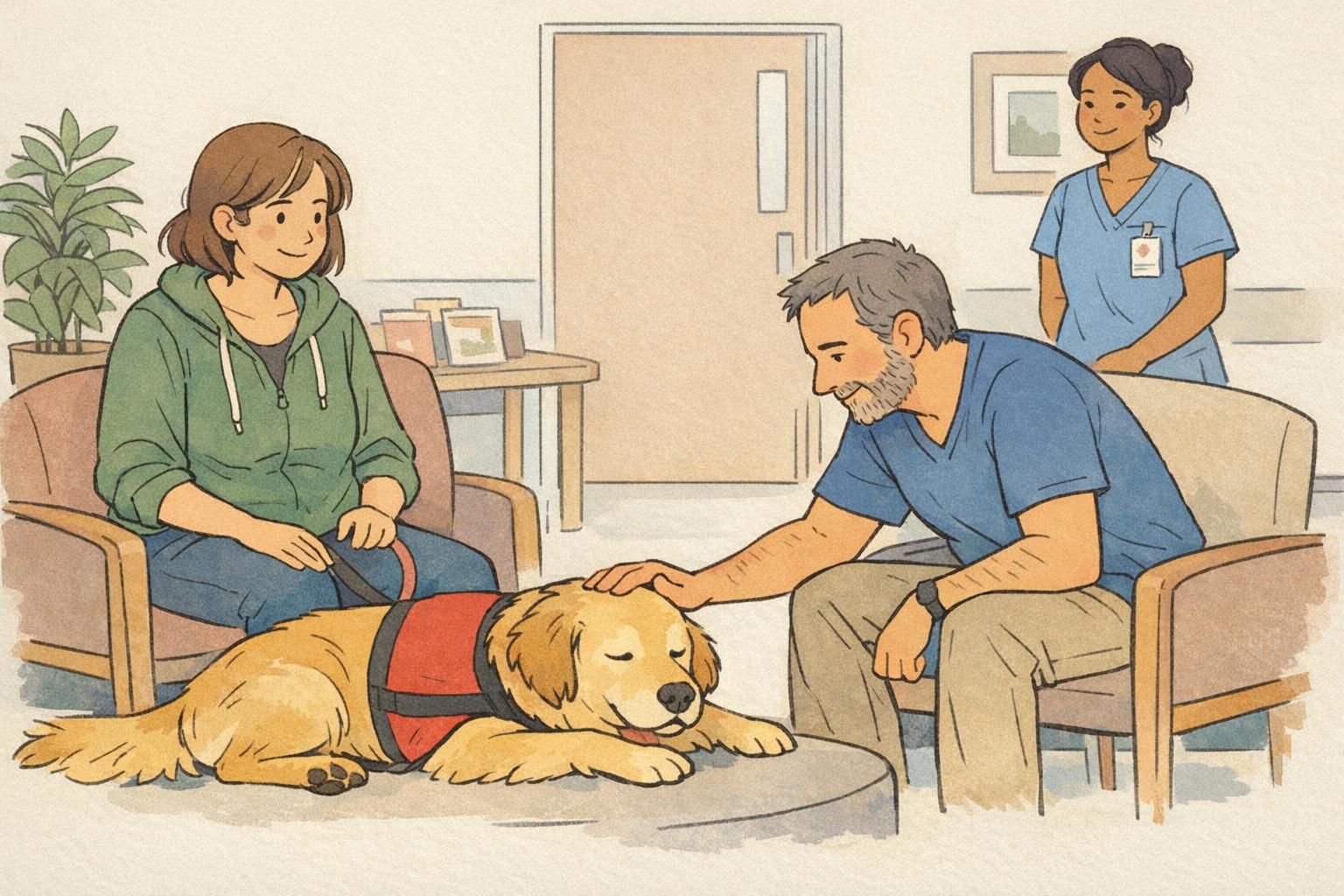
Therapy dogs are often described as “icebreakers,” and that’s not just a cute phrase. In group settings, a dog’s presence can make it easier for people to start talking, share a quick smile, or feel comfortable participating. That matters in places like waiting rooms, student common areas, senior living communities, and community outreach events where people may otherwise keep to themselves.
Dogs create a shared, low-pressure topic: “What’s their name?” “How old are they?” “Can I say hello?” Those simple exchanges can lead to bigger benefits—a warmer atmosphere, more interaction with staff, and a general sense that the environment is supportive rather than purely transactional.
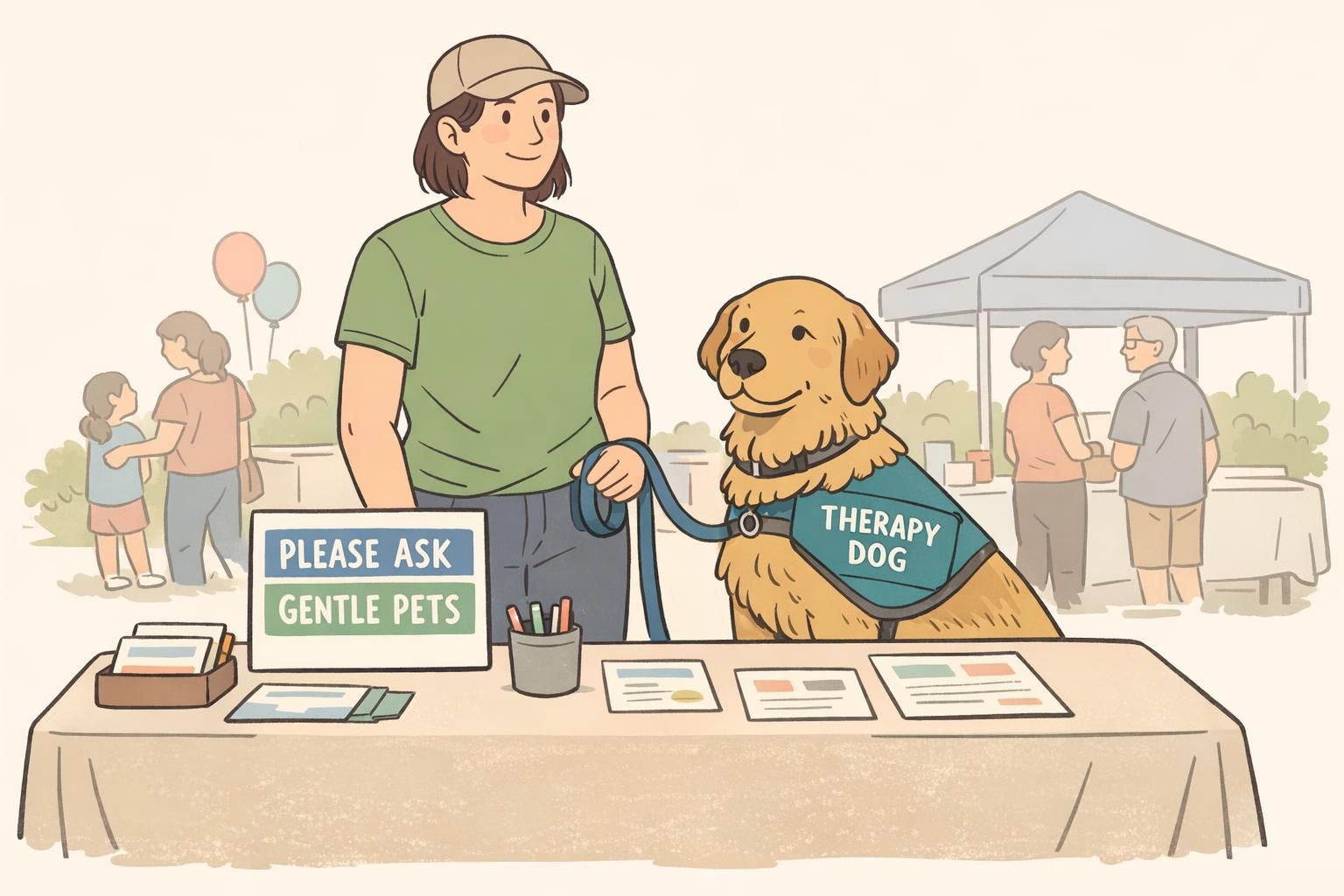
Importantly, well-run therapy dog visits can support connection even for people who aren’t “dog people.” Clear consent rules (like asking before petting), respectful distance, and the option to simply observe help ensure the experience feels inclusive rather than intrusive.
“ "When the therapy dog comes in, people start talking to each other. It changes the whole room—from tense and quiet to calmer and more human." – Community program coordinator”
Therapy dogs aren’t just helpful emotionally—they can also support recovery in practical ways. In rehabilitation settings, a gentle visit may encourage someone to sit up, reach out, or engage more willingly with their environment. Small actions like petting a dog, brushing their coat, or taking a short supervised walk can support comfort, motivation, and routine.
Many programs report that therapy dog visits can help people feel more willing to participate in therapy activities—especially when progress feels slow or discouraging. While therapy dogs aren’t a substitute for medical care, their presence can create a calmer moment that makes it easier to try again.
Therapy dog programs tend to thrive in places where stress is high, routines can feel clinical, or loneliness is common. These visits work best when they’re predictable and well-structured—clear schedules, clear boundaries, and a consistent approach to safety and hygiene.
A typical visit is usually simple: a handler arrives with the dog, checks in with the host site, and sets up in a designated area. Visitors are invited to approach calmly, ask before petting, and interact briefly. Many programs keep sessions short to protect the dog’s well-being and ensure every interaction stays positive.

Part of the growth is simple visibility. When people see therapy dogs in action—whether through a heartwarming local news story or a short video posted by a school—therapy dog programs become easier to understand. Instead of feeling unusual, they start to feel normal: a practical wellness tool that communities can offer.
That visibility creates a loop. More stories lead to more requests from schools, hospitals, and event organizers. More requests encourage more volunteer teams to get involved. And as programs expand, best practices spread—making it easier for organizations to host visits confidently.
“ "We posted one photo of the therapy dog visit, and three other departments asked if we could schedule one for their teams too." – Hospital staff member”
Because dogs can support people in different ways, the terms can get mixed up. A practical way to reduce confusion is to focus on the role the dog is playing in that moment—and the setting where the dog is present.
Therapy dogs generally participate in organized visits or programs where the goal is to provide friendly support to others (patients, students, residents, community members). Service dogs generally assist an individual handler with disability-related tasks and are part of that person’s daily support. Emotional support animals (ESAs) provide comfort and emotional stability to their owner through companionship and are commonly discussed in the context of housing or other approved situations.
These categories can come with different typical expectations in public places, housing contexts, and organized programs. When communities use clear terms and explain the purpose of the visit, it helps everyone interact respectfully—especially the people who rely on these animals and the teams volunteering their time.
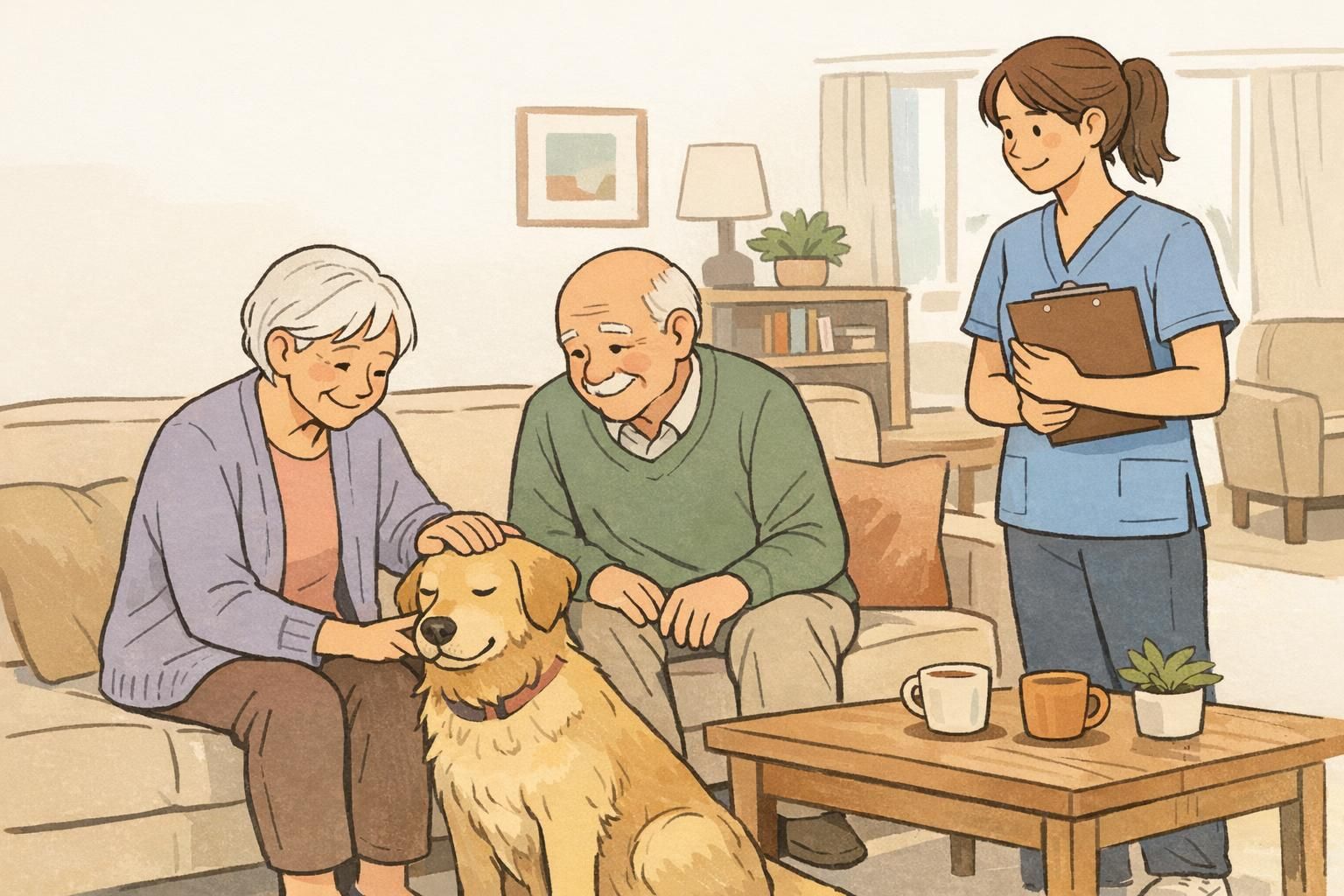
Therapy dog programs are community-powered. Many depend on volunteer handler-and-dog teams, supportive host sites, and simple resources that make visits smooth and safe. If you love the idea of therapy dog visits in your community, there are several ways to help—even if you don’t have a dog.
Good programs plan for that. Hosts can choose a designated area, allow people to opt in, and keep clear walking paths so anyone can keep distance comfortably.
Yes. Many workplaces host short, structured wellness visits—especially during busy seasons—when they can provide a calm space and clear participation guidelines.
In real life, the hardest part of dog-assisted programs is often not the visit itself—it’s the small misunderstandings that happen around it. People may not know whether they can approach. Staff may not know the purpose of the dog’s presence. Event organizers may want a simple way to communicate expectations to the public.
That’s where clear identification and easy-to-share educational materials can help. Registration materials, IDs, and certificates are optional tools that can support smoother conversations by making the dog’s role easier to understand at a glance. For handlers, it can add confidence when checking in at a site, participating in community events, or explaining a dog’s purpose in a calm, consistent way.
In community settings, clarity reduces friction. When everyone understands what’s happening—who the handler is, what the dog’s job is during the visit, and what the etiquette rules are—the experience tends to be more respectful for the dog, the handler, and the people who want support.
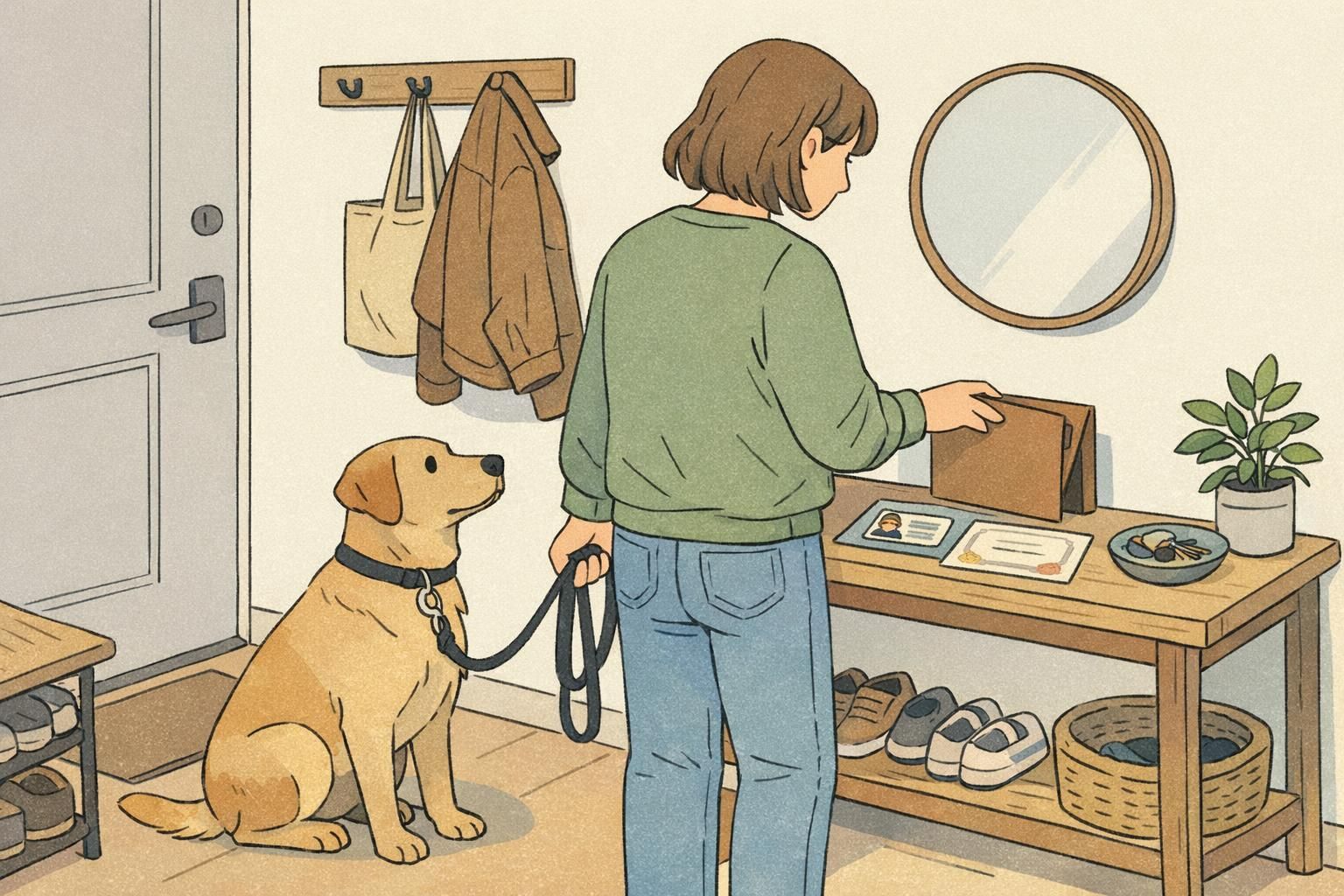
The best therapy dog visits feel easy for everyone involved—but that “easy” feeling usually comes from good planning. Whether you’re a handler preparing for visits or an organization hosting a program, a few practical steps can protect the dog’s well-being and help visitors feel comfortable.
Many programs aim for short, positive sessions with breaks, rather than long blocks of nonstop interaction. The right length depends on the dog, the environment, and the number of visitors.
Share where the visit will happen, who can participate, basic etiquette (ask before petting, gentle touch, no sudden movements), and any allergy or opt-out options.
“ "Our best visits are the ones where everyone knows the plan—where to sit, how to approach, and when it’s time for the dog to rest." – Therapy dog handler”
Your trusted source for service animal registration. Get professional ID cards, digital profiles, and smart NFC tags to keep your service animal safe and recognized.
© National Animal Registry — All rights reserved.