
Life with a service dog, support dog, or companion animal often includes small but frequent moments where clear communication matters. A national registry can act as a single, organized place to store key details about your animal—so you’re not scrambling to explain, repeat information, or hunt for paperwork when a question comes up.
Instead of relying on memory in the middle of a busy day, a centralized profile helps you present consistent information in a calm, professional way. Many handlers find that simply having a ready-to-show profile, ID, or certificate reduces confusion during routine interactions—like entering a building, checking into an appointment, or speaking with a new property manager.
In real life, questions tend to happen at the least convenient times: at a lobby desk, in a hallway, or while you’re juggling bags and schedules. Registry-issued IDs and certificates provide a simple, professional way to communicate your animal’s role without turning the moment into a long explanation.
These materials are best understood as convenience tools. They can help the other person understand what you’re saying more quickly—especially if they’re unfamiliar with service and support animals or they’re trying to follow their own workplace policies. The goal is smoother, more respectful conversations, not pressure, confrontation, or having to “prove” yourself.
“ "When I can present the same clear information every time, conversations stay short and polite. It helps me focus on my day instead of feeling on the spot." – Registry user”
Many people choose a national registry because it offers a recognized, standardized format for presenting an animal’s profile—often including a unique registration number and consistent presentation. That standardization can make your information feel easier for others to understand at a glance, which is especially helpful in environments where staff members see many visitors each day.
Just as importantly, registering is voluntary. You remain in control of your information and how you use it. Some handlers like having a professional profile available “just in case,” while others prefer to share only a small amount of information when it’s truly needed.
Voluntary national listing programs in other contexts are often used because they provide visibility and practical benefits without taking decision-making away from owners or participants. That general concept—benefits plus personal control—is one reason people appreciate the option of a national registry for animals as well (source).
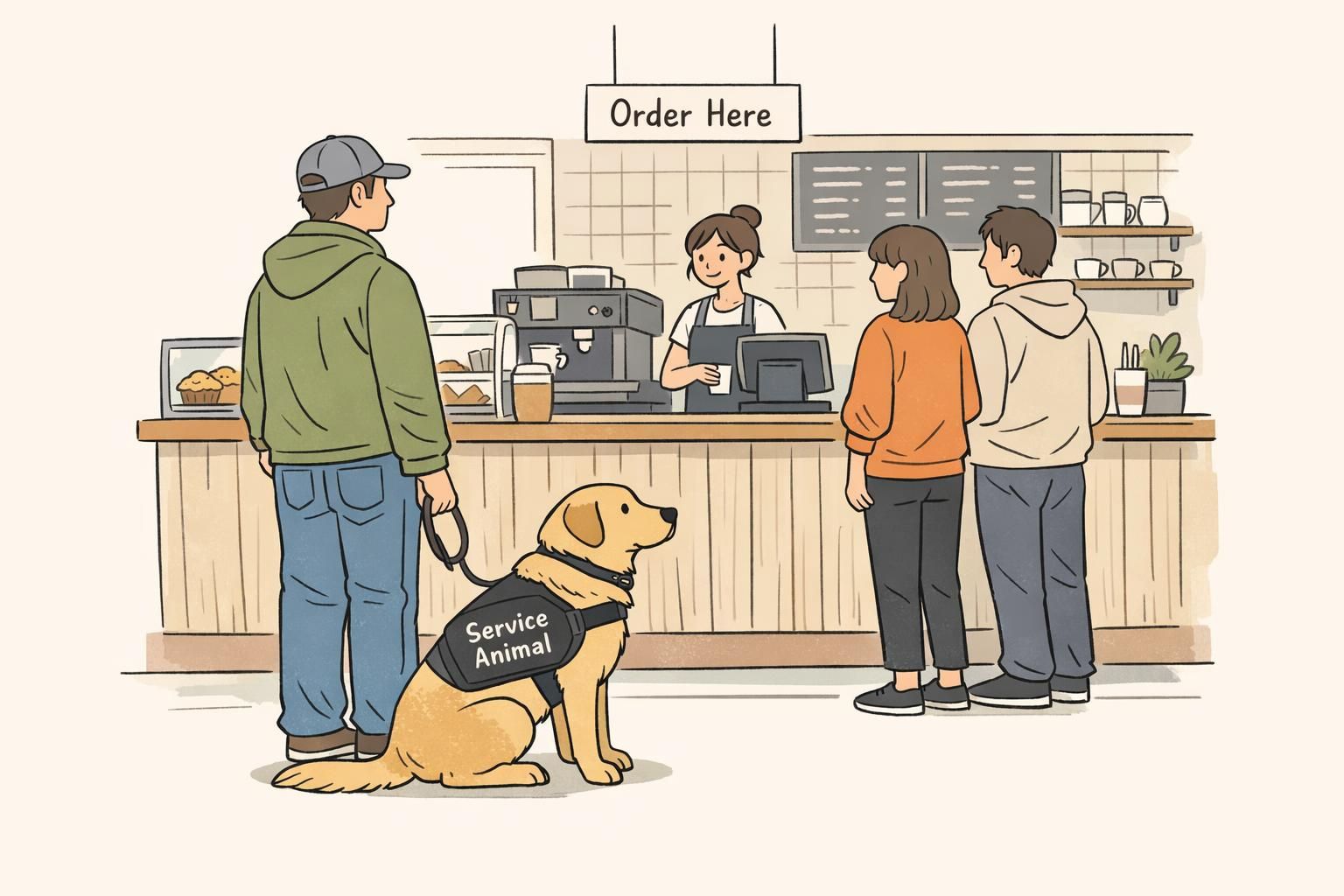
The most common reason people register is simple: they want fewer misunderstandings. Housing discussions, travel plans, and busy public spaces can all create moments where you’re asked to explain your animal’s role quickly. Having a registry profile, an ID, or quick-reference materials can help you approach those moments with calm preparedness.
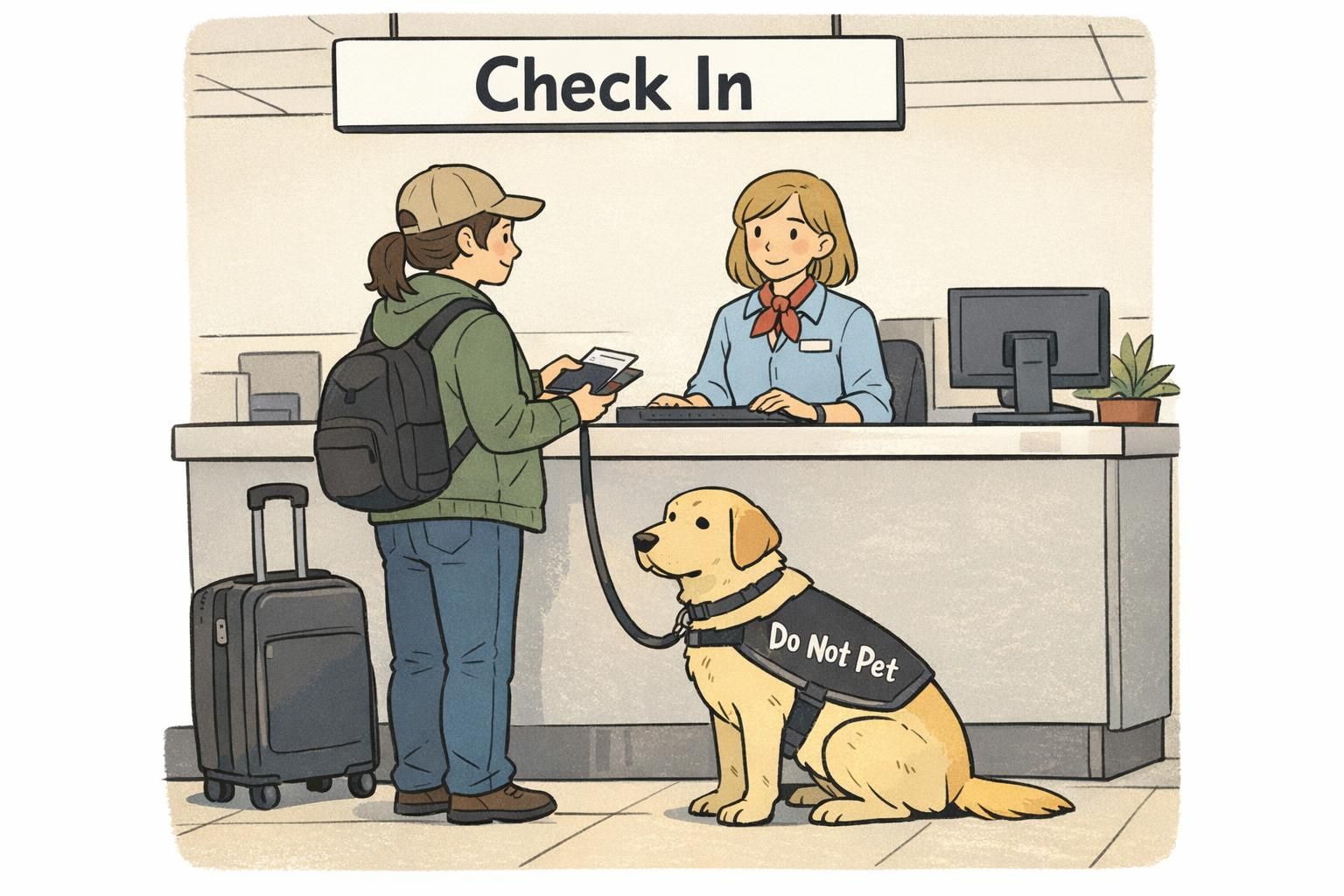
For travel, especially, a little organization can go a long way. If you’re mapping out an upcoming trip, it can help to review real-world considerations and packing routines for traveling with a service dog so you’re not dealing with surprises at check-in or arrival.
Rules and definitions around service animals can vary depending on where you are and what setting you’re in. Public access policies, housing practices, and travel requirements may also differ by location and by organization. In everyday life, that can mean you encounter different expectations from one place to the next—even when you’re doing everything responsibly.
A registry doesn’t replace local rules, and it doesn’t need to. Think of registration as an organizational tool that supports smoother communication: a consistent profile, a professional format, and quick access to your animal’s details when questions come up.
No. A registry is best used as a practical way to organize and present information. If you’re unsure about a specific situation, it’s smart to check the rules that apply in your city, state, or travel destination.
Organizations and jurisdictions can interpret and apply rules differently depending on context. That’s why having consistent information ready can help keep conversations calm and straightforward.
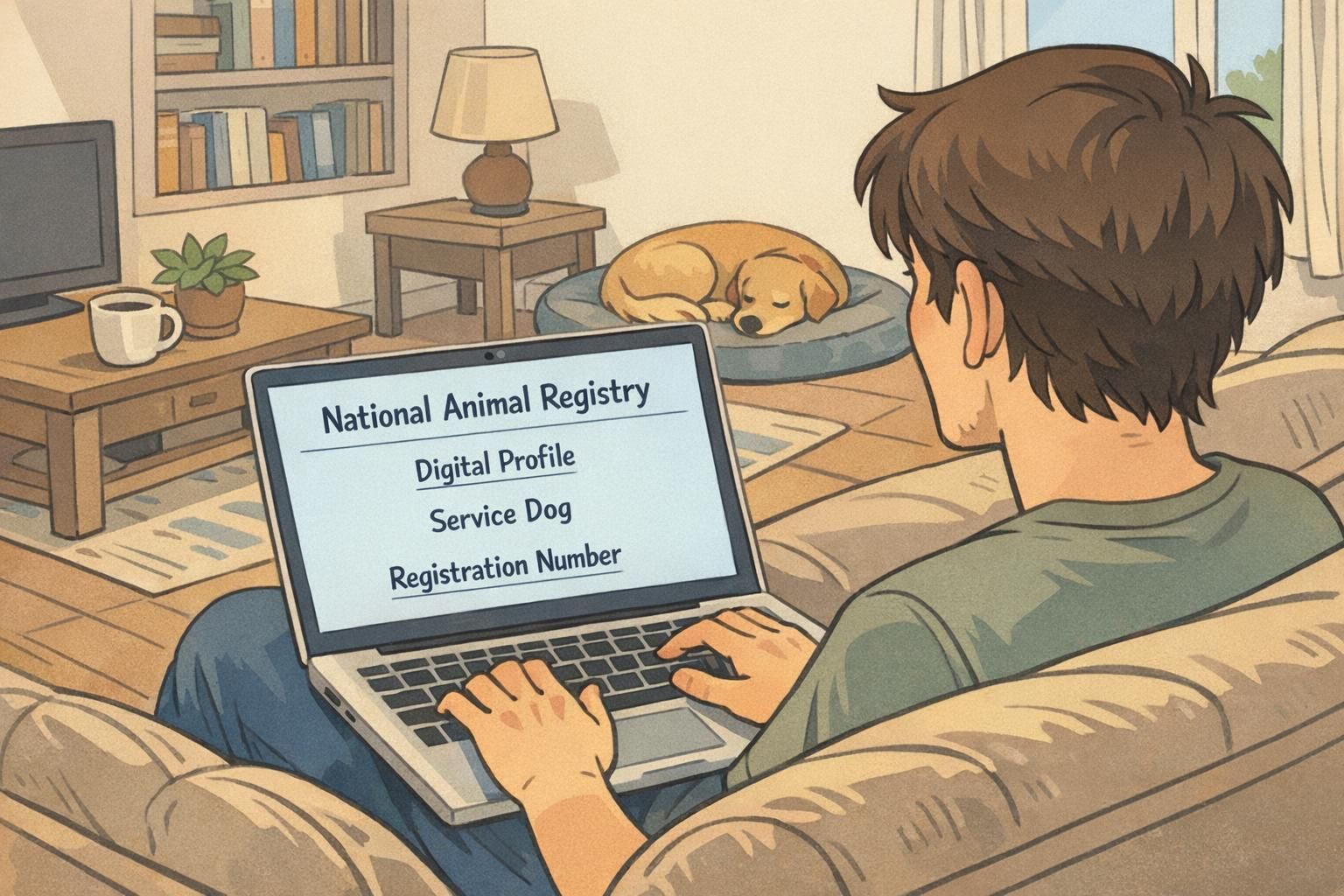
Even the most organized person doesn’t want to carry a full folder everywhere. That’s why digital profiles are so useful: they give you on-the-go access to key details in a clean, consistent format. If a question comes up while you’re traveling, heading into an appointment, or meeting someone new, you can pull up the same profile you rely on at home.
Digital access is also helpful for handlers managing multiple responsibilities. When your schedule is packed, quick retrieval matters. A single profile can keep important information consistent and easy to reference—without turning every interaction into a long conversation.
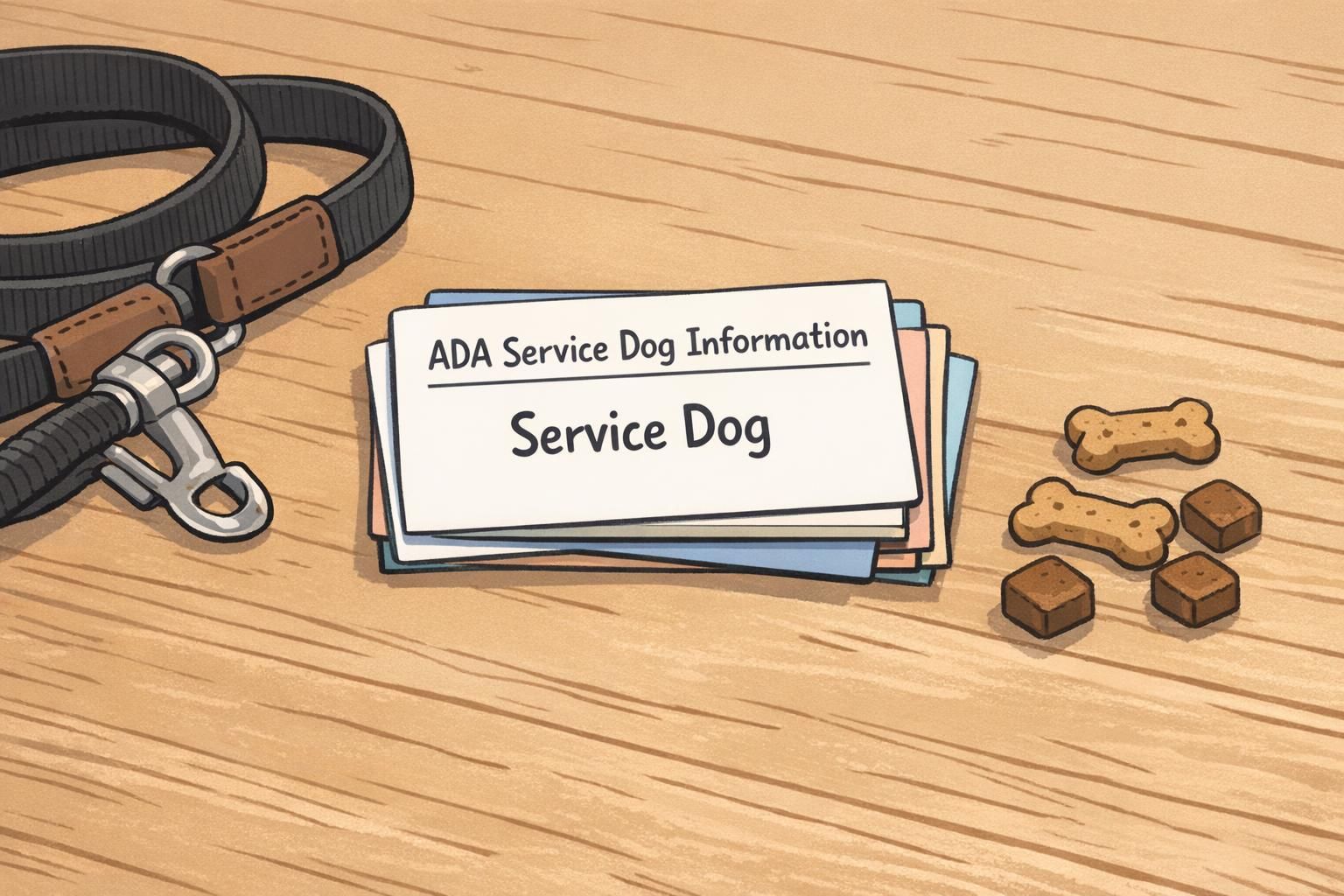
Some situations don’t call for a debate—they call for a calm, factual reset. Wallet-sized informational materials can help you keep an interaction polite and on track, especially if someone is unsure how to approach the topic. When the conversation starts to feel awkward, having a simple handout can reduce tension by focusing on clear, high-level information.
Many handlers like keeping a small stack available for high-traffic days or frequent outings. If you want a ready-made option, ADA quick-reference handout cards are designed to be easy to carry, easy to share, and simple to read.
People register for different reasons, and the “right” option is the one that matches your daily life. Some want basic identification for everyday confidence. Others are preparing for a move, a new job, or frequent appointments. Some are focused on travel and want a complete set of materials that are easy to access on the road.
If your primary goal is simple, everyday identification in a clean, professional format, a starter registration package can be a practical fit—especially for day-to-day errands and routine interactions.
No. Many people use registry materials selectively—sharing only what’s necessary for the moment and keeping the rest private.
Yes. Many handlers register for everyday organization and confidence, not only for major travel or special circumstances.
Some situations feel higher-stakes than a typical day out—like moving into a new place, taking an extended trip, or spending long days in public settings. In those moments, having additional documentation and accessories can help you stay organized and keep your materials easy to present.
If you prefer a more comprehensive bundle built for travel scenarios, a travel registration package can be a convenient way to keep key items together. The value is in readiness: you’re not piecing things together at the last minute, and you can rely on the same consistent set wherever you go.
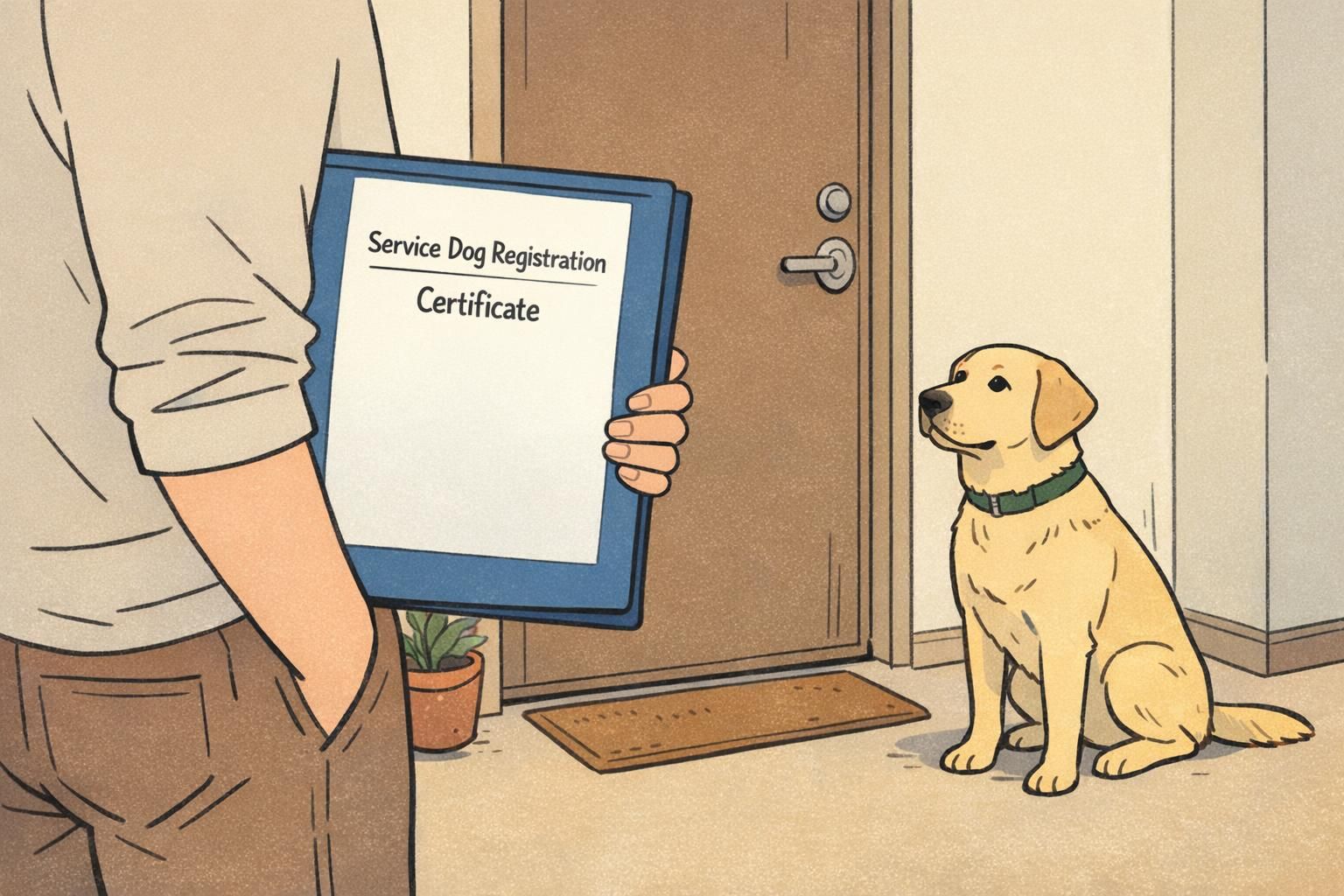
Registry tools work best when they support calm, respectful communication. The aim is to reduce friction, not escalate it. A professional presentation—combined with clear boundaries—often helps others respond more smoothly, especially in busy or unfamiliar environments.
“ "Having my materials ready helps me set the tone. I can answer quickly, stay polite, and move on without feeling like I need to over-explain." – Handler”
Your trusted source for service animal registration. Get professional ID cards, digital profiles, and smart NFC tags to keep your service animal safe and recognized.
© National Animal Registry — All rights reserved.