
When families first start exploring autism service dogs, the big questions are often practical ones: What does support look like on a busy morning? What happens in a store when a child becomes overwhelmed? How do you keep everyone safe while still living life outside the home?
That’s why real stories matter. They don’t replace professional guidance or individual planning, but they can make an abstract idea feel concrete. You can see how a dog might fit into school drop-off, birthday parties, medical appointments, or a simple trip to the park.
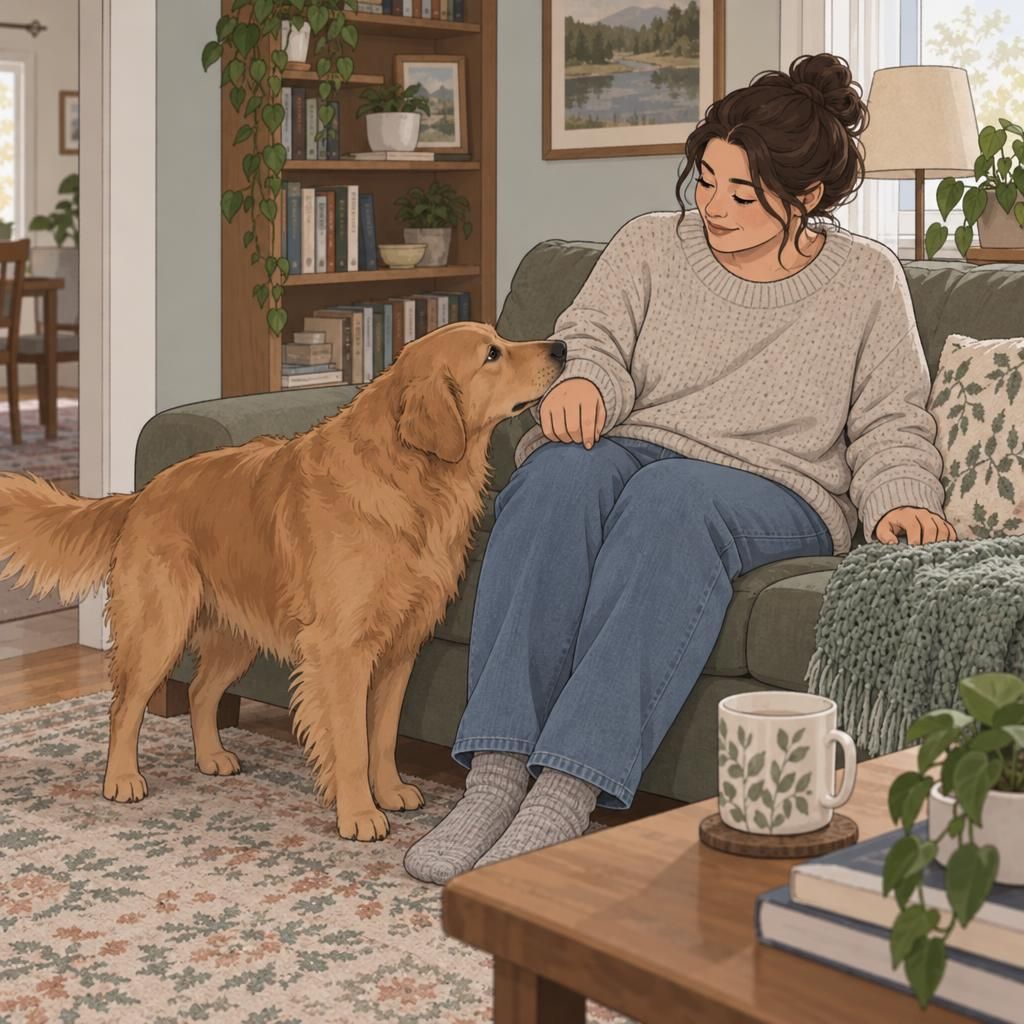
Alex’s family described how Gus became a steady presence during moments that used to spiral quickly—especially in loud, high-stimulus environments. When Alex began to feel stressed or overloaded, Gus could provide grounding pressure (often described as calming, reassuring contact) to help Alex re-center.
They also shared a practical safety routine: using a harness to help Alex exit overwhelming situations. Instead of pushing through distress, the team could move away from the trigger, take a break, and return when Alex was ready. Over time, that “we have a plan” feeling can matter as much as the task itself—because it supports confidence and participation.
In their story, the partnership was linked with improved participation in school and community events—moments that can be especially challenging when sensory input, crowds, and transitions stack up. Gus wasn’t just present; he was part of a predictable routine that helped Alex engage more calmly and consistently (source).
One detail that stands out in this family’s experience is that Gus supported multiple needs within the household. Alongside autism-related work, Gus also had a diabetes alert component—an example of how one well-trained service dog can sometimes support more than one person’s safety plan, depending on the dog’s skills and the family’s priorities.
“ "The biggest change wasn’t just one moment—it was having a consistent way to get through hard moments safely and calmly." – Parent of a child partnered with a service dog”
Rebecca’s family reported meaningful changes after Charlie joined their home—especially around emotional regulation. They described fewer meltdowns and a calmer overall rhythm to the day. For many families, that’s the goal: not perfection, but fewer “peaks and crashes” that make everyday life feel unpredictable.
Sleep is another area families often focus on, because when sleep improves, everything else can become a little more manageable—morning routines, school readiness, and coping skills. In this story, Charlie’s consistent presence reportedly supported better sleep, which can be a major relief for both the child and caregivers.
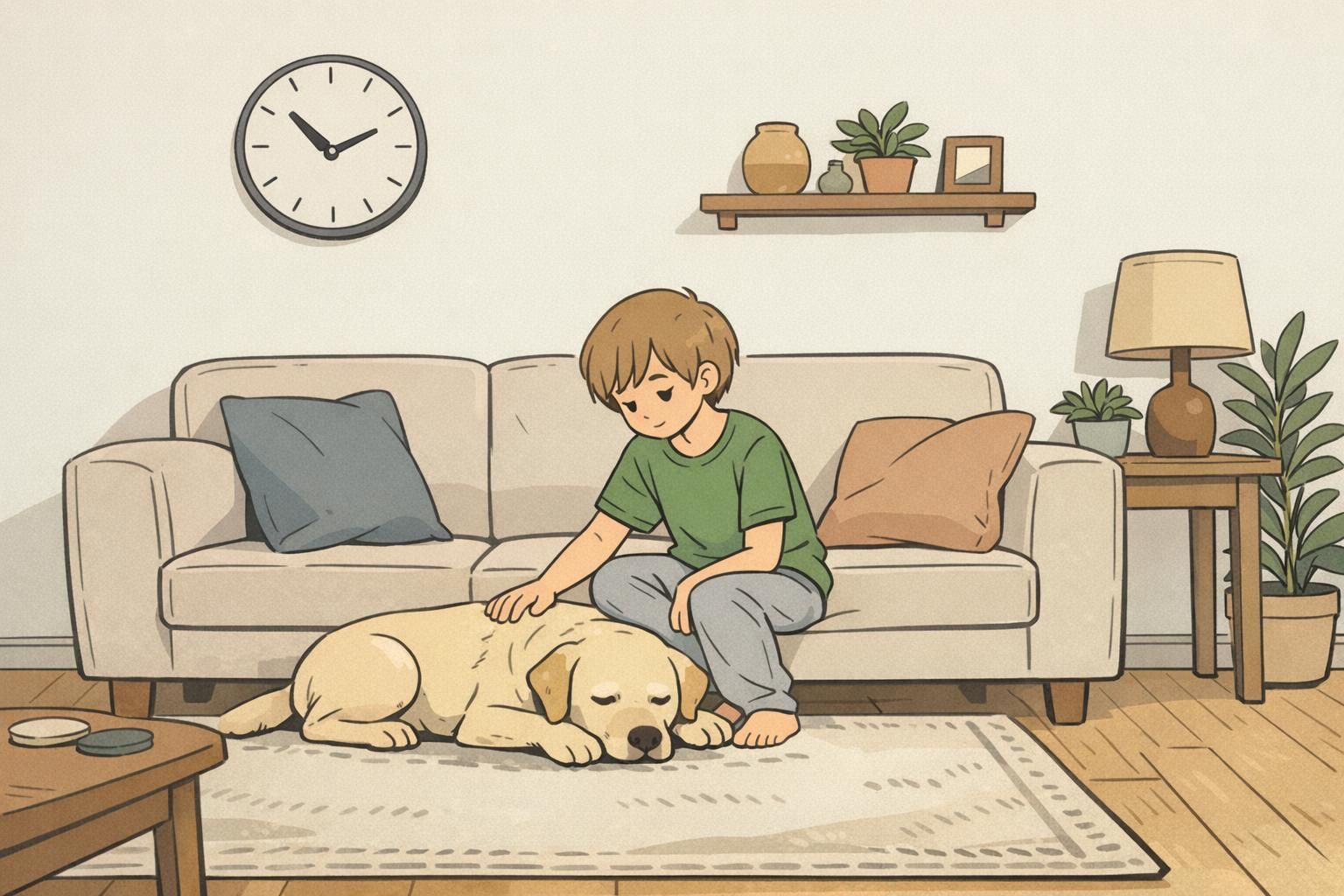
The family also described a boost in communication. Sometimes that looks like a child speaking more; other times it looks like more nonverbal signaling, more willingness to participate, or more successful transitions because anxiety is lower. A calm dog can become a steady “anchor” in the environment—something predictable, nonjudgmental, and reassuring.
New places can be difficult for many autistic children because unfamiliar sounds, layouts, people, and expectations hit all at once. In Derry’s story, the dog’s role centered on comfort and safety awareness—helping a child feel less alone during meltdowns and more secure in unfamiliar settings.
Families often describe this as a “team effort” shift. Instead of one adult trying to manage every variable—watching for triggers, anticipating bolting, keeping siblings close, communicating with staff—the dog becomes an active part of the plan. The dog’s training and steady behavior can make it easier for the whole family to navigate public spaces with a clearer sense of direction.
“ "Once our dog was part of the routine, we stopped feeling like we were walking into every new place unprepared." – Parent perspective”
Some families describe a period where outings shrink to only what’s strictly necessary—because unpredictable public moments feel too risky or exhausting. Peter’s story with Coco highlights how a service dog can help rebuild confidence step by step, especially around school and community life.
Coco’s steady presence helped Peter begin engaging more with school and public outings. For many children, transitions are the hardest part: leaving home, entering a busy building, moving between activities, or tolerating unexpected changes. A service dog can act as a steady anchor during those transitions—something consistent that the child can focus on while everything else shifts.
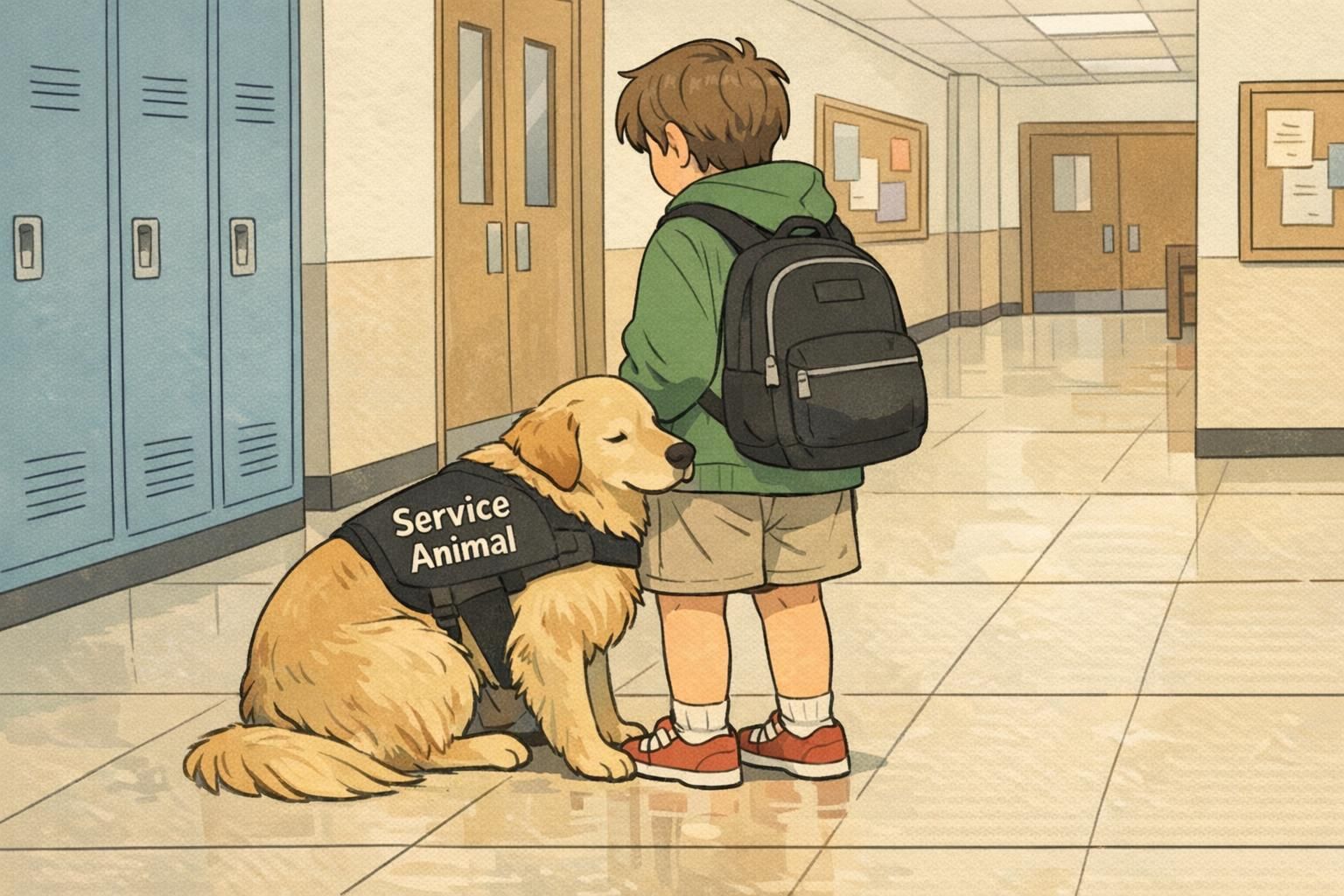
Families also note the broader ripple effect: when one child gains support, the household routine can feel less fragile. Caregivers may feel more willing to try a new activity, take a short trip, or attend an event because there’s an additional support system built into the plan.
Across the stories above, a few practical task themes show up repeatedly. These are not one-size-fits-all, and task focus varies by child, environment, and family priorities. Many families start with safety and daily functioning first, then expand goals over time.
In addition to specific tasks, families often describe “everyday benefits” that are harder to measure but easy to feel. These outcomes can show up gradually as routines become more predictable and public experiences become less stressful.
A service animal can also become a social bridge. People often understand “working dog” boundaries faster than they understand autism needs. When others see a well-behaved service dog, they may give more space, offer clearer accommodations, or approach more respectfully—especially when families communicate expectations calmly and consistently.
Families often ask what to expect in public with a service dog. The details can vary by location, setting, and the policies of schools, workplaces, housing providers, and transportation systems—so it helps to plan ahead and keep communication simple.
In many day-to-day situations, the smoothest experiences come from a combination of (1) a dog that is under control and focused on working, (2) a handler who can explain the basics without escalating the moment, and (3) a routine for handling questions while still protecting the child’s privacy.
Many families choose not to share medical details. A simple statement that the dog is working and needs space can be enough for most interactions.
Staying calm helps. Having a consistent way to share basic access information (without oversharing) can reduce friction and keep the focus on your child’s needs.
Even when a family knows their rights and their dog is well-behaved, real life can still involve questions from store staff, other parents, event volunteers, or curious strangers. Having clear, professional identification tools can reduce confusion and prevent repeated explanations—especially on busy days when your child’s bandwidth is limited.
One option many handlers like is a simple handout that communicates access basics in a calm, non-confrontational way. It can keep the interaction short and respectful while you stay focused on your child and your dog.
Some families choose to carry ADA law handout cards for simple, calm conversations so they can share information quickly without feeling put on the spot.
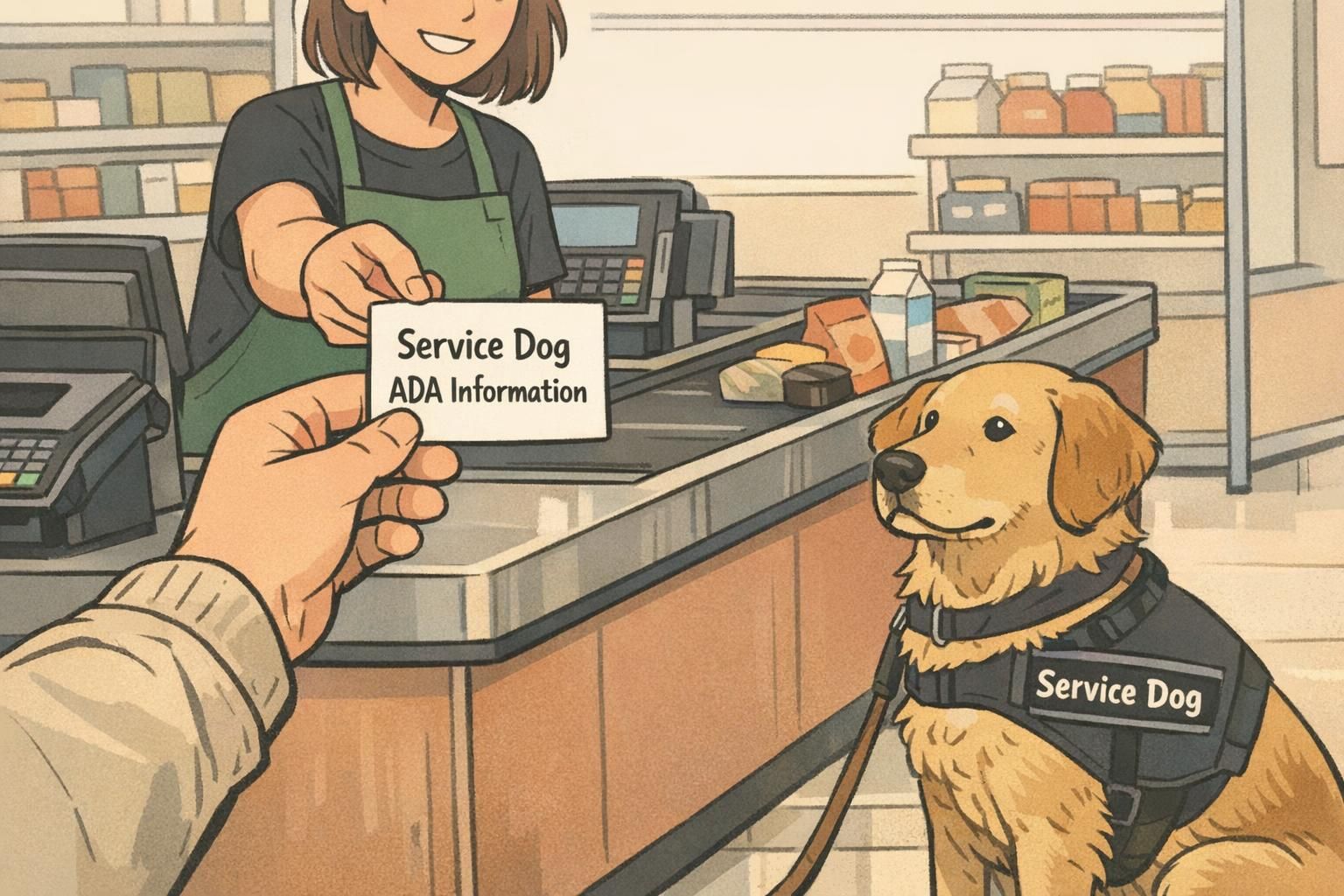
Many handlers choose optional registration tools to stay organized and present consistent information when it’s helpful—especially during school days, appointments, and community outings. Having a registration number, digital profile, and an ID card can make it easier to keep key details in one place and show a professional, consistent presentation when questions arise.
Families often describe this as a confidence tool: not something that changes the bond or the dog’s training, but something that reduces the stress of being caught off guard in a busy public moment.
If that kind of organization would help your household, you might consider a starter registration package for everyday identification as a convenient way to keep information consistent and accessible.
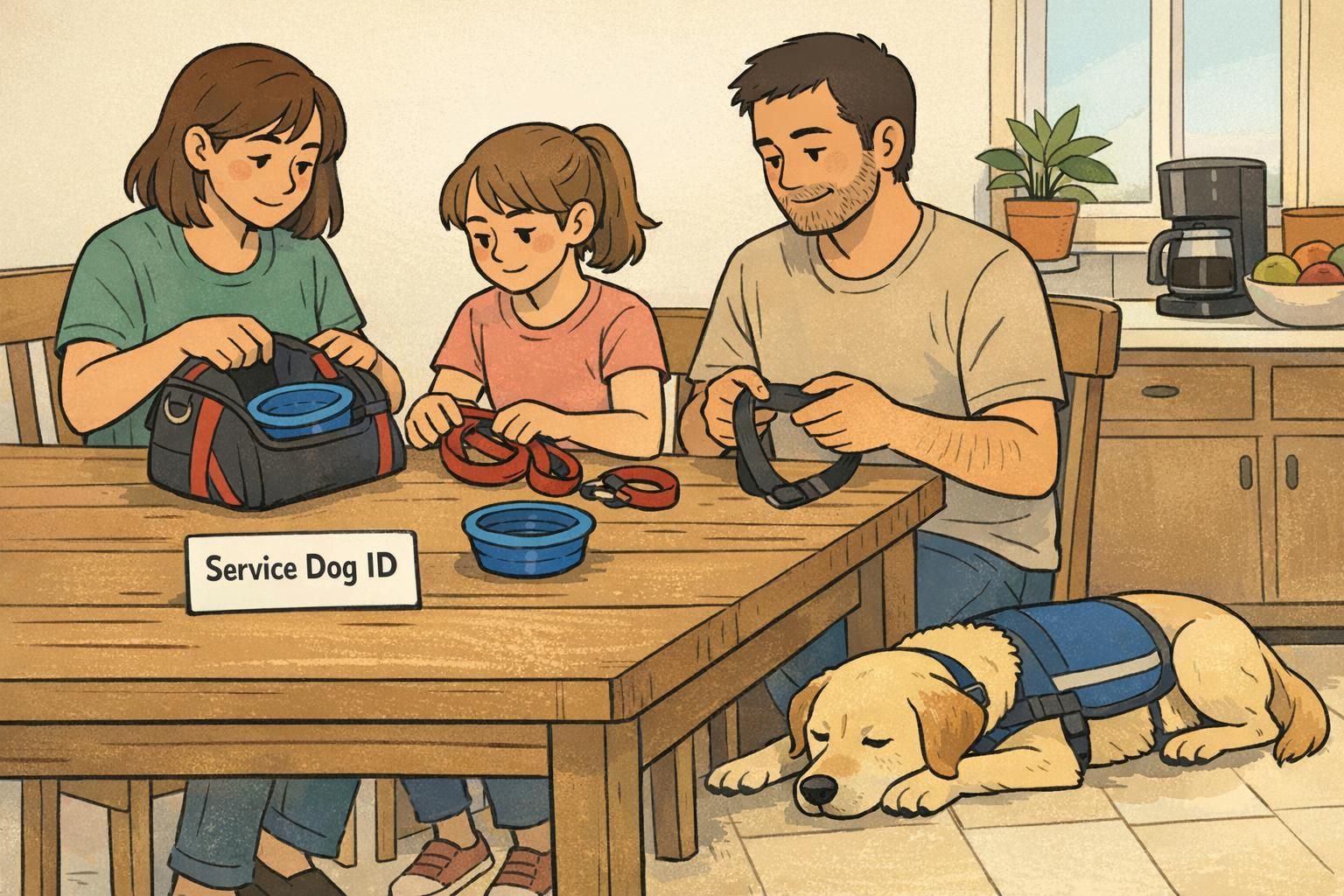
Travel and routine changes can be tough on any family, and even more so when sensory needs and transitions are already a major challenge. A “checklist mindset” can help your child, your dog, and your whole household feel more prepared.
If you want a deeper travel-focused overview, this guide to traveling with a service dog can help you think through common scenarios and prep steps.
Some families also like having travel-oriented identification tools ready to go—especially when dealing with new staff, new environments, or tighter timelines. Options like a travel-ready service dog registration package can help keep information organized and easy to access during trips.
The most helpful next step is the one that matches your real day-to-day challenges. For some families, the priority is safety (especially wandering risk). For others, it’s sensory overload in public, school participation, or making daily transitions less disruptive.
As you think about whether an autism service dog could fit into your life, it can help to picture specific goals: one calmer grocery trip per week, a smoother school drop-off, fewer intense bedtime struggles, or more willingness to try community activities. Those practical goals can guide what tasks and routines matter most.
“ "We weren’t looking for a perfect day—we were looking for more manageable days. The support gave us a path forward." – Parent reflection”
Your trusted source for service animal registration. Get professional ID cards, digital profiles, and smart NFC tags to keep your service animal safe and recognized.
© National Animal Registry — All rights reserved.