
“Registering a dog” is one of those phrases that can mean different things depending on where you live and what you need. For some people, it means getting a local license and tag through a city or county. For others, it means making sure a microchip is listed in a database with current contact information. And for some dog owners—especially handlers of service or support animals—registration refers to having clear, consistent documentation and identification they can rely on in everyday situations.
The common theme is simple: people register their dogs to make life smoother. Registration can reduce stress during routine errands, keep information organized for housing or travel conversations, and improve safety if a dog is ever lost. It can also be a visible sign of responsible ownership—something that benefits the dog, the handler, and the community.
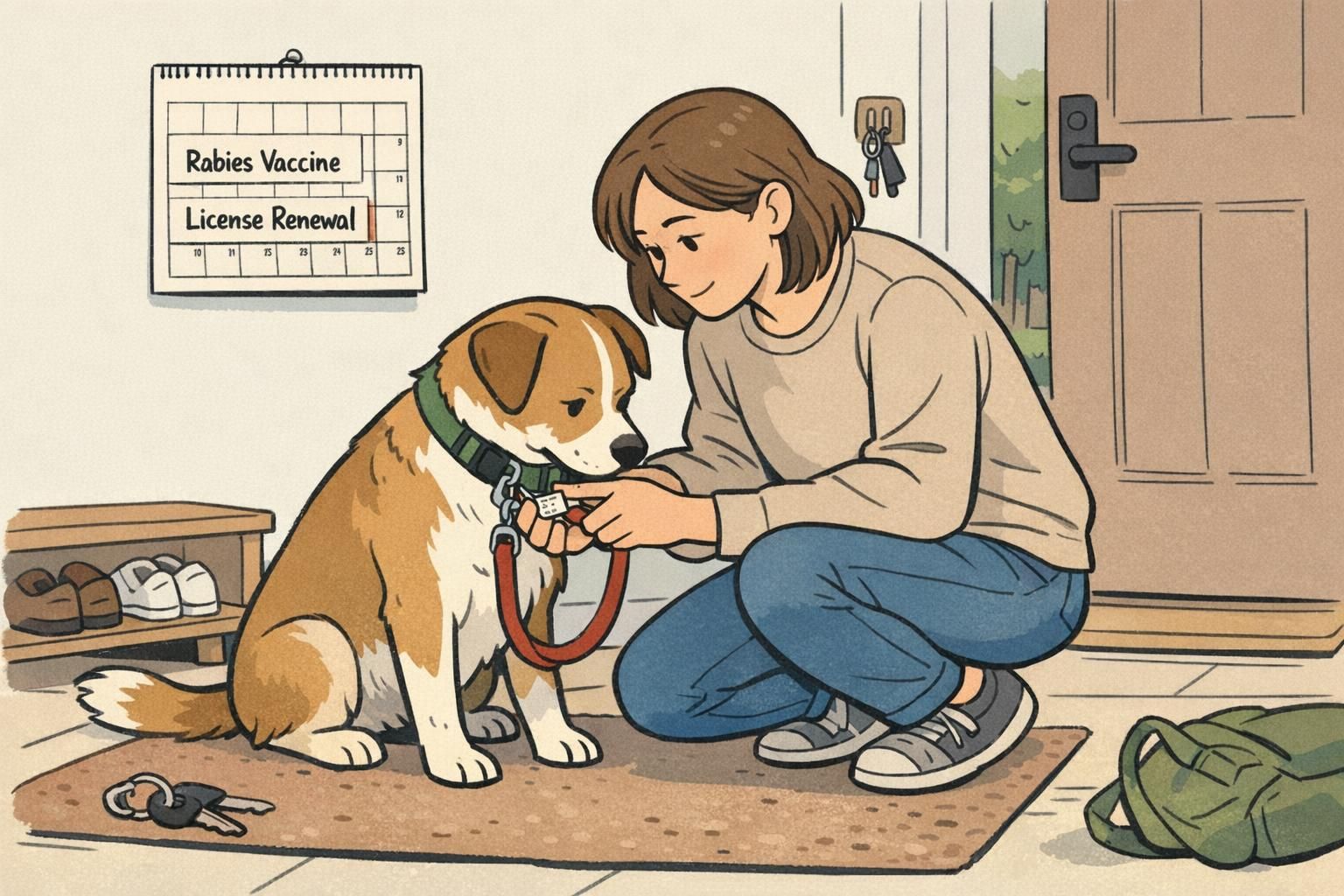
Many cities and counties require dogs to be licensed, and the process is often tied to maintaining current rabies vaccination. From a public-health perspective, this helps communities track vaccination coverage and respond appropriately if a bite or exposure incident occurs. From an owner’s perspective, it’s a straightforward way to stay compliant with local rules while keeping your dog’s basic records in order.
Because licensing rules vary by location, it’s worth checking your city or county website (or calling your local animal services office) to confirm requirements, renewal dates, and fees. If you move, you may need to re-license in your new jurisdiction even if your dog was licensed elsewhere.
A simple organizational habit can save a lot of time: keep your dog’s rabies certificate, license information, and renewal reminders together in one place. That way, if you’re asked for details by a landlord, a groomer, a boarding facility, or during an unexpected community interaction, you can respond calmly and confidently.
For more on why licensing is commonly required and how it often connects to rabies vaccination and community safety, see source.
One of the most practical reasons people register their dogs is for identification and reunification. When a dog is found, animal control, shelters, and Good Samaritans typically look for the quickest path to the owner: a tag on the collar, a license number, and any registry information connected to that number.
Clear identification can lead to faster reunification, fewer days spent in a shelter environment, and fewer surprises for the owner. In many areas, shelters have standard hold periods for stray animals; if your dog’s owner information is easy to verify, the path home can be simpler and quicker.
“ "We updated our contact info after moving, and it made all the difference. When our dog slipped out, we got a call within an hour." – Dog Owner”
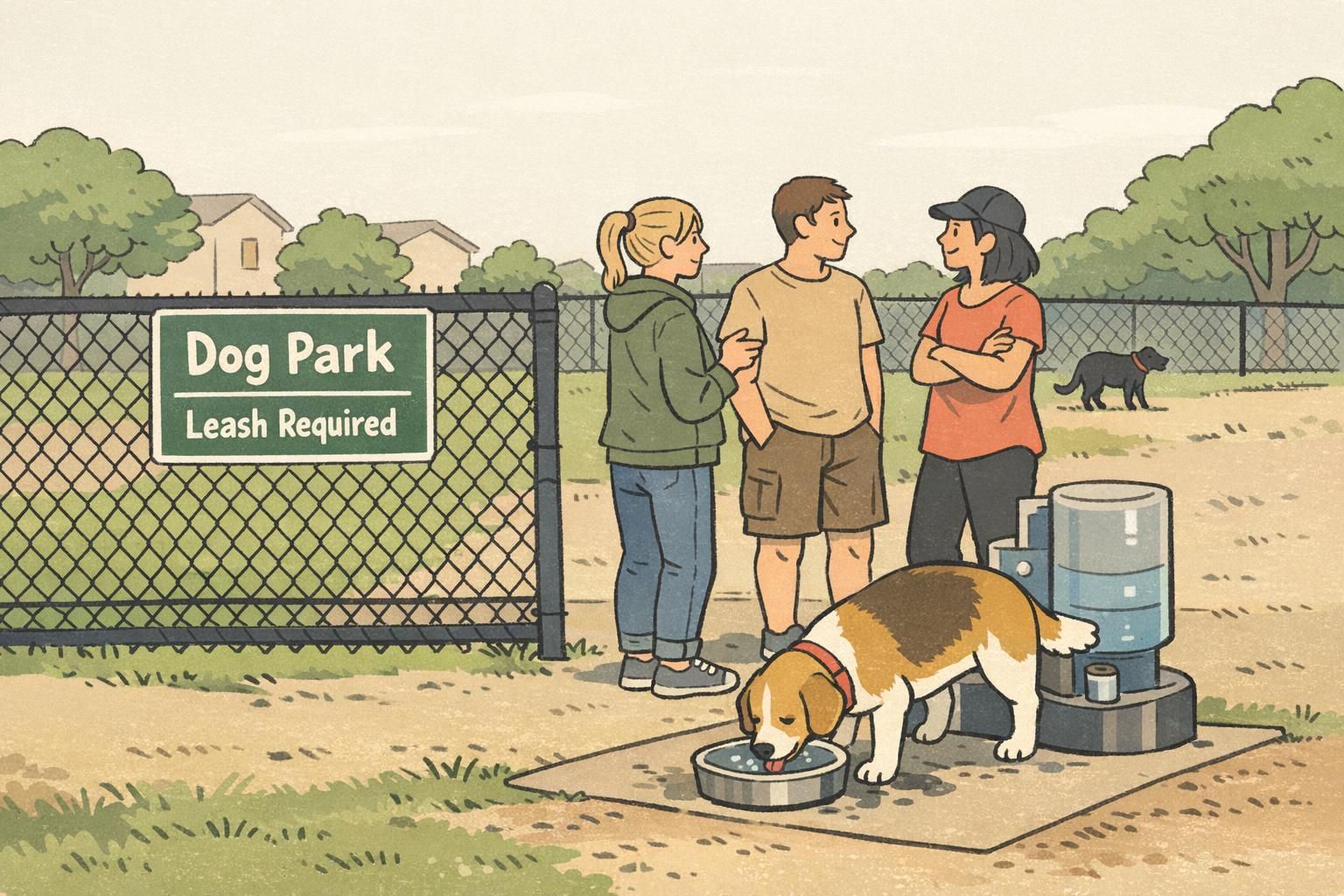
Dog registration isn’t only about individual convenience—it can also support the broader community. In many jurisdictions, licensing and registration fees help fund animal control operations and services that benefit pet owners and non-pet owners alike. That can include shelter support, public education, enforcement of leash laws, and resources that encourage responsible pet care.
When communities have the resources to respond effectively to stray animals, provide education, and maintain pet-friendly spaces, neighborhoods tend to feel safer and more welcoming. While you may not see the impact in a single day, registration is one practical way owners contribute to a healthier pet ecosystem.
For owners of purebred dogs, “registration” often refers to breed registries. These systems help document lineage and maintain consistent records across generations. For breeders, this can be part of responsible program management. For buyers, it can support clearer communication about a dog’s background and likely traits.
Good record-keeping can also help owners track details that matter long after puppyhood—such as breeder information, litter records, and documentation that travels with the dog if ownership ever changes. In a practical sense, it’s about reducing uncertainty and making sure key information doesn’t get lost over time.
No. Breed registries serve a different purpose. Local licensing and microchip registration are focused on identification and local compliance, while breed registries focus on lineage and record continuity.
It can be. Many owners appreciate having a clean, consistent record of background information for long-term reference, resale/rehoming clarity, or simply personal knowledge.
Across the pet ecosystem, better identification and record systems can support animal welfare. When dogs are traceable—through tags, microchips, and consistent records—it becomes easier to connect a dog to an owner or source when needed. That traceability can encourage accountability and help communities spot patterns that may point to unsafe or irresponsible breeding practices.
This doesn’t mean every registry solves every problem, but it does highlight why documentation matters. When owners keep their information current and choose systems that support clear identification, it creates a more transparent environment—one where it’s harder for bad actors to operate unnoticed, and easier for responsible owners to demonstrate good care.
Handlers of service dogs and support dogs often navigate more frequent questions in day-to-day life—especially in places where dogs are uncommon or policies are inconsistently understood. In these moments, having clear, professional documentation can make interactions calmer and more predictable. It’s not about creating conflict; it’s about reducing confusion.
Many handlers choose documentation as a practical tool: it keeps key details in one place, presents consistent identification, and supports smoother communication when someone asks, “Is that a service dog?” or “Do you have any information with you?” Because rules can vary by setting—housing, travel, and workplaces may all have different expectations—organized documentation can reduce friction while you focus on your day.
If you want a simple way to present everyday identification and keep your dog’s details organized, consider a starter registration package for everyday identification.
“ "Having my dog’s information in one consistent place helps me stay calm. It’s not about proving anything to strangers—it’s about making routine interactions quicker." – Service Dog Handler”
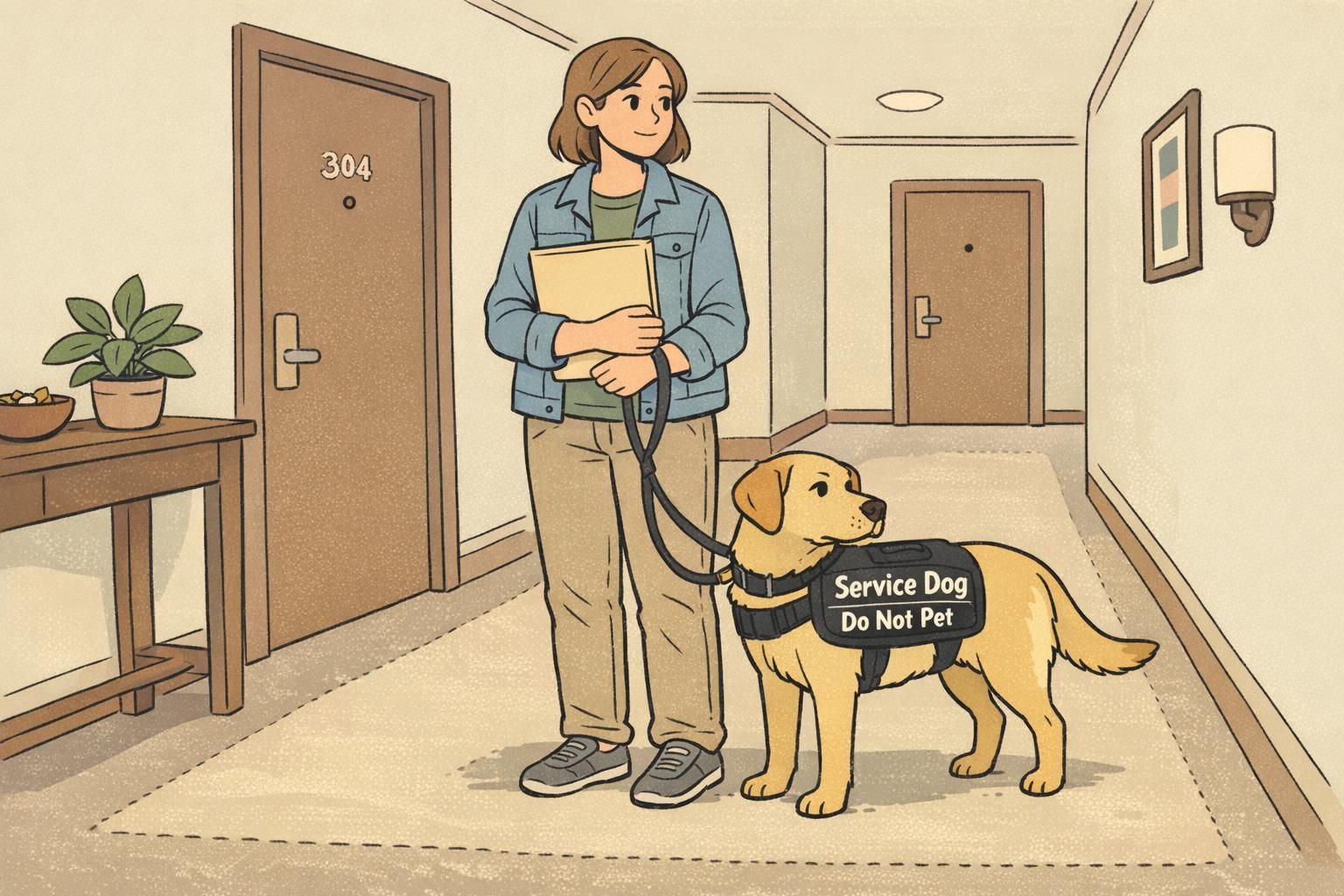
Housing conversations can feel high-stakes, whether you’re applying for a new apartment, renewing a lease, or responding to a property manager’s questions. In these scenarios, organization and a calm approach go a long way. When you can present a neat, consistent set of details—such as handler and dog information and a registration number—it often helps the conversation stay focused and respectful.
The goal is clarity, not conflict. Being prepared can help you respond without scrambling for paperwork, especially when you’re busy moving, starting a new job, or managing a household schedule. When information is cleanly presented, it can reduce back-and-forth and keep the interaction professional.
For handlers who want a tidy, housing-oriented way to keep key information together, a housing-focused registration package for clear, confident verification can be a helpful option.
Travel naturally comes with more transitions: new environments, new people, and more moments where someone may ask questions. For service dog teams and support dog handlers, a ready-to-show ID and an accessible digital profile can streamline communication. It can also help you stay organized when you’re juggling luggage, timing, and routine care for your dog.
A good travel strategy is consistency. Keep your dog’s essentials together, store documents in a single, easy-to-reach place, and plan ahead for the specific environments you’ll be entering—such as hotels, family homes, events, or busy public spaces.
If you’re building a plan for smoother days on the move, you may find travel planning tips for service dog teams useful.
For handlers who want a travel-oriented set of materials designed for quick access and confident presentation, a travel-ready registration package for smoother trips can help you keep everything consistent.

Registration and identification are most helpful when paired with calm, respectful communication. In everyday life—at stores, parks, or community spaces—people are often simply unsure of the rules or curious. A professional, visible form of identification can reduce repeated explanations and help keep the focus on safety and personal boundaries.
If someone challenges you or asks questions in a stressful tone, a steady response can make a big difference. Keeping your voice calm, using short sentences, and avoiding debate helps de-escalate. When you have a clear way to share basic information, you can spend less energy on interruptions and more on moving through your day.
Some handlers also keep simple informational materials on hand for quick, professional communication, such as ADA law handout cards for quick, professional communication.
Most people don’t want a complicated system—they want a reliable one. The checklist below helps you cover the essentials for safety and compliance, while also giving you the option to carry service/support documentation for clearer everyday interactions.
If you’d like an ID that’s easy to present and matched with a digital profile you can access anytime, a customizable printed service dog ID with a matching digital profile is a straightforward way to keep key details consistent.
Your trusted source for service animal registration. Get professional ID cards, digital profiles, and smart NFC tags to keep your service animal safe and recognized.
© National Animal Registry — All rights reserved.