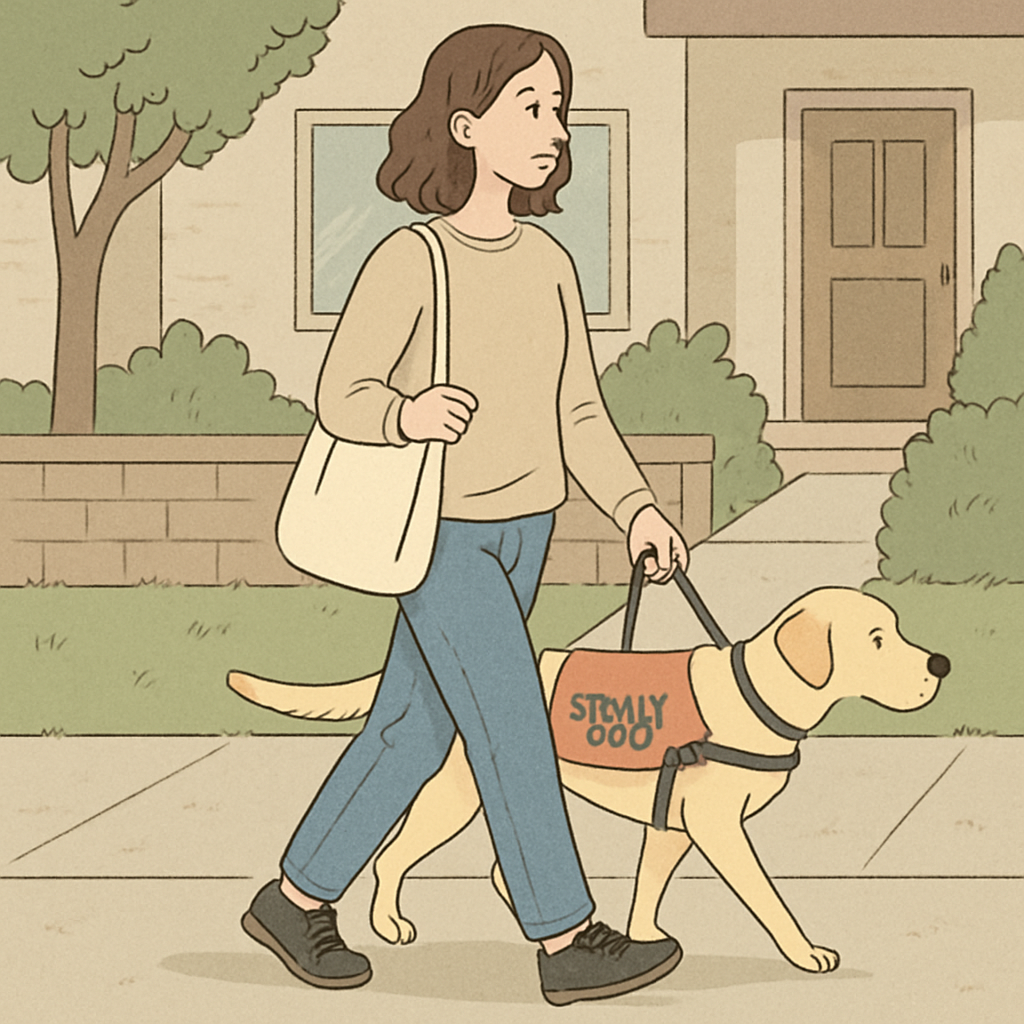
A service dog is a dog trained to do specific, practical tasks that help a person with a disability. In everyday terms, that means the dog’s work directly supports someone whose condition substantially limits one or more major life activities—things like walking safely, hearing critical sounds, regulating episodes, or getting through daily routines with more stability and independence.
The key is the task work. A service dog isn’t helpful simply because it’s comforting to be around (even though many handlers do feel comfort). The real benefit comes from trained actions that increase safety, reduce barriers, and make day-to-day life more manageable—at home, in public, and during unexpected situations. For a widely recognized overview of the ADA’s service animal framework, see this source.
People often look for a single, exhaustive list of “qualifying” conditions—but in real life, it’s more helpful to think about impact and needs. Eligibility typically comes down to how a condition affects daily functioning and whether trained tasks would meaningfully reduce those limitations.
A simple way to evaluate fit is to look at the moments that are hardest: transitions (getting out the door), errands, public navigation, medication routines, episodes with safety risk, or situations where you avoid activities because of symptoms. If you can clearly identify tasks a dog could be trained to do—tasks that improve function and reduce risk—then a service dog may be a strong match.
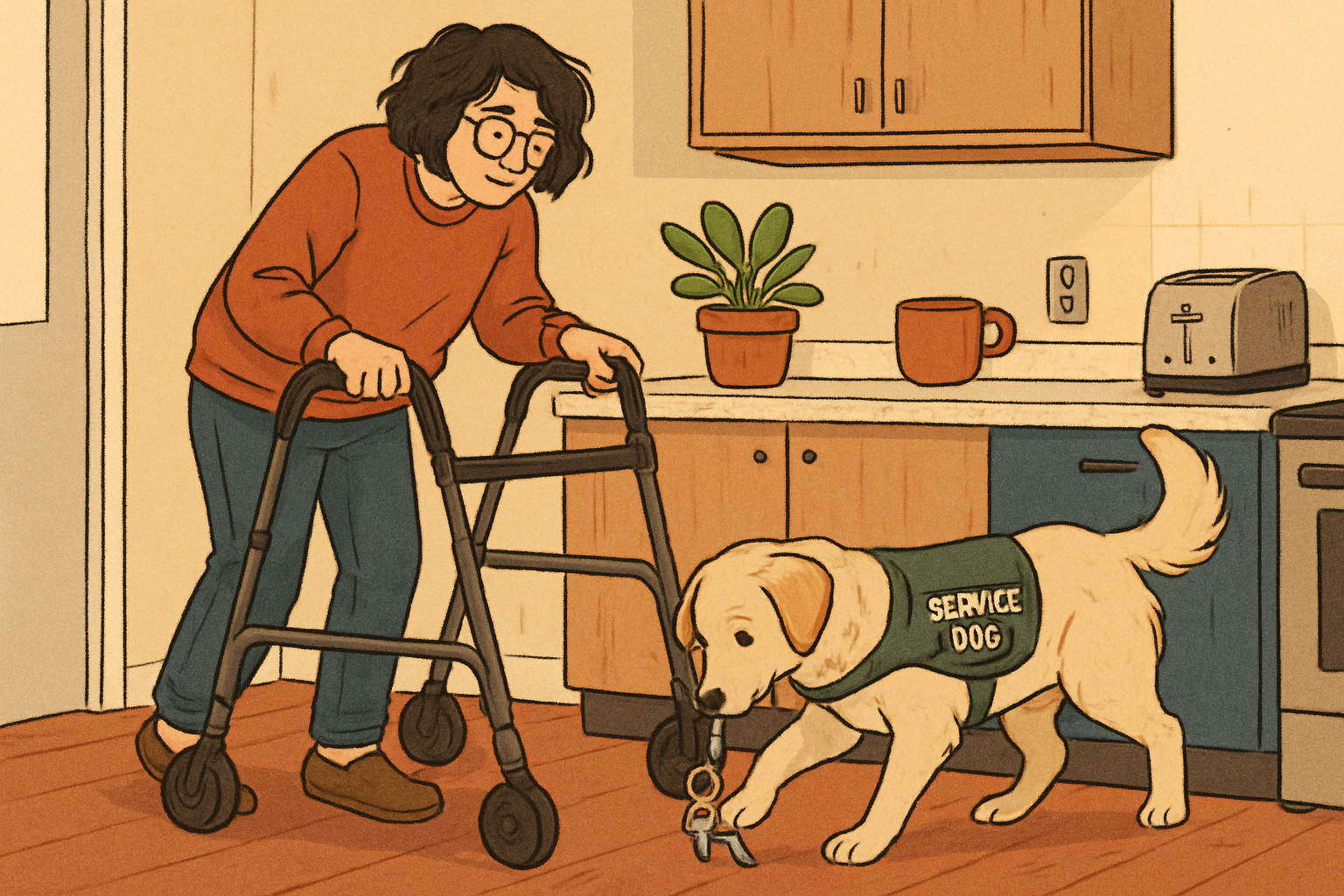
Mobility-related service dogs help with the physical “in-between moments” that can make a day feel exhausting: picking things up, steadying during transitions, helping with balance, and reducing repeated strain. For many handlers, that assistance adds up to something big—more independence at home and more confidence outside it.
People with arthritis, multiple sclerosis (MS), cerebral palsy, spinal cord injury, stroke-related weakness, chronic pain or fatigue conditions, and vertigo or balance disorders may benefit from task-based mobility support. The right tasks depend on your body, your home layout, and what you need to do most often—like getting to the mailbox, cooking safely, or managing stairs.
“ "The biggest change wasn’t one dramatic moment—it was a hundred small moments. Less bending, fewer near-falls, and more confidence moving through my day." – Mobility service dog handler”
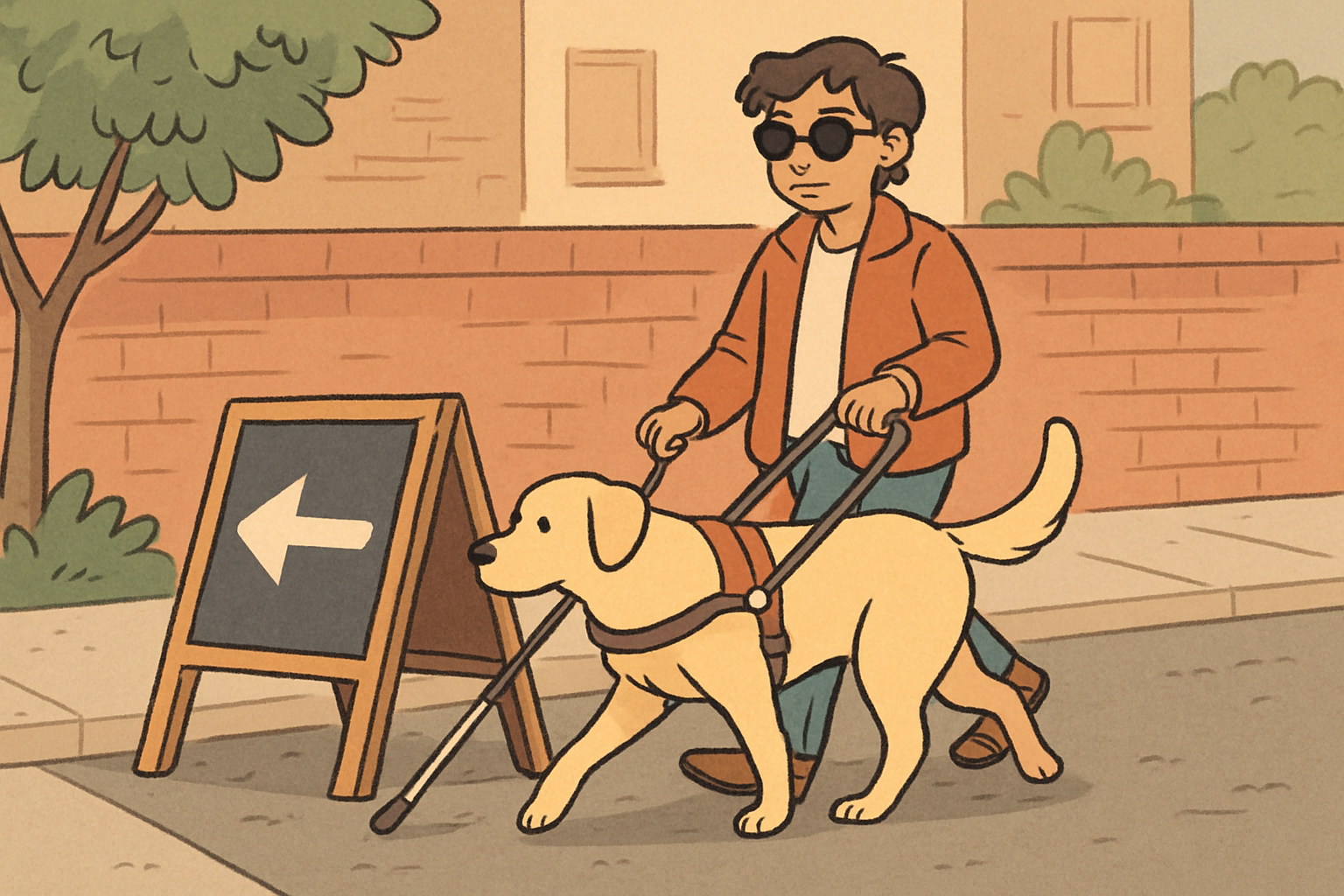
Service dogs can also provide essential assistance for sensory disabilities. Guide dogs support handlers who are blind or have low vision by helping them navigate around obstacles, maintain safer routes, and move through public settings with more confidence. In practical terms, that can mean fewer collisions, smoother street crossings (when trained and used appropriately), and less mental fatigue during navigation.
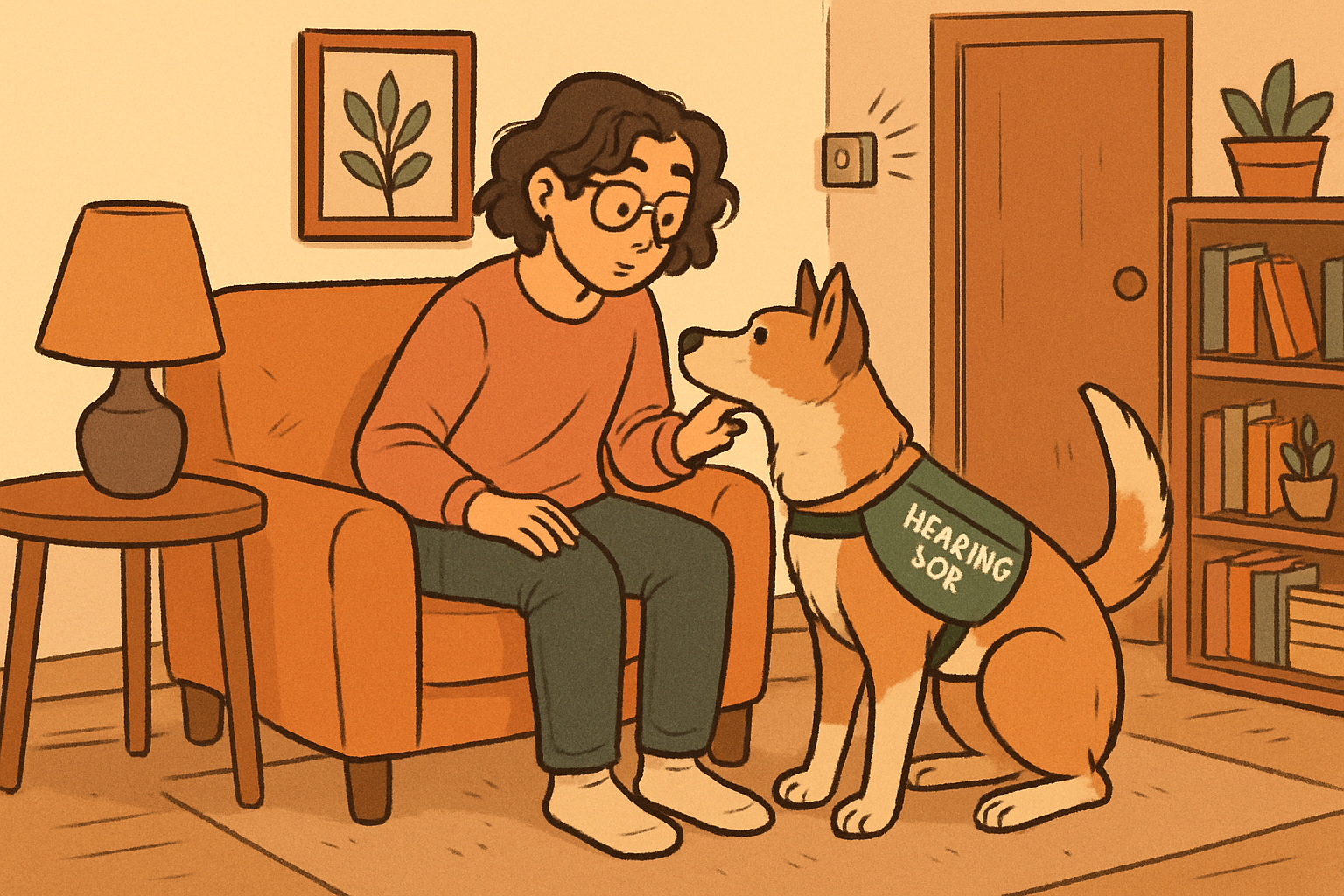
Hearing service dogs support handlers who are deaf or hard of hearing by alerting to important sounds—like doorbells, alarms, timers, baby cries, or someone calling their name. The result is often a stronger sense of awareness and safety at home and in everyday community environments.
For some people, the most important benefit of a service dog is time—those early moments when something is changing in the body and a person needs to act quickly. Medical alert and response service dogs can support conditions such as epilepsy/seizure disorders, diabetes blood sugar changes, asthma, severe allergies, narcolepsy, and other episodic events where an alert or response routine can improve safety.
Not every dog can do every medical task, and tasks are often tailored to the handler’s patterns and risk points. The goal is a reliable set of trained behaviors that help the handler respond sooner, follow a plan, or get help when they can’t do it alone.
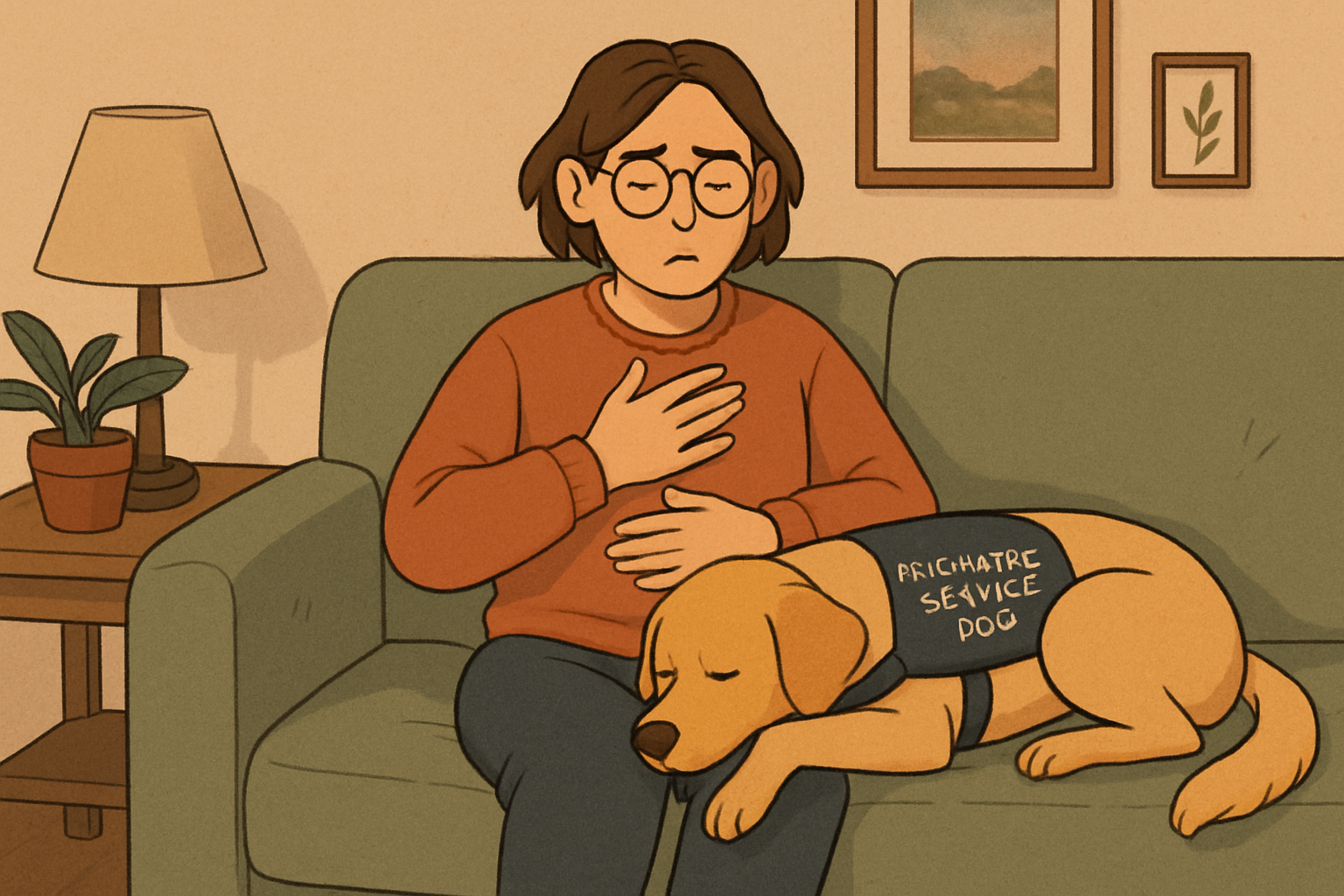
Psychiatric service dogs help through trained tasks that support daily functioning—not by “fixing” emotions, but by assisting with specific symptoms and situations. People living with PTSD, anxiety disorders, major depression, bipolar disorder, schizophrenia, and autism spectrum disorders may benefit when a dog is trained to perform tasks that reduce overwhelm, improve safety, and support routines.
The most effective psychiatric service dog work is personalized. One person may need help navigating crowds and exits; another may need interruption of repetitive or harmful behaviors; another may need reminders and grounding during dissociation. What matters is that the dog’s tasks connect clearly to day-to-day limitations and help the handler function with more stability.
Yes. Many handlers benefit from task work that supports high-impact moments—like crowd navigation, panic interruption, or routine reminders—especially when symptoms fluctuate.
Usually the goal is to function more safely and confidently when triggers happen. Task-trained support can make day-to-day life more predictable without requiring you to stay home or avoid important activities.
Veterans explore service dogs for many of the same practical reasons as civilians: safer mobility, more manageable symptoms, and better day-to-day functioning. Common use cases include PTSD-related task support (such as grounding during flashbacks or creating space in crowds), sleep disruption support (like waking from nightmares with a trained routine), and mobility assistance related to injuries or chronic pain.
Many veterans focus on outcomes that matter for reintegration—running errands without scanning every corner, attending appointments with fewer interruptions, or feeling steadier in public environments. Pathways to obtaining a service dog can vary by location and circumstances, and veterans may consider different training approaches and sources to find a dog that matches their needs and lifestyle.
“ "My service dog didn’t replace treatment or support systems—but it did help me function in the moments that used to derail my whole day." – Veteran handler”
It’s often easier to understand whether a service dog could help by mapping real-life challenges to potential trained tasks. This isn’t a one-size-fits-all checklist—think of it as a menu of options to discuss and prioritize based on your most important daily barriers.
When people consider a service dog, they’re often thinking beyond tasks—they’re thinking about quality of life. Many handlers describe day-to-day benefits in themes like safety (fewer “what if” moments), confidence (more willingness to leave home), and smoother routines (fewer disruptions and recovery time after episodes).
In conditions like diabetes, for example, consistent support can reduce worry around unexpected blood sugar changes and help a person follow their management plan with more confidence. For psychiatric disabilities, handlers often describe improved emotional functioning and easier social integration because they can stay oriented and regulated in public. Across many conditions, the shared thread is practical: errands, appointments, workdays, and travel can become more predictable when the dog’s task work fills in key gaps.
Going out in public with a service dog is easiest when expectations are clear and communication stays calm. Many handlers find it helpful to be ready with a simple, confident approach: your dog is working, you’re focused on your tasks, and you’re prepared to answer quick questions politely without turning every interaction into a debate.
Smooth public access often comes down to a few habits: keep your dog under control, give the dog space to work, and maintain a consistent routine for entering and moving through public settings. When questions come up, clear identification materials can make the moment faster and more comfortable—especially in busy environments where staff are trying to do the right thing quickly.

Some handlers also carry quick-reference materials for respectful conversations when staff have questions. If that would help your day-to-day routine, consider ADA law handout cards for quick, respectful conversations.
In real life, the challenge isn’t only having a trained working dog—it’s the repeated moments where people ask questions, policies vary, or you simply want a more predictable experience. Optional registration details and professional identification materials can help reduce confusion, keep information organized, and make day-to-day interactions feel smoother.
Many handlers appreciate having a consistent way to present their service dog’s information for routine situations like moving, traveling, starting a new job, or visiting a new clinic. While needs vary, having clear, standardized materials can add peace of mind—especially when you’re already managing health, mobility, or episodic symptoms.
If you want a straightforward option designed for everyday identification and confidence, consider a starter registration package for everyday identification.
The best documentation and identification setup is the one that matches where you anticipate needing clarity most often. Some handlers mainly want a simple way to keep information organized for routine errands. Others want travel-focused materials that help them feel prepared for airports, hotels, and unfamiliar environments.
If you’re on the go frequently, a package designed specifically around travel can reduce last-minute stress and help you keep essentials in one place. You can also learn more practical tips in traveling with a service dog.
If your routine includes frequent trips and you want materials built for confident travel experiences, consider a travel-focused service dog registration package.
A service dog is a commitment, and the best outcomes happen when the dog’s tasks match your real needs and your routine supports consistent care and training. Use the checklist below to evaluate fit in a practical, day-to-day way.
Your trusted source for service animal registration. Get professional ID cards, digital profiles, and smart NFC tags to keep your service animal safe and recognized.
© National Animal Registry — All rights reserved.