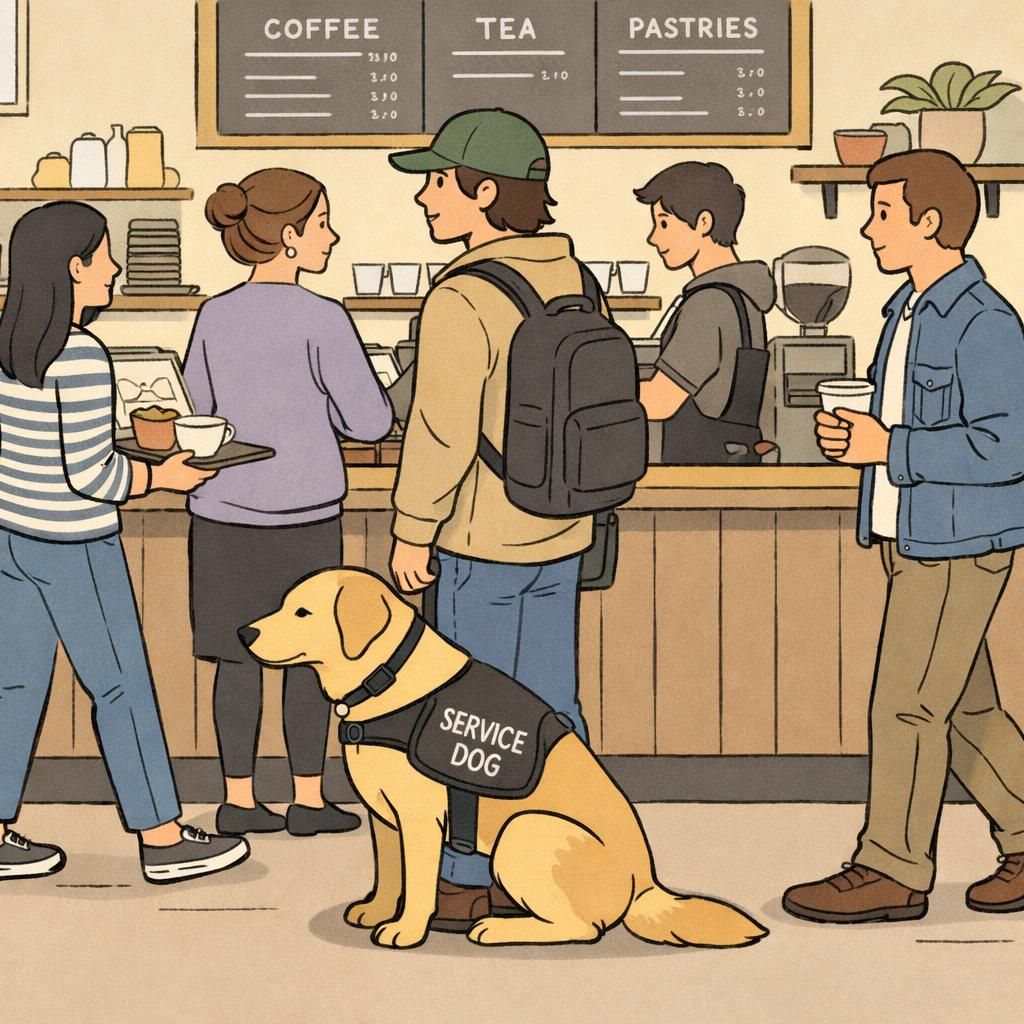
If you’ve ever heard someone say a service dog must be “under control,” they’re usually talking about something simple: the dog should be calmly managed by the handler and able to behave safely around the public. In everyday terms, “under control” means the dog isn’t making the environment stressful, risky, or unpredictable for other people—especially in busy places like stores, restaurants, medical offices, and transit hubs.
This phrase shows up often because it’s a practical standard that helps everyone share space. For handlers, it sets a clear goal: train and handle your dog so outings feel steady and routine, not tense. For businesses and staff, it sets a clear expectation: access works best when the dog’s behavior is consistent and the handler is actively managing the dog.
Here’s where confusion happens: “under control” can mean different things depending on what topic you’re reading about. People often see the same words in different legal or training contexts and assume they’re talking about the same standard.
Two common contexts get mixed up:
In service dog public access situations, “under control” typically functions as a behavior-and-handling standard. The dog should be guided by the handler (through leash handling, cues, positioning, and situational awareness) and should not create disruptions or safety concerns.
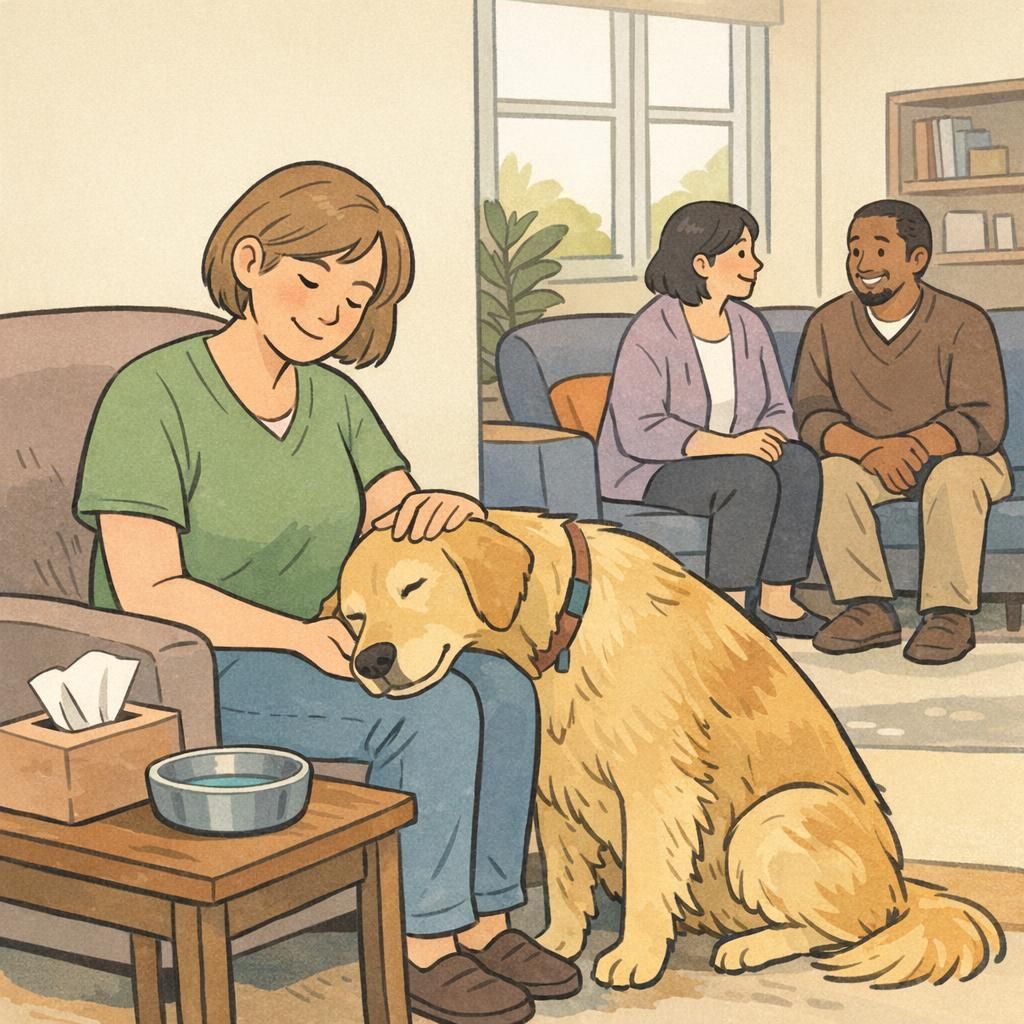
Think of it as the public-facing side of training: your dog can do its job while staying composed in real-world environments—near carts, food, kids, loudspeakers, automatic doors, and crowded aisles.
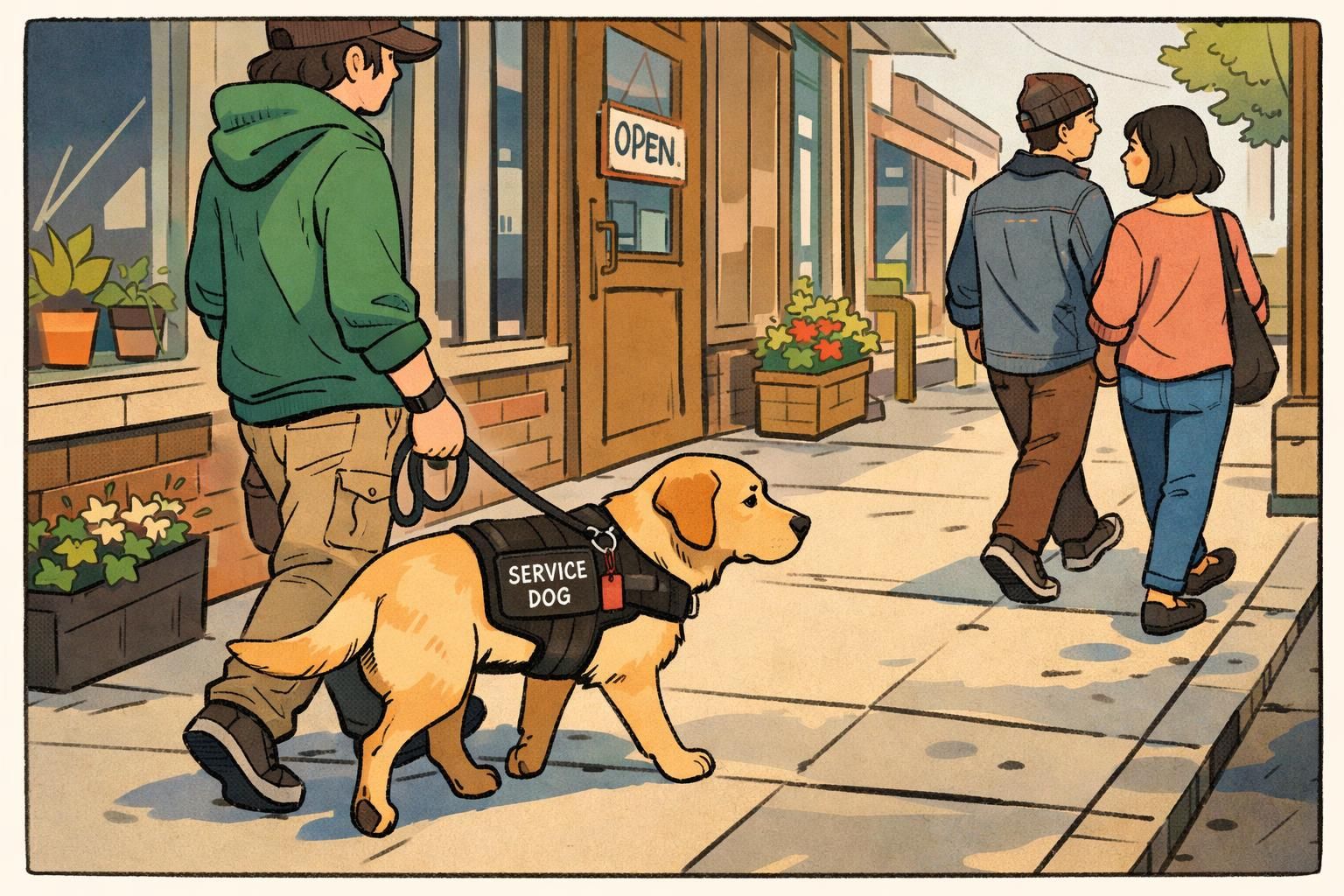
Importantly, “under control” isn’t about never making a mistake. Dogs are living beings. The practical goal is that if something starts to go sideways—excitement, stress, a surprise sound—the handler can quickly redirect, create space, and restore calm.
No. A controlled dog can still shift positions, look around, or briefly vocalize. The key is that the handler can quickly cue and manage the behavior so it doesn’t become disruptive or unsafe.
Gear helps communicate role and expectations, but control is shown through behavior: staying close, responding to cues, and remaining calm around the public.
It can help to picture “under control” as a set of real-life moments. These examples aren’t meant to shame anyone—many handlers have experienced a rough day. The point is to make the standard easy to recognize so you can train toward it and handle situations confidently.
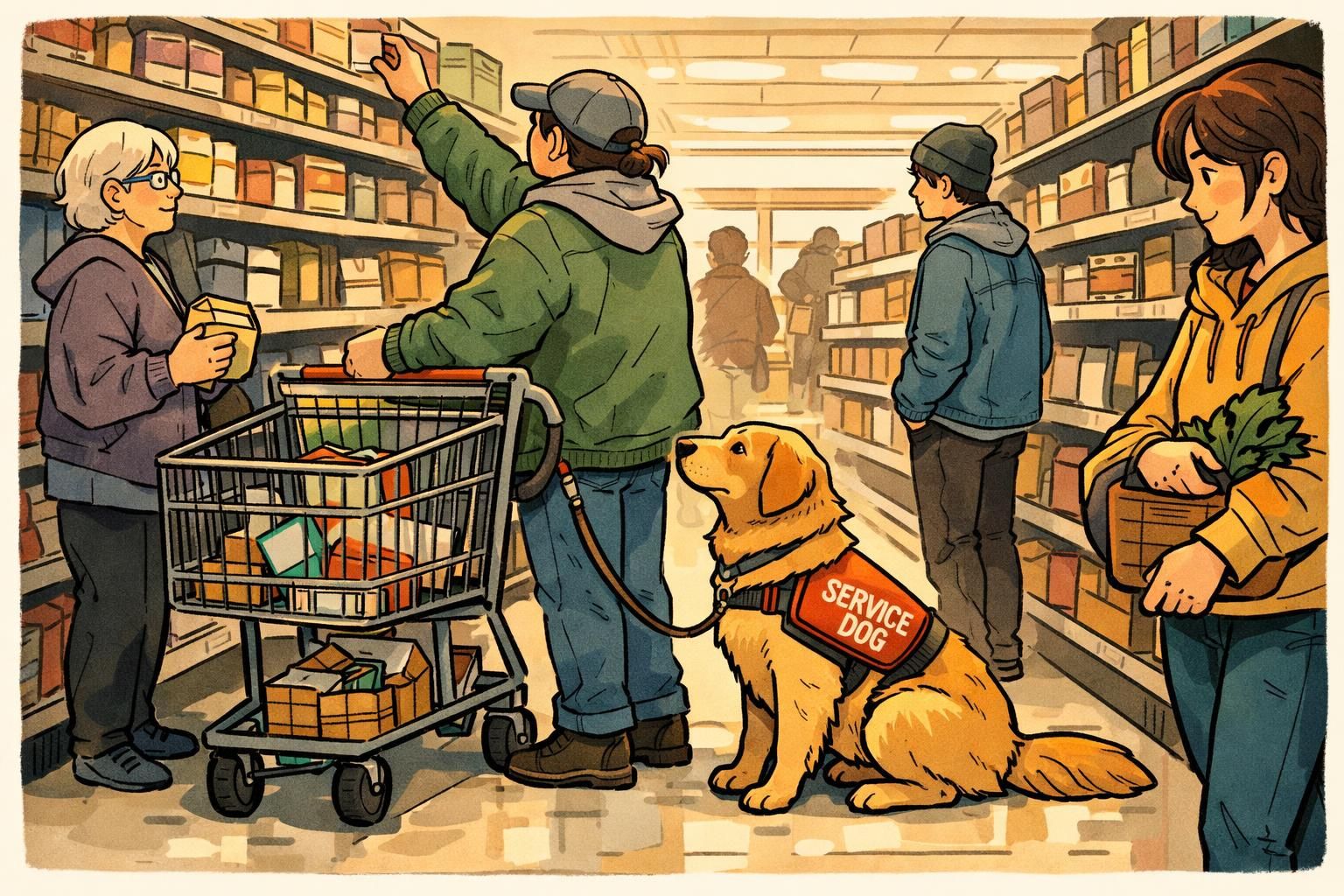
When something unexpected happens—like a dropped item or a sudden loud noise—being “under control” often comes down to recovery. A quick “leave it,” a calm repositioning behind your legs, or stepping aside to reset can turn a messy moment into a manageable one.
Not all “public access training” is about service animals. In some settings, “public access” refers to the public’s right to access government meetings and records. That’s why you may see the phrase “under the control” in training materials meant for public employees and officials.
In this context, “under the control” generally relates to records that an agency has the ability and responsibility to manage, find, and provide when the public requests them. It’s about documentation and compliance—emails, memos, reports, and other materials connected to public business.
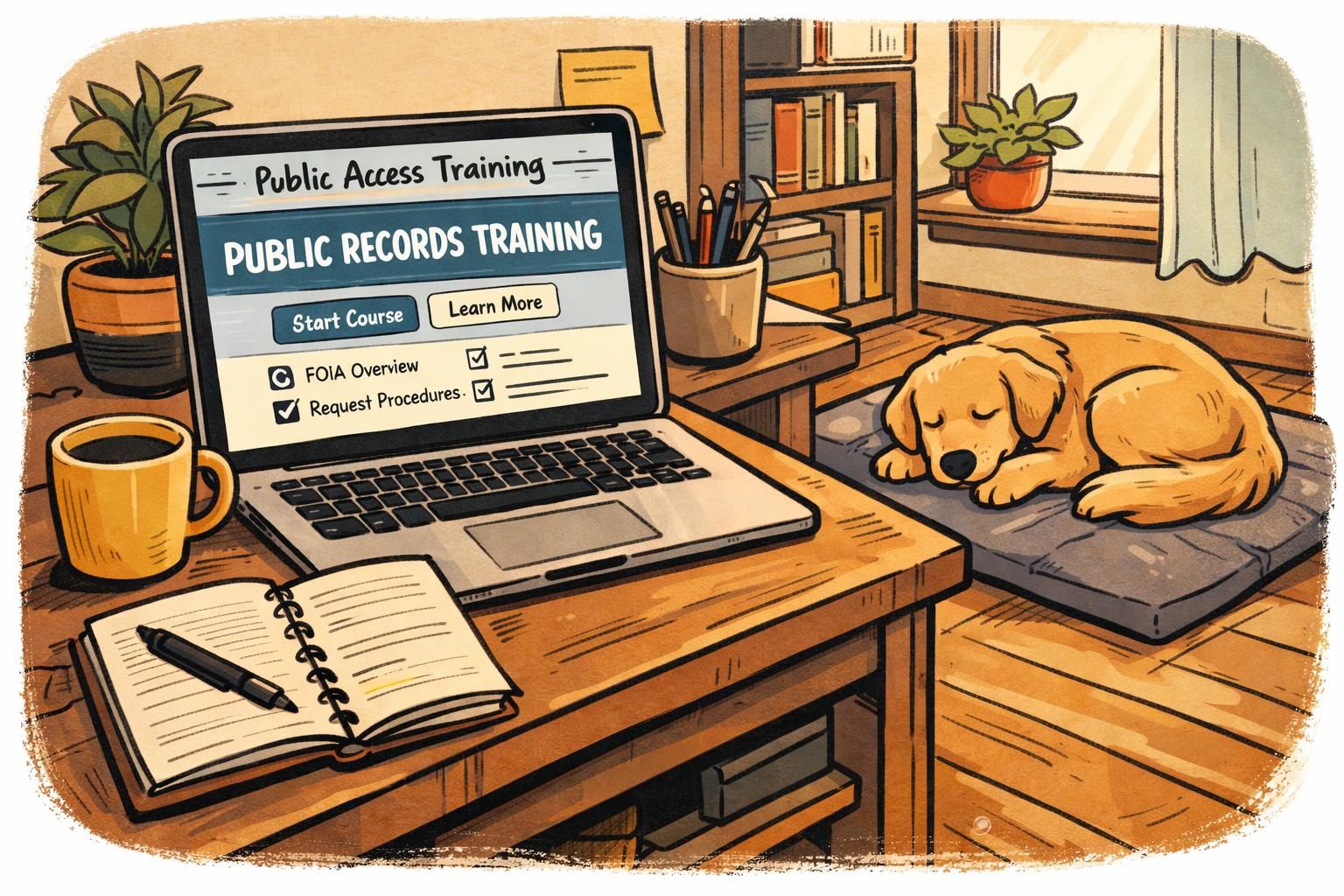
Maine has a specific training requirement under its Freedom of Access Act (FOAA) framework for certain public officials and designated public access officers. The requirement focuses on public access to records and meetings—how requests should be handled, what timelines apply, and how an agency documents compliance.
In practical terms, FOAA training is meant to ensure that the people responsible for responding to the public understand their duties and can consistently apply them. It also requires completion within a set timeframe and documentation of completion. You can read the statutory language here: source.
Even when your dog is well-trained, questions can come up at entrances, checkouts, or waiting rooms—often because staff are trying to follow a policy, or they’ve had past experiences with poorly behaved animals. The easiest way to keep the moment from turning stressful is to stay focused on behavior, control, and calm communication.
“ "I’ve found that the calmest answer is the most persuasive one: a simple explanation, a quick sit-stay, and we’re on our way." – Service dog handler”
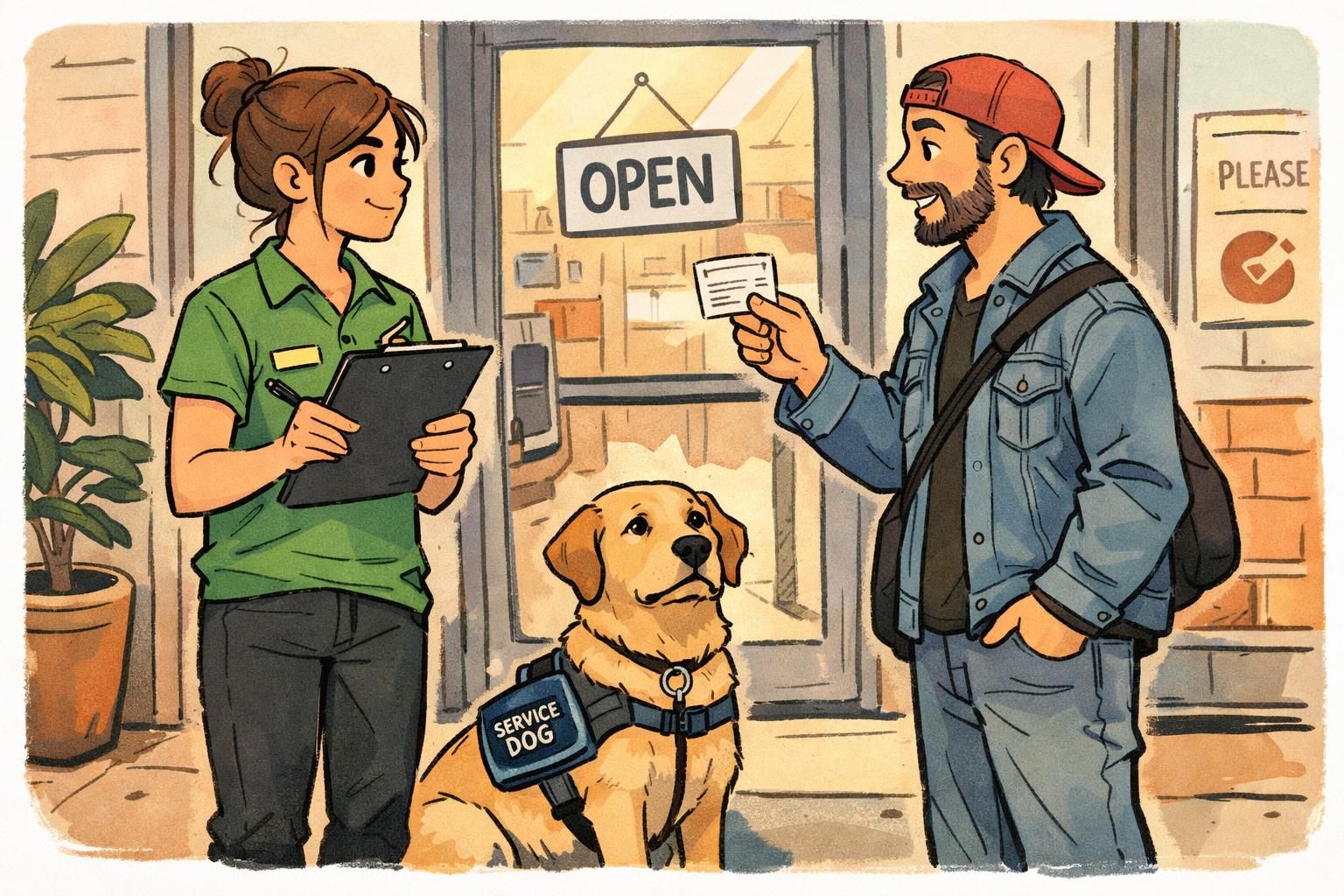
Stay polite and steady. Many concerns fade when the dog is visibly calm, close, and responsive. If needed, ask for a manager and keep your tone neutral and matter-of-fact.
Prioritize safety and confidence. Stepping outside to reset, shortening the outing, or trying again another day can protect your dog’s training and reduce stressful interactions.
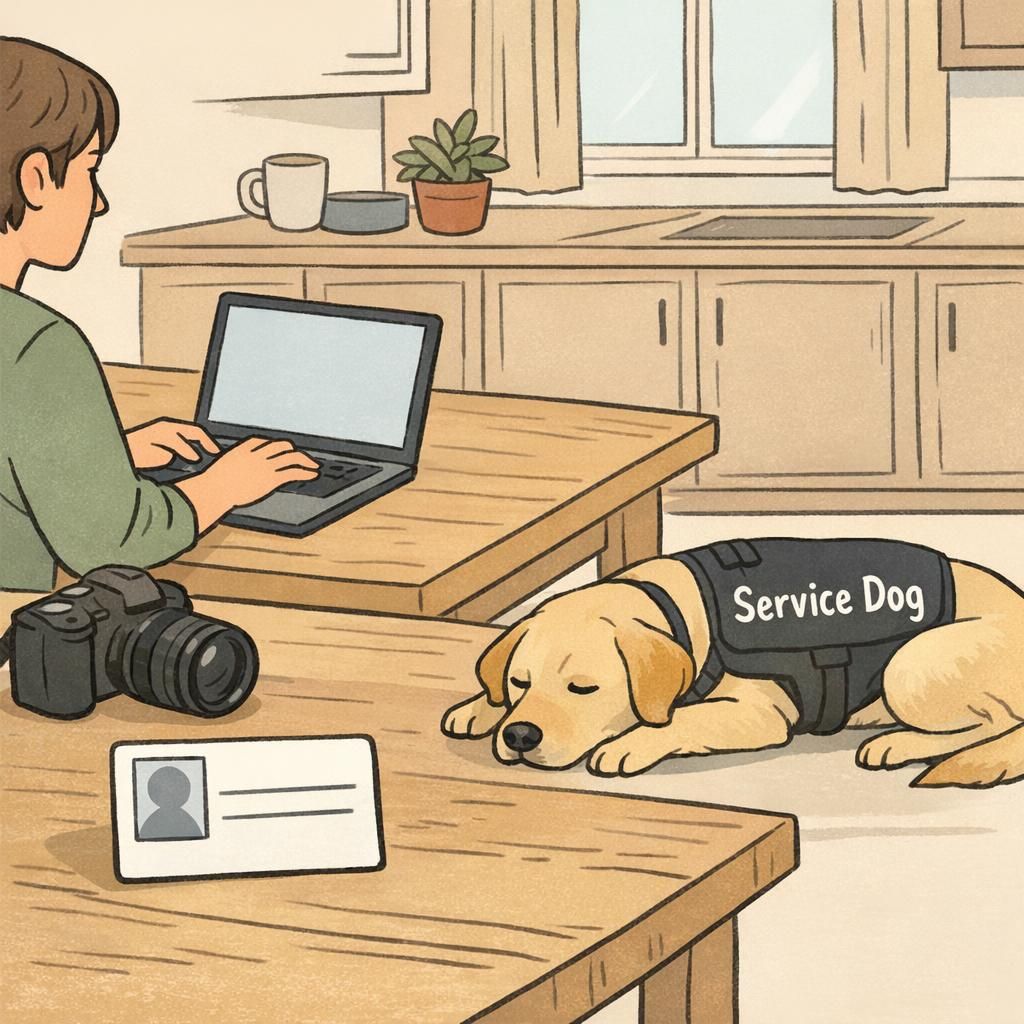
In day-to-day life, many handlers find that clear identification reduces misunderstandings—especially in busy places where multiple staff members rotate through shifts. While registration and ID are optional tools, they can make interactions smoother by giving people a quick, consistent way to understand what’s happening without a long conversation.
For example, having an ID on hand can help you keep the focus where it belongs: the dog’s calm behavior and your ability to manage the dog. It can also be useful in high-traffic environments (airports, malls, hotels) where staff may be trained to ask questions quickly and move on.
If you want a simple, professional option, many handlers choose a clear, professional service dog ID to keep information consistent and easy to show when needed.
Before you head out, a quick readiness check can help you feel more confident and reduce the chance of problems. This isn’t about passing a “test.” It’s about setting yourself and your dog up for a predictable, calm outing—what “under control” looks like in everyday routines.
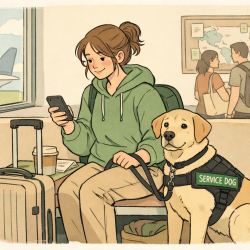
Travel adds layers of difficulty: unfamiliar smells, tight spaces, loud announcements, rushing crowds, and long periods of waiting. Even well-trained dogs can find airports, hotels, public transit, and events more challenging than local errands.
Preparation helps “under control” stay realistic when distractions spike. A few planning habits can make a major difference.
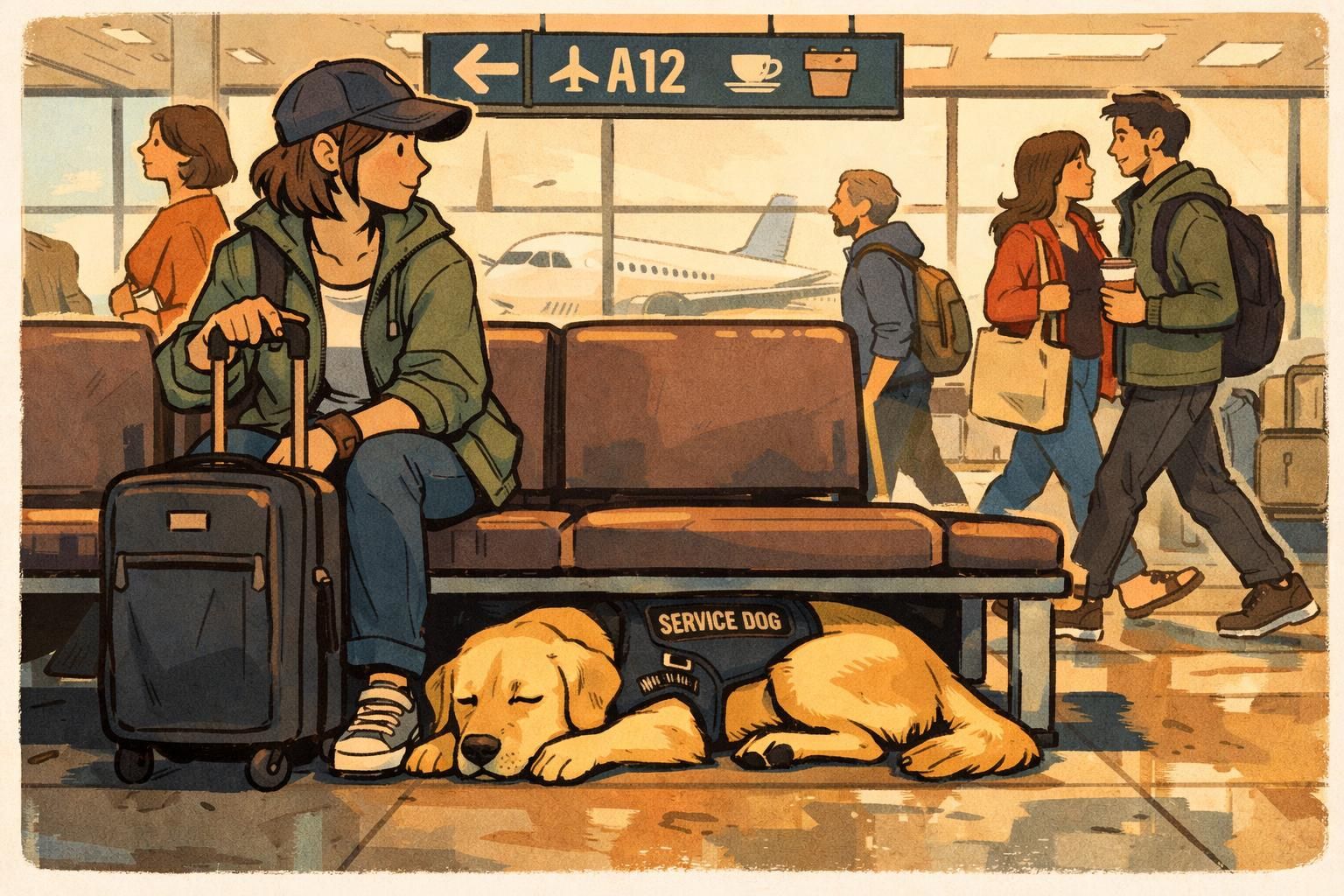
For a deeper walkthrough, you can review service dog travel planning tips. And if you like having everything organized in one place for smoother trips, some handlers prefer carrying a travel-ready service dog registration package as part of their travel routine.
“Under control” is a phrase that shows up in more than one place, so it’s worth separating the meanings. In service dog public access, it’s a practical behavior standard: the dog is calmly managed by the handler, responsive to cues, and not creating disruptions or safety risks. In government training materials, “under the control” may refer to public records an agency must manage and produce—an entirely different topic.
Your trusted source for official service animal registration. Get professional ID cards, digital profiles, and smart NFC tags to keep your service animal safe and recognized.
© National Animal Registry — All rights reserved.