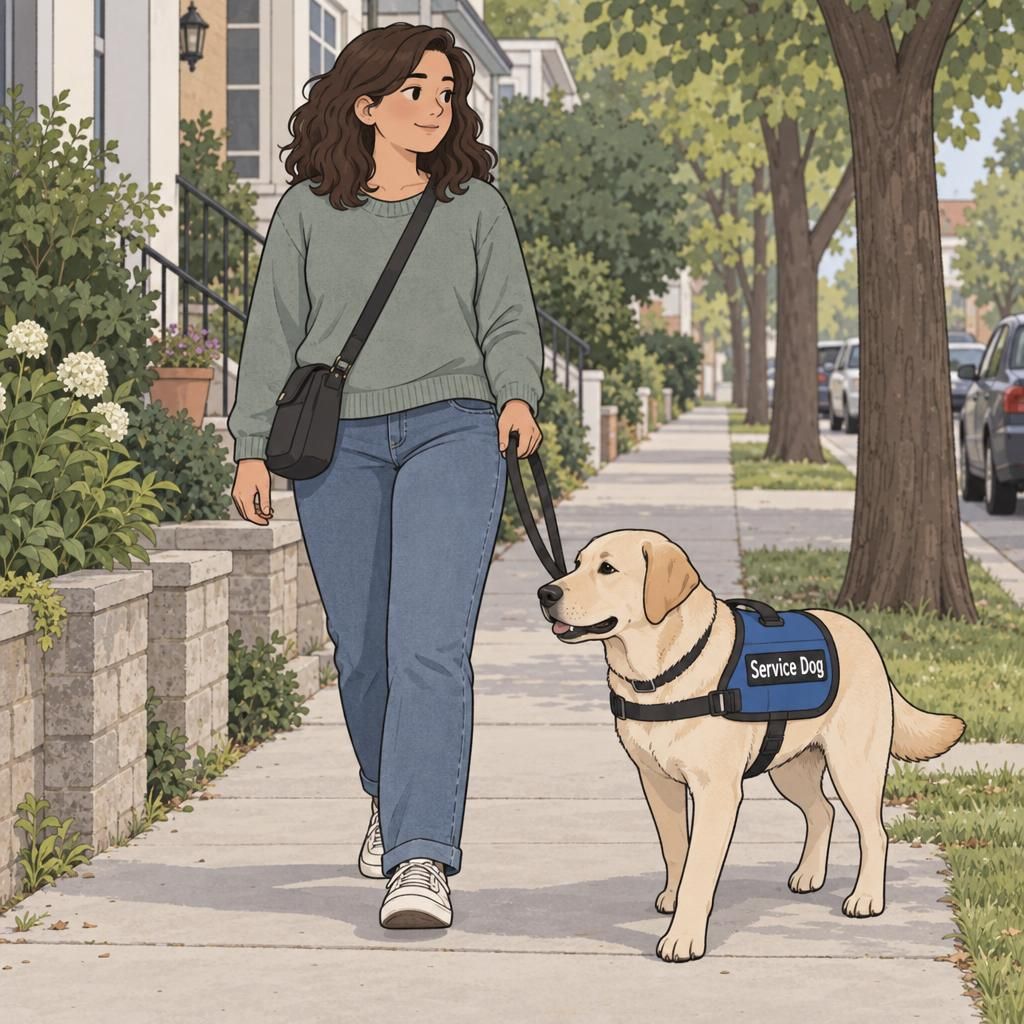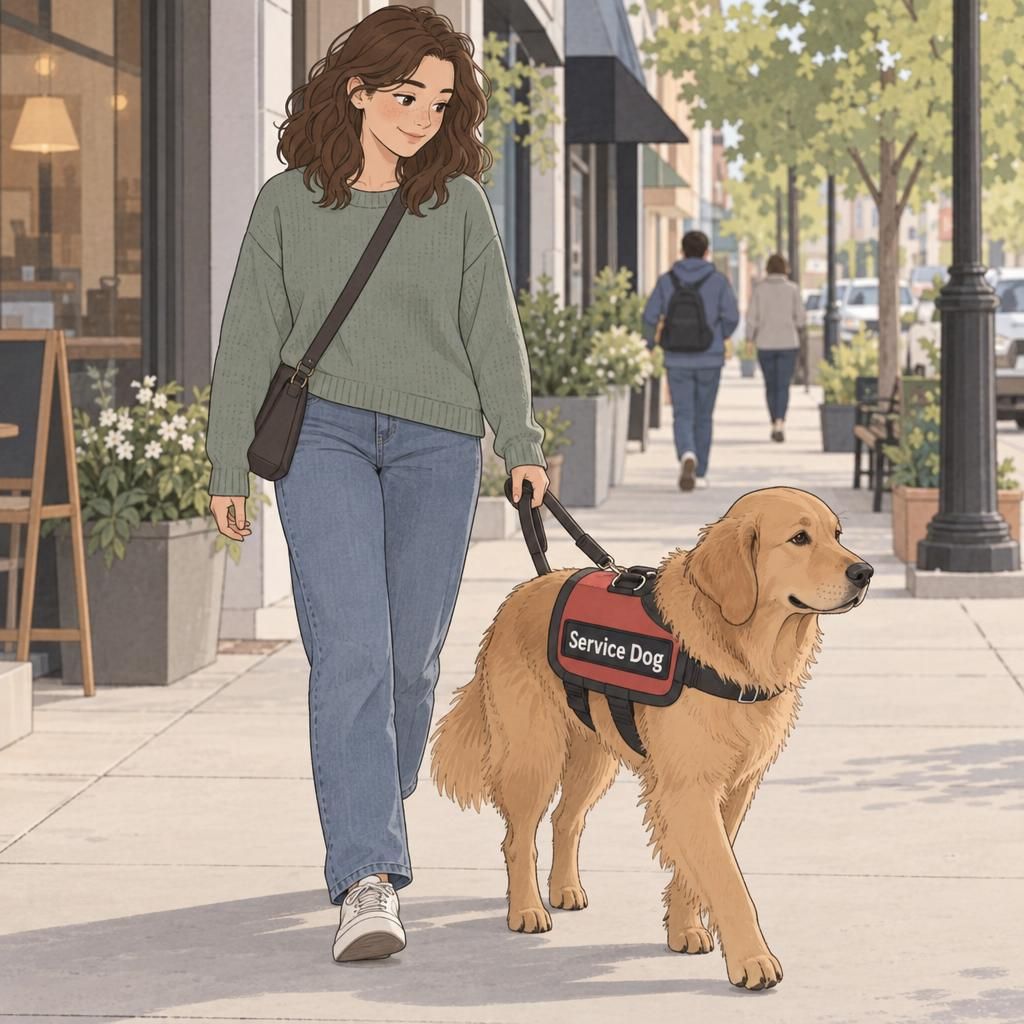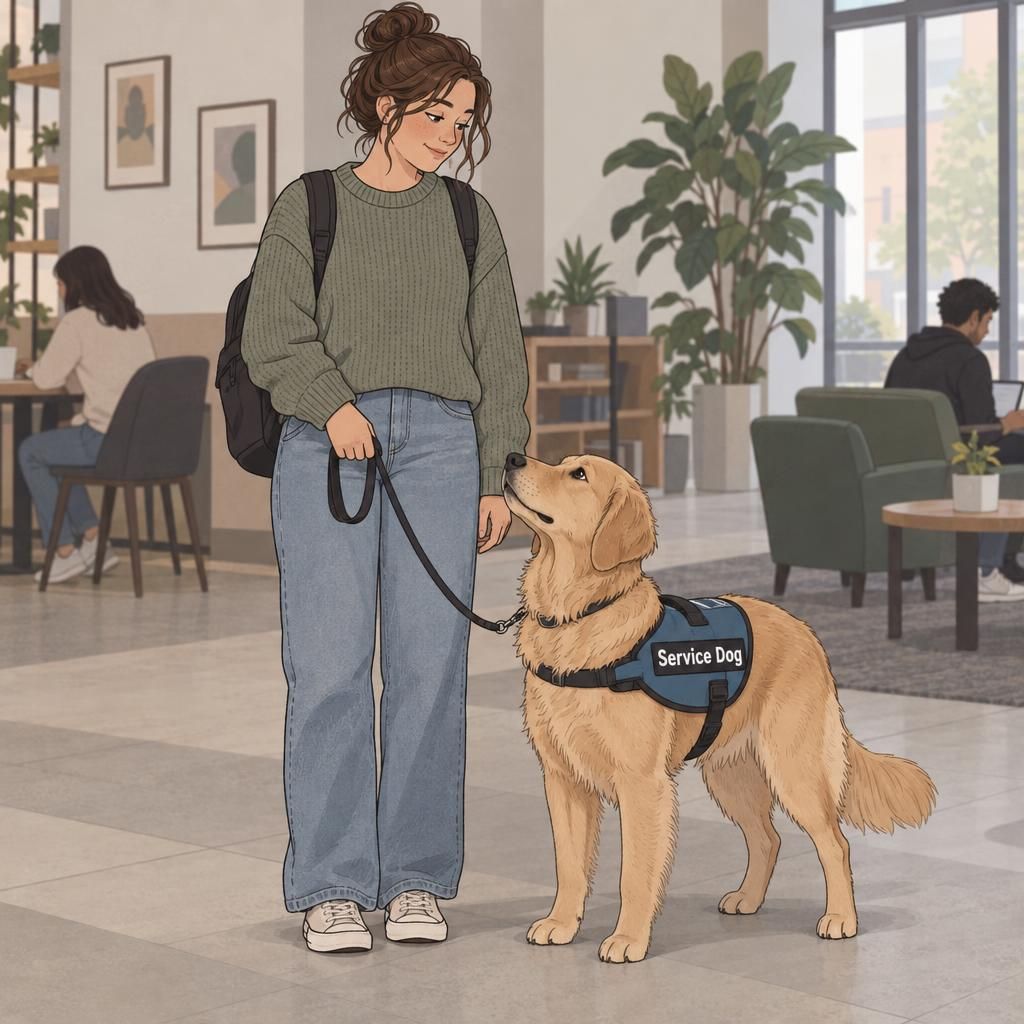

A dog can bring companionship, structure, and meaningful support to a child’s daily life. For families considering a service or companion dog, the best starting point is not a label or a promise of results. It is a clear understanding of what the child needs, what the dog will do, and how the family will support both of them.
Service dogs are trained to perform specific tasks related to a person’s disability. Those tasks are different from the comfort that comes from simply being near an animal. A companion dog may offer reassurance, encourage participation in everyday routines, or help a child feel more confident, but companionship alone does not automatically give the dog the same public-access rights under the Americans with Disabilities Act (ADA). This distinction helps families plan realistically for home life and public settings: source.
Start with a practical question: What support would make a meaningful difference for this child? Some families are looking for assistance with a specific disability-related activity. Others want a comforting presence at home. Both goals deserve thoughtful consideration, but they may lead to different choices.
Every child has a different combination of abilities, preferences, routines, and support needs. Depending on its training, a service dog may retrieve a dropped item, perform a trained task during a difficult transition, or assist with a specific safety-related need. Families should ask what each proposed task involves and how it connects to the child’s disability, rather than relying on broad descriptions such as “helps with everything.”
Consider the child’s age and daily responsibilities, as well as their comfort with barking, movement, fur, and close contact. A child who enjoys watching dogs from a distance may need gradual introductions before feeling comfortable sharing a home with one. Preferences can also change, so leave room to adjust expectations.
Safety planning should remain broader than the dog’s tasks. A dog should not replace adult supervision or established safety measures. The aim is to add appropriate support while keeping expectations manageable for the child, caregivers, and animal.

A successful arrangement depends on the people around the child as much as the dog. Parents and caregivers may manage handling, reinforce familiar cues, coordinate schedules, and make sure the dog’s needs are met. Agreeing on these responsibilities early can prevent confusion and reduce pressure on any one family member.
Choose a consistent approach to communication. If several adults help with the dog, they should use the same cues and follow the same routine. Children can participate in ways that match their abilities, such as helping prepare a bowl or joining a supervised care activity. Participation should build confidence, not become another source of stress.
The dog’s wellbeing is part of the plan, not an extra consideration. Watch for signs that an interaction is becoming uncomfortable, and allow breaks rather than pushing through. A service or companion dog can be a valuable member of a family’s support system without being expected to solve every difficulty.

Programs differ in the families they serve, the tasks they prepare dogs to perform, and the support they provide after placement. Comparing those differences can help families find an arrangement that fits the child’s daily life. Ask for clear explanations, and take time to consider how the program’s approach would work in your household.
Share an honest picture of your household, including other pets, busy schedules, transportation needs, and available caregiving support. Ask how the program handles a match that does not work as expected and whether ongoing guidance is included. These conversations are about fit and preparation, not about expecting a family or dog to be perfect.

Predictable routines can make the adjustment easier for everyone. Begin with a few manageable habits at home: a consistent place for supplies, a quiet resting area, and regular opportunities for care and exercise. Introduce responsibilities gradually, allowing the child to observe before participating when that feels more comfortable.
For school or other structured settings, communicate early with the people responsible for planning and support. Discuss the dog’s role, who will handle it, where it can rest, and how care breaks will work. Families and staff can also plan how to explain boundaries to classmates, including when they should give the dog space rather than approach or distract it.
When planning outings and travel with a service dog, consider both the child’s routine and the dog’s needs. Leave extra time, choose manageable first outings, and have a backup plan. A difficult day is useful information for adjusting the routine, not a reason to pressure the child or dog to continue.

Families may choose service dog registration, an identification card, or a certificate to help organize information and communicate the dog’s role. Keeping these materials together can make them easier to find during everyday interactions and help caregivers use consistent information. These tools work best alongside a clear understanding of the dog’s tasks and the rules that apply in the family’s location.
For families who want coordinated materials, a service dog registration package with an ID and certificate offers a way to keep identification together. National Animal Registry does not require proof, medical letters, or training documentation to obtain its registration materials.
Registration and identification can support communication; public-access eligibility depends on the dog’s role and applicable rules. Before visiting a school, travel provider, or another setting, check the relevant requirements so the family can prepare appropriately.
Use a brief, accurate description focused on what the dog does. Keep explanations consistent across caregivers, and avoid sharing more of the child’s personal information than an interaction calls for.
Choose a secure, accessible place with the dog’s outing supplies. Keep digital information current and handle documents containing personal details with care.
Ultimately, supporting a child with a service or companion dog is an ongoing family process. A thoughtful match, shared responsibilities, comfortable routines, and clear communication create a practical foundation—one that respects the child’s needs and the dog’s wellbeing as daily life changes.
Your trusted source for service animal registration. Get professional ID cards, digital profiles, and smart NFC tags to keep your service animal safe and recognized.
© National Animal Registry — All rights reserved.