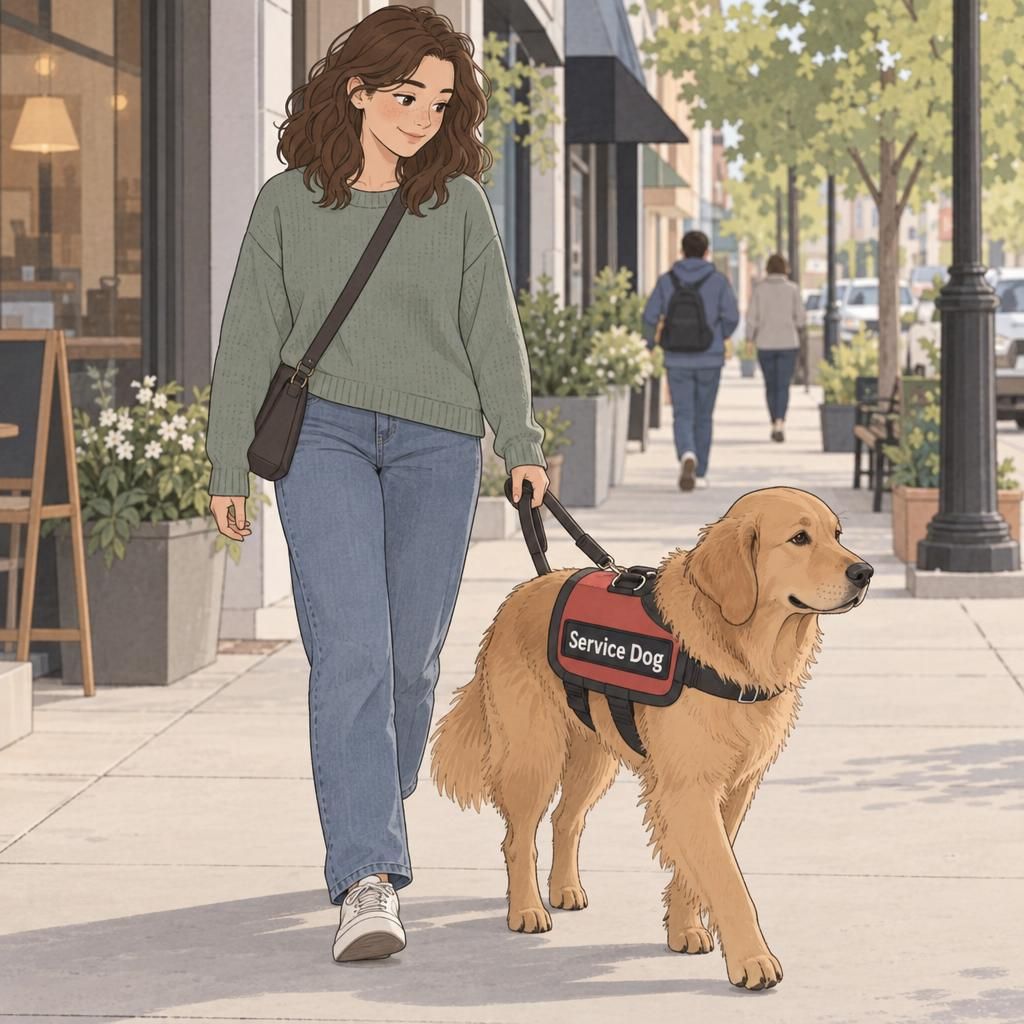
A practical accessory setup can make daily life with a blood sugar alert dog more organized and comfortable. Identification gear helps other people recognize that the dog is working. Comfortable handling equipment supports outings, while training supplies make rewards easier to deliver consistently. The goal is not to collect every available accessory, but to choose items that fit the dog, the handler, and their everyday routine.
It helps to separate accessories into two groups: equipment the dog wears and supplies the handler carries. Worn equipment includes vests, harnesses, collars, and attached patches. Handler-carried supplies include identification cards, treat pouches, training logs, and glucose-monitoring equipment. Keeping these groups distinct makes it easier to decide what belongs on the dog and what should stay in a pocket, pouch, or bag.
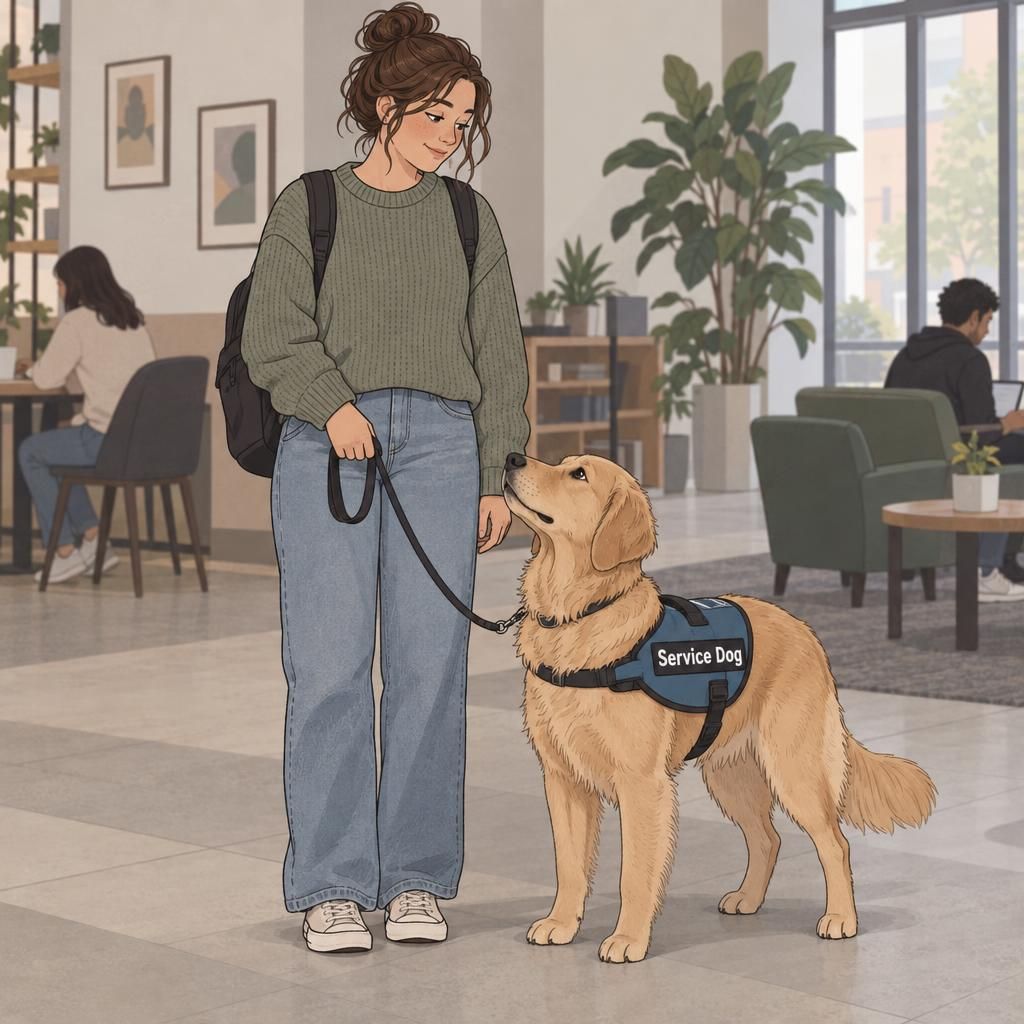
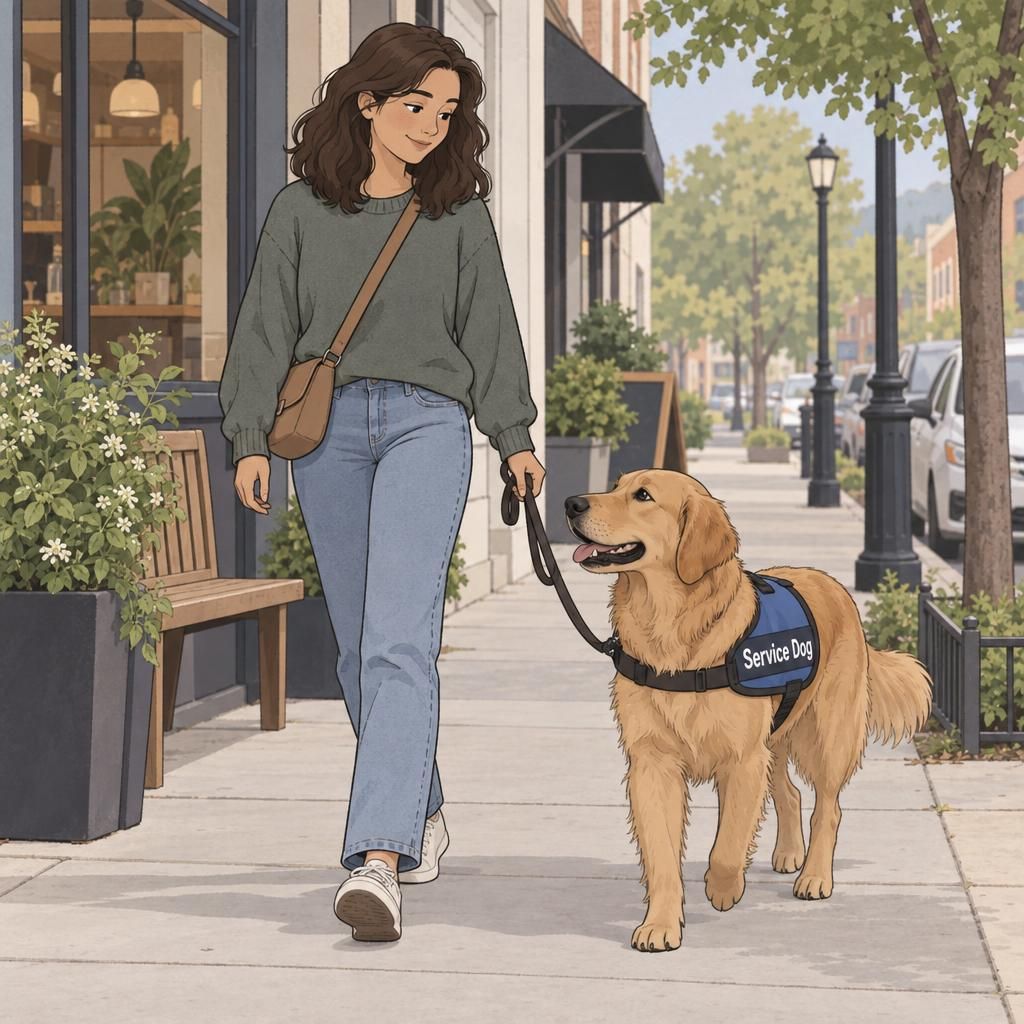
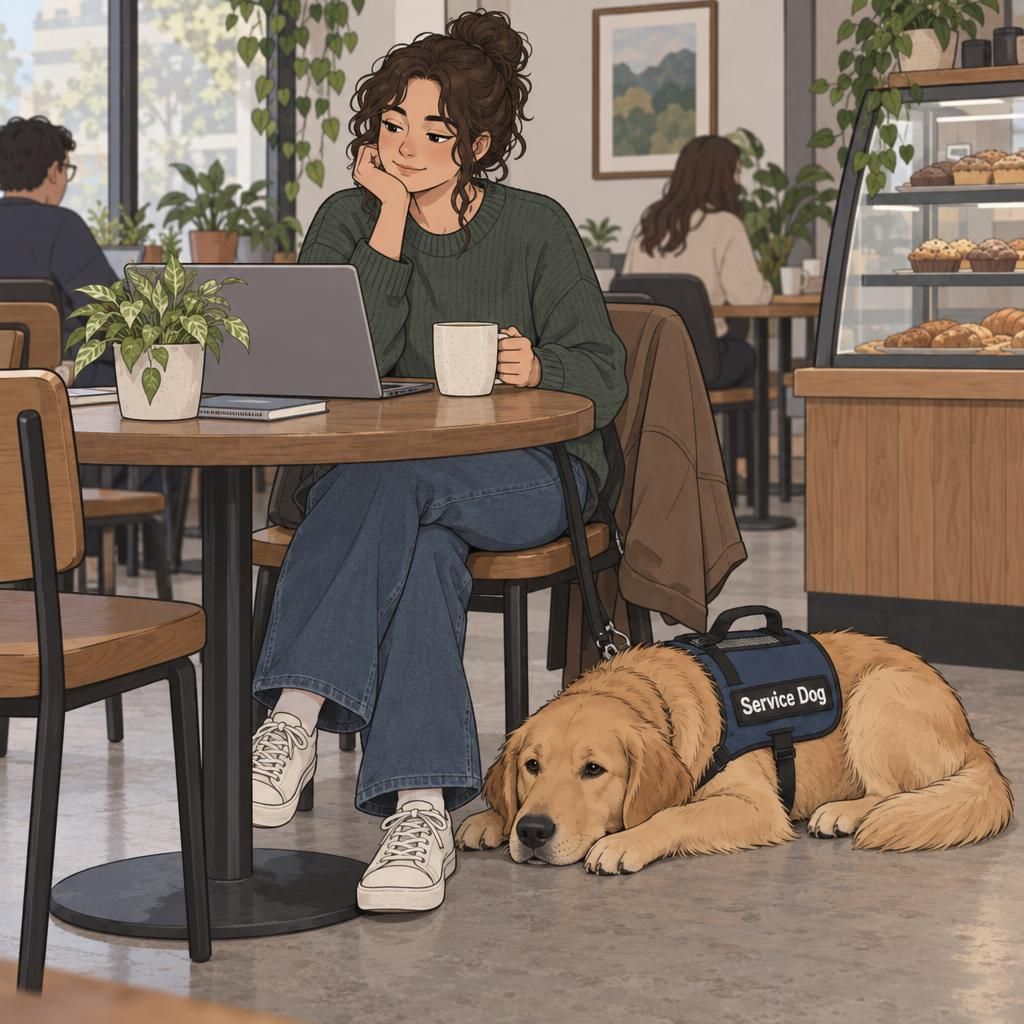
A vest is one practical option for making a blood sugar alert dog's working role more visible. Its broad panels provide space for readable patches, and a simple design can communicate the dog's role without adding unnecessary bulk. For handlers who mainly want clear identification, a lightweight vest may be a useful choice.
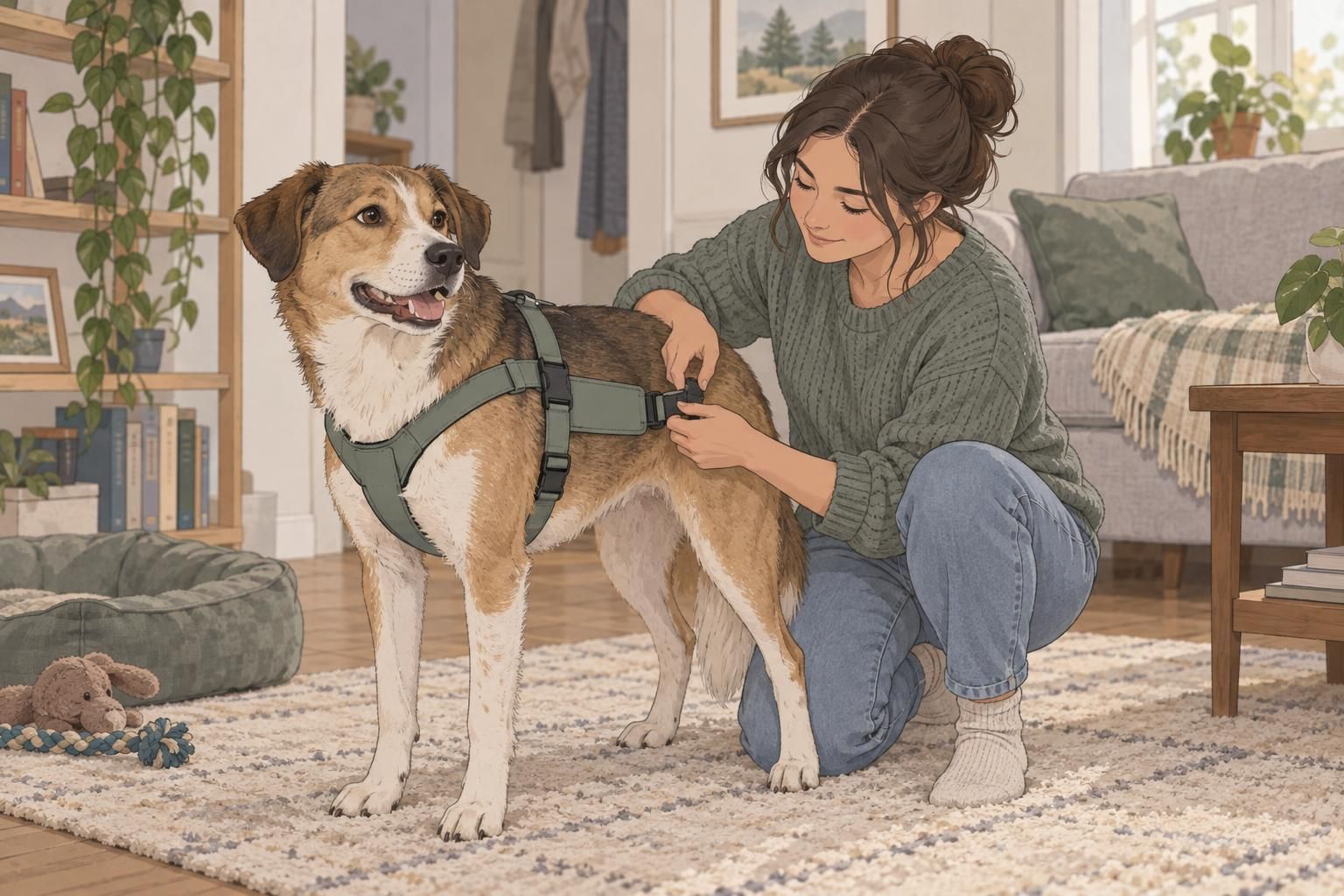
A harness serves a different primary purpose: it provides a fitted point for leash attachment and handling when designed for that use. Some harnesses also have space for identification patches. Not every vest is intended to bear leash tension, so check the equipment's intended function rather than assuming a visible ring or handle is suitable for control.
Handlers can choose a vest, a harness, or a combination based on comfort, visibility, and handling needs. Check that straps do not rub behind the front legs, that panels do not restrict movement, and that the material suits the weather. Examples of diabetic alert dog working gear illustrate common identification options, including vests and patches: source.
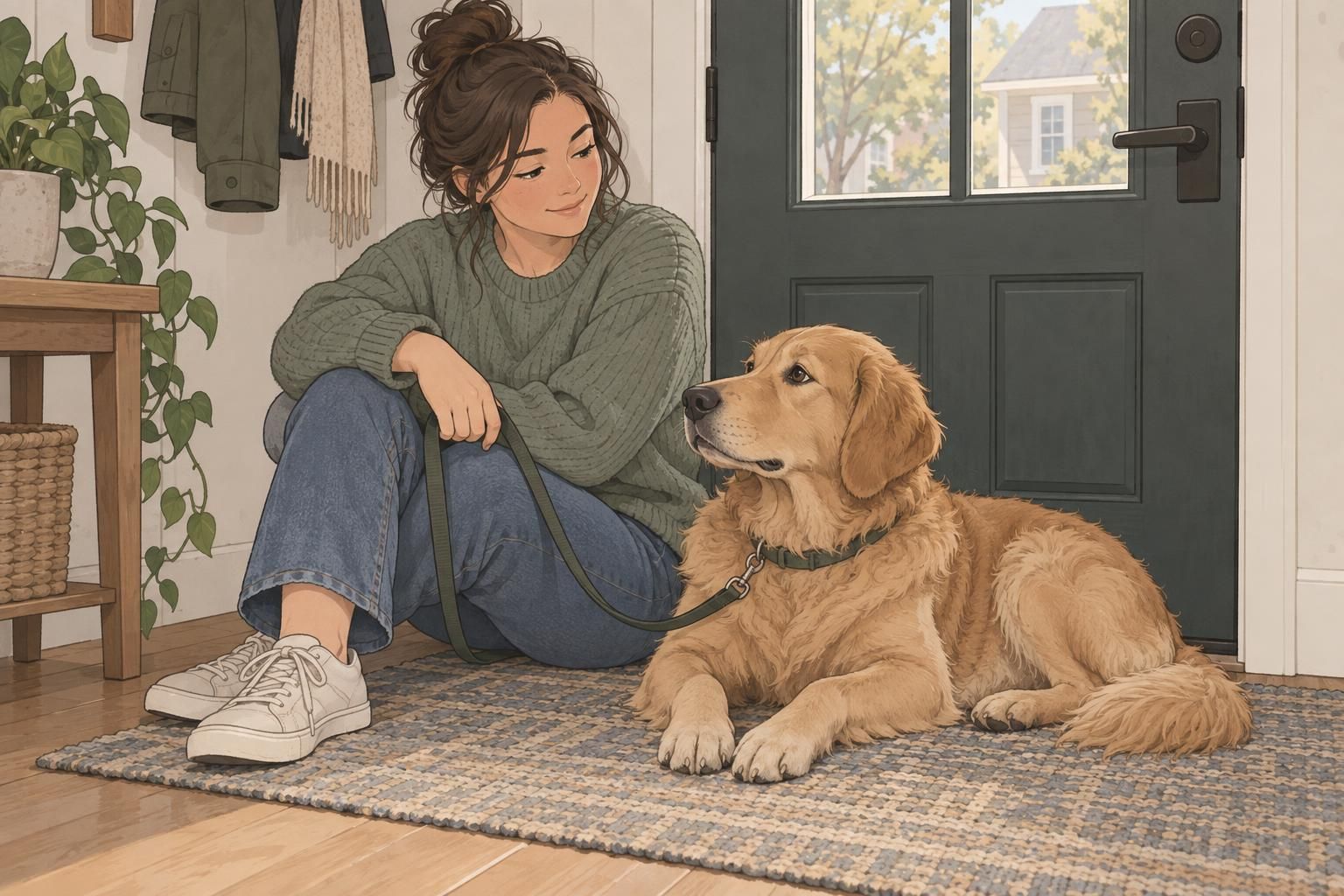
A comfortable collar and sturdy leash are everyday essentials for many outings. A collar should stay secure without pressing tightly against the dog's neck or slipping easily over the head. Check fit regularly, especially after grooming, weight changes, or adjustments to other equipment. Smooth edges and appropriately sized hardware help keep the setup comfortable.
Choose a leash that feels secure in the handler's hand and allows the dog to remain nearby without constant tension. Durability matters at the clip, stitching, and handle—not just along the leash itself. Visibility can also be helpful in dim conditions, whether through a bright color or reflective details. These features support an everyday routine without requiring a complicated setup.
An ID card or digital profile can keep useful identification details together in an accessible format. Depending on the format, this may include the dog's name, handler information, and emergency contact details. A consistent record can be easier to locate than information scattered across several notes or phone screens.
Registration and documentation can be helpful organizational tools, and handlers can choose the format that best matches their routine. A printed card is convenient when reaching for a wallet is easier than opening a phone. A digital profile offers another way to access information. Keeping both available can provide flexibility, particularly when a phone battery is low or a physical card is stored elsewhere.
For handlers who want these options together, printed and digital service dog identification offers a coordinated approach to everyday identification. Keep contact details current, store printed documents where they are easy to retrieve, and consider which personal information you are comfortable sharing.

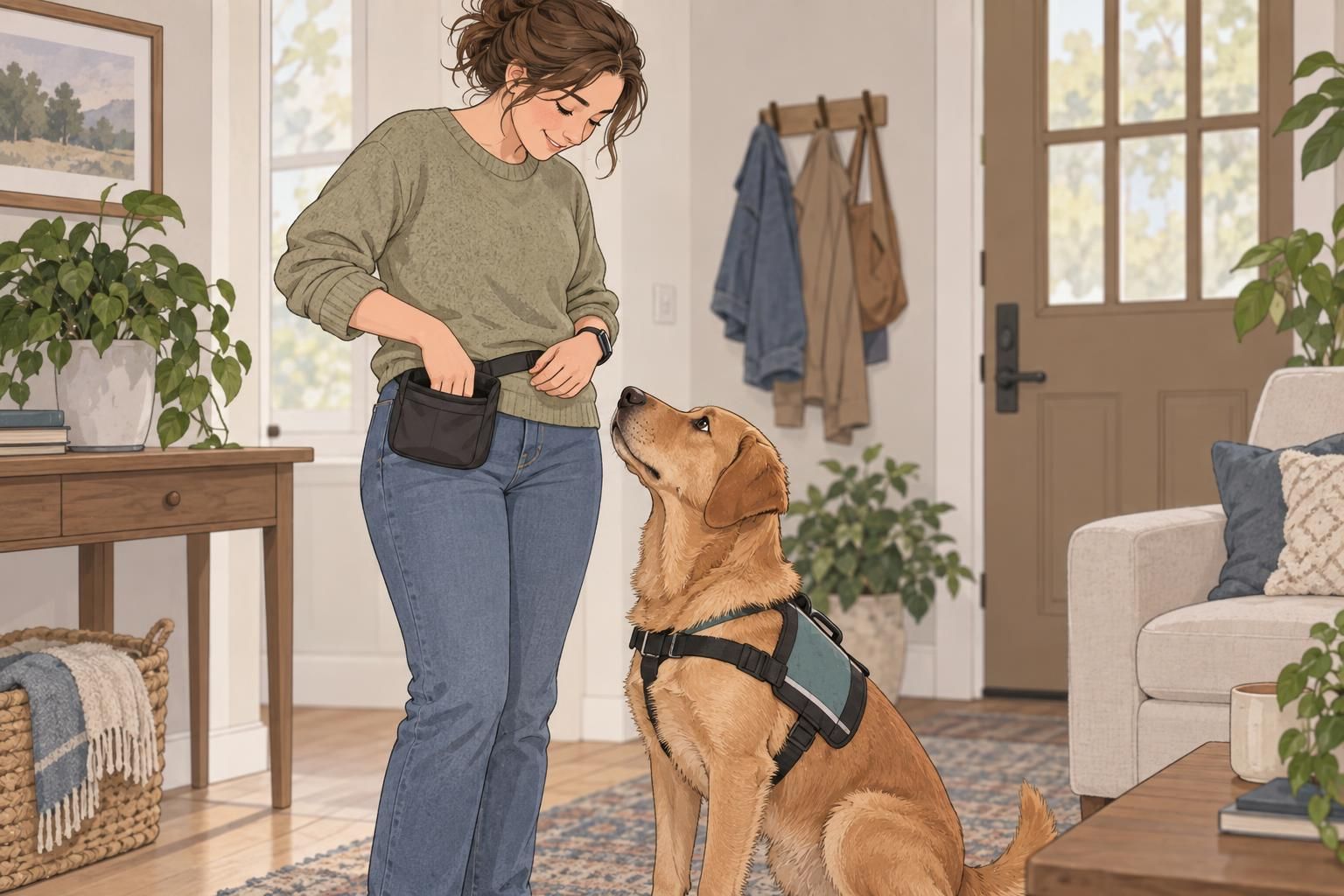
Training accessories are most useful when they make reinforcement convenient and consistent. A treat pouch keeps rewards accessible without requiring the handler to search through a bag. Choose one that opens easily, stays securely attached, and can be cleaned regularly. Carrying only what is needed for a session can also keep the pouch lightweight.
A clicker can provide a consistent sound to mark a desired behavior when it is part of the dog's established reward-based training routine. It is an aid, not a requirement for every team. The practical question is whether the tool helps the handler communicate clearly and reward the behavior they intend to reinforce.
A simple notebook or digital log can help organize practice sessions and observed alerts. Record observations rather than treating every entry as proof of accuracy. Over time, consistent notes may help the handler notice patterns and identify questions to discuss with their training or healthcare support.
The dog's working accessories and the handler's glucose-monitoring supplies have different jobs. A vest, collar, or treat pouch supports the dog's routine. A glucose meter, test strips, lancets, and carrying case support the handler's monitoring routine. Keep monitoring supplies accessible and use them according to the handler's healthcare plan; a dog's alert should not replace checking glucose or following medical guidance.
A dedicated carrying case can make essential items easier to find and help prevent loose supplies from getting mixed into other belongings. Check quantities, expiration dates, and storage instructions before leaving home. Keep used lancets safely contained for appropriate disposal rather than loose in a pocket or bag.
For trips, organize dog equipment and personal monitoring supplies separately but keep both within convenient reach. Pack the familiar leash, comfortable working gear, rewards, identification, and the monitoring items needed for the journey. When planning travel with a service dog, review destination and transportation requirements ahead of time so the packing routine reflects the actual trip.

The best everyday setup is one the handler can use comfortably and maintain reliably. Begin with secure handling equipment, add identification that communicates clearly, and carry essential supplies in predictable places. More accessories are not automatically better: unnecessary layers, dangling attachments, or hard-to-reach pockets can make a simple routine more difficult.
ADA reference materials can also help handlers communicate clearly about service dog access in relevant U.S. settings. Carrying wallet-sized ADA reference cards provides a convenient reference during everyday conversations. Use materials that fit the situation, remembering that transportation, housing, and other settings may follow different rules.
Review the setup occasionally as the dog's comfort, the handler's needs, or daily routines change. A few well-chosen accessories can support clear identification, consistent training, and easier organization—while keeping attention on the working partnership rather than the equipment.
Your trusted source for service animal registration. Get professional ID cards, digital profiles, and smart NFC tags to keep your service animal safe and recognized.
© National Animal Registry — All rights reserved.