The best accessories for an allergy detection dog are the ones that make everyday work more comfortable, predictable, and manageable. A well-fitted harness can support safe handling, a visible label can communicate boundaries, and organized identification can make the dog’s role easier to explain. Each item should serve a practical purpose rather than simply add more equipment.
Start with the dog’s tasks and the handler’s routine. A dog working in busy indoor spaces may need different gear from one spending more time outdoors or traveling. Consider how the dog moves while working, how long equipment stays on, and whether particular materials cause discomfort. The handler’s ability to attach, adjust, and clean accessories matters, too.
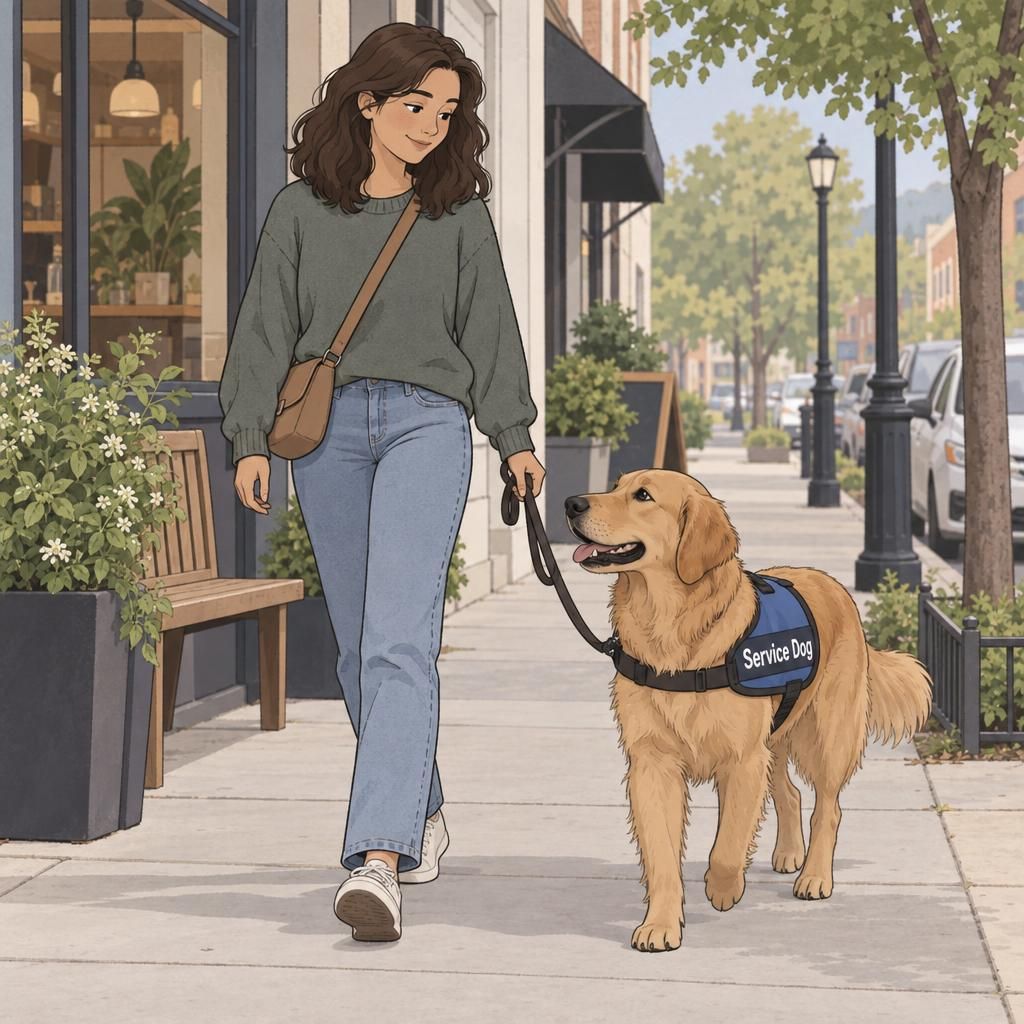
Vests and harnesses can look similar, but their functions may differ. A lightweight vest often emphasizes visibility and identification. A harness designed for leash attachment offers a practical connection for handling. Some products combine these features, so check the intended use rather than relying on appearance alone.
Look for readable labels, adjustable straps, durable stitching, and secure hardware. Padding can improve comfort, but excessive bulk may interfere with movement or make extended wear less comfortable. A practical overview of working-dog vest and harness features, including visibility, fit, and handling options, is available in this source.
Introduce new equipment during short, calm sessions before using it for a full outing. A relaxed dog moving naturally is a better sign of a suitable fit than a vest that merely looks tidy.

A collar, tag, or personalized bandana can communicate a simple instruction before someone approaches the dog. For an allergy detection team, wording such as “Do Not Feed” can help caregivers and members of the public understand an important boundary. Choose messages that accurately reflect the handler’s needs and the dog’s role.
Keep public-facing wording brief. Large, high-contrast lettering is easier to read than several lines of small print. If an item carries allergy-related information, make clear whether the message concerns the handler or the dog. An ambiguous label may create confusion rather than prevent it.
These accessories can complement a service dog ID, but they should remain comfortable and securely attached. A bandana should not bunch beneath harness straps, and a tag should not interfere with a leash clip. Share detailed instructions directly with regular caregivers rather than expecting a small accessory to explain everything.
Some dogs may be sensitive to particular metals, fabrics, dyes, or other materials that touch their skin. When choosing equipment, examine the inside surfaces as carefully as the visible exterior. Soft fabric is helpful only if seams, buckles, and edges also sit comfortably against the dog.
A product described as hypoallergenic is not a guarantee that every dog will tolerate it. Look for clear material information and consider the dog’s previous reactions. If a familiar material has worked well, that history may be more useful than a broad marketing label.
Check contact areas after wear for redness, rubbing, or signs of discomfort. Remove or replace equipment that appears to irritate the dog, and consult a veterinarian about persistent or recurring reactions. Avoid assuming that every skin problem is an allergy; fit, friction, and other issues may need attention.

Everyday gear should be secure, comfortable, and straightforward to use. Choose a leash with a manageable length and a grip the handler can hold comfortably. Match clips, rings, and buckles to the dog’s size and the equipment’s intended purpose. Heavy hardware is not automatically better if it adds unnecessary weight.
An adjustable collar helps maintain an appropriate fit, while smooth edges and accessible fastenings make routine checks easier. Favor materials that can be cleaned according to clear instructions. Gear used frequently should be easy to inspect, not so complicated that worn stitching or a damaged clip goes unnoticed.
Comfortable equipment supports a working dog’s focus and a companion animal’s wellbeing. If the dog repeatedly scratches at or avoids an item, reassess its fit and materials instead of treating the behavior as something to ignore.
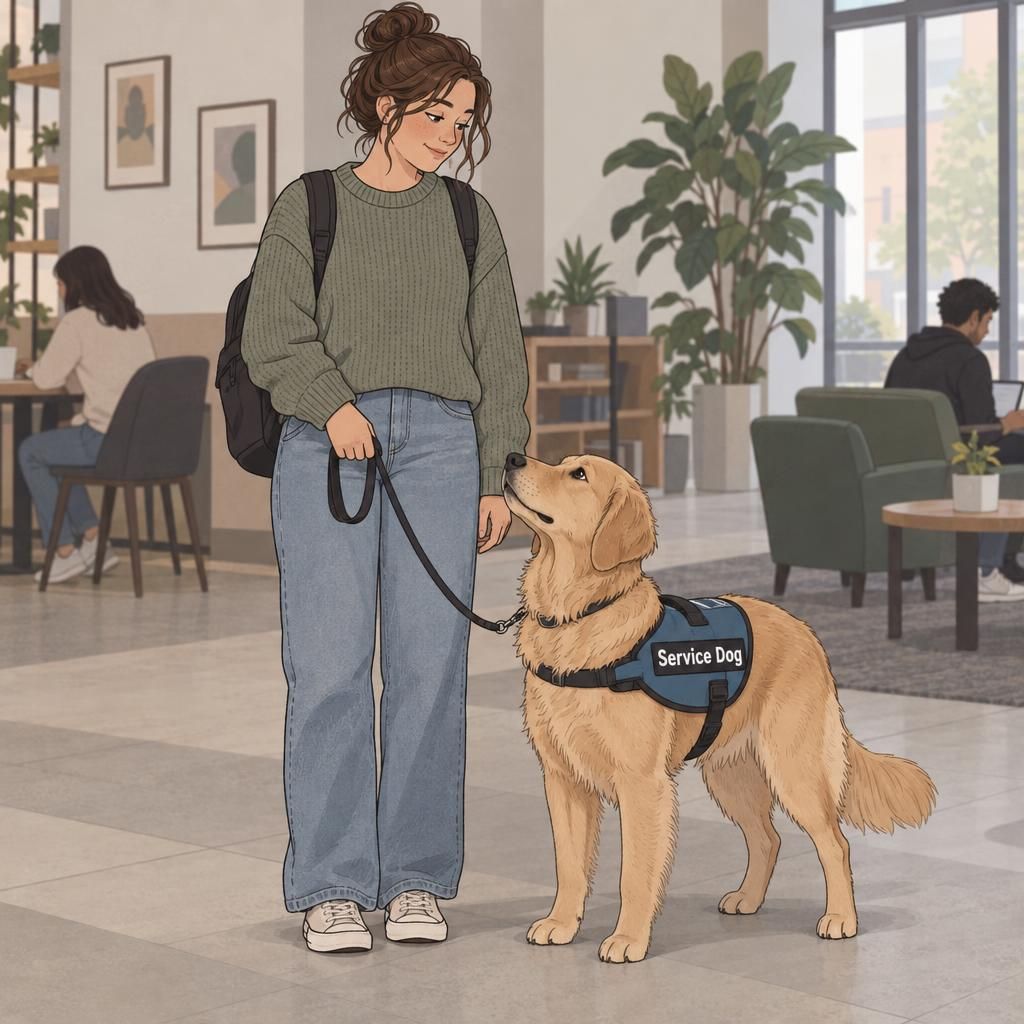
A service dog ID, digital profile, or registration materials can help handlers explain their dog’s role and keep key information organized. These optional tools work well alongside a vest or other visible gear, especially when a handler prefers a consistent way to share basic details.
National Animal Registry’s customizable service dog ID and digital profile offers a printed identification option with a personal digital page. Keep the information accurate, current, and consistent with how you describe the dog’s work.
Handlers who also use the term “support dog” can benefit from clear documentation, too. However, terminology and access rules can differ by setting. Identification helps communication; it does not replace checking the requirements that apply to a particular trip or location.
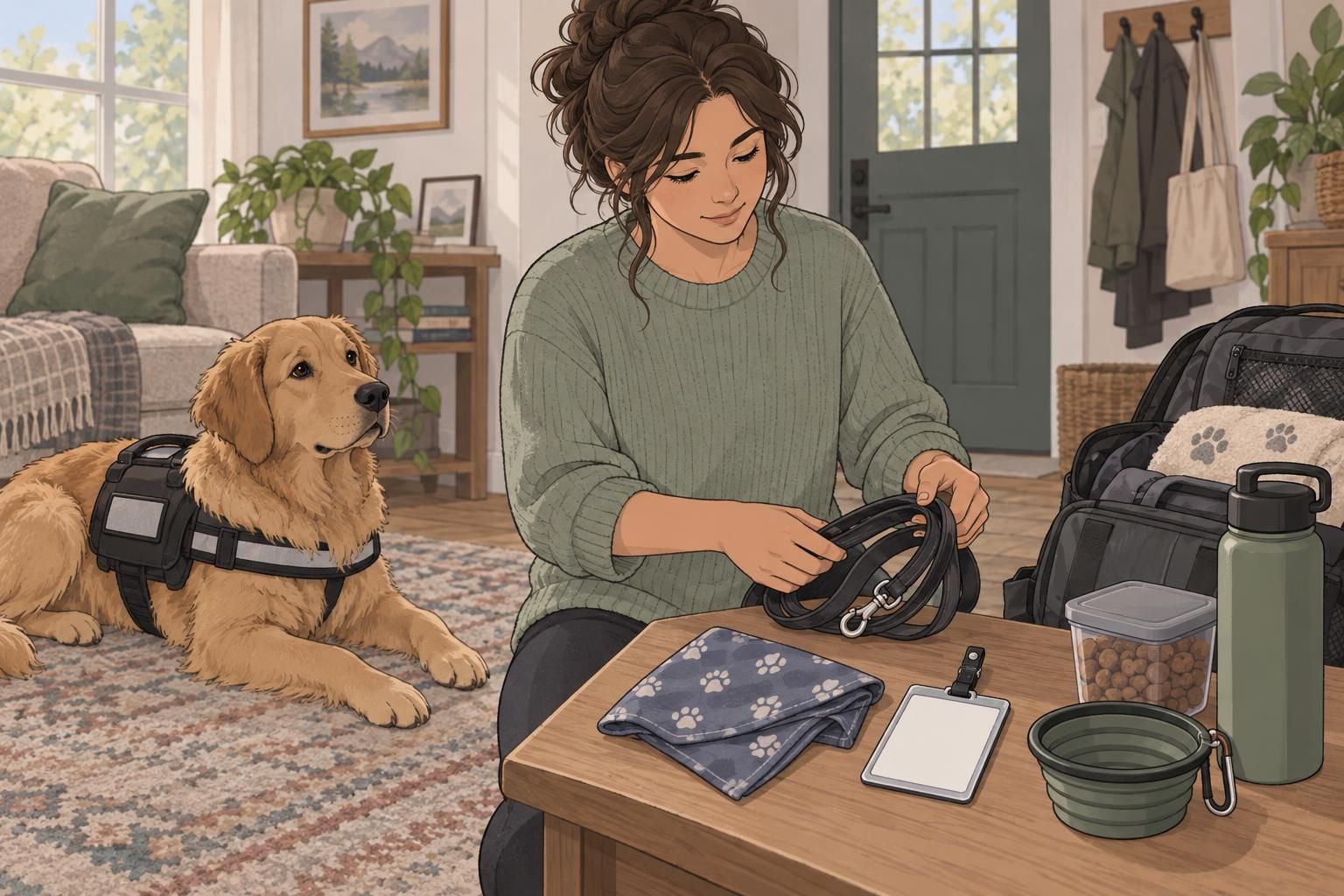
A small, organized outing kit can make leaving home less stressful. Pack familiar equipment whenever possible rather than introducing a new harness on a demanding travel day. Keep identification and allergy-alert items accessible so you do not have to search through bags during an interaction.
Check applicable travel and venue information in advance, since expectations vary by location and transportation provider. National Animal Registry’s guide to planning ahead for service dog travel can help you organize preparations. Build in time for breaks and keep the dog’s routine as predictable as practical.
At-home tools marketed for screening potential canine allergens address the dog’s own health, not its ability to detect allergens for a handler. Keeping that distinction clear helps prevent confusion when shopping for allergy-related products.
Treat any screening results as a starting point for discussion rather than a diagnosis. Marketing claims and test results alone should not determine changes to the dog’s food, equipment, or care. Discuss symptoms and any results with a veterinarian before making those decisions.
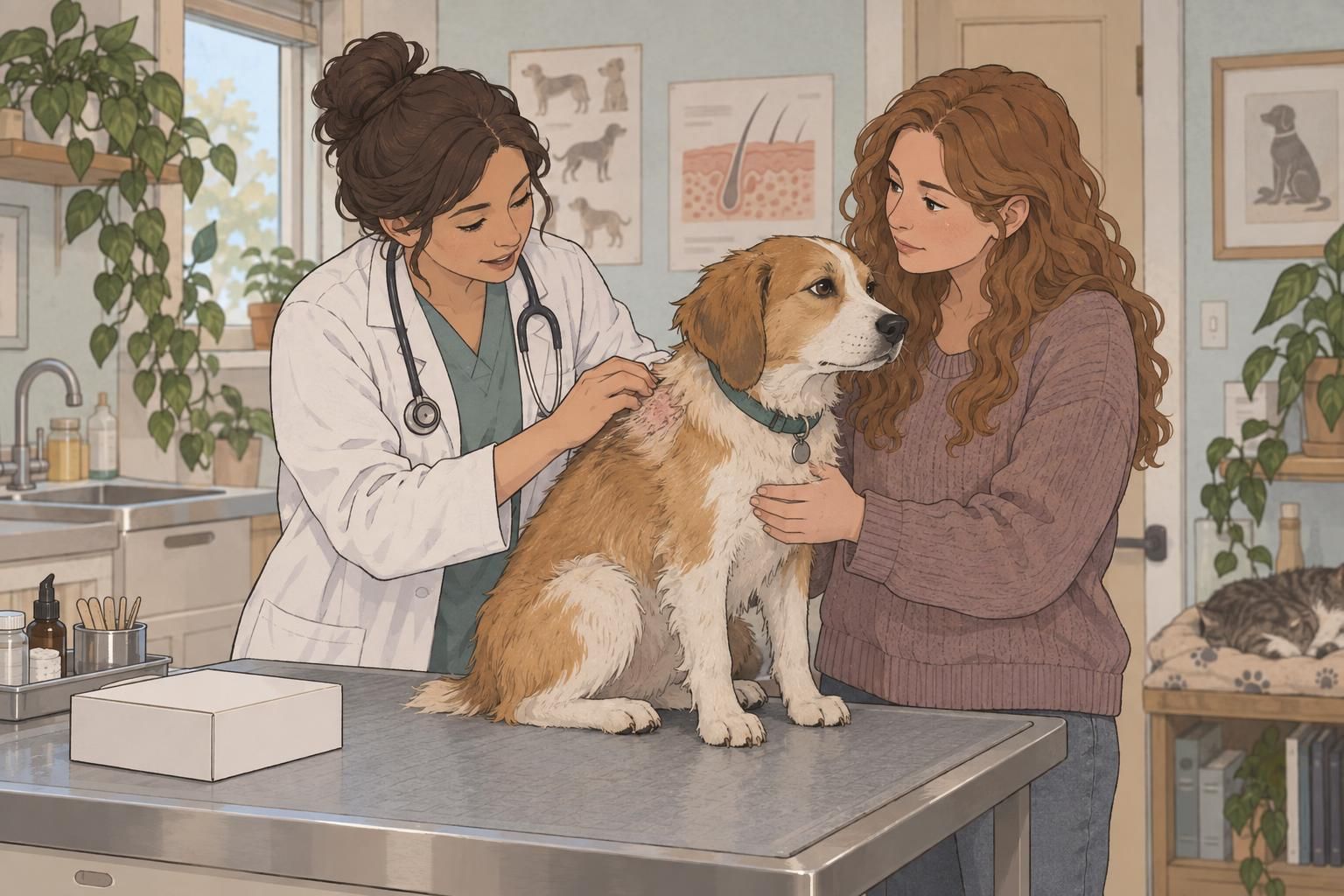
Useful observations include where irritation appears, when it began, and whether it followed a new collar, harness, cleaning product, or other change. Bring that history to the appointment. Persistent redness or discomfort deserves veterinary attention rather than repeated purchases of products labeled allergy-friendly.
A useful accessory earns its place by supporting the dog’s work without creating discomfort or extra complications. Start with essential handling equipment, then add visibility, identification, and travel items that fit your routine. More gear is not always more helpful.
The best setup is one the handler can use confidently and the dog can wear comfortably. Thoughtful choices and regular maintenance help keep accessories supportive, practical, and safe.
Your trusted source for service animal registration. Get professional ID cards, digital profiles, and smart NFC tags to keep your service animal safe and recognized.
© National Animal Registry — All rights reserved.