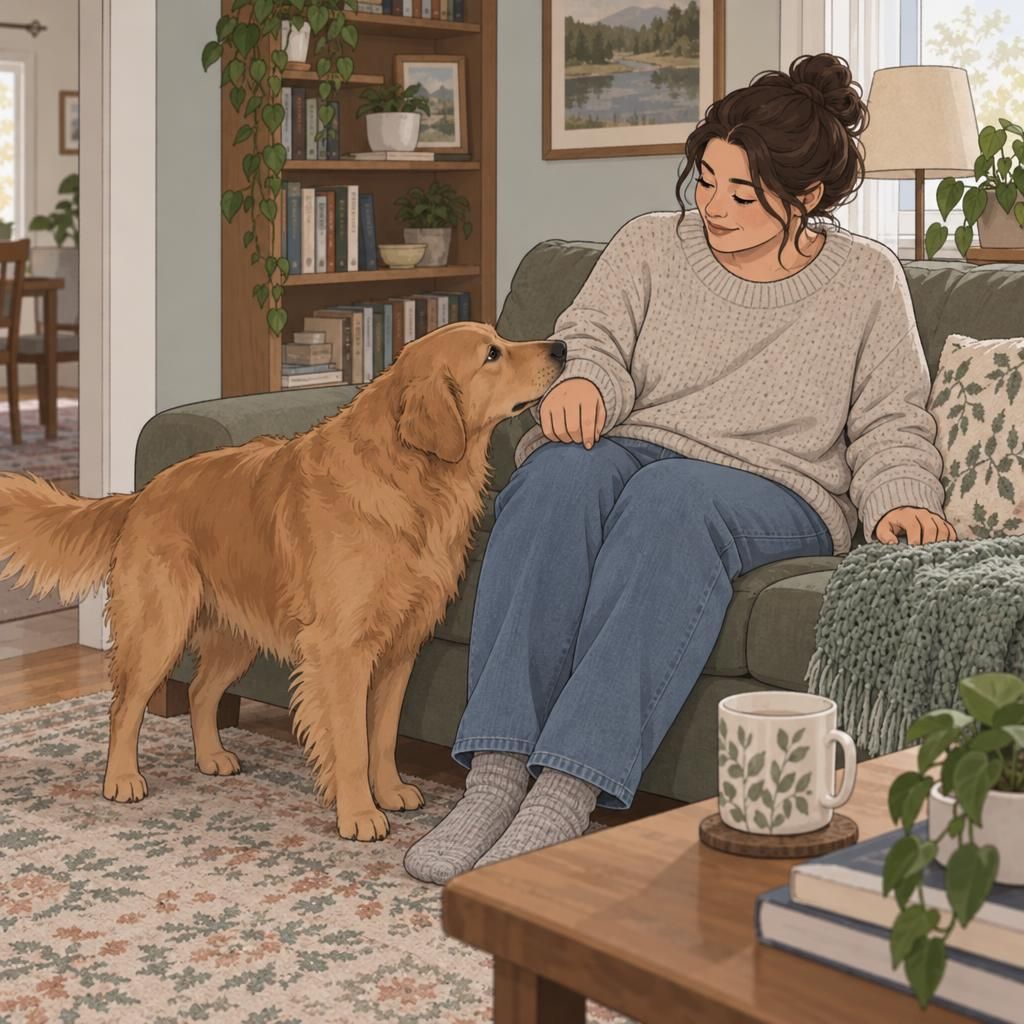

Small dogs have a special way of fitting into the tiny moments that make up everyday life. They can be right there for the quiet parts—morning coffee, a tough phone call, a slow evening on the couch—offering companionship that feels steady and personal. For many people, that close-by presence becomes a gentle anchor: a reason to get up, a reason to step outside, and a familiar routine to return to.
In this article, we’re sharing an owner-story style look at how small dogs can create a big emotional impact, along with practical, day-to-day advantages owners often notice first. While every person’s needs are different, small dogs are often easy to integrate into family life—especially when you’re juggling schedules, living space, and the simple logistics of getting through a busy week.
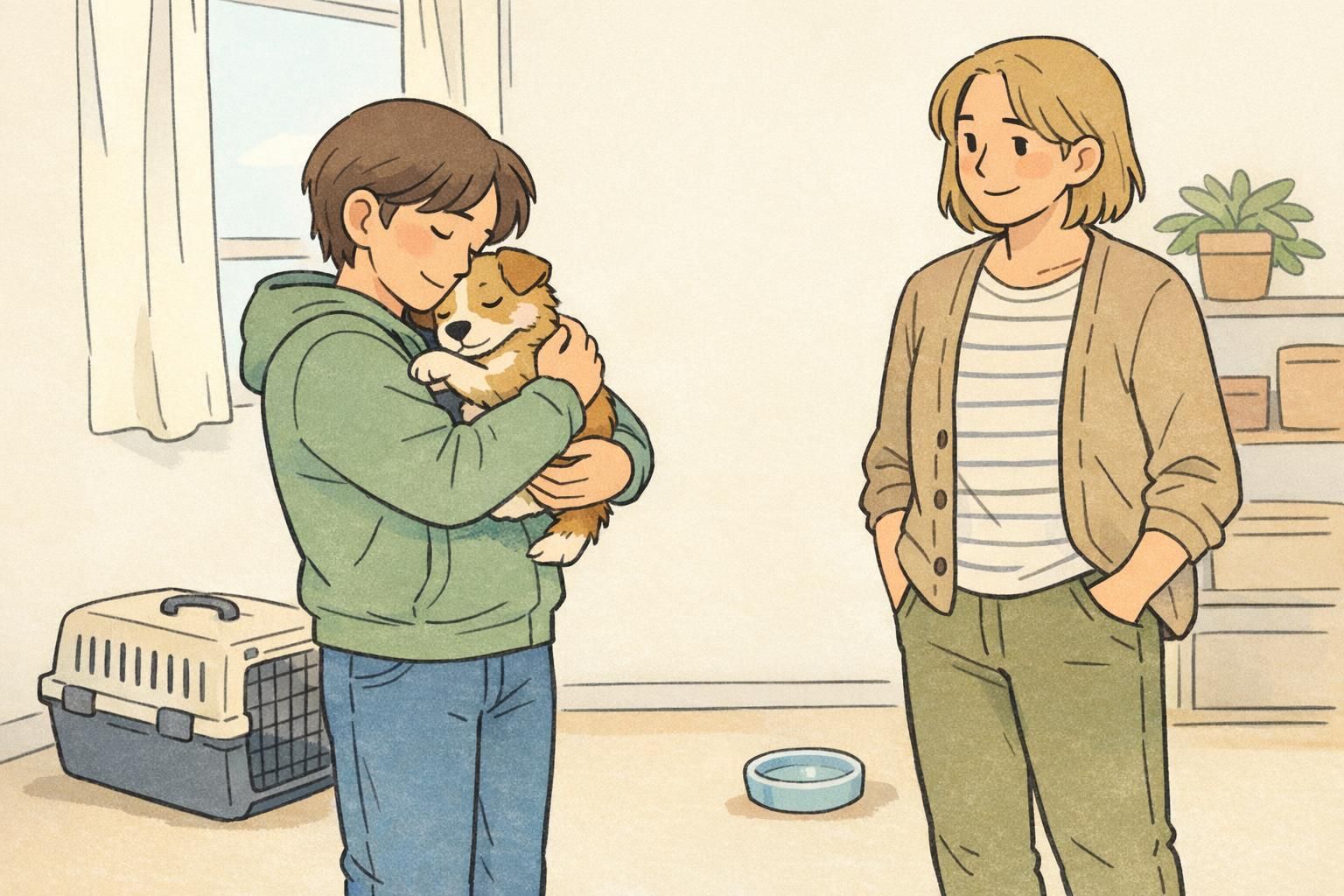
Amy didn’t expect the “this is my dog” feeling to arrive so quickly. But the moment she met Cashew—a small dog with bright, watchful eyes and a cautious-but-curious posture—something clicked. It wasn’t dramatic. It was quieter than that. Cashew leaned in, relaxed his shoulders, and settled like he’d been waiting for this exact set of arms.
That first day set the tone for what came next: little routines that built trust fast. A gentle walk around the block. A meal offered without pressure. A soft blanket in a predictable spot. In many small-dog adoptions, owners describe a surprisingly immediate emotional connection and a quick “we belong together” integration into daily life—and Cashew’s story fits that pattern (source).
The ripple effect showed up around the house, too. Cashew didn’t need to take over the entire space to become part of it. In a home with established rhythms (and another pet already confident in the routine), that mattered. Cashew could observe from a safe distance, then gradually join in—sniffing the same corners, resting in the same sunny patches, and learning the household’s “normal” without being overwhelmed.
“ "I thought it would take weeks for him to relax. Instead, it felt like he exhaled the second we got home—like he finally had a place to land." – Amy, dog owner”
Owners often talk about emotional support first—and that’s real. But right behind it are the practical advantages that make consistency easier. Small dogs can be simpler to lift, guide, or keep close, which is especially helpful in crowded places, busy households, or moments when your own energy is limited.
Another common theme: people feel less “on display” with a small dog. Large dogs can be wonderful companions, but they may draw more attention in public spaces—sometimes positive, sometimes not. Small dogs often feel less intimidating to strangers, and that can lower the temperature of everyday interactions. For some handlers and owners, that reduction in friction is part of what keeps routines sustainable.
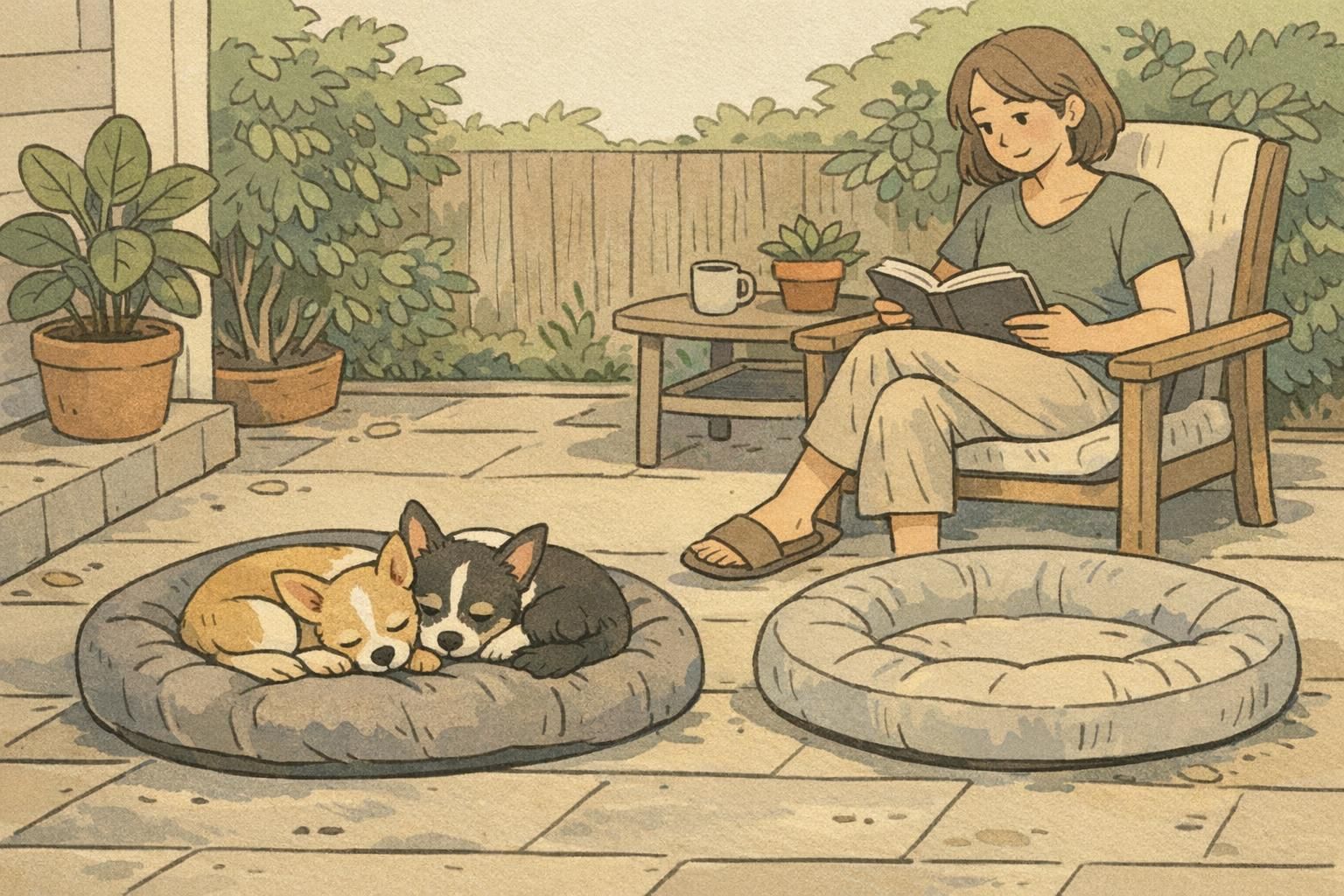
A surprising number of small-dog owners start with the same sentence: “I never thought I’d be a small dog person.” Maybe they imagined small dogs as too yappy, too delicate, or too dependent. Then a particular dog shows up—steady, intuitive, brave in tiny ways—and the assumption falls apart.
That shift in perspective often comes from watching progress over time. The first calm sit while you lace your shoes. The first relaxed visit with a friend. The first time your dog looks to you for guidance instead of scanning the room for stress. These are small steps that build a bigger story: you learn patience, your dog learns trust, and the two of you become more comfortable navigating the world together.
“ "I used to think small dogs couldn’t be ‘serious’ companions. Then I watched her stay calm, check in with me, and match my pace. She changed how I see what support can look like." – Dog owner”
People use a lot of terms to describe the dogs that help them get through daily life. Sometimes those labels are formal, sometimes they’re conversational. Either way, choosing a clear description of your dog’s role can reduce misunderstandings—especially when you’re talking with a landlord, planning travel, or answering questions in public.
Here are simple, everyday ways these terms are commonly used:
Because rules and terminology can vary by location and by situation (housing, travel, workplace policies, and so on), it helps to be consistent in how you describe your dog. Clarity is not about “proving” your bond—it’s about preventing confusion. When people understand your dog’s role, conversations tend to stay calmer and more respectful.
Start with your day-to-day reality: What support does your dog provide, and where do you need that support most often (home, housing conversations, travel, public outings)? Choosing a clear, consistent description helps you communicate confidently as your routine evolves.
Yes. Size doesn’t determine impact. Many small dogs provide meaningful, practical support in daily life, and owners often find the smaller size makes routines easier to maintain.
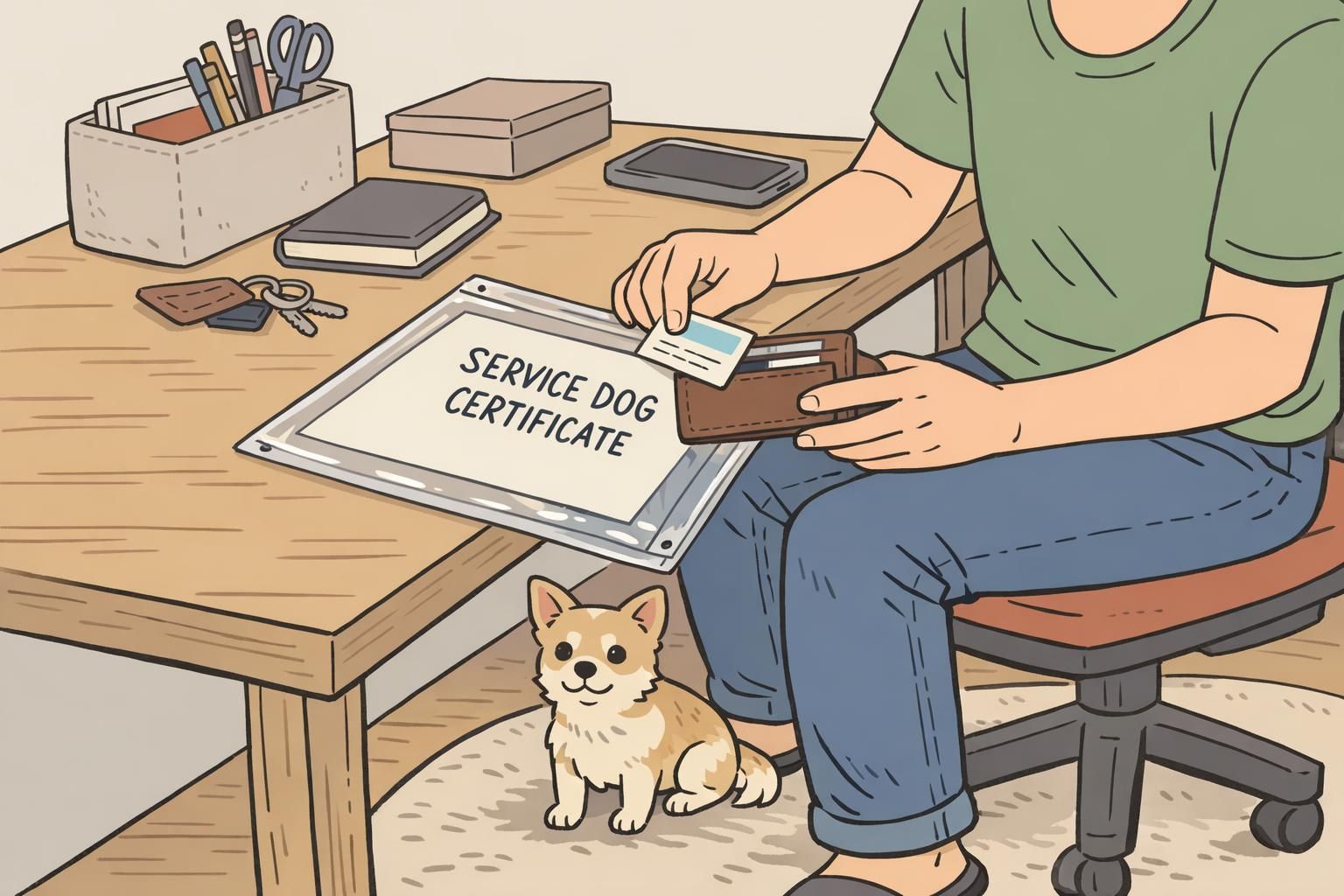
In real life, most stress doesn’t come from your dog—it comes from awkward conversations. A staff member is unsure. A neighbor asks questions. A housing email thread becomes a loop of back-and-forth. In those moments, many handlers and owners choose practical identification tools—like registrations, IDs, and certificates—so they can share clear information quickly and keep the interaction moving in a respectful direction.
This kind of documentation isn’t a barrier to getting started. It’s a convenience tool—something you can keep on hand to reduce friction when questions come up. It can also help you stay consistent: the same name, the same role description, the same contact-ready information presented in a professional format.
If you want an all-in-one way to keep those details organized, consider a starter registration package for everyday identification.
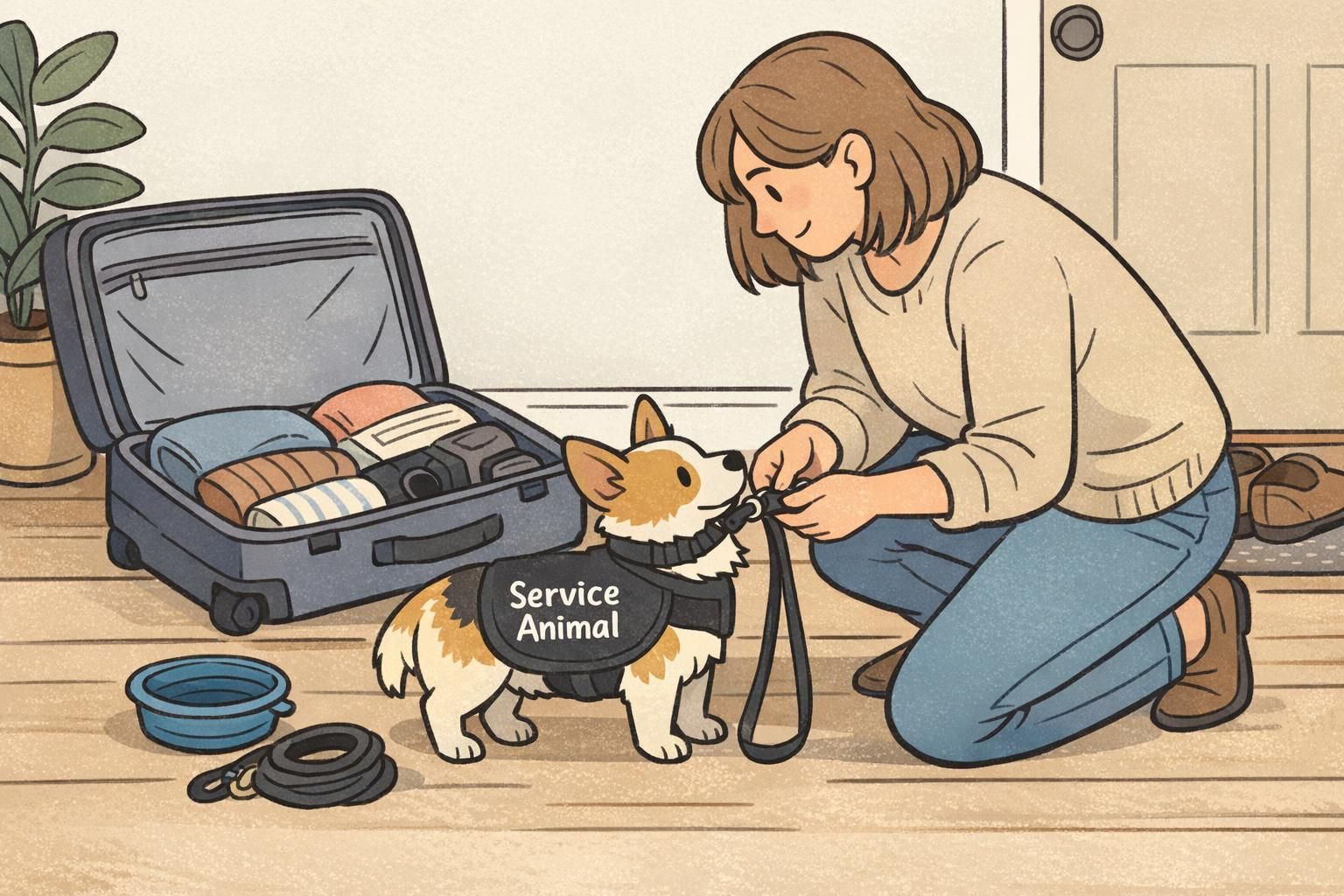
Small dogs can be great travel companions, but comfort doesn’t happen by accident. The goal is to keep your dog’s world familiar even when the setting changes. That means bringing the basics, keeping timing predictable when you can, and watching for early signs of stress (panting, pacing, refusing treats, hypervigilance) so you can respond before things escalate.
If you’re building your routine for outings, it also helps to learn from others who do this regularly. Here are travel tips for going out with a service dog that can help you think through planning, pacing, and what to pack.
When you’re traveling, clear and consistent documentation on hand can also help streamline conversations and reduce repeat questions. If you’d like a set designed with trips in mind, you may prefer a travel-focused service dog registration package for keeping key details accessible while you’re on the move.
Look for consistent calm in short, easy trips first. If your dog can settle, take treats, and recover quickly from mild distractions, you can gradually increase time and complexity.
Doing too much too fast. Many dogs do better with short successes that build confidence rather than one long, stressful day.
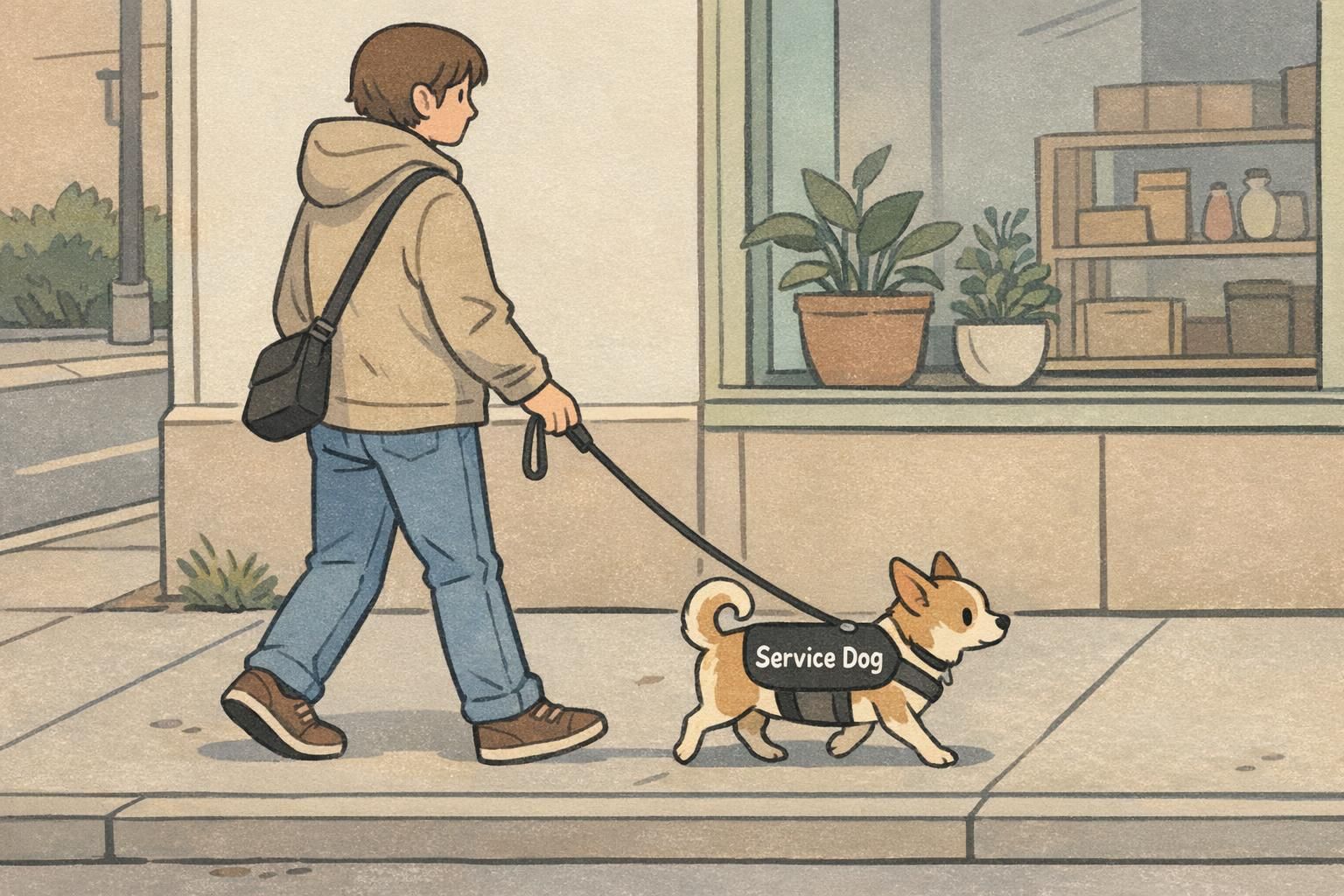
Even well-meaning people can ask personal questions. Staff may be unsure of what to do. Strangers might want to pet your dog or ask for details you don’t want to share. Having a calm, consistent approach can make these moments shorter and less stressful—for you and your dog.
“ "I do best when I don’t over-explain. A calm, consistent sentence keeps it simple, and my dog stays relaxed because I’m relaxed." – Service animal owner”
Some owners prefer to carry a straightforward handout to reduce repeated explanations and keep interactions respectful, especially in busy places. If that would make your day easier, consider ADA law handout cards for quick, respectful communication.
Owner stories like Amy and Cashew’s point to a simple truth: small dogs can create real, meaningful improvements in emotional well-being, routine, and confidence. Their impact often shows up in quiet ways—more steady mornings, fewer isolated moments, and a sense that you’re not navigating everything alone.
If you’re building a life with a small dog as a service animal, support animal, or cherished companion, celebrate the progress you’re making together. Prioritize your dog’s comfort, keep routines realistic, and choose supportive tools when they make daily life simpler—especially clear identification that helps you communicate smoothly in the moments that matter.
Your trusted source for service animal registration. Get professional ID cards, digital profiles, and smart NFC tags to keep your service animal safe and recognized.
© National Animal Registry — All rights reserved.