
Everyday life with a service dog involves more than getting from one place to another. Handlers also manage equipment, plan outings, maintain useful records, and navigate questions from other people. Service dog registration can support these routines by keeping identification and important information together in a convenient, consistent format.
A printed ID can be easy to carry, a certificate can help organize personal records, and a digital profile can make selected details accessible when needed. These tools serve a practical purpose: helping handlers communicate about their dogs without having to start every conversation from scratch. Their usefulness comes from accessibility and organization, rather than from changing the dog’s training or applicable access rules.
The right approach depends on the handler. Some prefer visible identification during busy outings, while others mainly want a dependable place to store contact information. Registration materials can fit either preference. Understanding what each item offers makes it easier to choose tools that complement your daily routine and your dog’s work.
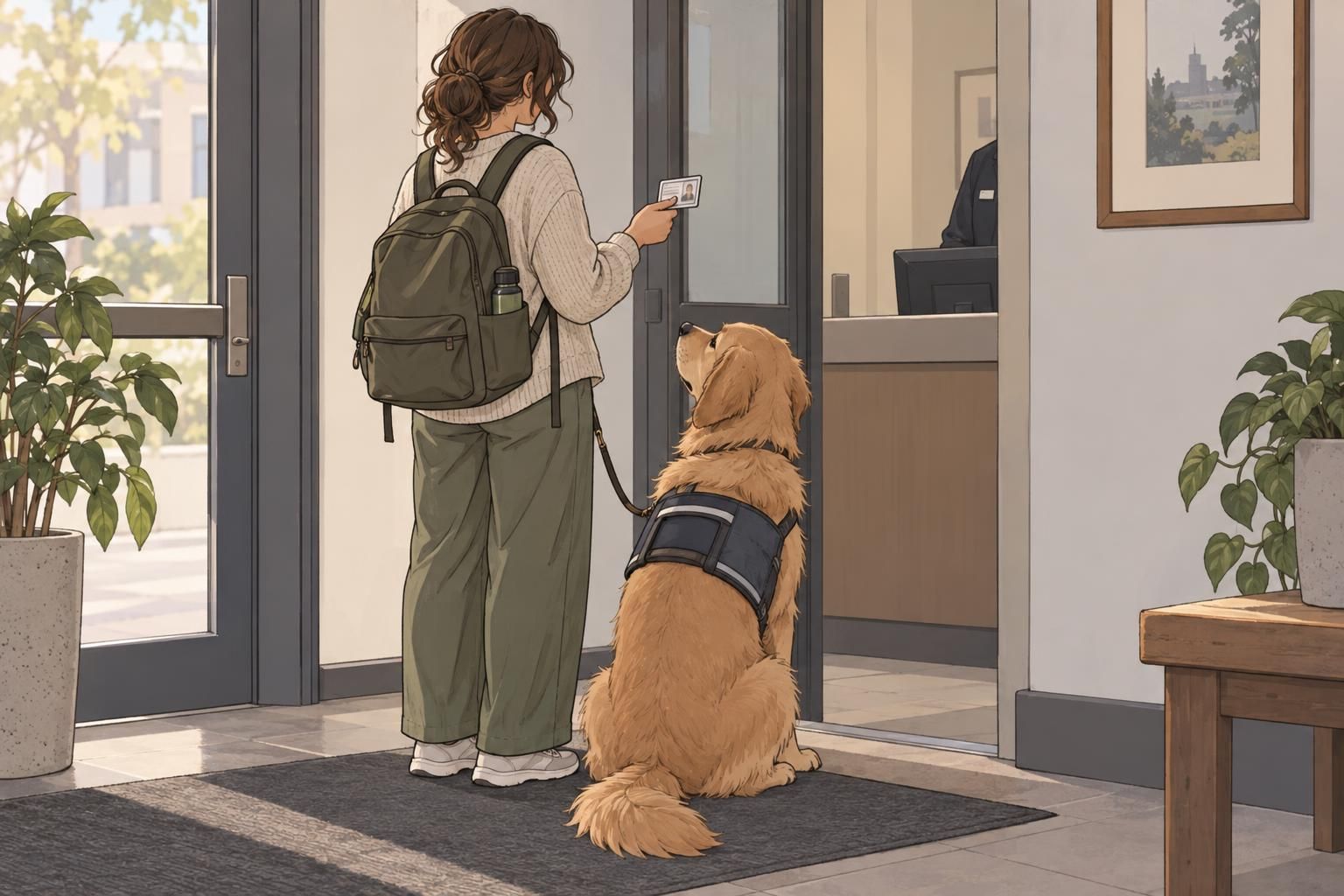
People do not always recognize when a dog is working. An ID card, tag, or clearly labeled vest can provide a visual cue that helps others understand the situation. That cue may encourage someone to give the team space instead of approaching, calling to the dog, or attempting to pet it.
For handlers who want both a physical card and an online reference, a customizable service dog ID with a digital profile offers a way to keep identification available in more than one format. Choose descriptions that accurately reflect your dog’s role, and review the information for consistency before using it.
Visibility is a personal choice, not a requirement to share private details with everyone nearby. A handler might use a vest in a crowded setting and carry an ID discreetly elsewhere. Identification can support a brief explanation, but it does not replace disability-related task training or determine access by itself.
One practical benefit of registration is having a consistent place for details you might otherwise keep in separate folders, messages, or notes. A digital profile and related records can help you organize identification, emergency contacts, and relevant dog-care information so they are easier to find during an outing.
Depending on the profile’s available features, useful details to organize may include:
If you prefer coordinated materials, a registration package with a printed ID, certificate, and digital profile brings several recordkeeping formats together. Review them whenever your contact details change. Keep sensitive personal or medical information private, and share only what is appropriate for the situation.
The registration overview discusses visible identification and accessible emergency contact details as practical conveniences for handlers (source). These features can support preparedness, but they should not be treated as guarantees of legal access. Keeping an offline copy of essential contact information is also sensible when a phone battery or internet connection is unavailable.

A service dog needs room to concentrate. Visible identification can help bystanders recognize an assistance dog at work and understand that friendly attention may still be distracting. At a café, in a shop, or while waiting in line, a simple visual cue may reduce the need for repeated explanations.
Identification works best alongside clear, brief communication. A handler might say, “Please give us some space; my dog is working.” There is no need to turn every interaction into a detailed discussion. A calm request can communicate the immediate need while keeping attention on the dog and the task at hand.
Different handlers have different preferences about visibility. Some appreciate a clearly labeled vest, while others prefer a small tag or an ID carried in a wallet. Consider comfort, fit, weather, and whether equipment allows the dog to move and perform tasks freely. The goal is useful communication without unnecessary distraction.

Travel preparation can feel more manageable when identification, contact details, and trip information are organized before departure. Whether you are planning a day trip or a flight, keeping these items together reduces last-minute searching and leaves more time to focus on your dog’s comfort and routine.
Start by reviewing your itinerary and identifying any procedures that apply to transportation, lodging, or your destination. For a planning overview, read a practical guide to traveling with a service dog. Check current requirements directly with the relevant provider before you travel, especially when flying.
For handlers who prefer coordinated materials, a travel kit for organizing service dog documents and identification can support preparation. Airline procedures may include separate forms, and a registration package does not replace those requirements. Organizing materials early gives you time to address questions before departure.

Understanding the distinction between a service dog’s role and its registration materials helps handlers use both appropriately. Under the Americans with Disabilities Act, a service dog is defined by individual training to perform disability-related tasks. Registration, an ID, or a certificate can help with identification and communication; those materials do not establish task training by themselves.
For ADA public access, registration documents are not required. Handlers can still choose them for their practical benefits, including consistent identification and organized records. Emotional support alone is different from trained disability-related task work, so the description used on any materials should accurately match the animal’s role.
Rules can differ depending on the setting, location, and type of travel. Check the requirements that apply to your situation rather than assuming one document covers every circumstance. If you want a compact educational resource, portable ADA reference cards for service dog interactions can keep reference information close at hand.

The strongest benefit of registration is practical preparedness: knowing where your information is, having identification available when you choose to use it, and approaching outings with a clear plan. Used alongside accurate information and applicable procedures, registration materials can be a helpful part of everyday life with a service dog.
Your trusted source for service animal registration. Get professional ID cards, digital profiles, and smart NFC tags to keep your service animal safe and recognized.
© National Animal Registry — All rights reserved.