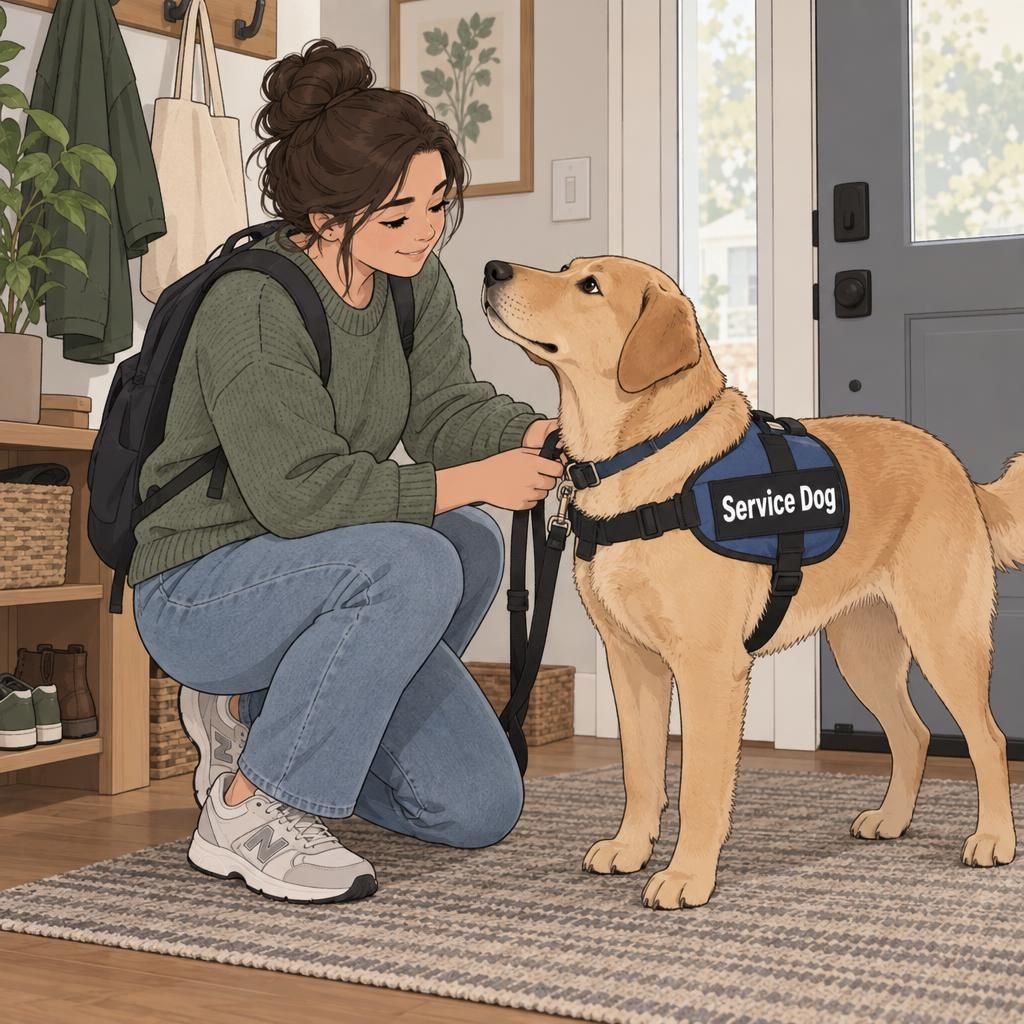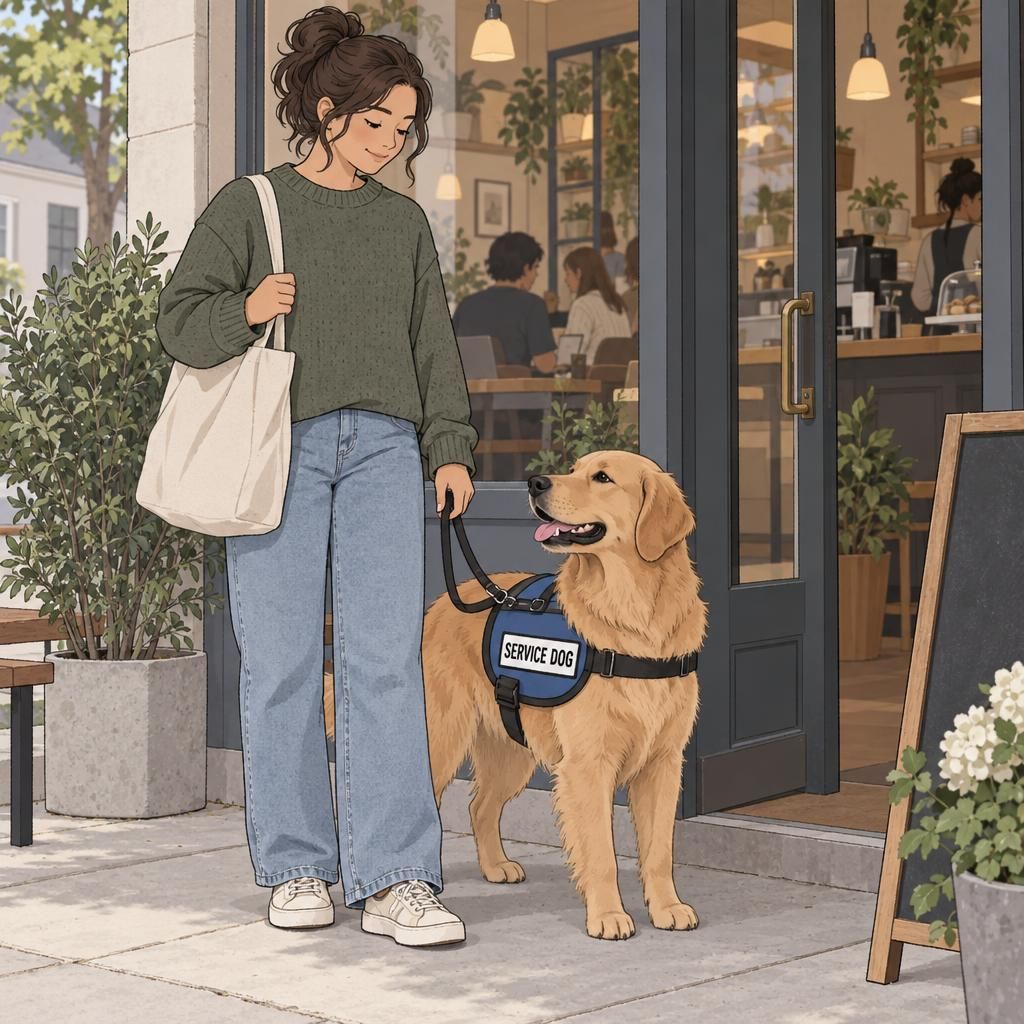

Choosing a service dog means considering both the work the dog will perform and how comfortably you can live together. If you have allergies, coat type may be an important part of that decision. However, “hypoallergenic” does not mean allergen-free, and it does not describe a separate legal category of service dog.
No dog is completely free of allergens. Dogs commonly described as hypoallergenic, including those with low-shedding or curly coats, may still trigger allergy symptoms. A coat that seems manageable for one person may not work as well for another. Treat the label as a starting point for evaluating compatibility, rather than a guarantee.
Before making a long-term commitment, spend time with the individual dog when possible. Consider how you feel during and after those visits, and think about the close contact involved in daily handling, training, transportation, and home life. Your individual allergy needs matter alongside the dog’s temperament and suitability for service work.

Under the Americans with Disabilities Act, the central question is whether a dog is individually trained to perform work or tasks directly related to a handler’s disability. Breed, coat texture, shedding level, and allergy status do not determine whether the dog meets the ADA definition of a service animal.
This distinction helps separate three different considerations: whether the dog is a good match for your allergies, whether the dog performs disability-related work, and how you choose to organize its identification. Each matters for a different reason. Registration materials can help identify your dog, while ADA service-dog status depends on the disability-related training described in the law.
The ADA also limits public-access inquiries. When the need for a service dog is not apparent, businesses generally may ask whether the dog is required because of a disability and what work or task it has been trained to perform. The ADA’s frequently asked questions explain both task-based eligibility and these permitted questions: source.
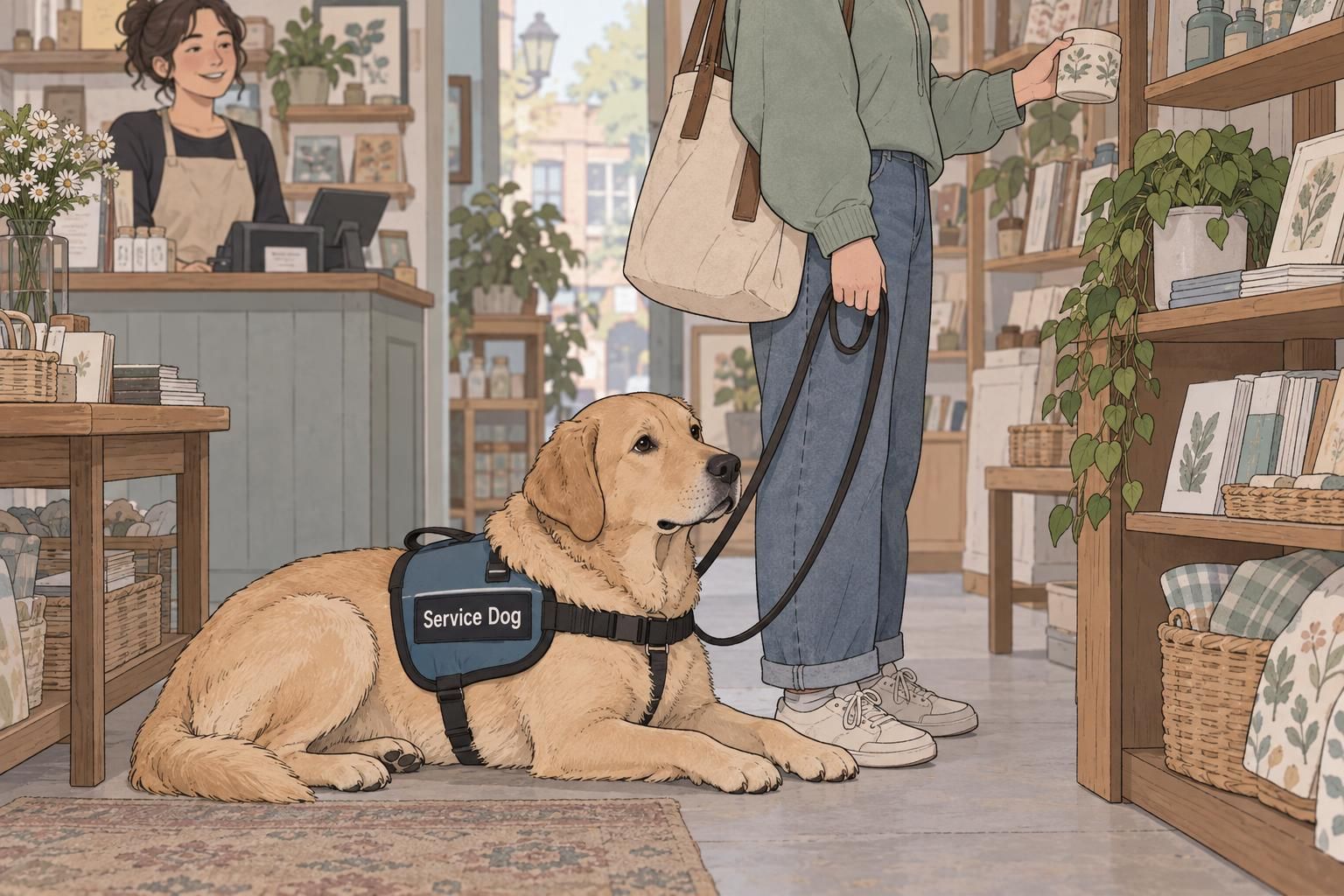
A working service dog needs more than a suitable coat and an identification card. Public readiness includes dependable task performance, house training, calm behavior, and remaining under the handler’s control. These skills help the team navigate everyday situations without unnecessary disruption.
Build reliability gradually. Practice familiar skills in manageable environments before adding distractions, longer outings, or unfamiliar spaces. Pay attention to whether your dog can settle beside you, remain focused around other people, and perform its trained work when needed. If a setting becomes overwhelming, return to a level where your dog can succeed.
Preparation can also include keeping a concise explanation of service-dog rules available. The wallet-sized ADA service dog information cards can serve as a convenient reference during conversations. They complement, rather than replace, your dog’s training and your understanding of the rules that apply.
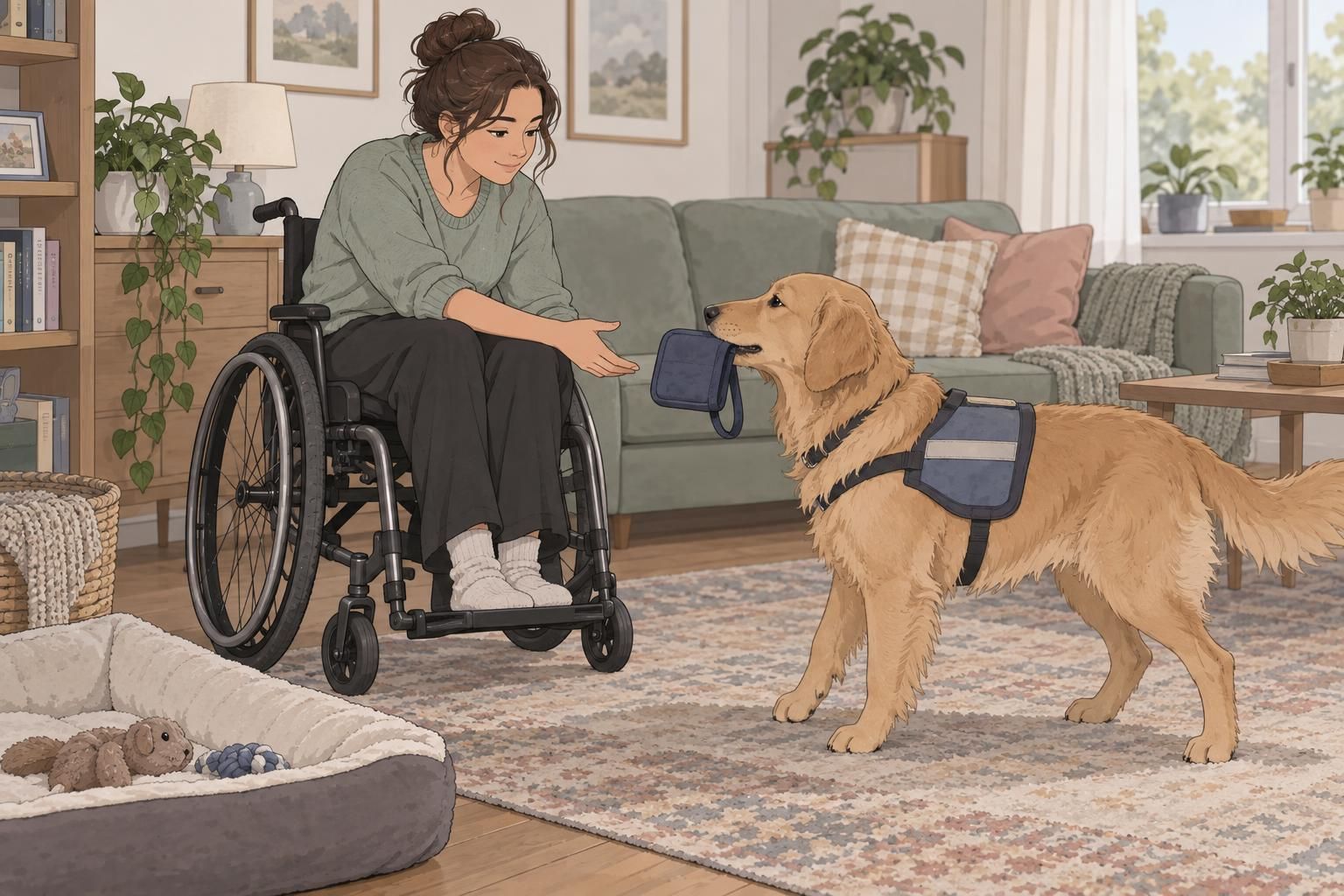
Once you have considered eligibility and everyday readiness, you can organize your dog’s identifying information and choose registration materials that suit your routine. Private registration, an ID card, a digital profile, or a certificate can help keep details consistent and support clear communication about your dog.
Start by gathering the information you want associated with your dog, such as its name, a current photograph, and accurate handler contact details. Review entries carefully before submitting them. Consistent information across printed and digital materials makes those materials easier to manage, especially when contact details or photographs need updating.
National Animal Registry offers registration without requiring proof, medical letters, or training documentation. Its service dog registration package with an ID, certificate, and digital profile brings several identification formats together. Choosing materials is a practical organizational decision; public-access rights remain governed by applicable law.

A short, calm response can make public conversations easier. Under the ADA, when a dog’s role is not apparent, businesses generally may ask two questions: whether the dog is required because of a disability, and what work or task it has been trained to perform. Prepare an accurate, plain-language description of the trained task.
An ID or information card can be a convenient communication aid, particularly when you prefer to keep an interaction brief. Presenting one is different from being required to provide one. Businesses may not require registration papers or a demonstration of the dog’s task as a condition of ADA public access.
No. That description concerns allergy compatibility, not disability-related work. If asked a permitted question about your dog’s role, explain the work or task it has been trained to perform.
Yes. You can carry an ID or other registration materials as a practical communication tool. Keep the distinction clear between voluntarily sharing identification and the legal requirements for access.
Do not assume the same process applies everywhere you and your dog go. Housing, air travel, employment, and state or local requirements can differ from ADA rules for businesses open to the public. Check the requirements for your destination and situation before making plans, including any applicable deadlines or forms.
For travel, organize the journey around both your needs and your dog’s working routine. Consider transportation time, places to rest, bathroom opportunities, and how to keep everyday supplies within reach. If you have allergies, also consider how comfortably you can manage close contact with your dog during a longer journey.
Use the guide to traveling with a service dog to help structure your preparation. A travel service dog registration package can also help organize identification materials. Check the rules separately: a package does not replace required travel procedures or guarantee approval or access.

Registering your hypoallergenic service dog works best as one part of a broader readiness plan. Bring together allergy compatibility, disability-related training, dependable public behavior, and organized identification so your choices support everyday life.
The goal is a prepared, comfortable partnership. Thoughtful registration choices can support organization and communication, while ongoing training and attention to your individual needs help keep the team ready for daily life.
Your trusted source for service animal registration. Get professional ID cards, digital profiles, and smart NFC tags to keep your service animal safe and recognized.
© National Animal Registry — All rights reserved.