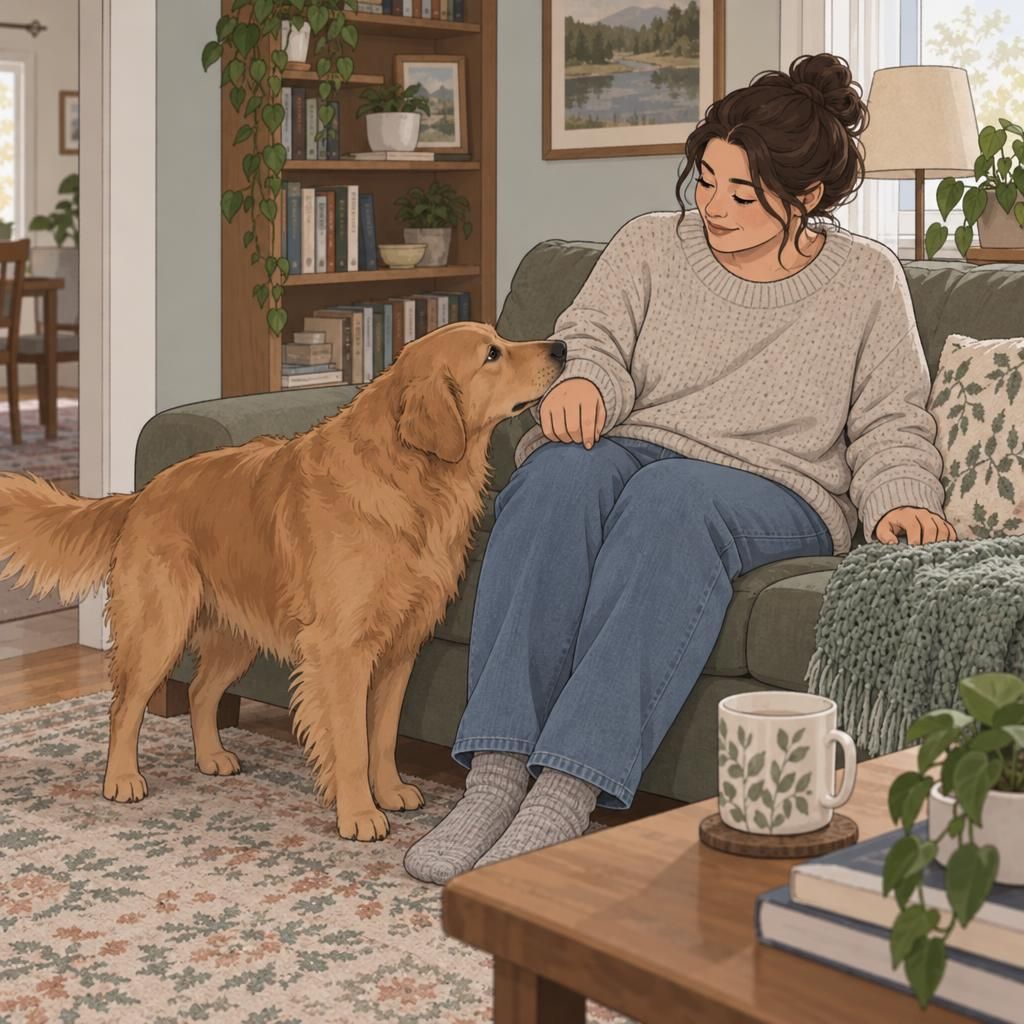
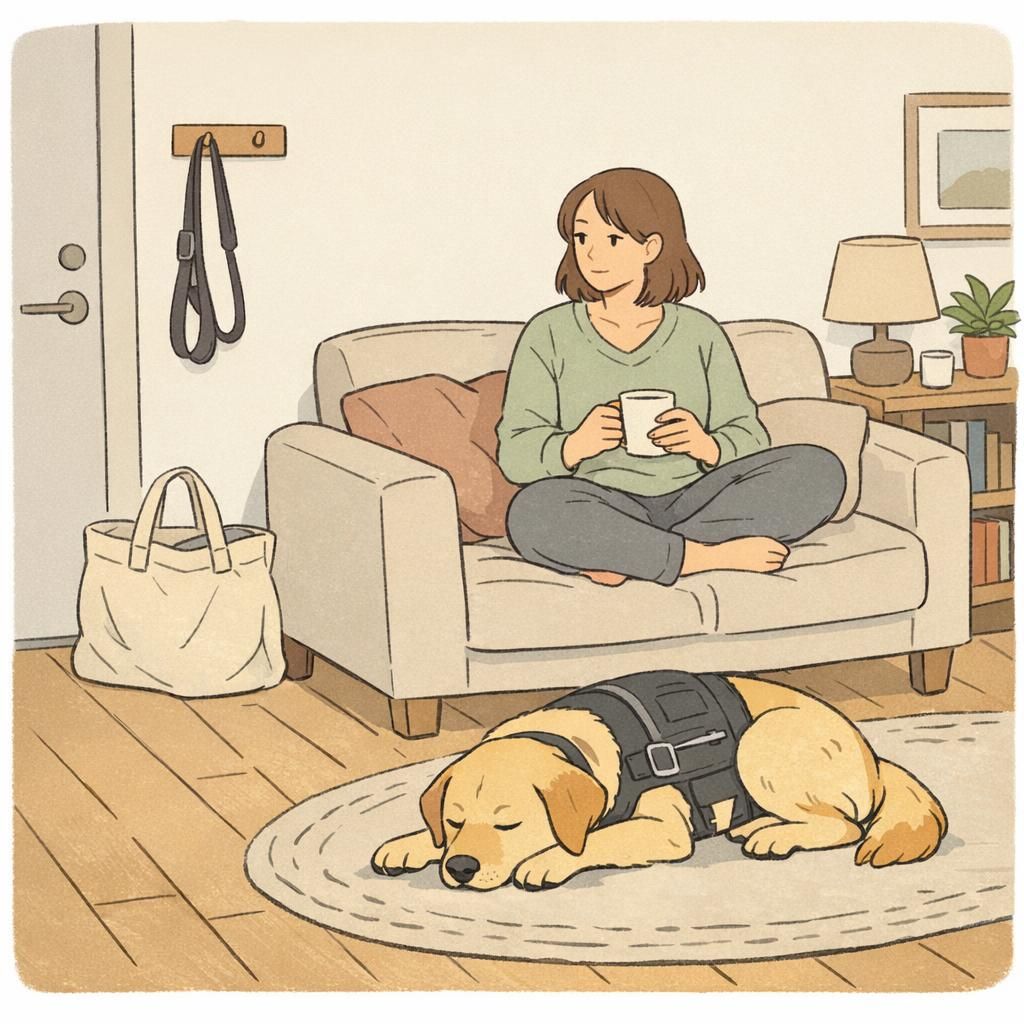
“Sensory support dog” is an everyday phrase many people use to describe service dogs that help with sensory-related disabilities—most commonly vision or hearing loss, but also sensory processing differences that can make environments feel unpredictable or overwhelming. In practice, these dogs are trained to perform specific tasks that support independence and safety.
A key point is that a service dog’s value isn’t just that they’re comforting (although many are). It’s that they’re trained to do reliable, repeatable tasks—like guiding around obstacles, alerting to important sounds, or providing grounding pressure on cue—so their handler can move through daily life with more confidence.
Big milestones matter, but most people feel the difference a service dog makes in the small moments: getting out the door on time, navigating a busy store aisle, or settling at home after an overstimulating day. When a dog’s support is consistent, daily life can feel less like a series of hurdles and more like a sequence of manageable steps.
Because sensory challenges can be unpredictable—crowds get louder, lighting changes, people approach quickly—many handlers find that routine task support helps the day feel more stable. The dog becomes part of a repeatable plan: pause, cue, respond, continue.
“ "What surprised me wasn’t only the help in public—it was how much smoother my mornings became. The routine is the support." – Service dog handler”
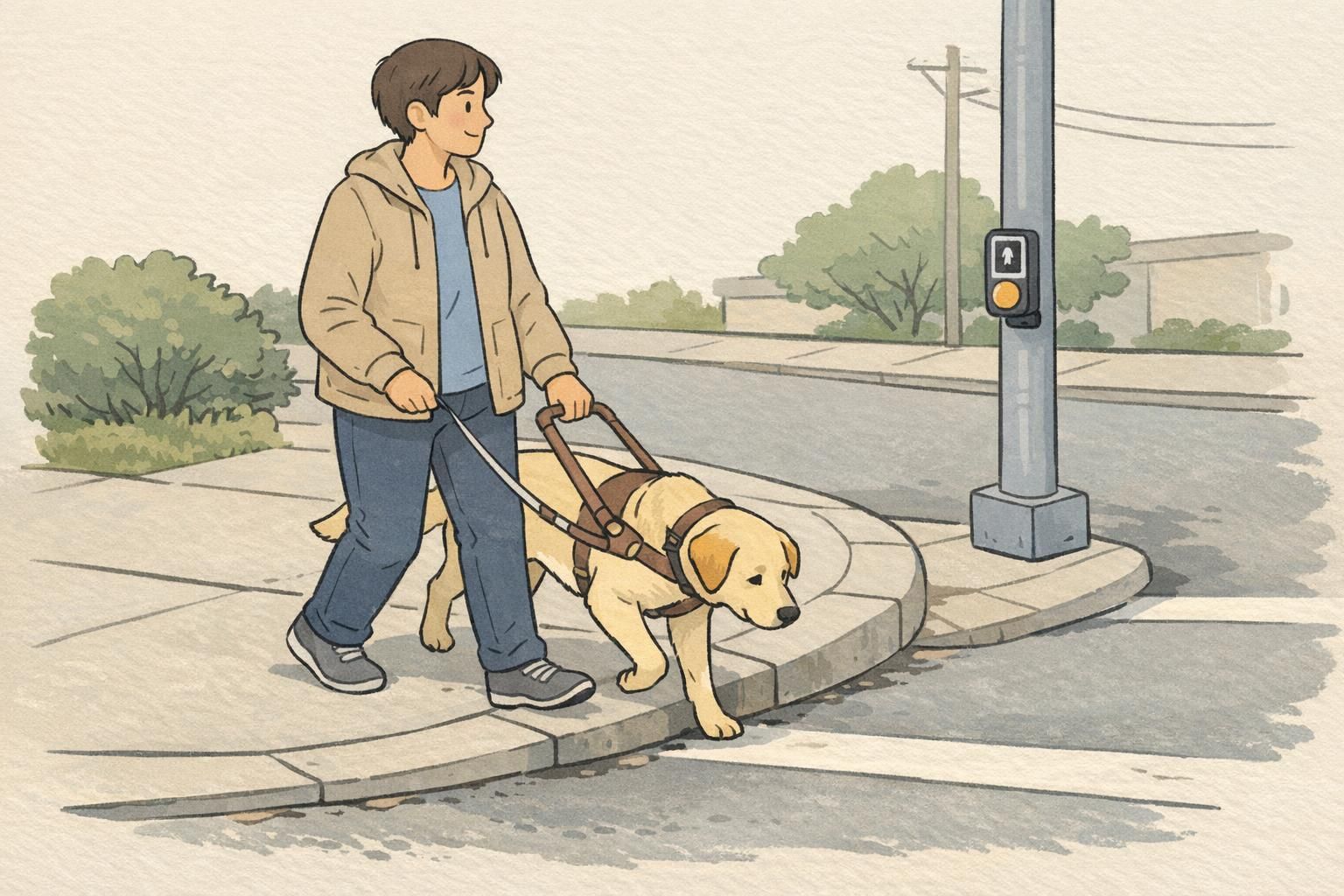
Guide dogs support people with visual impairments by helping them travel safely and efficiently. This can include navigating around obstacles, stopping at curbs or steps, and helping the handler maintain a clear path through indoor and outdoor environments. In everyday life, that can mean fewer near-misses, less mental fatigue, and more confidence when plans change.
Practical guide work often looks like a series of small, trained decisions: slowing at a curb, pausing to indicate a change in elevation, or steering around a temporary sidewalk sign. Over time, that consistent support can help a handler feel more comfortable choosing independence—taking a walk, running errands, or visiting a new place without needing to rely on another person.
Organizations that discuss sensory-impairment support commonly describe guide dogs as partners for safe navigation and independent movement in daily settings (source).
For people who are Deaf or hard of hearing, a hearing (or signal) dog can act like a reliable bridge to the sounds that shape daily decisions. These dogs are trained to alert their handler to important noises—often by making physical contact such as a nose nudge or paw touch—then leading them toward the sound source or indicating where it came from.
In real life, sound alerts can reduce the constant “What did I miss?” feeling. That can mean fewer surprises at home, smoother communication in shared spaces, and greater confidence when the environment is busy or unfamiliar.
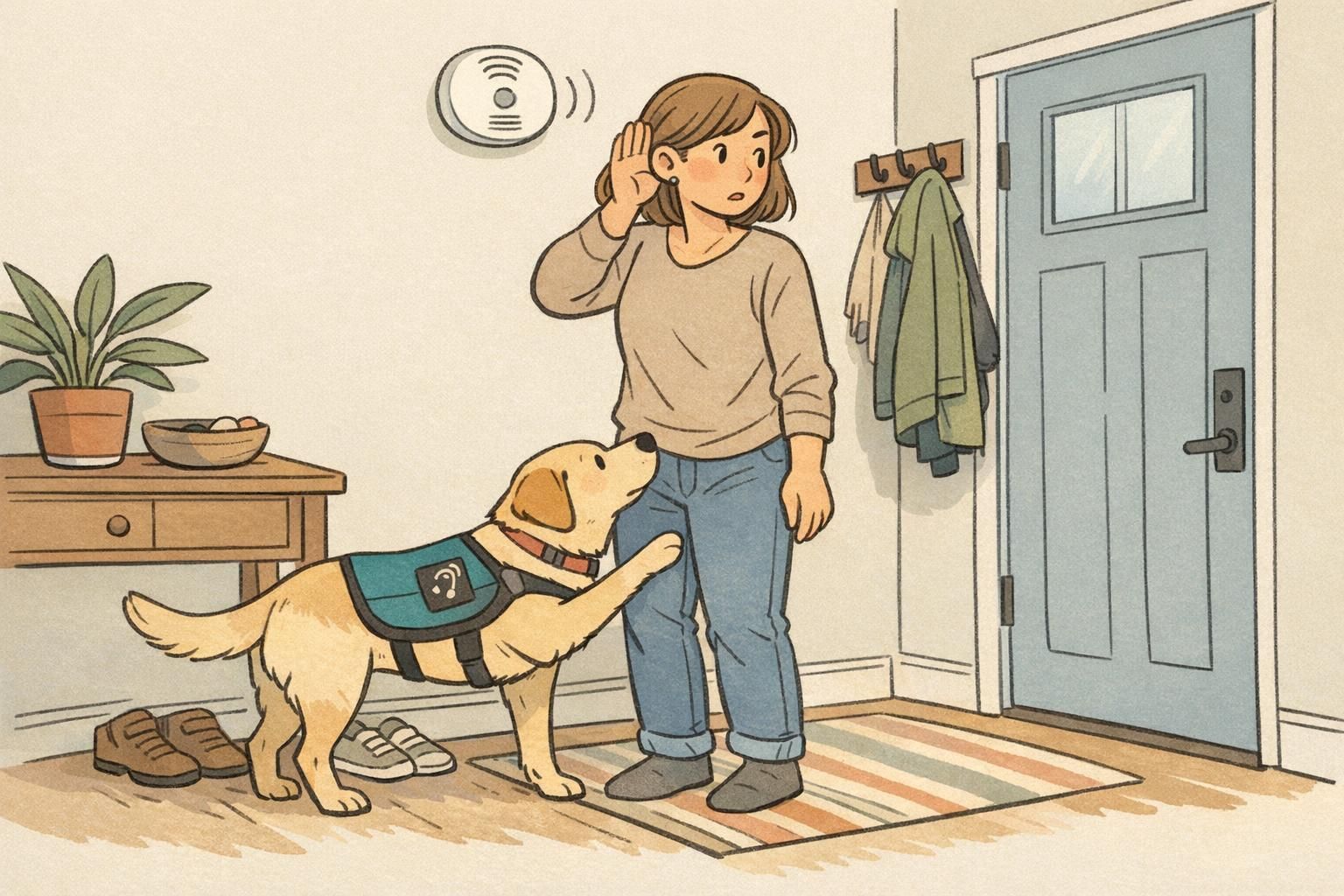
“ "It’s not just the big alarms—it’s the little alerts that keep my day on track. I don’t have to guess anymore." – Hearing dog handler”
Autism assistance service dogs may support autistic handlers or families through trained tasks that help with regulation, transitions, and safety. Because sensory overload can build quickly, support often focuses on early intervention—helping someone de-escalate before overwhelm becomes a shutdown, meltdown, or unsafe situation.
These tasks look different from team to team. For some, the dog provides grounding pressure on cue (often called deep pressure therapy). For others, the dog may interrupt repetitive behaviors when they begin to interfere with safety or daily functioning. In family settings, some dogs are trained to assist with transition routines—helping a child move from the car to school drop-off, or from playtime to bedtime—using consistent patterns that feel predictable.
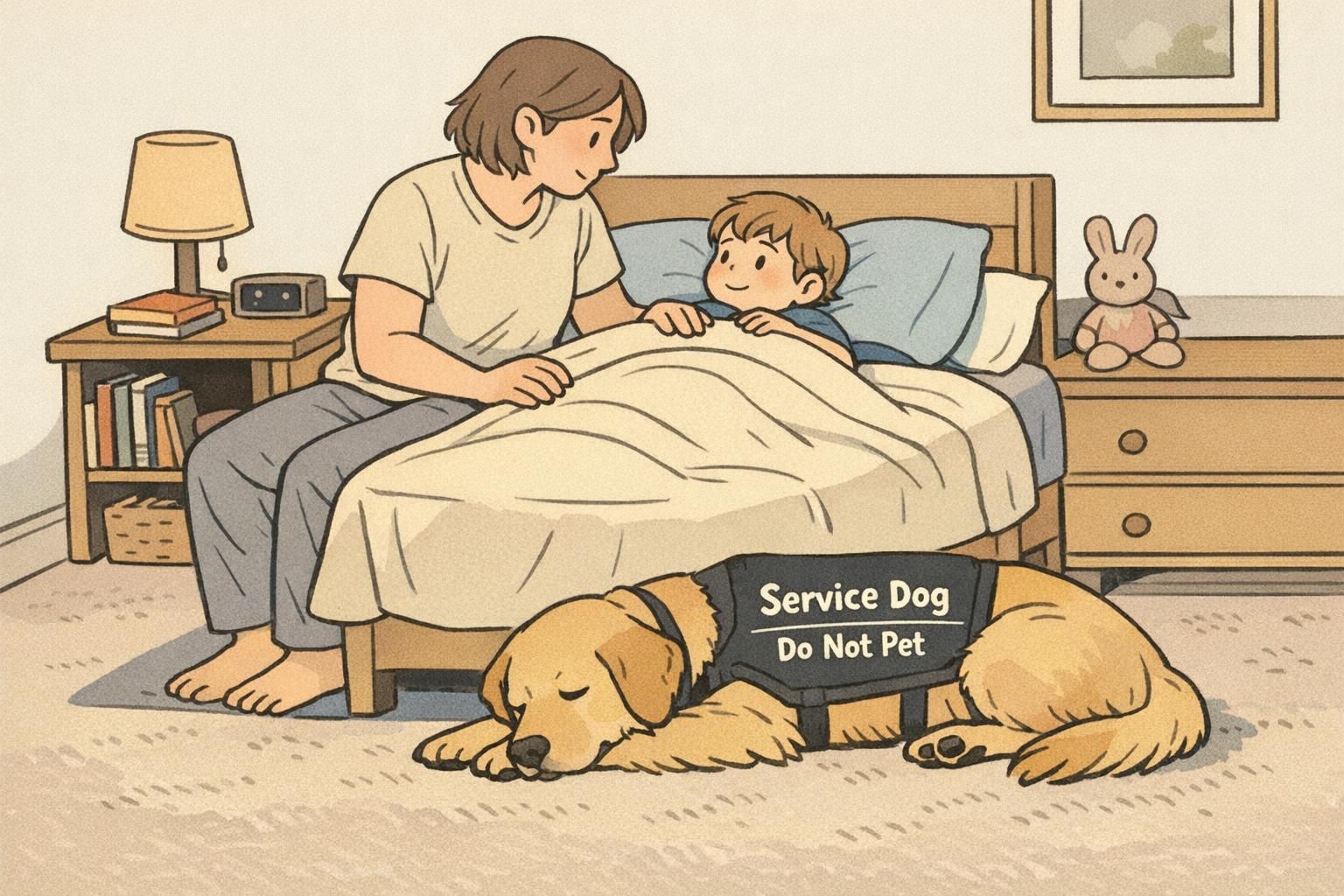
Comfort is sometimes described as “emotional,” but anyone who’s experienced sensory stress knows it can feel physical—tight chest, racing thoughts, nausea, fatigue, or the urge to escape the environment. Calm interaction with a well-trained dog can support emotional regulation by creating a steady point of focus: predictable breathing nearby, consistent body language, and a familiar routine of cues and responses.
There’s also the relationship factor. A service dog partnership often brings connection and companionship into routines that might otherwise feel isolating—like walking alone, waiting in lines, or navigating spaces where communication is hard. That bond doesn’t replace other support systems, but it can make daily life feel less lonely and more doable.
“ "When I’m overstimulated, I don’t need a big pep talk. I need something steady. My dog is steady." – Autistic adult”
A strong service dog partnership is built on matching and practice. Many teams work with established training programs, while others succeed with owner-trained dogs—especially when the dog is reliably task-trained, stable in temperament, and consistently well-behaved in public. The common thread is teamwork: clear cues, consistent reinforcement, and a dog who can work calmly around distractions.
Because sensory-related disabilities vary widely, “the right tasks” are personal. One handler may need navigation support and obstacle avoidance, while another needs sound alerts or grounding pressure. The best starting point is identifying the moments that create the most friction in your day—then building tasks and routines that reduce that friction.
Yes. Many successful teams are owner-trained. What matters most is reliable task performance, stable public behavior, and a routine that keeps the dog healthy and engaged.
No. Simple, consistent tasks—like sound alerts, guiding around obstacles, or grounding pressure on cue—can be life-changing when they address a real daily need.
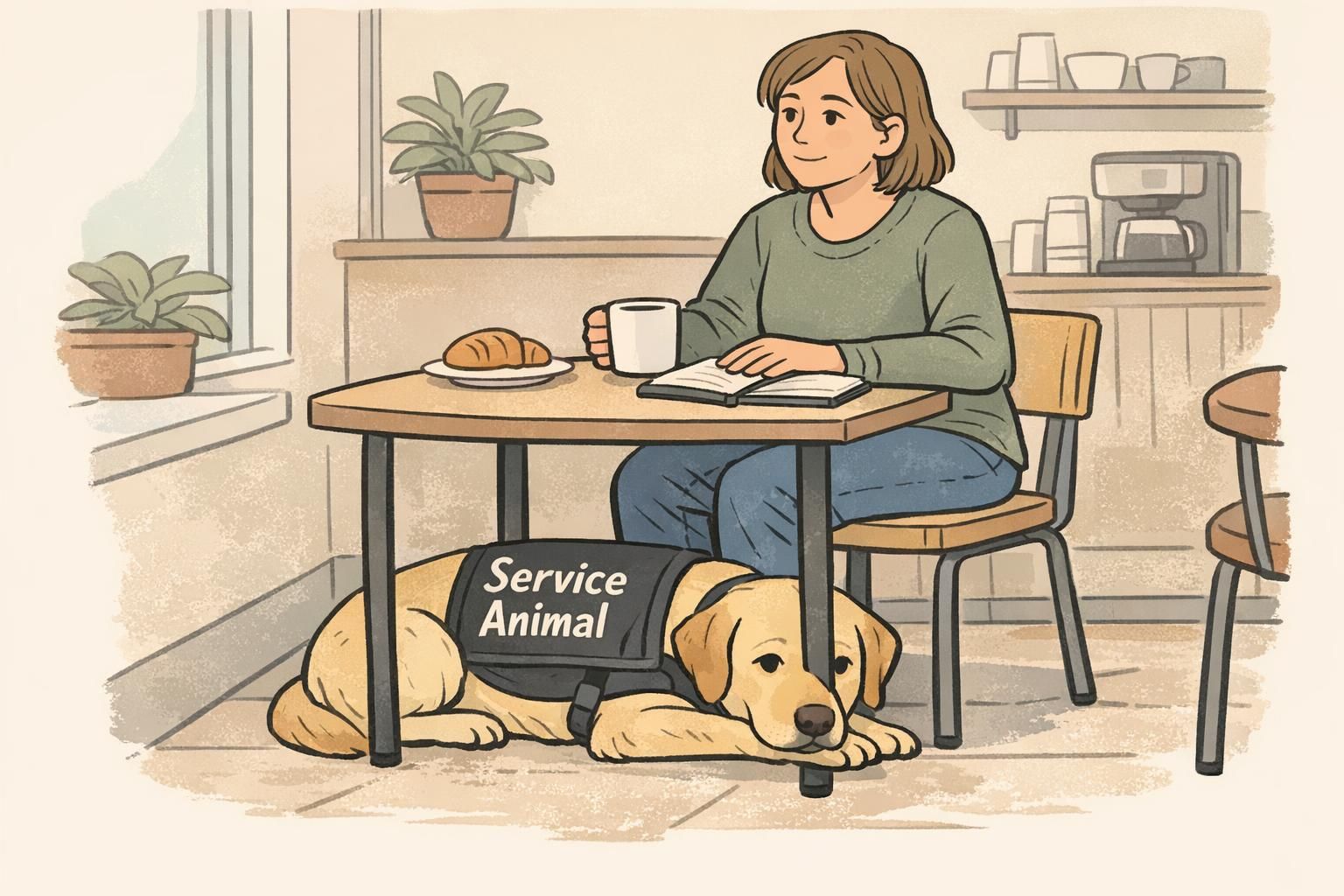
Public access is easiest when expectations are simple: the dog is under control, focused on the handler, and housebroken. Many teams also benefit from having a calm plan for everyday interactions—because questions from strangers, staff, or security can be stressful even when you’re fully within your rights.
One practical tool is to carry a quick, polite explanation you can offer without getting pulled into a long conversation. For example, some handlers keep ADA law handout cards for quick, polite explanations available so they can stay calm, stay brief, and move on with their day.
Many people use the words “service dog” and “support dog” interchangeably, but they describe different roles. Understanding the difference can help you choose the option that best fits your daily needs and your lifestyle.
A service dog is trained to perform specific tasks that help with a disability—often tasks related to safety, navigation, alerts, or regulation. A support dog or emotional support animal (ESA) is focused on comfort and emotional well-being. Companion animals provide companionship and joy, but they are not trained for disability-related tasks as a requirement.
That’s common. Many service dogs are deeply comforting while also being task-trained. The day-to-day experience can include both practical support and emotional steadiness.
Start with your hardest moments: where do you feel least safe, least independent, or most overwhelmed? The right fit is the one that meaningfully improves those moments.
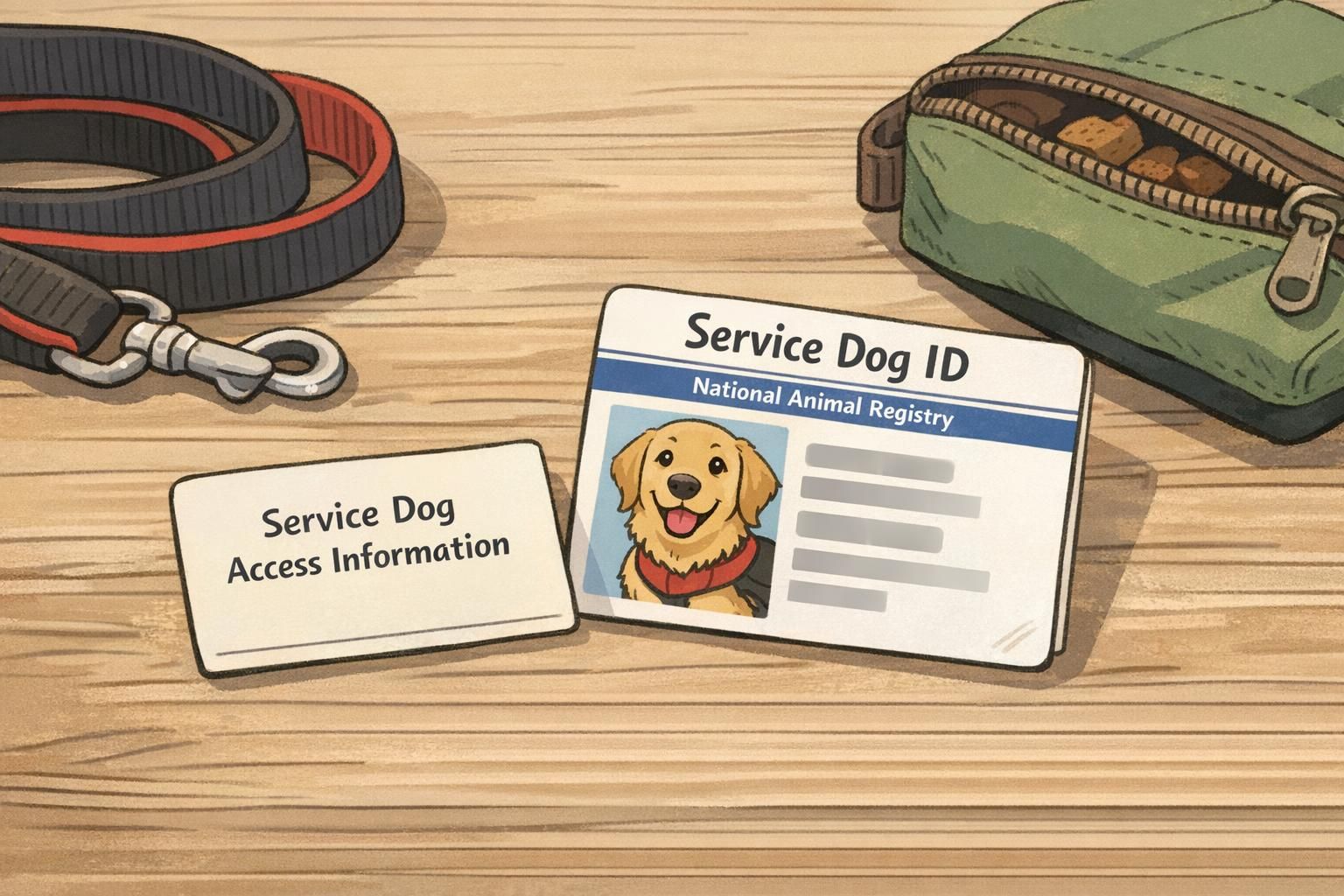
Even when a handler and dog are doing everything right, misunderstandings can happen. In day-to-day life—entering a building, checking in at an appointment, planning travel, or explaining your dog’s role to new staff—clear identification can make interactions smoother and more predictable.
Optional registration, IDs, and certificates are practical tools many handlers choose for organization and peace of mind. Having a consistent way to present your dog’s role can reduce back-and-forth conversations and help you feel more prepared when routines change.
If you’re looking for a simple, everyday option, many handlers choose a starter registration package for clear everyday identification to keep key details organized and easy to access.
Travel can be stressful for anyone, but sensory challenges can turn “small unknowns” into big hurdles. A little planning can make a trip feel more predictable—for both handler and dog. The goal is to keep routines familiar even when the location isn’t.
If you’re building a travel routine, you may also find it helpful to review tips for traveling with a service dog and prepare a simple checklist you can reuse each time.
Some handlers also prefer travel-focused identification materials to keep everything consistent while on the move. If that would support your planning, consider a travel-ready service dog registration package as part of your pre-trip routine.
“ "When we travel, the checklist is what keeps us calm. If my dog has what she needs, I can focus on the trip instead of the stress." – Frequent traveler”
If sensory support from a service dog feels like it could change your daily life, a grounded starting point is to get specific. The clearer you are about your toughest moments, the easier it is to choose tasks, training approaches, and practical tools that actually help.
Write down the top three situations where you need help most, then list one task or support strategy that could make each situation safer or more manageable. That list becomes your roadmap.
Look for calm focus, consistent response to cues, and safe, non-disruptive manners. Readiness is about reliability and stability, not perfection.
Your trusted source for service animal registration. Get professional ID cards, digital profiles, and smart NFC tags to keep your service animal safe and recognized.
© National Animal Registry — All rights reserved.