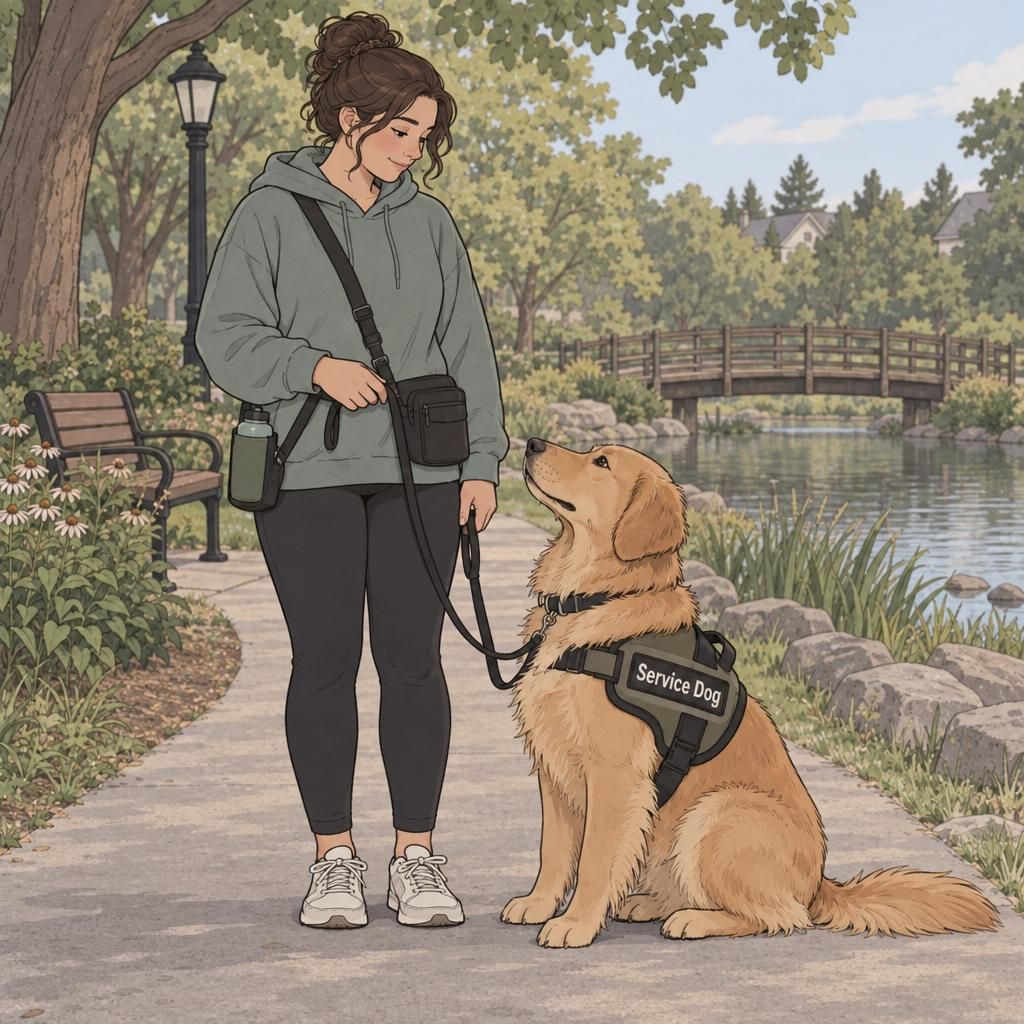
The best accessories for a seizure response dog have a clear purpose: helping the dog carry out trained tasks while staying comfortable. Depending on the handler’s needs, those tasks might include retrieving a phone, bringing a lightweight pouch, or alerting another person. Equipment supports that work; it does not replace training or the handler’s seizure action plan.
The Epilepsy Foundation describes roles seizure dogs may perform, including response tasks such as getting help or retrieving items (source). Keep the distinction between response and prediction clear: neither an accessory nor a dog should be relied on to predict seizures reliably. Choose gear around actions the dog has learned, rather than promises about advance warning.
A task-trained service dog also has a different role from a support dog or companion animal. Comfort and companionship can be valuable, but they are not the same as performing a trained disability-related response. Start with what your dog actually does, then select equipment that makes those tasks easier and more consistent.
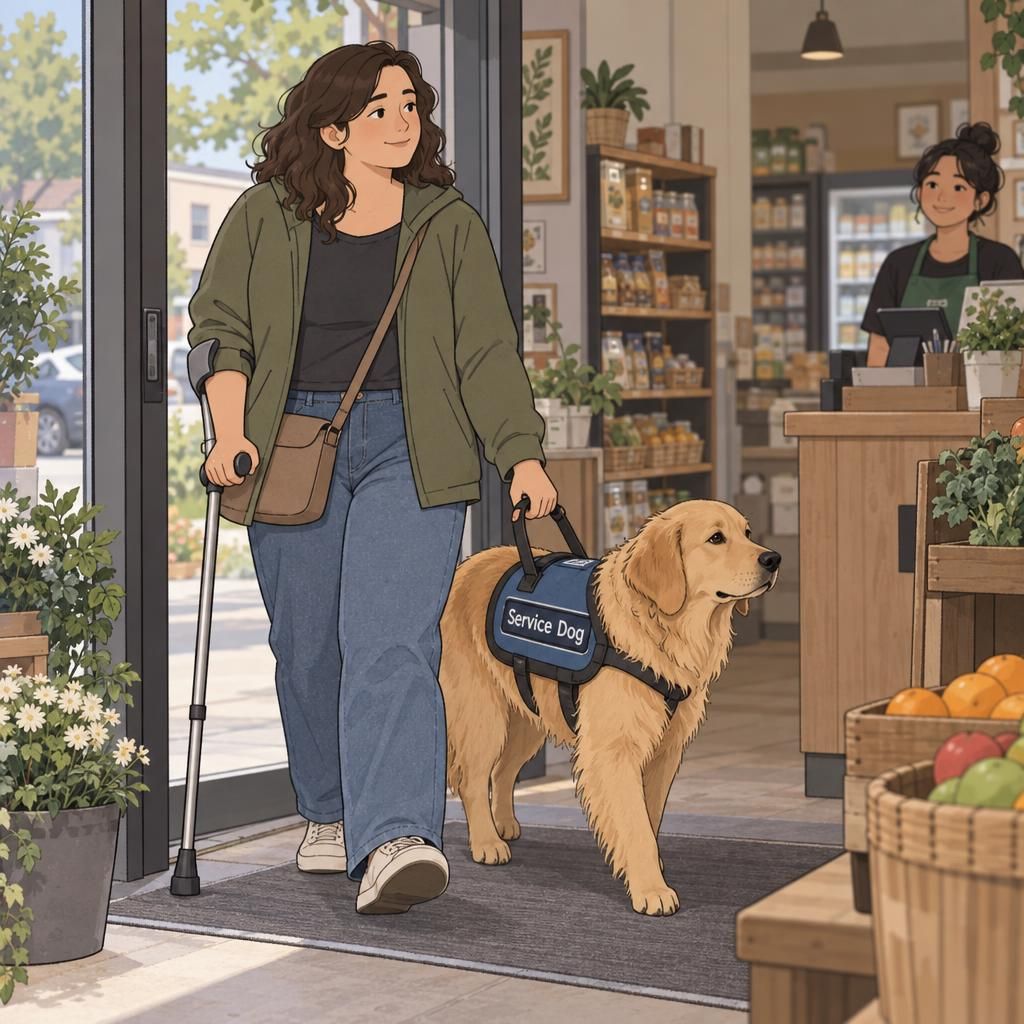
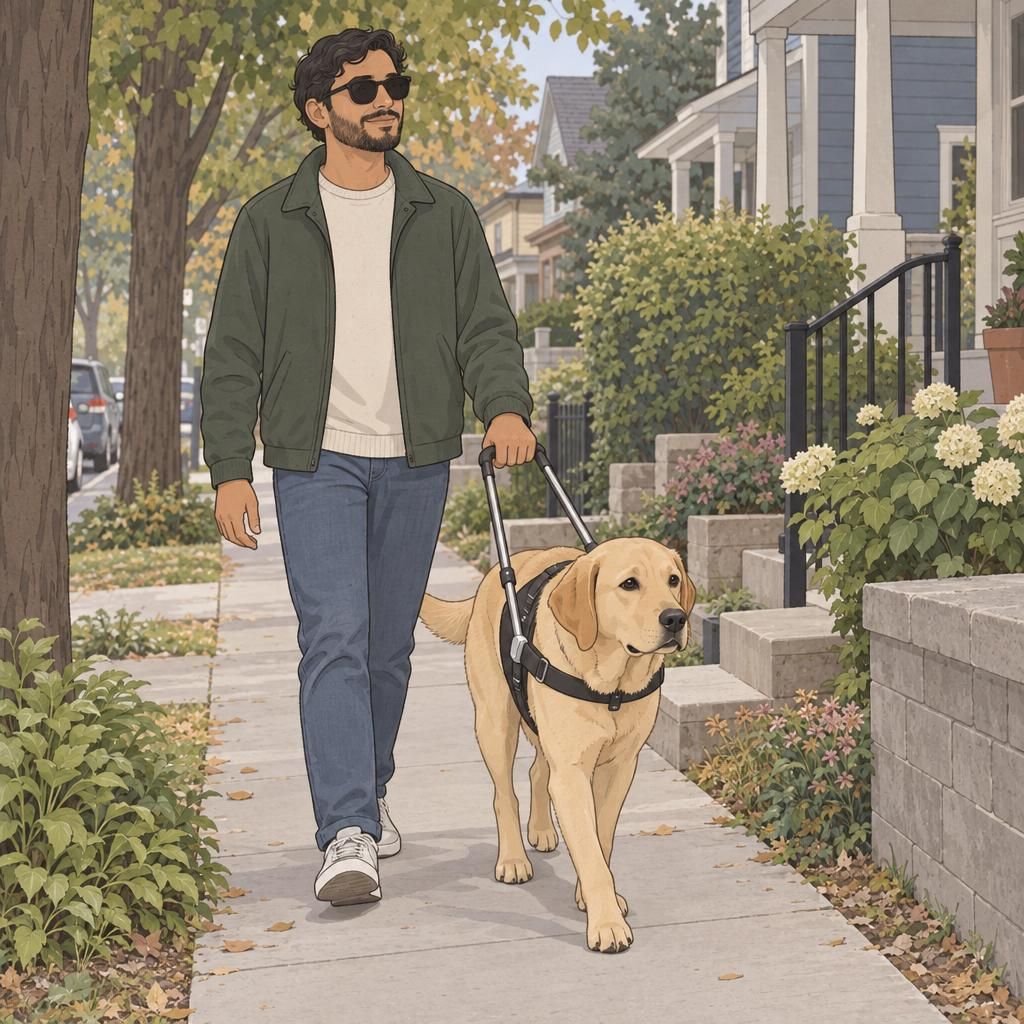
A comfortable vest or harness can communicate the dog’s working role and provide a convenient place for a small pouch or identification. Look for adjustable straps, smooth edges, and a fit that leaves the shoulders free. Check for rubbing behind the front legs and make sure buckles do not press into the dog when sitting or lying down.
Identification materials can help keep everyday information organized. For example, a customizable Service Dog ID provides a practical way to present identifying details. Registration and ID materials can support clear communication and documentation consistency, while access requirements remain subject to the applicable rules. Laws vary by location, so check the rules for the places you visit.
Practice attaching, adjusting, and releasing the leash before relying on it during an outing. If a caregiver may take over handling, make sure that person understands the equipment too.

A small medical-information pouch or securely attached information capsule can keep essential instructions available. Include the handler’s emergency contacts, the location of the seizure action plan, and concise care directions consistent with that plan. Keep information current and readable, and share sensitive details only to the extent needed for emergency assistance.
A retrieval pouch can hold a lightweight phone or another item the dog has been trained to bring. Choose a secure closure and a shape the dog can comfortably pick up. If prescribed medication is part of the plan, use secure packaging that prevents the dog from accessing it, and discuss storage conditions with the prescribing clinician or pharmacist. The dog retrieves the item; medication use follows the handler’s care instructions.
Medical-alert buttons or other activation devices may be useful when pressing or activating them is part of the dog’s trained response. Select a device the dog can operate consistently without sharp edges, unstable surfaces, or unnecessary force. Confirm who receives the alert, what happens next, and whether the device depends on charging, a phone connection, or network coverage.

Reflective strips and a small clip-on light can make the dog easier to notice during early-morning or evening outings. Position them where they remain visible without dangling near the dog’s mouth or interfering with the leash. Check attachments regularly, and choose a light that does not distract the dog or shine into anyone’s eyes.
Weather-appropriate equipment should address the conditions you actually encounter. Paw protection may help on rough or uncomfortable surfaces, but boots need a secure, comfortable fit and gradual introduction. Cooling equipment can be an additional comfort tool in warm weather, not a substitute for water, shade, rest, or avoiding unsafe heat. No accessory makes every surface or temperature safe.
Basic grooming supplies also belong in an everyday kit. A suitable brush, towel, and dog-safe wipes can help manage dirt and keep contact areas clean. Check paws and skin beneath harness straps regularly. Introduce each new item in short, calm sessions, rewarding relaxed movement and removing the gear if it causes rubbing, distress, or an altered gait.

Before buying an accessory, name the task it will support. A pouch may help with retrieval; a button may support summoning assistance. Neither creates a trained response on its own, and neither establishes reliable seizure prediction. Equipment selection should stay focused on the dog’s demonstrated response skills and the handler’s practical needs.
Bracing and weight-bearing support require separate consideration. Ordinary walking harnesses and vests are not designed to support a person’s weight. If those tasks are being considered, have the proposed work, equipment, and fit evaluated by appropriate professionals, including a veterinarian and someone knowledgeable about the task and equipment. Do not improvise by leaning on a walking harness.
A useful starter kit does not need to be elaborate. Begin with a few dependable pieces, then add equipment only when it fills a clear need. A simpler setup is often easier to inspect, maintain, and use consistently.
Keep backup emergency supplies accessible to the handler rather than placing everything on the dog. A phone, essential information, and prescribed supplies should remain available if the dog is separated from the handler or cannot complete a task. Before leaving home, check closures, device batteries, contact details, and the seizure action plan.

Printed identification, a digital profile, and registration materials can make it easier to communicate a service dog’s role and keep identifying details consistent. A printed card is convenient to carry, while a digital profile offers another way to access information. Keep emergency instructions available offline as well, since a phone connection may not always be available.
For handlers who prefer coordinated materials, a Service Dog registration package with printed and digital identification can help organize everyday identification. Treat these materials as practical communication tools, alongside preparation for the rules that apply to the particular setting.
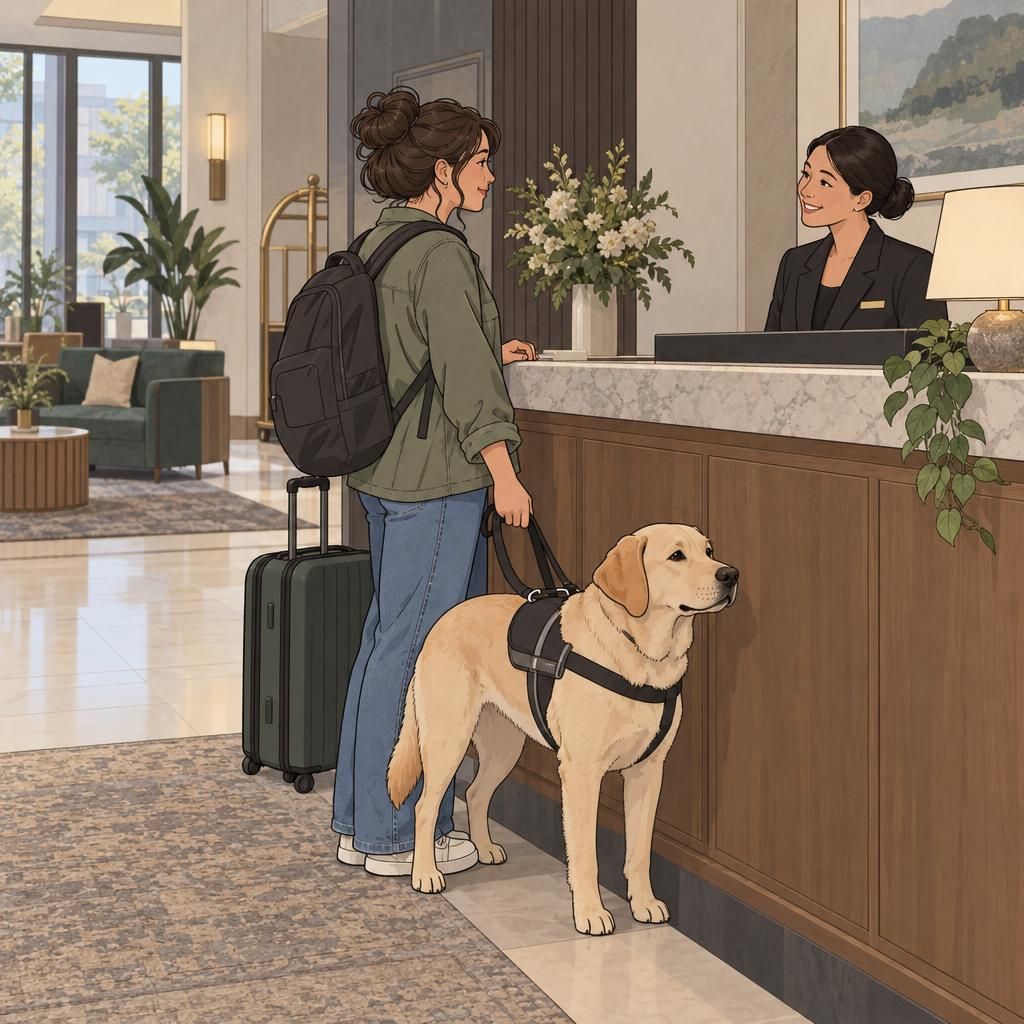
When planning ahead when traveling with a service dog, check destination and transportation requirements early. Confirm any applicable forms or deadlines, identify relief areas, and plan for charging alert devices. Pack familiar gear and backup supplies, and make sure traveling companions understand the response routine. Thoughtful preparation helps the dog work comfortably while keeping the handler’s seizure action plan at the center.
Your trusted source for service animal registration. Get professional ID cards, digital profiles, and smart NFC tags to keep your service animal safe and recognized.
© National Animal Registry — All rights reserved.