A PTSD service dog can offer practical, disability-related support during moments that are difficult to manage alone. For handlers considering registration, the central question is often how to make the dog’s working role easier to communicate in everyday life. Registration, an ID card, and a digital profile can help organize that information. Understanding what these tools do—and how they relate to task training and access rules—helps handlers choose options that fit their routines.
A PTSD service dog is a psychiatric service dog trained to perform specific tasks that help mitigate its handler’s disability-related symptoms. The defining feature is the dog’s trained work, rather than its appearance or the identification it carries. Tasks are selected around the individual handler’s needs, so two PTSD service dogs may provide different kinds of assistance.
For example, a dog may be trained to interrupt a panic response, wake a handler from nightmares, create space in a crowd, or alert a trusted person when assistance is needed. These are purposeful actions connected to the handler’s disability. A dog’s reassuring presence can also be meaningful, but comfort alone is different from performing a trained service task.
The right combination of tasks depends on the person. The goal is practical assistance with disability-related challenges, not a promise that every symptom will disappear or that every handler will experience the same results.

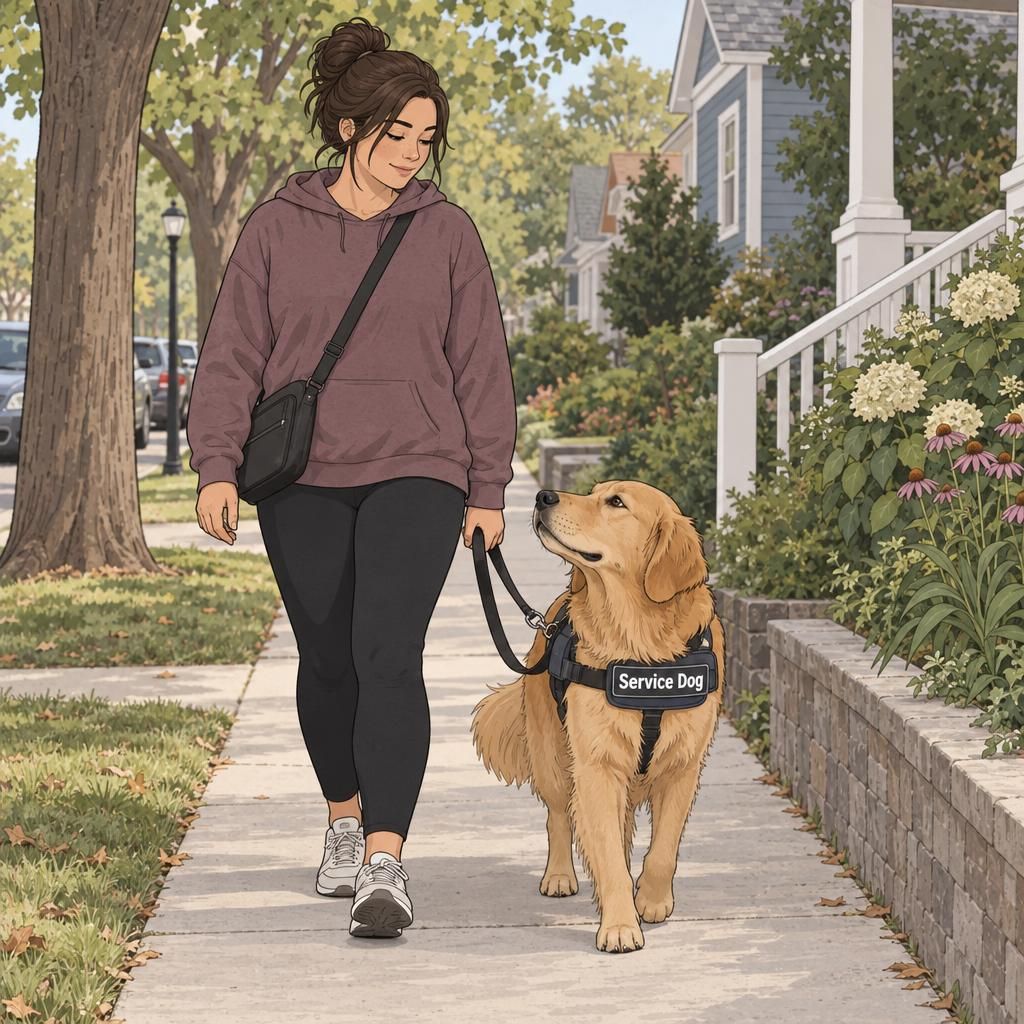
Trained tasks can make a difference in ordinary settings: at home, while running errands, in a public queue, or during a quiet café visit. A task that interrupts an escalating panic response may help a handler pause and use their established coping strategies. A dog trained to wake its handler from nightmares may provide support during a difficult part of the night.
For some handlers, dependable task support can make daily activities feel more manageable. That may mean completing an errand, spending time outside the home, or taking part in a familiar routine with greater confidence. These benefits are individual, and they may develop gradually as the handler and dog learn to work together.
It helps to think in concrete terms: What situation is difficult, and what trained action would provide useful assistance? This keeps attention on the dog’s actual role rather than broad expectations. It also provides a clear starting point for describing that role to others without sharing a detailed personal medical history.

Handlers may choose registration because they want a consistent way to identify their dog’s working role. A registration record, printed ID, or digital profile can keep useful information together and provide an easy reference during everyday conversations. Instead of gathering details from several places, a handler can have the same information available in a familiar format.
Identification can also provide a starting point when someone has questions. An ID card may help communicate that the dog is working, while a digital profile can offer another way to view identifying information. These tools support communication; they do not replace the dog’s trained tasks or determine the outcome of every access conversation.
National Animal Registry offers registrations, IDs, and certificates without requiring proof, medical letters, or training documentation to obtain those products. Handlers can choose the identification tools that suit them while keeping the distinction between registration and the dog’s service work clear. Registration documents the information provided; the dog’s trained assistance remains central to its role.

Under the Americans with Disabilities Act, service-animal status focuses on a dog being trained to perform work or tasks for a person with a disability. Public-access rules also address the dog’s behavior. Federal law does not require a service dog to appear in a registry, and registration is not what establishes its status under the ADA. The ADA’s service-animal guidance explains these distinctions: source.
Registration and identification can still serve a useful purpose as optional communication tools. A handler may value having organized information available even though the ADA does not require a registration card or certificate for public access. Keeping both points in view supports clear expectations: identification helps communicate the dog’s role, while the applicable rules focus on trained assistance and behavior.
For conversations about public-access basics, carryable ADA service dog information cards offer a portable reference. Having information within reach can help keep a discussion focused on the relevant rules rather than assumptions about service dogs.
This distinction is especially important when planning something unfamiliar. Registration can remain part of your identification toolkit while you separately confirm what a housing provider, airline, or destination requires.

The most practical identification is the kind you can comfortably use in your everyday routine. A printed ID may suit someone who prefers a physical card, while a digital profile may work well for someone who keeps useful information on a phone. A registration number can help organize a record, and a certificate can be kept with other registration materials.
For handlers who want both physical and digital identification, a customizable PTSD service dog ID with a digital profile combines those formats. Consider which identifying details you want readily available and whether the format fits how you normally travel or run errands.
Whichever option you choose, keep information consistent and review it when details change. IDs, profiles, registration numbers, and certificates are optional tools for clear identification. They complement the handler’s preparation but do not substitute for trained tasks or the rules that apply in a particular setting.

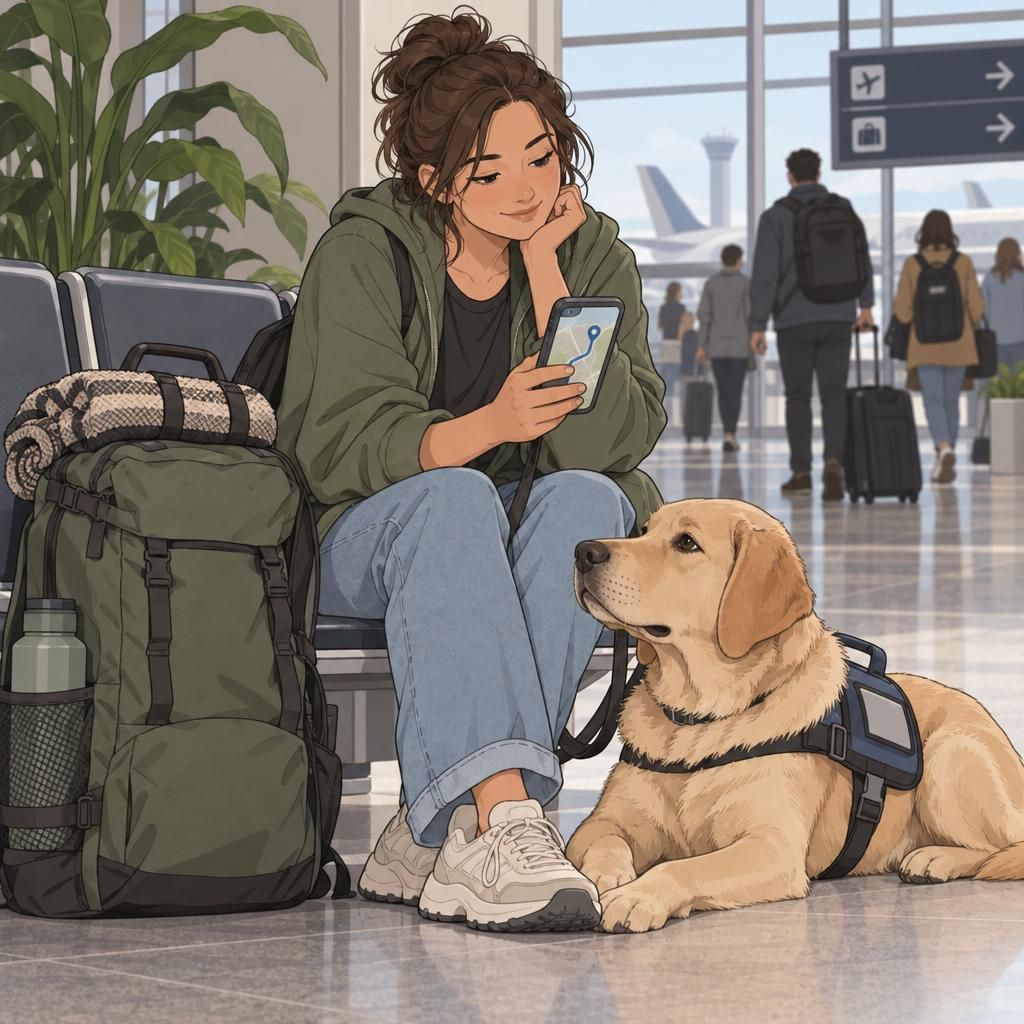
Preparation can make travel and access conversations easier to navigate. Before leaving, review the rules for your transportation, accommodation, and destination. Requirements can differ by setting and location, so allow time to clarify questions and gather any documentation that applies to that particular situation.
For more preparation ideas, explore a practical guide to traveling with a service dog. Handlers who prefer their identification materials together can also consider a registration package with a printed ID and digital profile.
Registering a PTSD service dog is a personal choice about organization and communication. For handlers who value consistent identification, it can be a helpful part of everyday preparation. Pair those tools with an understanding of the dog’s trained tasks and the requirements of each setting, and you have a clearer, more practical approach to daily outings and travel.
Your trusted source for service animal registration. Get professional ID cards, digital profiles, and smart NFC tags to keep your service animal safe and recognized.
© National Animal Registry — All rights reserved.