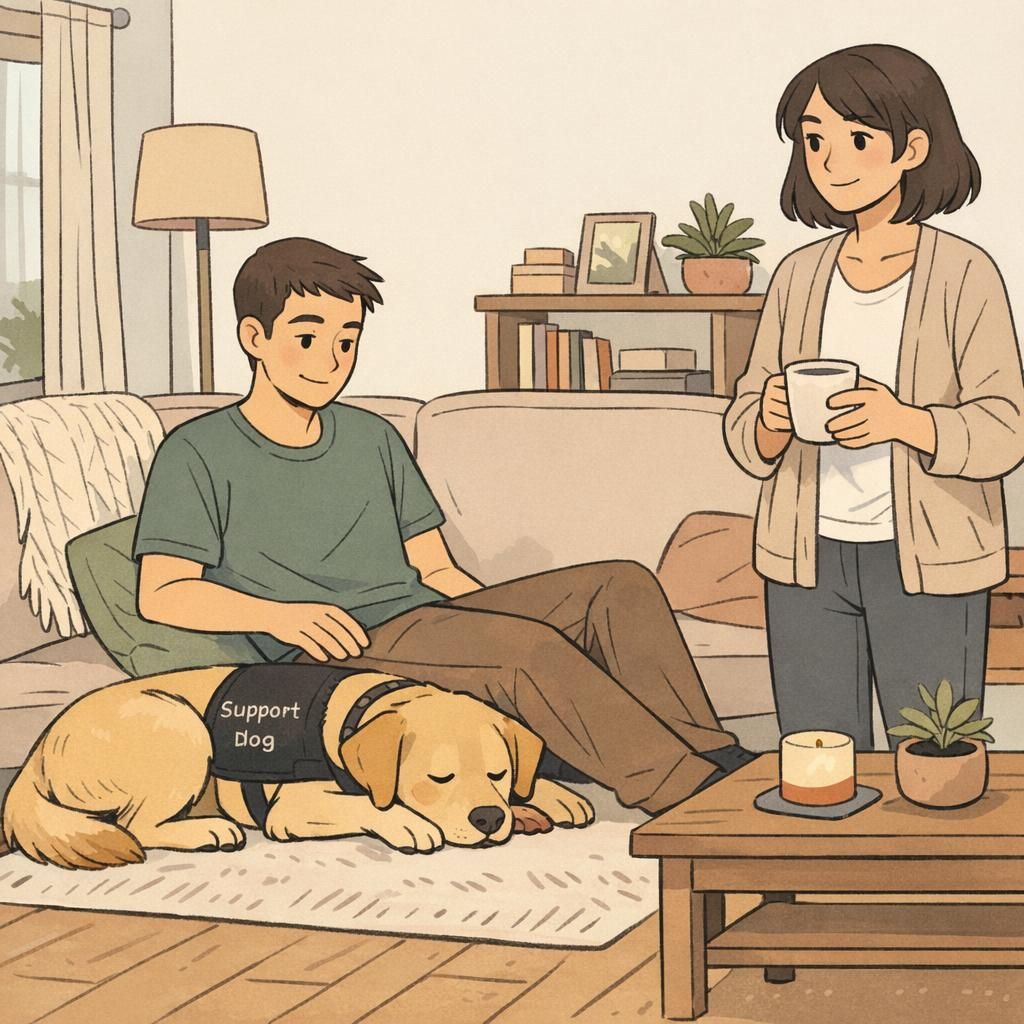
Support animals don’t just help during the “big moments.” They show up in the small, repetitive parts of life—the seconds that can feel impossible when you’re in pain, overwhelmed, recovering, or simply trying to get through the day with dignity. For many people, a dog’s steady presence or a cat’s quiet companionship becomes a practical kind of hope: something you can lean on when your own energy, balance, or confidence runs low.
In this article, you’ll read real-world snapshots across three common support roles: service dogs (task-trained help for disability-related needs), emotional support/companion animals (comfort and stability at home and in daily routines), and therapy animals (trained visitors who help others in hospitals, facilities, and community settings). These stories aren’t here to sensationalize. They’re here to make the day-to-day realities easier to understand—and to help you navigate public interactions, travel, and everyday planning with more confidence.
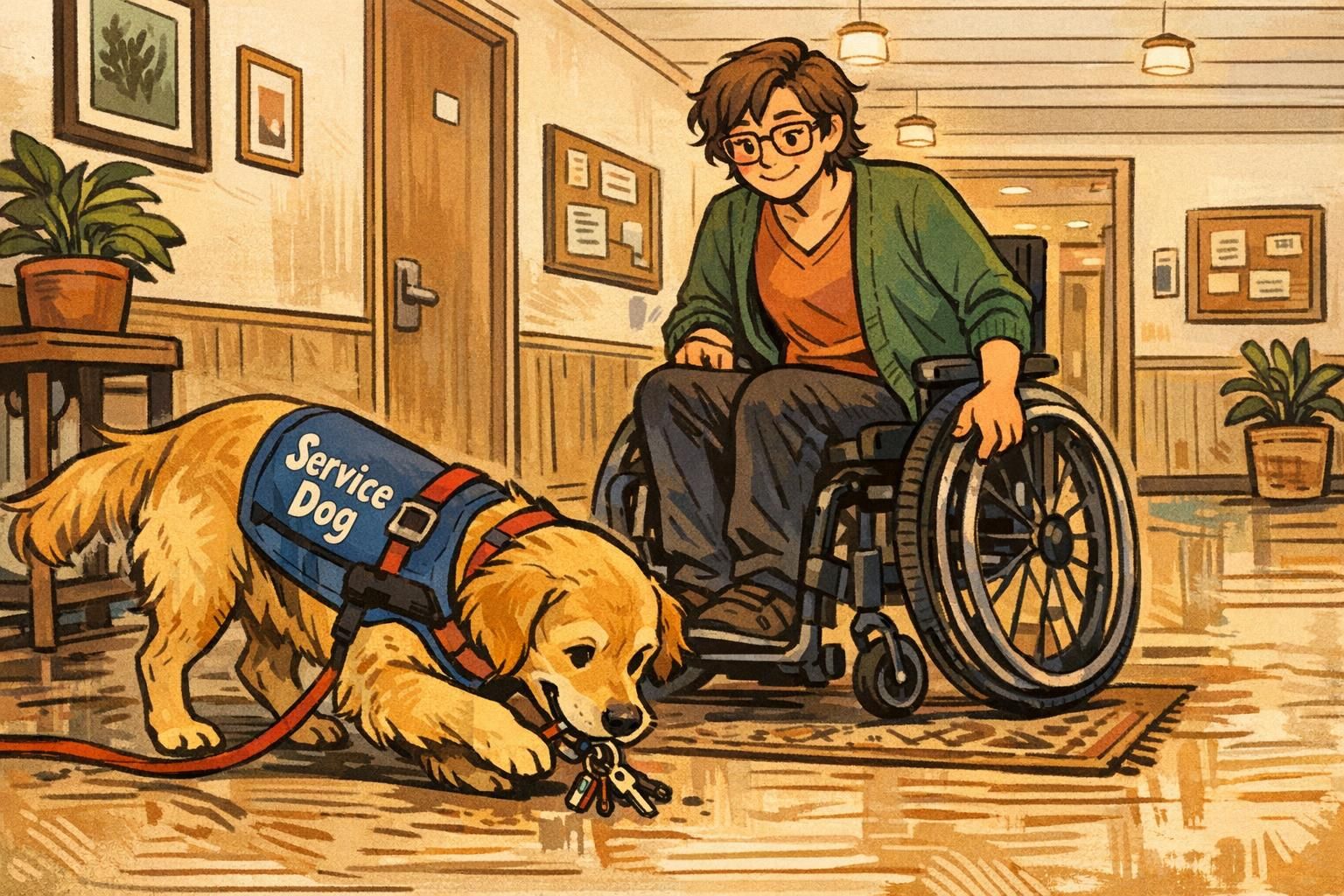
Service dogs change lives by doing specific, trained tasks that reduce barriers. Sometimes that means retrieving items, opening doors, helping with stability while standing, or interrupting patterns that could lead to injury. But the deeper impact often shows up in something less measurable: the return of independence. When a person doesn’t have to ask for help every few minutes—or worry about what happens if they drop something, lose balance, or can’t reach a needed item—daily life becomes calmer and more self-directed.
One story that captures this clearly is Cody Bear and Colonel Ty Edwards. After major health changes, everyday tasks can feel like constant reminders of what’s been lost. Cody Bear’s practical support—helping with household tasks and small “bridge moments” throughout the day—helped restore more than convenience. It helped rebuild motivation. When you can do more on your own, it’s easier to believe you can keep moving forward.
“ "The biggest change wasn’t just what my dog could pick up—it was what I stopped worrying about. I could focus on living instead of constantly planning around limitations." – Service dog handler”
Many handlers also appreciate having consistent identification available for everyday situations—especially when running errands, attending appointments, or visiting new places. If you want an organized, easy way to keep your animal’s details accessible, consider a starter registration package for everyday identification and peace of mind.

Mental health challenges can shrink a person’s world. Anxiety may make normal errands feel risky. Depression can erase motivation and routine. Panic can make it hard to trust your own body. In that space, support dogs often provide something that’s both simple and powerful: a grounding presence that helps a person re-enter everyday life.
Gabriella and her dog Bobbi O are a memorable example of how confidence can return step by step. Training sessions weren’t only about commands—they were about connection, progress, and showing up. Over time, the routine of caring for Bobbi O, practicing skills, and engaging with a broader community helped Gabriella rebuild courage in a way that felt manageable. For many people, that’s the real story: not a single breakthrough, but a steady path back to themselves.
No. Many people find the biggest value on hard days—when getting out of bed, taking a walk, or staying calm through a wave of anxiety feels like a real accomplishment.
That’s common. As life changes, you may adjust routines, reinforce training, or shift what support looks like. The goal is always practical: making daily life steadier and more manageable.
Not all support is about trained tasks or public access. Sometimes the most meaningful support is the animal who stays near you when you’re depleted, who gives you a reason to keep a routine, or who brings calm to a home that feels too quiet. Emotional support can come from dogs, cats, and other companion animals—and the “small moments” often add up to real relief over weeks and months.

Cleo, an ESA cat, is one of those stories that makes people pause—because it’s so relatable. A cat doesn’t need to do anything dramatic to help. Curling up nearby during a hard evening, following you from room to room, or showing up consistently when everything else feels uncertain can lower stress and make coping feel possible. Many people describe their companion animals as a stabilizing force during severe struggles, from overwhelming anxiety to depressive episodes that make basic tasks feel heavy.
These experiences are echoed in first-person accounts that include both dogs and cats helping their people cope with anxiety, depression, and difficult life circumstances (source). The takeaway isn’t that animals “fix” mental health. It’s that steady companionship can make the day more livable, and that matters.
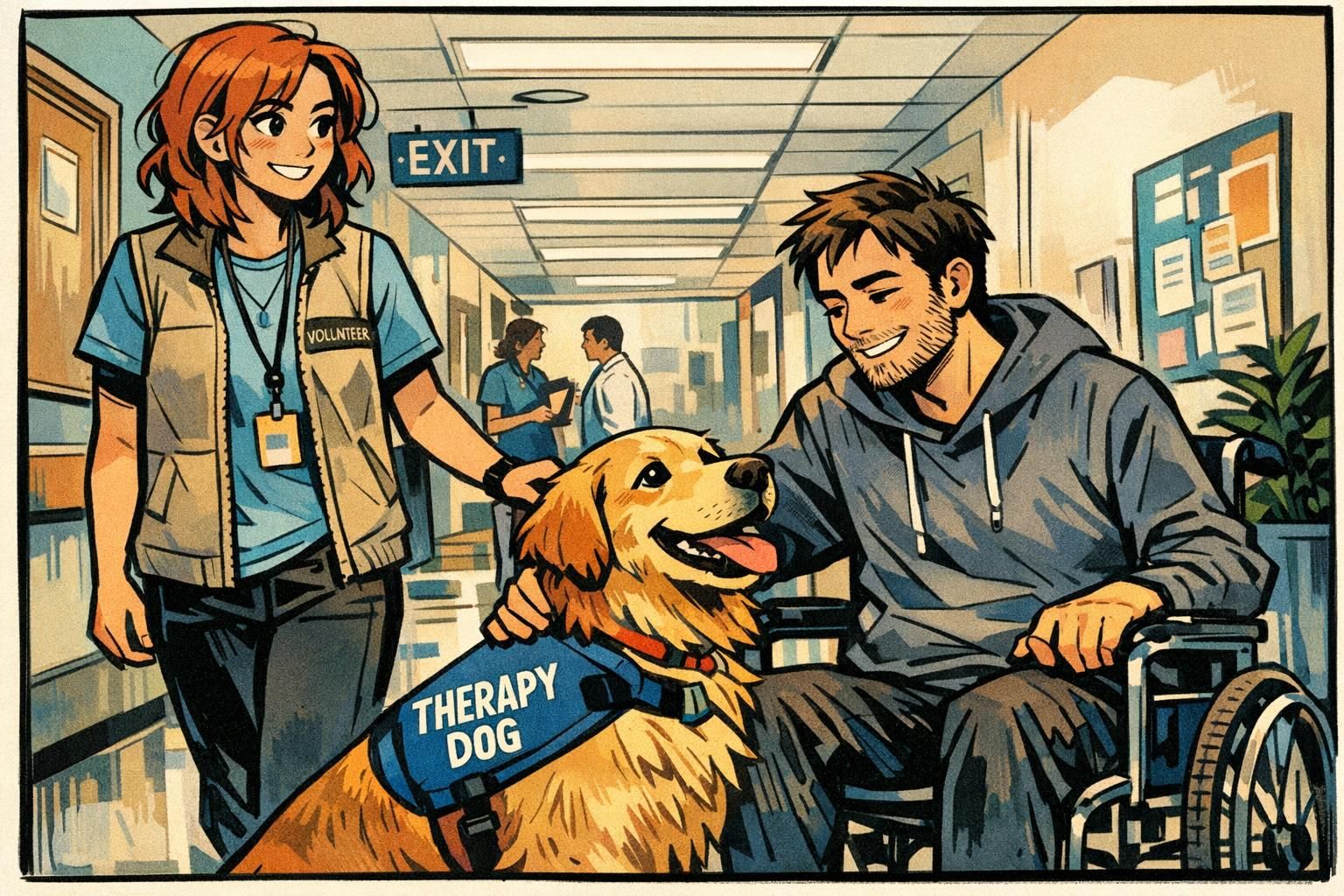
Therapy animals serve a different purpose than service animals or at-home emotional support. These are animals who, with their handlers, visit hospitals, facilities, schools, or community programs to provide comfort and connection. The focus is outward: helping others feel calmer, more engaged, and less alone in challenging environments.
One striking example is therapy dog Elsa, whose calm presence helped prompt responsiveness in a hospital setting. Sometimes a patient who hasn’t been reacting to typical conversation will reach out to touch a dog, make eye contact, or show a change in mood. That moment matters—not because it’s a miracle cure, but because it can open a door for connection, motivation, and care.
Volunteer and foster efforts also play a quiet but powerful role. When volunteers help newly adopted pets adjust—and help families understand routines, boundaries, and realistic expectations—both pets and people benefit. The transition into a new home can be emotional for everyone, and supportive guidance can prevent misunderstandings and reduce stress at a vulnerable time.
“ "When the dog came in, the whole room changed. People softened. Conversation got easier. It wasn’t about solving everything—it was about making the moment feel human again." – Therapy animal volunteer”
Even when you’re doing everything right, public interactions can be tiring. People may ask personal questions. Staff may be uncertain about policies. You might feel pressure to explain your life in a hurry. Having a plan for calm, consistent communication can reduce friction and help you advocate for yourself without turning an ordinary errand into a confrontation.
Some handlers feel more prepared when they can share clear, standard information quickly—especially in busy stores or during tense moments. A practical tool many people keep on hand is ADA law handout cards for quick, calm conversations.
You can repeat your boundary without adding new information: “I’m not able to discuss my medical situation. Thank you for understanding.” Then redirect to the immediate need, like completing your purchase or getting to your seat.
Simple routines help: keep your animal close, move steadily, and avoid engaging with unsolicited questions when possible. Many handlers also find that visible, consistent identification can reduce confusion in everyday settings.
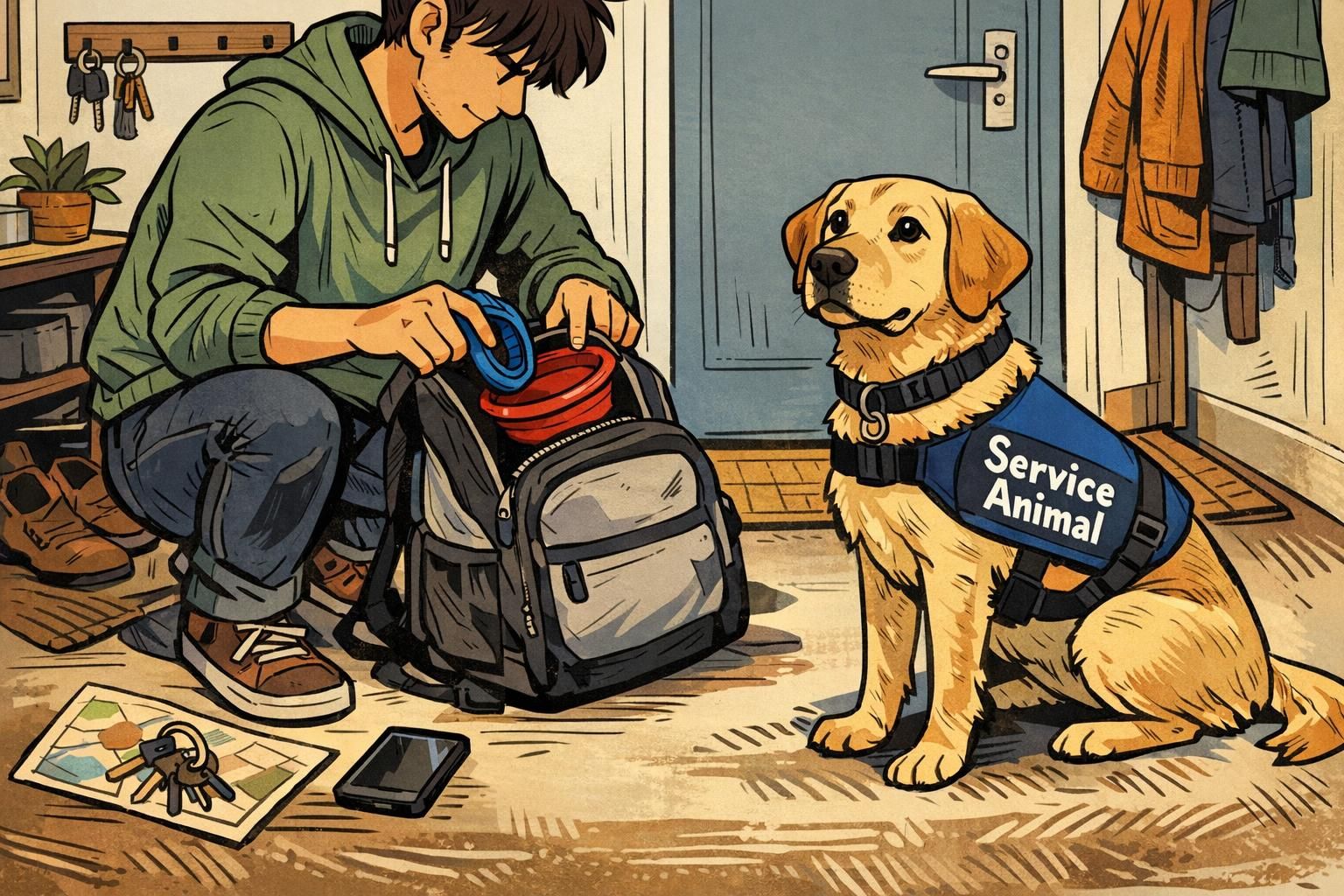
Travel can be one of the most stressful times to navigate disability needs, anxiety triggers, or routine disruptions. The good news is that planning turns many “what ifs” into simple checkboxes. When your animal knows what to expect—and you have familiar tools ready—new places feel less overwhelming.
Start with the basics: keep routines as consistent as possible, build in breaks, and aim for calm transitions. If you want a deeper guide, National Animal Registry has travel planning tips for a smoother trip with your service dog.
For many handlers, having a single, organized set of travel-friendly materials reduces stress—especially when you’re tired, managing luggage, or navigating questions quickly. If that would help you, consider a travel-ready service dog registration package for on-the-go situations.
In real life, clarity matters. Registration, IDs, and certificates can be helpful tools for staying organized and presenting consistent information quickly—whether you’re heading to a new apartment, traveling, visiting a new business, or simply trying to feel more prepared in public. Many handlers like the peace of mind that comes from having their animal’s details in a standard, easy-to-reference format.
Because rules and expectations can vary by location and situation, it helps to approach documentation as a practical support tool—something that keeps your information consistent and accessible when you need it. For everyday convenience, some people choose a customizable service dog ID with a matching digital profile so key details are always in one place.
Yes. Many people find that having consistent information available helps reduce confusion and makes everyday interactions feel more predictable, even when different places handle questions differently.
Speed and consistency. When you’re in a hurry—or stressed—it helps to have your animal’s details organized in a format you can rely on without needing to improvise.
The best support animal path is the one that matches your real needs and your real routine. Some people need trained task support to live safely and independently. Others need steady companionship that makes hard days feel survivable. Still others feel called to help their community through therapy visits or volunteer programs. None of these paths is “more valid” in human terms—they’re simply different tools for different goals.
“ "The right animal isn’t the one that looks impressive—it’s the one that makes your day feel possible." – Support animal handler”
If you’re deciding what fits, start small and practical: What moments are hardest—mornings, errands, nighttime anxiety, mobility transitions, loneliness? What kind of support would reduce friction the most? The right match is the one that genuinely improves daily life and helps you feel steady, capable, and more like yourself—one ordinary day at a time.
Your trusted source for service animal registration. Get professional ID cards, digital profiles, and smart NFC tags to keep your service animal safe and recognized.
© National Animal Registry — All rights reserved.