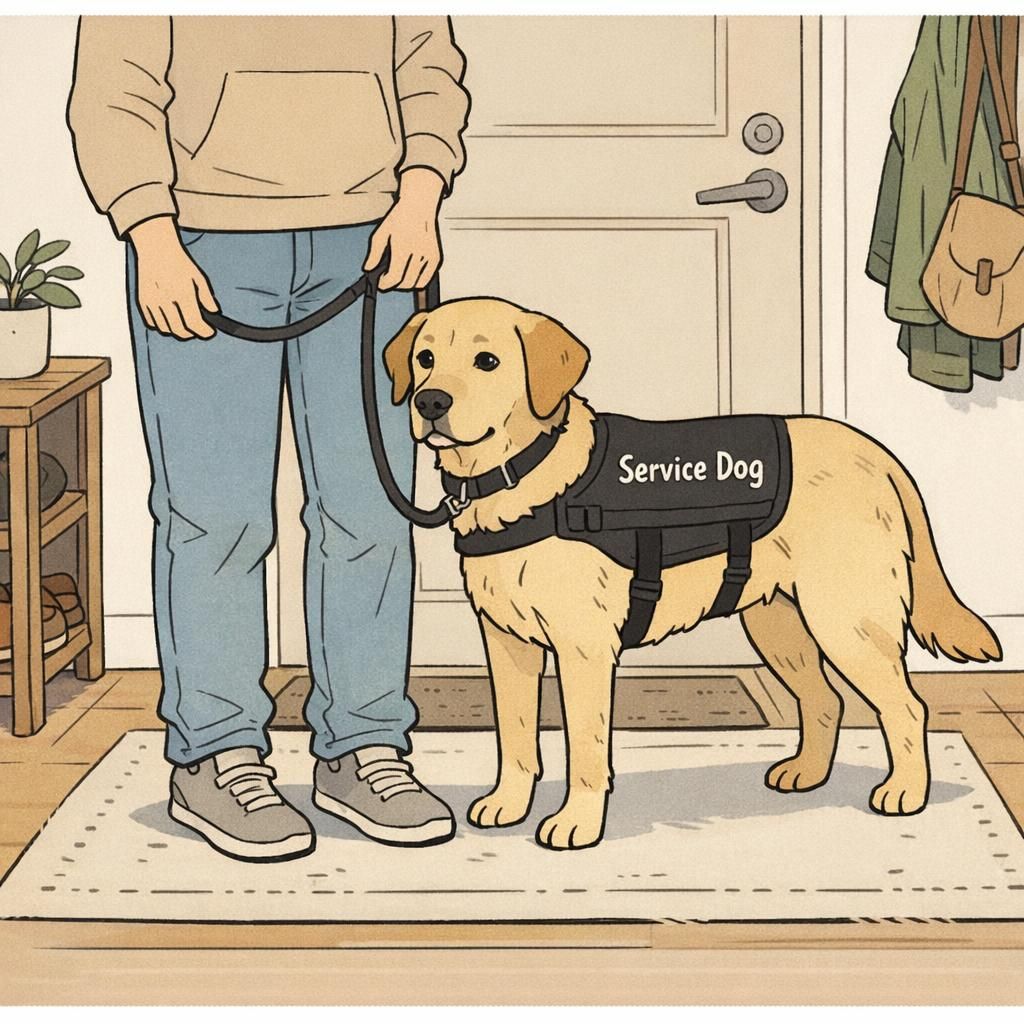
Service dogs are trained to do serious work in a human world that can be loud, busy, emotional, and unpredictable. Over time, even a well-prepared dog can accumulate stress in small doses—until it starts to change how they feel about working.
In working teams, “burnout” usually isn’t one dramatic moment. It’s a gradual buildup of mental and physical strain that can reduce performance, enthusiasm, and overall well-being. A dog who once looked eager and confident may begin to look flat, hesitant, or checked out. And when a service dog is stressed, the handler often feels it too—because the partnership depends on both members feeling safe and steady.
Burnout matters because it can affect reliability and decision-making in public access situations, lower a dog’s resilience in distracting environments, and increase the risk of stress-related behavior (like avoidance, shutdown, or irritability). The good news: most teams can prevent or reduce burnout by noticing patterns early and adjusting routines in practical, doable ways.
Early burnout often looks like “little stuff” that’s easy to brush off: a slower response here, a reluctant body language moment there. But when those small changes repeat, they’re valuable information. They’re your dog’s way of saying the workload, environment, or overall pressure is starting to cost more than it used to.
Common early signals can include reluctance to gear up, slower responses to known cues, “checking out” (disengaging or staring off), unusual fatigue, or becoming extra sensitive to the handler’s emotions. These signs are widely discussed in working-dog burnout education, including how overwork and high-stimulation environments can contribute and why breaks matter for recovery (source).
The most important piece is pattern recognition. One off day can happen for many harmless reasons. But when you see the same change across multiple outings, you can adjust before stress escalates into avoidance or physical strain.
Look for clusters and consistency. If the same behaviors show up across multiple days, environments, or types of outings—especially around gear, leaving home, or high-stimulation places—treat it as a signal to reduce pressure and evaluate what’s changed.
Not always. Many teams do best with a temporary workload adjustment: shorter outings, more breaks, simplified expectations, and more decompression. If signs are sudden or intense, a health check is a smart next step.
Burnout usually comes from a mismatch between demands and recovery. Service dogs can handle a lot, but they still need downtime that truly restores them—especially when public access is frequent.
Overwork without breaks is a common driver. This doesn’t have to mean extreme schedules. It can be subtle: too many errands in a row, long stretches without a sniff break, or a week where every day is “on.” High-stimulation environments—crowds, noise, tight spaces, chaotic energy—can also wear a dog down over time, even when behavior looks technically “fine.”
Another overlooked factor is repetition. Doing the same route, the same stores, and the same routine can be efficient for humans, but mentally monotonous for dogs. Without adequate enrichment and decompression, repetitive work can lead to disengagement.
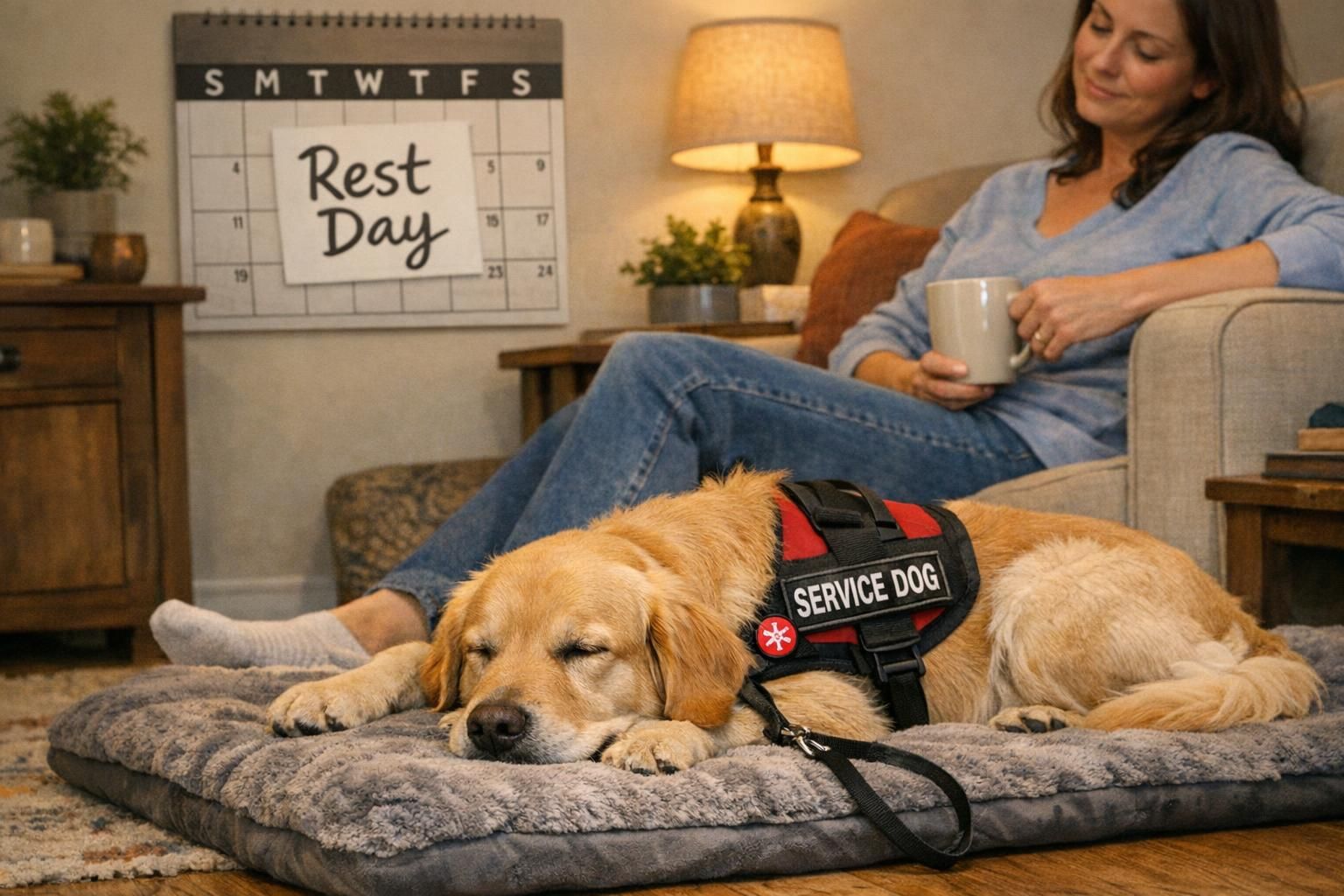
Most teams do better with a weekly rhythm than with a “push until we can’t” cycle. A rhythm creates predictability for your dog and gives you built-in opportunities to check in, reset, and prevent stress from piling up.
Think of it like athletic training: performance improves when training is paired with recovery. For service dogs, recovery includes both physical rest and mental decompression—time when the dog isn’t expected to be vigilant, neutral, and on-task.
Decompression doesn’t have to mean high-energy exercise. Many working dogs reset best with calm, choice-driven activities—like sniffing, exploring a quiet path, or relaxing in a familiar spot at home. Gentle play can be great too, as long as it’s truly enjoyable and not overstimulating.
“ "When we started treating decompression like part of the job—not an optional extra—my dog’s eagerness came back. The difference was giving her a predictable way to come down after heavy days." – Service dog handler”
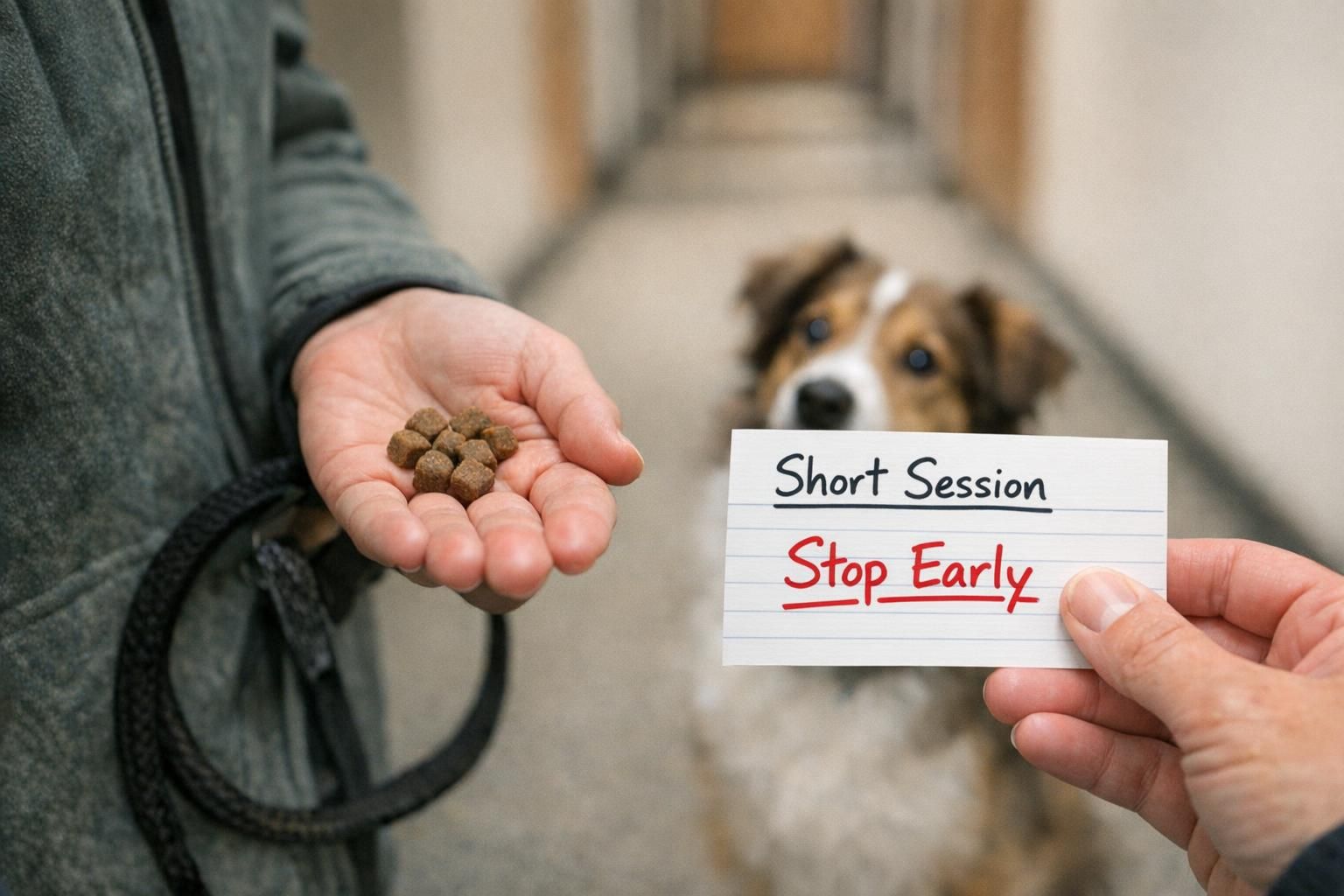
Maintenance training should feel like a confidence boost, not a pressure test. Short, upbeat sessions help your dog keep skills sharp while protecting motivation. In many teams, burnout prevention is less about “more training” and more about “better timing and better pacing.”
A useful rule of thumb: stop while your dog is still engaged. Ending on a strong, happy repetition helps training stay something your dog looks forward to. Variety also matters—rotate tasks and environments in small doses rather than drilling the same behavior to perfection when your dog is already tired.
Even strong teams can struggle during seasons when everything gets more intense: holidays, medical appointments, school shifts, family changes, moving, or travel. The goal in these periods isn’t perfect performance—it’s maintaining confidence and protecting the dog’s emotional “budget.”
Before travel or big schedule changes, focus on core skills that make life easier: calm settling, leash handling, polite ignoring, and a reliable “go to mat” or tucked position. Keeping it simple reduces the amount of correction or constant micromanaging your dog experiences.
If you’re preparing for a trip, build in travel planning tips that keep outings predictable and lower-stress—and remember that the trip itself can be tiring even if your dog behaves beautifully.
Many handlers find it helpful to think in phases: prepare, perform, recover. If you plan the recovery phase on purpose, you’re much less likely to drift into an overworked, under-rested cycle.
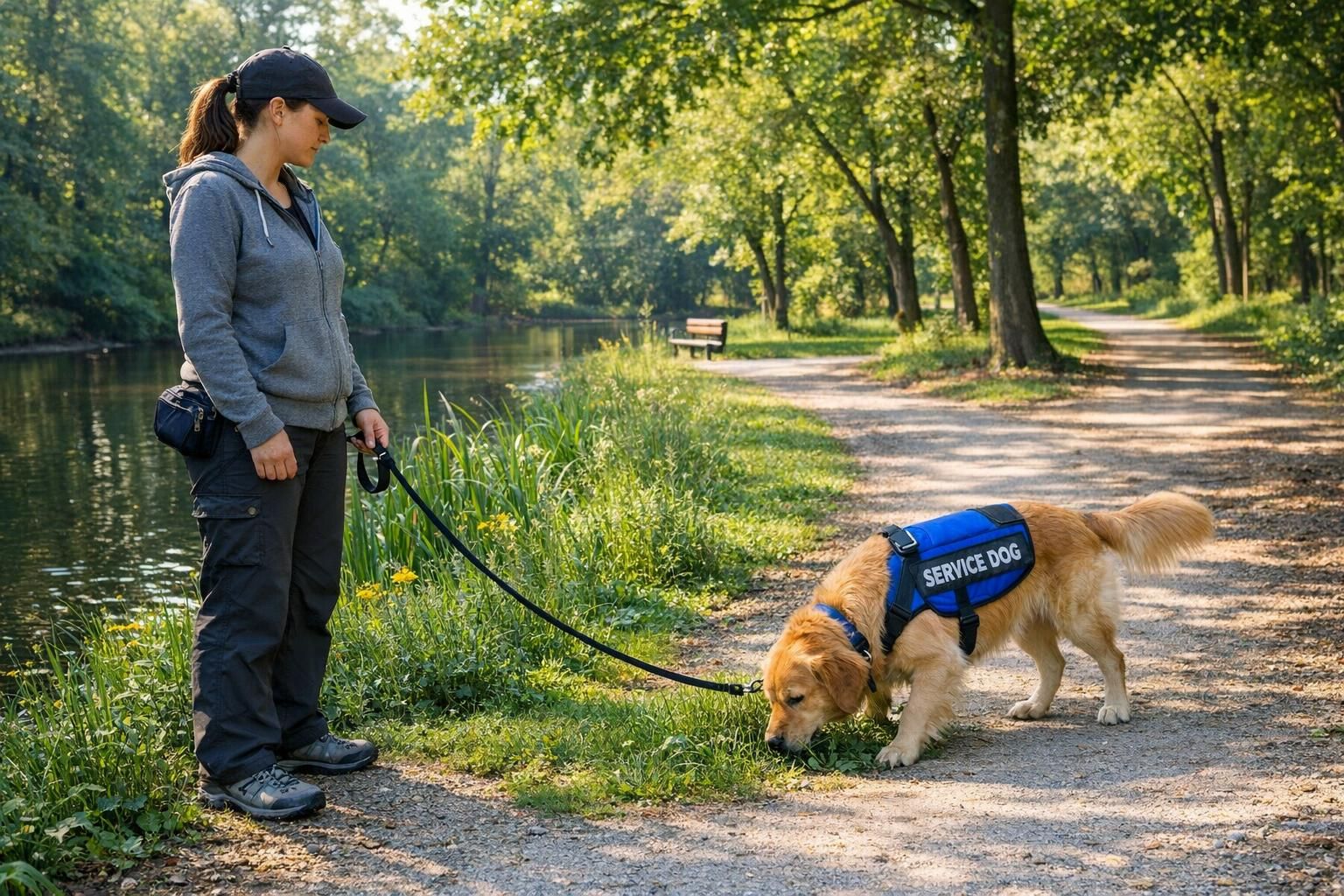
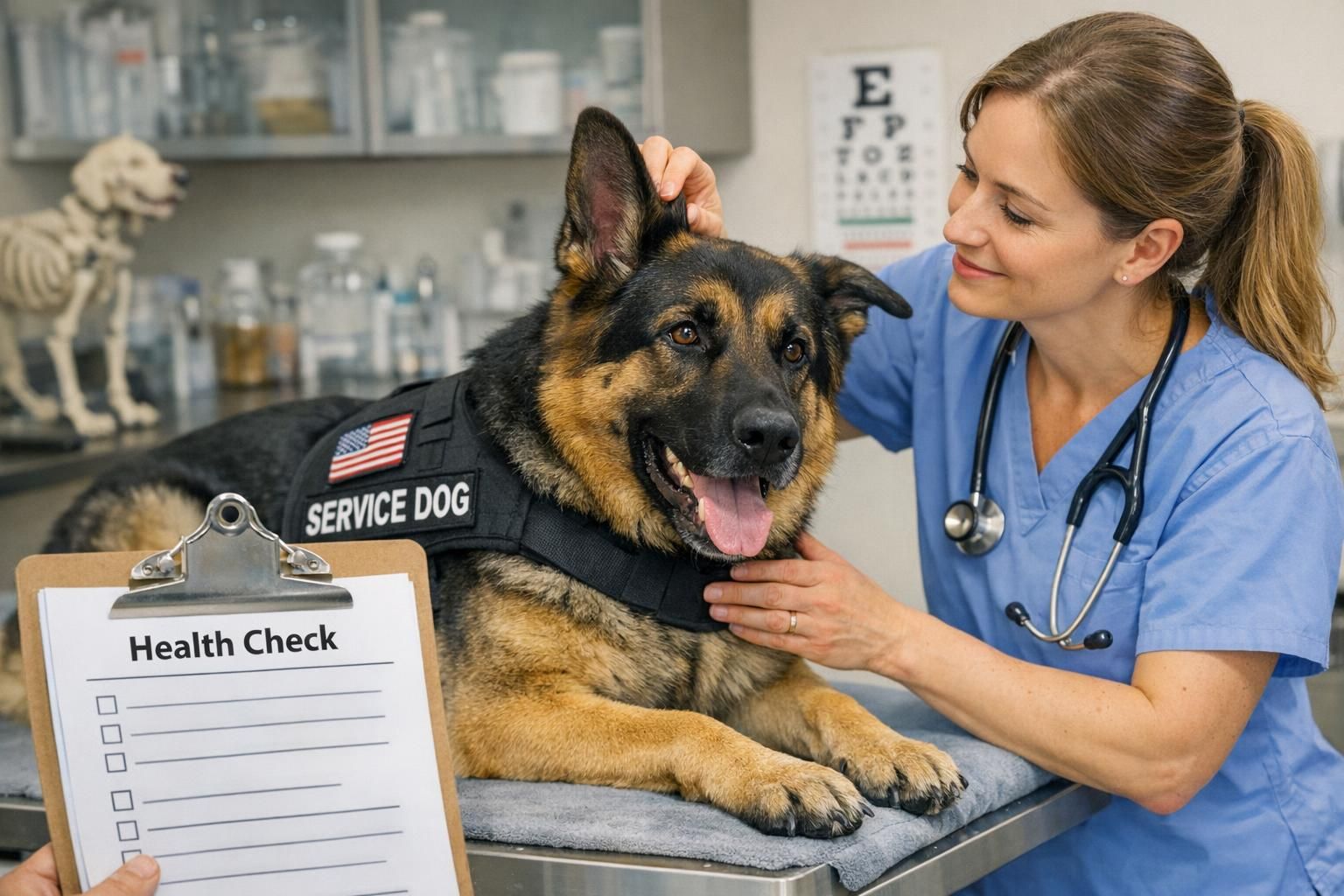
If your dog’s behavior or performance changes suddenly, a health-focused review is one of the most responsible first steps. Pain and discomfort can look exactly like burnout: slower responses, reluctance to work, irritability, shutting down, or “not listening.” When you address the underlying physical issue, stress often drops quickly because the dog no longer has to cope through discomfort.
Start with what you can observe at home: movement, appetite, stool changes, paw condition, stiffness after rest, or sensitivity to touch. If anything seems off—or if the changes persist—loop in a veterinarian and describe what you’re seeing in real-life work situations.
Service dogs don’t work in a vacuum. They work in partnership with a person—your breathing, muscle tension, pace, voice, and frustration level all provide information. When you’re burned out, it can show up as dread before outings, impatience, rushing, or inconsistent cues. Your dog may respond by becoming hypervigilant, uncertain, or emotionally “sticky.”
This isn’t about blame. It’s about recognizing that team health is shared. Supporting yourself is a real way to support your dog, because it changes what the dog experiences every day.
“ "When I started treating my own stress like part of the training plan, my dog stopped bracing at the doorway. I wasn’t trying to be perfect—I was trying to be predictable." – Service dog handler”
Not all service dog stress comes from the work itself. Sometimes it comes from friction: interruptions, questions, confrontations, or repeated moments where the handler has to advocate while also managing the dog. Over time, that social pressure can create tension that your dog feels before you even enter a building.
Making public access smoother often means planning for the human side of the environment. Having a simple script, choosing lower-traffic times when possible, and keeping interactions brief and polite can prevent situations from escalating. Clear identification and calm rights communication are practical tools that can reduce day-to-day pressure for both handler and dog.
Many teams like carrying ADA law handout cards to help explain access rights quickly and calmly, especially if talking is difficult in stressful moments or if you want to keep your focus on your dog’s stability.
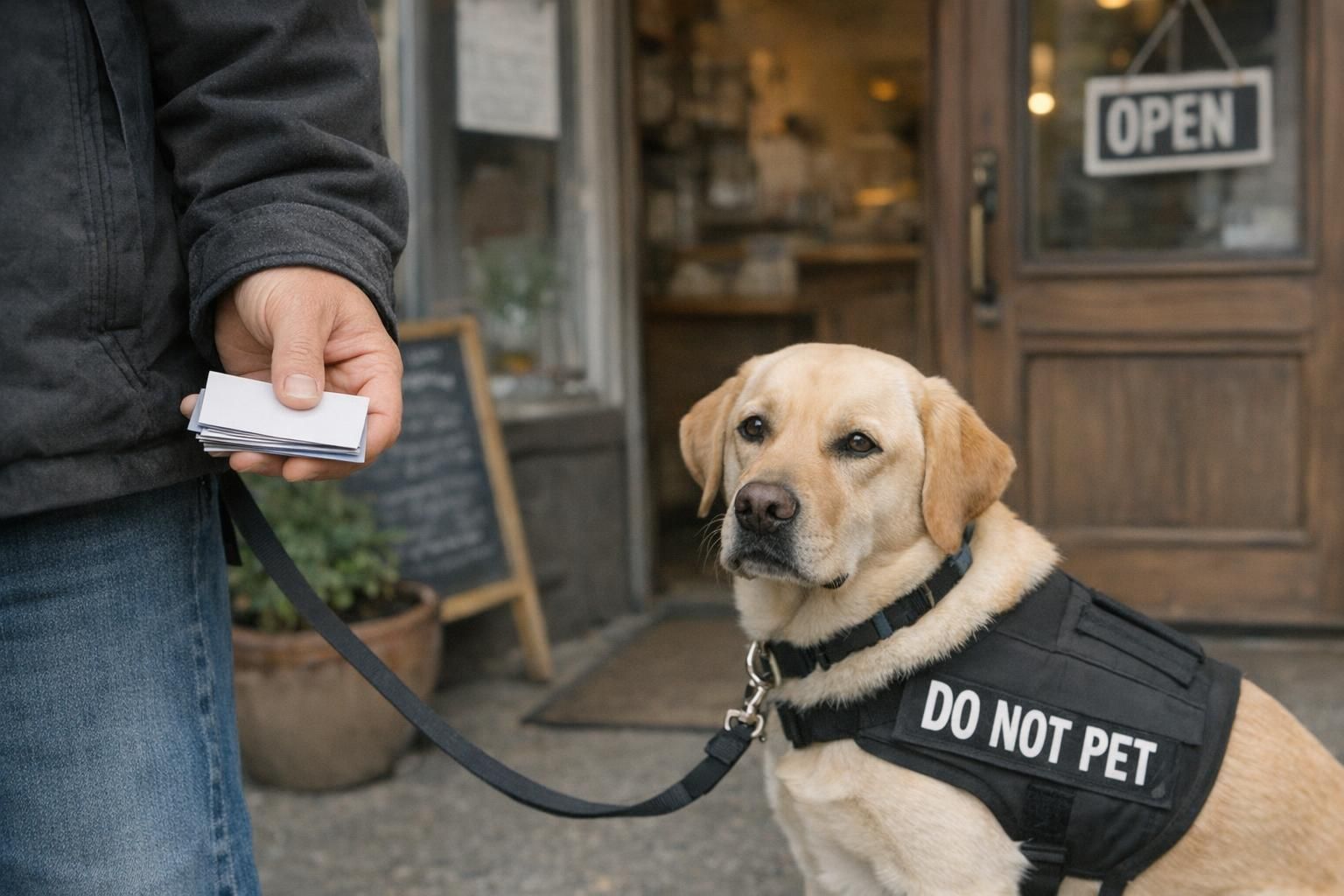
Many service dog teams choose to use optional documentation—such as registration, IDs, and certificates—to create clarity in real-world situations. While day-to-day life should be smooth, reality can include misunderstandings in travel, housing conversations, or public-facing settings. Having consistent identification tools can make interactions feel more predictable, which supports a lower-stress working lifestyle.
For handlers, “predictable” often equals “calmer.” When you feel prepared for questions or routine check-ins, your body language and pace tend to soften—and dogs notice that immediately.
If you want an all-in-one option many teams use for everyday identification and confidence, consider a starter service dog registration package for clear everyday identification.
Burnout prevention doesn’t have to be complicated. Small adjustments—done consistently—often make the biggest difference. Your goal is to keep work sustainable so your dog stays willing, confident, and comfortable over the long term.
Adjusting workload is responsible handling. It protects your dog’s well-being and supports consistent performance when you truly need it. A service dog’s best work comes from a partnership that’s built on safety, clarity, and enough room to rest.
Your trusted source for service animal registration. Get professional ID cards, digital profiles, and smart NFC tags to keep your service animal safe and recognized.
© National Animal Registry — All rights reserved.