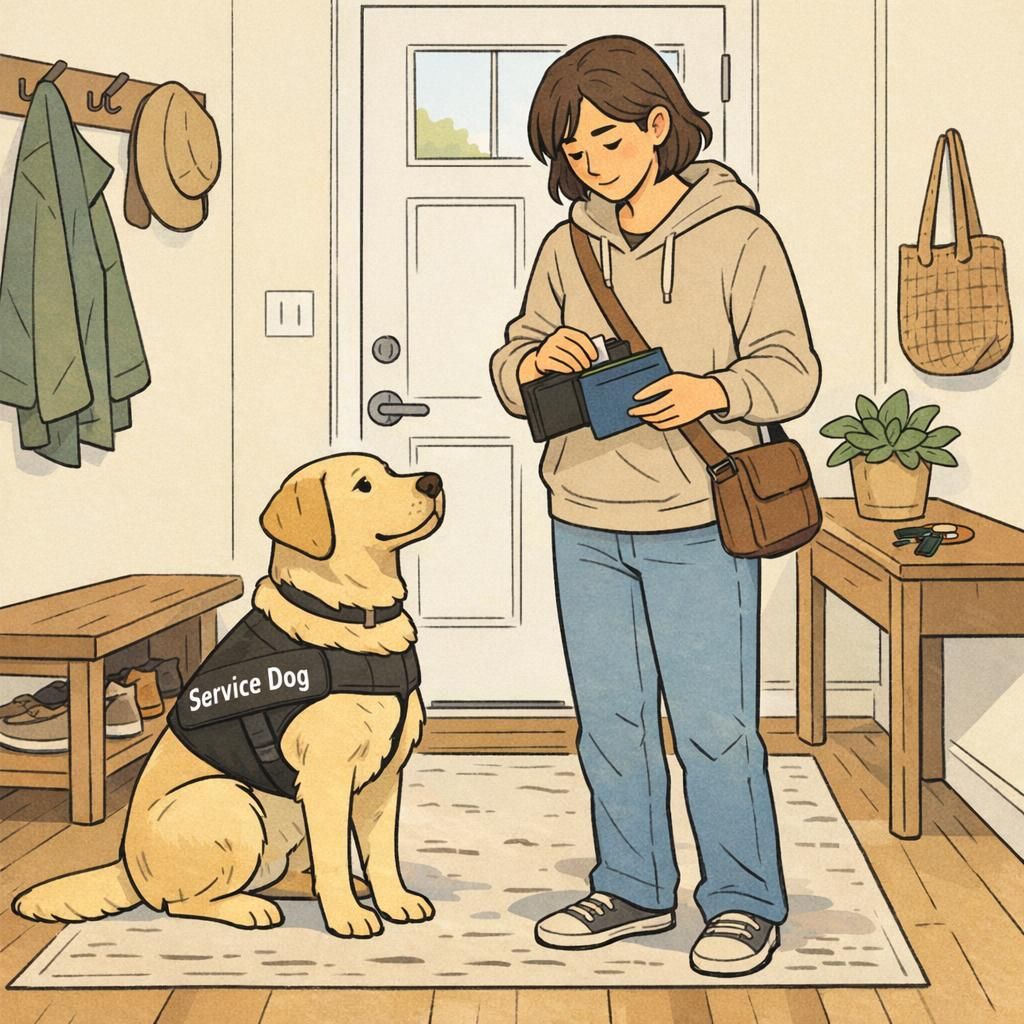
If you handle a service dog, you’ve probably experienced the “pause” moment: you walk into a store, approach a check-in desk, or step into an elevator, and someone hesitates. Sometimes they’re simply unfamiliar with the rules. Sometimes they’ve had a bad experience with an out-of-control pet labeled as a service animal. Either way, many handlers look for an online registry because they want a calm, consistent way to communicate—without having to turn every errand into a debate.
Online registrations, IDs, and profiles are often about reducing friction in everyday life. They can give you something professional to point to when you’re tired, when your disability is not visible, or when you’re juggling a leash, a door, and a conversation all at once. For many teams, it’s less about “proving” anything and more about sharing clear, organized information quickly.
In the United States, the Americans with Disabilities Act (ADA) generally defines a service dog as a dog that is individually trained to do work or perform tasks for a person with a disability. The focus is on what the dog does—specific, trained tasks that help mitigate the handler’s disability—and whether the dog is under control and behaving appropriately in public.
In day-to-day public access situations, the most important factors are your dog’s function and behavior. If a service dog is housebroken and under control, it is typically permitted to accompany the handler in places open to the public, even where pets are not allowed. At the same time, businesses can address disruptive behavior the same way they would with any animal—service dog or not—because public access relies on safe, controlled conduct.
One point that often surprises people: there is no federally required service dog registry in the United States. That means public access decisions under the ADA are not based on a federal “registration” database or a mandatory government-issued card. (This is a narrow factual point many educational resources mention, including this source.)
In many everyday public-access interactions, staff focus on whether the dog is a trained service dog and whether it is under control. While documentation can be helpful for smoother conversations, ADA access is not based on a federally required registry.
Many teams train in different ways and at different levels. What matters in public is that the dog can perform its trained role and behaves safely and under control.
Online registries and IDs are best understood as optional tools that help you present your service dog’s information in a consistent, professional format. For many handlers, the biggest value is convenience: a printed card in your wallet, a digital profile you can pull up quickly, and a clear registration number that keeps your records organized.
These tools can also help you feel prepared for those quick, real-life moments—like a hotel front desk, a rideshare pickup, or an event check-in—where you may want to share basic information without giving a long explanation.
If you want a simple, ready-to-use option, many handlers start with a starter registration package for everyday identification so they have a printed ID and a digital home base for their dog’s info.

“ "Having my dog’s information in one consistent format helps me stay calm when someone asks questions. It keeps the interaction short and respectful." – Service dog handler”
Because service dogs are such an important part of daily life for many people, it’s normal to want certainty. The challenge is that some websites use confident language that can sound like a guarantee of legal outcomes—when real-life access depends on behavior, policies, and situation-specific details.
A helpful way to evaluate any service is to look for realistic explanations that match everyday experience. A responsible website will describe what its products are (like IDs, profiles, or certificates), how they’re used, and what they can reasonably help with—without claiming that a card or number automatically overrides every rule or resolves every conflict.
Service dogs and emotional support animals (ESAs) both support people, but they generally fill different roles. A service dog is trained to perform specific tasks or work related to a handler’s disability. An ESA provides comfort and emotional benefit, which can be deeply meaningful, but it is not typically task-trained in the same way.
This distinction matters most because different settings apply different rules. In many public places, service dogs can accompany their handlers as working animals. ESAs, on the other hand, generally do not have the same public access rights simply because they provide emotional support.
Even when you’re in the right, conflict rarely feels good—especially when you’re managing a disability and trying to get through normal life. The goal in most public access moments is not to “win” an argument, but to keep the interaction calm, brief, and respectful.
It helps to prepare a short, consistent script and keep your tone neutral. If someone challenges you, focus on your dog’s trained role and your dog’s behavior. If appropriate, you can also be ready to answer the two commonly allowed questions in a simple, matter-of-fact way.
Carry-friendly materials can be a simple convenience for de-escalation. Many handlers keep ADA law handout cards to share when questions come up, which can shift the conversation from personal confrontation to quick, educational clarity.
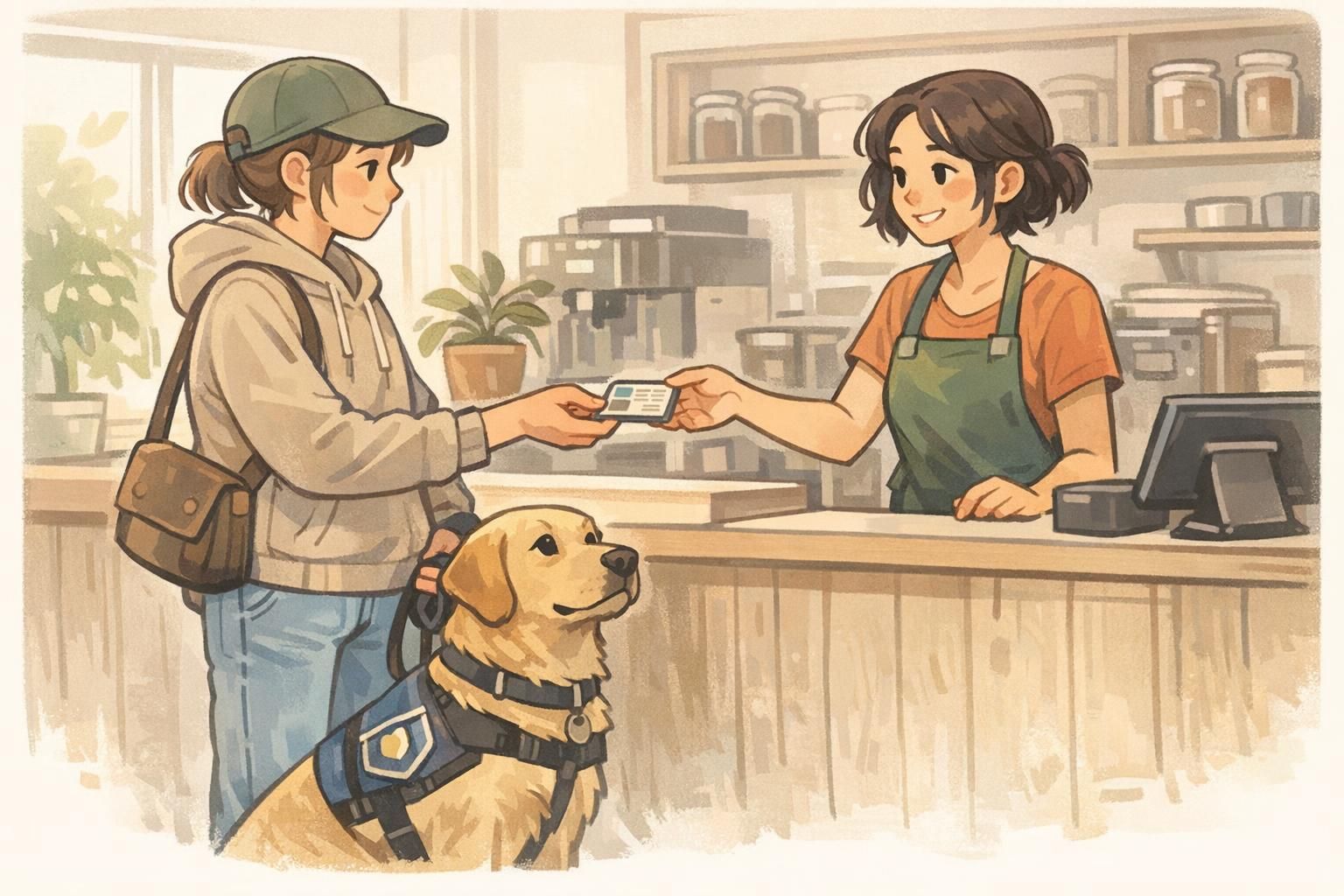
Many handlers choose to show an ID only if it helps the interaction stay brief and calm. It’s an optional communication tool—use it when it makes your day easier.
Keep your tone steady, give a simple explanation, and focus on your dog’s calm behavior. Offering a small educational handout can also reduce tension.
Many handlers like having a small set of consistent materials—not because they’re required in every situation, but because they make life simpler when time is tight. Think of it like keeping a spare charger in your bag: you might not need it every day, but when you do, you’re glad it’s there.
If you prefer a streamlined option that matches a printed ID with online access, consider a customizable printed service dog ID with a matching digital profile so your information stays consistent across settings.
“ "When I’m at a busy checkout or checking into an appointment, having the same info ready every time keeps things from getting awkward." – Handler”
Housing and travel are two areas where being organized can make a noticeable difference. These situations often involve third parties, timelines, and paperwork-style processes. Even when policies are straightforward, you may still need to communicate clearly with people who are juggling their own rules, checklists, or uncertainty.
For renters, it’s helpful to have a consistent way to present basic information: your contact details, your dog’s details, and any materials you choose to keep for personal records. For travelers, it can help to keep everything together—especially when you’re planning across multiple stops or coordinating with airlines, hotels, or family.
If you’re building a plan for a trip, you may also like these planning tips for traveling with a service dog, which can help you think through logistics before you leave.

For people who want a more complete, travel-ready set of materials, a travel-focused registration package for more organized trips can be a practical way to keep essentials together—especially when you want quick access to your dog’s information while you’re on the move.
No document replaces the foundation of a strong service dog team: calm, controlled public behavior and respectful handling. When your dog is clearly working—staying close, ignoring distractions, and remaining housebroken—it builds trust in the moment and supports broader acceptance for legitimate service dog teams.
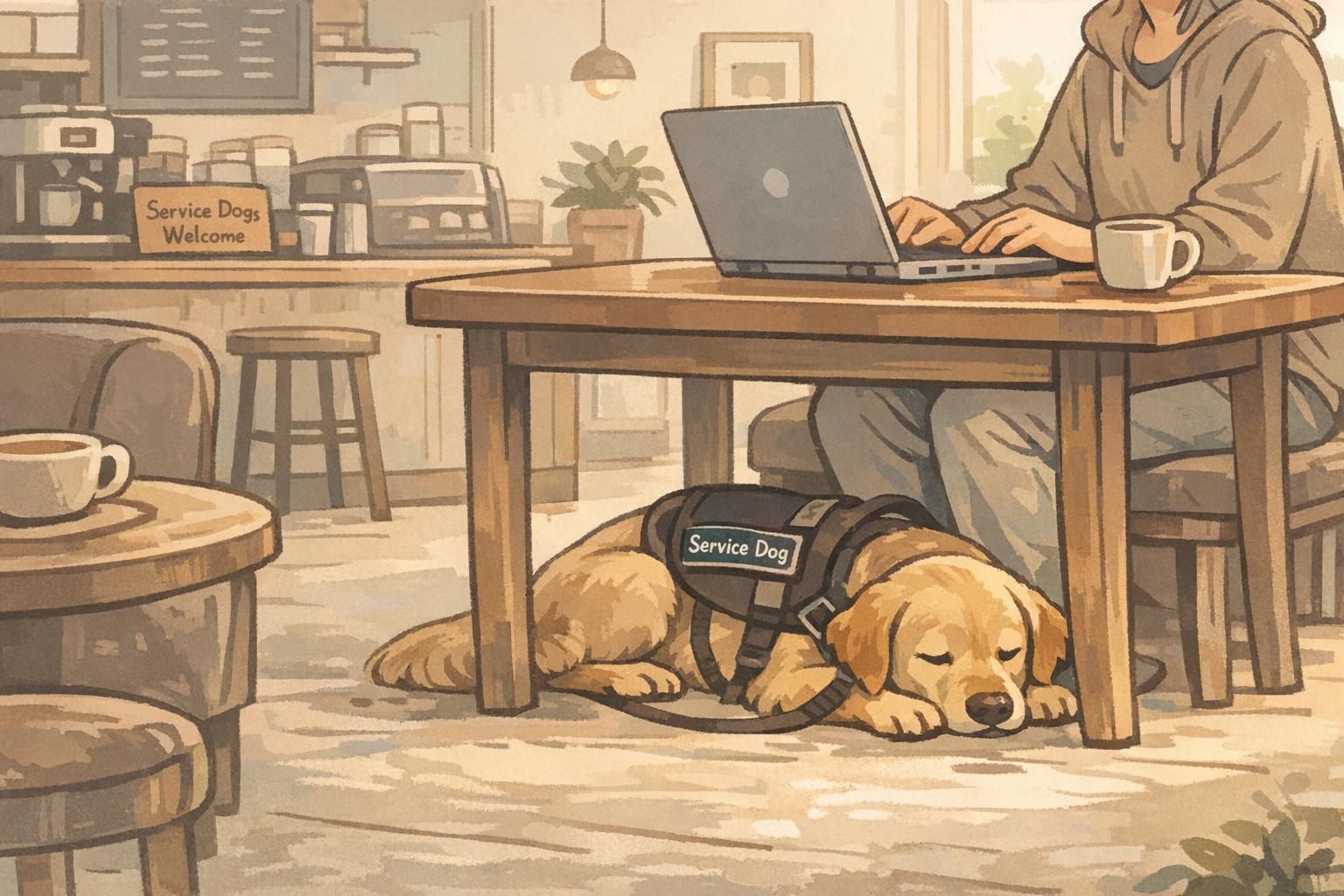
“ "The smoother my dog behaves in public, the fewer conversations I have to have. Good handling is the best ‘access tool’ there is." – Experienced handler”
If you’re considering an online registry, it helps to choose one that treats registration as what it is for most handlers: a practical tool for organization, identification, and smoother communication. You want clear deliverables, transparent policies, and realistic expectations.
Most registries focus on practical deliverables like an ID card, a registration number, and a digital profile that keeps your dog’s information organized and easy to share when needed.
Because optional tools can still be valuable. Many handlers prefer having consistent, professional-looking identification that helps everyday interactions go more smoothly.
Your trusted source for service animal registration. Get professional ID cards, digital profiles, and smart NFC tags to keep your service animal safe and recognized.
© National Animal Registry — All rights reserved.