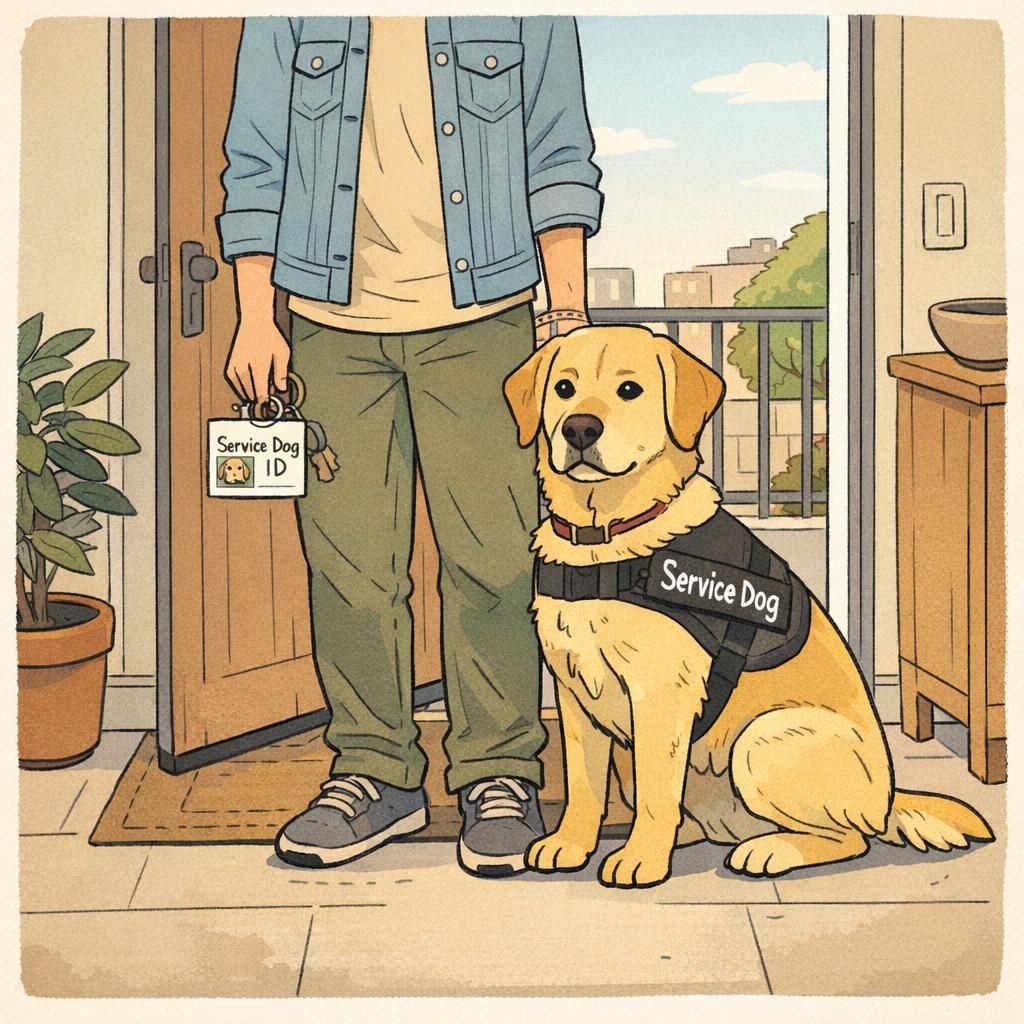
A national service dog registry is a voluntary way for handlers to document their service dog’s key details in one consistent place. In everyday life, many people simply want an organized, professional way to identify their dog and communicate clearly—especially in routine situations like entering a building, meeting new neighbors, or introducing a working dog at a workplace.
The National Service Dog Registry supports service dog teams nationwide by helping owners keep information consistent and accessible. Instead of scrambling to explain the same basics repeatedly, handlers can rely on a stable profile, clear identification options, and an approach that prioritizes calm, respectful communication.
If you’ve searched online for information about working dogs, you’ve probably seen several terms used interchangeably—sometimes correctly, sometimes loosely. The good news is you don’t need perfect wording to be an excellent handler. Still, understanding the common language can help you communicate confidently.
In everyday conversation, “service dog” typically means a dog trained to perform specific tasks that help a person with a disability. The phrase “service animal” is often used as a broader category, but in many contexts it still points back to the same core idea: an animal (most commonly a dog) that does trained work or tasks to assist a person with a disability.
You may also see “assistance dog,” which is a widely used umbrella term in some communities and countries. People often use it to refer to guide dogs, mobility dogs, psychiatric service dogs, medical alert dogs, and other working dogs that assist with daily living.
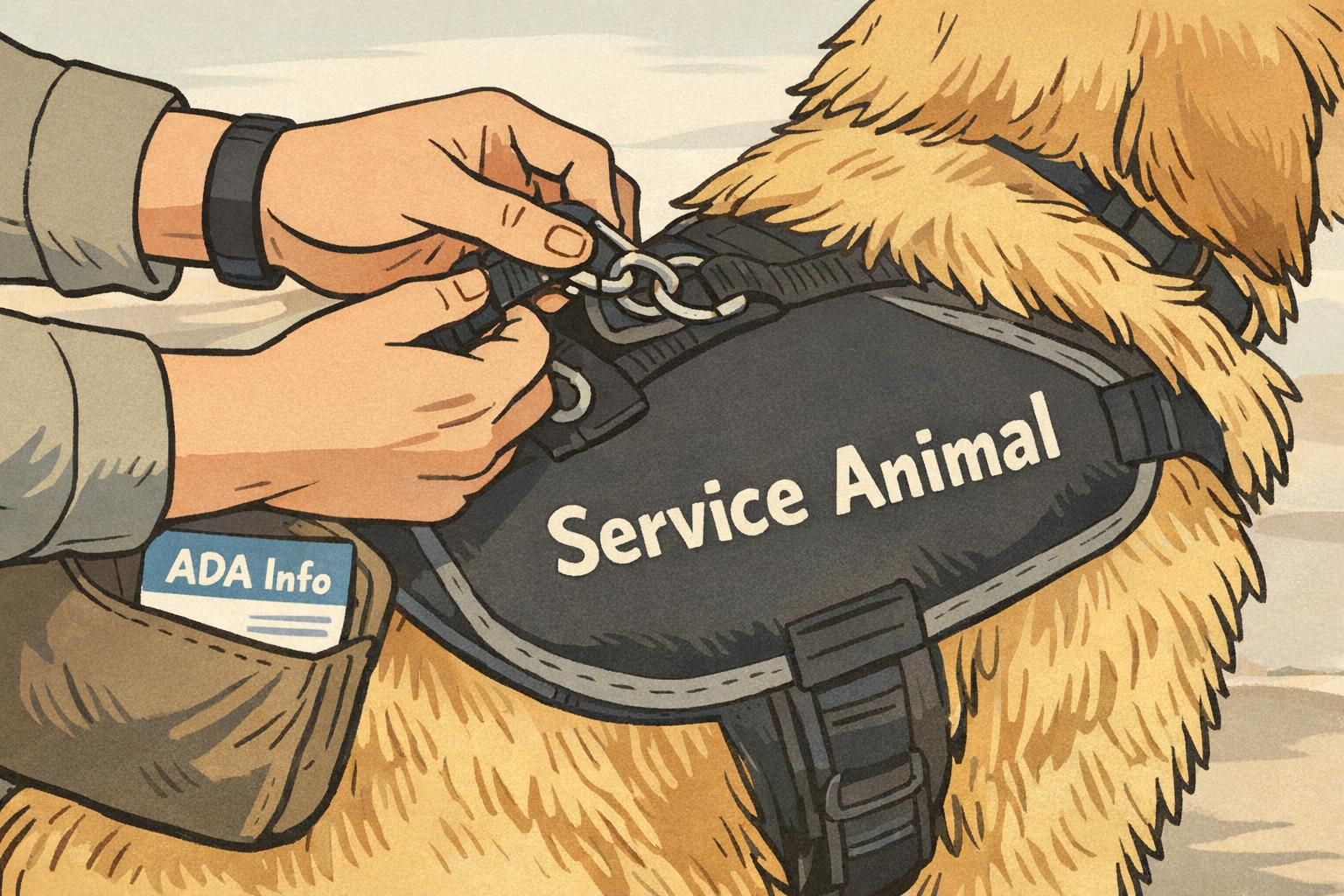
For many handlers, the biggest day-to-day challenge isn’t the dog’s behavior or training—it’s navigating public misunderstandings. Having a basic, practical grasp of ADA public access rules can help you feel calmer and more prepared.
Under the ADA, public access rights come from whether the dog meets the ADA definition of a service animal and whether the dog is under control and housebroken. The ADA does not require service animals to be certified, registered, or carry documentation for public access. This point is frequently misunderstood, which is why it helps to know the exact wording and expectations from a reliable reference like the ADA’s own FAQ page: source.
At the same time, many handlers still choose to carry clear identification and maintain a consistent profile because it can reduce confusion in real-world conversations. While not required, optional documentation tools can make everyday interactions smoother—particularly when staff members are unfamiliar with the rules or when you want to keep the moment brief and professional.
For quick, respectful communication, some handlers keep simple educational materials on hand. If you prefer a tidy way to share the basics during a misunderstanding, consider ADA law handout cards for simple, professional conversations.
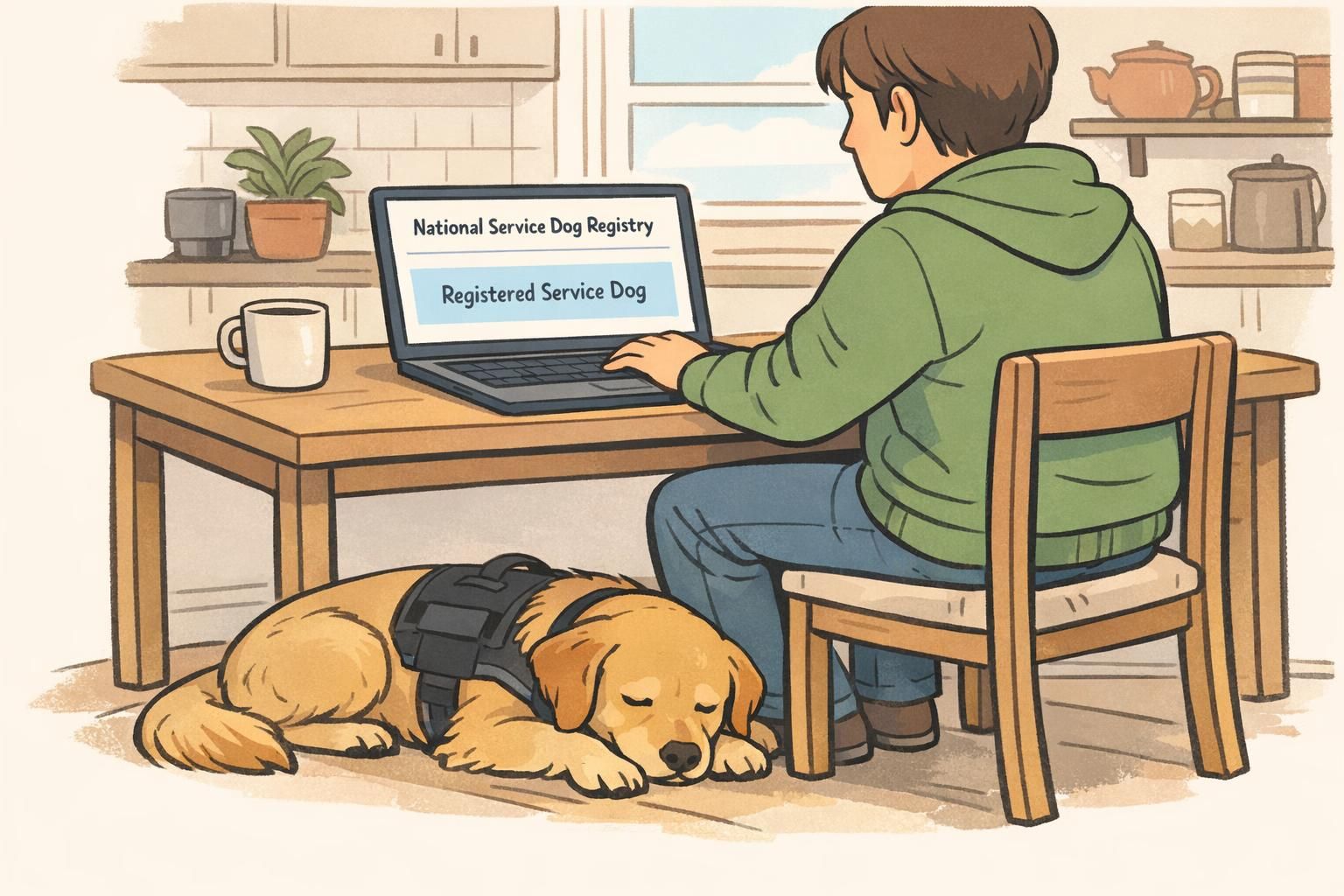
Voluntary registration is often less about “permission” and more about organization and clarity. Many handlers appreciate having a single, consistent place for their service dog’s information—especially if they travel, move, change jobs, or simply prefer structured records.
Registration can also support accountability in the way it encourages handlers to keep details consistent and up to date. A unique registration number and a stable profile can help you present a professional, prepared presence—useful in everyday situations where you’d rather spend your energy on your day, not on explaining your dog.
“ "Having everything in one place made introductions easier—especially at our new building. I didn’t need a long explanation every time." – Service dog handler”
Handlers’ needs don’t stop at state lines. Whether you’re commuting, visiting family, relocating, or traveling for work, it helps to have a central hub where your service dog’s information is consistent and easy to access.
A registry can support owners nationwide through practical features like free voluntary registration, a searchable lookup/verification tool, and educational resources that help handlers understand service dog types and general public access expectations. If a handler chooses to share their registration, a lookup tool can confirm a profile quickly and reduce uncertainty in routine situations.
Many people also prefer a digital option they can pull up on the spot—especially when they don’t want to hand over a physical card or when they’re traveling light. If you like the idea of having your information ready from your phone, consider a custom digital Service Dog ID for instant, on-the-go access.
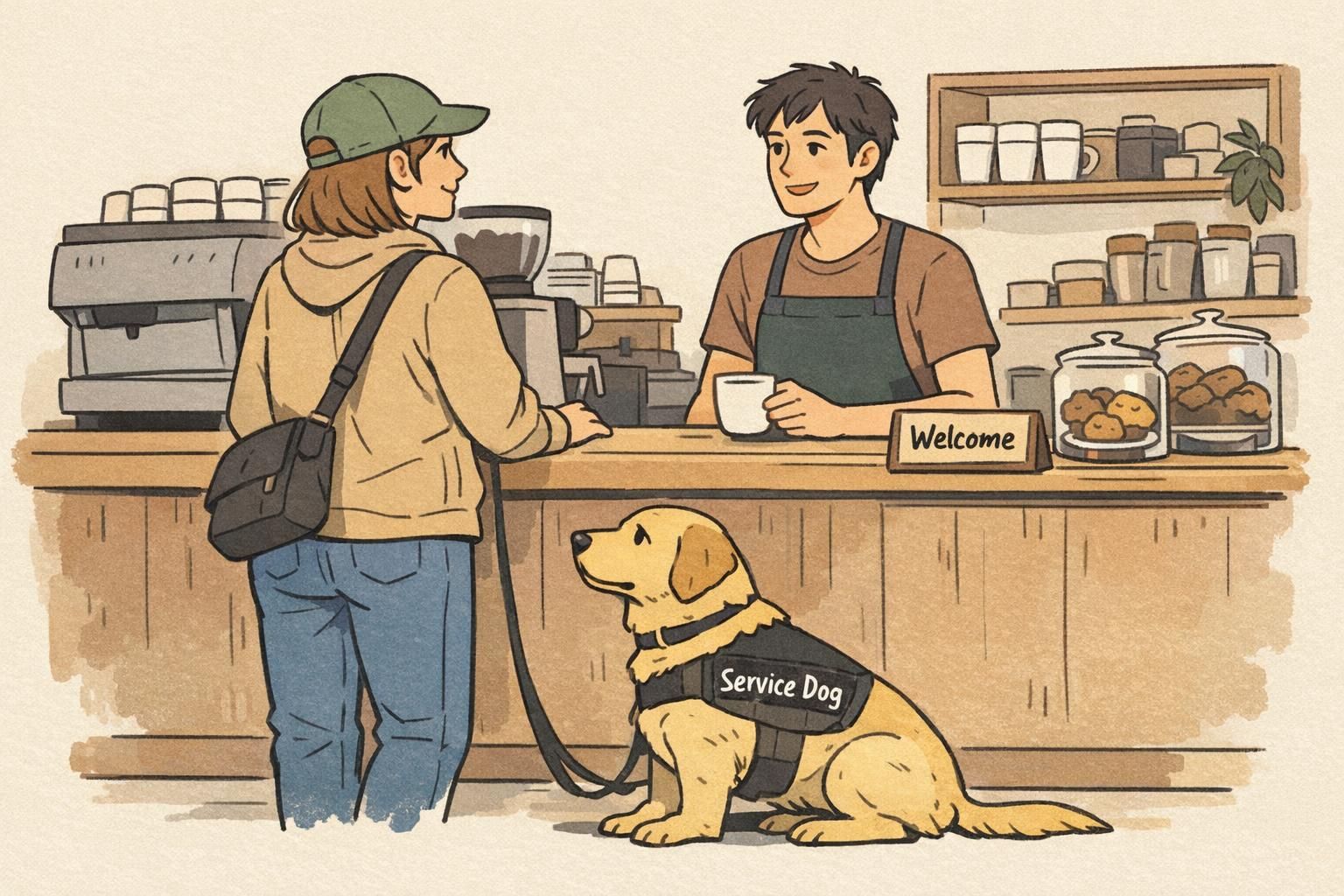
Different handlers prefer different tools—because daily life looks different for everyone. Some people want a quick visual ID for routine errands. Others prefer a digital profile they can share when they choose. Many like having both, plus a certificate for organized recordkeeping.
Printed IDs are often helpful for quick, low-effort identification. Digital profiles can be useful when you want a shareable page that matches your registration details. Certificates can be a clean way to keep your records organized at home, in a folder, or with other important paperwork.
If you’d like a balanced option that combines a physical card with online access, consider a customizable printed Service Dog ID with a matching digital page.
Many handlers choose to carry one for convenience, but public access is based on whether the dog meets the service dog definition and is appropriately behaved. IDs can be a practical tool to make routine interactions quicker and calmer.
It depends on your routine. Digital profiles are easy to access on the go and simple to share when you choose. Printed cards are quick for in-person moments. Many handlers prefer a combination.
Even well-trained service dog teams can run into awkward moments: a staff member who is unsure of the rules, a well-meaning stranger who distracts the dog, or someone who assumes all working dogs have the same gear or paperwork. A few simple communication habits can keep these moments brief and respectful.
The goal usually isn’t to “win” a debate—it’s to move forward with as little stress as possible while keeping your dog focused on work. Staying calm, using short answers, and having optional materials available can make a noticeable difference.
“ "The biggest change for me was practicing one calm sentence. When I stopped overexplaining, most interactions became quick and normal." – Service dog handler”
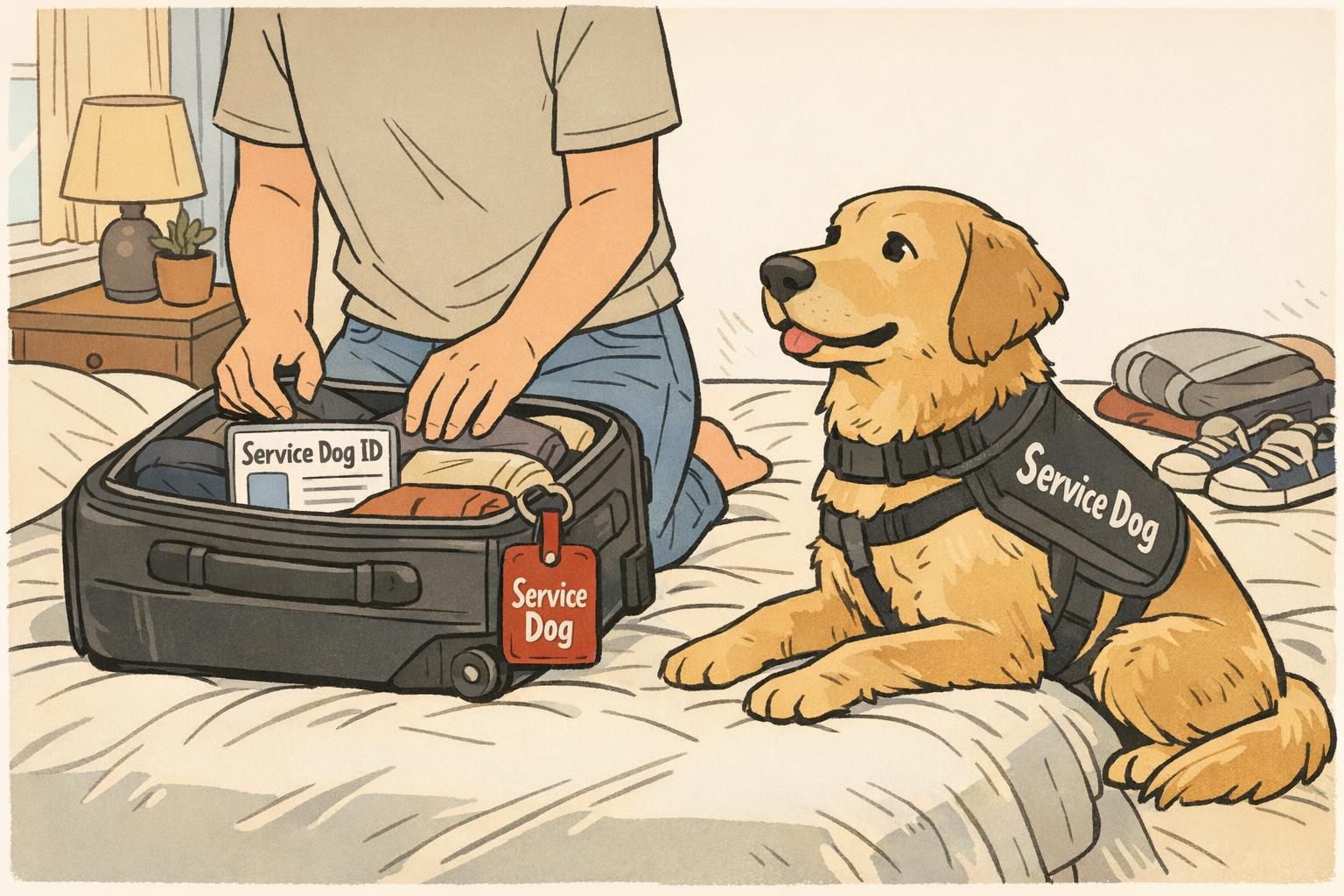
Housing and travel can feel more complicated than day-to-day public access because processes and expectations can vary by situation, provider, and location. That’s where organization really pays off. When you have your service dog’s details consistent and easy to access, requests and planning tend to feel more predictable.
For travel, it often helps to plan ahead, keep your dog’s information and identification easy to reach, and build a small routine for packing and preparation. If you want more tips for planning smoother trips with your working dog, see traveling with a service dog.
If you’re frequently on the move or prefer an all-in-one option for better travel readiness, consider a travel-focused service dog registration package for handlers on the move.
Registering is designed to be straightforward and handler-friendly. Most teams start by creating a profile, entering their dog’s key details, and selecting the identification options that fit their routine. Some handlers prefer digital access only; others like printed items for daily errands; many choose a combination.
Once registered, the most important habit is keeping your information current. If you move, change contact information, update your dog’s appearance details, or adjust the way you describe your service dog type for clarity, updating your profile helps keep everything consistent across daily life.
If you want a simple, everyday starting point that includes core identification tools, consider a starter registration package for everyday identification.

Registration is designed to be accessible and straightforward. Many handlers register to stay organized and to have consistent identification tools for everyday clarity.
Any time something important changes—like your contact info, address, or the details you rely on for identification. Keeping your profile current helps maintain consistency in day-to-day use.
Your trusted source for service animal registration. Get professional ID cards, digital profiles, and smart NFC tags to keep your service animal safe and recognized.
© National Animal Registry — All rights reserved.