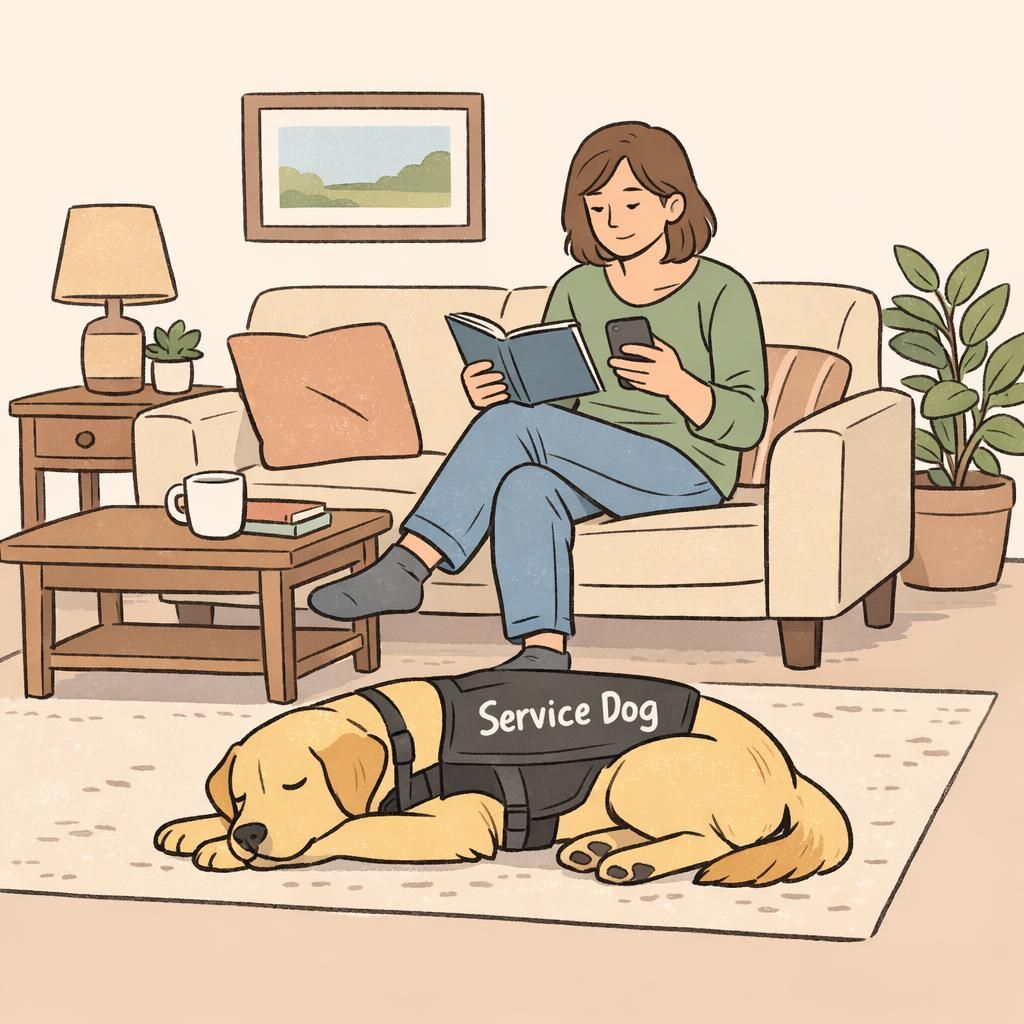
When people talk about a “national service dog registry,” they’re usually referring to a private, voluntary listing that helps keep key handler-and-dog details organized in one secure place. Think of it as a practical way to consolidate identification-style information—so you’re not searching through emails, photo albums, or multiple documents when you need to reference your dog’s details quickly.
In everyday life, registries are most commonly used as convenience tools. They can help you present consistent information in routine interactions and keep your records tidy for situations where planning and preparedness matter. Many handlers like having a single “home base” for their dog’s name, photo, basic descriptors, and preferred contact information—especially when they’re balancing appointments, errands, travel, and the day-to-day responsibilities of working with a trained service dog.
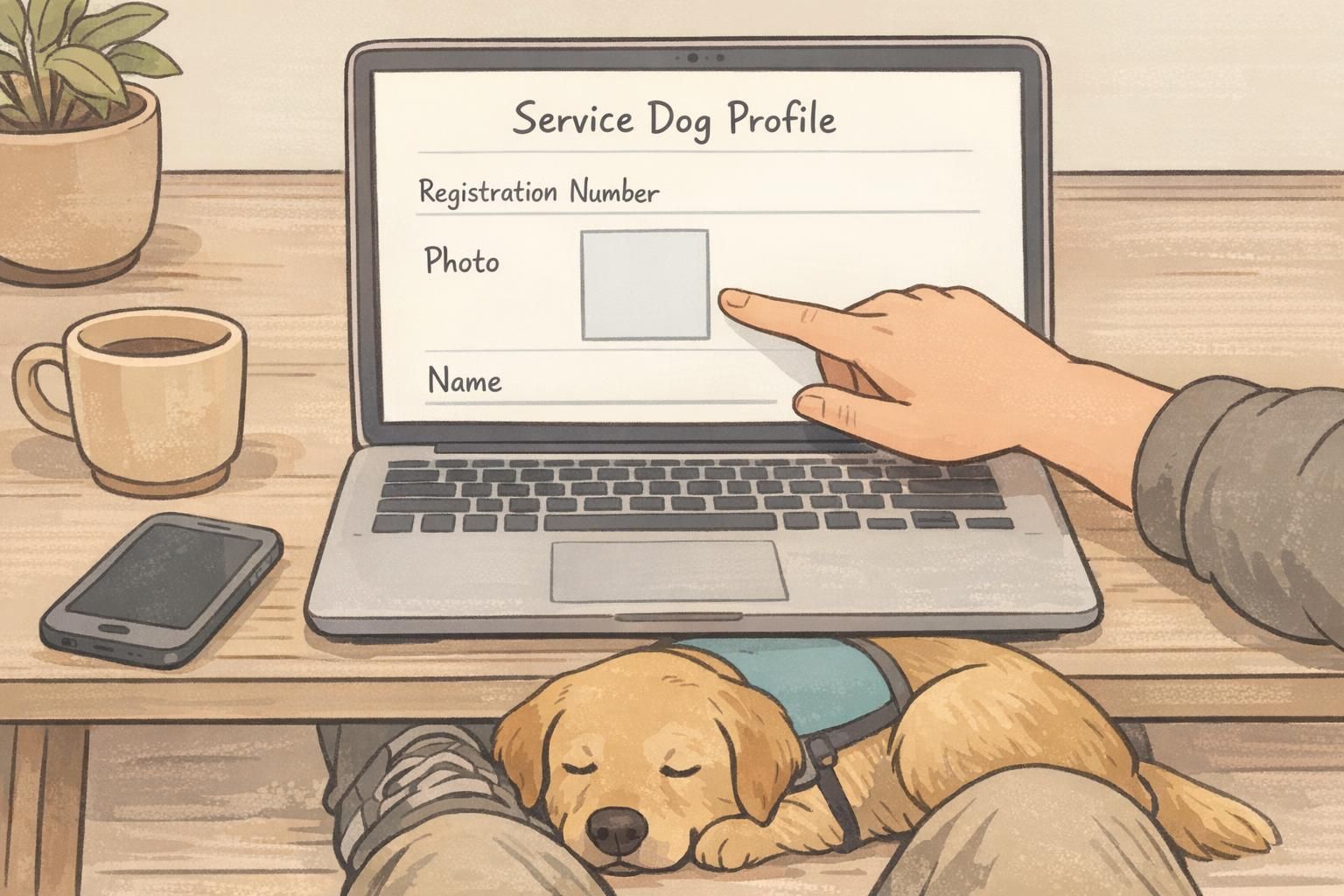
One of the most useful features in a service dog registry is a unique registration number paired with a secure digital profile. The benefit is simple: when you’re asked for basic information—or you need to share it with a family member, a caretaker, or a travel companion—you can reference one consistent profile rather than rewriting the same details again and again.
A well-built digital profile typically includes a clear photo, your dog’s name, basic descriptors, and handler contact preferences (for example, the best way to reach you if your dog is separated from you). It can also serve as a central “snapshot” of your working dog’s information—helpful when you’re juggling errands, appointments, and everyday life.
If you like the idea of having a single, shareable page for quick reference, consider a custom digital Service Dog ID with instant online access—especially if you prefer keeping your information on your phone rather than carrying extra papers.
“ "Having one profile with the same photo and details saved me time. I don’t have to explain everything from scratch when I’m just trying to get through my day." – Service dog handler”
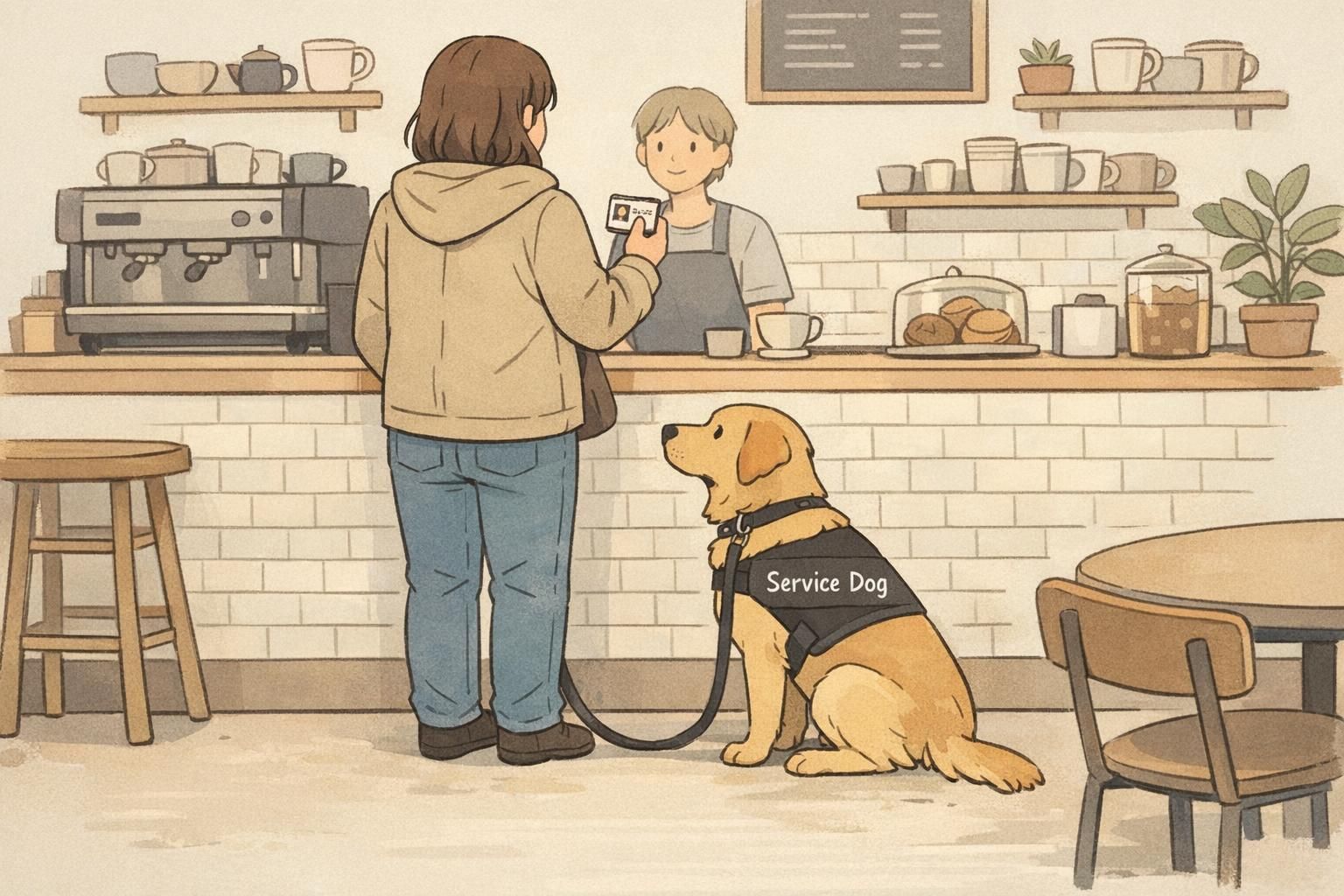
In real life, many service dog handlers find that a professional-looking, wallet-sized ID card helps everyday interactions feel smoother. It’s not about making a big presentation—it’s about having something simple, readable, and consistent ready to go if someone has basic questions or if you simply want your dog’s working status to be clear at a glance.
A good service dog ID card is designed to be easy to carry and easy to understand. Customization options matter here: a clear header for the service dog type, a photo, and key identifying details can all help reduce confusion. When you’re in a hurry—entering a building, picking up food, checking in at a counter—having an ID ready can lower the “friction” of the moment.
For handlers who want both a physical card and a consistent online presence, a customizable printed Service Dog ID card with a matching digital profile can be a convenient everyday solution.
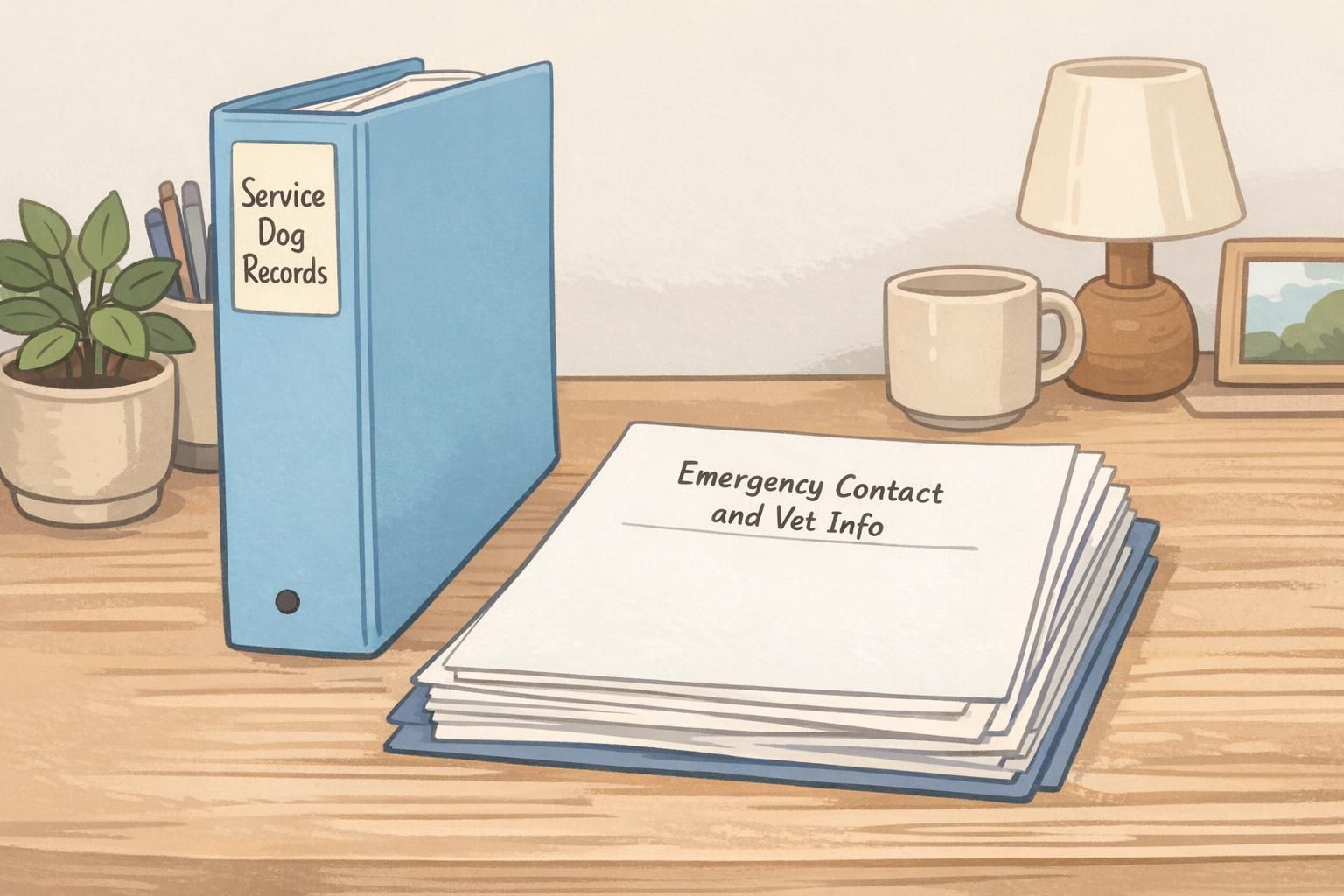
Even if you prefer digital tools, printed materials can make it easier to keep your service dog records organized at home. Many handlers maintain a dedicated folder or binder that includes consistent identification materials, emergency contacts, and general information they may want to grab quickly during a move, a schedule change, or a travel day.
Certificates and printable documentation can be especially helpful for personal organization—like creating a neat “service dog records” packet for your home files. The goal is tidy, consistent recordkeeping, not paperwork for the sake of paperwork. When everything is formatted consistently, it’s easier to locate what you need when you need it.
If you want a simple way to get core materials that match, a starter package that includes a printed ID, digital profile, and unique registration number can help you set up an organized system from day one.
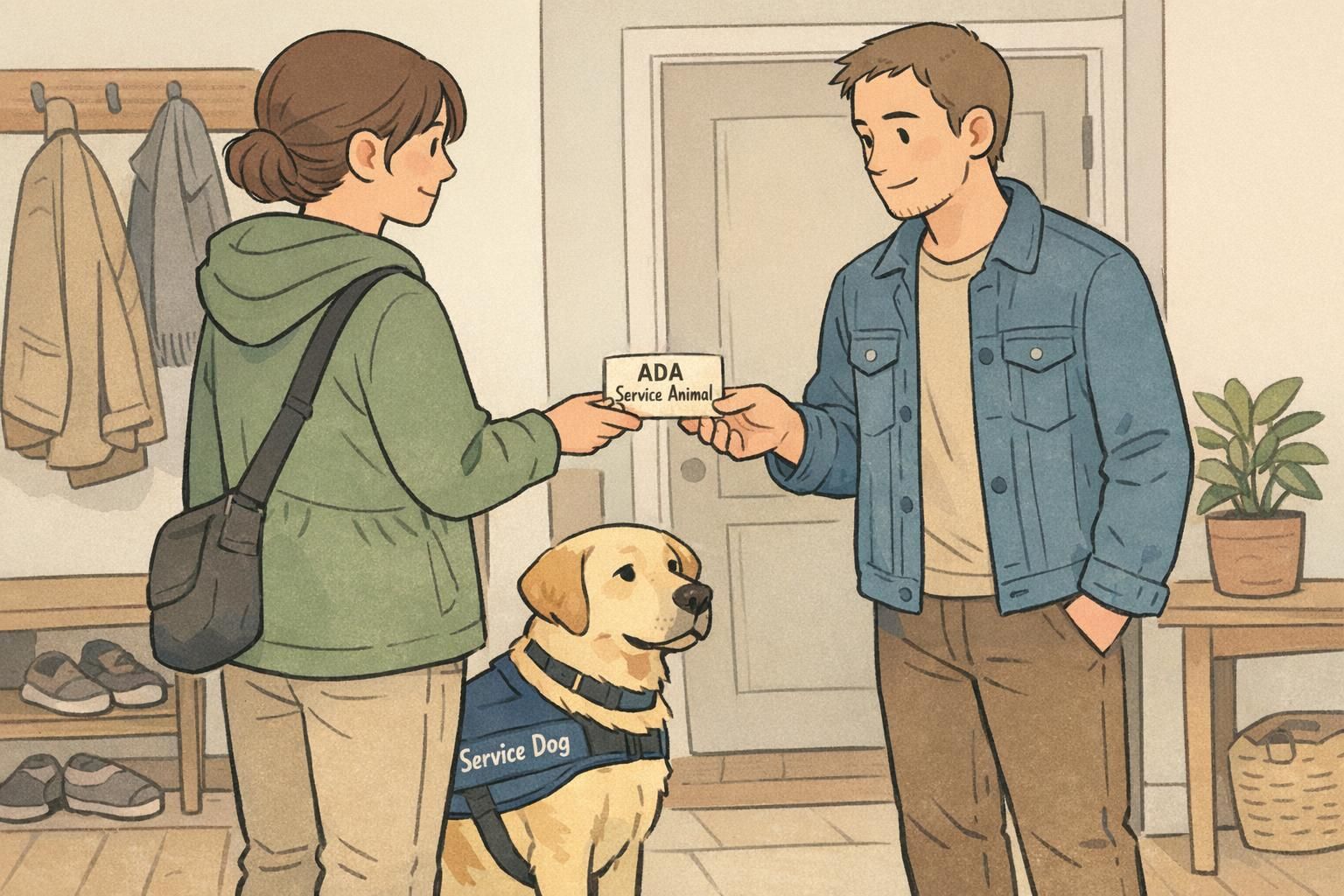
Many uncomfortable public moments aren’t really about the dog—they’re about miscommunication. In busy environments with frequent staff turnover (cafés, stores, event venues, rideshares), people may not know how to ask questions appropriately, and handlers may not have the time or energy for a long explanation.
That’s where calm, polite communication tools can help. A simple handout can guide the interaction toward respectful, predictable steps—without escalating the situation. When everyone is on the same page, it’s easier to keep the focus where it belongs: on a well-behaved, task-trained working dog and a handler simply going about their day.
Under the ADA, staff are generally limited to two questions in many public-access situations: (1) whether the dog is a service animal required because of a disability, and (2) what work or task the dog has been trained to perform. Having a brief card that summarizes this can reduce back-and-forth and keep the conversation polite.
For quick, respectful communication, ADA law handout cards for quick, respectful communication can be a practical option—especially if you want something you can hand over rather than explain repeatedly.
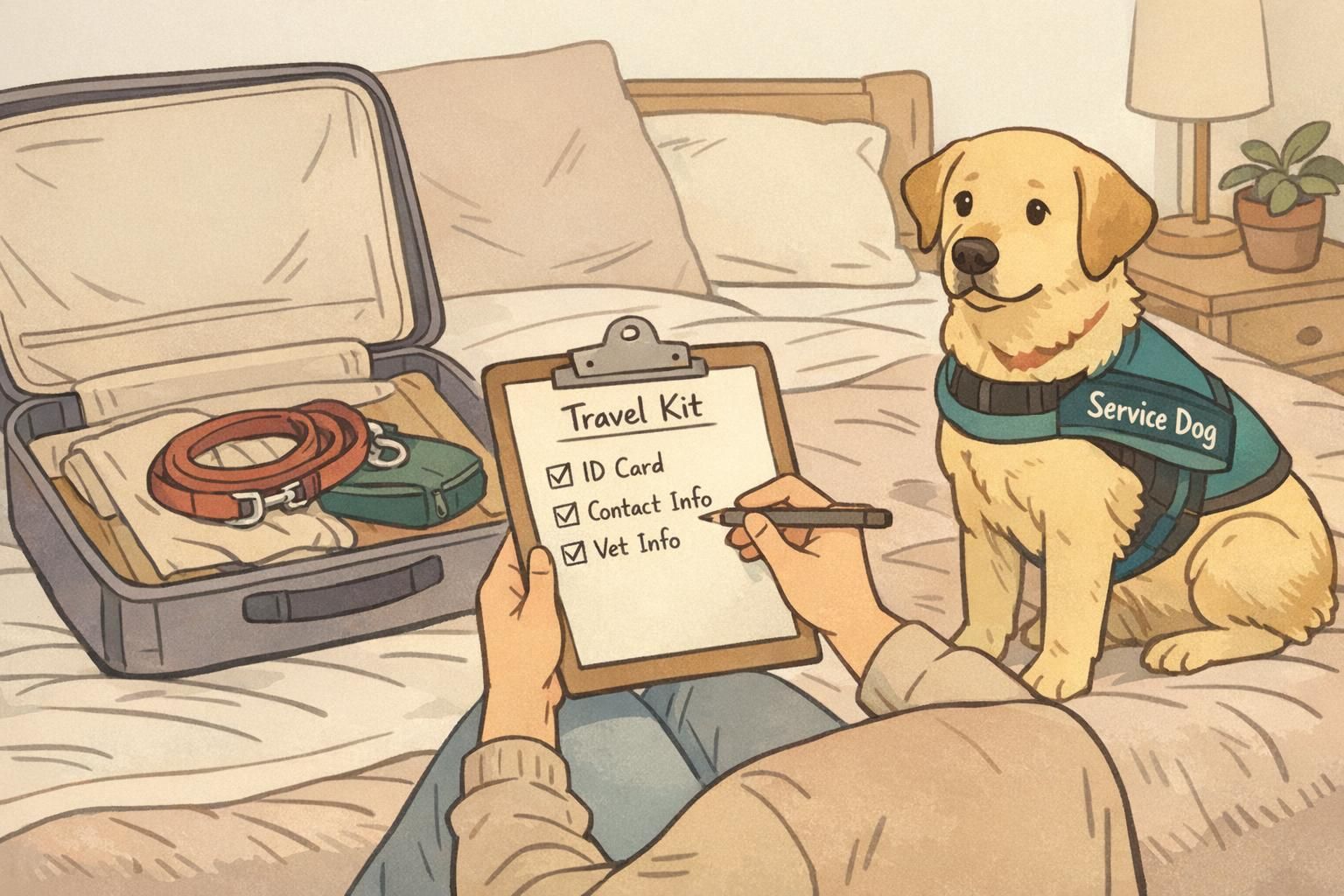
Travel tends to involve more checkpoints, more staff, and more opportunities for confusion. Even when everything is going smoothly, you may interact with multiple people in a single day—hotel front desks, transportation staff, event personnel, and more. Having consistent identification materials and a digital profile can make those interactions feel more predictable and less draining.
The most helpful approach is to think in terms of a small travel kit: a few items that keep you prepared without overpacking. Your goal is convenience—being able to pull up key details quickly if you need them, and keeping your service dog’s information consistent across what you carry.
If you’re building confidence for travel days, you may also like National Animal Registry’s guidance on traveling with a service dog.
For handlers who want a coordinated set of materials designed with travel in mind, a travel-focused registration package with digital and printed identification can help keep everything consistent and ready to go.
Most handlers don’t want “more stuff.” They want the right materials for the situations they actually face—without mismatched formats, repeated orders, or scattered details. That’s why bundles are popular: they group together the items that tend to be used together, so your information stays consistent and your routine stays simple.
Different bundle types fit different lifestyles. Someone who mainly needs everyday carry may prefer a streamlined setup. A handler planning a move might focus on organized printed records. Frequent travelers often want both digital access and portable, durable items. And some handlers simply prefer an all-in-one package so they can be ready for whatever comes up next.
If you want a comprehensive, consistent set in one place, a complete all-in-one service dog registration package is designed to cover everyday needs plus travel and organization in a coordinated way.
“ "Once everything matched—ID, profile, and printed materials—I felt more organized and less stressed in new places." – Service dog handler”
It’s helpful to understand the basics of the Americans with Disabilities Act (ADA) while using optional registry tools. Under the ADA, public access is based on the dog being trained to do work or perform tasks for a person with a disability. In many public-access situations, businesses generally may not require registration, certification, or documentation as a condition of entry. For the most accurate, up-to-date details, review the ADA’s service animal guidance here: source.
At the same time, many handlers still choose to use registry tools—like digital profiles, IDs, and communication cards—because they can make real-world interactions easier. These tools can support clearer, calmer conversations, help keep your information organized, and reduce the need to repeat yourself in stressful moments.
Because convenience matters. A clear, consistent ID and profile can reduce confusion, help with day-to-day interactions, and support personal organization—especially during travel, moves, or emergencies.
In many public-access situations under the ADA, staff focus on whether the dog is a service animal required because of a disability and what task the dog is trained to perform. Many handlers prefer to keep personal medical details private and rely on clear, polite communication tools.
No. The foundation of successful public access is a well-trained, well-managed working dog and a handler who practices good public etiquette. Registry tools are best used as supportive, organizational extras.
Your trusted source for service animal registration. Get professional ID cards, digital profiles, and smart NFC tags to keep your service animal safe and recognized.
© National Animal Registry — All rights reserved.