If you live or travel with a service animal, public attention can become part of the routine—even on “normal” errands. People stare, smile, whisper, ask questions, and sometimes try to interact with your dog. It’s understandable if that attention feels intense or draining. You’re not only navigating a public space; you’re also managing your own needs and your animal’s focus at the same time.
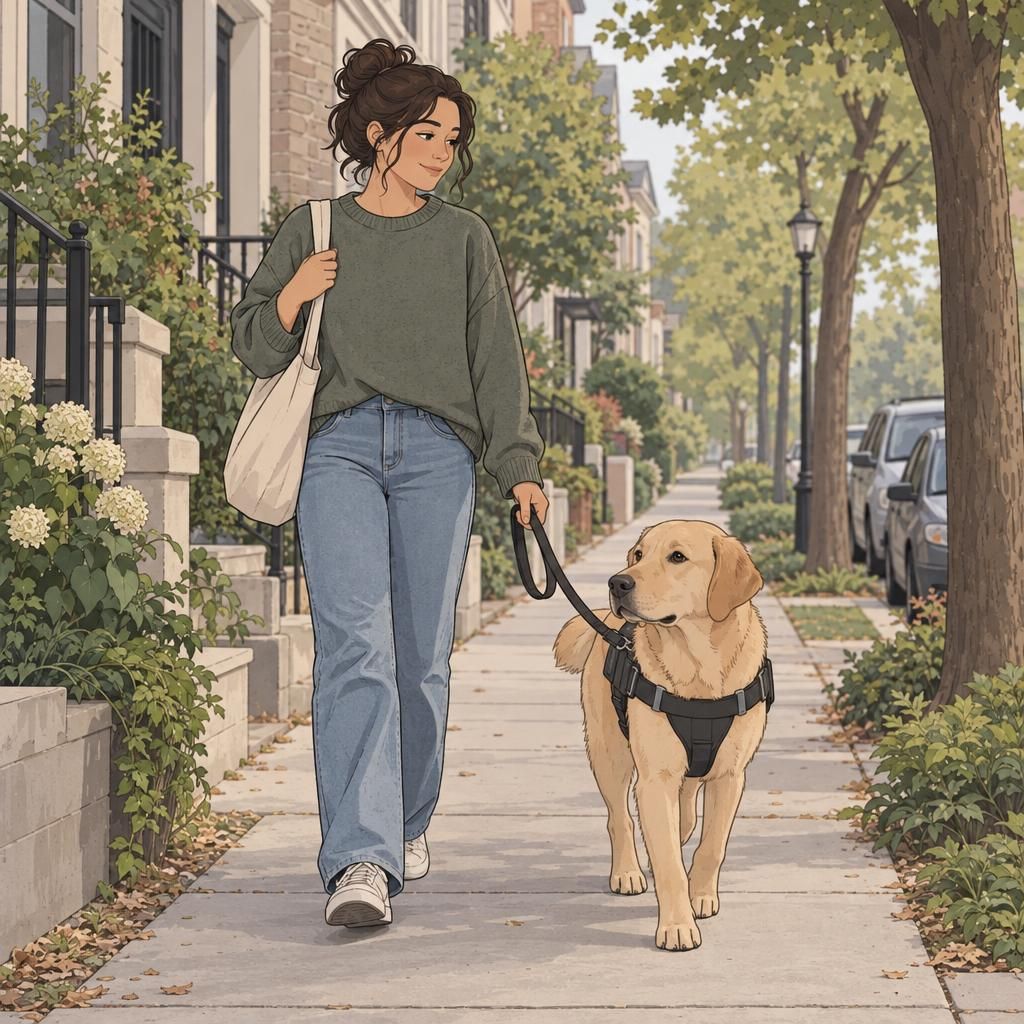
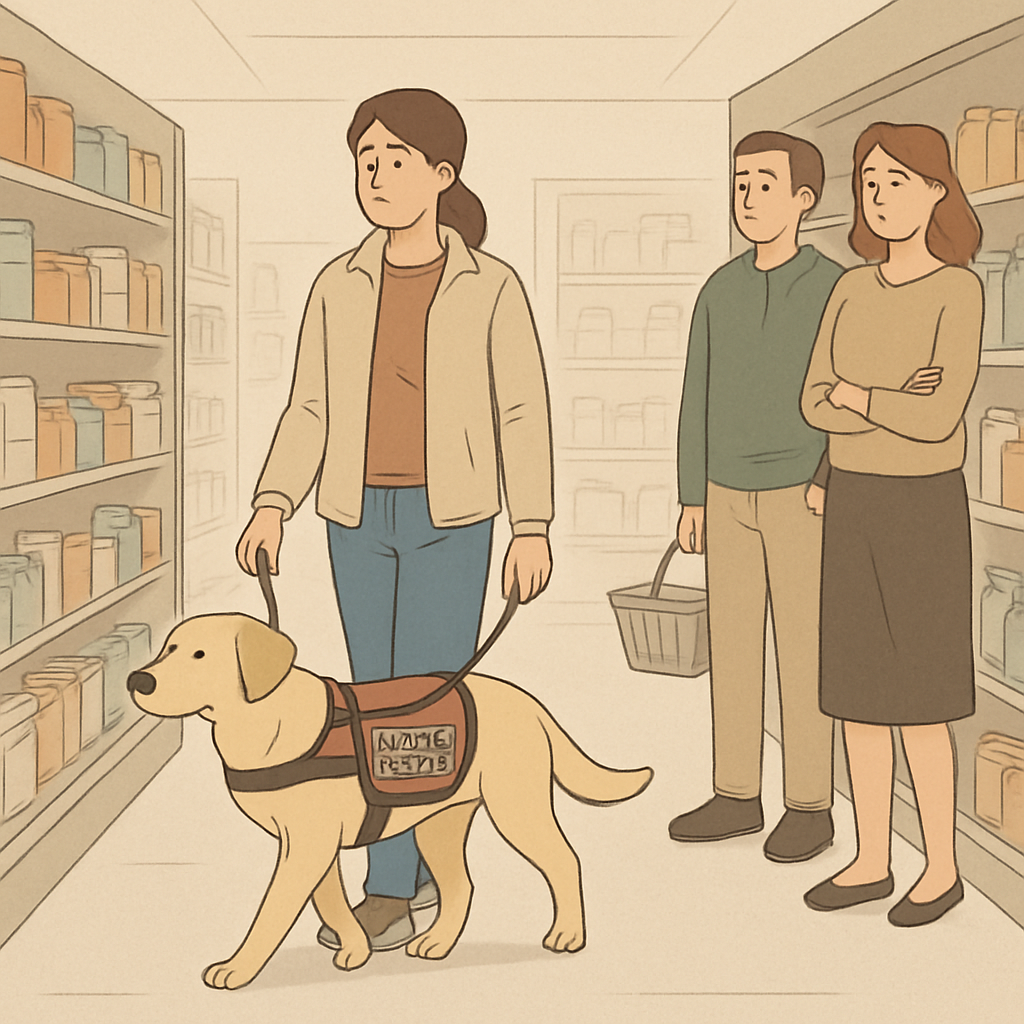
Service dog teams are highly visible. A vest, harness, or leash cues curiosity. Many people have never met a working service dog in real life, and they may not understand what “working” actually looks like. Others mean well but don’t realize that conversation, eye contact, or approaching your dog can distract your animal from an important task.
It can also feel personal because the attention is often connected to disability, health, or mental wellbeing—topics you may not want to discuss with strangers. The goal isn’t to “win” every interaction or educate every person. The goal is to stay safe, calm, and in control so you and your dog can complete the outing successfully.
A little planning can reduce the number of uncomfortable moments you face in public. When you decide ahead of time how you’ll handle interruptions, you’re less likely to freeze, over-explain, or feel pressured to be “nice” at your own expense.
Think of your plan as a flexible routine. You’re not controlling the public—you’re controlling what you can: timing, route, exits, and your responses. Over time, that predictability helps both you and your dog feel steadier.
“ "When I plan my route and my ‘exit spot’ ahead of time, I don’t feel trapped. That one change made my dog calmer too." – Service dog handler”
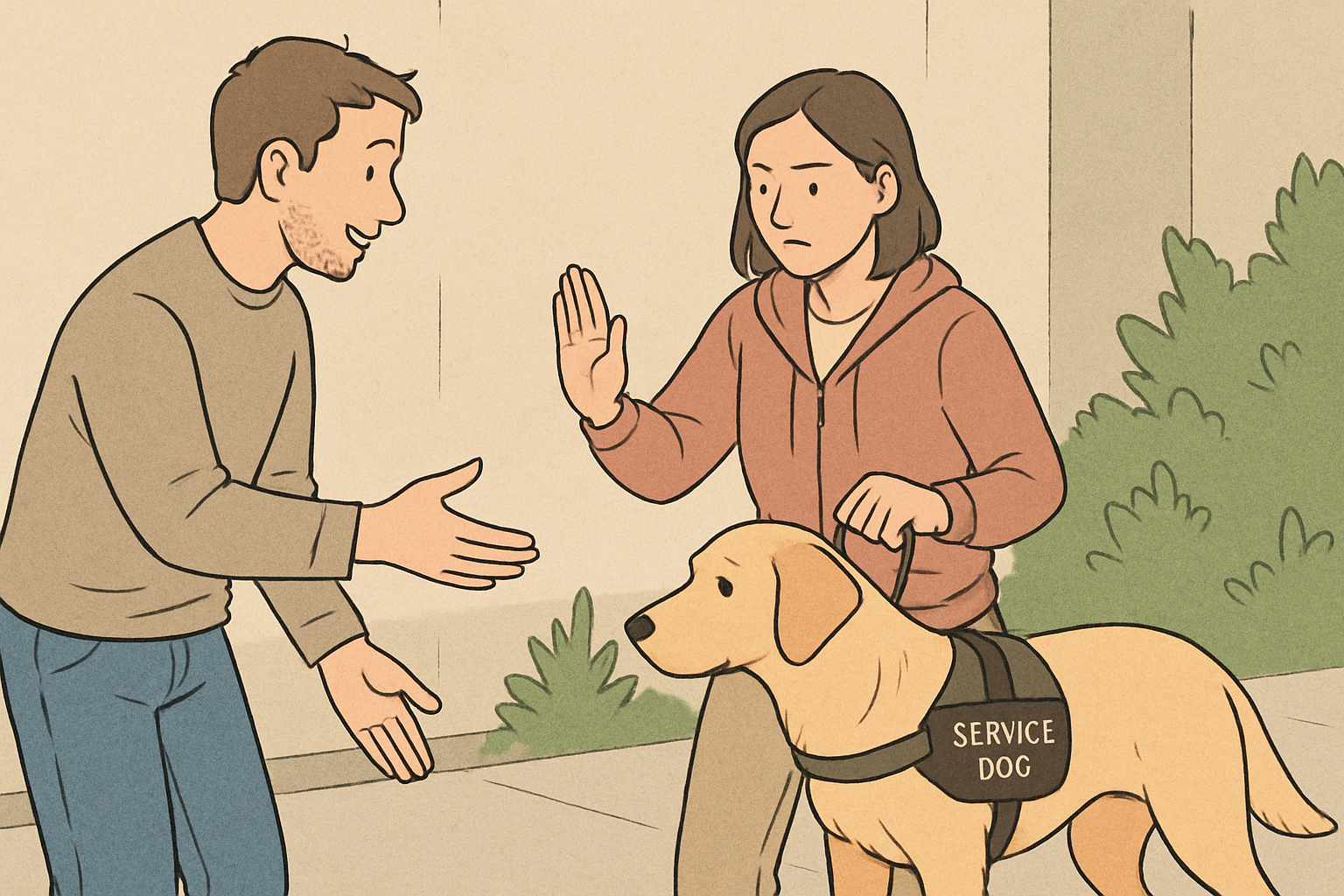
When strangers talk to your dog, lean in, or reach out a hand, it can pull your dog’s attention away from you. Your best defense is a simple routine that keeps your dog’s job clear: focus on you, stay close, and practice calm neutrality around people.
You don’t need a big, dramatic correction. Small, consistent actions—done early—often prevent bigger problems later. The moment you notice someone approaching with interest, you can quietly shift your position, ask for attention, and reward the behavior you want.
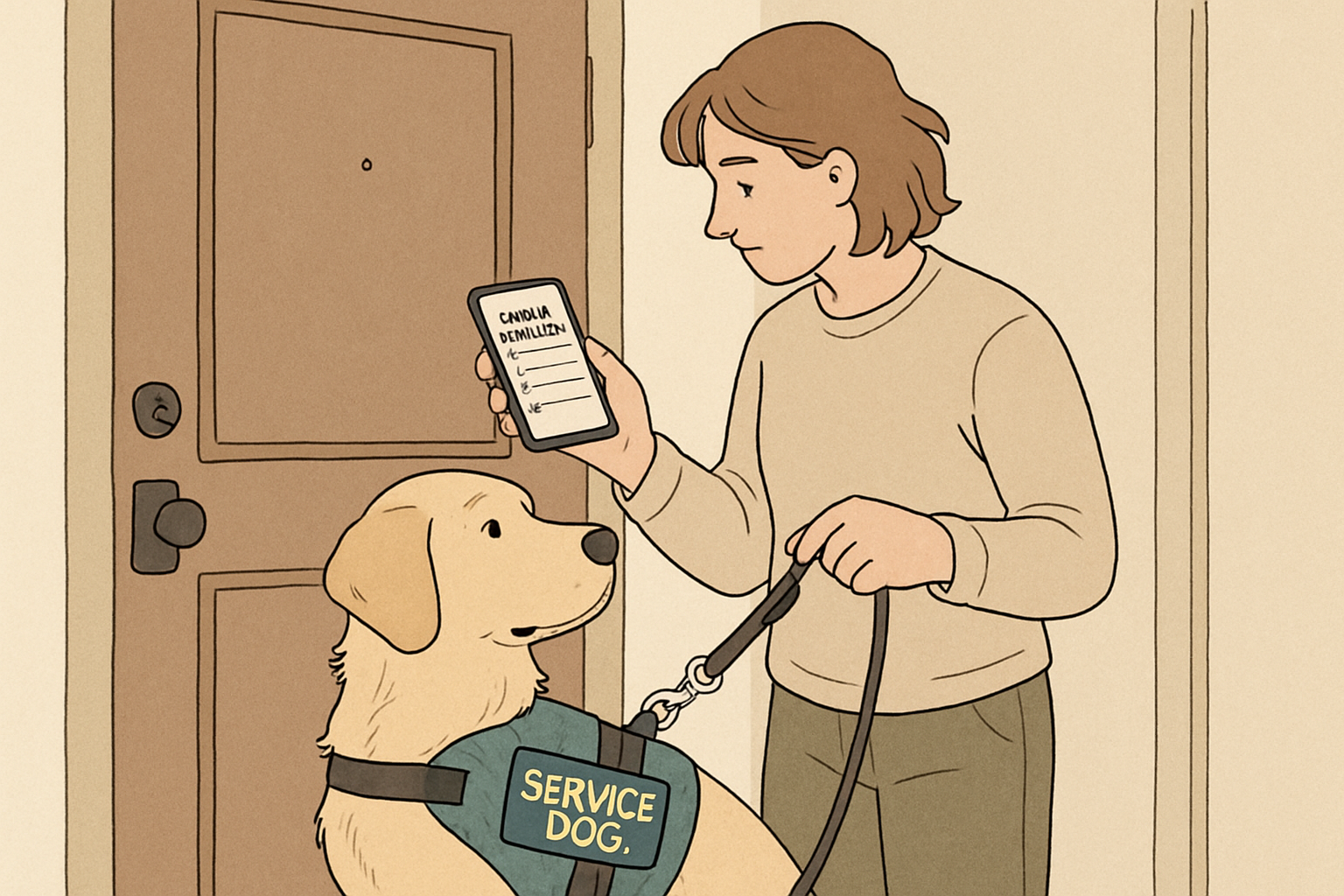
It also helps to anticipate the “friendly ambush.” Kids may run up. Adults may call your dog or lean down to make eye contact. If you can spot those moments early, you can redirect before your dog becomes the center of a small crowd.
Having a few “go-to” phrases ready can save you from feeling cornered. Scripts let you stay polite without oversharing. They also keep your tone steady, which can prevent a curious interaction from turning into a debate.
You can be kind and brief. You don’t owe strangers personal medical details, your diagnosis, or your dog’s training history. The point of a script is to end the interaction smoothly while keeping your dog working.
No. In everyday public interactions, it’s completely reasonable to keep your health private. Short, neutral phrases are often the easiest way to protect your privacy and keep the outing on track.
You can acknowledge the person while still setting boundaries: thank them, state that your dog is working, and keep moving. A calm, consistent message usually lands better than a long explanation.
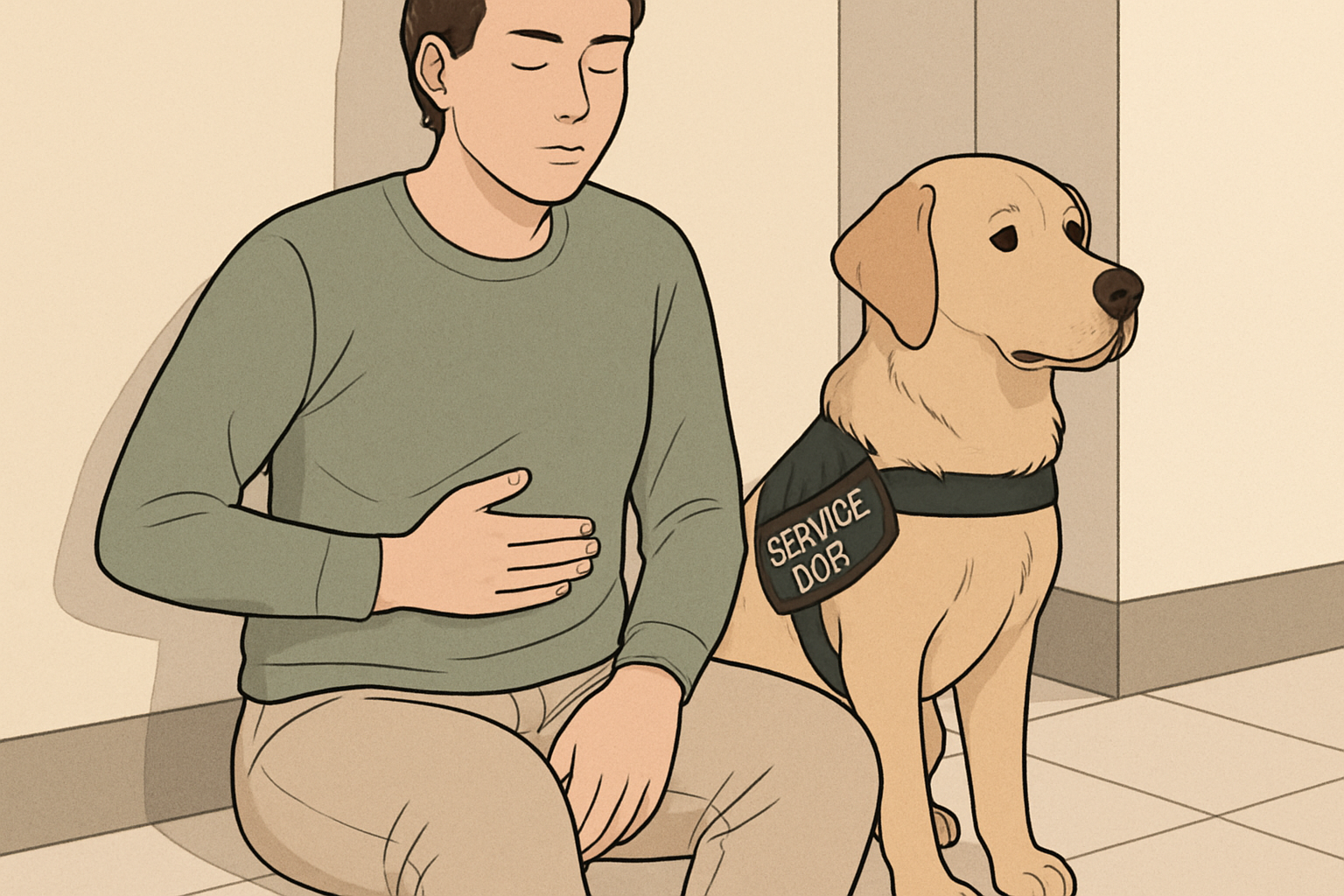
Even if your dog is steady, public attention can raise your stress level quickly—especially in loud, crowded, brightly lit spaces. When your nervous system is overloaded, it’s harder to speak clearly, remember scripts, and keep your body language calm. That’s why self-regulation tools are not “extras.” They’re part of a solid handling plan.
Sensory-management supports—like reducing noise input, taking planned breaks, and using grounding techniques—can lower overwhelm and help you stay present in public spaces (source). When you feel more regulated, you’re better able to keep the interaction brief, protect your dog from distraction, and move on without escalation.
Most people are simply curious, but occasionally an interaction turns tense: someone challenges you, tries to crowd your space, argues about rules, or repeatedly distracts your dog. In those moments, your priority is safety and speed. You don’t need to convince them—you need to end the exchange.
De-escalation can be as simple as lowering your voice, limiting your words, and moving your body in a way that creates space. Your dog will often mirror your energy, so steady, deliberate motion can help your team stay composed.
“ "My rule is: one polite answer, one repeat, then I leave. It keeps me from getting pulled into an argument." – Service dog handler”
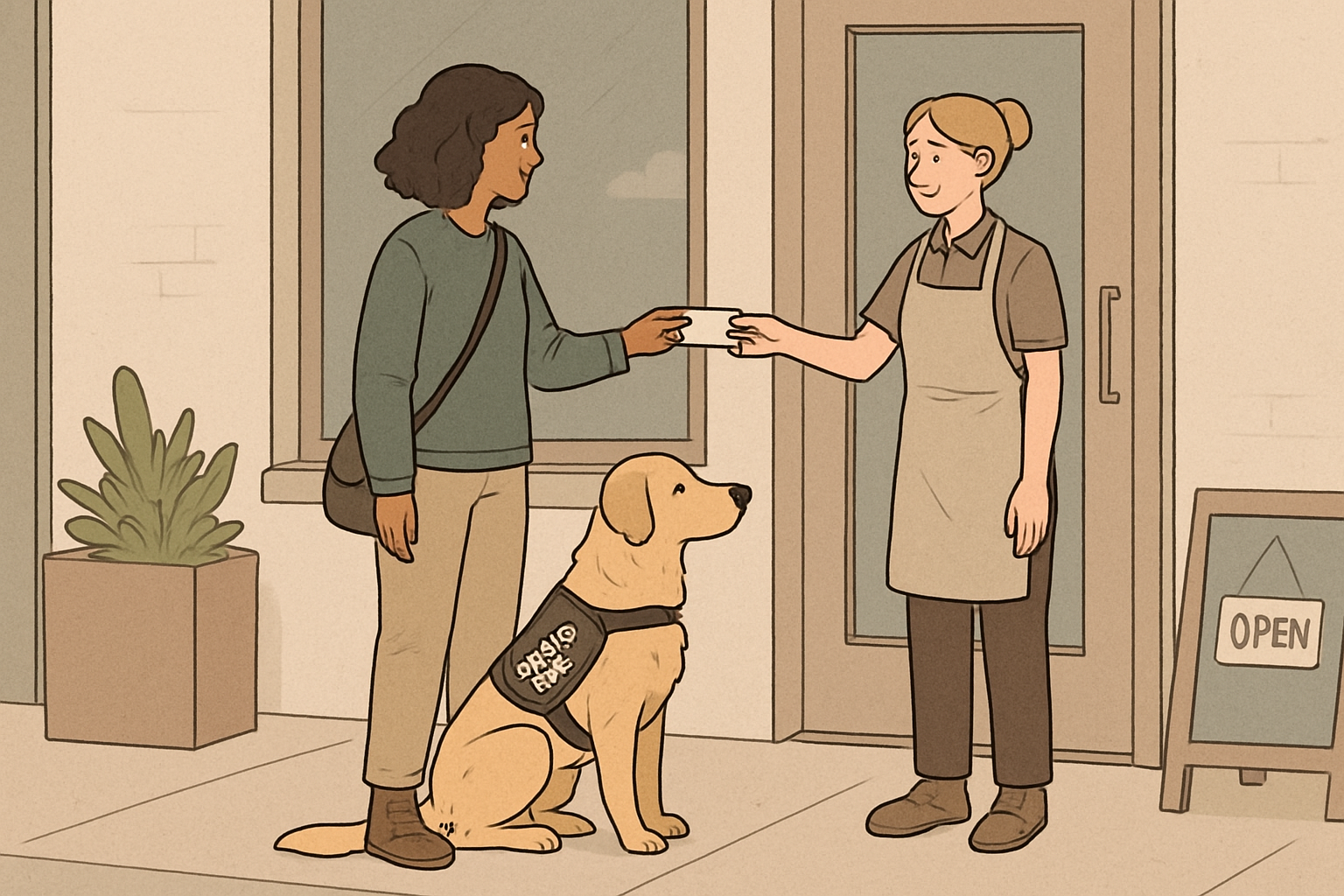
In everyday life, many handlers find that clear, professional identification can make interactions feel calmer and more businesslike—especially when you’re trying to communicate quickly. When staff, security, or other customers are unsure what they’re looking at, uncertainty can lead to extra questions or delays.
Optional service animal registration, an ID card, and a consistent set of documents can help you feel prepared and reduce repeated conversations. It can also give you a simple “show and go” option when you don’t have the energy for back-and-forth. The goal isn’t to invite attention—it’s to simplify moments that could otherwise become stressful.
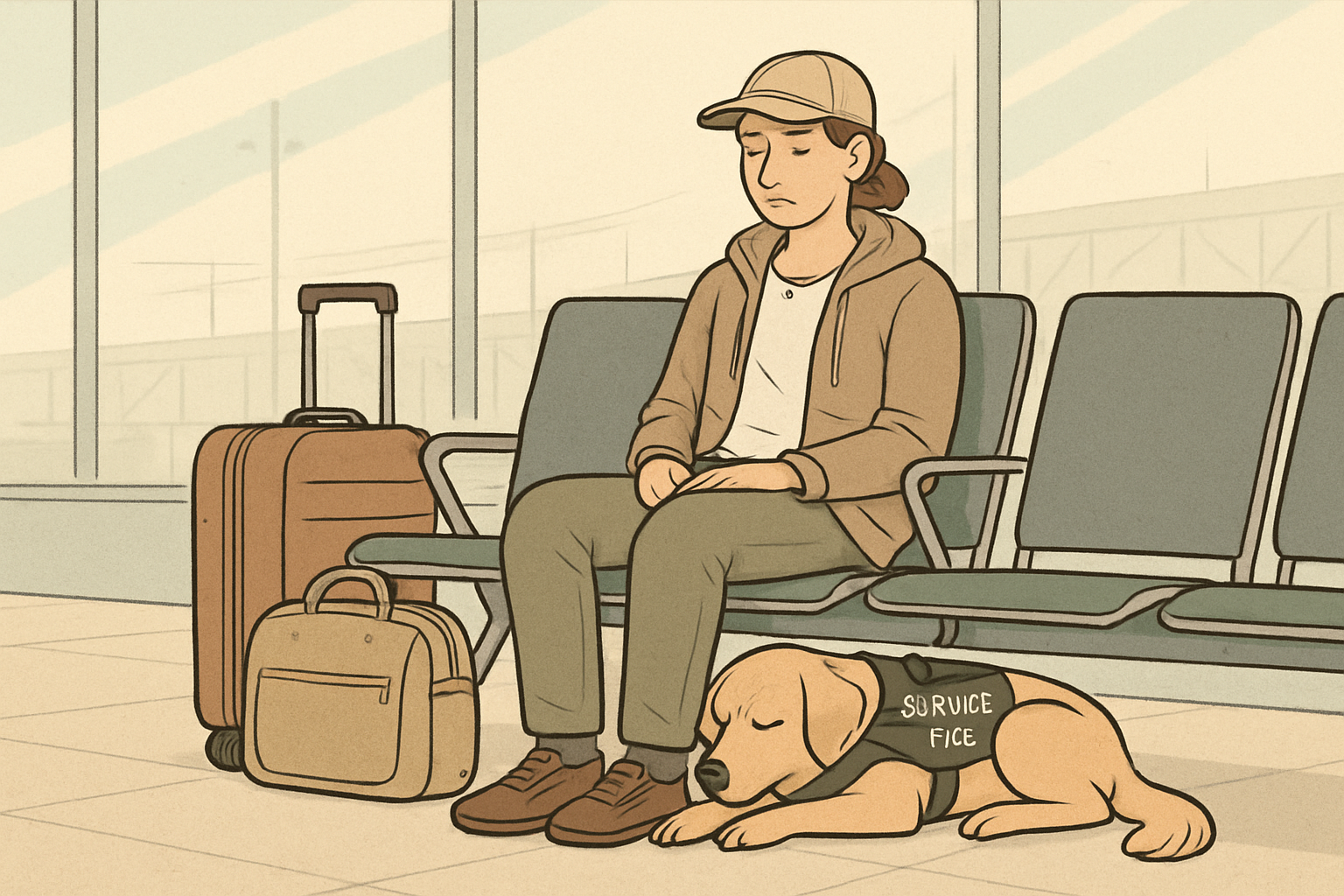
Some environments naturally generate more questions and attention: airports, hotels, rideshares, apartment buildings, and crowded events. The pace is faster, staff may be rotating, and people may feel more entitled to stop you. In these settings, a plan and consistent communication can make the difference between a smooth day and an exhausting one.
Before a high-friction outing, it helps to anticipate what you’ll need at each step—check-in, waiting areas, elevators, lobbies, and close-quarters lines. When you already know your scripts, your route, and where your dog will settle, you’re less likely to feel rushed or overwhelmed.
If you’re traveling with a service dog, it can help to review travel planning tips for service dog teams and build your own checklist for the places you visit most often. Consistency—scripts, positioning, breaks, and having your documentation easy to access—helps busy-day interactions stay shorter and calmer.
Confidence in public usually isn’t a single breakthrough—it’s repetition with support. Practice outings give you a low-stakes way to refine your timing, scripts, and handling skills. The goal is to start where success is likely and build upward as your comfort increases.
Try short trips where you can leave easily: a quick pharmacy stop, a calm coffee shop, or a quiet corner of a larger store. Each time you practice, you learn what triggers attention, what helps your dog stay focused, and what helps you feel grounded.
Keep it simple: where you went, what drew attention, how your dog responded, and what helped. Over time you’ll see patterns that make planning easier.
Leaving early can be a smart decision. It protects your dog’s training, prevents stress from stacking, and helps you end the outing before a difficult moment becomes a bigger issue.
Your trusted source for service animal registration. Get professional ID cards, digital profiles, and smart NFC tags to keep your service animal safe and recognized.
© National Animal Registry — All rights reserved.