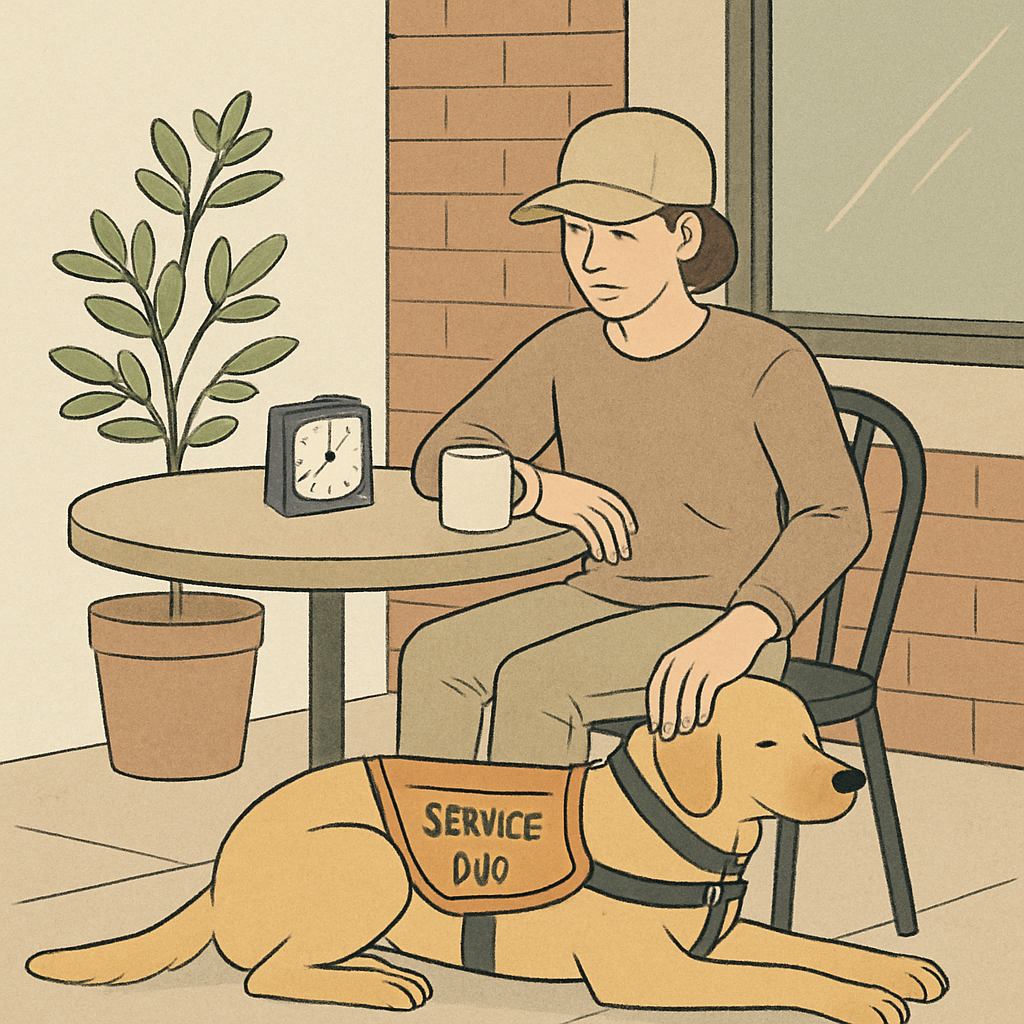
Service dog work is a long game. The goal isn’t to prove something every day—it’s to build a partnership that stays steady through normal life: errands, appointments, visitors, schedule changes, and the occasional tough day.
Burnout can happen when training (or working) becomes too intense, too repetitive, or too constant without enough recovery. For handlers, burnout often looks like dread before outings, pressure to be “perfect,” or the feeling that every public trip must include formal drills. For dogs, burnout can show up as reluctance to gear up, slower responses, “checking out,” or stress that builds over time.
The good news: consistency usually beats intensity. A few well-chosen, low-pressure maintenance sessions each week can preserve the skills that matter most—calm behavior, responsiveness, task reliability, and confidence—without making life feel like a permanent exam.
Burnout rarely appears overnight. It often starts as small changes that are easy to dismiss—until a team hits a bigger setback. Noticing early trends helps you make small adjustments (shorter sessions, easier environments, more rest) before motivation and confidence drop.
It can help to remember that “burnout” isn’t a moral failure or a sign your dog can’t do the job. It’s feedback. It’s your team’s way of saying the current pace, environment, or expectations need a reset.
A training gap tends to be specific (one skill or environment). Burnout often shows up as a broader change in attitude: less enthusiasm, more stress, and reduced resilience across several situations. When in doubt, scale back for a week and see whether motivation and ease improve.
Yes. Handler stress can build quietly—especially when juggling health, access challenges, and everyday responsibilities. A simpler plan and smoother communication tools can make maintenance feel doable again.
Think of training like load management: you’re balancing real life demands with skill-building. The safest way to progress is to change one variable at a time so your dog can stay successful and confident.
Variables you can adjust include: duration (how long), distance (how far), distraction level (how busy), difficulty (how precise), and novelty (how new the place is). If you increase two or three variables at once—longer time, busier place, higher precision—you can accidentally overload your team.
For long-term reliability, distributed practice is your friend: small refreshers repeated over time. Many service dog teams maintain skills best with 5–15 minute sessions sprinkled through the week rather than long, exhausting drills.
Short sessions are also easier to fit into normal life, which means you’re more likely to do them consistently. Clear expectations, quick feedback, and stopping while your dog still wants more can keep motivation high and reduce overload—similar to how structured “on-the-job” learning improves engagement in other training contexts (source).
“ "When we switched from ‘big training days’ to little refreshers, my dog stayed happier—and I stopped feeling like I was behind all the time." – Service dog handler”
Monotony is a quiet burnout trigger. If every session looks the same—same place, same drills, same pace—many dogs (and handlers) start to disengage. Variety keeps training interesting while still reinforcing the same core skills.
“Choice” can be part of this, too. Choice doesn’t mean your dog runs the session; it means your dog gets predictable patterns and occasional options that make work feel safe and controllable.
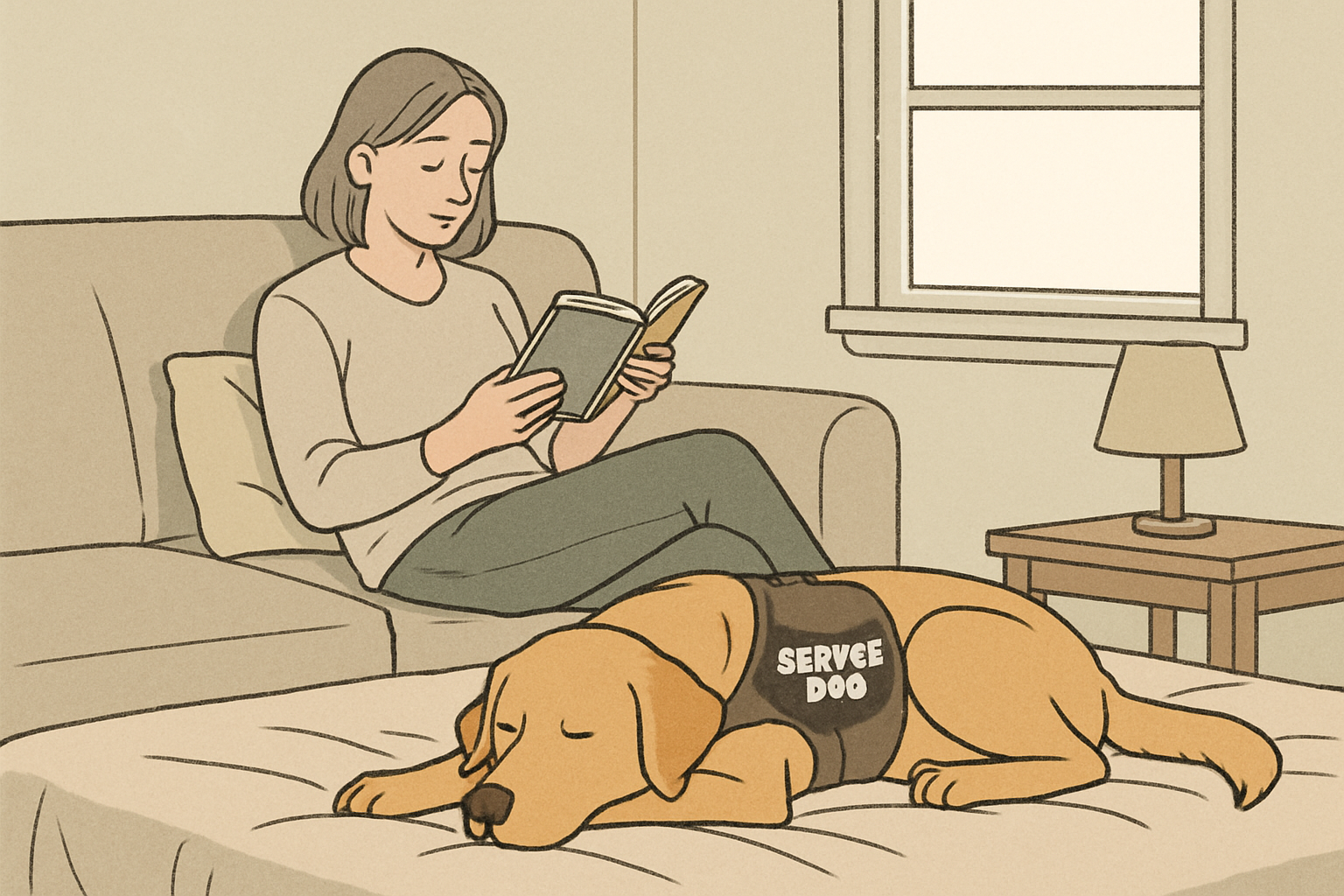
Recovery is not wasted time—it’s where learning consolidates and emotions settle. Dogs, like people, do better when they can rest after harder days. Decompression also supports neutrality: a dog who gets to relax and sniff in low-pressure settings is often calmer in public.
Handlers benefit from recovery, too. When your schedule includes built-in “easy days,” you’re less likely to push through fatigue and accidentally create stressful sessions.
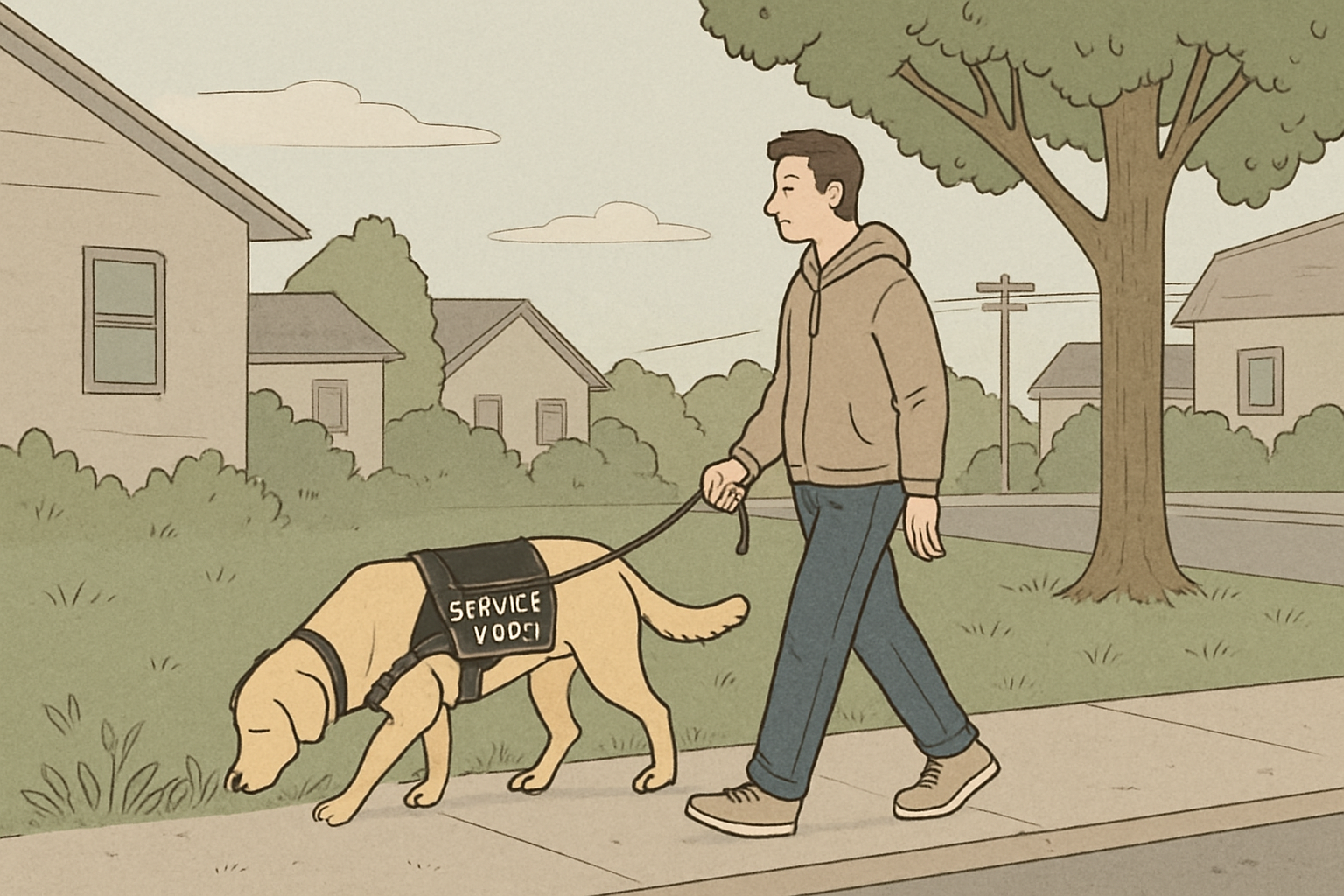
Yes. Most teams benefit from true downtime. You can still reinforce manners naturally (like rewarding calm behavior), but you don’t need a formal session every day to maintain reliability.
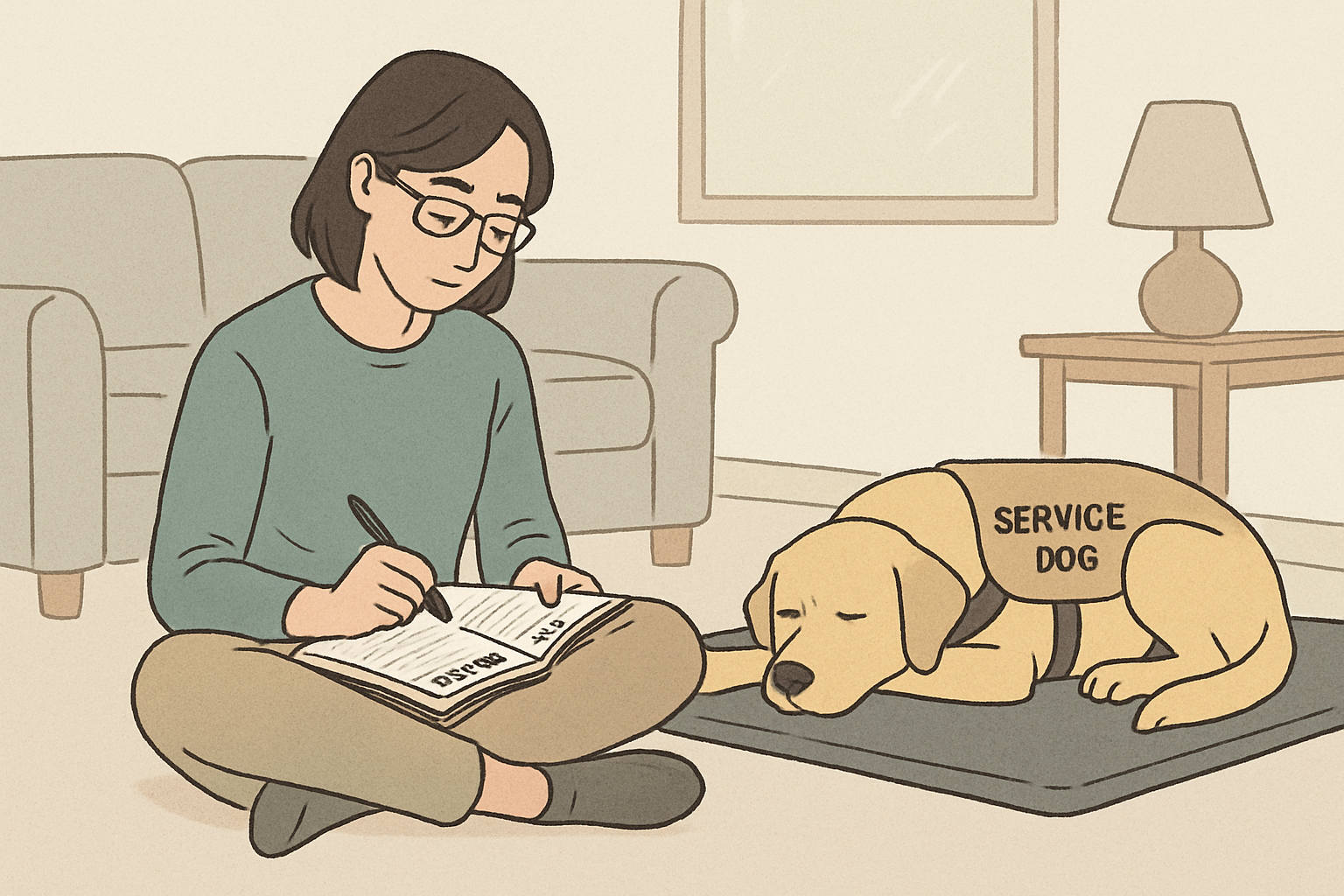
You don’t need complex spreadsheets to prevent burnout. A simple weekly check-in can help you notice trends early—especially when life gets busy and days blur together.
Use a 1–5 rating (1 = concerning/low, 5 = great/strong) for both you and your dog. Track the pattern, not just a single bad day.
Also track wins. Celebrating “enough” matters. When teams constantly raise the bar, they can get trapped in a cycle of always pushing harder, even when things are already going well.
Maintenance works best when it matches your actual routine. Instead of aiming for a vague goal like “be perfect in public,” choose goals you can measure and repeat—then reassess regularly.
SMART goals (Specific, Measurable, Achievable, Relevant, Time-bound) are useful, but so are process-based goals that focus on consistency and calm.
Every 4–12 weeks works well for most teams. Reassess sooner if health, schedule, or stress levels change, or if your dog is going through a developmental or lifestyle shift.
Public access is where many teams feel the most pressure. The trick is to plan outings that are short, predictable, and built around success—especially during maintenance phases.
Instead of thinking, “We must stay until it’s perfect,” try thinking, “We’re here to collect a few calm reps and leave while things are going well.” That mindset reduces handler stress and helps dogs stay confident.
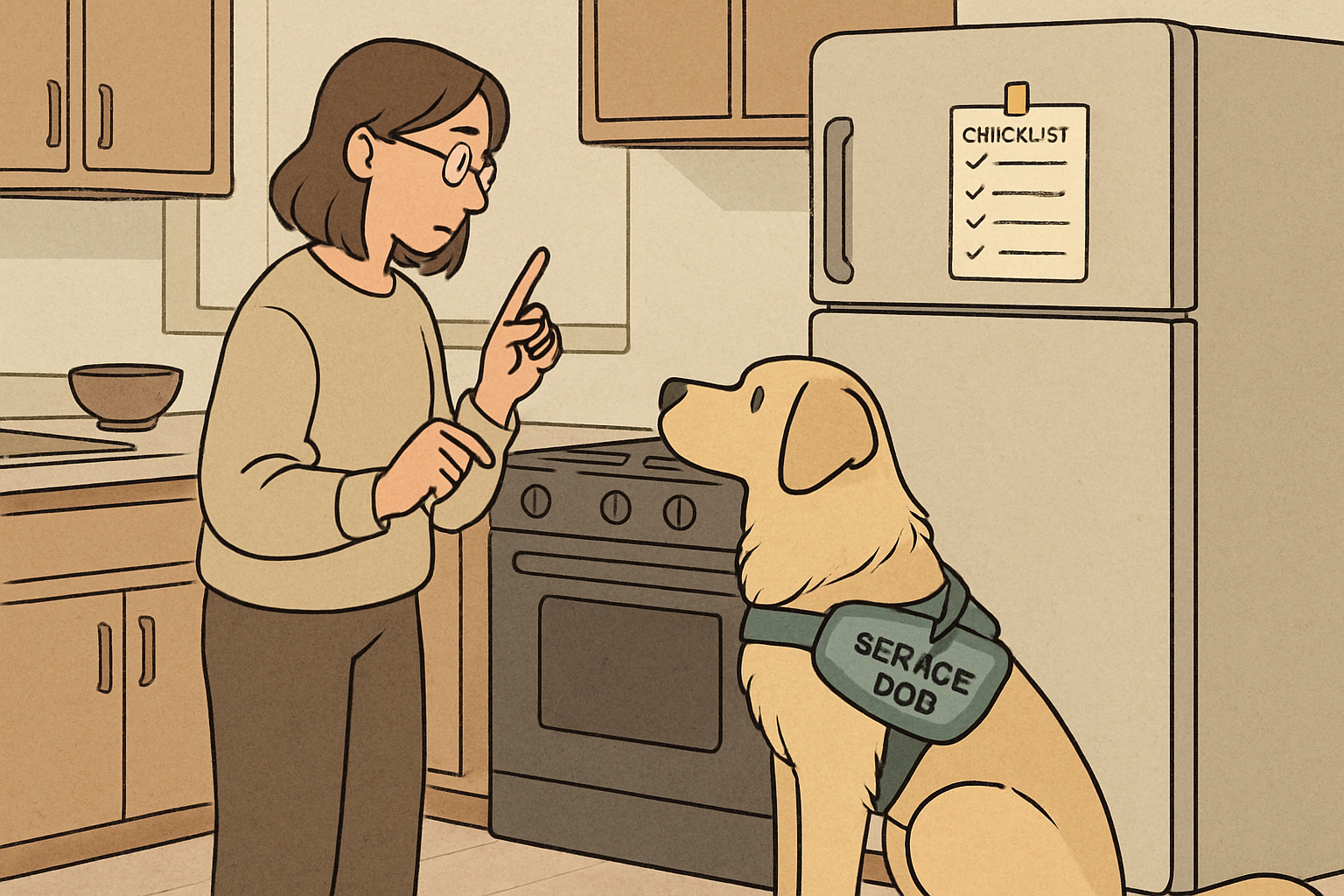
Identification and simple communication tools can also lower friction during everyday interactions. Clear, calm communication often prevents repeated conversations that drain a handler’s energy—without changing anyone’s legal rights or responsibilities.
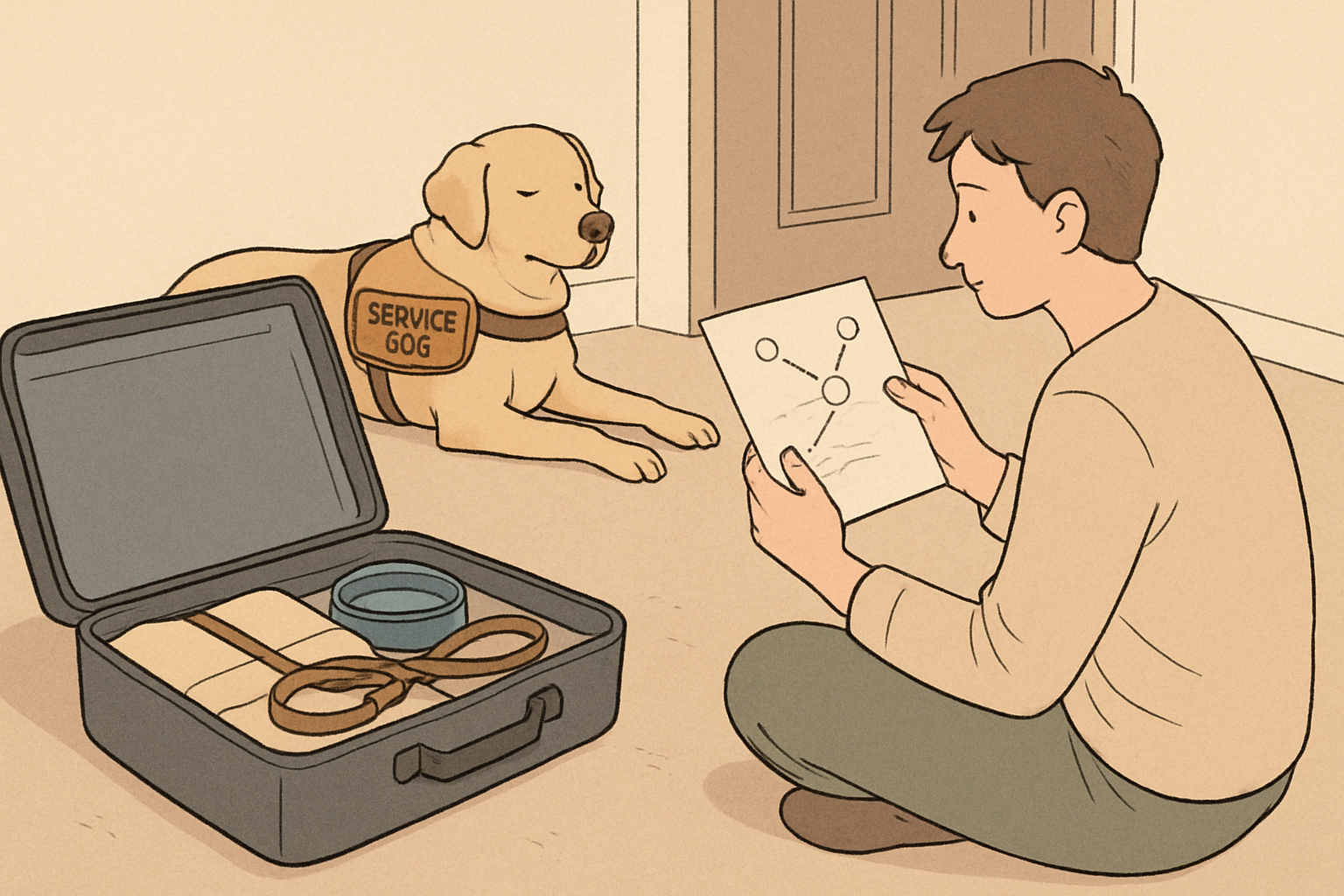
Travel can be a double load: new environments for your dog and extra planning for you. A small maintenance plan helps keep skills stable while protecting your team’s energy.
Before travel, focus on a few high-impact skills: calm waiting, polite greetings/neutrality, a reliable settle, and your most important tasks. During travel weeks, keep training short and success-focused. After returning, plan a deload so your dog can recover from the intensity of novelty.
If you want a deeper dive into routines, packing, and reducing overwhelm, start with travel planning tips for service dog teams. Many handlers also find it reassuring to organize key information in one place for smoother travel days, such as a travel-ready service dog identification and document bundle.
A big (and often overlooked) driver of handler burnout is social friction: repeated questions, misunderstandings, and the emotional drain of explaining yourself when you’re just trying to get through a normal day.
Many teams use optional registration, identification, and simple, ADA-friendly educational materials as a practical way to stay organized and reduce stress in common situations. The goal is clarity and peace of mind—especially during busy weeks when you want interactions to stay calm and brief.
For day-to-day convenience, many handlers like wallet-sized ADA law handout cards for calm, clear conversations—especially when they’d rather avoid long explanations in public.
Below is an example of a balanced week. Adjust it to your health, your dog’s needs, and your real calendar. The goal is a rhythm: refresh skills, protect recovery, and include one slightly harder session only when your team feels ready.
“ "The schedule that works is the one you can repeat. A small plan you actually follow beats a perfect plan you never have the energy to do." – Trainer-style perspective”
Your trusted source for service animal registration. Get professional ID cards, digital profiles, and smart NFC tags to keep your service animal safe and recognized.
© National Animal Registry — All rights reserved.