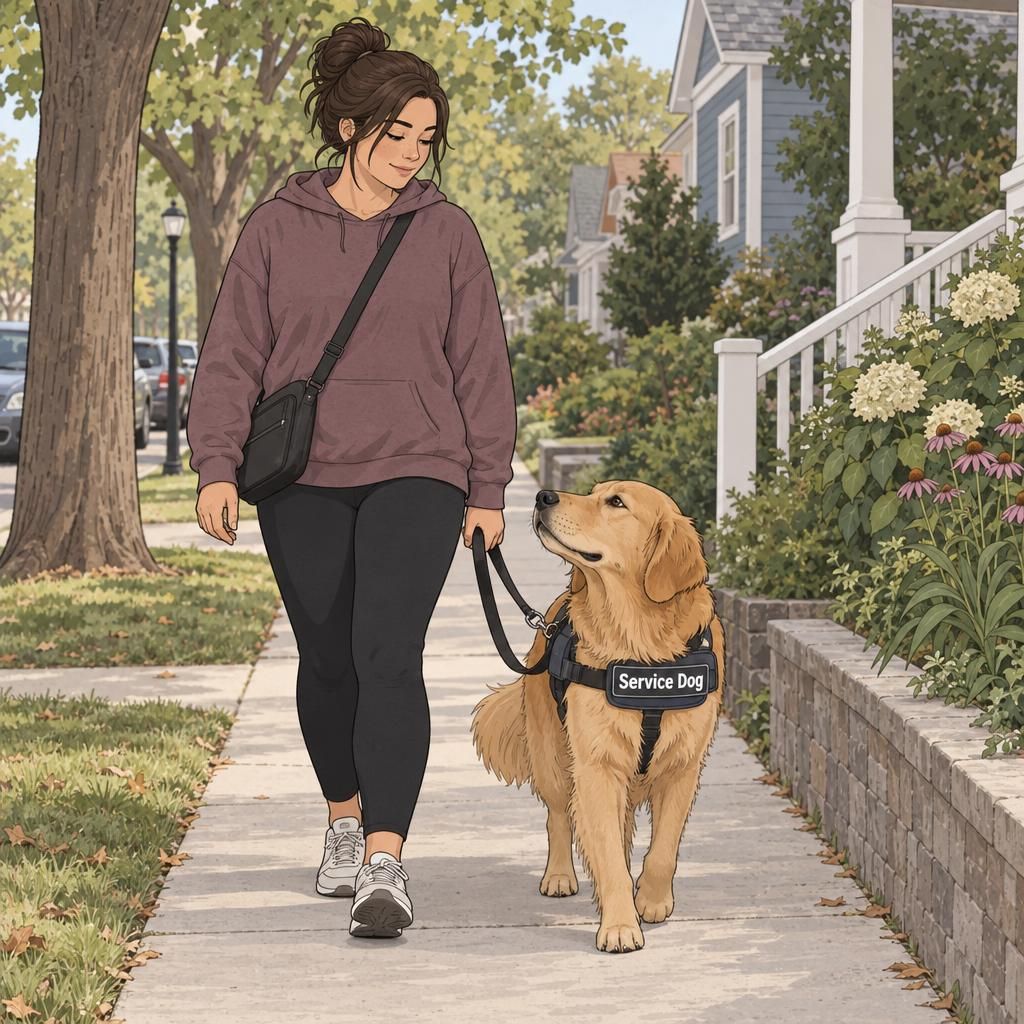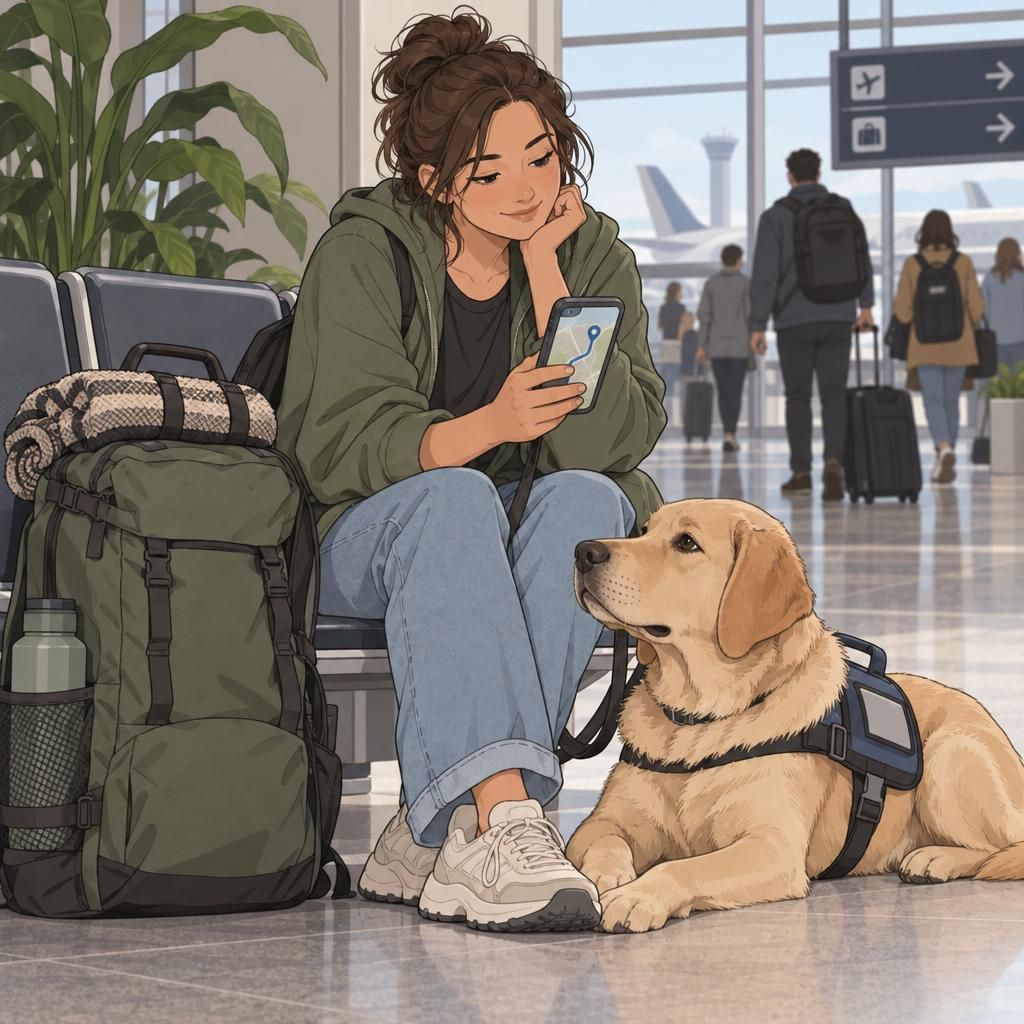
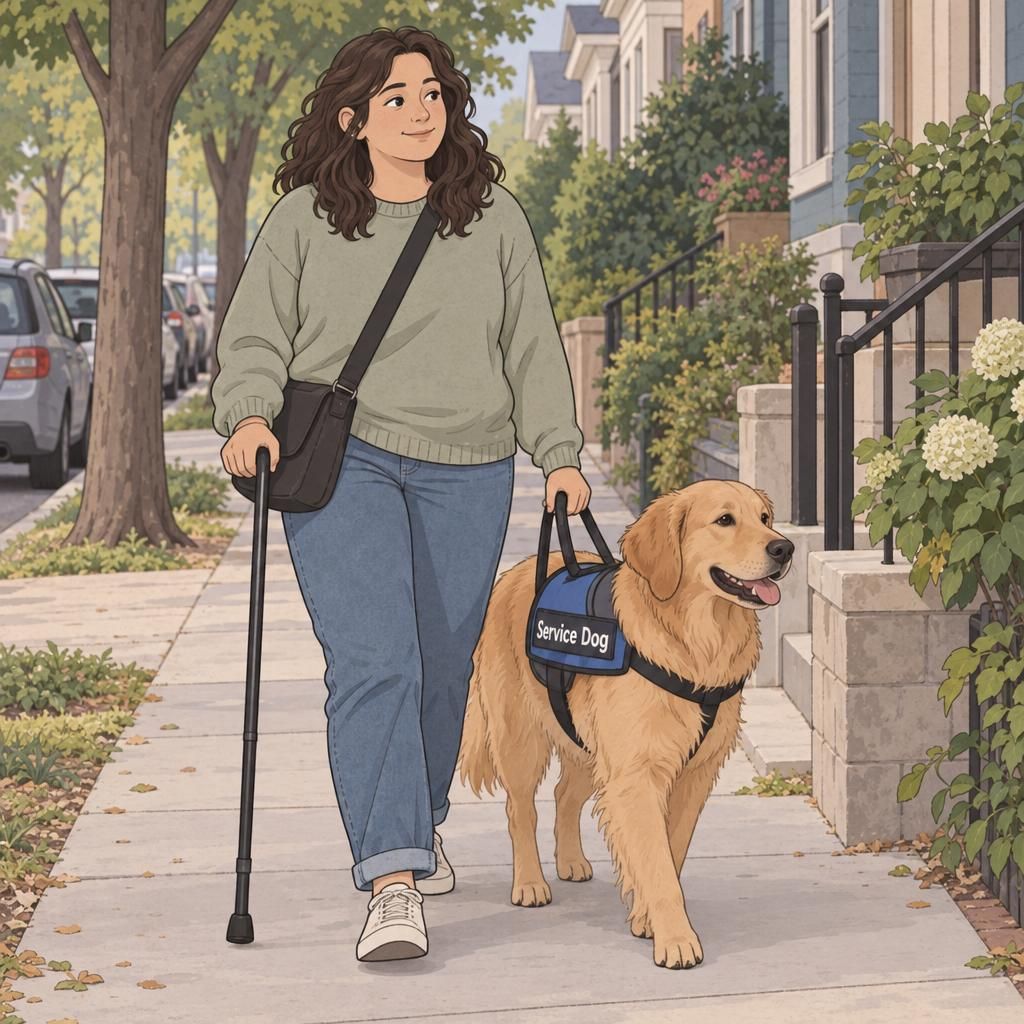
Living with an assistance dog is often less about dramatic moments and more about everyday partnership. A dog might retrieve something dropped beside a chair, accompany a handler on an errand, or provide reassurance during a difficult day. Over time, that support can become part of the rhythm of home life, appointments, work, and community activities.
The words people use matter, but they are not always used consistently. A service dog may perform trained tasks related to a person's disability. People may also use terms such as support dog or companion animal to describe dogs that offer comfort, companionship, or other support. These roles are not interchangeable in every setting, and applicable rules may treat them differently.
The most useful starting point is the individual: What support does this person need, and how does the dog fit into their routine? Benefits vary, and a meaningful partnership does not have to look like anyone else's.
For some handlers, an assistance dog's most noticeable contribution is practical. A task that would otherwise require another person's help may become something the handler can manage with the dog's assistance. This can make everyday routines feel more manageable and give the handler greater choice over when and how to complete them.
A review of assistance-dog research describes reported benefits involving independence, psychological well-being, and social participation (source). These findings describe outcomes reported in research; they do not establish that every handler will experience the same changes.
The dog's role should remain specific to the person. Retrieving an item may be especially useful for one handler, while another needs help with a different part of their routine. Independence can mean doing more without human assistance, but it can also mean having more control over daily decisions.

Practical support and emotional well-being can overlap. When a person feels better equipped to handle everyday situations, they may also feel more confident. Research reports include associations with improved mood, self-esteem, vitality, and psychological well-being, along with reduced stress or loneliness for some handlers.
In ordinary life, these possibilities may look like feeling less alone at home or approaching a familiar outing with greater reassurance. A greater sense of safety can be a personal feeling of being supported and prepared; it should not be understood as a guarantee that a dog will prevent harm.
It is also reasonable for experiences to change over time. A new partnership may require adjustments before routines feel comfortable. The goal is a workable relationship that supports the individual, rather than an expectation that life with an assistance dog will always feel easy.
An assistance dog may help some people feel more confident leaving home and participating in their community. Reported outcomes include improvements in social participation, although the extent and type of change differ among handlers. Sometimes the meaningful change is simply feeling ready to attempt an outing that previously felt difficult.
Everyday examples might include completing an errand, attending an appointment, meeting a friend, or joining a community event. The dog can be part of the support that makes participation more manageable, while the handler remains in charge of their plans and interactions.
A dog may also draw attention and start conversations. Some handlers welcome that contact; others prefer privacy or need to keep their dog focused. Greater participation does not have to mean more conversation. It can mean having the confidence to be present, make choices, and set comfortable boundaries.

An assistance dog's presence can affect more than the handler's individual routine. Family members may notice changes in how household tasks are shared, how outings are organized, or how much direct assistance they provide. For some households, this may ease caregiver strain; for others, caring for the dog adds responsibilities that need thoughtful coordination.
Some research also reports better work or school functioning. These findings are best understood as possible outcomes rather than predictions. A person's environment, daily demands, and available support all influence whether a dog helps them participate more comfortably.
Autism-related reports include experiences such as calmer family outings or improved sleep. These are changes some families describe, not universal effects or promises about what an assistance dog will accomplish. Each child's needs and each household's circumstances deserve individual consideration.
A useful family conversation includes both sides of the arrangement: what support the dog may provide and who will manage feeding, breaks, care, and other daily needs. Clear expectations help keep the partnership sustainable.

Predictability often comes from preparation. Before leaving home, consider the length of the outing, opportunities for breaks, and the dog's care needs. A familiar plan can help the handler focus on the purpose of the trip rather than solve every small detail along the way.
For longer outings, it can help to plan ahead for trips with a service dog. Clear identification and accessible registration materials can also make identifying details easier to share when appropriate.
Some handlers choose to carry a concise service dog rights handout as a practical reference for conversations. Identification and handouts support communication, but they do not replace understanding the rules that apply to a particular location or situation.
A successful arrangement depends on the individual, the dog, the handler's environment, and the support available. Consider which everyday needs the dog will address, how the partnership fits the household, and whether the routine can accommodate the animal's ongoing care.
Living with a dog involves time and planning as well as potential benefits. Feeding, exercise, rest, care, and maintaining useful skills all belong in the picture. Backup arrangements are also worth considering for times when the handler or dog needs a break.
Revisit the routine as circumstances change. A new schedule, different surroundings, or changing support needs may call for adjustments. Small, realistic changes can help preserve the benefits of the partnership without placing unreasonable expectations on either person or animal.
Printed identification, a digital profile, or a certificate can provide an organized way to share identifying details and explain a dog's role in everyday situations. Keeping information accessible may make conversations more straightforward and help a handler feel better prepared.
National Animal Registry offers optional registration and identification materials. No proof, medical letter, or training documentation is required to register. Registration is a way to organize identification materials; the dog's role and applicable access rules remain separate considerations.
For those who prefer both physical and digital options, explore a service dog registration package. These materials can complement a thoughtful routine and clear communication.
Ultimately, living with an assistance dog is about a partnership that works in real life. Individualized support, realistic expectations, care for the dog, and practical preparation can help handlers approach everyday activities with greater confidence.

Your trusted source for service animal registration. Get professional ID cards, digital profiles, and smart NFC tags to keep your service animal safe and recognized.
© National Animal Registry — All rights reserved.