When a service dog joins a household, families often describe the shift as adding a capable teammate rather than “getting a pet.” A service dog is trained to perform tasks that support a person with a disability, and that working partnership shapes how the dog moves through the day—where they rest, when they focus, and how others interact with them.
At home, a service dog can become a steady presence: quietly nearby during daily routines, ready to assist when needed, and comfortable settling in family spaces. The goal is a home environment where the handler can rely on consistent help, and the dog can feel secure, predictable, and clear about expectations.
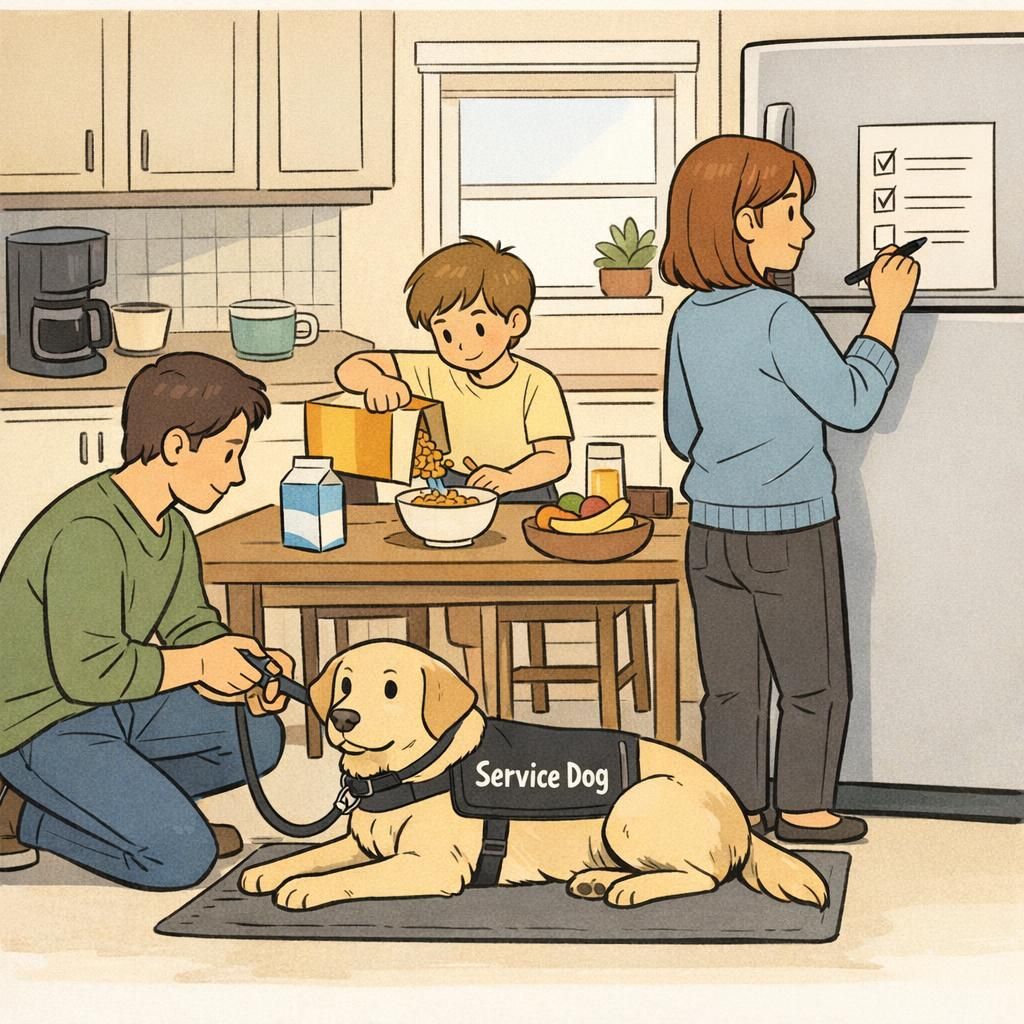
Most families notice day-to-day changes quickly, not because life becomes complicated, but because it becomes more intentional. A service dog thrives with calm structure: set routines, clear spaces, and planned downtime. When a dog knows what’s coming next, it’s easier for them to work effectively and relax fully when off-duty.
Practical adjustments often start with the basics—morning flow, feeding, grooming, gear storage—and then expand into how the household handles noise, visitors, and busy moments. Many families find that creating a simple “home base” for the dog’s equipment reduces stress for everyone.
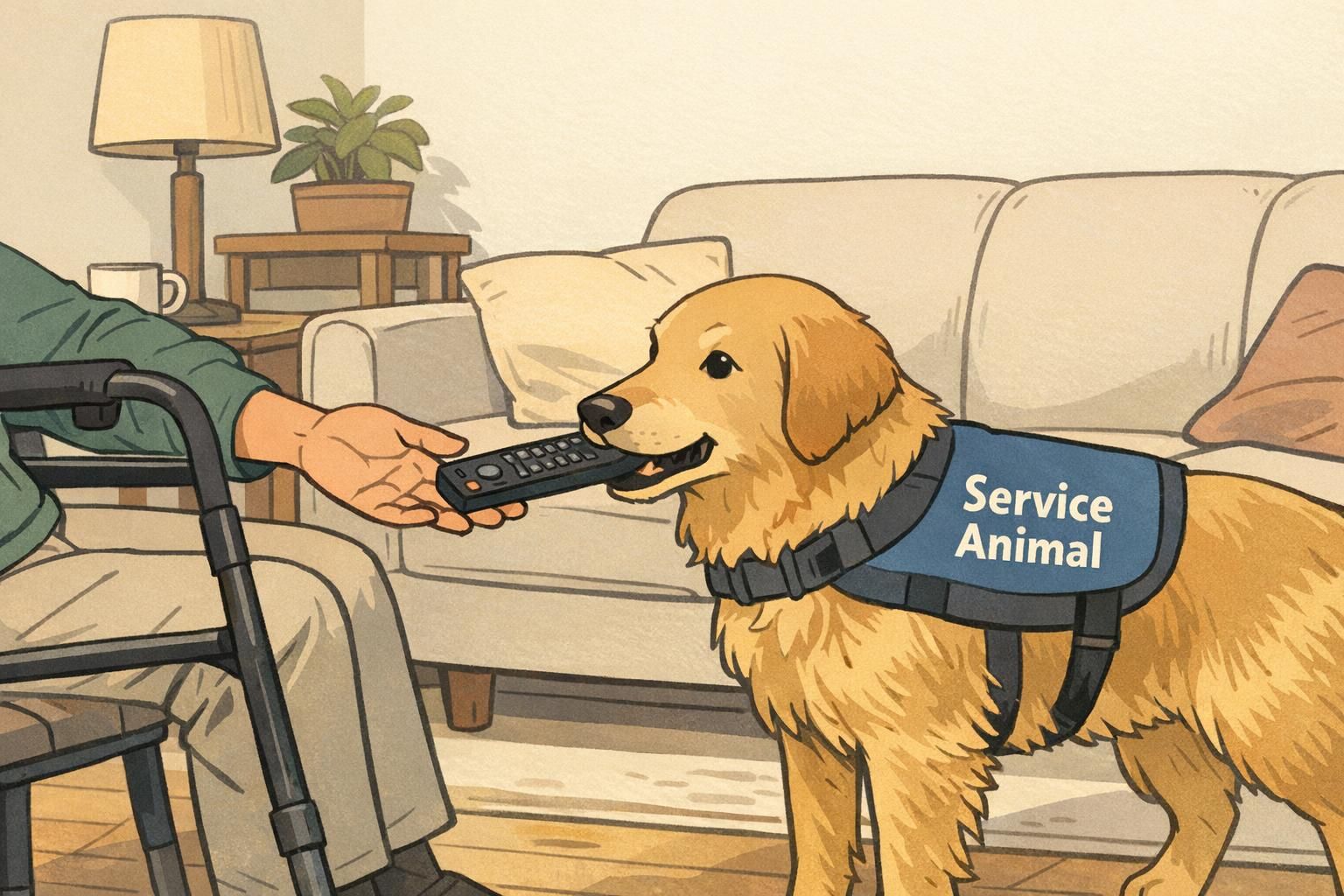
One of the biggest changes families report is how many small moments become easier when a service dog can step in with a trained task. These tasks aren’t just “helpful tricks”—they’re practical supports that reduce friction, conserve energy, and make everyday routines safer and more manageable.
In a family setting, these benefits often ripple outward. When the handler can do more independently, the whole household may experience fewer interruptions, less rushing, and more flexibility with plans.
“ "The biggest difference wasn’t one dramatic moment—it was all the tiny ones. Fewer dropped items, fewer trips back and forth, and a calmer pace for the whole house." – Parent and service dog handler”
Service dogs can be trained to support a wide range of disabilities and family situations, and the “right fit” often depends on the handler’s daily life. In some homes, the dog’s work is mostly about safety and routine. In others, it’s about navigating public spaces, responding to medical events, or creating a stable buffer in overwhelming environments.
Here’s a broad overview of ways assistance work can show up across different needs and ages. Every handler-dog team is unique, and tasks are typically matched to the person’s real-life routines.
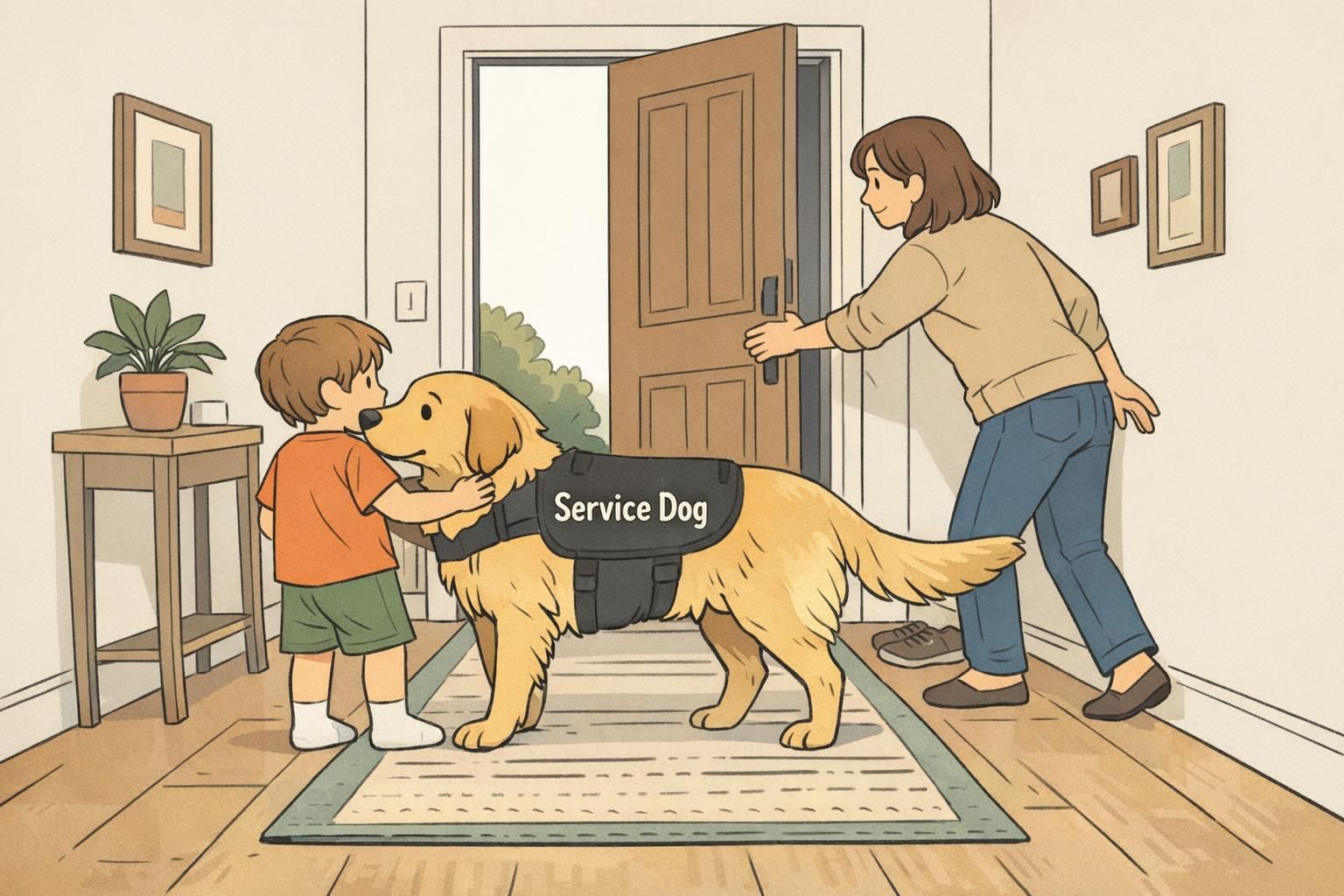
Beyond task work, families often notice emotional and social changes when a properly trained service dog becomes part of daily life. Many report more confidence leaving the house, less worry during everyday routines, and a greater ability to participate in activities that previously felt overwhelming or unsafe.
These ripple effects can be meaningful for the entire household: siblings may feel reassured, caregivers may experience less constant vigilance, and the handler may feel more capable in situations that used to require extra support. Research summaries have also noted improvements in family psychosocial well-being and quality of life in households living with assistance dogs, including findings discussed by Assistance Dogs International from a 2019 American Journal of Occupational Therapy publication (source).
“ "We didn’t just gain help with tasks—we gained breathing room. Our home feels steadier, and outings feel possible again." – Family caregiver”
Going out together with a service dog can become smooth and routine, but it usually works best when the family plans for a calmer pace. Public spaces bring extra variables—crowds, noise, strangers, and unexpected questions—so a little preparation helps protect the handler-dog team’s focus.
Families often find it useful to think of outings the way they’d think about traveling with a stroller or mobility aid: the point is not to avoid life, but to set the team up for a low-stress experience.
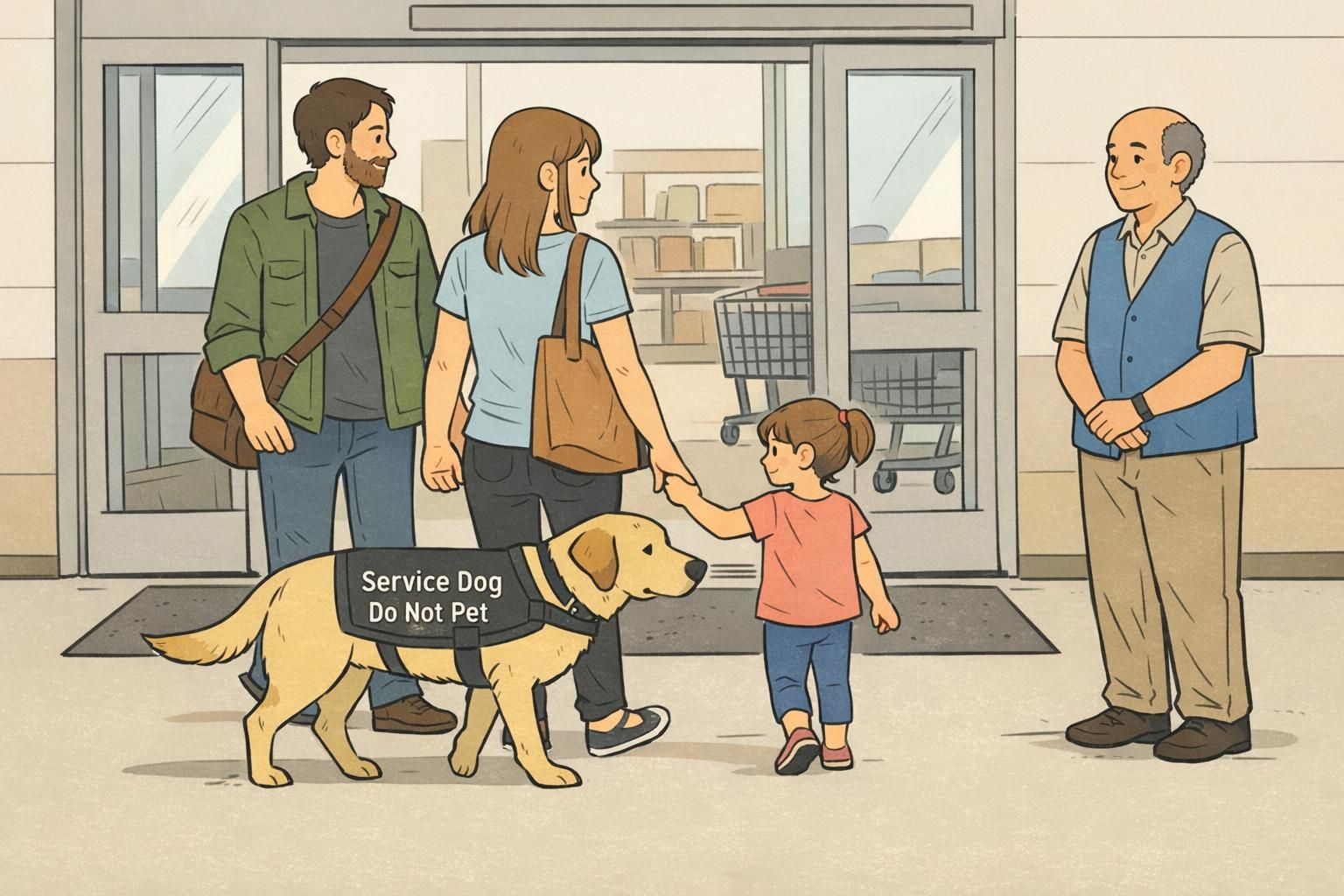
In real-world settings—busy entrances, check-ins, crowded lines—clear communication can keep interactions brief and polite. Many handlers use visible identification as a practical tool: it helps signal that the dog is working and reduces the need for repeated explanations.
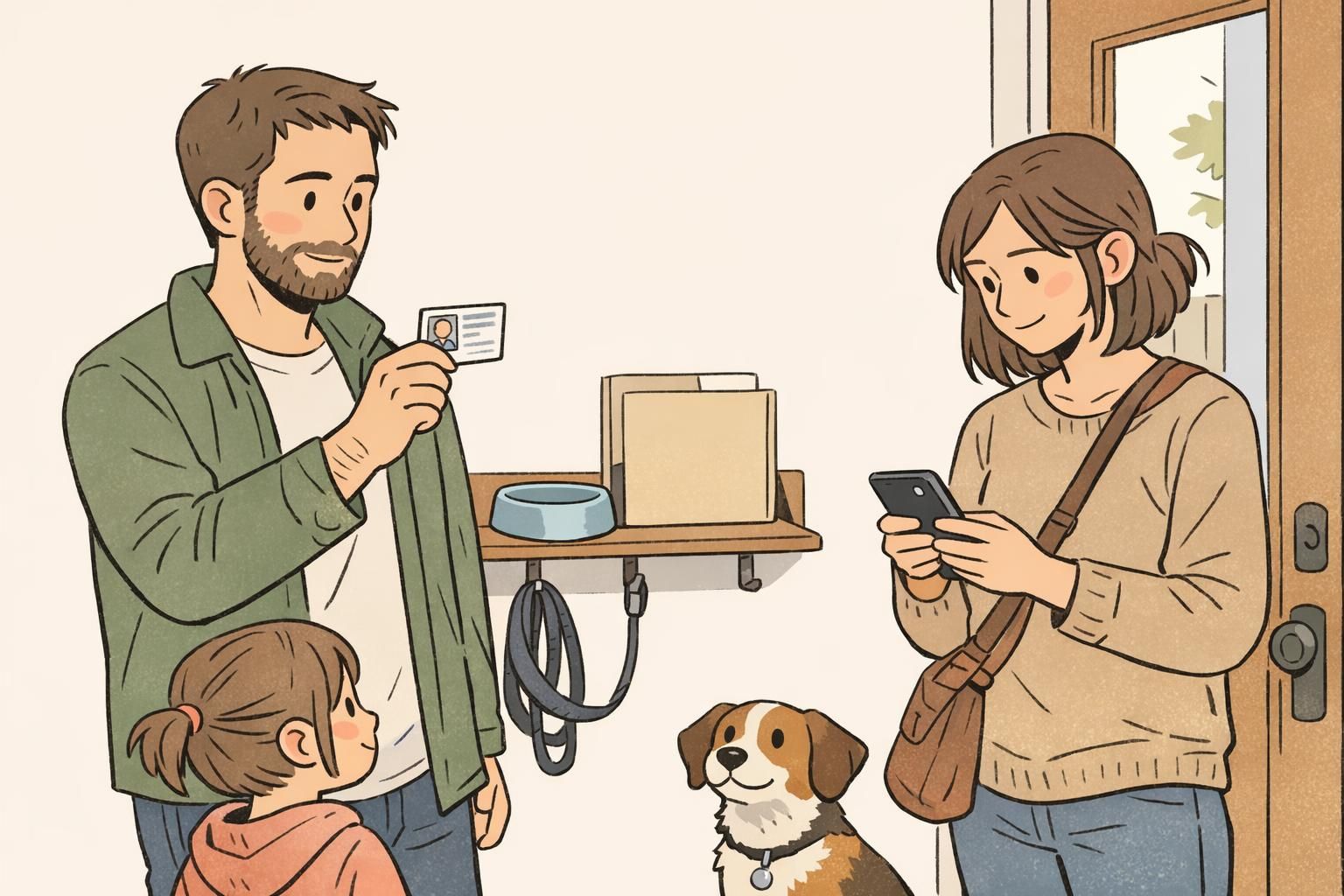
Some teams also like having easy-to-share materials ready, especially when they’re tired, managing symptoms, or navigating a busy day with children. Optional IDs and certificates can provide an extra layer of clarity and convenience, helping everyday conversations feel smoother and more predictable.
Many families choose a customizable service dog ID card for everyday identification so the handler can share information confidently and quickly when it’s helpful.
Life with a service dog often includes extra moving parts: travel plans, hotel check-ins, family visits, housing conversations, and the everyday need to keep gear and information in one place. A simple organization system helps families stay calm and avoids last-minute scrambling.
Many handlers keep a “go-folder” at home and a lightweight version in a bag—plus a digital backup on a phone. This isn’t about proving anything in the moment; it’s about streamlining conversations, reducing friction, and keeping routines predictable for the whole family.
For families planning trips, you may also appreciate travel planning tips for families with a service dog to help build a smoother routine from packing to arrival.
Some handlers choose a travel-ready service dog registration package as a convenient way to keep key identification tools and travel-focused materials together in one system.
Families tend to thrive with a service dog when roles are clear and boundaries are respectful. The dog may be beloved by everyone, but the handler-dog communication needs consistency. That means household members can help with care and support, while still protecting the handler’s cues and routines.
A healthy long-term rhythm usually includes three pillars: dependable care (food, grooming, vet needs), clear “working vs. off-duty” boundaries, and a calm environment that protects the dog’s ability to perform.
Keep it simple and consistent: “This is a service dog. Their job is to help with specific tasks, so we don’t distract them when they’re working.” Give kids an easy rule like “Look, don’t touch,” and offer a separate way to connect (like saying hello to the handler instead).
A calm, friendly script helps: “Thanks for asking—please don’t pet while he’s working.” If the handler sometimes allows greetings when off-duty, it helps to use a clear cue like “All done working” (only if that’s part of the team’s routine).
Start with shorter visits, build in breaks, and choose a predictable “settle spot” (a quiet corner or a table away from traffic). Bring familiar items like a mat, and keep the dog’s needs in mind: water, a potty plan, and decompression time afterward.
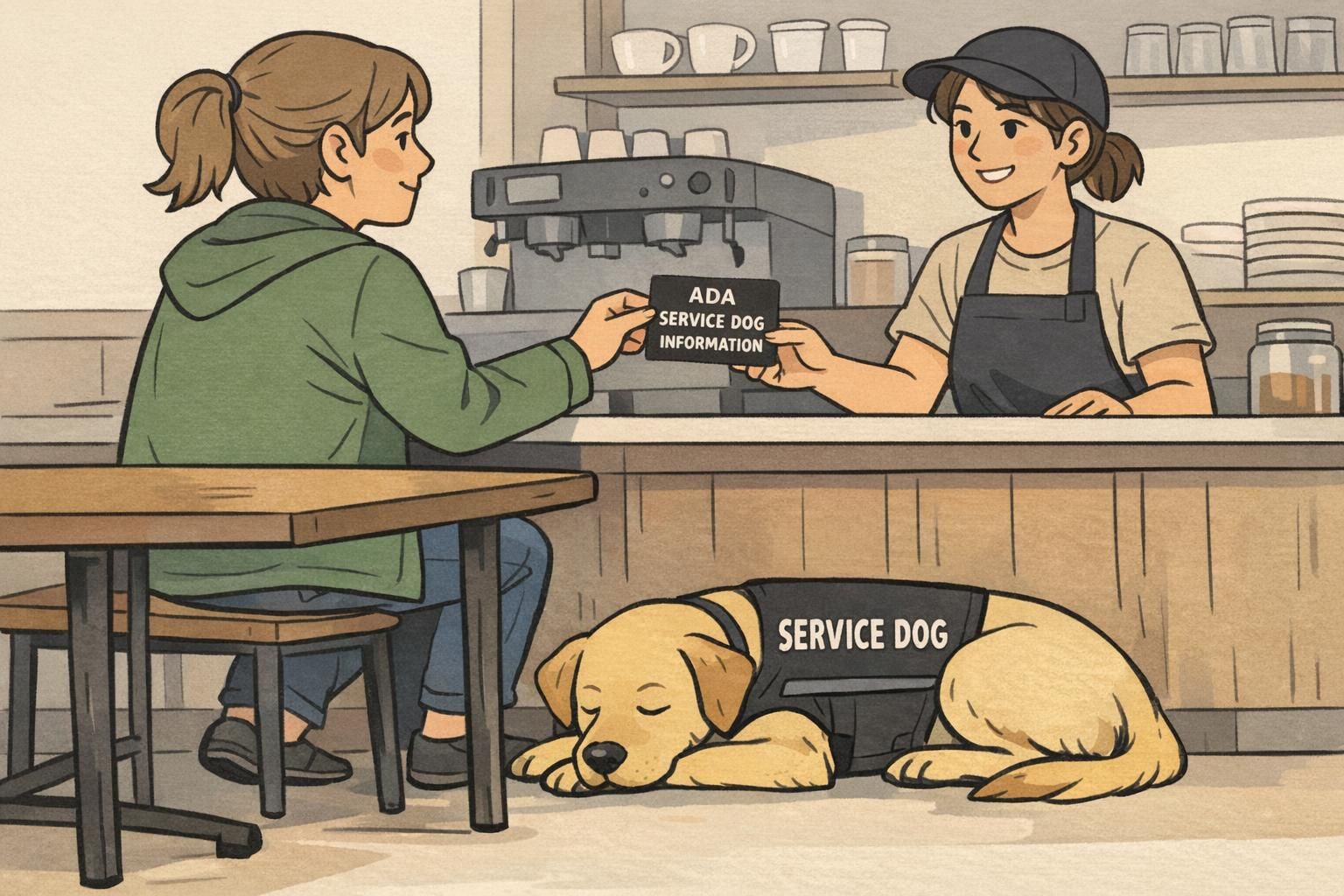
Yes. Laws and policies can vary by location and setting, and some venues may have their own processes for entry or check-in. Many handlers find that optional IDs and easy-to-share informational materials make interactions smoother, especially in busy public spaces.
Having a brief script, staying calm, and using ready-to-share materials can reduce back-and-forth. Some families also carry small handouts so staff can quickly understand the basics without putting the handler on the spot.
For quick, respectful conversations, some handlers like carrying ADA information handout cards for quick, polite conversations, especially when they’re managing a busy family outing and want to keep the focus on the day—not on extended explanations.
Your trusted source for service animal registration. Get professional ID cards, digital profiles, and smart NFC tags to keep your service animal safe and recognized.
© National Animal Registry — All rights reserved.