Independent living doesn’t have to mean doing everything alone. For many people with disabilities, it means being able to make everyday choices—when to leave the house, how to handle an errand, how to move safely through your home—without relying on another person for basic needs or constant backup.
A service dog can support that kind of independence by acting as a reliable working partner. The goal isn’t perfection or total self-sufficiency. The goal is more control over your day: fewer barriers, safer routines, and the confidence to do more things on your own schedule—at home, at work, and in public.
It also helps to set realistic expectations. A service dog can expand your options, but it still requires training, consistency, and ongoing care. Some days will feel effortless. Other days will feel like teamwork—because it is. When you plan for that reality, the independence you gain can be both meaningful and sustainable.
The most noticeable independence gains often come from practical, repeatable tasks—small actions that remove friction from your day. When a dog is trained to complete specific behaviors on cue, those behaviors can reduce the number of times you need to ask someone for help or pause what you’re doing to problem-solve.
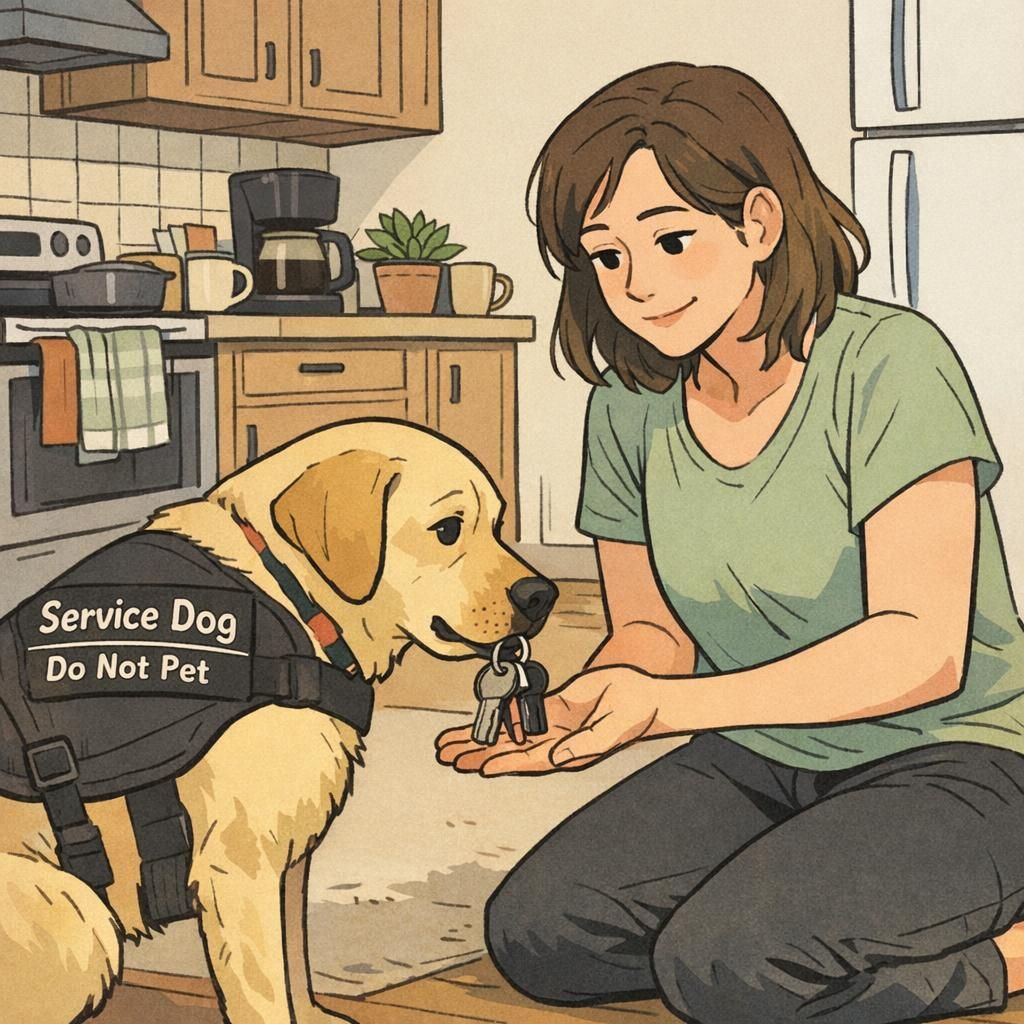
Service dogs may be trained to retrieve items, open doors and drawers, turn lights on and off, and perform other daily living tasks that support independence (source). Exactly which tasks are appropriate depends on the handler’s needs, the dog’s size and structure, and a training plan designed for safety and reliability.
Independence isn’t only about big milestones. It can be the ability to finish cooking without worrying about a dropped utensil, navigate a hallway safely when you’re tired, or complete an appointment without juggling multiple accessibility workarounds. Over time, a service dog’s task skills can help routines feel smoother and more predictable.
Service dogs are not limited to one kind of disability or one “standard” job. Independence looks different for each person, and the most effective service dog partnerships are built around practical outcomes—mobility, navigation, communication, and steady support during symptoms that disrupt daily life.
“ "My dog doesn’t ‘fix’ my disability—he makes my day workable. I can move through errands, appointments, and unexpected moments with a plan." – Service dog handler”
The common thread is control. A trained service dog can help you communicate needs, stay oriented, and follow through on daily plans even when symptoms flare. That improved follow-through is often what independence feels like in real life: doing more of what you need to do, with less disruption.

A service dog partnership works best when it’s treated like team-building. The right match is about more than a dog’s friendliness or intelligence. Temperament, confidence, resilience around distractions, and comfort in public settings all matter—along with the handler’s lifestyle, energy level, and living environment.
People often take one of two broad routes: working with a nonprofit program that places trained dogs, or pursuing owner-training (training your own dog, often with guidance from a trainer). Both paths can lead to a strong working team, and both require planning and patience.
Timeline matters. Many teams take many months to a couple of years to develop dependable skills, especially when you factor in maturity, proofing behaviors in new environments, and practicing calm public access. It can help to plan a “transition season,” where you gradually shift routines so you and your dog become consistent partners—at home first, then in increasingly complex public settings.
Living independently with a service dog means you’re not only a handler—you’re also the dog’s primary caregiver. Predictable routines can make that feel manageable, even on low-energy days. The goal is to build a system that supports both the dog’s health and your ability to keep things moving without extra help.
If bending, gripping, or fine motor tasks are difficult, adaptive tools can make care more independent. Examples include long-handled waste scoops, hands-free leashes, elevated food bowls, or grooming tools designed for one-handed use. The best setup is the one that fits your body and your home.
Build a “minimum care plan” in advance: shorter potty walks, simplified meals, and a prepared enrichment option (like a safe chew or food puzzle). Many handlers also keep a backup support plan for emergencies—someone who can help if you’re temporarily unable to provide full care.
Use consistent cues and predictable patterns when you can, and practice “flexible routines” on purpose (different potty spots, different entrances, short store trips) so your dog learns that changes aren’t scary—just another version of the job.
A service dog supports independence, but it also adds a predictable set of ongoing costs. Budgeting ahead reduces stress and helps you make confident choices about food quality, preventive care, and replacement gear—without feeling caught off guard.
A realistic monthly range for many handlers is often about $120–$300+, depending on the dog’s size, diet, grooming needs, and where you live. Some months will be lower, while months with routine vet care or gear replacement may be higher.
Independence planning also includes what happens when you’re sick, traveling, or temporarily limited. Consider lining up a trusted helper, pet care service, or family member who can step in if needed—especially for potty breaks, feeding, or transportation to the vet.
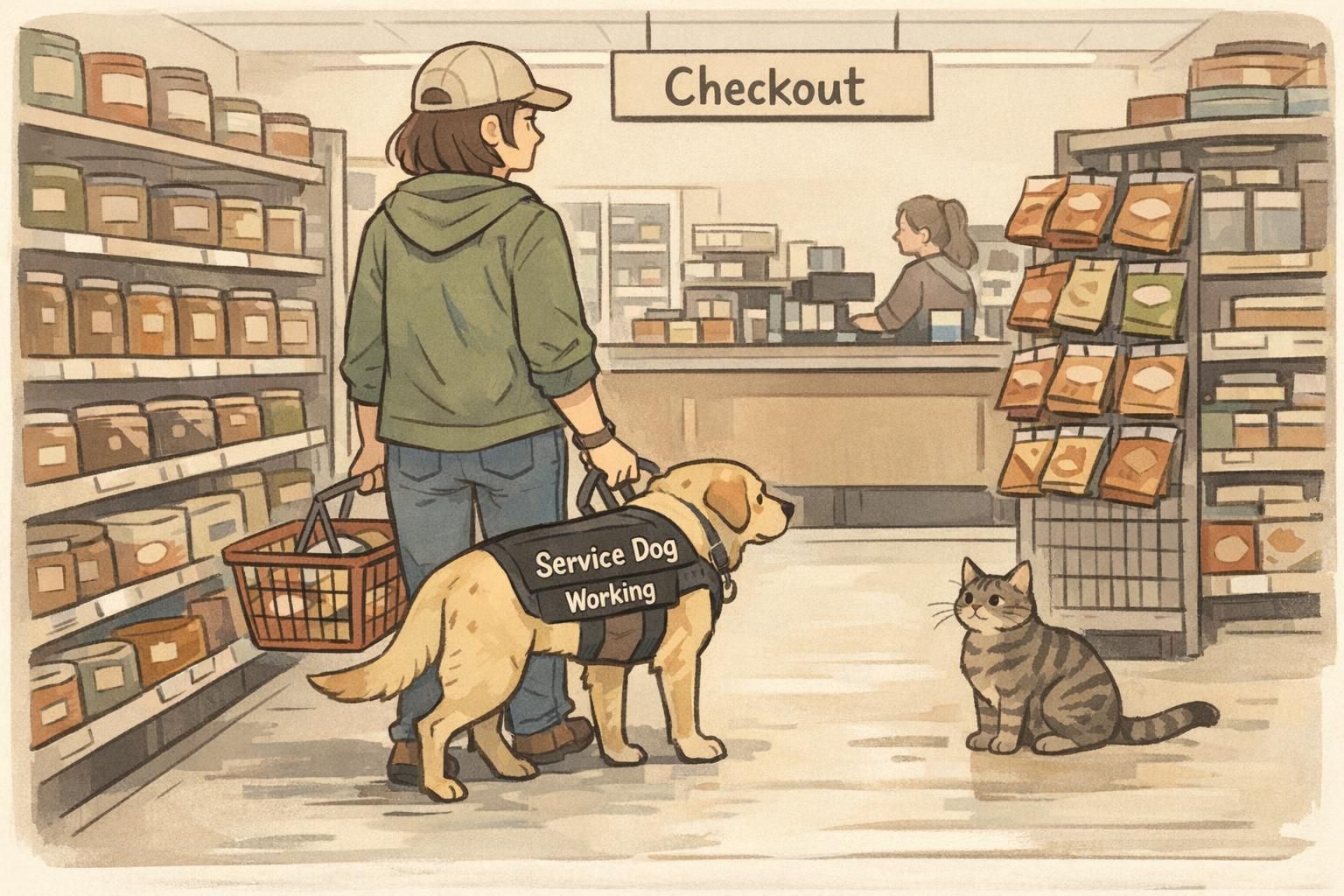
Independent living often depends on being able to go places smoothly: grocery stores, medical appointments, public transportation, work meetings, and everyday errands. In those settings, your service dog’s calm behavior is what makes your support reliable—not just the tasks at home.
Public access confidence is built through training foundations (loose leash walking, solid sit/down/stay, focus cues) and then “proofing,” which means practicing those skills around distractions until they’re dependable. The more dependable your dog is in real environments, the more you can focus on your day instead of managing constant interruptions.
Communication helps, too. Having a simple, calm script ready can protect your energy and keep interactions from escalating. Some handlers choose to carry printed information that answers common questions in a non-confrontational way.
For smoother real-world conversations, many handlers keep ADA law handout cards for smoother public conversations on hand. It’s a simple way to share clear information without having to explain everything in the moment.
Independent living usually includes more than errands. It can mean applying for housing, talking with an employer, or planning travel—situations where being organized can reduce stress. When you’re prepared, you spend less time scrambling for information and more time focusing on your actual plan.
Many handlers find that keeping clear, consistent identification and documentation helps streamline everyday communication. Registration, IDs, and certificates can be practical tools that clarify your service dog’s role in common interactions, especially when you want the conversation to stay calm and straightforward. The goal isn’t confrontation—it’s clarity.
If you’re planning a trip, it helps to think ahead about routes, relief breaks, and how you’ll handle busy environments. You can also review tips and planning strategies in traveling with a service dog.
For everyday identification and confidence, some handlers choose a starter registration package for everyday identification so they have consistent information ready when questions come up.
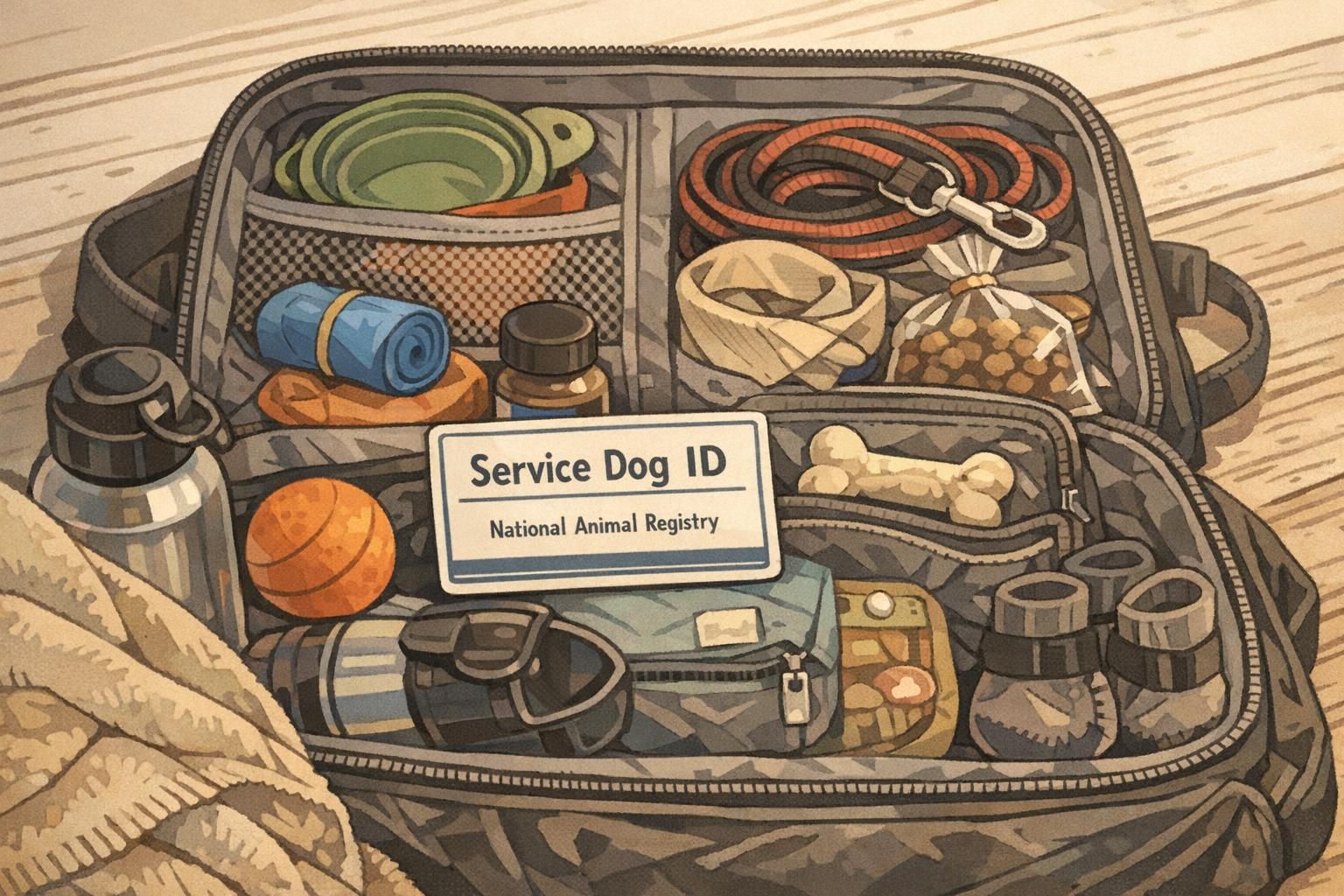
A well-stocked “go bag” makes independence easier because it reduces last-minute problem-solving. When you already have what you need for cleanliness, comfort, and predictable routines, errands and appointments feel more manageable—especially during long days or unexpected delays.
Many handlers also keep quick-reference information with their go bag—especially for travel days or medical appointments. A physical ID plus a digital profile can make it easier to pull up key details without digging through emails or paperwork.
If you want a consistent option for quick identification, consider a customizable service dog ID card with a matching digital profile that you can keep with your go-bag essentials.
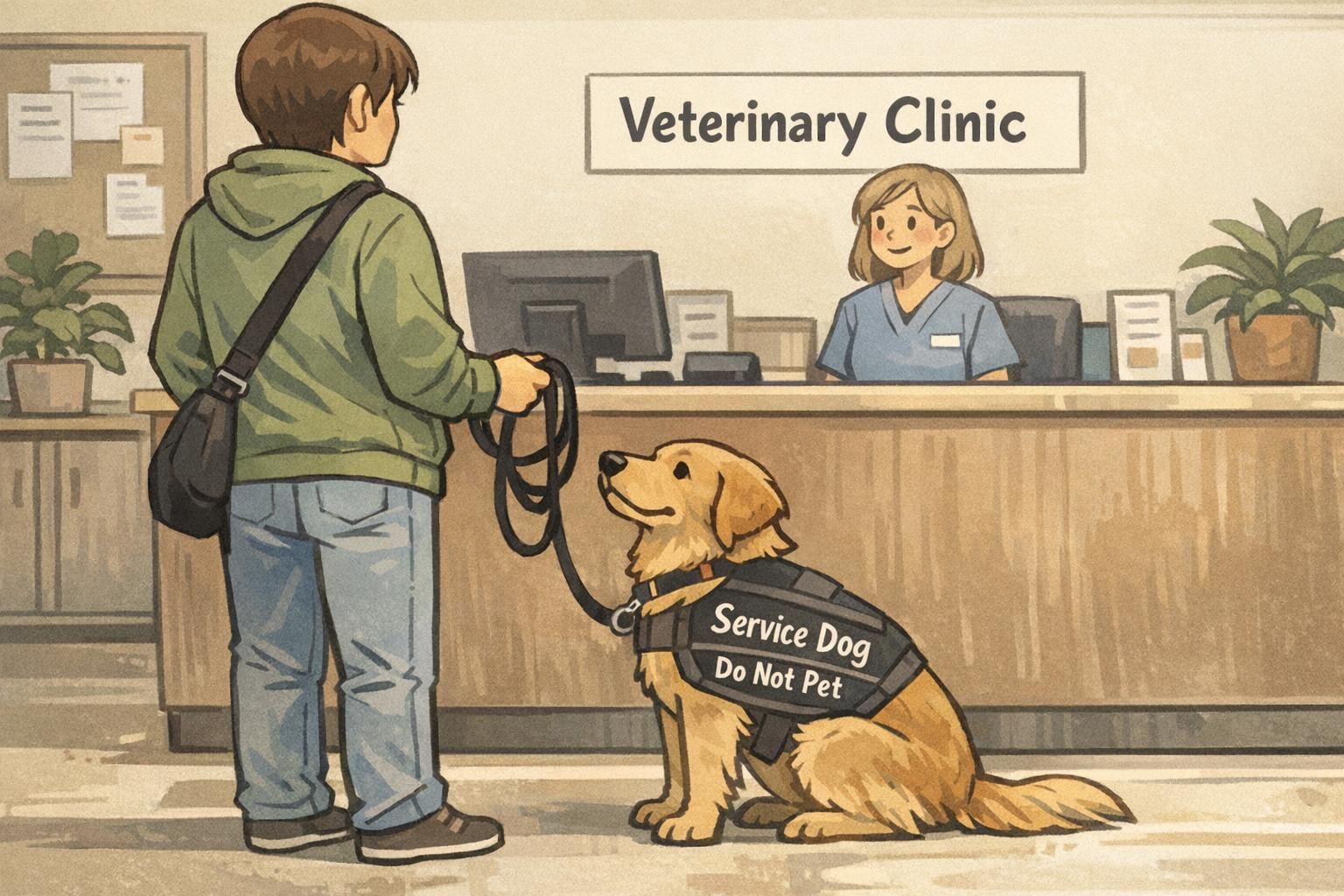
A service dog’s ability to support independence depends on long-term health, comfort, and skill maintenance. Regular veterinary care helps catch issues early, and routine conditioning (appropriate exercise, weight management, and joint support as advised by your vet) protects the dog’s working longevity.
Training is also ongoing. Even excellent teams benefit from refreshers: reinforcing focus in public, polishing task reliability, and practicing calm behavior in new places. Many handlers schedule short “maintenance sessions” each week—tiny check-ins that keep skills sharp without feeling like a major project.
Retirement planning is part of protecting your independence, too. Most working dogs eventually need reduced workloads or full retirement as they age. Thinking ahead allows you to make calm choices—whether that means training new skills for changed needs, gradually shifting responsibilities, or preparing for a successor dog if that’s right for your situation.
“ "Planning for my dog’s future didn’t make me anxious—it made me feel secure. I knew I had options when his pace started to change." – Service dog handler”
Your trusted source for service animal registration. Get professional ID cards, digital profiles, and smart NFC tags to keep your service animal safe and recognized.
© National Animal Registry — All rights reserved.