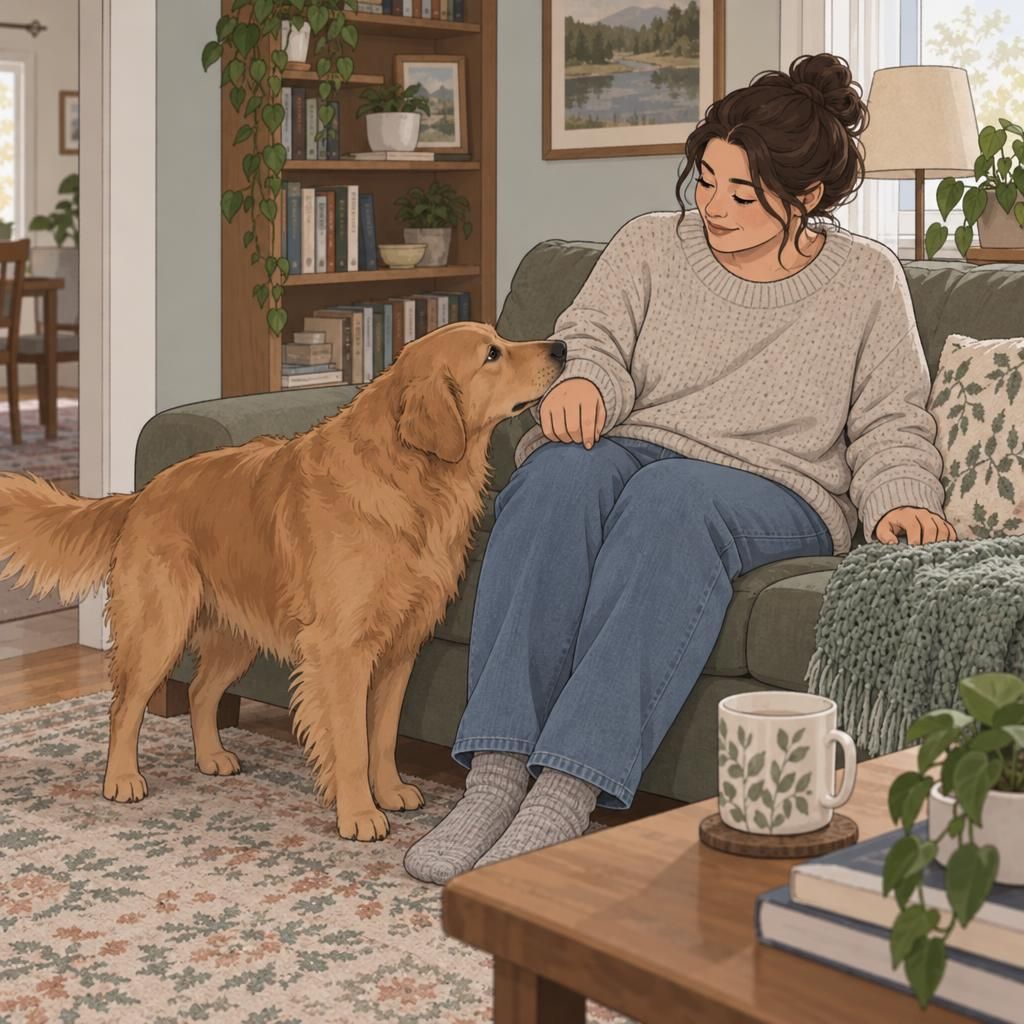
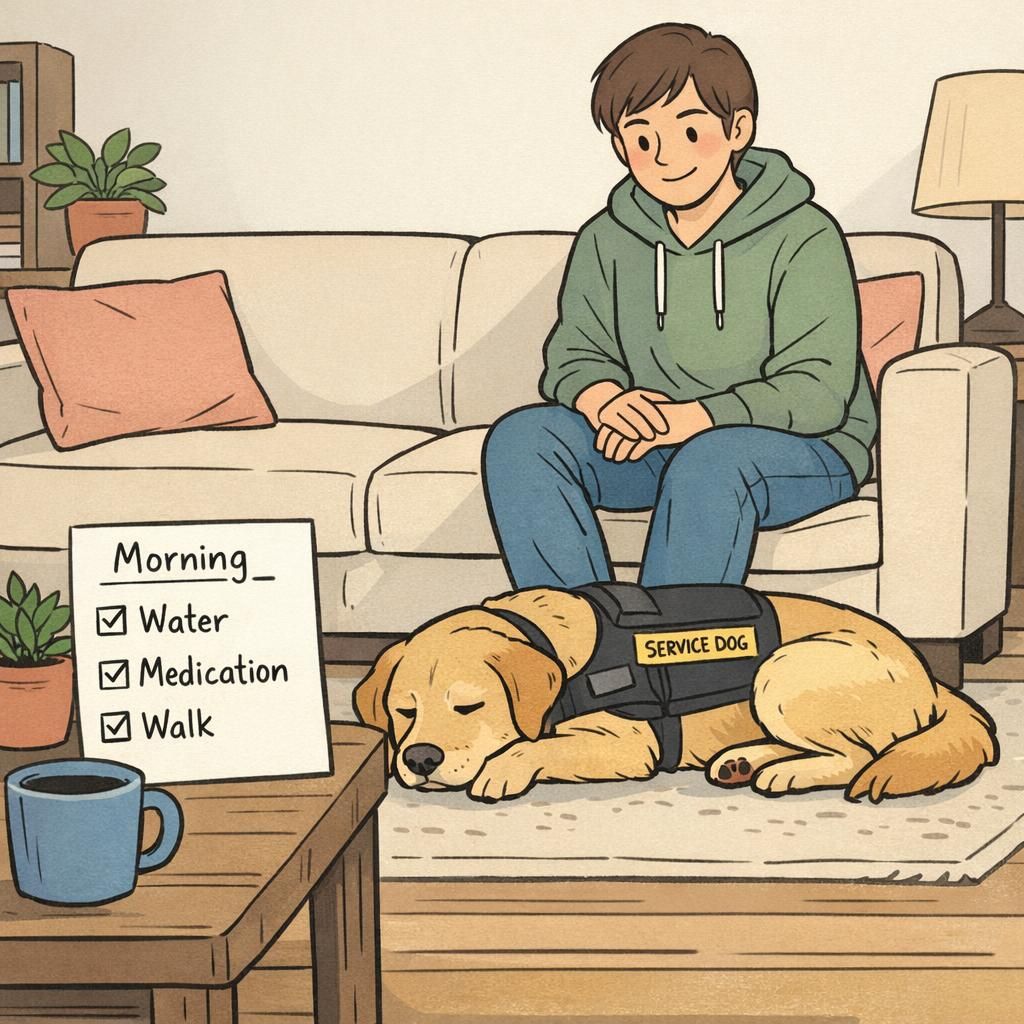
The first few weeks with a service dog can feel like a mix of relief, excitement, and “How do we do this smoothly?” Even when you’ve been preparing for a long time, daily life changes the moment your dog becomes part of your household rhythm. You’re not just living with a dog—you’re building a working partnership that needs trust, repetition, and time.
Bonding often looks quieter than people expect. It’s learning how your dog checks in with you, how they respond to your tone and posture, and what helps them stay calm and focused. At the same time, your dog is learning your routine, your pacing, and your cues—especially the little “real life” signals that don’t show up in practice sessions.
Many handlers notice that routines quickly become a source of structure and stability. Feeding times, potty breaks, grooming, short training refreshers, and rest periods start to anchor the day. This can be a positive shift—especially if your disability makes time management, stress, or transitions harder.
One of the most meaningful changes after getting a service dog is how many small tasks start to feel more doable. While big moments matter, most handlers experience the greatest impact in the everyday: fewer interruptions, fewer “I can’t get to that,” and fewer situations where you feel forced to ask for help.
Depending on your needs and your dog’s training, task support can include retrieving dropped items, bringing a phone, helping you maintain balance, providing bracing support where appropriate, opening and closing doors, turning lights on or off, or creating safer movement in public by helping you navigate tight spaces and crowds.
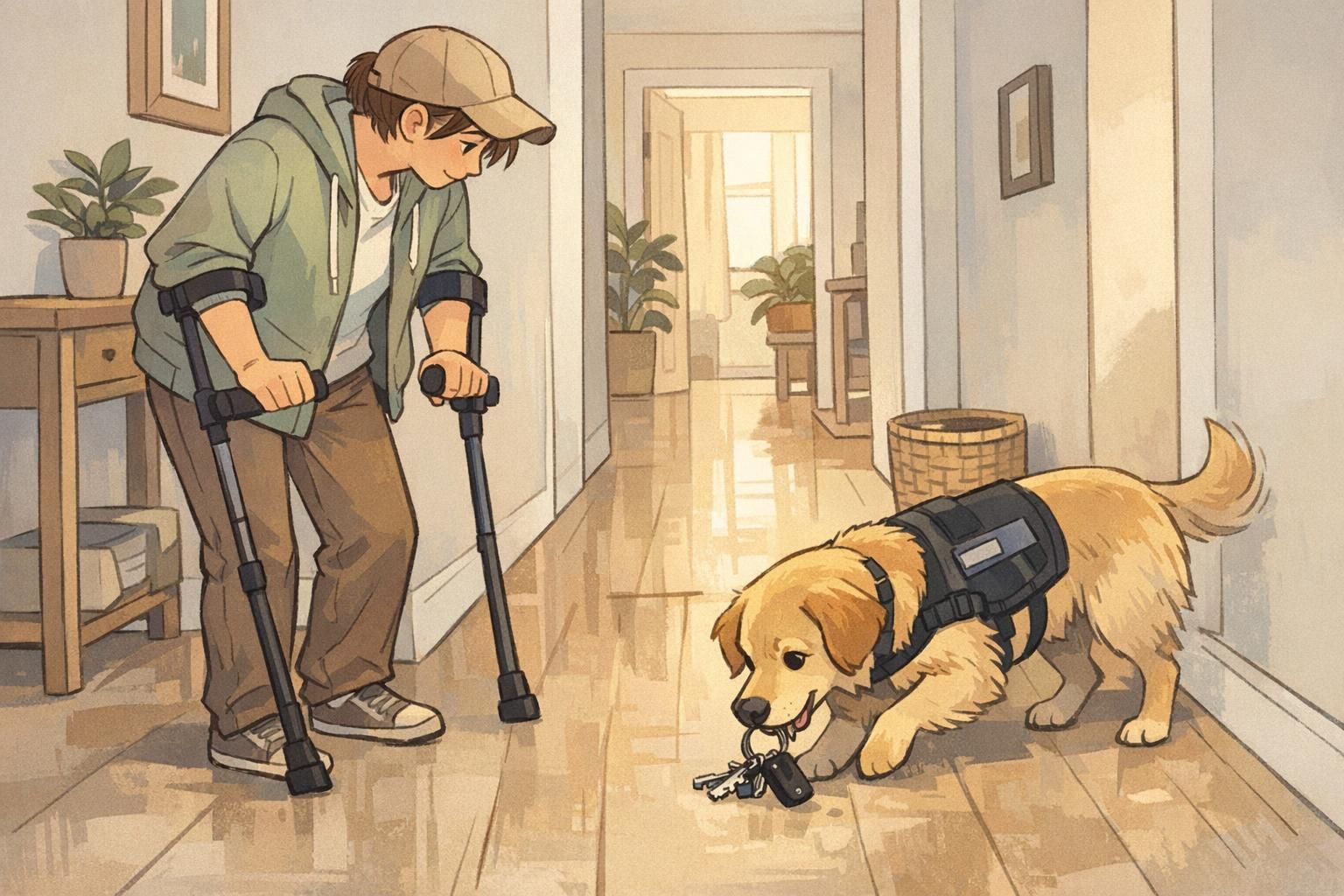
Even when a task seems “small,” the independence it creates can feel huge. Not having to wait for someone to pick up a dropped item or guide you through a busy entryway can change how you plan your day. Over time, many handlers report feeling more in control—not because life becomes perfect, but because daily friction decreases.
“ "I didn’t realize how much energy I spent problem-solving every little step. When my dog started helping with the basics, I had more bandwidth for everything else." – Service dog handler”
Beyond tasks, many handlers describe emotional changes that develop as the partnership becomes consistent. A service dog can provide steady companionship and a reliable pattern to the day—two things that often support emotional regulation over time.
Commonly reported shifts include reduced anxiety in everyday settings, less isolation, and a greater sense of confidence when leaving home. For some people, the dog’s presence can act like a grounding cue: a familiar routine, a familiar touch, and a familiar teammate who helps you move through the world with more calm.
Research on service dog partnerships has also been associated with improved psychosocial outcomes—such as social participation and aspects of emotional functioning—when compared with control groups in certain studies (source).
Yes. You’re adding responsibility and learning a new partnership at the same time. Many teams settle noticeably once routines become automatic and public outings feel more familiar.
A service dog is typically one part of a larger support plan. Many handlers use a combination of tools and find that the dog makes daily functioning easier alongside other care strategies.
As your confidence grows, your world often gets bigger. Many handlers find it easier to participate in work, school, errands, and community activities because they have reliable support at their side. Over time, outings may feel less like a risky event and more like a manageable routine.
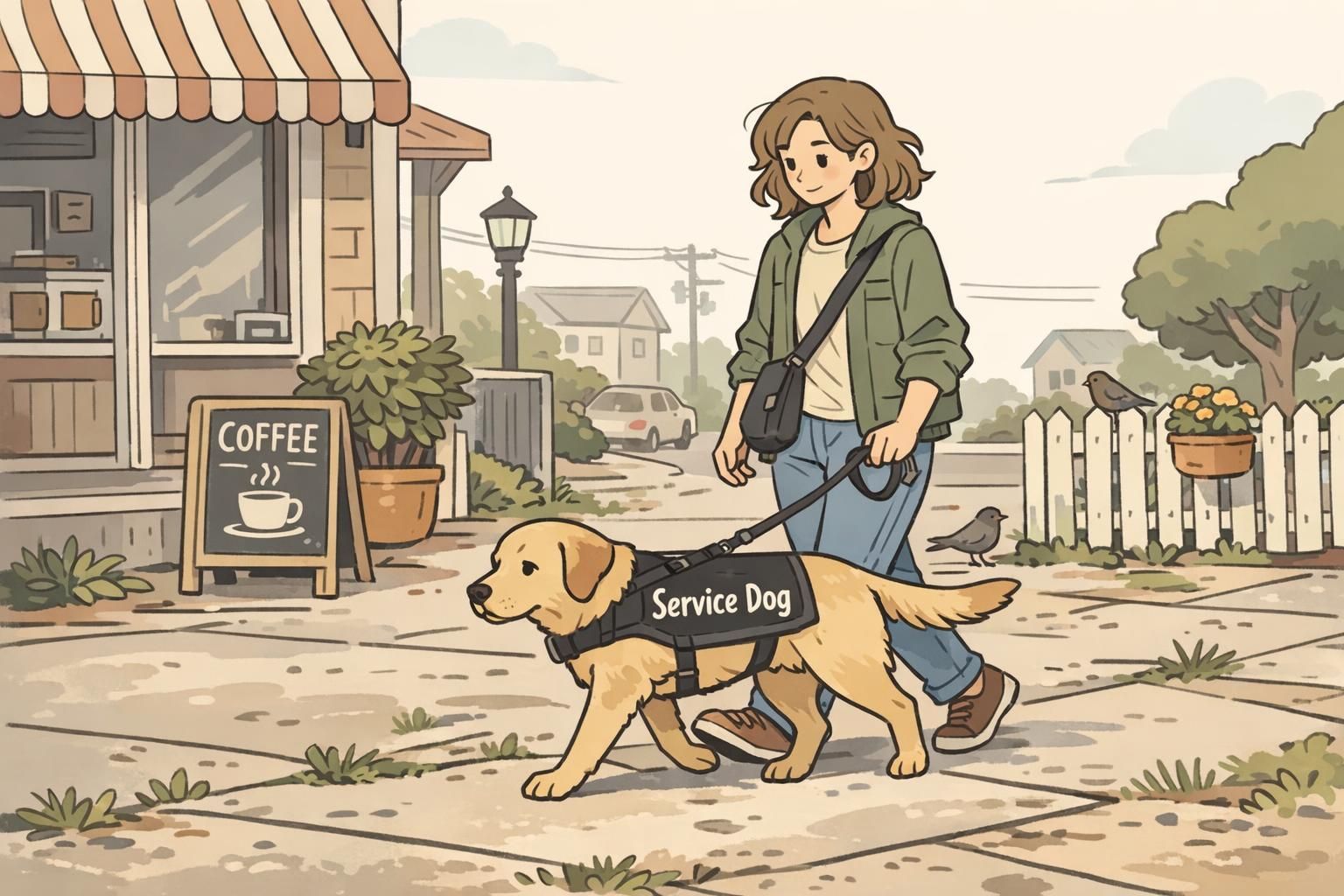
Service dogs also tend to change the social experience of being in public. Dogs are a natural conversation bridge, and you may find people speak to you more often than they used to—sometimes in supportive ways, sometimes in distracting ways. Learning to manage attention is part of long-term sustainability.
“ "The biggest surprise was how many people wanted to talk. Once I had a few go-to scripts, it got easier to stay polite and keep my dog focused." – Service dog handler”
Public access can feel intimidating at first, but most day-to-day interactions become smoother when you understand basic expectations and have a plan for communication. In general, service dog teams do best when the dog is under control, focused, and able to behave appropriately in public settings.
A common point of confusion is what businesses can ask. In many everyday situations, staff may focus on whether the dog is a service animal and whether it’s trained to perform tasks related to a disability. Keeping your answers calm and brief helps set the tone and keeps the interaction from becoming a debate.
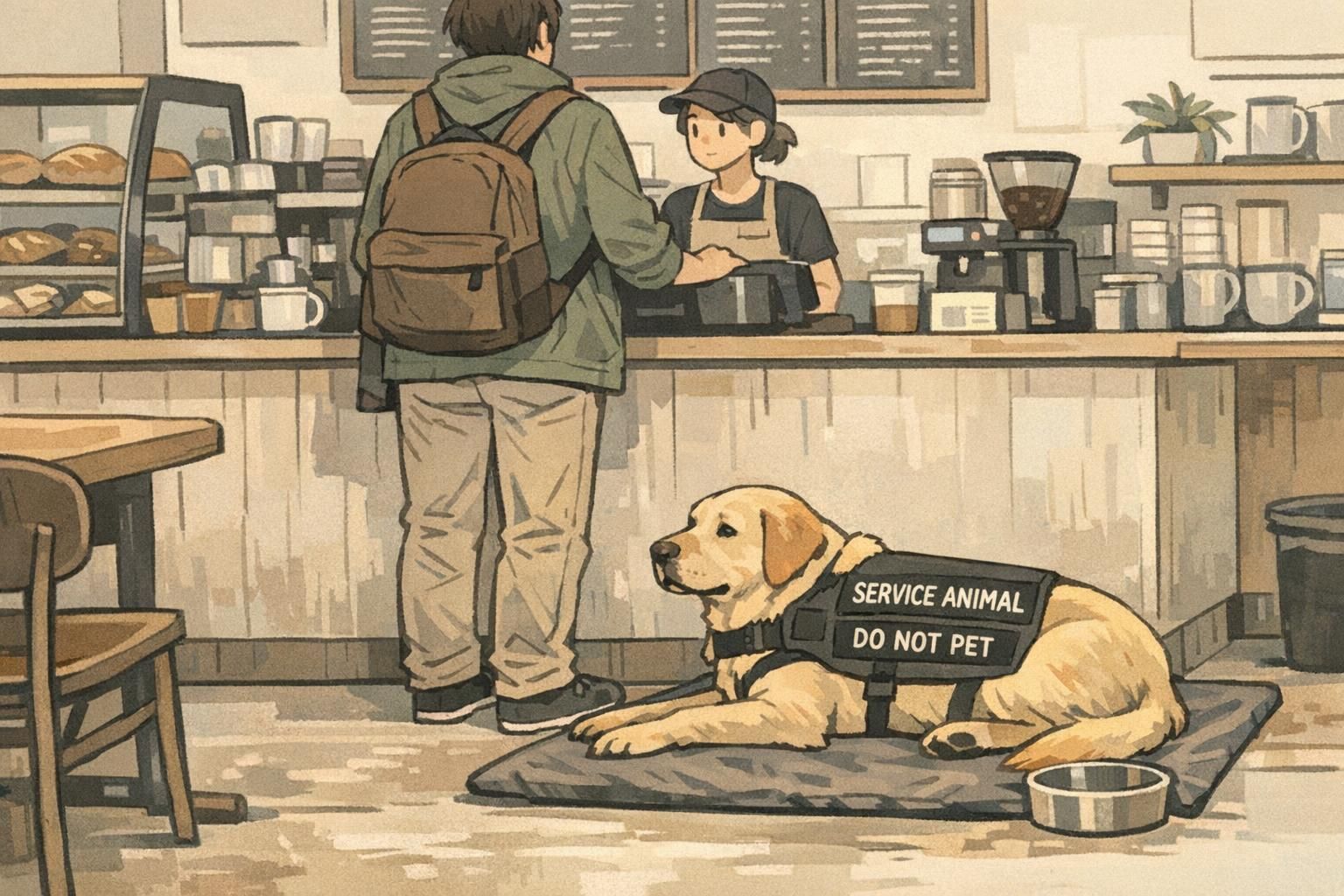
Many handlers also choose clear identification tools to reduce friction in real-world moments—especially when you’re tired, in a hurry, or just want a straightforward interaction. For example, carrying ADA law handout cards for calm, clear conversations can help you communicate confidently without feeling like you need to explain your private medical information.
A service dog rarely affects only one person. Over time, the partnership can shift household dynamics in ways that reduce stress and build teamwork. When a handler gains more independence, family members and caregivers often feel relief—not because they stop caring, but because the day becomes more predictable and less crisis-driven.
Many families describe feeling safer when the dog is present, especially during routines that used to be difficult: getting ready for the day, transitioning out the door, managing distress, or moving through the home when symptoms flare. Some dogs provide interruption support during moments of distress, assist with reminders tied to routine, or help create a calmer pace in the household simply through consistent structure.

The biggest help is consistency: avoid distracting the dog while working, follow household rules for feeding and play, and support the handler’s routines so the dog’s schedule stays stable.
Life with a service dog runs smoother when you’re set up for quick, low-stress transitions—especially on days when your symptoms are heavier. Many experienced handlers keep a small “grab-and-go” kit near the door and a backup plan for busy environments.
Many handlers also like having an easy-to-access registration profile and ID for smoother introductions in housing, travel, and everyday public situations. It can help you present consistent information quickly, without turning a simple interaction into something that feels confrontational. If that sounds useful for your lifestyle, consider a starter registration package for everyday identification.
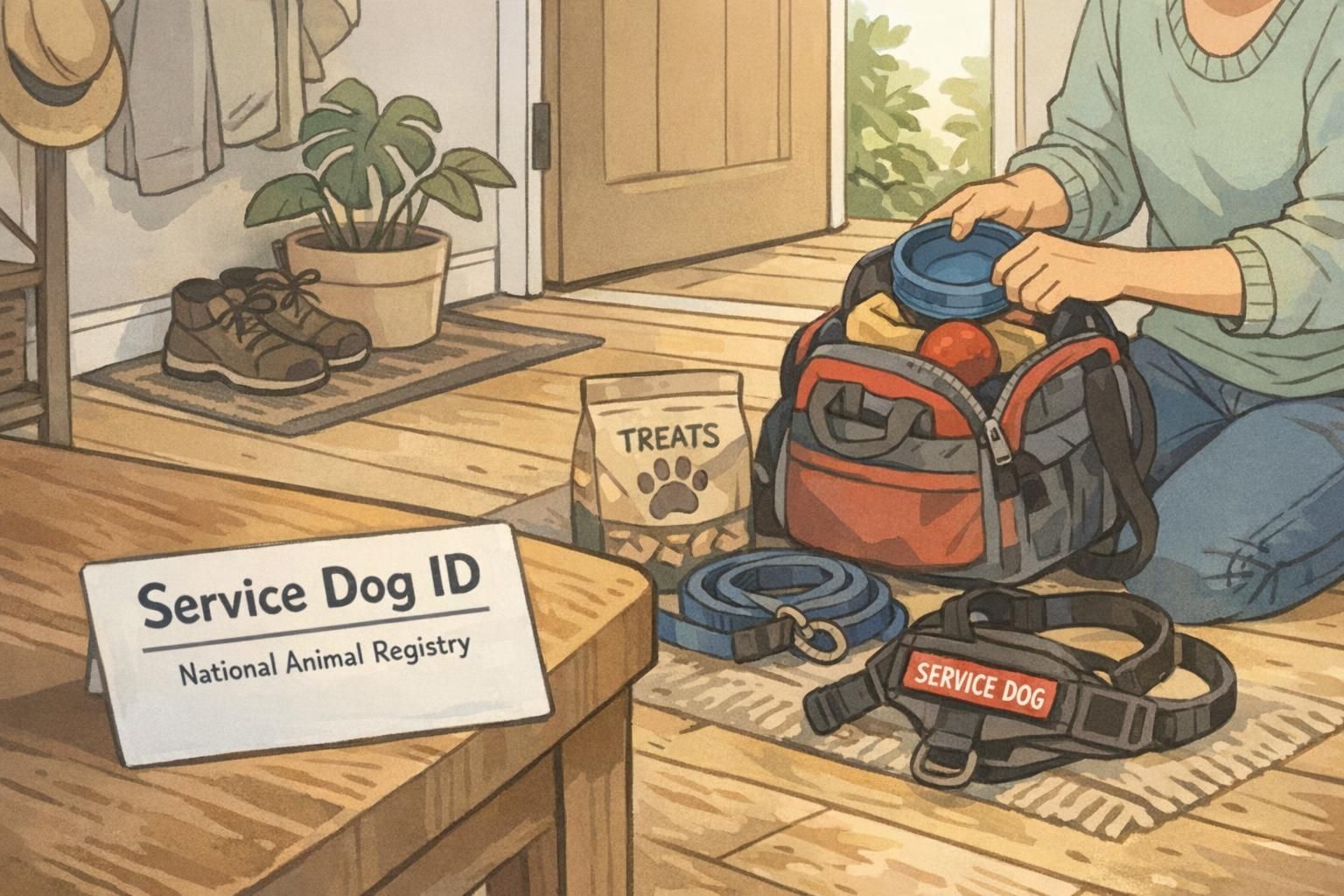
At first, traveling with a service dog can feel like you’re packing for two lives at once. The good news is that logistics usually get easier quickly. Once you’ve done the same type of outing a few times—doctor’s appointments, pharmacy runs, grocery shopping—you’ll learn what your dog needs, what you need, and which small adjustments prevent stress.
For longer days, planning ahead can make the difference between “manageable” and “overwhelming.” It may help to call ahead when appropriate, choose seating that gives your dog space, and build in a predictable bathroom break schedule. If your dog is comfortable and you feel prepared, new environments become much easier to handle.
If you’re building confidence around logistics, this guide can help: traveling with a service dog. And for handlers who prefer having a consistent set of identification and travel-facing materials ready to go, a travel-ready registration package for smoother trips can be a practical way to stay organized.
Months and years into a service dog partnership, many teams describe a shift from “thinking through every step” to simply living. Communication becomes faster, cues become more subtle, and your dog often starts to anticipate routines with calm confidence. That long-term ease is built on maintenance—small habits that protect your dog’s reliability and well-being.
Keeping skills sharp doesn’t have to mean long training sessions. It can look like a few minutes of practice during normal life: a clean heel from the car to the door, a brief settle while you wait, a quick retrieval, or a calm “leave it” around distractions. Pair that with wellness care, appropriate rest days, and honest check-ins about workload.
“ "The longer we worked together, the more ‘automatic’ life felt. The key was protecting my dog’s rest and keeping our basics strong." – Service dog handler”
Life after getting a service dog usually changes in two directions at once: you gain support and independence, and you take on new responsibility. Many handlers find that the tradeoff is worth it. Daily tasks can become easier, emotional well-being can improve with routine and companionship, and participation in the world often expands—more errands, more work or school engagement, and more community connection.
Challenges are normal, too. Public attention can be tiring. Some days your dog may be more distracted, and you may need to simplify plans. There’s ongoing care to manage—training refreshers, grooming, exercise, and rest. But with preparation, consistency, and clear communication tools, most teams find a steady rhythm.
Your trusted source for service animal registration. Get professional ID cards, digital profiles, and smart NFC tags to keep your service animal safe and recognized.
© National Animal Registry — All rights reserved.