
If you’ve searched online for service dog help, you’ve probably seen ads that promise “instant service dog certification” in minutes—sometimes with a downloadable certificate, an ID card, a registry number, and bold language that sounds official. For many handlers, that’s appealing for a simple reason: you want fewer awkward conversations and smoother day-to-day access.
The red flag usually isn’t the idea of having identification. Clear, professional identification can be genuinely helpful in real life. The concern is the promise that a document alone instantly creates legal status—without any attention to the dog’s actual purpose, training goals, or public behavior. In practice, the dog’s role (what it does to help) and how it behaves in public are what make the biggest difference when you’re navigating stores, hotels, events, and everyday errands.

In the U.S., the Americans with Disabilities Act (ADA) generally focuses on what a service dog does and how the team functions in public. A service dog is typically understood as a dog trained to perform tasks or work related to a person’s disability. Day to day, that means the dog’s purpose and behavior tend to be the most important factors in real-world interactions.
In many public-facing situations, staff are also limited in what they can ask. In general, if it isn’t obvious what the dog is trained to do, staff may ask two questions: (1) whether the dog is a service animal required because of a disability, and (2) what work or task the dog has been trained to perform. They typically shouldn’t require documentation on the spot as a condition for entry. This is why handlers often find that calm, consistent answers—and a dog that is under control—resolve most situations quickly (source).
In many everyday public settings, access decisions tend to hinge on whether the dog is a service animal and what task it performs, plus whether the dog is under control. Many handlers still choose to carry optional materials for smoother communication, but it’s smart to focus first on clear answers and solid public behavior.
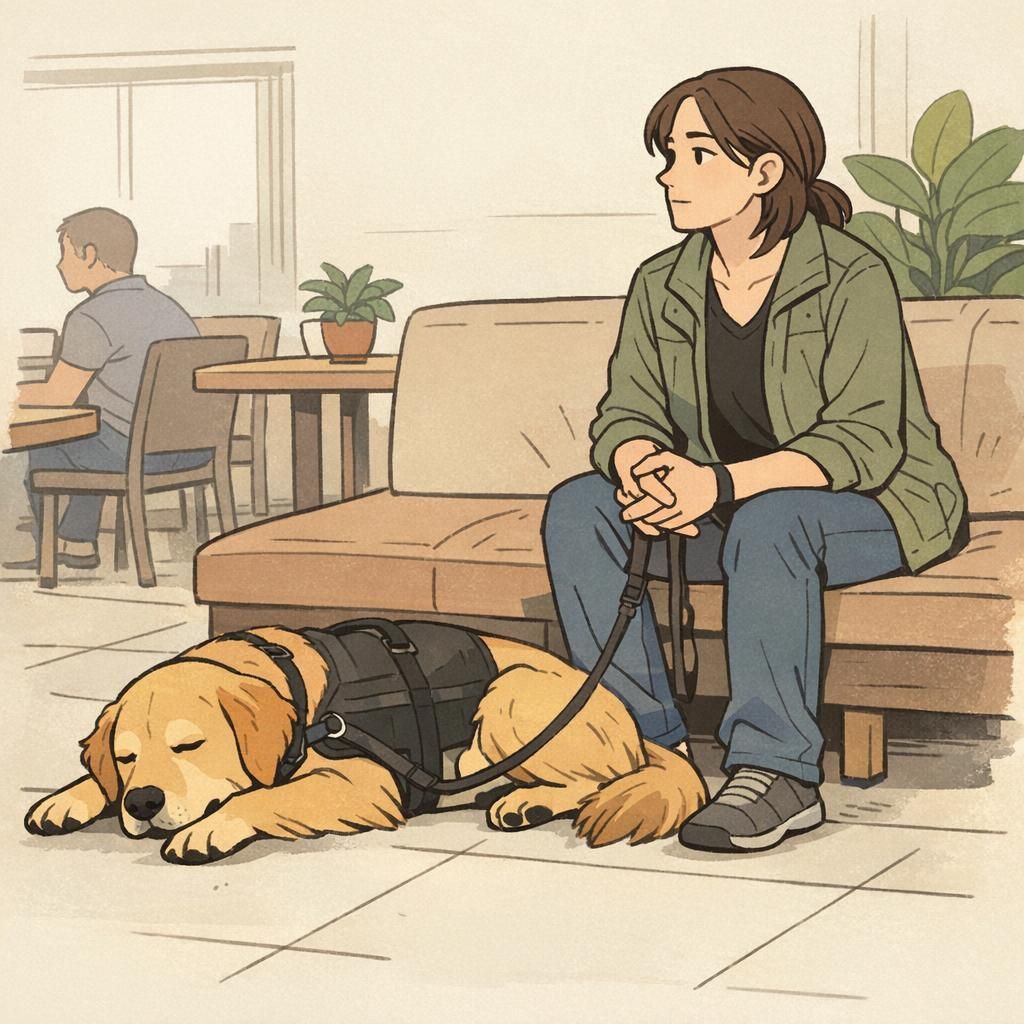
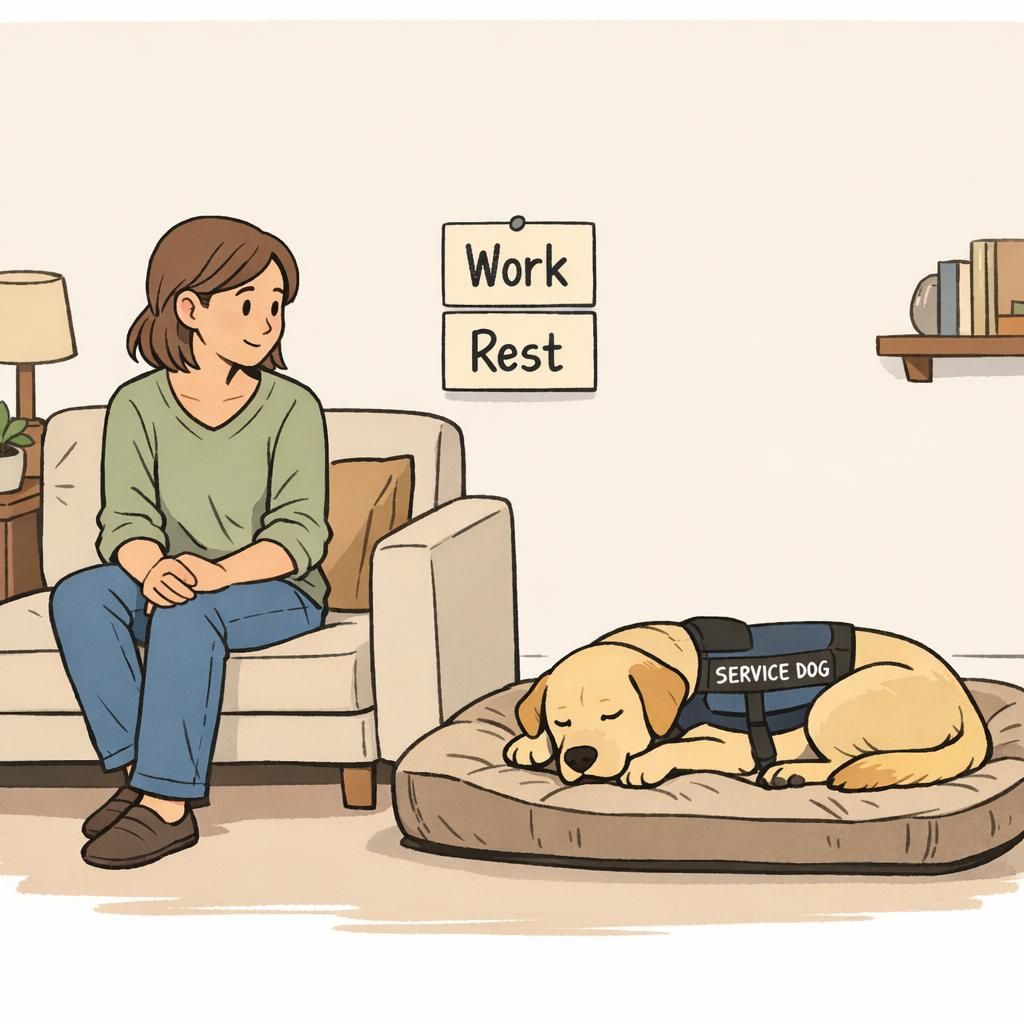
Quiet, focused behavior; staying near the handler; not roaming, barking, or bothering others; and responding to handler cues. Good manners reduce questions and help everyone feel comfortable.
A lot of the confusion around “instant certification” comes from mixing up three different categories: service dogs, emotional support animals (ESAs), and therapy animals. They can all be incredibly valuable—but they don’t serve the same purpose, and they’re commonly accommodated in different ways.
“ "Once I could explain the difference clearly—service dog versus ESA—the conversations got easier. People weren’t trying to be difficult; they were just confused by the terms." – Service dog handler”
Instant options can be convenient, but it’s wise to read the wording carefully so you don’t end up with unrealistic expectations. The goal isn’t to shame anyone for wanting quick solutions—it’s to help you avoid the kinds of claims that can create conflict later when real-life gatekeepers interpret those promises differently.
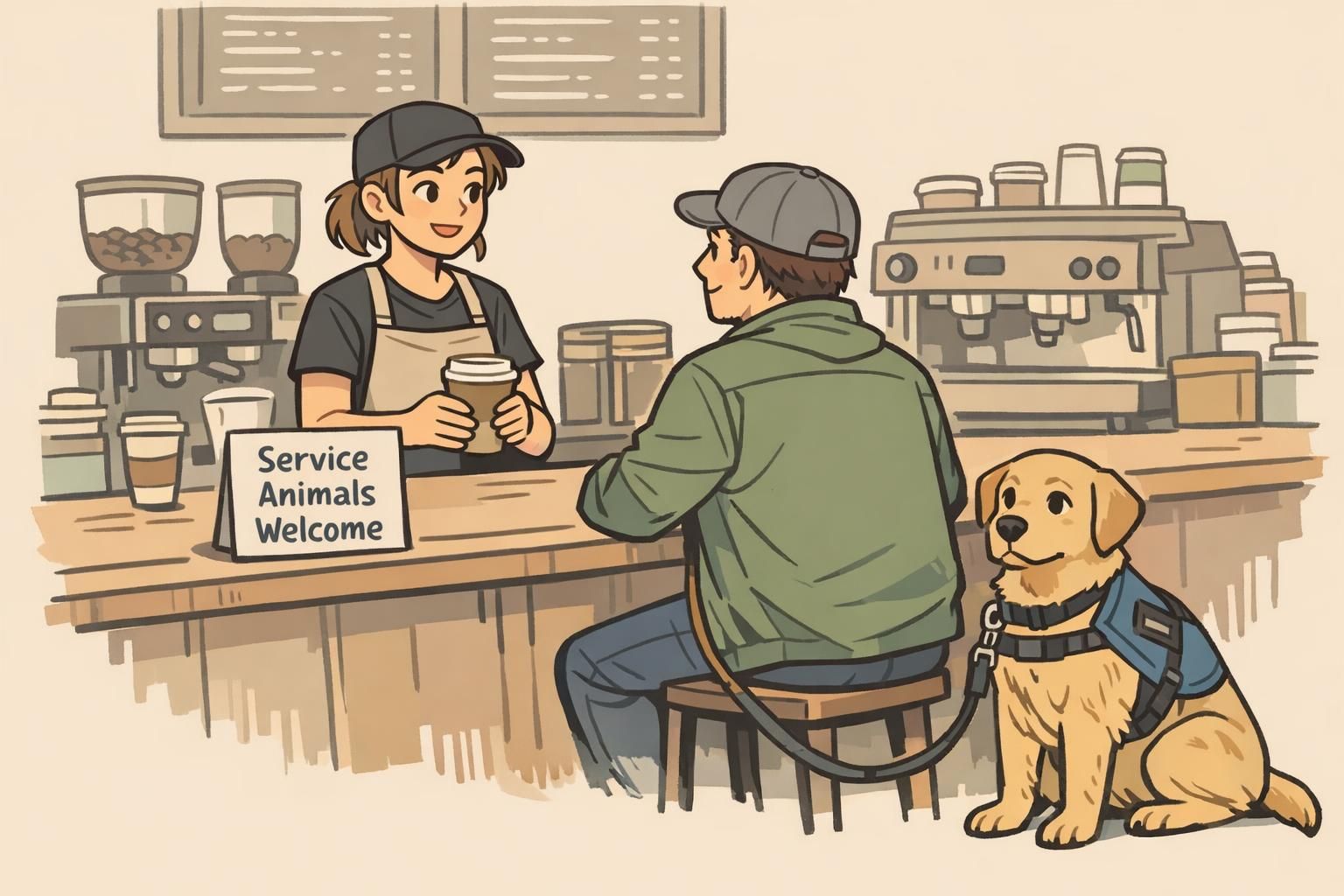
Even when paperwork isn’t required in the moment, many handlers still like having consistent documentation as a convenience tool. Think of it as an “organization and communication” solution: it can help you present your dog’s information in a calm, consistent way—especially when you’re tired, rushed, or dealing with someone who hasn’t encountered service dogs often.
For example, having an ID card and a matching digital profile can streamline common conversations with lodging staff, property managers, or travel teams who want to understand what they’re looking at quickly. The value is often psychological as much as practical: when you feel prepared, it’s easier to stay calm and clear—two things that prevent misunderstandings.
Many people choose a customizable service dog ID with a matching digital profile because it keeps key details consistent and easy to present when you want to proactively reduce confusion.
If you’re comparing providers, the most helpful approach is to evaluate whether the paperwork supports accurate expectations. The “best” choice is typically the one that helps you communicate clearly without overpromising outcomes you can’t control.
For many handlers, yes—because the practical benefit is smoother communication. Optional documentation can help you stay organized and confident, and it can reduce back-and-forth when someone is unfamiliar with service dog norms.
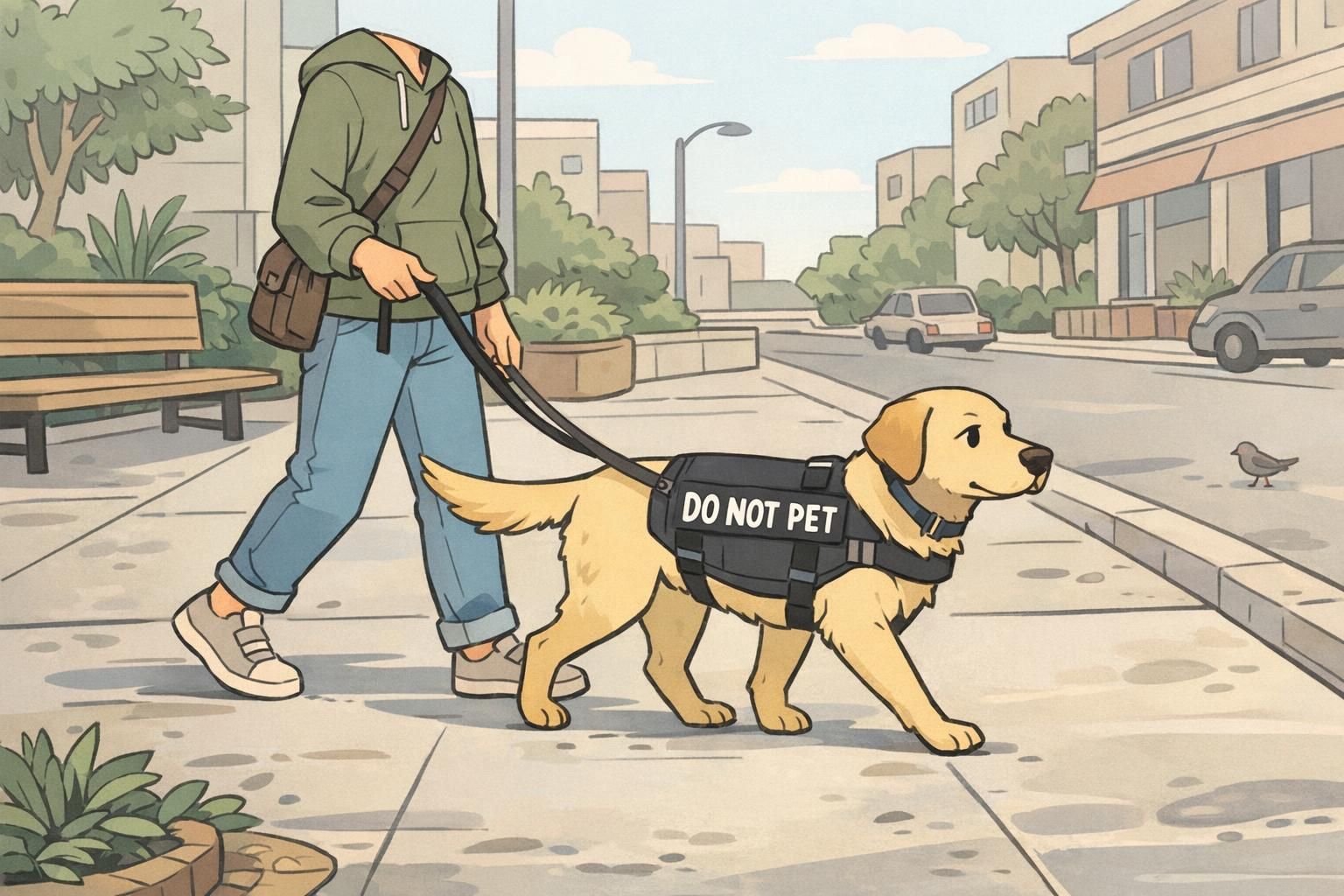
Most conflict happens when people feel put on the spot. Having a simple script can help you answer quickly and keep the tone respectful. Your goal is rarely to “win”—it’s to move through your day with minimal stress while keeping your dog focused and under control.
Some handlers also keep brief printed materials on hand to support calm, respectful communication. ADA law handout cards for easy, respectful explanations can be useful when a staff member is trying to follow rules but doesn’t remember the details.
“ "I used to over-explain. Once I switched to one sentence about the task and kept my dog in a tidy heel, most interactions became non-events." – Service dog handler”
Travel and housing are the moments when people most appreciate having their information organized. Not because you’re trying to “prove” yourself, but because these scenarios often involve new staff, new environments, and higher stress. When you can present a consistent set of details, you minimize delays and miscommunication.
For lodging check-in, it helps to be ready to answer basic questions calmly and keep your dog close and quiet. For your own records, a tidy profile (digital or printed) can help you track your dog’s details in one place—especially if you travel often or manage multiple documents. And for travel conversations, having your materials prepared ahead of time supports confidence and consistency.
If you’re planning a trip soon, it can help to review tips on traveling with a service dog so you feel prepared for the most common touchpoints.
Many handlers also like having a single bundle that keeps essentials together, such as a travel-ready service dog registration package, so they can focus on the trip rather than scrambling for details.
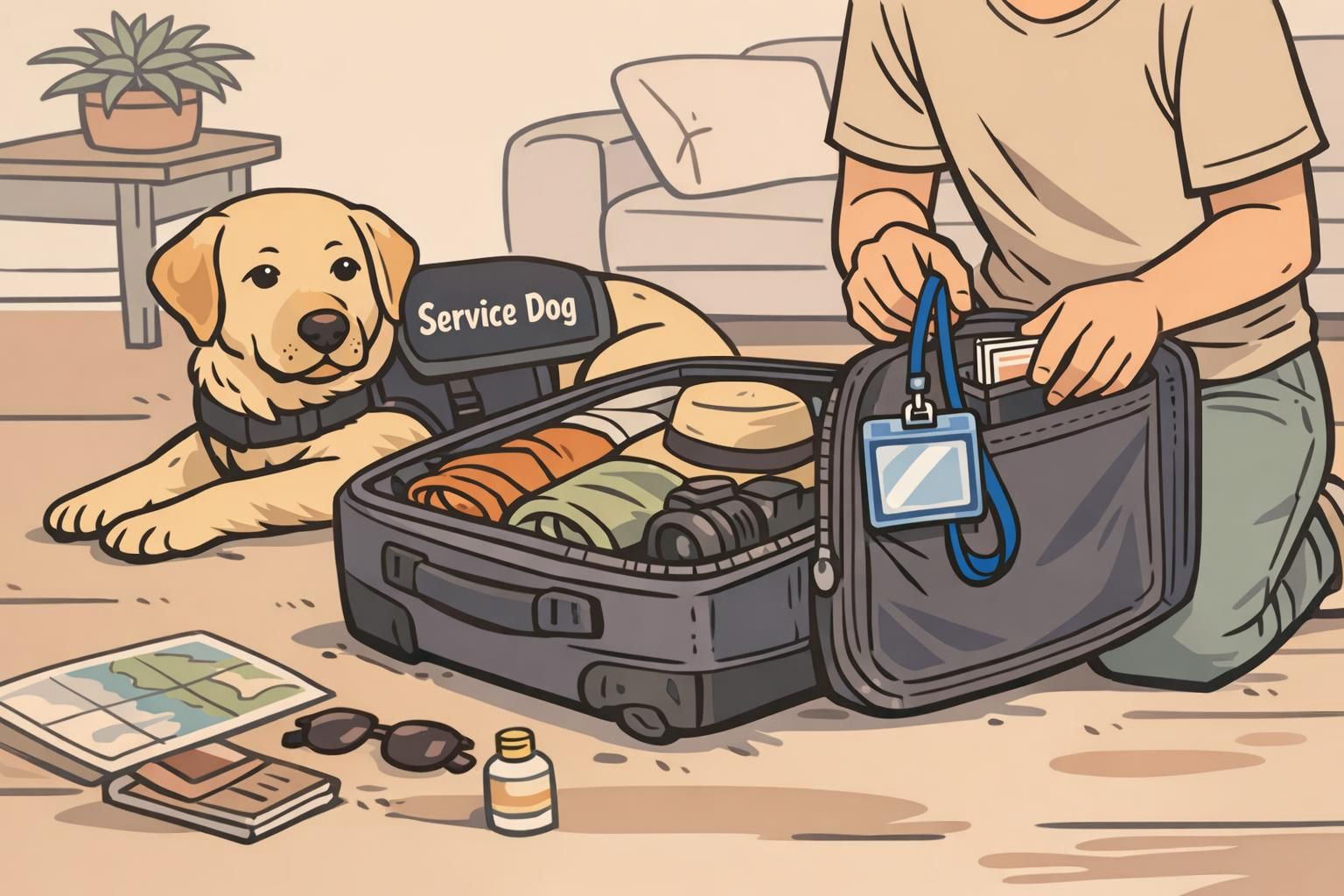
“Instant certification” becomes a red flag when it promises legal status or universal access based on paperwork alone. The more reliable path to smoother daily life is clarity: knowing how service dogs are commonly handled in public, being able to describe your dog’s task role simply, and prioritizing calm behavior and responsible handling.
Optional documentation and identification can still be a smart choice—especially if it helps you stay organized, communicate consistently, and reduce friction in high-stress moments like travel, housing conversations, or busy public spaces. Look for tools that feel professional, straightforward, and aligned with real-world expectations. When your dog is well-mannered and your communication is calm, you’re setting yourself up for the smoothest possible experience.
Your trusted source for official service animal registration. Get professional ID cards, digital profiles, and smart NFC tags to keep your service animal safe and recognized.
© National Animal Registry — All rights reserved.