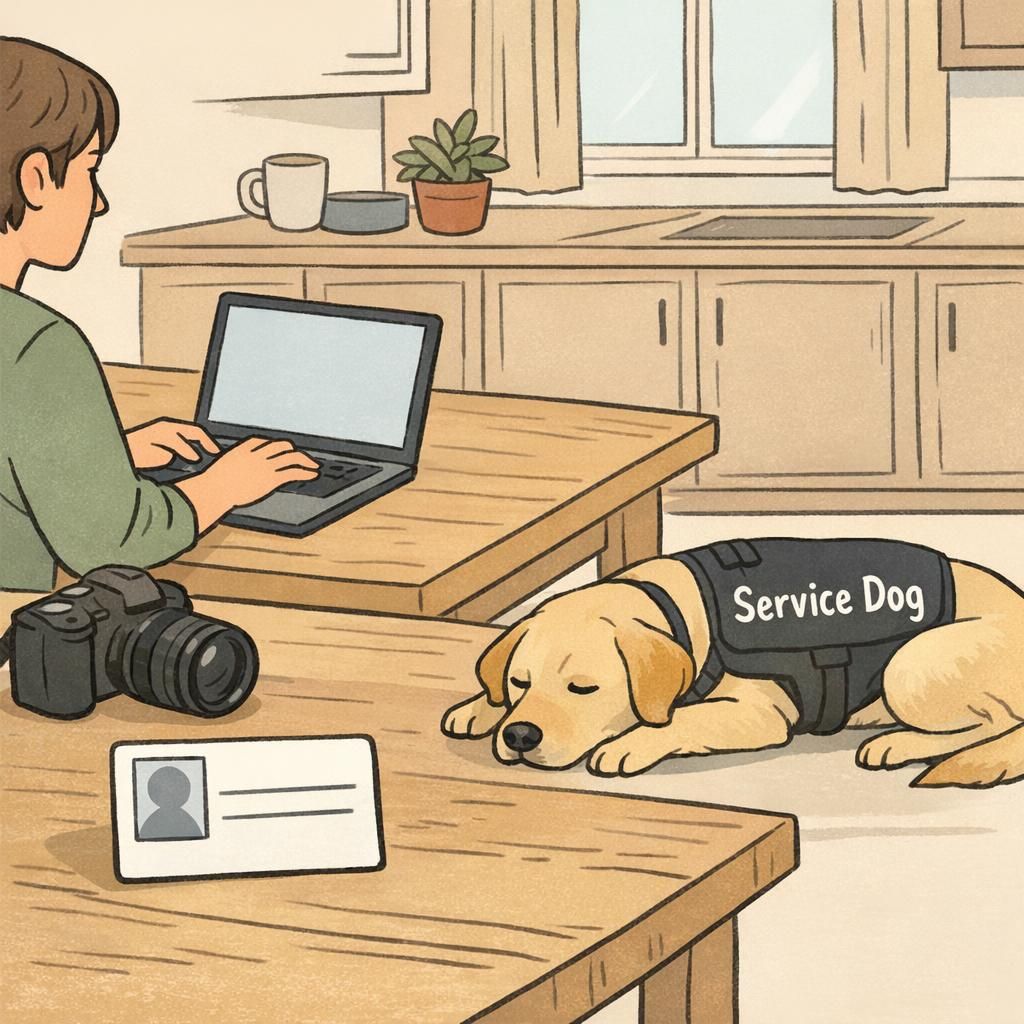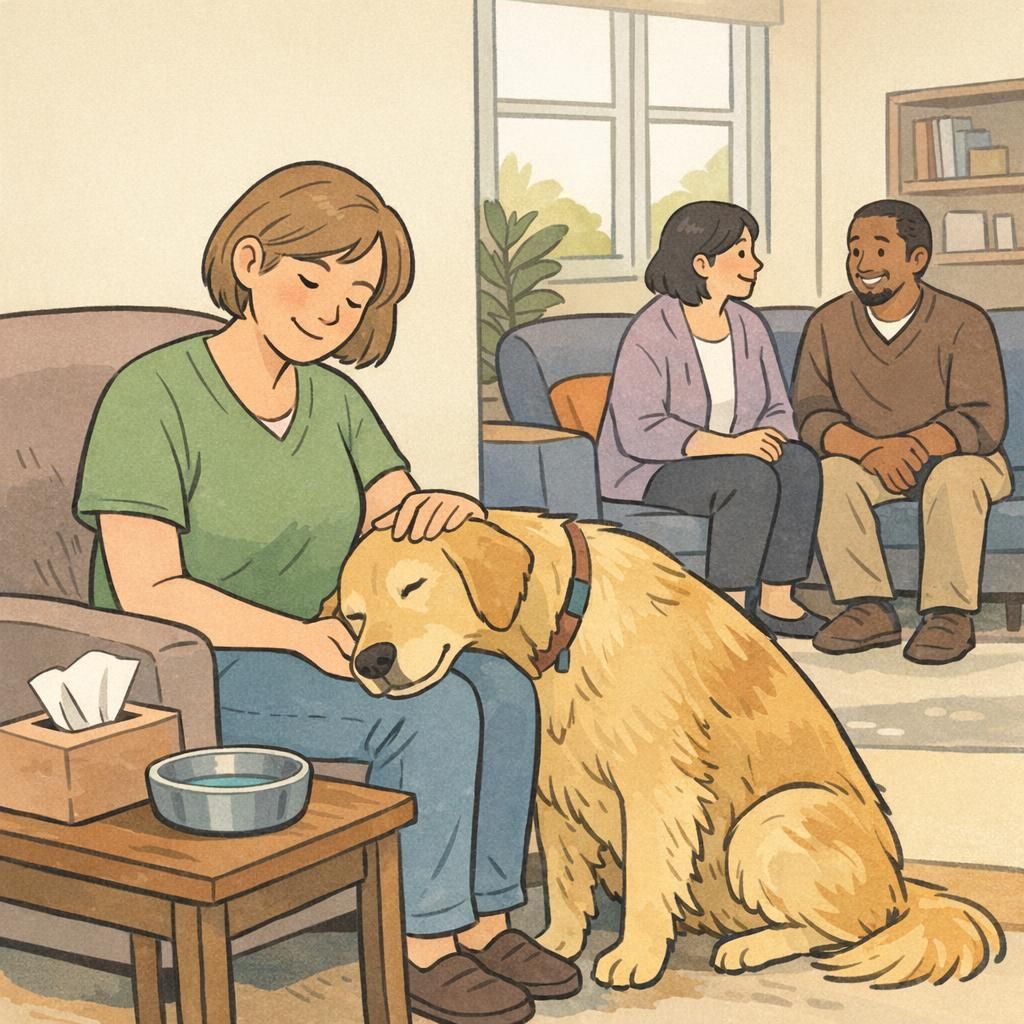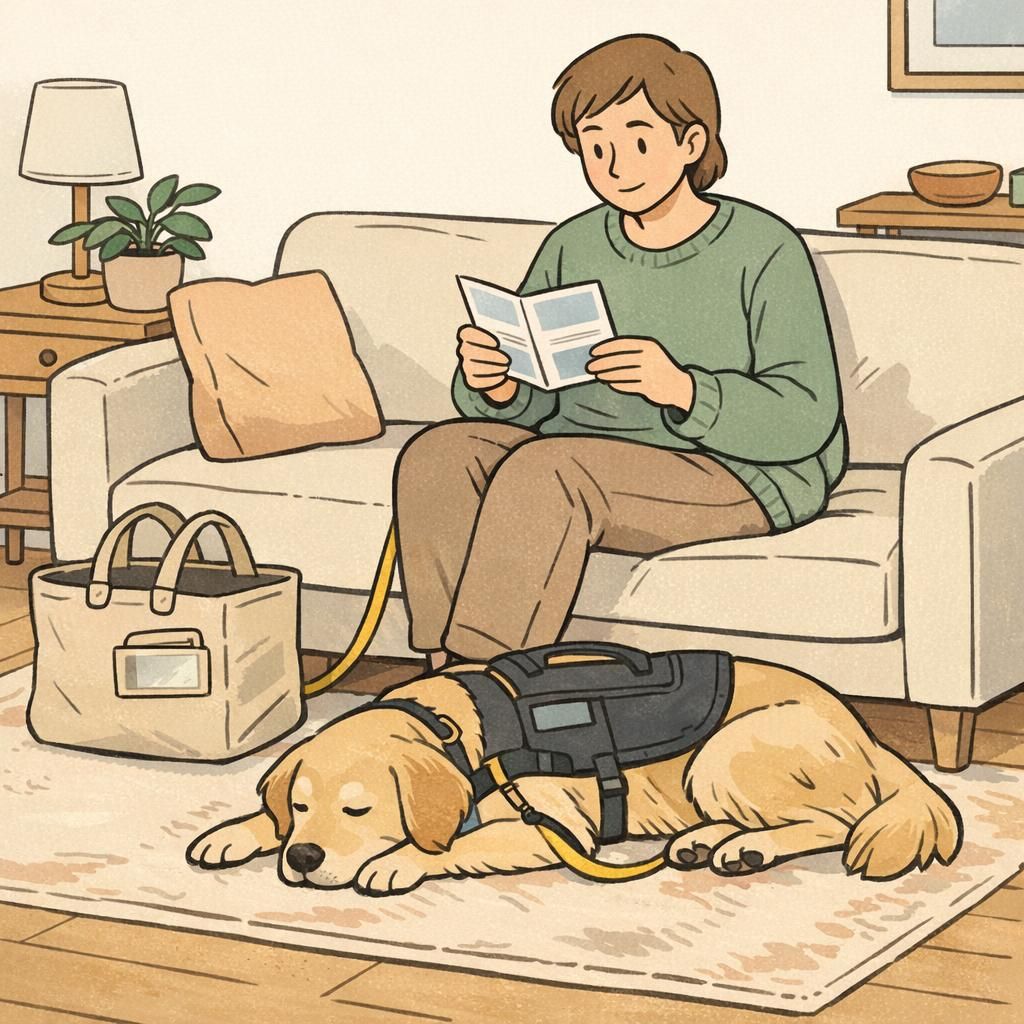
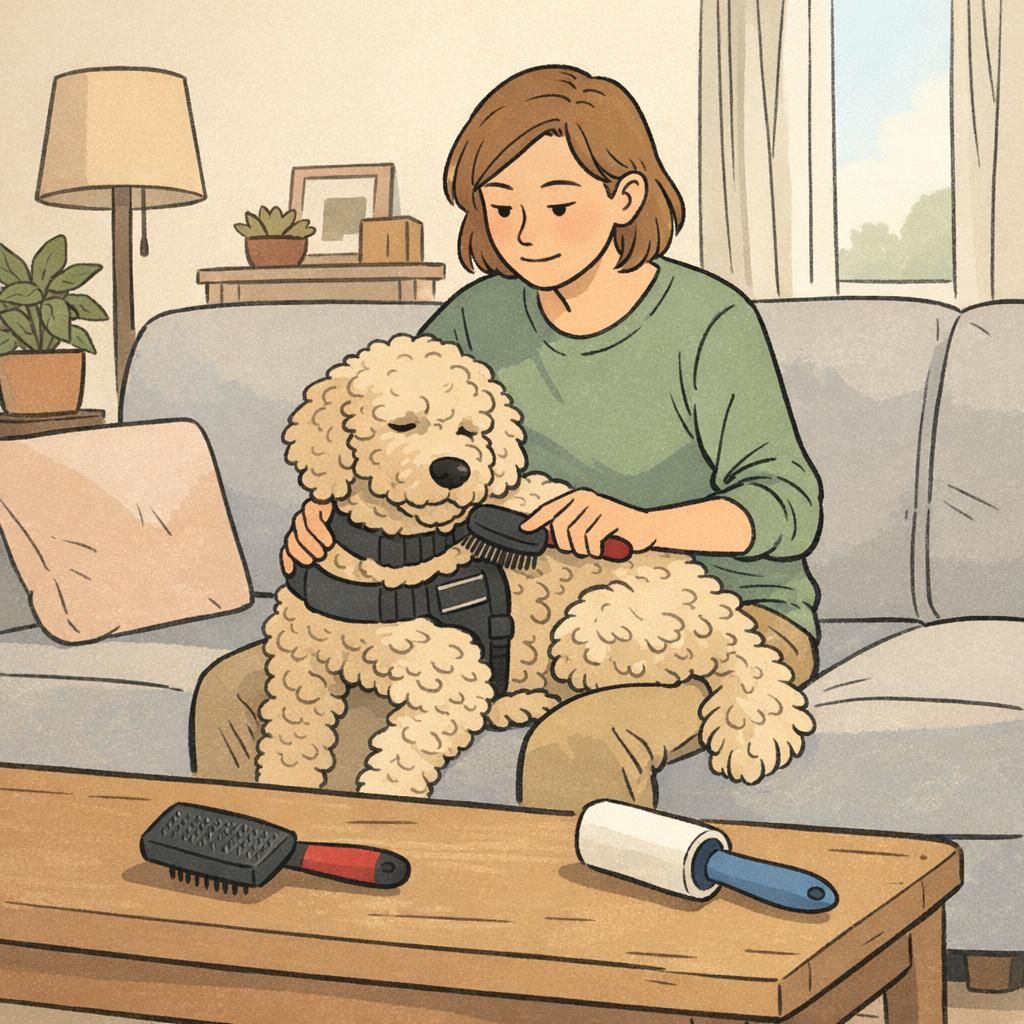
For many people who rely on a service dog or assistance dog, the support is constant: at home, in public, during errands, and often throughout the entire workday. That close, daily contact is exactly what makes service animals so life-changing—and it’s also why allergy concerns can feel like a major barrier.
Hypoallergenic service dogs appeal to handlers who want the same reliable task help and companionship, but with fewer allergy triggers showing up on clothing, furniture, and in the air at home. The goal isn’t perfection. The goal is a more comfortable day-to-day experience that makes it easier to stick to routines, maintain consistent bonding, and keep the dog close when support is needed most.
“Hypoallergenic” can be a helpful shortcut, but it’s important to understand what it does—and doesn’t—mean. Most dog allergies are not caused by fur itself. Common triggers include proteins found in dander (tiny flakes of skin), saliva, and even urine. These allergens can cling to coats, float in indoor air, and collect in bedding, carpeting, and upholstery.
Breeds often labeled hypoallergenic usually have coats that shed less and trap loose hair and dander differently than heavy-shedding breeds. A low-shedding, hair-like coat can mean fewer allergens spread around the home and fewer “surprise” allergens on your clothes after a long day together.
At the same time, no dog is 100% hypoallergenic. Individual sensitivity varies, and individual dogs vary too—even within the same breed. This is why many owners treat “hypoallergenic” as a practical starting point rather than a guarantee. The American Kennel Club notes that while some breeds are considered more allergy-friendly, no dog is completely hypoallergenic (source).
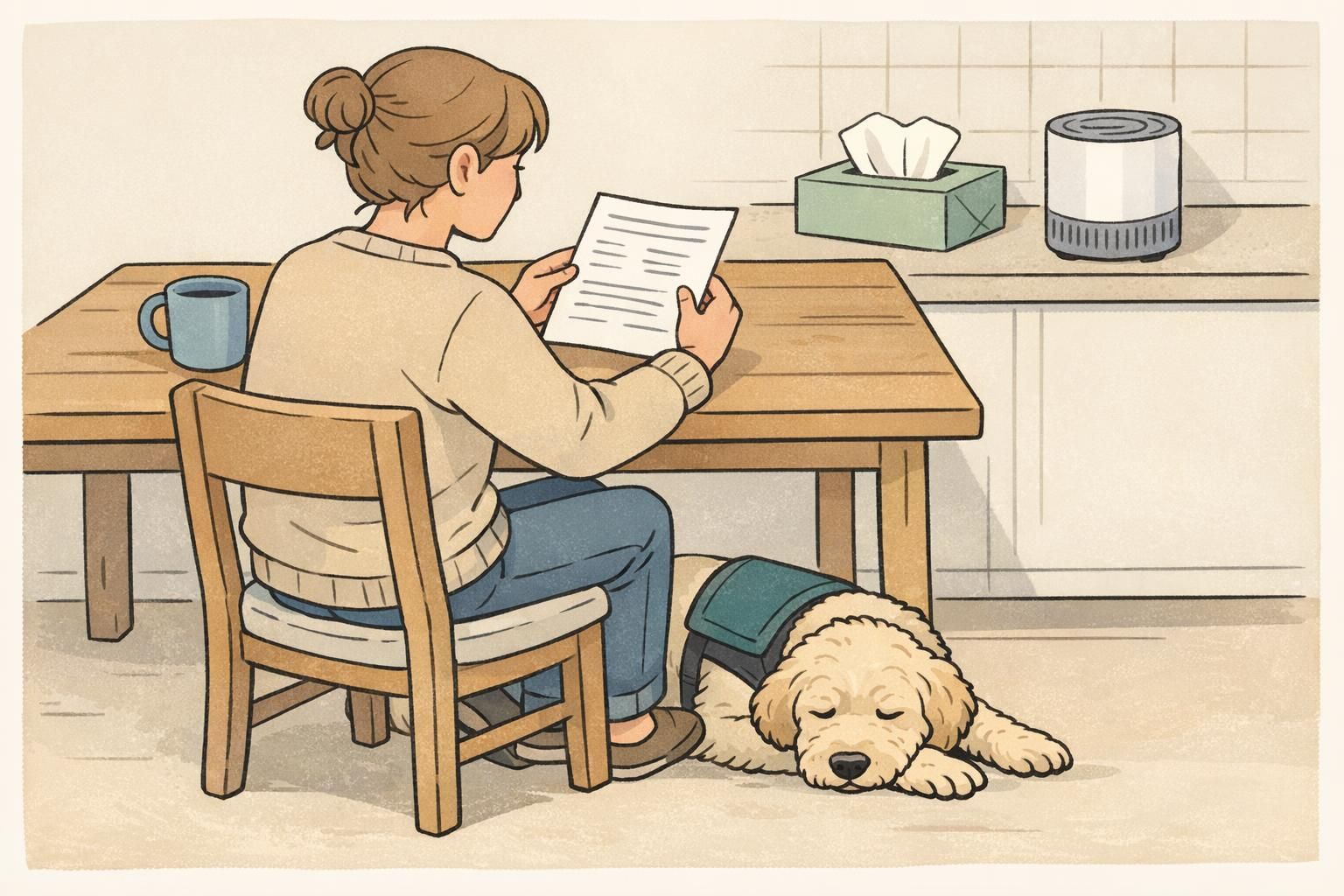
The biggest reason owners love hypoallergenic service dogs is simple: fewer allergy flare-ups can make it easier to live and work together consistently. A service dog isn’t just “around” sometimes. They’re often at your side for extended periods—on the couch, in the bedroom, under a desk, in the car, and in close proximity during tasks.
In real life, the small stuff adds up. A coat that sheds minimally can mean less hair on work clothes, fewer allergens collecting in blankets, and less time spent trying to recover from symptoms after a long day of contact. For handlers who are allergy-prone, that reduction can help keep routines stable—especially when the dog’s presence is tied to safety, independence, or symptom management.
“ "My dog needs to be close to me to help. Choosing a low-shedding coat type didn’t eliminate allergies entirely, but it made daily life much more manageable." – Service dog handler”
A hypoallergenic coat doesn’t limit a dog’s ability to work. Service dog success comes down to the right match: temperament, confidence in public, willingness to learn, and the physical and behavioral traits needed for the tasks you rely on.
Many low-shedding breed types are highly trainable and thrive with structure. With consistent practice, clear cues, and a calm approach, these dogs can learn a wide range of disability-related tasks and supportive routines.
Owners often start their search with breed types that are commonly described as low-shedding or more allergy-friendly. While breed traits can offer helpful clues, the individual dog matters just as much. Energy level, resilience, sensitivity to noise, and social confidence can vary widely—even among dogs that look similar on paper.
Here are a few popular options people frequently consider for service work, along with what owners tend to like about them.
Remember to match size and strength to your real needs. A smaller service dog may be perfect for hearing alerts, psychiatric support, and routine tasks. Larger dogs may be better suited for certain mobility-related tasks—always with careful attention to the dog’s health and safe training practices.
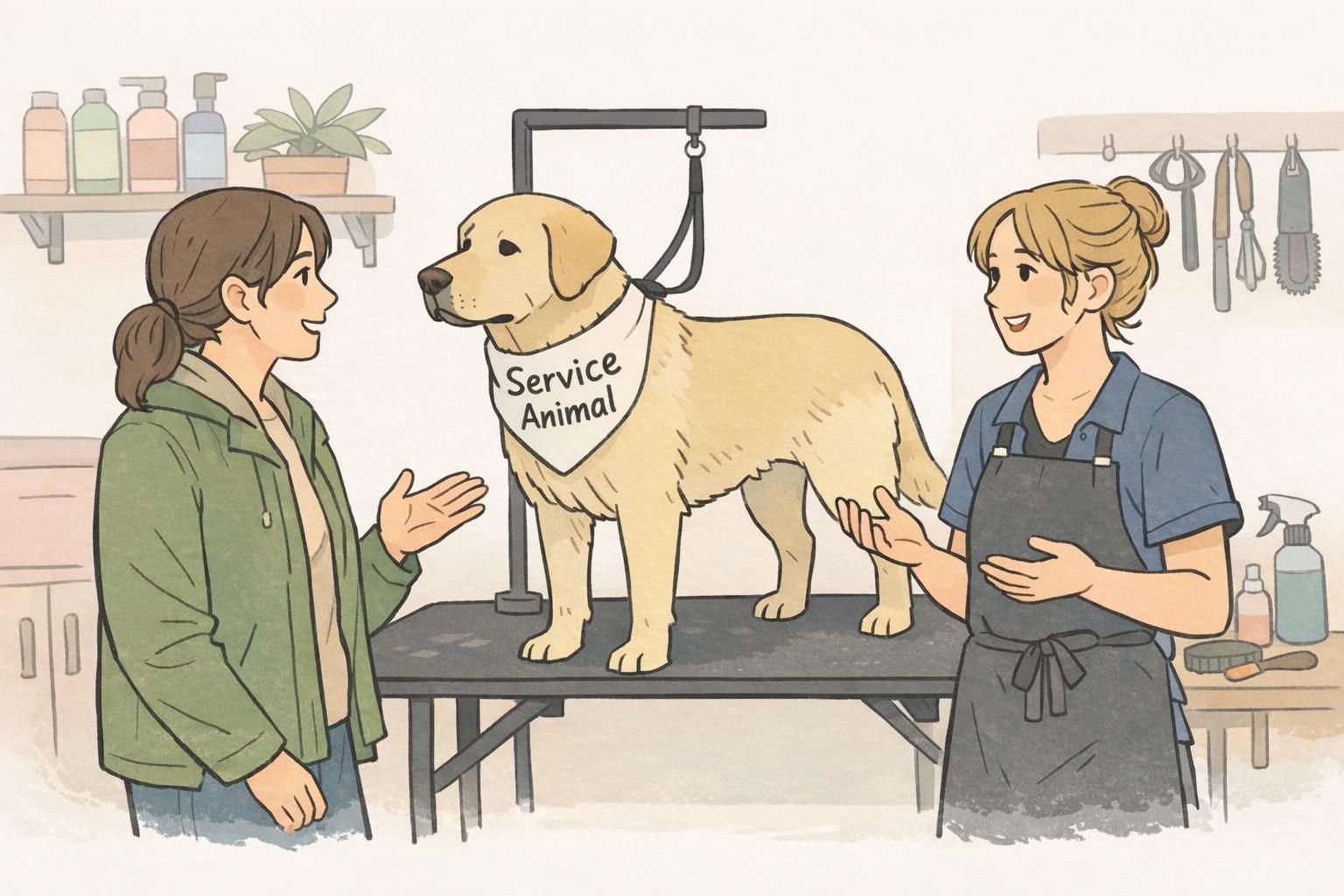
Beyond allergy comfort, owners often love the lifestyle benefits that come with low-shedding coats. When a dog works in your home and out in public, cleanliness isn’t just about appearances—it can impact breathing comfort, laundry load, and how easy it is to maintain an organized routine.
Less shedding often means less hair on furniture, fewer lint-roller emergencies before an appointment, and faster day-to-day cleanup. For many handlers, that translates into more energy for what matters: health, stability, and the service dog’s working skills.
If allergies are part of your household, the best results usually come from stacking small, consistent habits. Even with a low-shedding dog, allergens can build up in fabrics and corners over time—especially when your service dog is with you in every room.
Think of allergen reduction as a routine, not a one-time fix. The goal is to reduce what accumulates on a weekly basis so you’re not constantly “catching up” after symptoms flare.
It can reduce triggers for many people, but it’s not a guarantee. Allergies vary, and “hypoallergenic” typically means lower-shedding or more manageable allergens, not zero allergens.
Brushing can temporarily stir up allergens, but regular grooming usually helps long-term by removing loose hair and debris before it spreads through the home. Many owners brush in a specific area and clean right after.
Not always. Allergy triggers are more about dander and proteins than hair length. Many short-haired breeds shed heavily, which can spread allergens more widely.
Public access experiences can vary depending on where you live and the setting you’re entering. Even when you’re doing everything right—your dog is calm, focused, and clearly working—questions can come up. Many handlers find that a steady, prepared approach reduces friction and helps keep interactions brief.
Simple communication tools can be especially helpful on busy days, during travel, or when you’d rather avoid long conversations. That’s why many handlers keep short, respectful materials ready to share when needed, without escalating the moment.
Some owners choose to carry ADA law handout cards for quick, calm communication so they can answer common questions in a neutral, consistent way—especially when the handler is focused on symptoms, time constraints, or the dog’s working responsibilities.
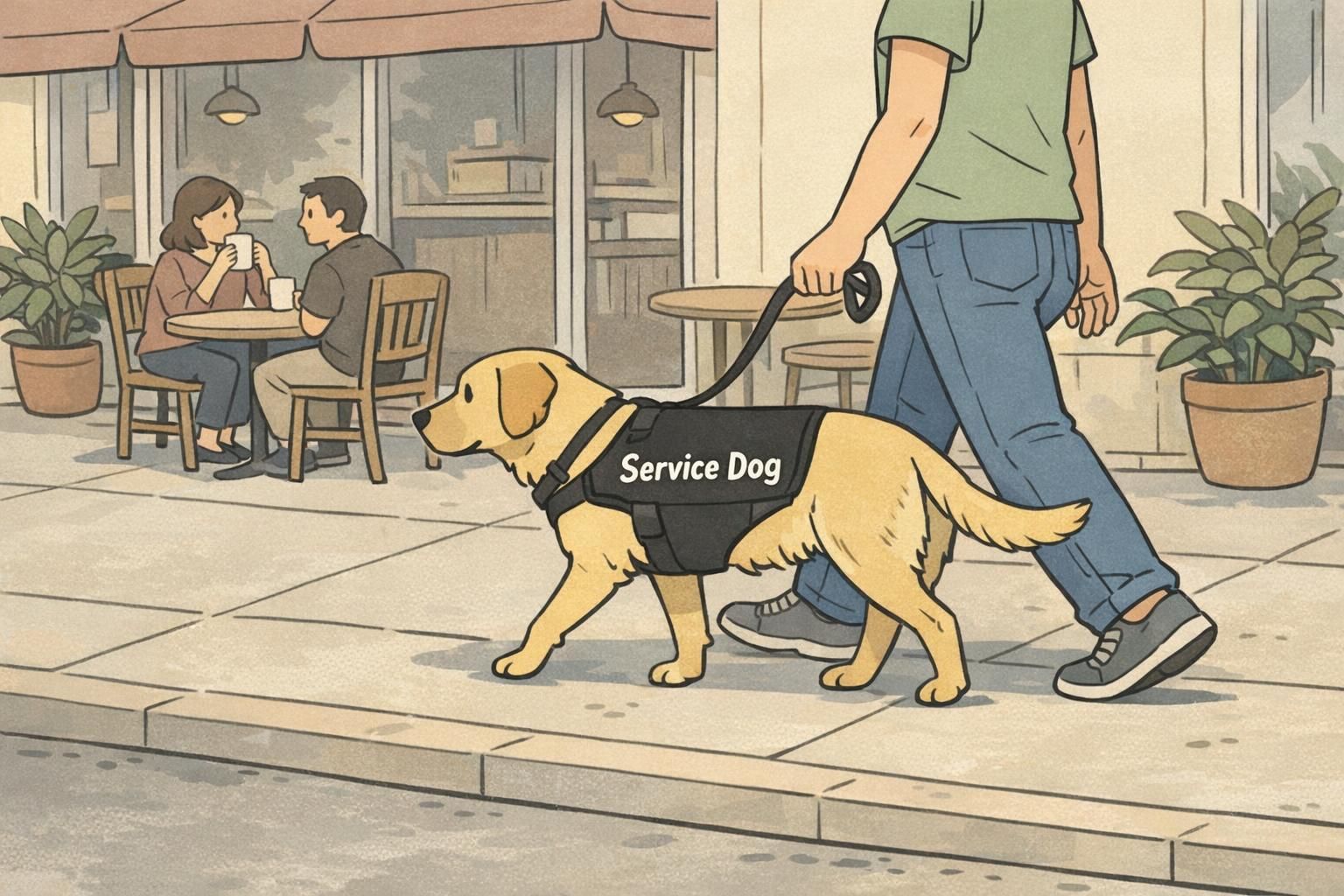
Rules and expectations can differ based on location and situation, and everyday life often involves quick decisions—meeting a new landlord, planning a trip, or walking into a new environment where someone has questions. In those moments, many handlers appreciate having clear, consistent identification materials that support smoother communication.
That’s why service dog registration, IDs, and certificates are popular choices for owners who want convenient, organized documentation. Many people like having a unique registration number, a consistent record they can reference, and an ID card that makes it easier to explain a working dog’s role in a straightforward way.
For owners who want an all-in-one option, a starter registration package for everyday identification can offer a practical way to feel prepared for real-world conversations—without turning every outing into a long explanation.
“ "Having everything in one place—an ID and a consistent registration record—helped me feel more confident in everyday situations where I needed to communicate quickly." – Service dog owner”
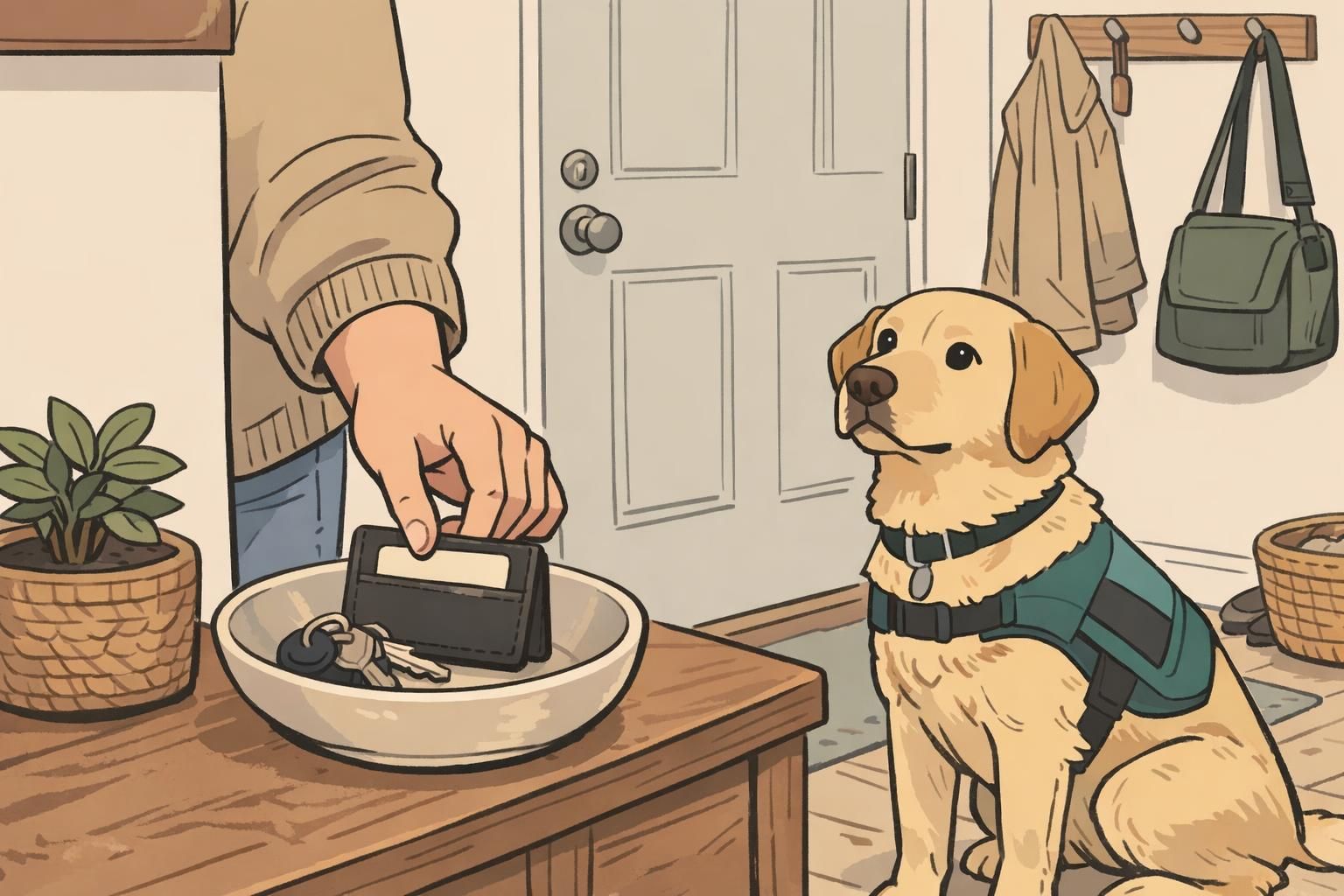
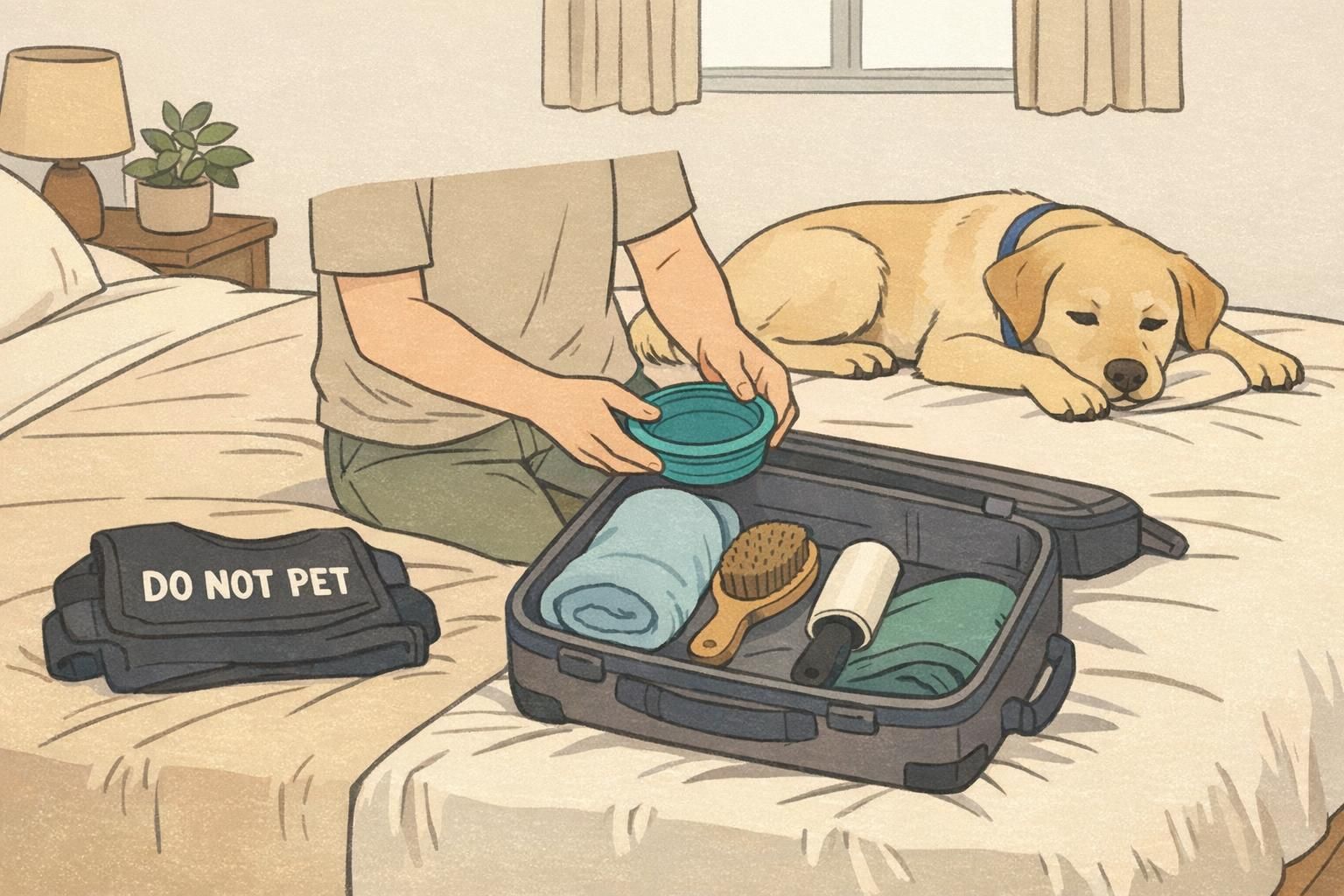
Travel adds extra layers to service dog handling—new environments, tighter schedules, and less control over allergens in shared spaces. If you’re allergy-sensitive, planning ahead can help you stay comfortable while keeping your dog’s routine steady.
A good travel plan is less about bringing everything and more about bringing the right few items that keep your dog clean, comfortable, and ready to work. It also helps to keep your communication tools consistent during check-ins and quick conversations, especially when you’re tired or moving through busy spaces.
For more planning ideas, see travel tips for life with a service dog.
Some handlers also like having travel-focused identification and materials ready to go. a travel-ready service dog registration package can help keep information organized and conversations smoother during travel days.
Your trusted source for official service animal registration. Get professional ID cards, digital profiles, and smart NFC tags to keep your service animal safe and recognized.
© National Animal Registry — All rights reserved.