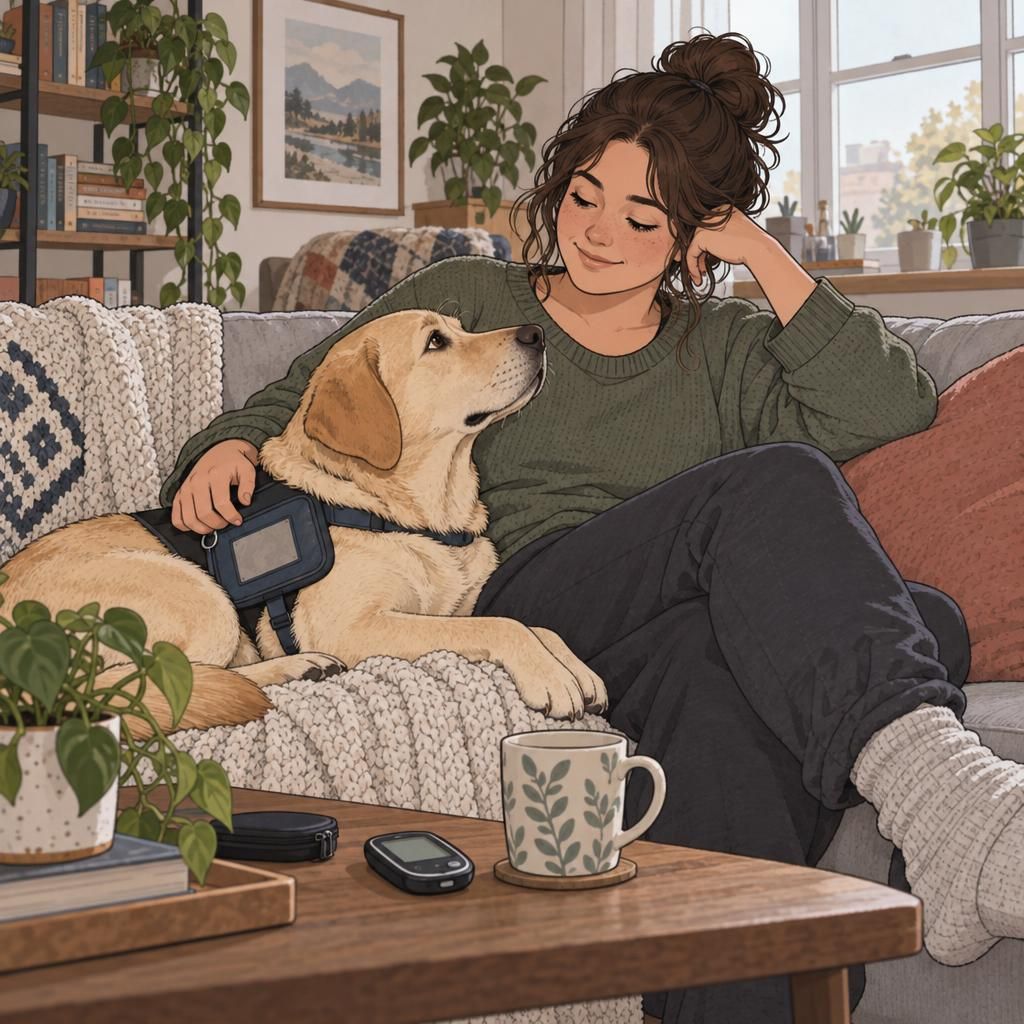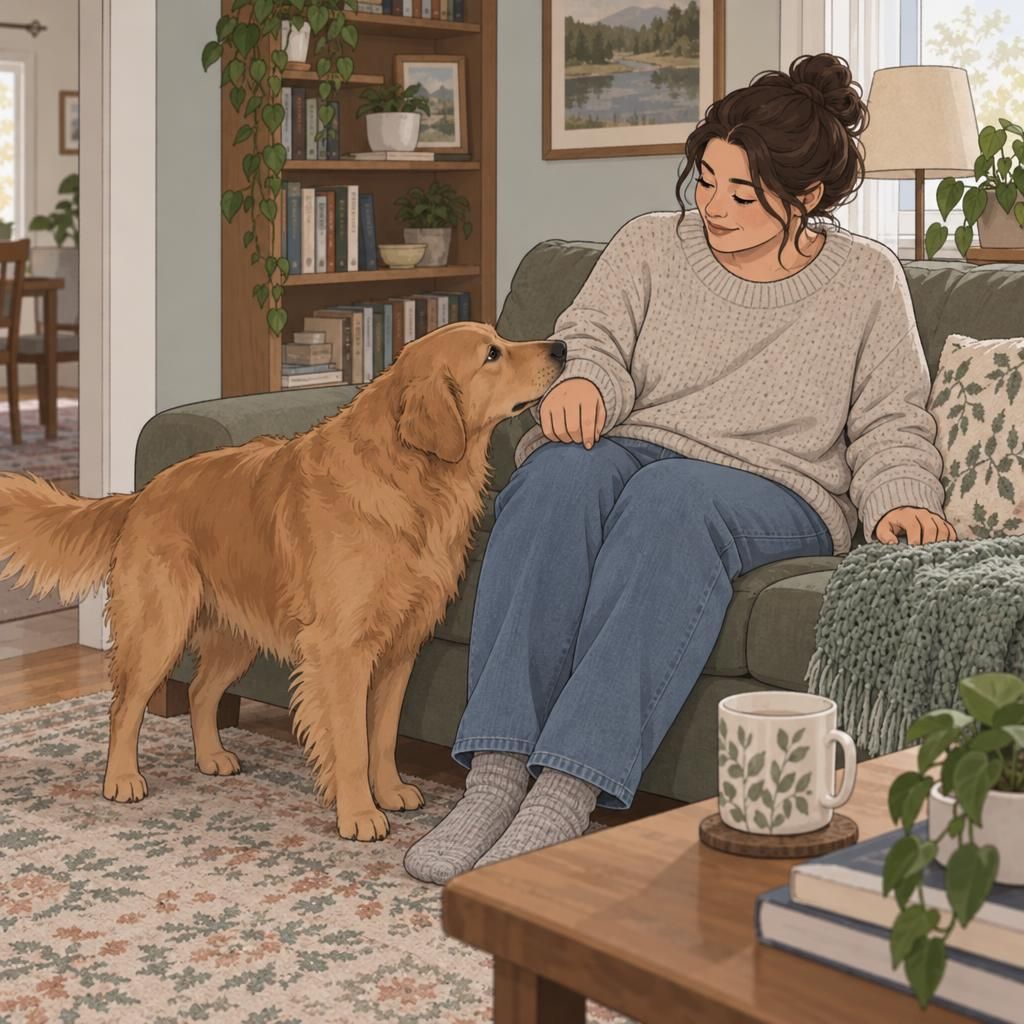
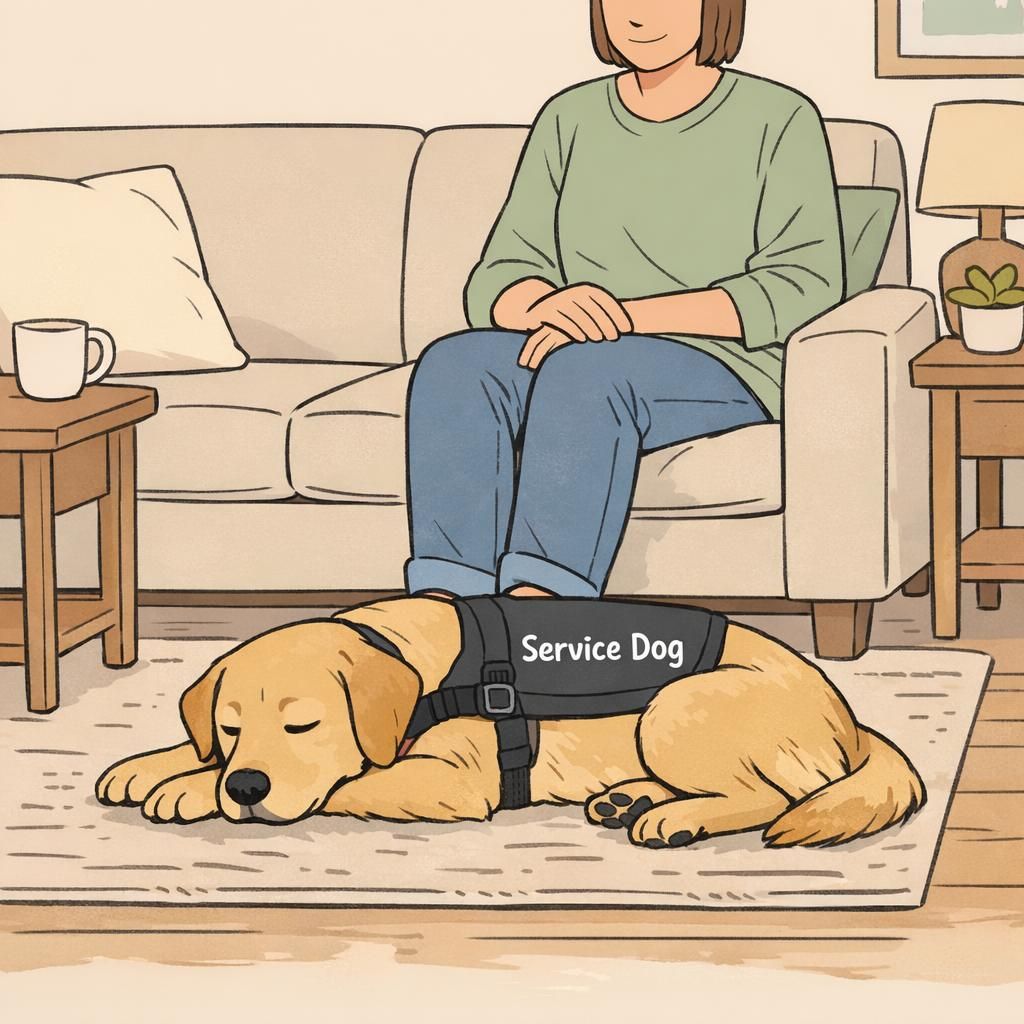
When people imagine “choosing a service dog,” they often picture selecting a breed, a color, or a certain “look.” In real life, most handlers start somewhere very different: their needs. The right service dog isn’t the one that looks the part—it’s the one that can do the work safely, calmly, and consistently in the places you actually live and go.
Selection is as important as training because training builds on what’s already there. A dog can learn tasks, routines, and manners—but it’s much harder to train away chronic fear, unstable nerves, or an inability to settle. Owners who end up with strong service dog partners usually didn’t “get lucky.” They made thoughtful choices about temperament, lifestyle fit, and long-term practicality.
Owners who choose successfully often begin with a simple question: “What should my dog help me do, and where will we do it?” The answers shape almost every other decision—age, size, energy level, coat care, and the kind of temperament that will feel steady in your daily life.
Think about the environments your dog will need to handle. A service dog who works mostly at home may need excellent task focus and calm household manners. A dog who accompanies you to work, school, medical appointments, or public transit needs a higher level of public composure, neutrality, and stamina for long “down time.”
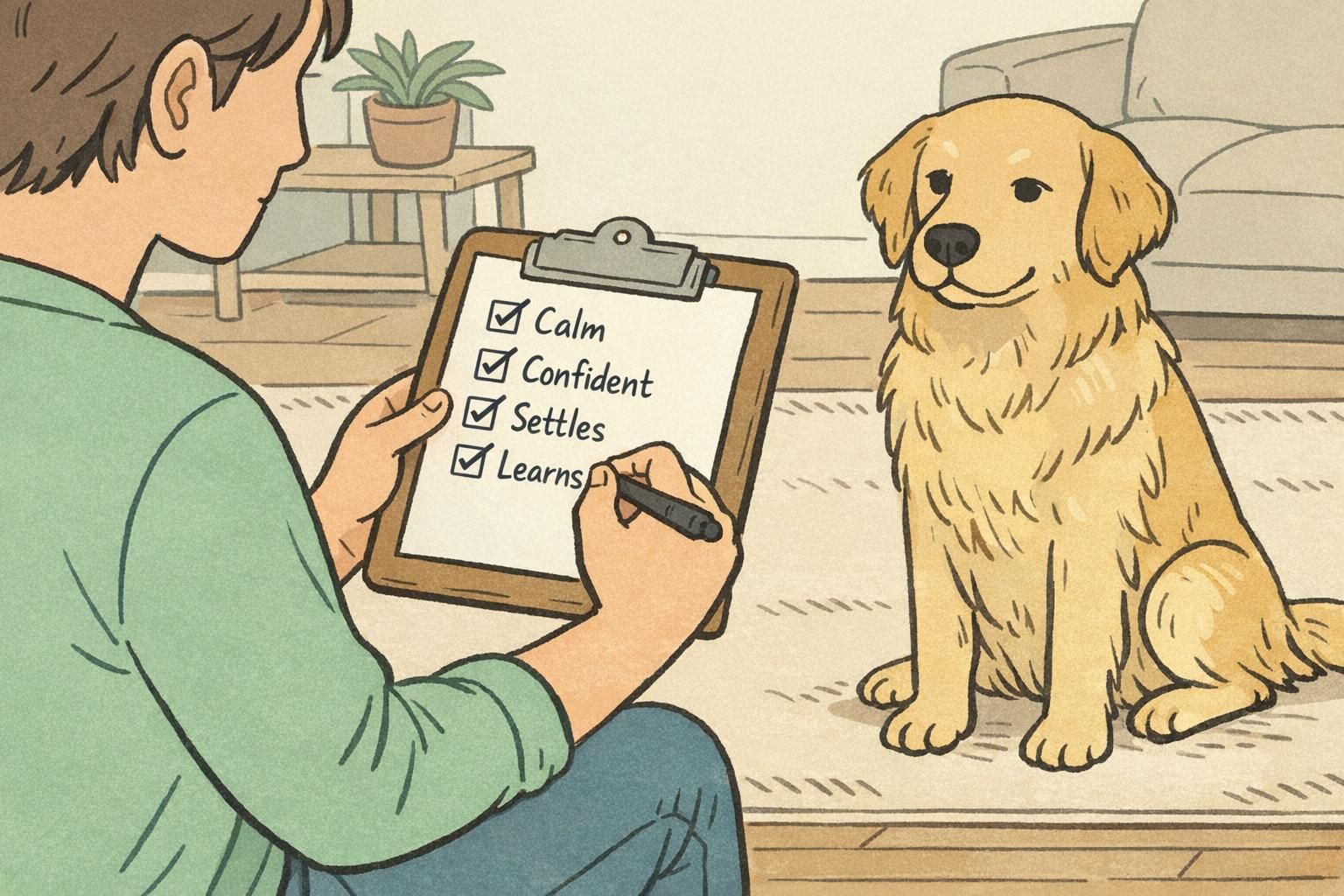
Across service dog types, owners tend to prioritize temperament more than anything else. A service dog doesn’t just behave well in easy places; they hold it together in real life—crowds, doors whoosh open, carts roll by, strangers speak to them, and noises happen without warning. Temperament is the foundation that makes that possible.
Many owners look for a dog that is calm and confident in new spaces, friendly but neutral around people and dogs, and able to ignore distractions without escalating. Public suitability often shows up as “steady nerves”—the dog can notice something unexpected and then return to normal quickly. These are common priorities noted by experienced trainers discussing what makes a promising candidate (source).
Owners also pay attention to early red flags—not to “judge” a dog, but to avoid heartbreak later. A dog can be wonderful as a pet and still be the wrong fit for service work.
“ "The biggest ‘green flag’ for us wasn’t a perfect sit—it was watching our dog notice something new, take a breath, and then choose to relax again." – Service dog handler”
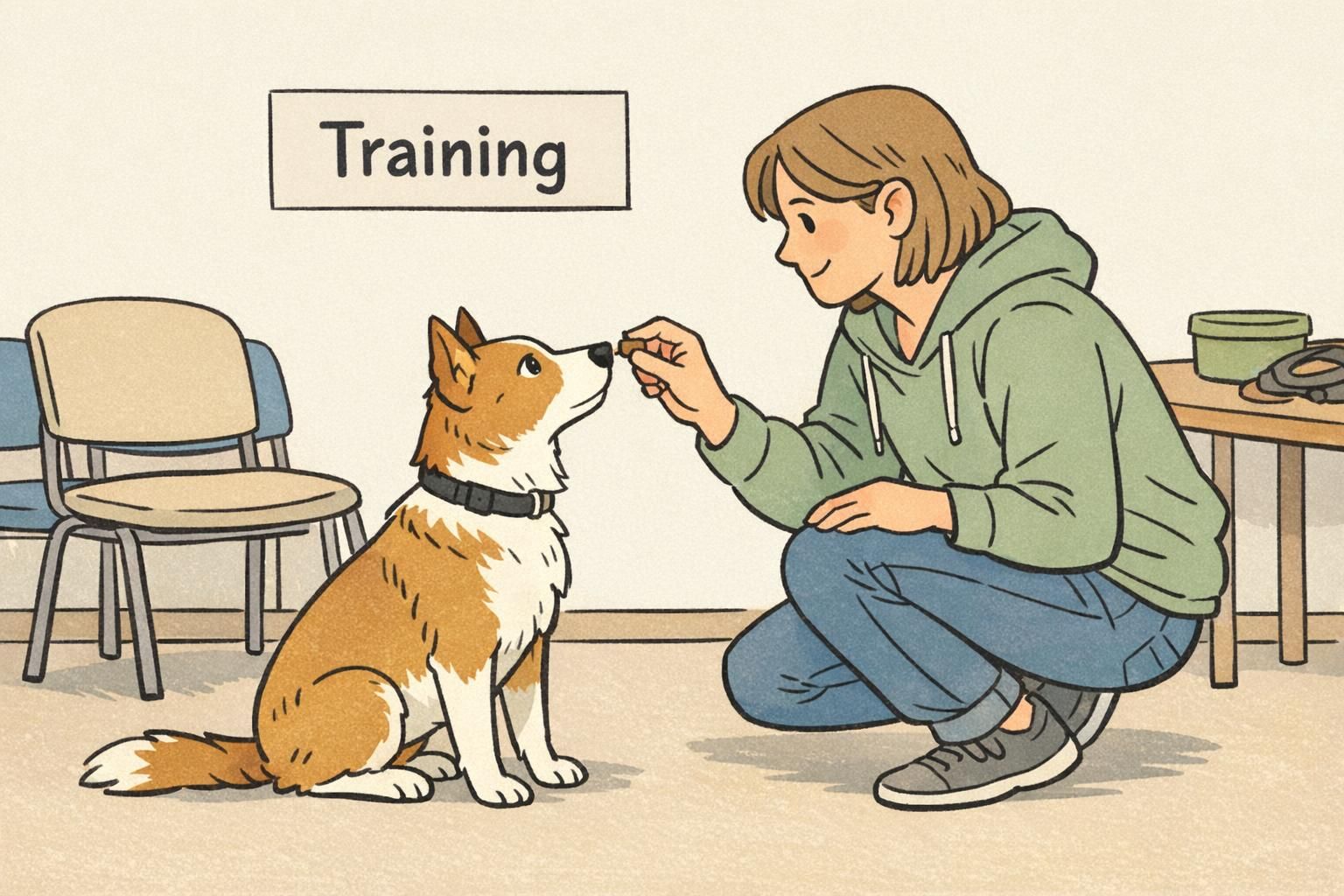
After temperament, owners often focus on trainability—sometimes called “biddability.” This is the dog’s willingness to engage, try, and work with a person. A highly trainable dog doesn’t have to be robotic or overly intense; the ideal is usually a steady learner who enjoys training and can bounce back from mistakes.
Motivation matters because it powers repetition. Many service dog teams do thousands of small training moments over months and years. Dogs that respond well to food, toys, or praise tend to make training more consistent and less stressful. Owners often prefer a dog that can focus in distracting settings and still choose the handler.
There isn’t one “best” service dog breed. Owners often choose with a “need before breed” mindset: what size, structure, coat care, and energy level will fit the work and the handler’s lifestyle? That said, some breeds and mixes are commonly selected because their temperament and working style can be more predictable, and because the public may be more familiar with seeing them in service roles.
Size and structure are practical considerations. For mobility-related work, owners may look for a sturdier dog with appropriate height and build for specific tasks, along with veterinary guidance on joint health. For psychiatric or medical alert work, a smaller dog may be easier to travel with and manage in tight spaces, as long as the tasks remain safe and appropriate for that dog.
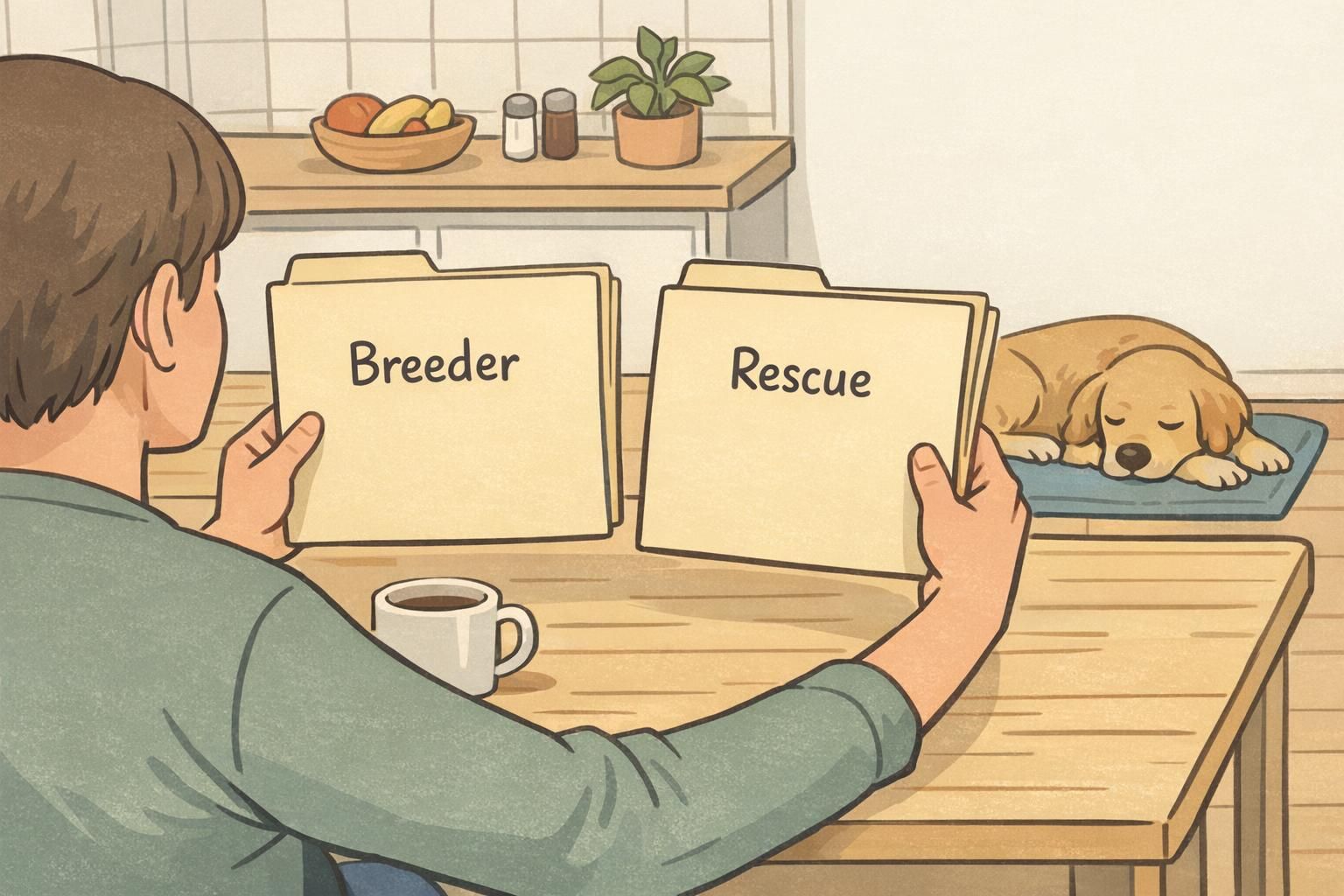
Owners typically find service dog candidates through one of four paths: reputable breeders, program-trained options, rescues/shelters, or rehomed dogs with a known history. Each route can work well, and each comes with different tradeoffs around predictability, timeline, and background information.
Many owners value predictable genetics and early socialization because they can improve the odds of a steady temperament. That’s one reason reputable breeders and established programs are common choices. At the same time, plenty of excellent candidates come from rescues or rehomes—especially when the dog’s temperament is already visible and the history is well understood.
“ "We didn’t choose our dog because of a label. We chose him because his temperament stayed steady everywhere we went—and the source could tell us honestly what he’d been like at home." – Service dog owner”
Age is one of the biggest decision points. Some owners prefer puppies because they can shape socialization early, build routines from day one, and gradually introduce the skills needed for public life. Others prefer young adults because the dog’s temperament, energy level, and comfort in the world are easier to observe.
Owner-training often takes time. Many teams plan for a long runway of skill building, confidence building, and real-world practice. A puppy may need months just to grow up enough for more demanding environments, while a young adult may move faster in some areas—but still requires thoughtful training and consistency.
Most owners don’t rely on one “magic test.” Instead, they watch patterns: how the dog responds, how fast they recover, and whether they can relax when nothing exciting is happening. The goal is humane, low-pressure observation—not provoking or overwhelming the dog.
If you can, getting an experienced trainer’s input early can help you see details you might miss. It’s not a requirement, but many owners find it useful for avoiding costly surprises and choosing a candidate with a better chance of long-term success.
A little caution can be normal, especially in a new place. What many owners look for is recovery: the dog should become curious, settle, and re-engage instead of escalating or staying shut down.
Most owners build up gradually. Starting in calmer environments helps you evaluate the dog’s baseline and build confidence step by step.
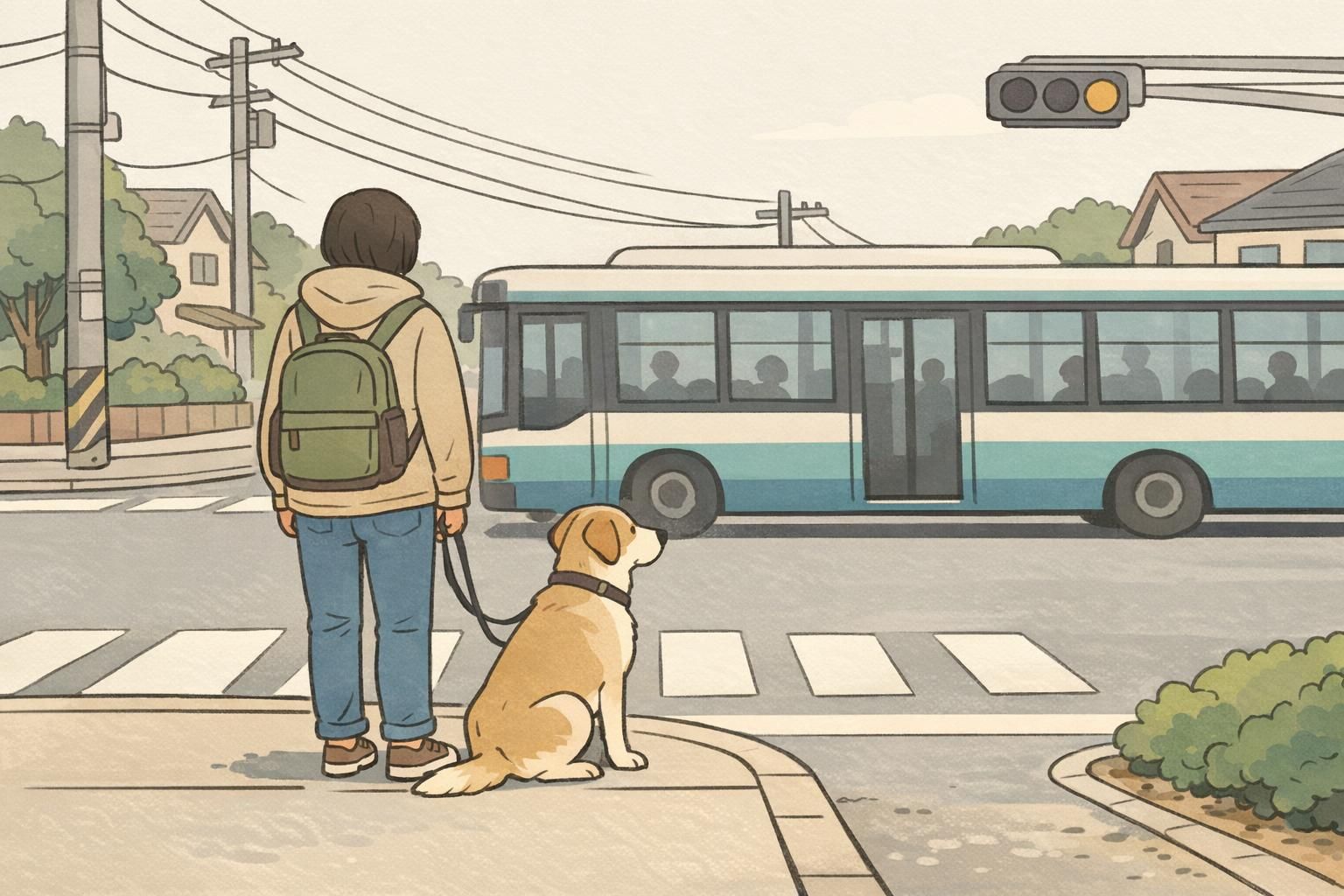
For many owners, the “proof” that they chose well comes through progression. The dog learns skills at home first—then practices them in slightly more distracting places—until calm behavior becomes a habit. This approach builds confidence for the dog and predictability for the handler.
Public life often emphasizes neutrality. That means the dog isn’t there to meet everyone, react to other animals, or scan the room for attention. They can be friendly, but their job is to stay connected to the handler and settle when needed.
“ "We treated public access like a ladder. One calm step at a time made our dog confident—and made us confident too." – Handler”
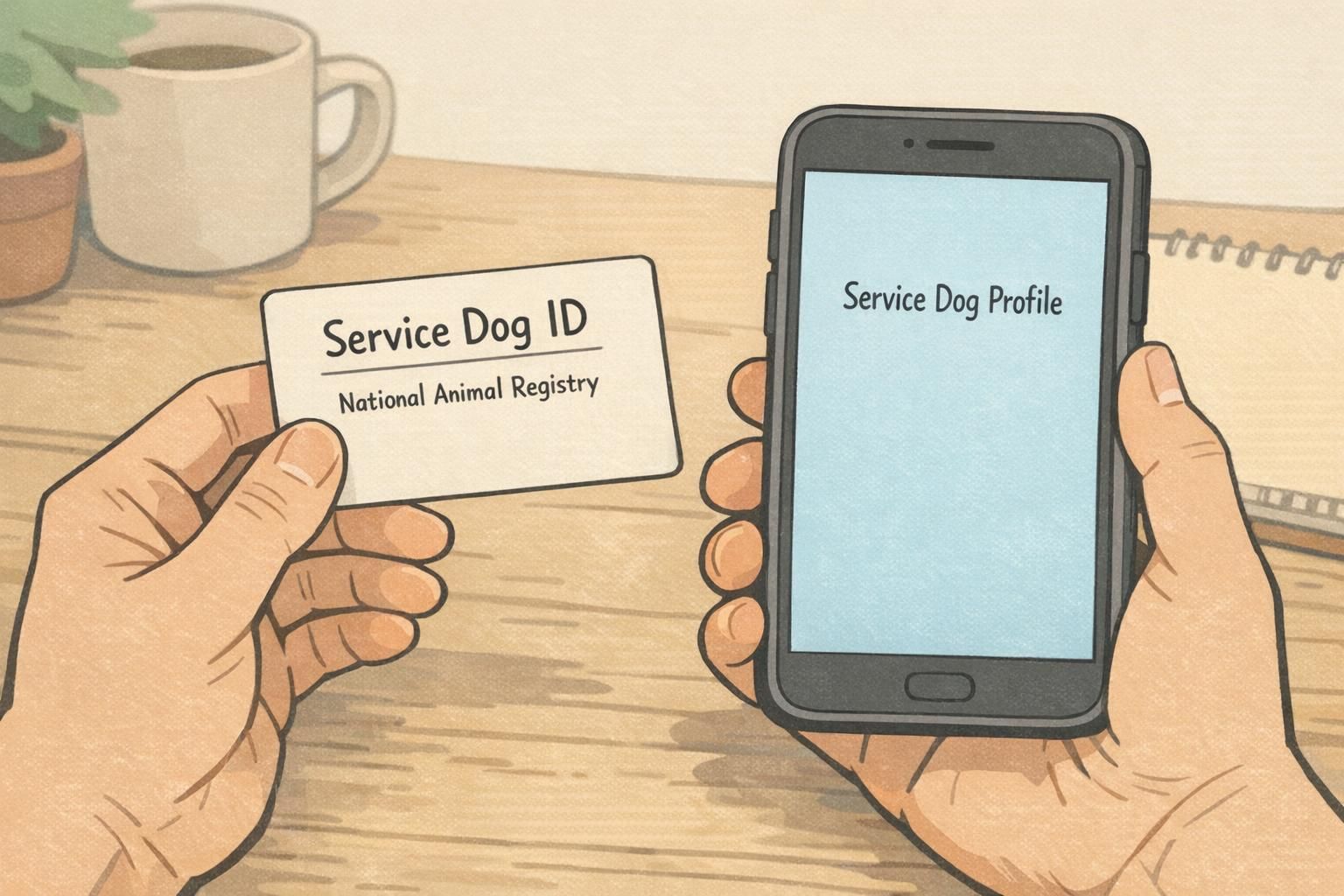
Once a service dog is part of everyday life, many handlers look for simple ways to reduce confusion in public. Clear communication can make routine situations smoother—like entering businesses, handling questions politely, or navigating housing and travel conversations. While not required for day-to-day life, some owners appreciate having consistent identification materials that help explain their dog’s role quickly.
Registration tools, IDs, and easy-to-share information can also add peace of mind. They help keep key details organized and can reduce friction when you’re busy, tired, or managing symptoms—times when you may not want to explain everything repeatedly.
If you prefer a simple, everyday option, many owners choose a customizable service dog ID card with a matching digital profile to keep information consistent and easy to access during real-world outings.
Travel adds extra variables: different layouts, unfamiliar sounds, tight timelines, and more people who may not understand service dog etiquette. Many owners create a travel routine so the dog stays comfortable and the handler stays organized—especially in places like airports, hotels, and busy city streets.
A simple plan often includes packing the essentials, scheduling breaks, and bringing clear information that can prevent misunderstandings. If you’re building a travel routine, it can also help to review practical tips for traveling with a service dog so you can anticipate common challenges before they pop up.
For owners who want everything in one place, a travel-ready service dog registration package for trips and airports can be a convenient way to keep key details organized while you’re on the move.
Choosing a service dog is a big decision, and most owners feel more confident when they can boil it down to a few non-negotiables. The checklist below reflects the most common “must-haves” that support long-term success—not just in training, but in everyday living.
Your trusted source for service animal registration. Get professional ID cards, digital profiles, and smart NFC tags to keep your service animal safe and recognized.
© National Animal Registry — All rights reserved.