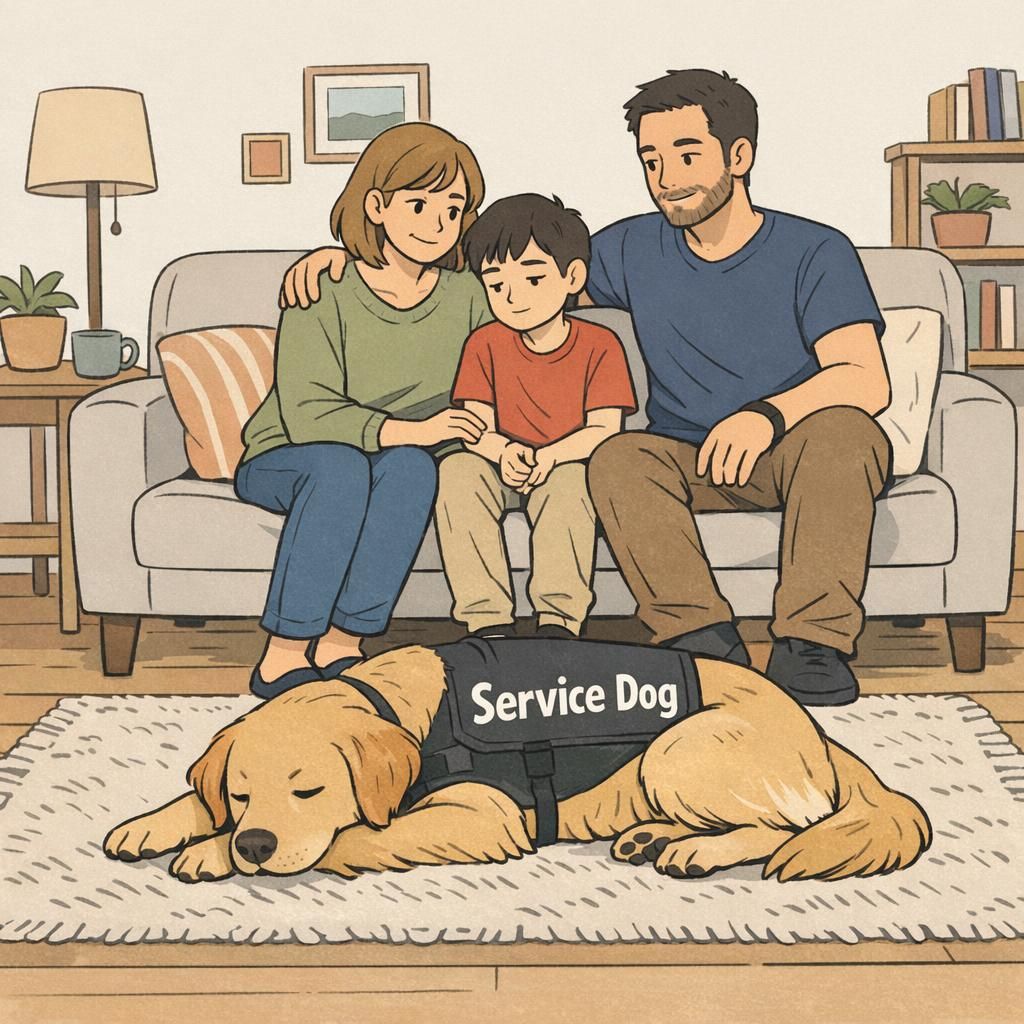
A sensory support dog (sometimes called a sensory signal dog or social signal dog) is a dog that helps an autistic individual and/or their caregiver navigate everyday moments that can feel overwhelming, unpredictable, or unsafe. In many families, the dog’s job is less about “performing” and more about creating steady, reliable support—helping a child stay regulated, improving transitions, and adding a layer of safety during busy or stressful outings.
Different families use the term “sensory support dog” in different ways. Some families use it as an everyday phrase for a service dog that performs disability-related tasks for autism (like interrupting self-harm, guiding a child away from danger, or providing deep pressure therapy). Others use it to describe a well-trained support dog that helps with routines and comfort at home and in permitted settings. Either way, what families usually mean is: “This dog helps us function better as a team.”
“ "Our dog became the bridge between ‘too much’ and ‘we can handle this.’ It wasn’t magic—just consistent, familiar support that helped our child reset." – Parent of an autistic child”
Families often hear several terms—service dog, support dog, emotional support animal (ESA), therapy dog, companion animal—and it’s easy to assume they all mean the same thing. In real life, labels affect expectations, especially in public spaces. Using clear language can prevent misunderstandings and make everyday interactions smoother.
A service dog is commonly understood as a dog trained to do specific work or tasks related to a person’s disability. A support dog is a broader everyday term people may use for a dog that provides meaningful assistance and comfort, sometimes with trained behaviors and sometimes simply by being a steady presence. A companion animal is typically a pet that provides love and companionship but is not performing disability-related tasks.
When families describe an autism-related assistance dog as a “sensory support dog,” the most important piece is not the label itself—it’s whether the dog has a defined role and whether the family can explain that role calmly and consistently. That clarity tends to reduce friction during errands, appointments, and school-related activities.
Because staff and community members often associate certain terms with specific rules. Clear, consistent phrasing helps set expectations and reduces the chances of an uncomfortable conversation.
Yes. Many dogs support both the autistic individual and the caregiver—through routines, interruption behaviors, grounding, and safety-focused handling patterns.
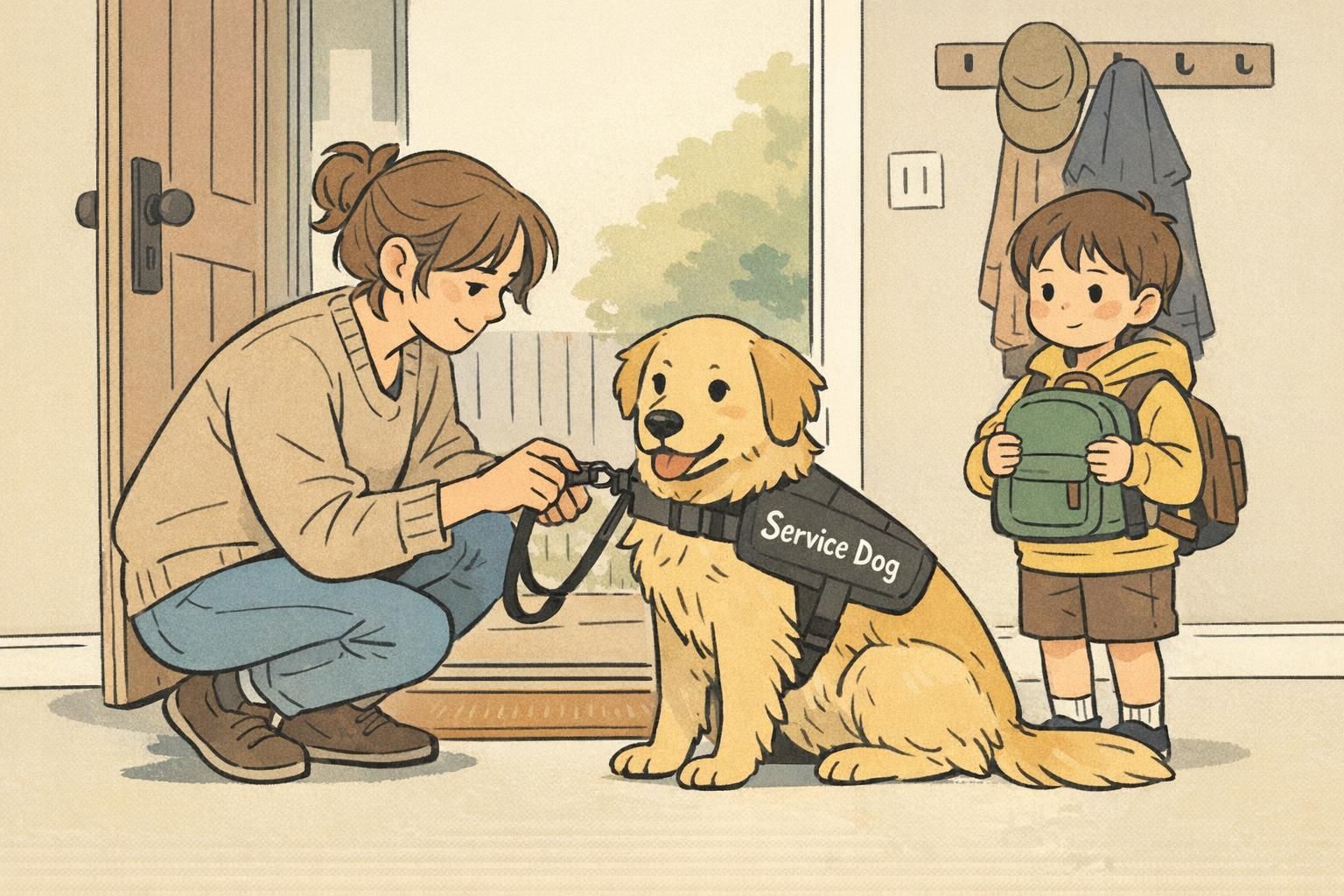
If your family uses a service dog, public access is often the first area where questions come up—at stores, restaurants, medical offices, and other public-facing spaces. While day-to-day experiences vary, a practical understanding of the basics helps families feel more prepared and more confident.
Under the Americans with Disabilities Act (ADA), service animals are generally dogs that are trained to perform tasks for a person with a disability. In many public settings, staff may ask limited questions, and public accommodations generally cannot require proof of certification or licensing. For a straightforward overview of these distinctions (including how emotional support animals differ from service animals in public accommodations), see this ADA-focused resource: source.
Even when you understand the basics, the reality is that families sometimes run into uncertainty from staff who are trying to do the right thing. In those moments, success often comes down to preparation, calm communication, and consistent handling. A dog that is settled, close, and unobtrusive tends to speak for itself.
Families often choose voluntary registration and identification because it makes everyday life simpler. When you have a consistent way to present your dog’s information—especially during busy moments—it can reduce confusion, streamline conversations, and help you stay organized as a household.
Registration can also feel reassuring. Families supporting autism are already managing many moving pieces: schedules, therapy appointments, school communications, safety plans, and sensory needs. Having your dog’s details in one place (with an easy-to-reference registration number and ID options) can be a practical “one less thing to juggle” tool.
If you’re looking for an all-in-one starting point, many families choose a starter registration package for everyday identification so they have a printed card, a digital profile option, and a unique registration number ready for everyday routines.
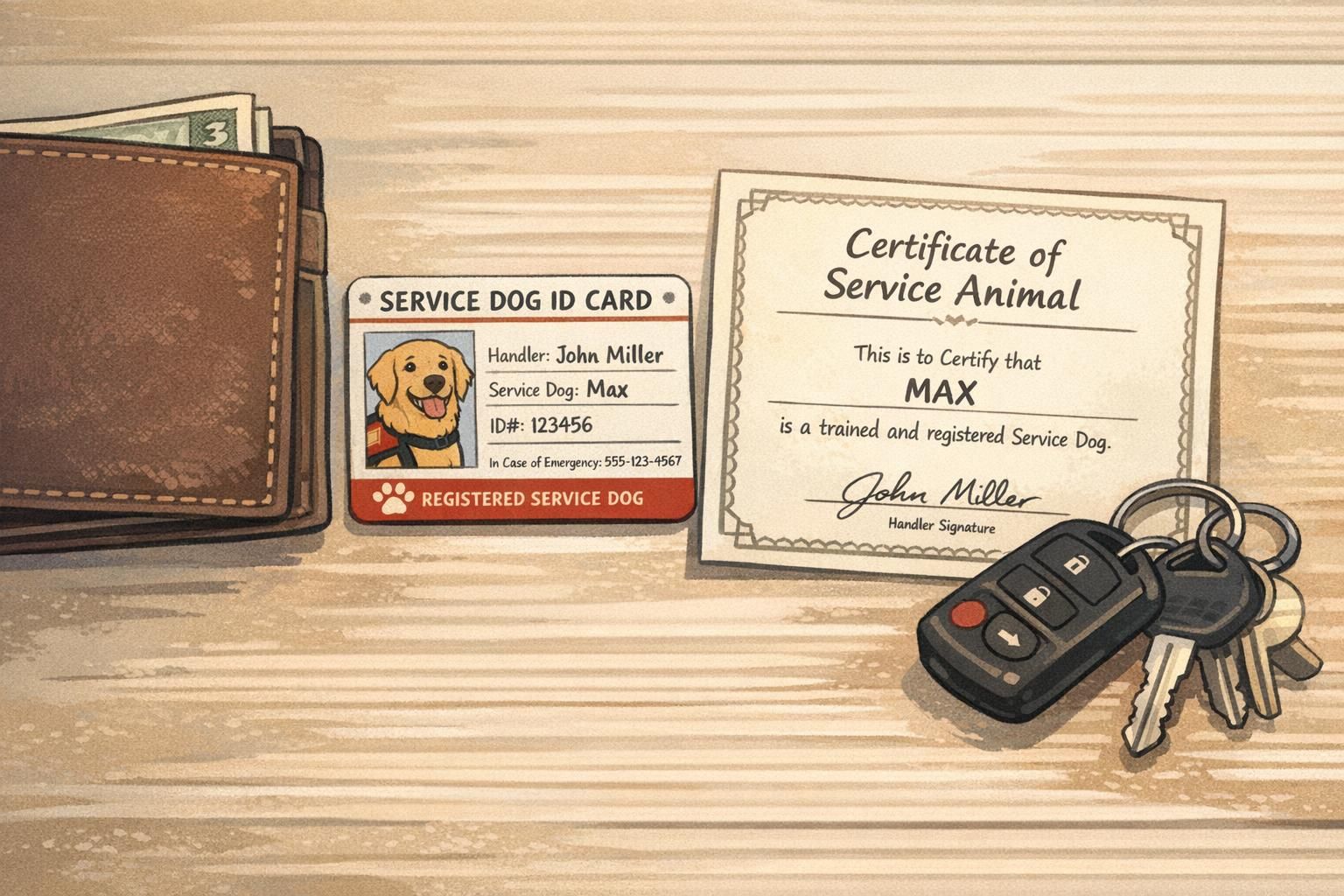
Most families want a registration process that is straightforward and respectful of privacy. A family-friendly flow usually looks like: pick the label that best matches your needs, enter your dog’s and handler’s details, and then receive a registration number and identification options you can use consistently.
For sensory support dogs, families commonly choose a service dog type label that reflects the dog’s role in autism support, routine help, grounding, and safety plans. The goal is not to memorize legal wording—it’s to keep your dog’s identity and your family’s handling approach consistent from one outing to the next.
If your family prefers a specific service dog type and a matching online reference page, consider a customizable printed service dog ID with a matching digital profile. Many families like having both a wallet-friendly card and a consistent digital place where the same information lives.
In real life, it’s rarely the big moments that create stress—it’s the quick interactions: walking into a new office, arriving at a school event, or navigating a busy checkout line when your child is already nearing sensory overload. Small tools can make those moments smoother by keeping your information concise and easy to access.
Digital access can be especially useful when you want quick reference on your phone without digging through paperwork. And for families who prefer a low-key approach, having a simple card you can hand over (rather than explaining everything verbally) can keep interactions calm and brief.
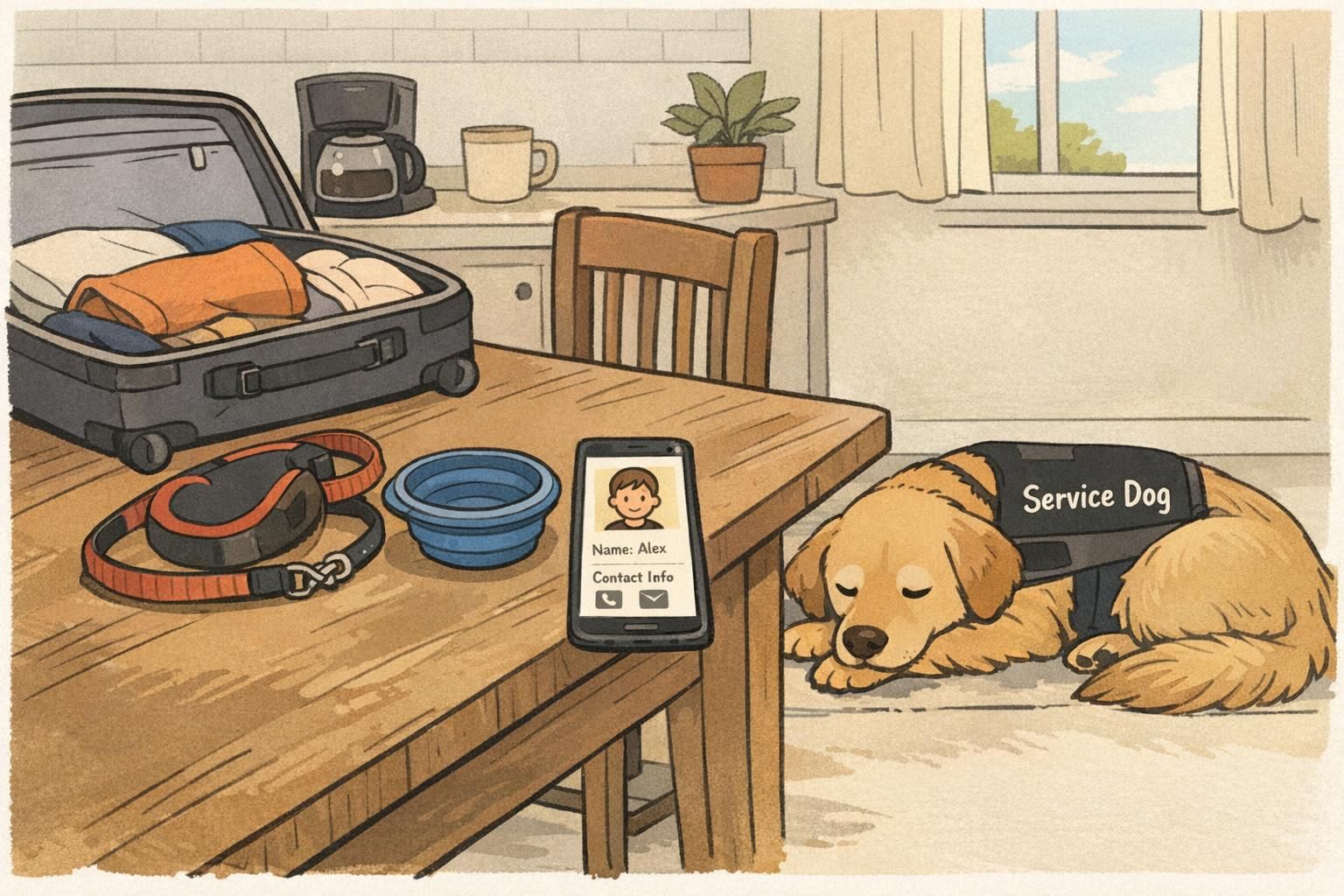
For family trips and longer outings, it helps to plan ahead and keep routines familiar. You can also review travel planning tips for families with a service dog for practical ways to prep your dog’s gear, schedule, and comfort items.
If you like having a calm, straightforward option for sharing basic ADA service dog information during public conversations, some families carry ADA law handout cards for calmer conversations so they can keep things respectful and brief.
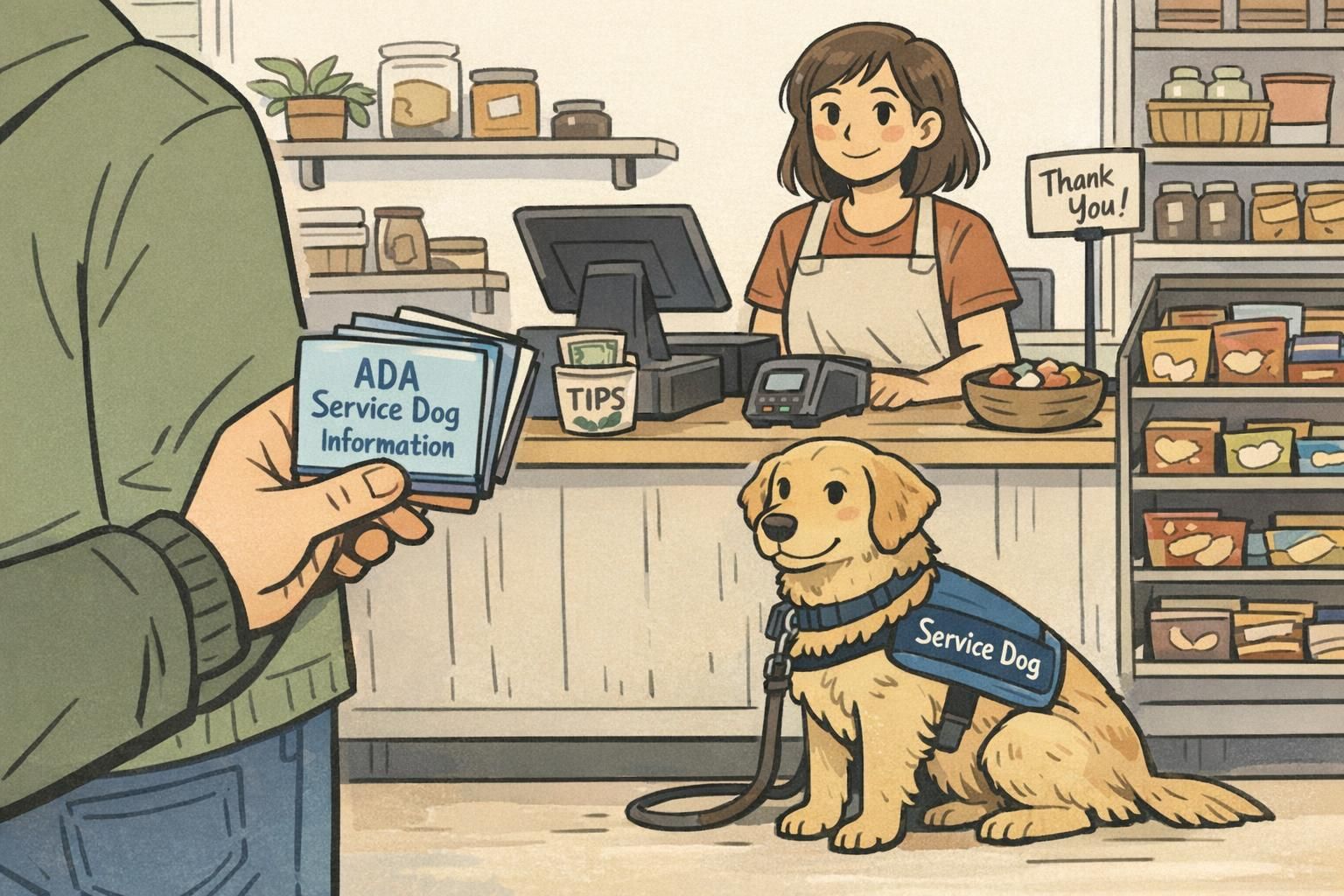
Families supporting autism are often balancing multiple environments—home, school, therapy, errands, and family events. Questions about a sensory support dog tend to come up in predictable places. Staying organized helps you respond calmly, protect your child’s privacy, and keep the focus on safe, respectful handling.
At school functions, the most common needs are clarity and coordination: where the dog will wait, who is handling the leash, and how to reduce distractions (especially from well-meaning peers). At work or community events, families often do best with a brief, consistent explanation and a clear plan for the dog’s positioning and behavior.
Housing and travel can involve additional policies or requests for documentation depending on the context and location. Many families keep a simple “ready folder” that includes their dog’s profile details and identification so they can respond efficiently when a landlord, airline, or organizer asks for consistent information. This is less about proving anything and more about staying organized and reducing back-and-forth.
For families who want a tidy, housing-oriented set of tools to keep information consistent, a housing-focused registration package for organized residential conversations can be a convenient way to keep essentials in one place.
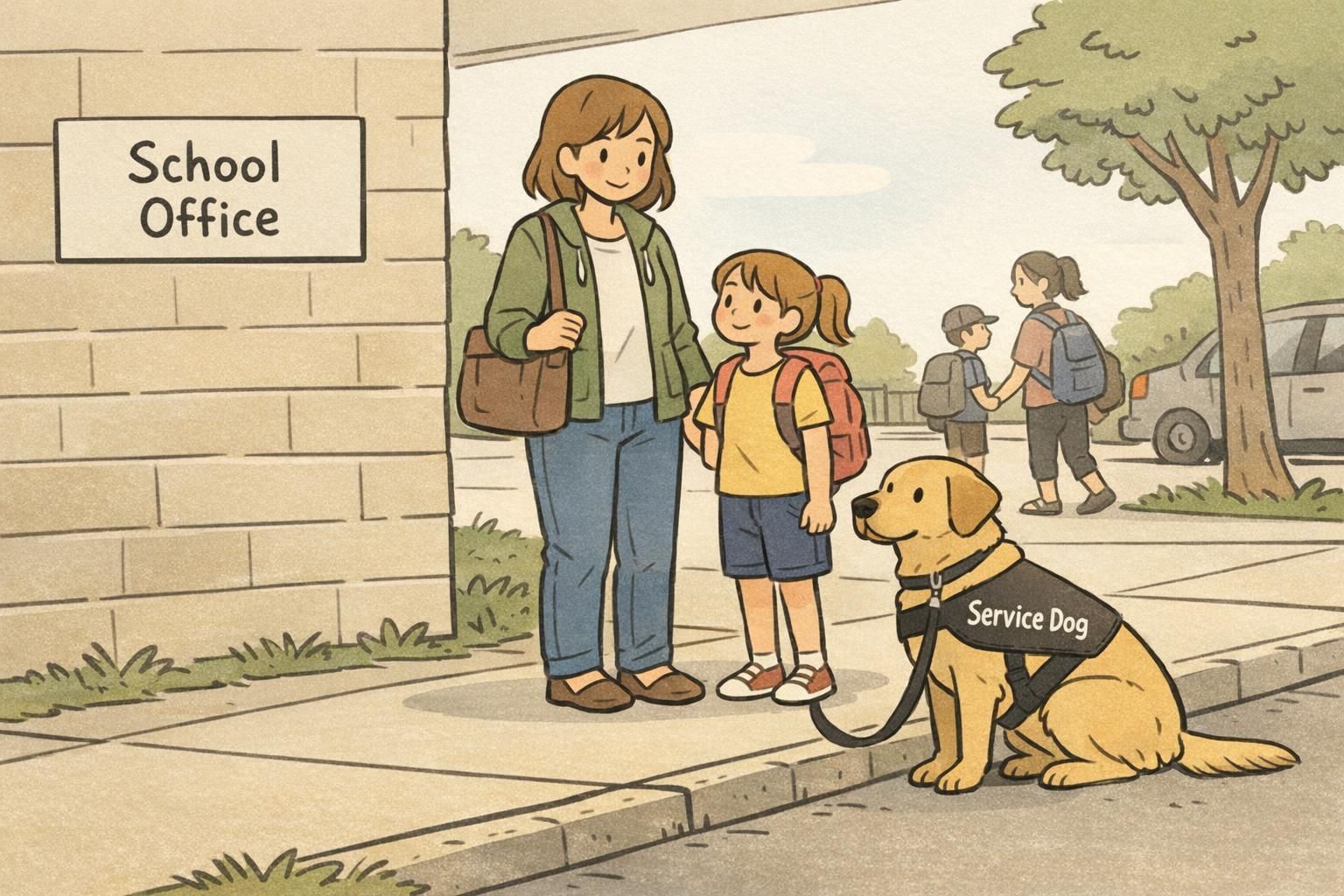
Sensory support is built on predictability. Families often see the best results when the dog’s routine is consistent, the rules are clear, and the handling style stays calm—even when the environment is not. The goal is a dog who is easy to be around: quiet, controlled, and focused on the handler.
“ "We keep it simple: calm voice, short explanation, and our dog stays close and quiet. Most situations become routine when we don’t have to search for information." – Caregiver”
If instant access fits your family’s style—especially for appointments, travel prep, or on-the-go reference—some families prefer instant-access digital service dog ID so the same profile details are always available on a phone.
Your trusted source for service animal registration. Get professional ID cards, digital profiles, and smart NFC tags to keep your service animal safe and recognized.
© National Animal Registry — All rights reserved.