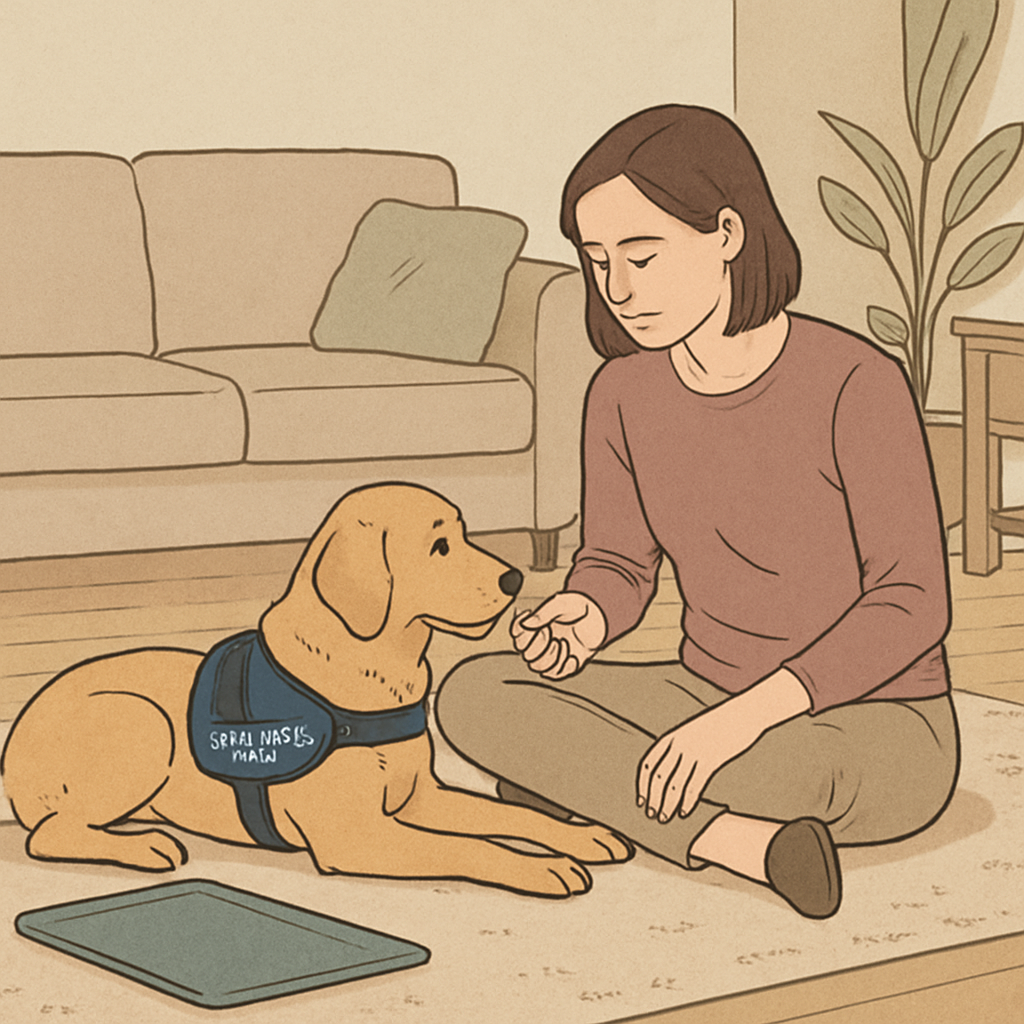
Ethical training is more than being “nice” to a dog—it’s a practical foundation for safety, reliability, and trust. Assistance dogs work in busy, unpredictable environments. When training protects a dog’s physical comfort and emotional well-being, the dog can think clearly, learn consistently, and perform tasks without fear-based shutdown or avoidance.
Ethics also protect the handler-dog relationship. A handler needs to trust that their dog is willing, confident, and stable—not working only to avoid punishment. Dogs trained with humane, evidence-based methods are more likely to generalize skills into real life, recover from surprises, and maintain steady behavior across different settings.
For assistance dogs, the ethical baseline typically starts with positive reinforcement—rewarding the behaviors you want to see again. Rewards can include treats, toys, praise, access to sniffing, or anything your dog values. The goal is simple: help the dog understand what earns success, then build consistency through repetition and reinforcement.
Many trainers and organizations also use the Least Intrusive, Minimally Aversive (LIMA) approach. LIMA is a decision-making framework: start with the simplest, most humane options first—clear communication, good management, and reward-based skill building—before considering anything more intrusive. In practical terms, it encourages you to ask: “Have I made the right behavior easy and the wrong behavior unnecessary?”
Ethics also means thinking beyond obedience. A helpful way to do that is the Five Domains welfare framework, which encourages you to consider (1) nutrition, (2) physical environment, (3) health, (4) behavior opportunities, and (5) mental state. An assistance dog may be highly trained, but if they’re uncomfortable, under-rested, or stressed, performance and well-being both suffer.
Leading assistance dog organizations emphasize dogs as sentient beings with emotional needs and support reward-based training, LIMA principles, and welfare frameworks as the standard for training and lifelong care (source).
Ethical assistance work starts before training ever begins: with a dog who is genuinely suited to the job. Not every kind, intelligent dog will thrive as an assistance dog—and that’s not a failure. It’s a welfare issue. A dog who is chronically stressed by public environments, sound sensitivity, or constant novelty may struggle even with excellent training.
A strong candidate typically has a stable temperament, good recovery from surprises, and a body that can comfortably handle the physical side of work. Health and structure matter because assistance tasks and public access can involve repetitive movement, long settles, and navigating slippery floors, stairs, and tight spaces.
Before advanced tasks, assistance dogs need foundations that keep everyone safe and make public life smoother. Reward-based training shines here because it builds cooperation and confidence instead of compliance under pressure.
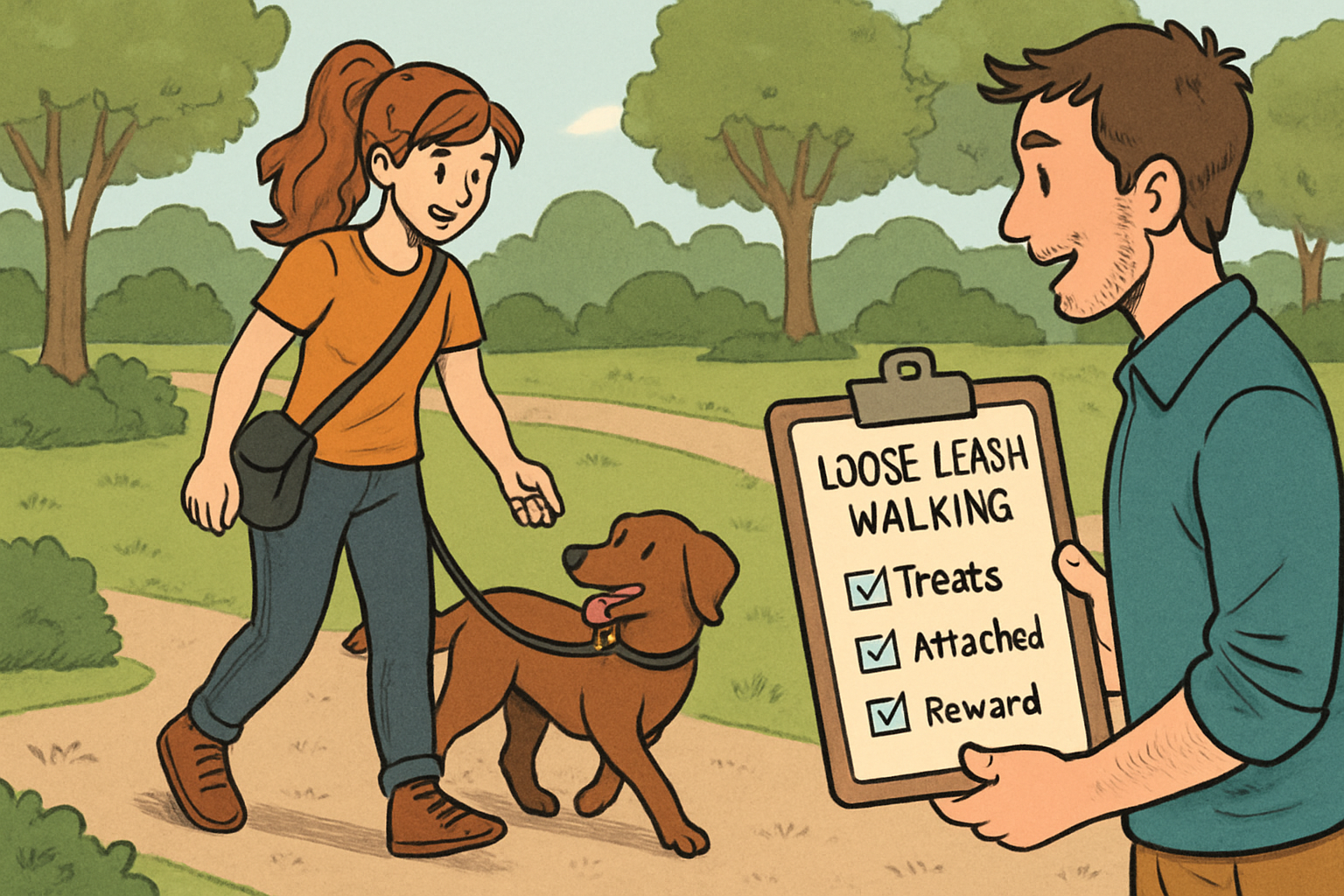
Focus, loose-leash walking, and calm settling are more than “manners.” They help a dog navigate stores, medical offices, housing hallways, and travel days with minimal stress. Ethical training means building these skills gradually—starting in quiet places, then adding distractions in small, planned steps.
Task training should feel straightforward to the dog. Ethically, that means breaking tasks into small steps, using clear criteria for success, and reinforcing often—especially early on. When dogs get confused, they may offer frantic behaviors, shut down, or avoid the training context entirely. Clear shaping and short sessions prevent that.
It also matters what you ask, how often you ask it, and whether it’s appropriate for the dog’s age and body. Assistance work should be helpful, but it must also be humane. A growing puppy, for example, should not be asked for physically demanding or repetitive tasks that risk strain.
“ "When we made tasks smaller and reinforced more often, my dog stopped guessing and started working with confidence. The reliability came from clarity, not pressure." – Assistance dog handler”
Ethical training takes time because it respects learning pace. Many handlers use a practical benchmark of at least 120 hours of training over six months or more, including at least 30 hours of public outings. These numbers aren’t a universal rule, but they’re a helpful planning tool: they remind you that reliability comes from repetition across many environments.
Thoughtful socialization is also valuable, especially early in life. Socialization isn’t just meeting everyone—it’s learning that the world is safe and predictable. Even if early puppy experiences aren’t counted toward formal hour totals, they can strongly influence later confidence.
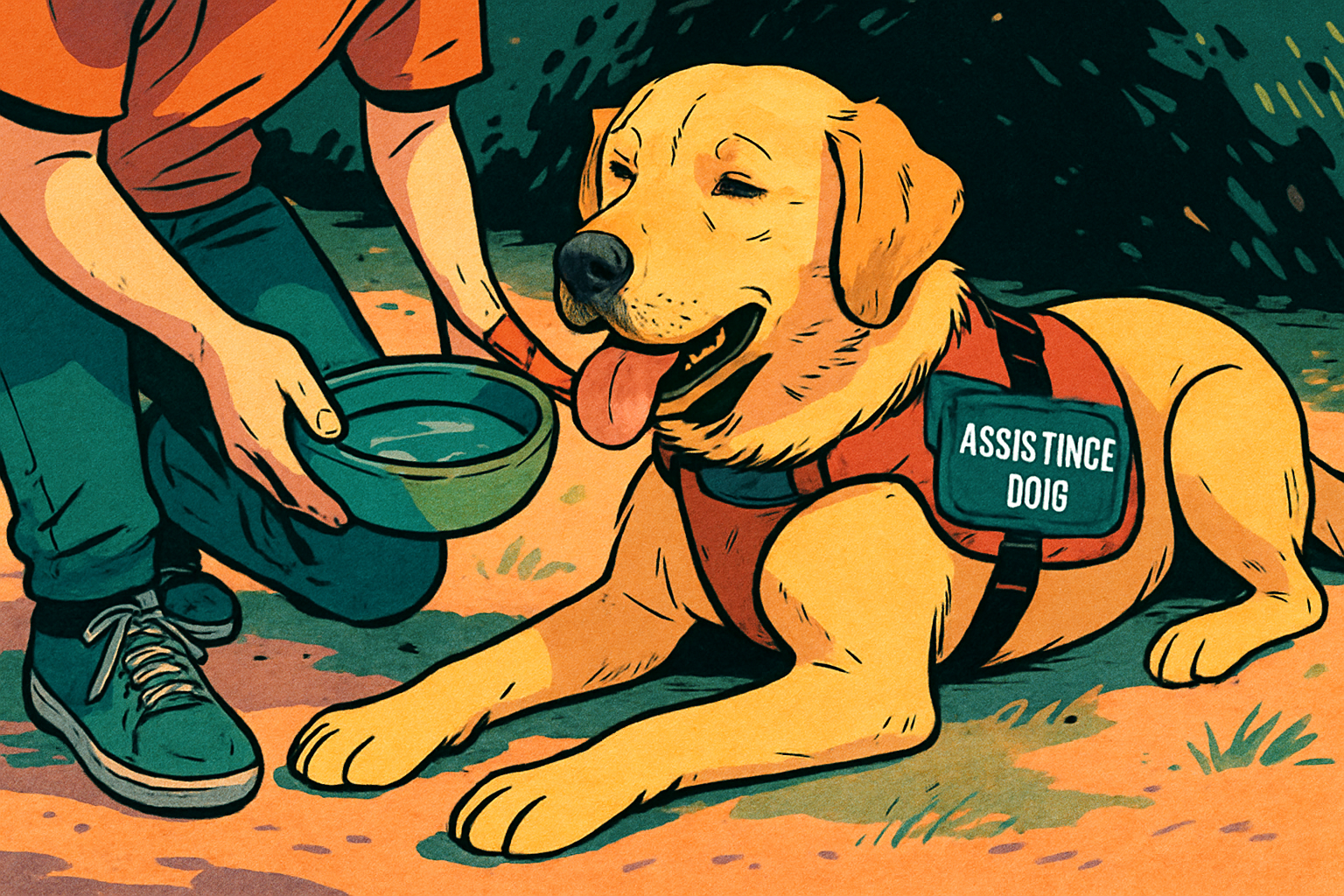
Ethical training requires listening to what the dog is communicating. Stress isn’t always dramatic. Often it looks like subtle changes in breathing, body posture, or attention. If you can spot those early signals, you can prevent burnout and keep learning positive.
When you see stress, respond with kindness and strategy: create distance from the trigger, lower the difficulty, offer a break, or end the session. Ethical teams treat stress signals as information, not disobedience.
Public access readiness is easier to evaluate when you define what “ready” looks like. In most day-to-day settings, the goal is calm, unobtrusive behavior: the dog remains under control, doesn’t solicit attention, and can perform trained behaviors without disrupting others.
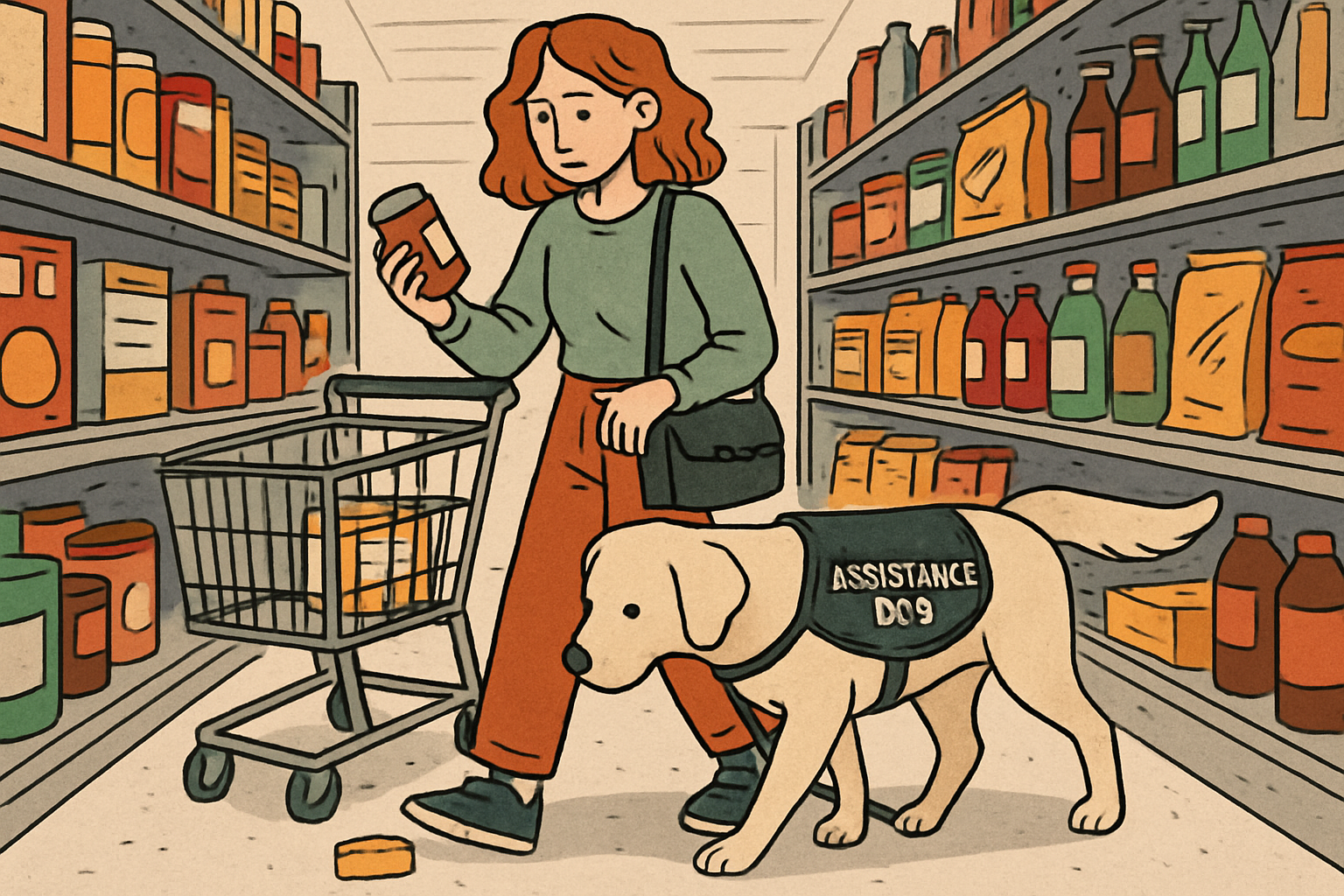
Many teams find public access tests helpful as a practical way to measure readiness and identify gaps. Some handlers even video-record practice runs for self-review. The value is in the feedback: you can see where your dog is confident, where the environment is too challenging, and what needs more reinforcement.
Ethical assistance dog teams consider the shared public environment. Good etiquette helps reduce conflict, protects access for other teams, and keeps interactions calm for everyone involved. It also supports your dog’s training—because clear routines and good management prevent preventable mistakes.
“ "The best days are the quiet ones—when we’re prepared, my dog has clear expectations, and we move through the world without drawing attention." – Service dog handler”
Some handlers love training independently, while others prefer professional coaching—or a mix of both. Ethically, what matters most is that the dog’s welfare stays central and the training plan is clear, safe, and humane.
If you’re considering a trainer, it helps to interview them the way you would any professional on your care team. Look for someone who can explain their approach, adapt to your needs, and keep the dog comfortable and confident as skills increase.
Ethics don’t stop once a dog knows tasks. Long-term success comes from ongoing welfare care, consistent household rules, and periodic skill refreshers. Even a strong team can see regression if routines change, stress increases, or the dog’s health needs shift.
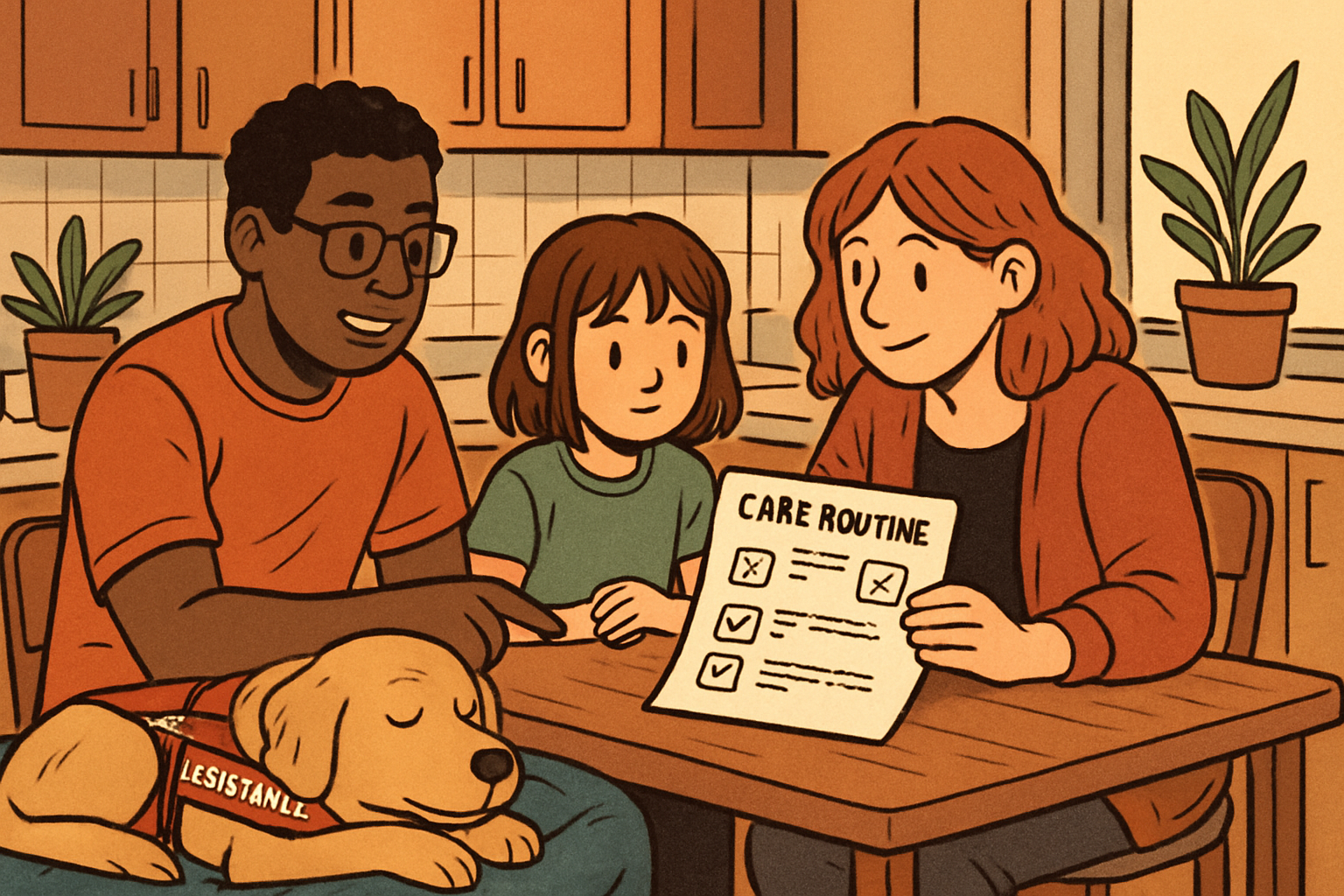
When families build a supportive routine—one that includes rest, play, and predictable expectations—assistance dogs are more likely to stay confident and eager to work.
In everyday life, clear communication can prevent misunderstandings—especially in housing conversations, when meeting new property staff, or when planning ahead for travel. Many handlers choose to keep their dog’s details organized with optional registration materials, an ID card, and a digital profile so that information is consistent and easy to share when needed.
Documentation is best viewed as a convenience tool: it can help you communicate confidently, reduce back-and-forth, and keep key details (like your dog’s name, photo, and identifying information) readily available. Requirements can vary by location and situation, so having organized materials can make day-to-day interactions feel smoother and more predictable.
Travel is where ethical training really shows. Busy terminals, long lines, unfamiliar flooring, and changes in routine can challenge even experienced teams. Planning ahead helps protect your dog’s welfare and keeps your partnership calm and steady from departure to arrival.
It can help to do “travel rehearsals” before the big day: short trips to busier areas, practicing settles near automatic doors, and building positive associations with elevators and rolling luggage. During travel, prioritize breaks, hydration, and decompression—especially after intense environments.
For more guidance, visit travel planning tips for you and your service dog.
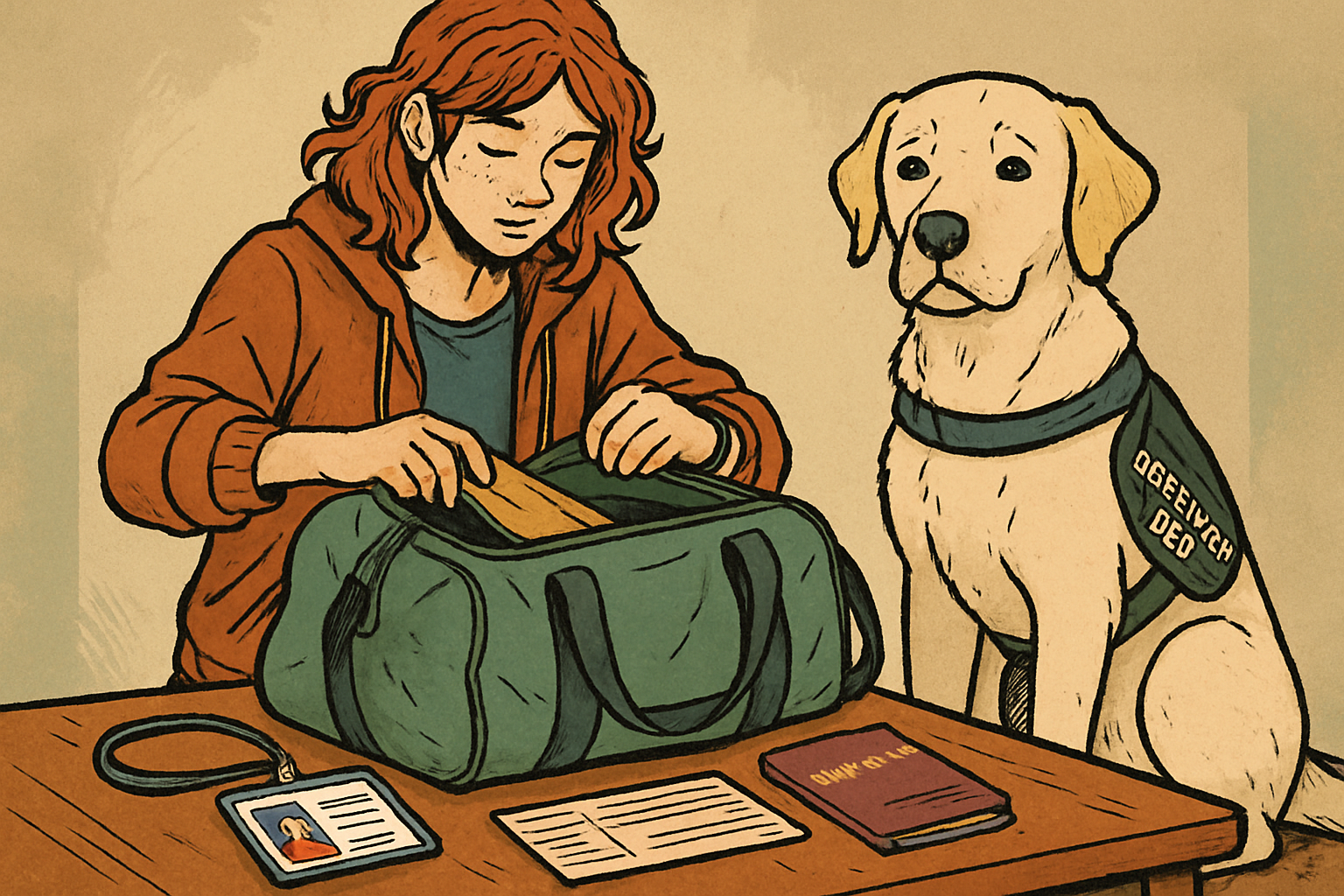
Some handlers also like having organized identification and travel-focused materials ready to go for smoother conversations and more confident planning, such as a travel-ready service dog registration package.
Even with excellent training, real-world interactions can move fast. When you’re managing your dog’s focus and your own needs, simple communication tools can help keep conversations calm, brief, and informative.
Many handlers prefer low-friction options that let them share clear information without escalating the moment. For example, ADA law handout cards for quick, respectful explanations can be useful when you want to stay polite, minimize debate, and move on with your day.
Many handlers choose optional registration options as a practical way to keep key details organized and accessible. A digital profile, printed ID, and unique registration number can be a simple system for consistency—especially during life changes like moving, meeting a new landlord, updating emergency contacts, or preparing for a new routine.
If you want a streamlined way to keep everything in one place, consider a starter registration package for everyday identification.
Yes. Many teams prioritize reward-based training and gradual exposure because it supports confidence, reduces stress, and tends to produce durable behavior in real-world environments.
That’s important information. Ethical training means adjusting the plan to protect the dog’s well-being, which may include changing goals, reducing public access demands, or choosing a different role that better fits the dog’s temperament.
A healthy pace looks like steady confidence: your dog can eat, respond to cues, recover from surprises, and settle. If stress signals are increasing or recovery is getting slower, it’s a sign to simplify and add breaks.
Your trusted source for service animal registration. Get professional ID cards, digital profiles, and smart NFC tags to keep your service animal safe and recognized.
© National Animal Registry — All rights reserved.