Diabetes management is often described as “numbers” and “targets,” but day-to-day life is usually about something simpler: staying steady. Support can mean anything that reduces uncertainty, helps you respond faster to changes, and lowers the mental load of planning meals, movement, medication, and monitoring—at home and out in public.
Practical support can look like predictable routines (similar meal times, consistent medication habits), a small “always-ready” kit for lows, reminders that reduce missed doses, and tools that help you understand your patterns over time. Many people also build a support network—clinicians, family, friends, coworkers—so they don’t feel like they’re managing everything alone.
For some people, an animal can be one more layer of help in a broader diabetes self-management plan. A service dog may be trained to perform specific tasks that support the handler during daily life. A support dog (often referred to as an emotional support animal) may provide comfort that makes routines easier to follow. A companion animal can offer consistent companionship and stress relief that helps people feel more grounded in their health habits.
Most diabetes care can be organized into five pillars. Thinking in pillars helps you focus on what you can control—and it also makes it easier to spot which area needs the most support right now.
A key mindset shift is to prioritize small, repeatable habits over big, short-lived changes. Your healthcare team can help personalize targets, timing, and strategies based on your type of diabetes, medications, lifestyle, and safety needs. What matters most is building a plan you can stick with—especially on busy days.
“ "The best routine is the one you can repeat on your hardest day—not just your best day."”
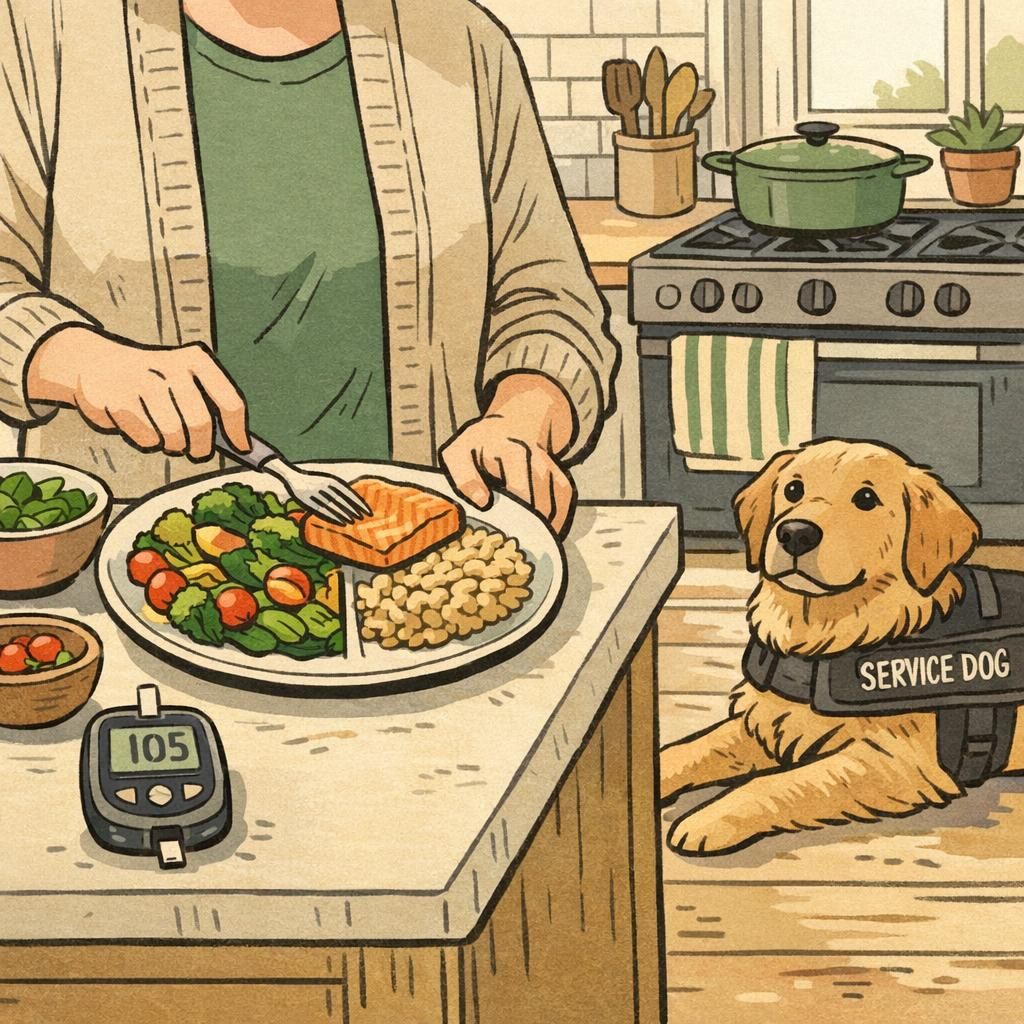
Food choices don’t have to be complicated to be effective. Two approaches many people find practical are the plate method (a simple way to structure meals) and nutrient sequencing (a simple way to order foods within a meal). Together, they can make meals feel less like guesswork.
The plate method is straightforward: aim for half your plate as non-starchy vegetables, one quarter lean protein, and one quarter carbohydrates (often whole grains or starchy vegetables). Add water or a low-sugar beverage, and include healthy fats as needed for satisfaction (for example, olive oil, nuts, avocado) based on your preferences and nutrition plan.
Nutrient sequencing is the idea that the order you eat foods may influence glucose response. Eating vegetables and protein first, then carbohydrates afterward, is a practical strategy some people use to blunt post-meal spikes. Another approachable idea is “front-loading” carbohydrates earlier in the day—having more of your carbs at breakfast or lunch and fewer at dinner—which may help some people reduce overnight swings. The right approach depends on your body, your medication plan, and what you can sustain.
If you want to try sequencing, keep it simple: start with a salad or cooked non-starchy vegetables, then eat your protein, then your carbohydrates. Consider testing your glucose before and after meals (as recommended by your clinician) to see how your body responds.

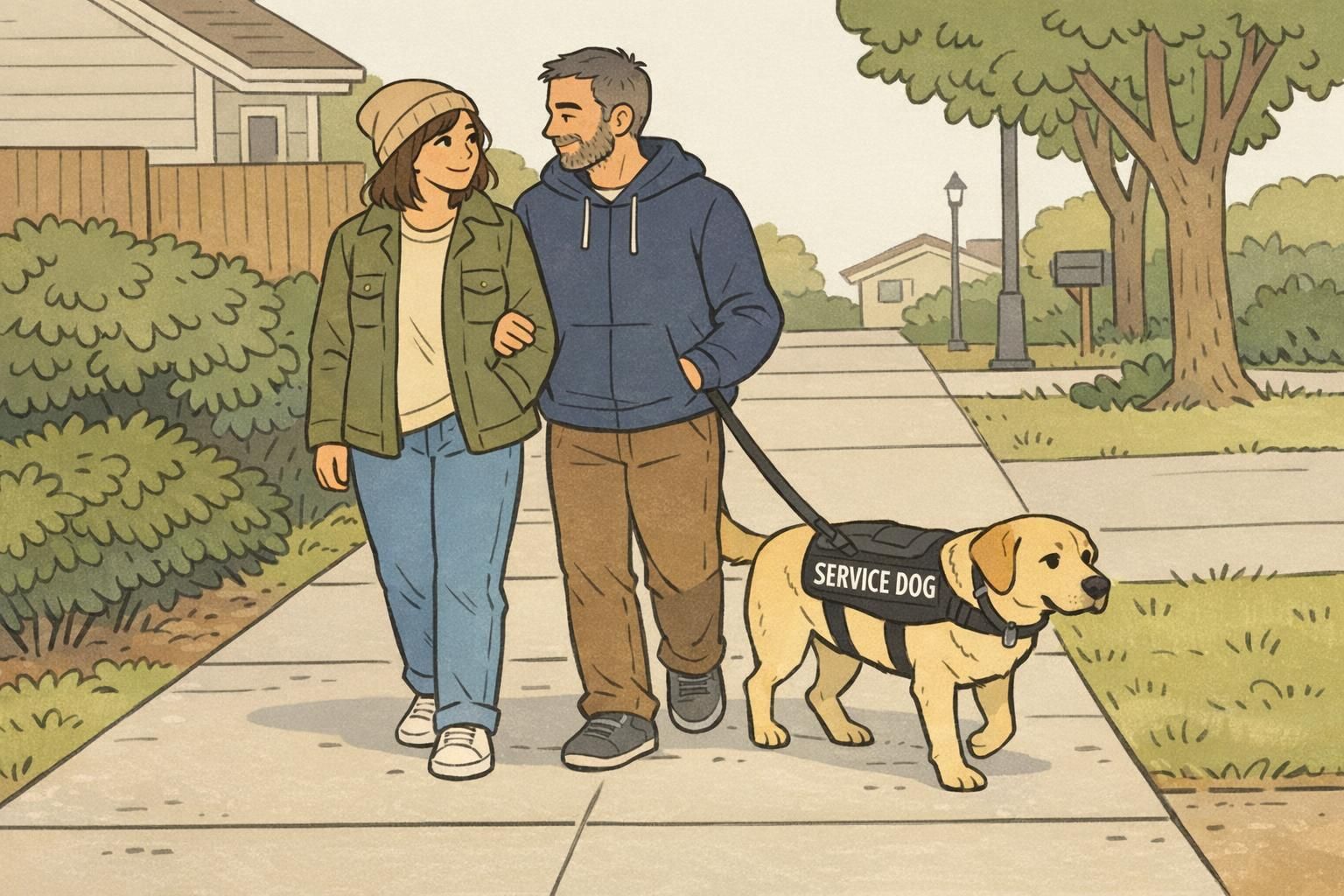
Physical activity helps your body use glucose more effectively and can improve insulin sensitivity over time. The best kind of movement is the kind you can do consistently—without needing perfect conditions, special equipment, or huge blocks of free time.
You can think of movement as a menu: some days you choose a longer walk; other days you fit in shorter “movement snacks” like climbing stairs, doing housework, or a quick strength routine. Even gentle activity after meals can be especially helpful for glucose management. Research discussed here suggests that a post-meal walk of about 30–45 minutes, starting roughly 30 minutes after eating, may help blunt glucose spikes; nutrient sequencing (vegetables/protein before carbohydrates) is also highlighted as a practical dietary strategy in the same discussion. source
Safety matters. Hydrate, wear comfortable shoes, and be prepared for lows if you’re at risk—especially if you use insulin or certain medications. Carry fast-acting carbs and know your personal signs of a low. If you’re starting a new routine or changing intensity, it’s wise to check in with your healthcare team about timing, targets, and how to adjust safely.
Medications work best when they’re taken as prescribed and paired with a routine that reduces missed doses. If you’ve ever thought, “I’m good for a week, then life happens,” you’re not alone. The solution is usually a system—not more willpower.
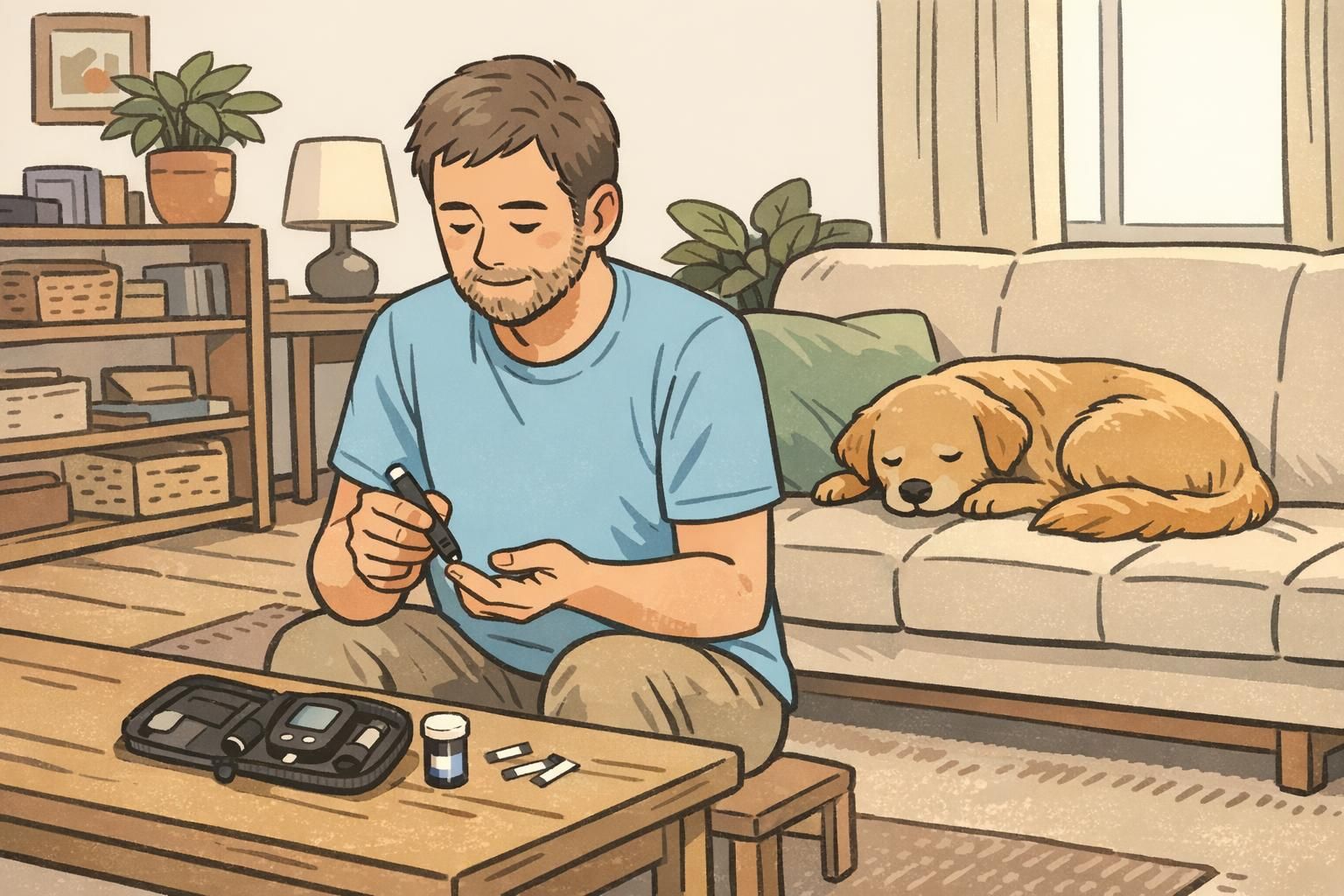
Monitoring supports better decisions, not judgment. Whether you use fingersticks, a CGM, or periodic checks recommended by your clinician, the real value comes from pattern-spotting: noticing what happens after certain meals, during stressful days, or after different types of exercise. Over time, data can help you adjust timing, portions, hydration, and activity in ways that feel empowering rather than restrictive.
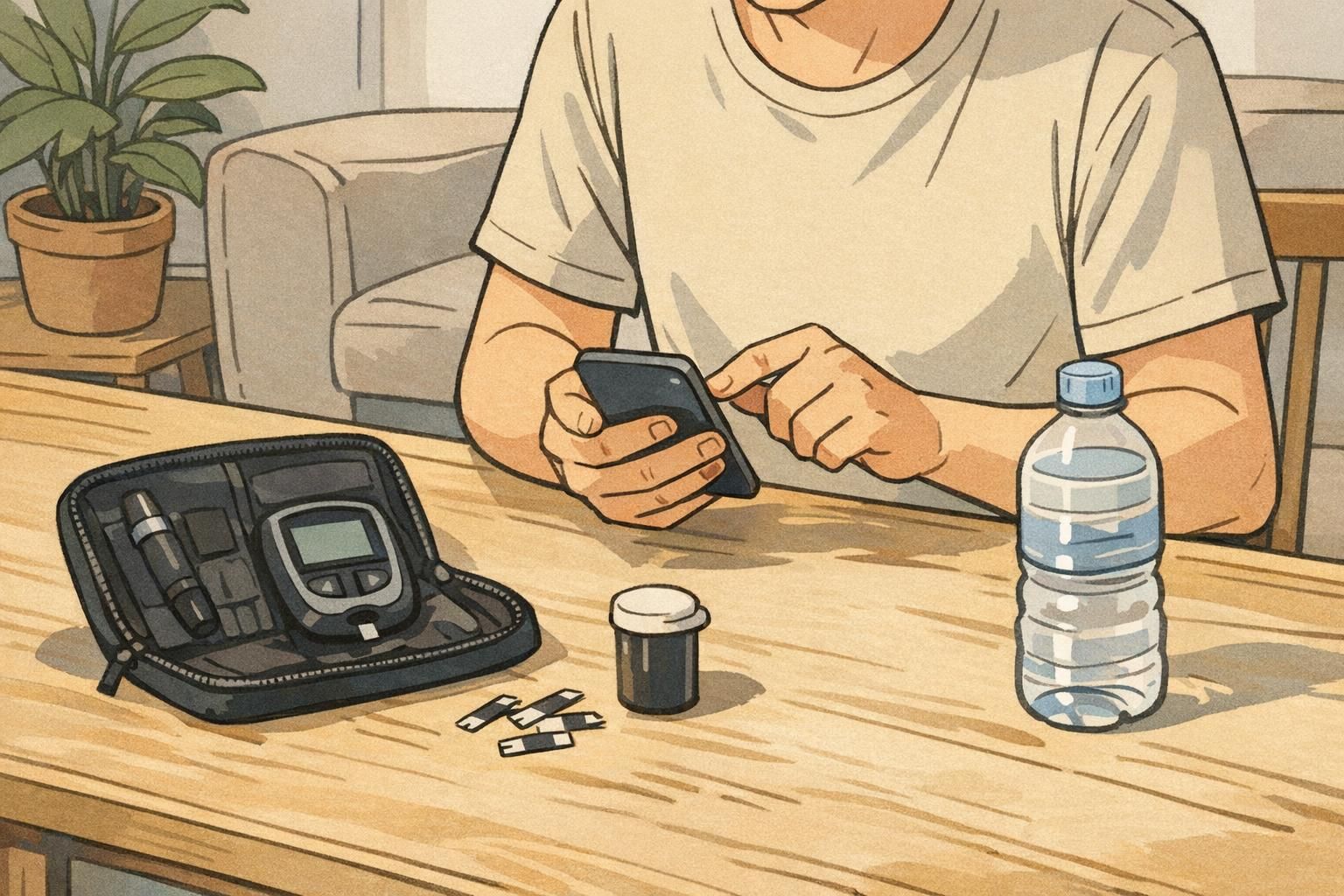
Bring your patterns to your healthcare team. Medication timing, sleep, stress, and even illness can shift glucose. Adjustments are common, and needing changes doesn’t mean you failed—it means your plan is being refined.
That depends on your diabetes type, medications, and clinician guidance. The most helpful schedule is one that gives you actionable information (like pre- and post-meal checks when troubleshooting) without overwhelming you.
Diabetes isn’t managed only at mealtimes. Stress hormones can raise blood sugar, poor sleep can make cravings and fatigue worse, and small foot issues can become bigger problems if they’re missed. The good news: small supports in these areas often pay off quickly.
Foot care is a daily habit that can prevent major setbacks. It’s not about fear—it’s about staying ahead of small issues before they interfere with mobility and quality of life.
For some people, an animal becomes part of how they move through the day with more confidence. In diabetes care, a service dog may provide task-based support that helps a handler respond to changing needs during routines and outings. The specific tasks and fit depend on the person’s lifestyle, goals, and daily risks.
In practical terms, service dog support may include trained behaviors that help a handler stay aware, take action, or follow through with a plan during busy moments. For example, some handlers value structured routines (the dog’s schedule supports their schedule), interruptions that help them notice they’re missing a step, or task assistance that makes it easier to manage supplies and transitions.
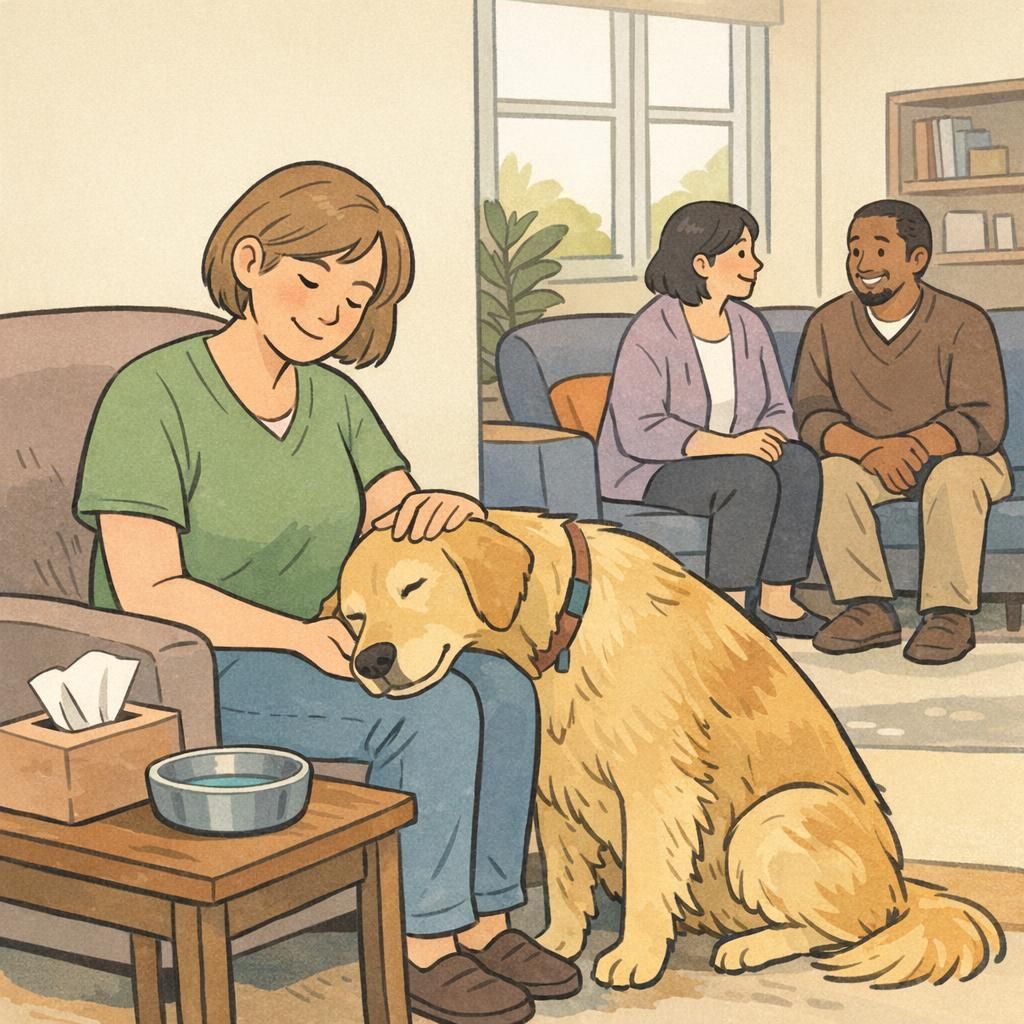
Choosing the right option is about matching support to your real needs. If you want task-based help during errands or appointments, a service dog may be the best fit. If your biggest challenge is anxiety, burnout, or feeling overwhelmed, a support dog or companion animal may bring meaningful stability that helps you stay consistent with meals, movement, and monitoring.
“ "Having an animal in my routine doesn’t replace my care plan—it helps me stick to it, especially on stressful days."”
Outings can be smoother when you plan for the predictable friction points: timing, supplies, and questions from other people. A consistent routine reduces surprises—knowing when you last ate, when you’ll eat next, and where your fast-acting carbs are can make a big difference in how confident you feel.
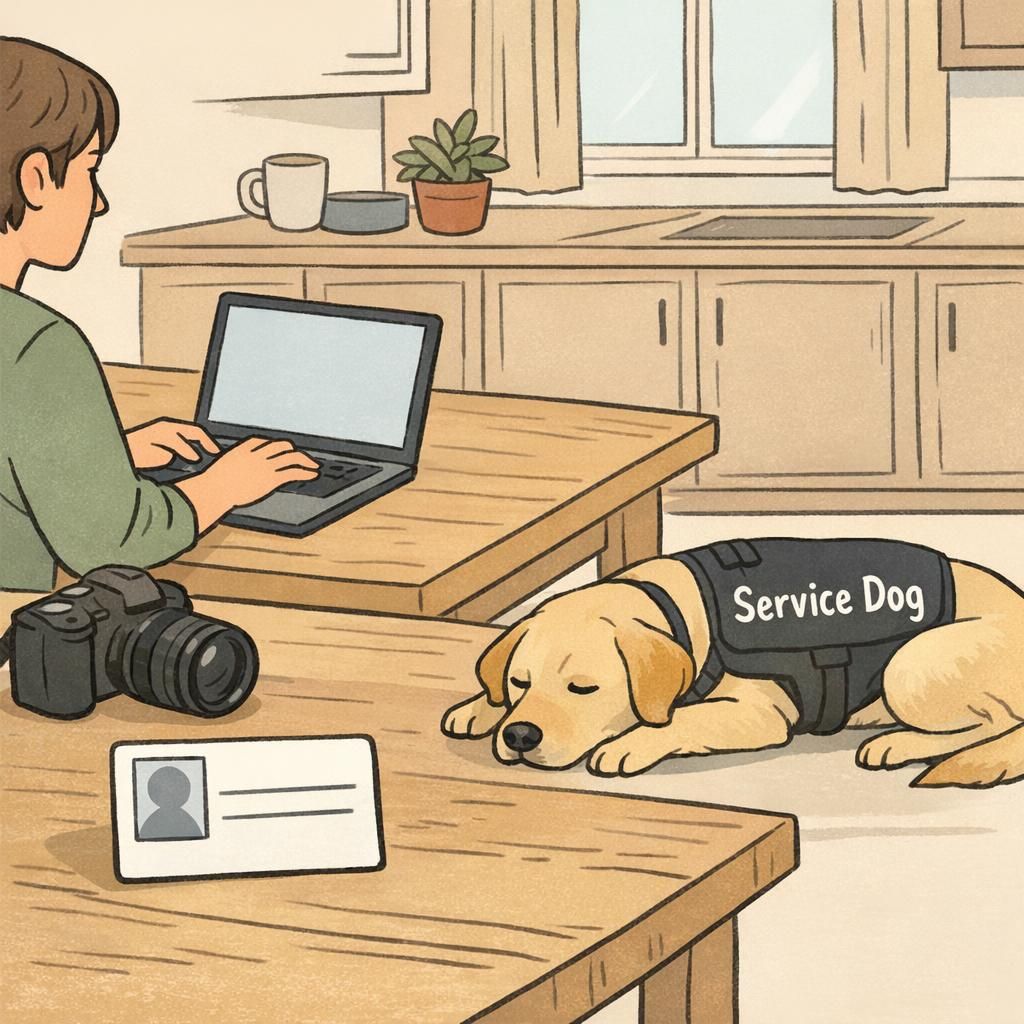
If you have a service dog with you, calm, professional communication helps. Keep it short and steady. A simple line like, “This is my service dog,” followed by focusing on your errand is often enough. Optional identification tools—such as registration, an ID card, and concise informational materials—can help streamline interactions in real-world settings and reduce stress when questions come up.
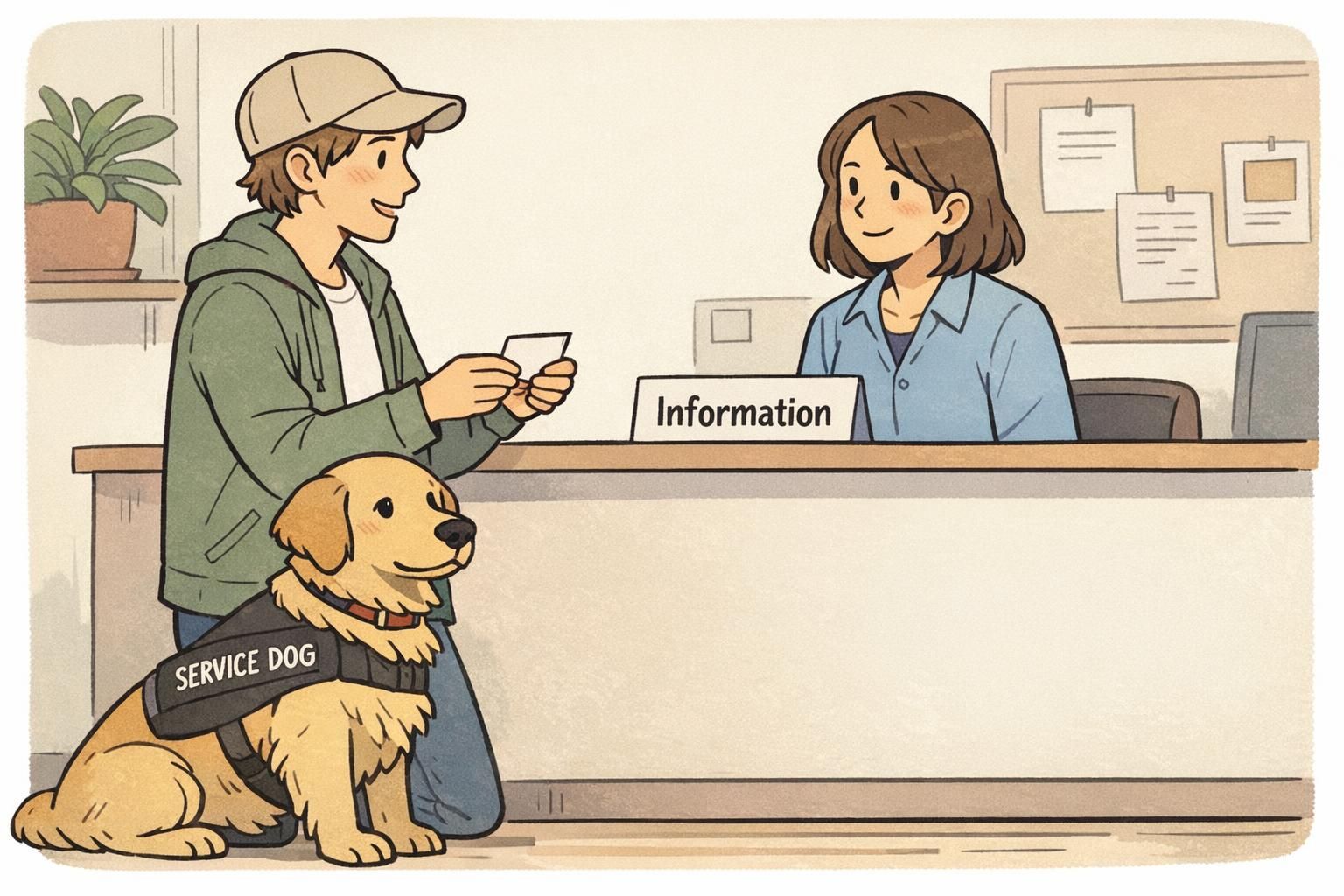
Travel can disrupt the routines that keep blood sugar steadier: meal timing, sleep, activity, and medication schedules. Planning ahead helps you keep the focus where it belongs—your health, your safety, and a smooth trip.
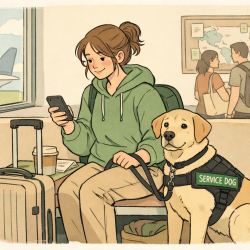
If you travel or move through different housing situations with a service dog or support animal, having clear documentation and easy-to-present information can simplify real-world moments—check-in desks, building policies, or busy lobbies—so you can stay calm and organized. For more guidance, see travel planning tips for handlers.
The best support plan is personal. Start by identifying when diabetes feels hardest—then choose tools, habits, and (if it fits your life) animal support that reduces those specific stress points. The goal is to build a routine that helps you feel safe and capable at home and out in the world.
If everyday identification and organization would make you feel more confident—especially during errands, appointments, travel, or housing conversations—optional registration tools can help you stay consistent and prepared. Many handlers appreciate having a clear, professional way to identify their working animal and keep key details in one place, such as a starter registration package for everyday identification.
An animal is best viewed as added support, not a replacement. Your care plan is still built around food routines, movement, medications, monitoring, and clinician guidance.
Match your biggest need to the type of help: task-based assistance may point toward a service dog; stress relief and emotional steadiness may point toward a support dog; companionship and routine may point toward a companion animal.
Your trusted source for official service animal registration. Get professional ID cards, digital profiles, and smart NFC tags to keep your service animal safe and recognized.
© National Animal Registry — All rights reserved.