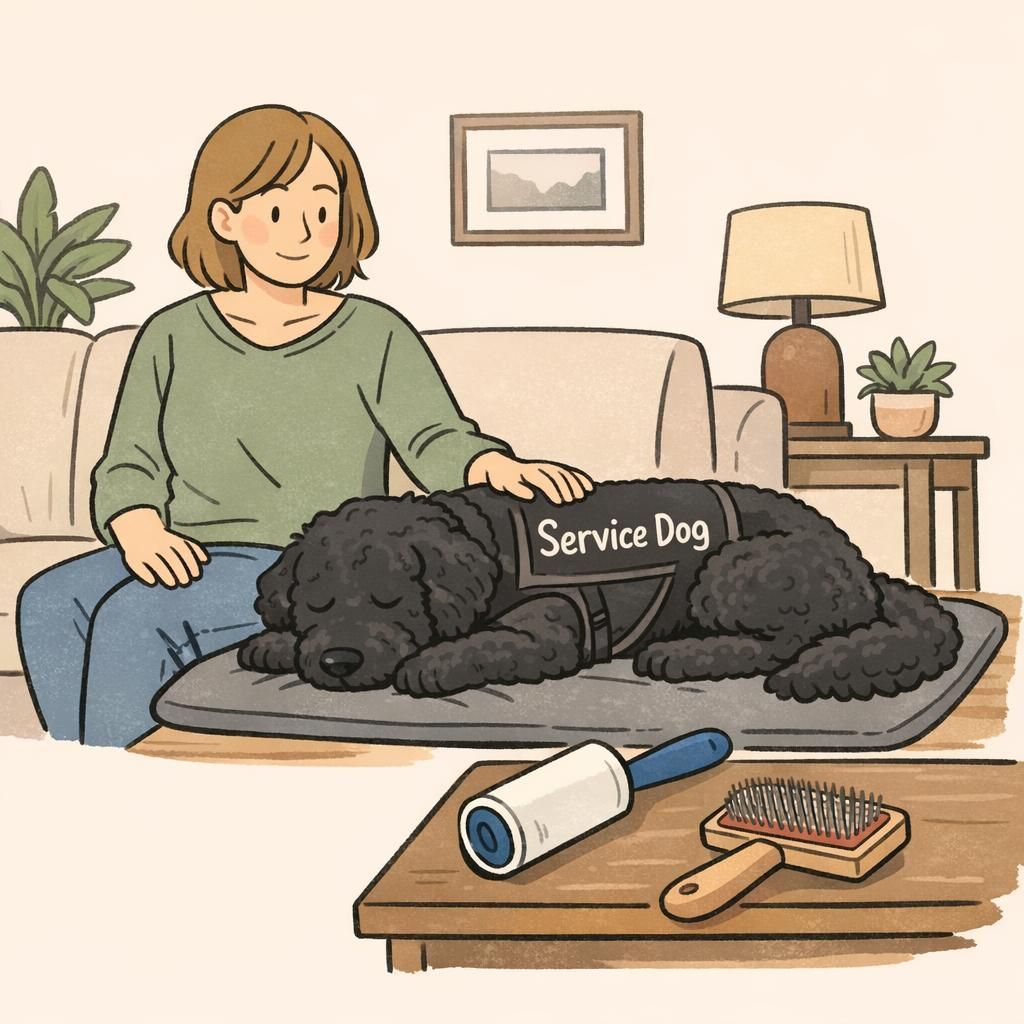
What “Hypoallergenic” Really Means for a Service Dog
When people say a dog is “hypoallergenic,” they’re usually talking about a dog that sheds less and may spread fewer allergens around the home and in public. That can be a big deal for a service dog team—especially when your dog needs to be close to you, ride in the car often, or accompany you to work, classes, or medical appointments.
But it’s important to set realistic expectations: no dog is truly allergy-free. Allergies are often triggered by proteins found in dander (dead skin cells), saliva, and urine—not just fur. Low-shedding coats can help keep those proteins from traveling as easily on loose hair, yet allergens can still be present on the dog’s skin, in the coat, and on surfaces the dog touches. The American Kennel Club also notes that no breed is 100% hypoallergenic, even though some are more manageable for allergy-sensitive households (source).
Think of “hypoallergenic” as “typically lower-shedding and often easier to manage,” not a guarantee of zero symptoms. The best plan is to choose a dog who can do the work you need and build an allergy-smart routine around that individual dog.
Not necessarily. Many people with allergies successfully partner with a service dog by selecting a lower-shedding coat type, meeting the specific dog before committing, and keeping up with grooming and cleaning routines. Your comfort matters because a service dog is part of your everyday environment.
Not always. Mixed coats can vary widely, even within the same litter. Some doodles shed very little, while others shed enough to trigger symptoms. It’s best to assess the individual dog’s coat and your real-life reaction to that dog.
Service Dog Basics: Roles, Tasks, and Everyday Support
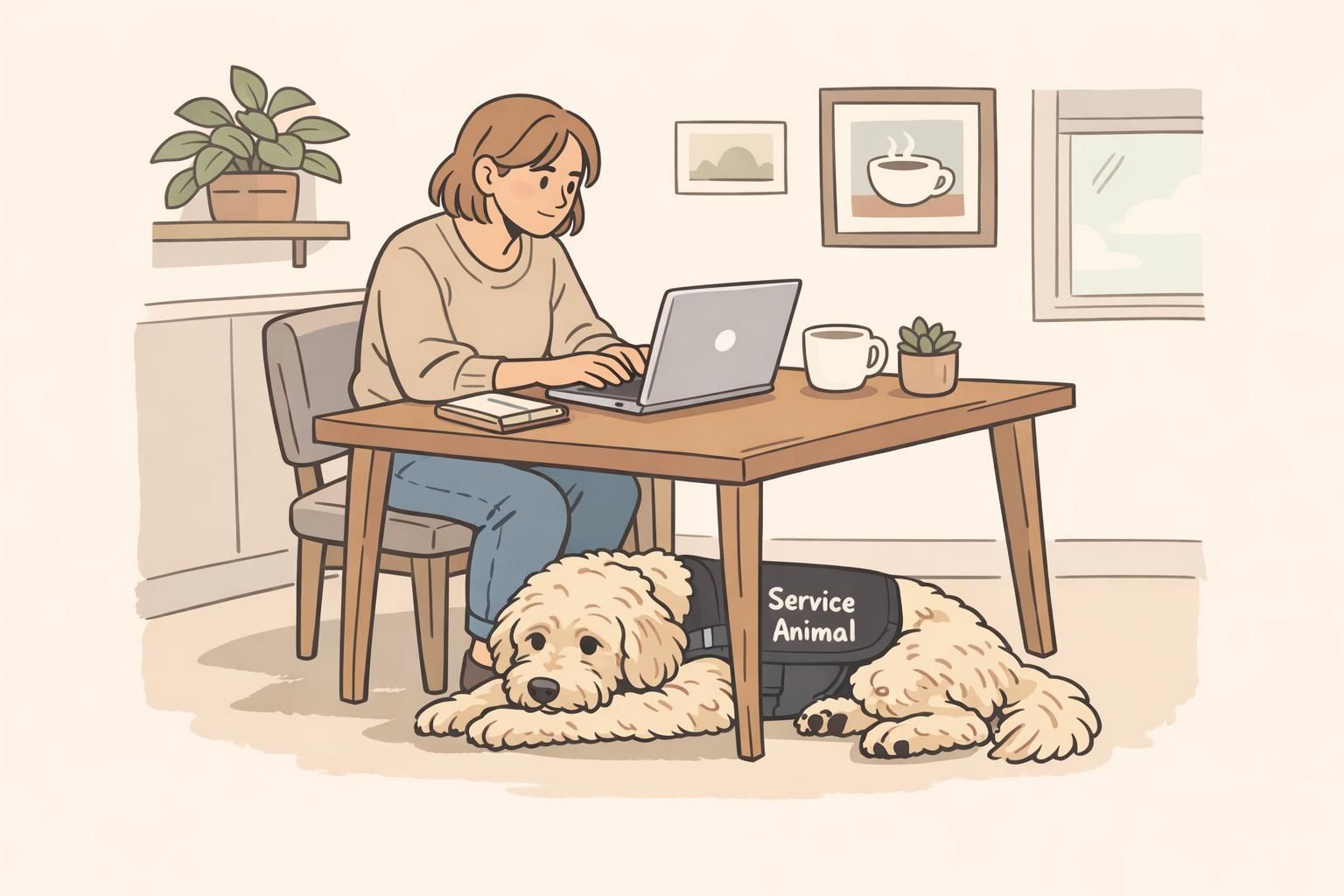
A service dog (sometimes called an assistance dog) is trained to perform specific tasks that directly help with a person’s disability. In day-to-day life, service dogs are more than well-behaved companions—they’re working partners who provide practical, repeatable support in the moments you need it most.
The “right” service dog isn’t just about breed. It’s a blend of temperament, size, energy level, trainability, resilience in public, and how well the dog fits your routine. A lower-shedding coat is helpful when allergies are part of the picture, but the dog still has to enjoy the work and be physically and emotionally suited for it.
- Mobility support: bracing (when appropriate for the dog), steadying, retrieving dropped items, opening/closing doors, bringing a phone or medication bag
- Medical alerts and response: diabetic or seizure alert behaviors (when individually trained), retrieving emergency supplies, activating help-seeking routines
- Psychiatric support: interrupting repetitive behaviors, tactile grounding, guiding to an exit, creating space in crowded environments
- Autism-related assistance: helping with routine transitions, blocking or buffering in busy areas, tracking/supporting safe movement as trained
“ "The best service dog match is the one that can do the tasks reliably—and still settle calmly when life gets quiet." – Service dog handler”
Top Hypoallergenic-Friendly Breeds Often Chosen for Service Work
If you’re looking for a service dog and also trying to minimize allergy triggers, breeds with hair-like coats (or low-shedding patterns) are often a starting point. They’re commonly chosen because they can be highly trainable, responsive, and easier to keep tidy with a consistent grooming plan.
That said, any breed can produce allergens, and individual dogs vary. Your goal is to find a dog who can perform your needed tasks and is realistic for your lifestyle—then reduce allergens through grooming, cleaning, and smart daily habits.
- Poodle (Toy/Mini/Standard): classic low-shedding choice; highly trainable and often service-ready with consistent grooming
- Portuguese Water Dog: athletic, smart, and often a good fit for active handlers who want a lower-shedding coat
- Miniature Schnauzer: alert and biddable; often best for lighter task work and steady companionship routines
- Bichon Frise and Havanese: smaller, people-focused breeds that can excel at in-home support and psychiatric task routines
- Doodles (Labradoodle, Goldendoodle, Bernedoodle): can be excellent service prospects, but coat types vary widely—plan to assess the individual dog
If you’re building a routine that includes outings and transportation, it also helps to plan ahead for breaks, grooming before travel days, and packing supplies. For practical guidance, see travel planning tips for service dog teams.
Breed-by-Breed Snapshot: Traits, Best Fits, and Grooming Expectations
Below is a practical snapshot of popular hypoallergenic-friendly options for service work. These are general tendencies—not promises. The individual dog’s health, temperament, and training path matter most, and grooming needs can vary by coat and lifestyle.
- Poodle (Miniature/Standard): Often best for versatile task work (medical response, retrieval, psychiatric interruption). Grooming: regular brushing plus routine clipping; stay consistent to prevent mats that trap dander.
- Labradoodle: Often best for friendly, people-oriented service work and teams who want a bigger dog with a potentially lower-shedding coat. Grooming: coat can range from curly to wavy; frequent brushing and professional grooming helps keep allergens manageable.
- Portuguese Water Dog: Often best for active handlers and high-engagement tasks. Grooming: curly/wavy coat needs brushing and trimming; keep ears and skin monitored to avoid irritation.
- Miniature Schnauzer: Often best for lighter retrieval, routine support, and psychiatric tasks in smaller spaces. Grooming: hand-stripping or clipping; routine beard/leg cleaning can reduce saliva-related allergens.
- Bichon Frise: Often best for in-home support and steady companionship tasks that don’t require large size. Grooming: frequent brushing and professional grooming; coat can mat if skipped.
- Irish Water Spaniel: Often best for experienced handlers wanting an athletic, trainable partner. Grooming: curly coat needs brushing and trimming; keep an eye on skin/ear health.
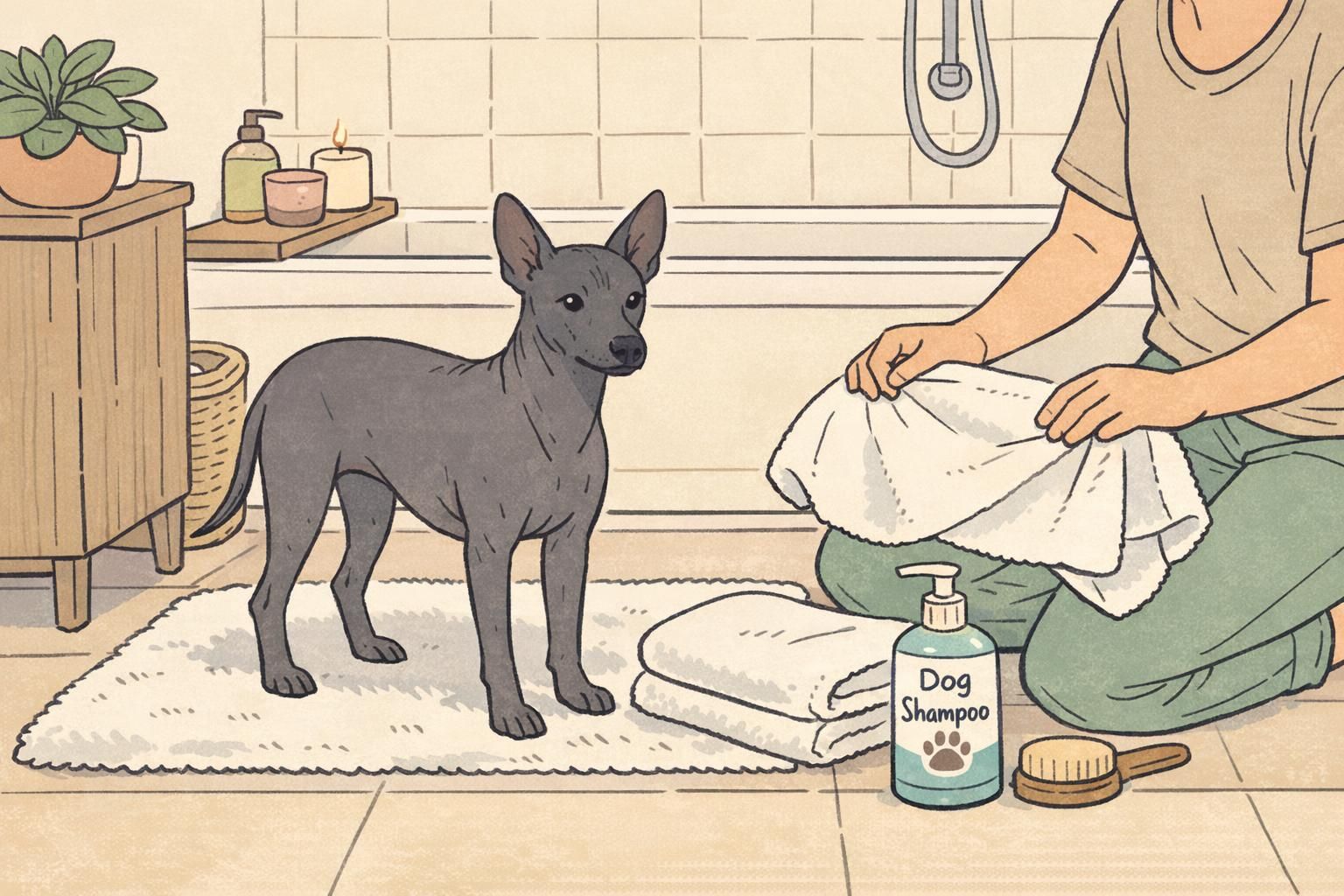
- Xoloitzcuintli (hairless varieties): Often best for handlers focused on minimizing shedding and who can commit to skin care. Grooming: minimal brushing, but regular bathing and skin moisturizing/sunscreen practices as advised by a vet.
- Goldendoodle: Often best for social, upbeat service work when coat type is truly low-shedding. Grooming: high-maintenance coat for many dogs—frequent brushing, routine trims, and mat prevention are key.
- Bernedoodle: Often best for handlers who want a larger, steadier presence and are prepared for coat care. Grooming: can be dense and high-maintenance; expect consistent brushing and professional grooming.
- Havanese: Often best for smaller handlers, apartment living, and psychiatric task work with a close-bonded companion. Grooming: long coat requires brushing and trimming; keeping the coat shorter can simplify allergen management.
Grooming isn’t just for looks. For allergy-sensitive teams, it’s part of access readiness—reducing loose hair, dander buildup, and “dog smell” that can draw attention in public.
Allergy-Smart Selection: How to Test Your Compatibility Before Committing
When allergies are involved, choosing a service dog is as much about your reaction to a specific dog as it is about breed. Two dogs with similar coats can trigger very different symptoms depending on skin health, grooming history, and even the products used on the coat.
- Spend time with the specific dog: aim for multiple visits if possible, including indoor time where allergens are more noticeable.
- Test close-contact moments: sit near the dog, let the dog rest beside you, and notice symptoms over the next several hours.
- Pay attention to coat and skin condition: dandruff, oily skin, or heavy saliva can increase allergen spread.
- Ask about grooming routines: a well-maintained low-shed coat is usually easier on allergies than a neglected one—regardless of breed.
- Plan your home setup: build in allergen-reducing routines from day one so you’re not scrambling later.
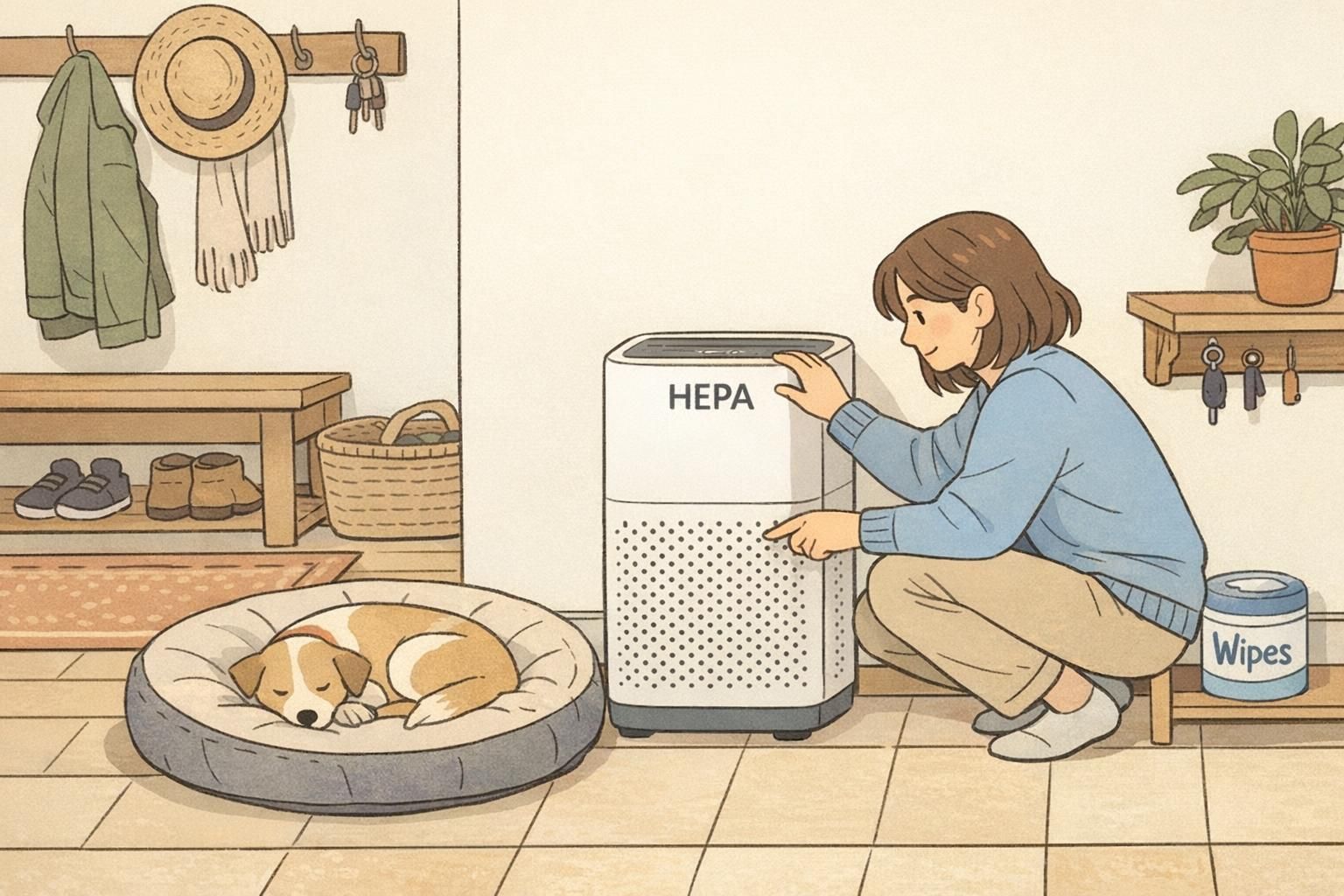
At home, small changes can reduce the “allergen load” you’re exposed to—without pretending anything will be perfect. HEPA filtration, washable bedding, frequent vacuuming, and consistent grooming routines often make a noticeable difference for many households.
If possible, try multiple exposures across a week or two. Allergies can build with repeated contact, and your reaction after a full day can be different than after 10 minutes.
Bathing can help remove dander and saliva residue from the coat and skin, but over-bathing can irritate skin and backfire. A consistent schedule that keeps the dog comfortable—often with vet or groomer input—is usually best.
Matching the Dog to Your Needs: Size, Energy, Temperament, and Task Demands
A hypoallergenic-friendly coat won’t matter if the dog can’t comfortably perform your tasks. Before you fall in love with a breed profile, map out what you need your service dog to do, where you need help most, and how your days typically look.
For example, mobility-related tasks often benefit from a larger dog with appropriate structure, stamina, and calm confidence in public. On the other hand, psychiatric support tasks and in-home routine support may be a great fit for smaller, low-shedding breeds—especially for apartment living, quieter workplaces, or teams who prioritize easy transport.
- If you need mobility or counterbalance tasks: consider larger, sturdy dogs (often Standard Poodles, some Portuguese Water Dogs, or carefully selected larger doodles).
- If you need medical response and retrieval: prioritize trainability, focus, and reliability—many coat types can work, but low-shedding options often include Poodles and certain doodles.
- If you need psychiatric interruption and grounding: look for a steady temperament, strong handler focus, and an “off switch” for calm settling in public.
- If you live in a smaller space: select a dog who can comfortably settle and exercise appropriately without constant high-intensity activity.
“ "My allergies pushed me toward a lower-shedding breed, but my daily needs pushed me toward a dog with a calm, confident temperament. The overlap is where the magic happened." – Service dog handler”
Care Plan for Low-Allergen Service Dogs: Grooming, Skin Care, and Coat Maintenance
Living with a low-shedding service dog is usually a trade-off: less hair in the environment, but more structured coat care. The good news is that a consistent routine can make life easier for your allergies and help your dog look and feel their best—especially for public access settings where cleanliness and calm professionalism matter.
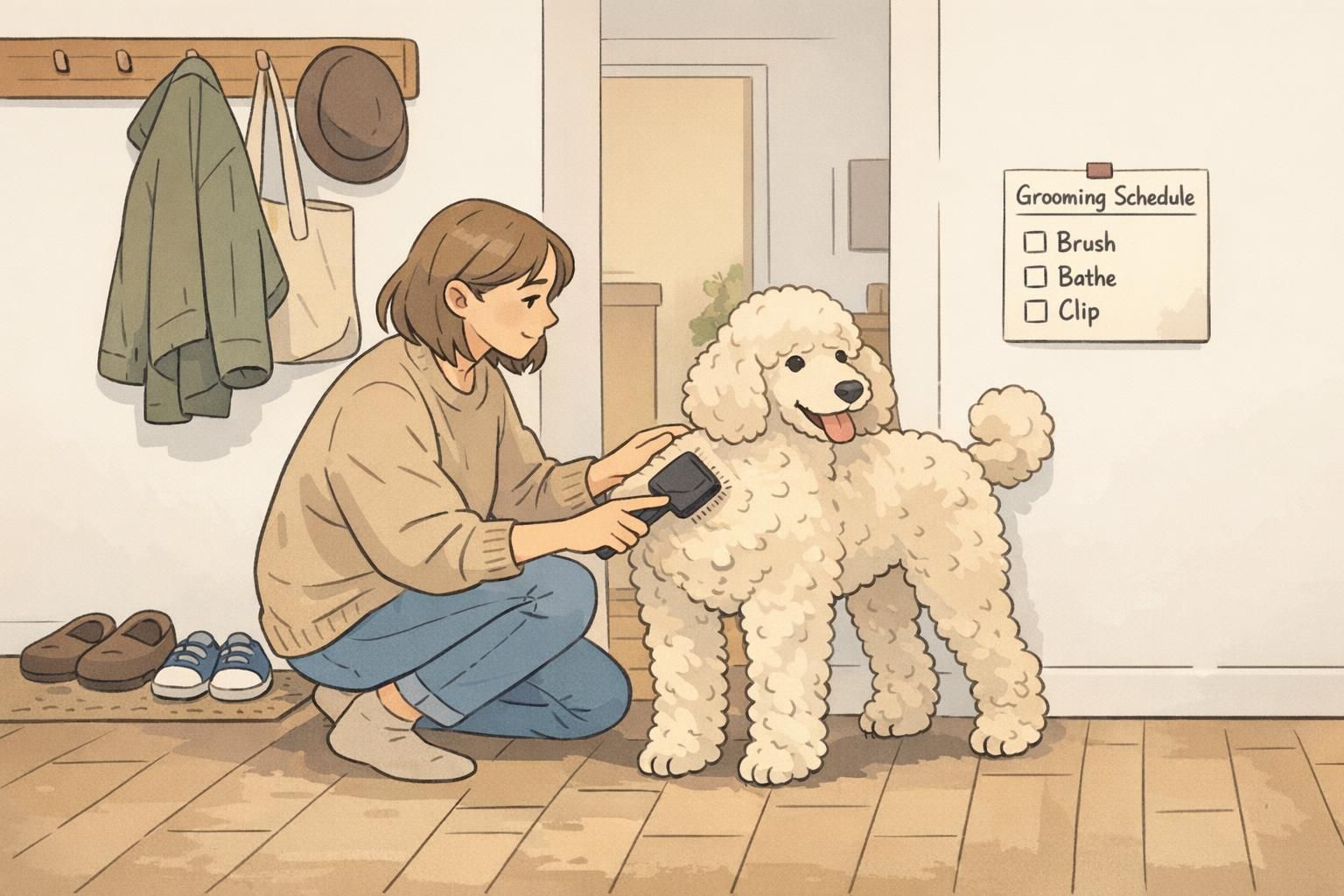
Curly coats (like Poodles) often need routine clipping and thorough brushing to prevent mats that hold dander and debris. Wavy doodle coats often require frequent brushing and scheduled grooming visits. Hairless breeds reduce shedding, but they require thoughtful skin care, including gentle bathing and protecting the skin from dryness and sun exposure as appropriate.
- Daily or near-daily (as needed): quick brush-through of high-friction areas (collar, harness points, behind ears), wipe paws after outings
- Weekly: more thorough brushing session, wash dog bedding and frequently used blankets, vacuum high-traffic areas
- Every 2–6 weeks (varies by coat): bath schedule that supports healthy skin, nail trim, ear check/cleaning as recommended
- Every 4–10 weeks (varies by coat): professional grooming or at-home clipping/trim to keep coat manageable and mat-free
- Ongoing: use a lint roller for clothing and a designated “dog zone” for gear to reduce allergens spreading through the home
If you’re allergy-sensitive, build the grooming budget and time commitment into your service dog plan from the start. A lower-shedding coat is most helpful when it’s consistently maintained.
Public Access Confidence: Everyday Identification and Clear Communication
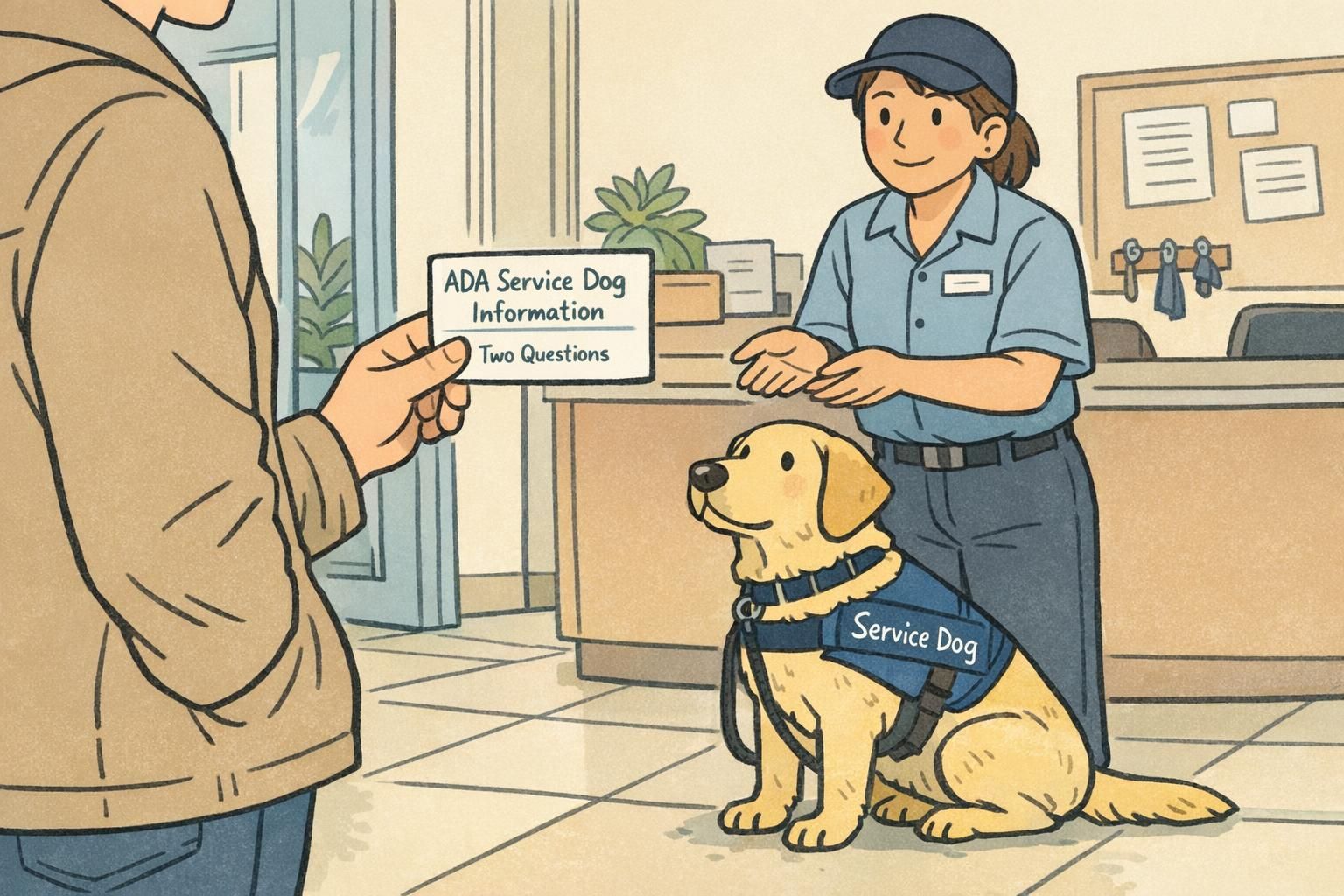
Service dog life happens in the real world—stores, offices, hotels, airports, medical buildings, and busy sidewalks. Even when your dog is impeccably behaved, misunderstandings can pop up. Clear communication helps: calm explanations, consistent handling, and a professional presentation.
Many handlers choose to use service dog registration, IDs, and certificates as practical tools to make day-to-day interactions smoother. Having a consistent ID format can reduce confusion, support clear conversations, and help you feel prepared when someone has questions. If you prefer something you can carry and reference quickly, consider a customizable printed service dog ID with a matching digital profile.
- Keep your messaging simple and consistent (short answers, calm tone).
- Maintain a clean, well-groomed appearance for the dog—especially important for allergy-conscious environments.
- Use gear that supports control and comfort (a well-fitted harness, leash length that prevents tangles and crowding).
- Have key information accessible so you don’t feel flustered if questioned.
Helpful Documents for Real Life: Travel and Housing Organization
When you’re planning travel or discussing housing, organization is your friend—especially if allergies require extra planning. You may want to schedule grooming right before a trip, pack wipes and a small brush for daily maintenance, and bring washable bedding to reduce exposure in new environments.
Many teams also like having their service dog details and identification materials in one place for convenience and peace of mind. A bundled option can reduce last-minute scrambling and keep essentials together, such as a travel-ready service dog registration package for on-the-go convenience.
- Before travel: bathe/brush as scheduled, trim nails, wash bedding, pack extra waste bags and wipes
- For allergy comfort: consider bringing a compact HEPA purifier for longer stays (when feasible) and your dog’s familiar blanket
- In lodging: use designated dog areas, wipe paws after outings, and keep grooming quick but consistent
- For housing conversations: stay calm, be organized, and keep your dog’s information easy to share when needed
Quick Checklist: Picking the Right Hypoallergenic Service Dog for You
Choosing a hypoallergenic-friendly service dog is about balancing two realities: the dog must be capable of the tasks you need, and your home routine must keep allergens manageable enough for you to thrive. Use this checklist to narrow your options and feel confident about your next step.
- Allergy sensitivity level: mild, moderate, or severe—what symptoms show up after close contact?
- Individual dog compatibility: spend time with the specific dog and assess your reaction over repeated visits
- Coat type and shedding pattern: curly/wiry/low-shed is often easier to manage, but confirm in real life
- Grooming commitment: brushing frequency, bathing schedule, and professional grooming budget
- Task needs: mobility vs. medical response vs. psychiatric support vs. autism-related assistance
- Size and strength: choose a body type that can safely and comfortably support your needs
- Energy level and lifestyle fit: apartment vs. house, work environment, daily exercise capacity
- Long-term care: skin/ear health, training upkeep, and your ability to maintain routines during busy seasons
- Public access readiness: calm settling, cleanliness, and a clear identification system for smoother everyday interactions
A smart next step: shortlist a few suitable breeds, meet individual dogs, and choose an identification setup that helps you move through daily life with clarity and confidence.