
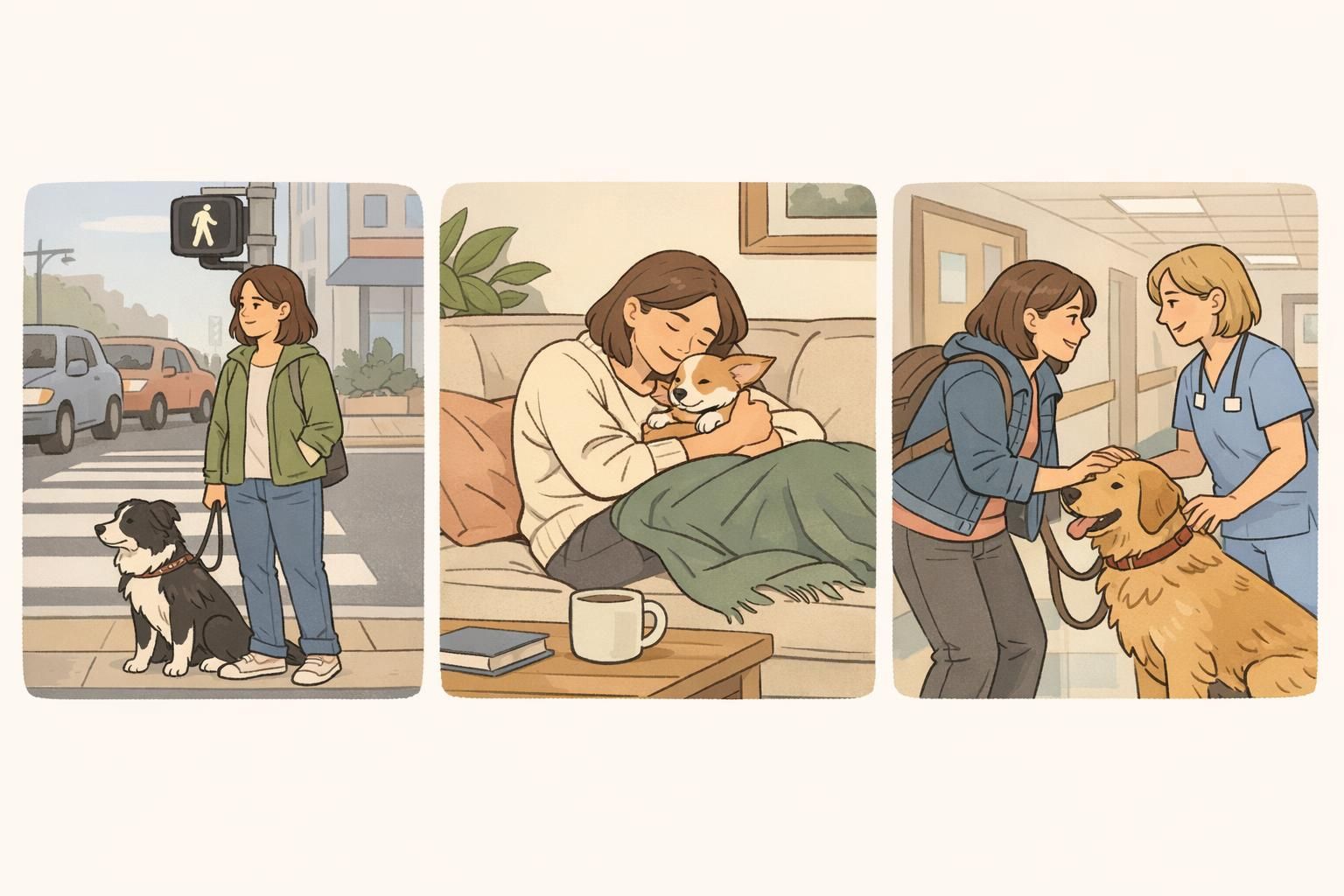
The fastest way to choose the right path is to get clear about what you want a dog to do in real life. Many people start with a general hope—“I’d feel safer,” “I need help getting around,” or “I want my dog to comfort others”—but the best next step is turning that hope into a practical job description.
In everyday terms, most people are looking for one of three outcomes: (1) a dog trained to perform specific disability-related tasks, (2) a dog whose presence provides emotional comfort at home and in daily life, or (3) a dog who visits facilities to support other people as part of volunteer work. These goals can overlap, but naming your primary goal helps you set expectations for training, daily routine, costs, and what situations you plan to navigate together.
The terms “service dog,” “support dog,” and “therapy dog” are often used interchangeably online, but they describe different roles. Knowing the practical differences helps you choose a path that fits your needs and prevents confusion in day-to-day situations.
A service dog is trained to perform specific tasks for a person with a disability. The emphasis is on task-trained assistance and consistent behavior in a wide range of environments. An emotional support animal (ESA) provides comfort through companionship and can be especially helpful for anxiety, depression, or stress-related challenges. A therapy dog is typically part of a volunteer team that visits facilities (such as hospitals, schools, or elder care communities) to provide comfort to many people—not just the handler.
A dog can have skills that support you emotionally and also be trained for tasks, or a well-mannered dog can be great at home and enjoy visiting others. The category that matters most is the one that reflects the dog’s primary role and how you plan to navigate public spaces, housing, and travel.
No. Many breeds and mixes can succeed. The best choice is the dog whose temperament, health, and daily needs match your lifestyle and goals.
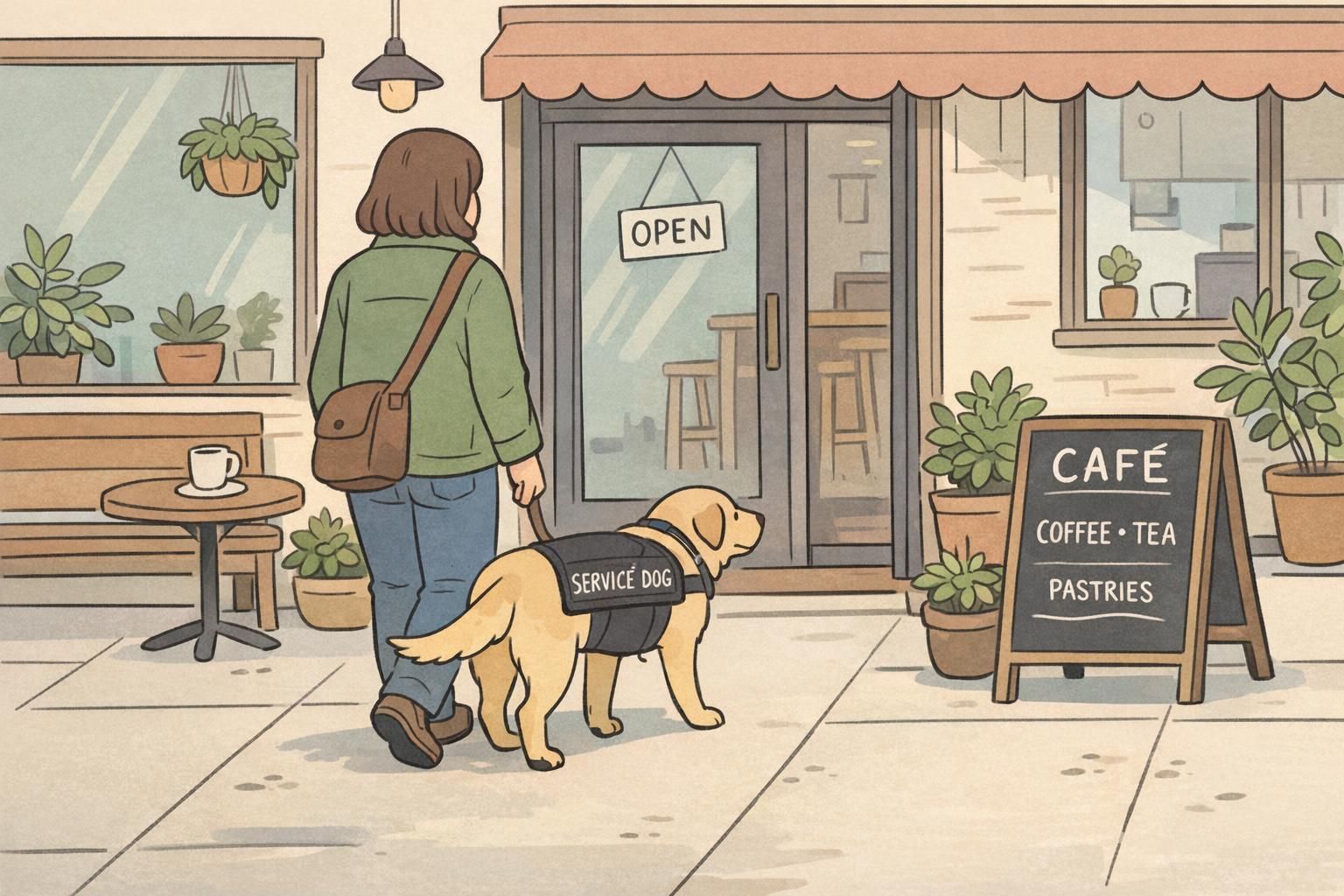
Public access is where the differences between service dogs, ESAs, and therapy dogs become most noticeable. In general, service dogs are recognized under the ADA as individually trained to perform tasks for a person with a disability and are typically allowed to accompany their handler in public places where the public is allowed. Emotional support animals are treated differently under the ADA, and therapy dogs generally follow the policies of the facility or organization they are visiting. For a clear overview of these differences, see this ADA-focused explanation: source.
In real life, the smoothest experiences usually come from calm preparation: your dog is under control, you know where you’re going, and you have a plan for how to handle questions without turning every outing into a debate. Even when you’re in the right, a confident, respectful approach tends to reduce stress for everyone.
If you prefer to keep conversations simple, tools that clarify the basics can help you stay calm and on track. Some handlers keep educational materials ready so they can answer quickly and move on. For example, ADA law handout cards for quick, calm conversations can be a practical way to reduce repeated explanations in everyday settings.
Choosing the right dog is less about finding a “perfect” breed and more about finding a stable match for your life. The dog’s temperament, energy level, and comfort with the world will shape your success more than any single feature. A dog that fits your routine will be easier to train, easier to live with, and more consistent when you need them most.
Start by honestly looking at your day. Are you out of the house for long hours? Do you live in an apartment with close neighbors? Do you have kids, roommates, or other pets? Do you need a dog that can settle quietly for long periods, or a dog that can hike and keep up with a busy schedule? Your answers guide the kind of temperament and care needs that make sense.
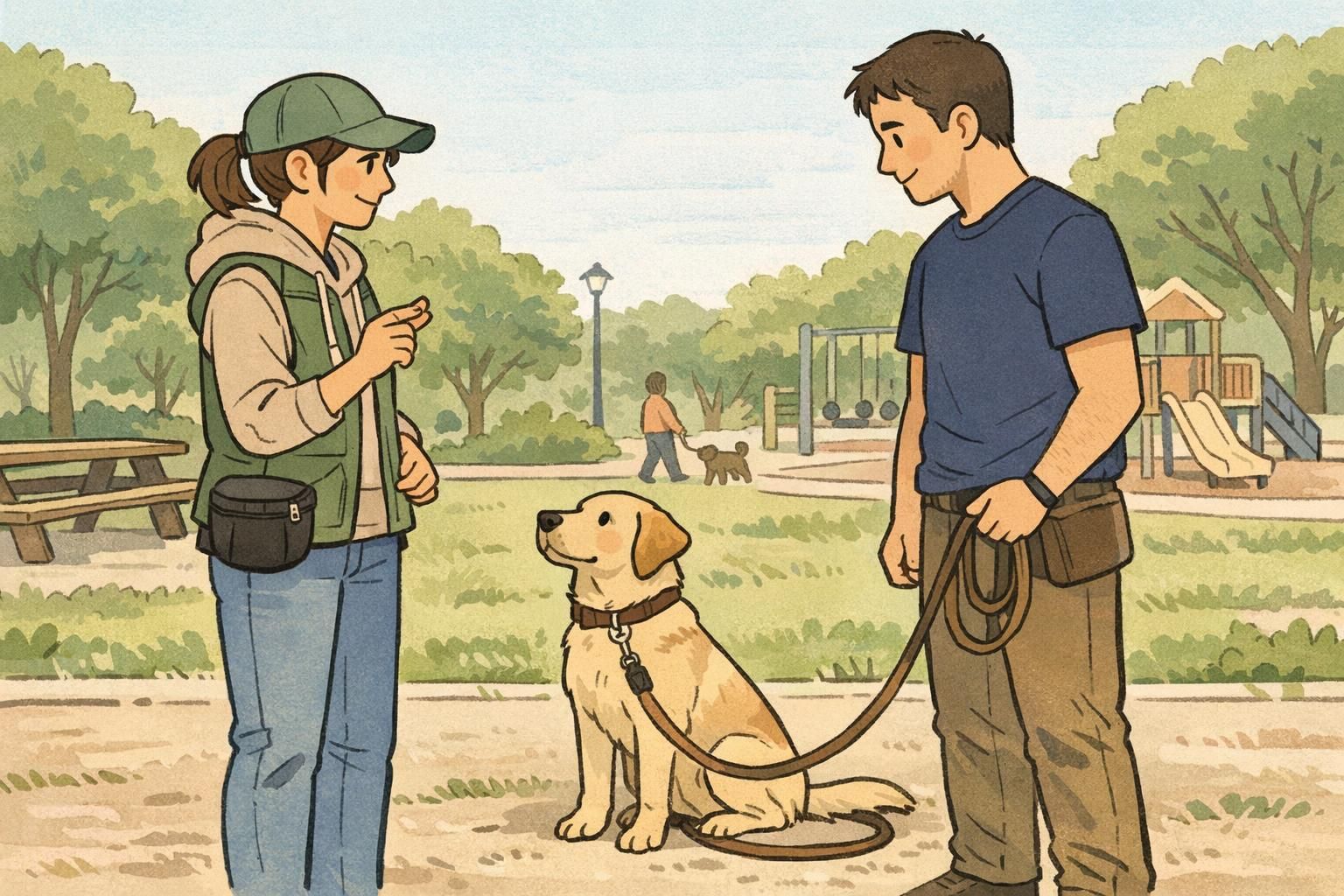
There are multiple legitimate ways to get started, and the best route depends on your needs, budget, timeline, and comfort with training. Some people work with established programs that place trained or partially trained dogs. Others start with a pet or a new prospect and build skills over time. Many handlers use a mix: owner-led training supported by a professional trainer for key milestones.
Training depth differs depending on the dog’s role. A service dog typically needs reliable task work plus strong public manners and calm neutrality around distractions. An ESA generally benefits most from rock-solid home behavior, predictable routines, and coping skills like settling on a mat, resting quietly during busy moments, and being comfortable with handling (grooming, vet care, visitors). Therapy dogs need exceptional friendliness, gentle confidence, and comfort with many types of people and mobility equipment.
“ "The biggest turning point was focusing on consistency instead of speed. A calm settle, practiced daily, made everything else easier." – Experienced handler”
When you’re building a life with a service or support dog, organization matters. Having clear identification and a consistent set of documents can reduce friction in everyday situations—especially when you’re planning housing conversations, preparing for travel, or welcoming visitors who may have questions.
Many handlers appreciate having one organized place for key details (like the handler and animal information) and easy-to-carry identification that supports smoother communication. National Animal Registry registration, IDs, and certificates are optional tools that help keep information consistent and ready when you need it—without adding extra hoops to jump through.
If you’re just getting started and want a simple way to stay organized, consider a starter registration package for everyday identification so you can keep key details in one place.
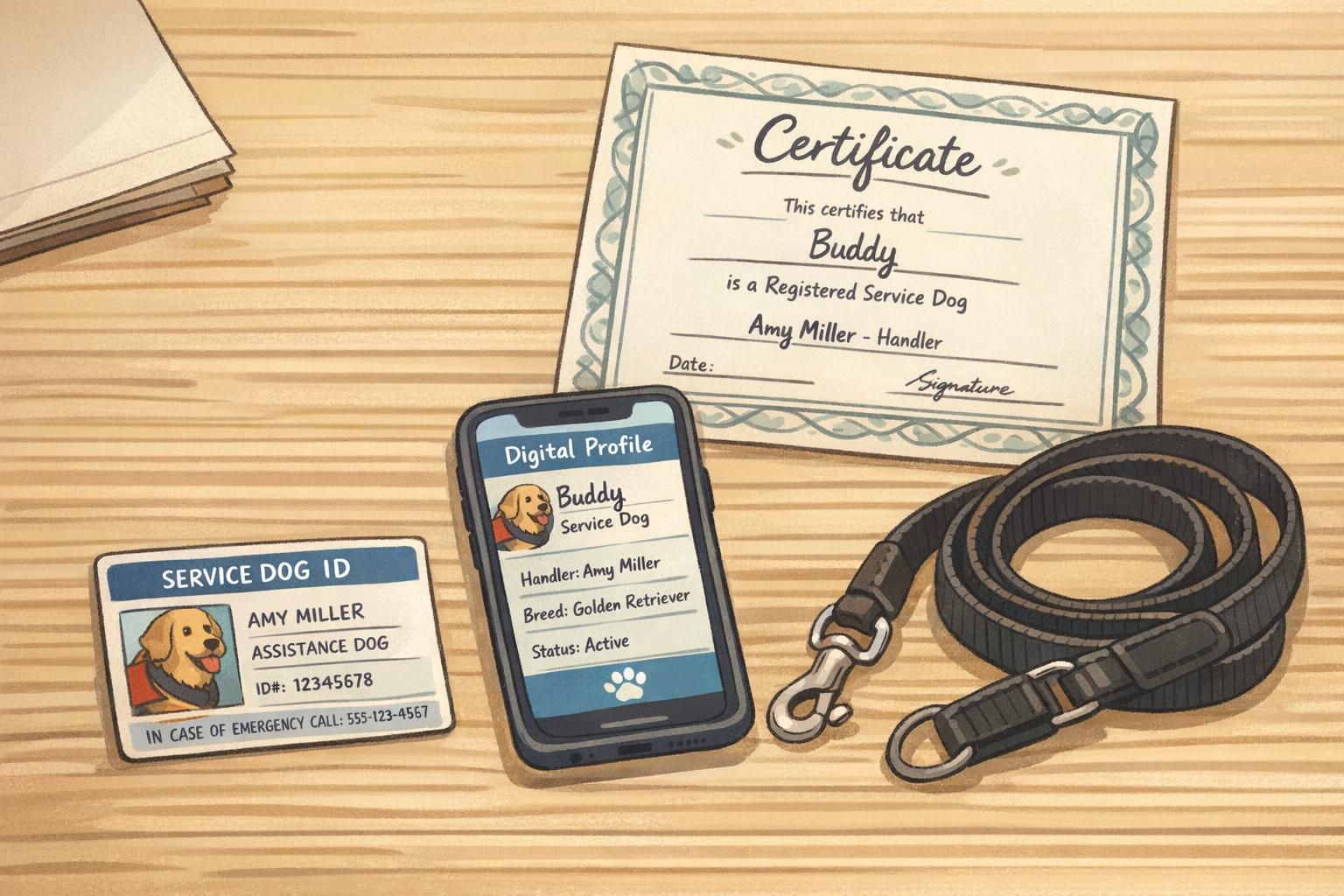
Housing and travel tend to go more smoothly when you plan early and communicate clearly. It helps to separate “public access” from other contexts like rentals, hotels, and transportation. Each setting can come with its own policies, timelines, and paperwork expectations, and being prepared reduces last-minute stress.
A practical approach is to build a repeatable system: a small travel kit, a short message template for hosts or property managers, and a checklist of what your dog needs to stay calm and comfortable. If you’re planning a trip soon, you may find tips for traveling with a service dog helpful as you map out your routine.
For handlers who want a ready-to-go way to keep travel materials together, a travel-ready service dog registration package can add convenience and peace of mind when plans change quickly.
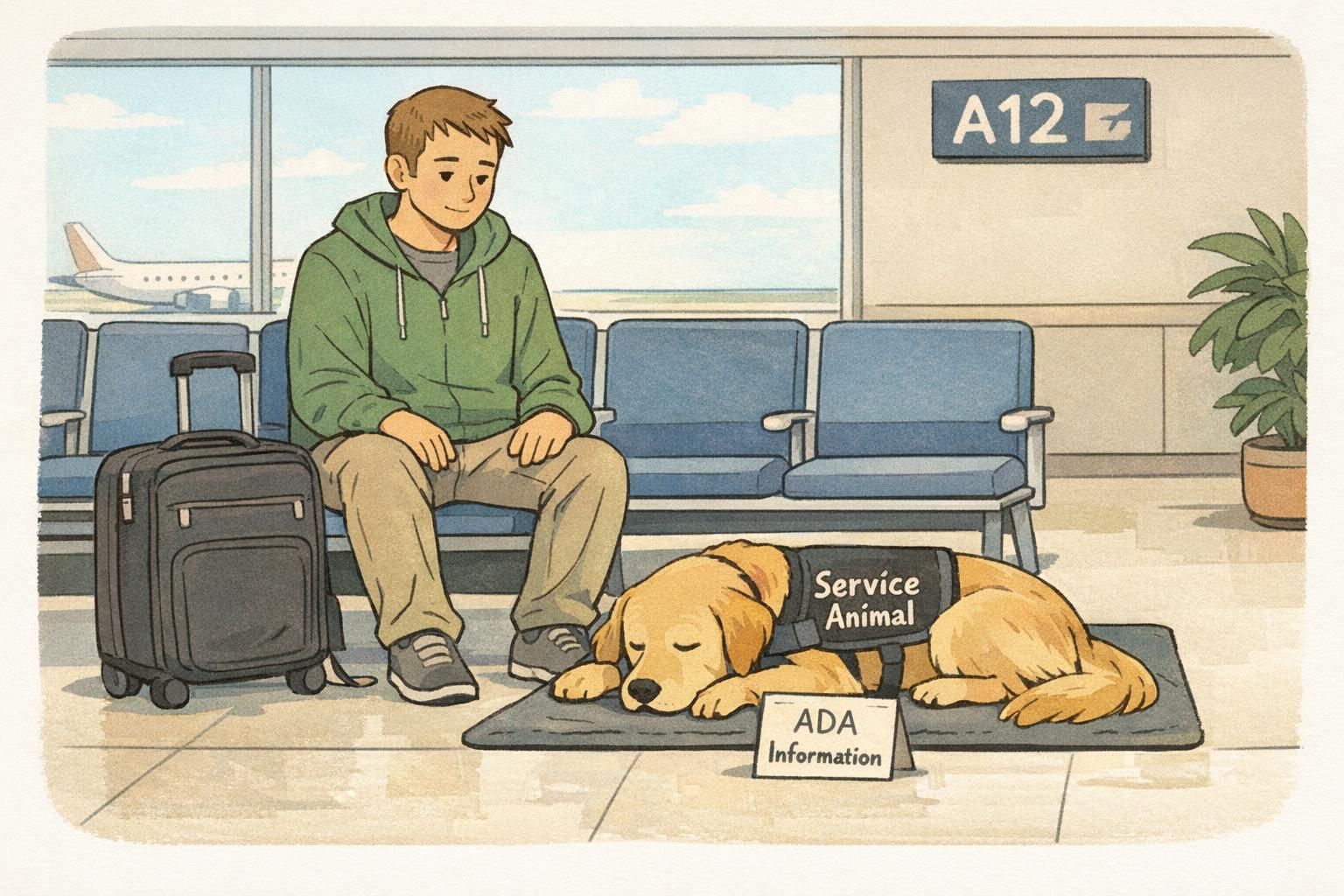
Even a well-trained dog can struggle if the human side of the team isn’t set up for success. Real-world readiness means planning for distractions, protecting your dog’s focus, and handling questions in a way that stays respectful without draining your energy.
Start with etiquette and safety basics: keep your dog close, avoid blocking aisles, and choose corners or wall space when waiting in line. Advocate for your dog calmly—especially around children who may rush in to pet. If your dog is working, it’s okay to say no to interaction.
A simple script helps: “Thanks for asking—my dog is working, so we’re going to keep moving.” If you want to be a bit more informative: “He’s a service dog and needs to stay focused.” Keeping it short is often the kindest option for everyone.
Consistency helps. Clear identification can make interactions quicker and less stressful, especially when you’re in a hurry or having a difficult day.
If you’d like a straightforward way to present your dog’s role, a clear ID can help set expectations quickly. Consider a customizable service dog ID card for clear identification to support smoother, shorter interactions.
If you’re still deciding, this quick guide can help you choose a direction based on your primary need. You can always refine the plan as you learn what helps most in your daily life.
“ "When I stopped trying to fit a label and started building a realistic routine, everything clicked—my dog became a true partner in my everyday life." – Dog owner”
Your trusted source for service animal registration. Get professional ID cards, digital profiles, and smart NFC tags to keep your service animal safe and recognized.
© National Animal Registry — All rights reserved.