The best place to start is not a breed list or a vest—it’s your real life. “Right” depends on what kind of support you want, where you need it, and what you can consistently provide for a dog’s care and training.
Many people are deciding between three broad goals:
1) disability-related task support (often a service dog),
2) emotional comfort primarily at home (often an emotional support animal), or
3) companionship and routine support in everyday life (a pet or support animal depending on your situation).
When you’re clear about your daily patterns, the choice becomes much easier—and more sustainable for you and the dog.
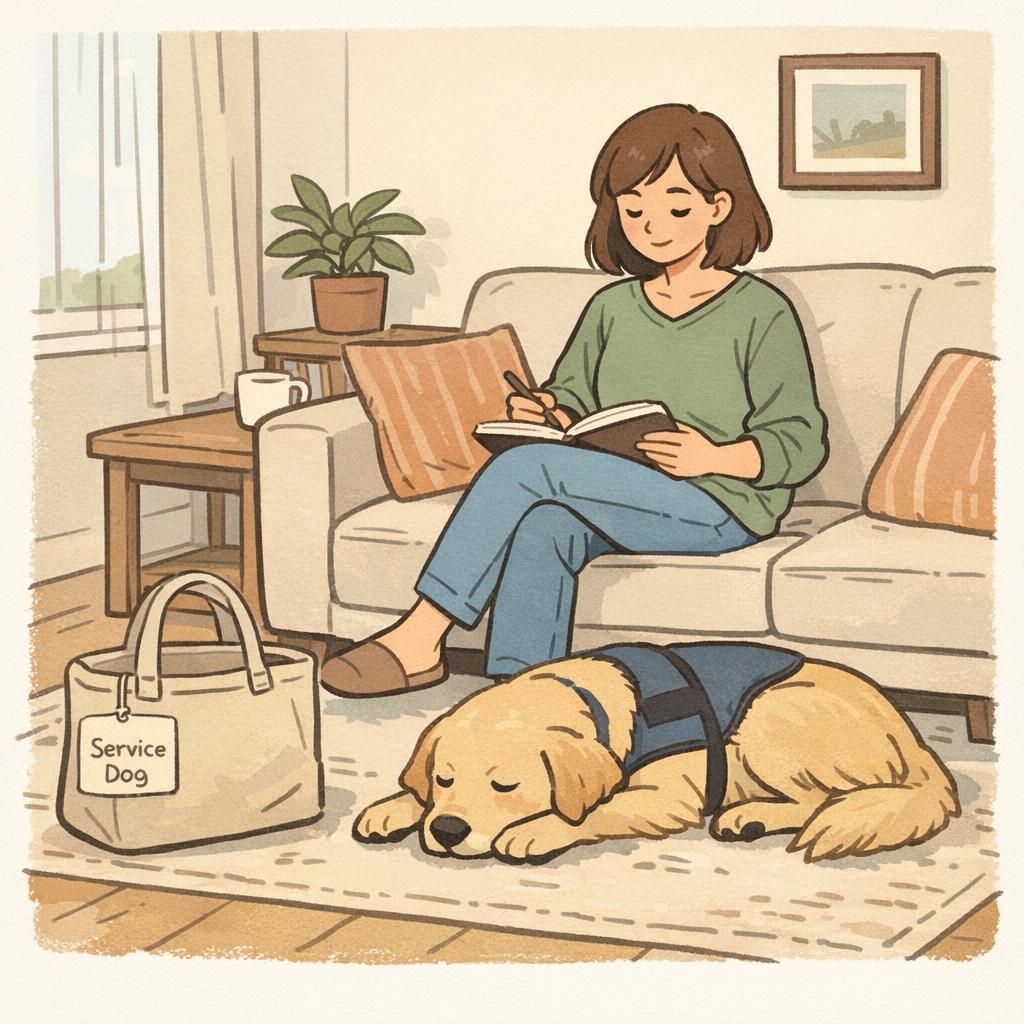
Focus on function. If you benefit from a dog trained to perform specific tasks related to a disability and you want that support in public settings, a service dog may be a strong fit. If your primary benefit is comfort from the dog’s presence (especially at home), an emotional support dog may fit better.
Many handlers build skills gradually. It’s common to begin with strong home manners and stability, then expand training and expectations over time as your needs and goals become clearer.
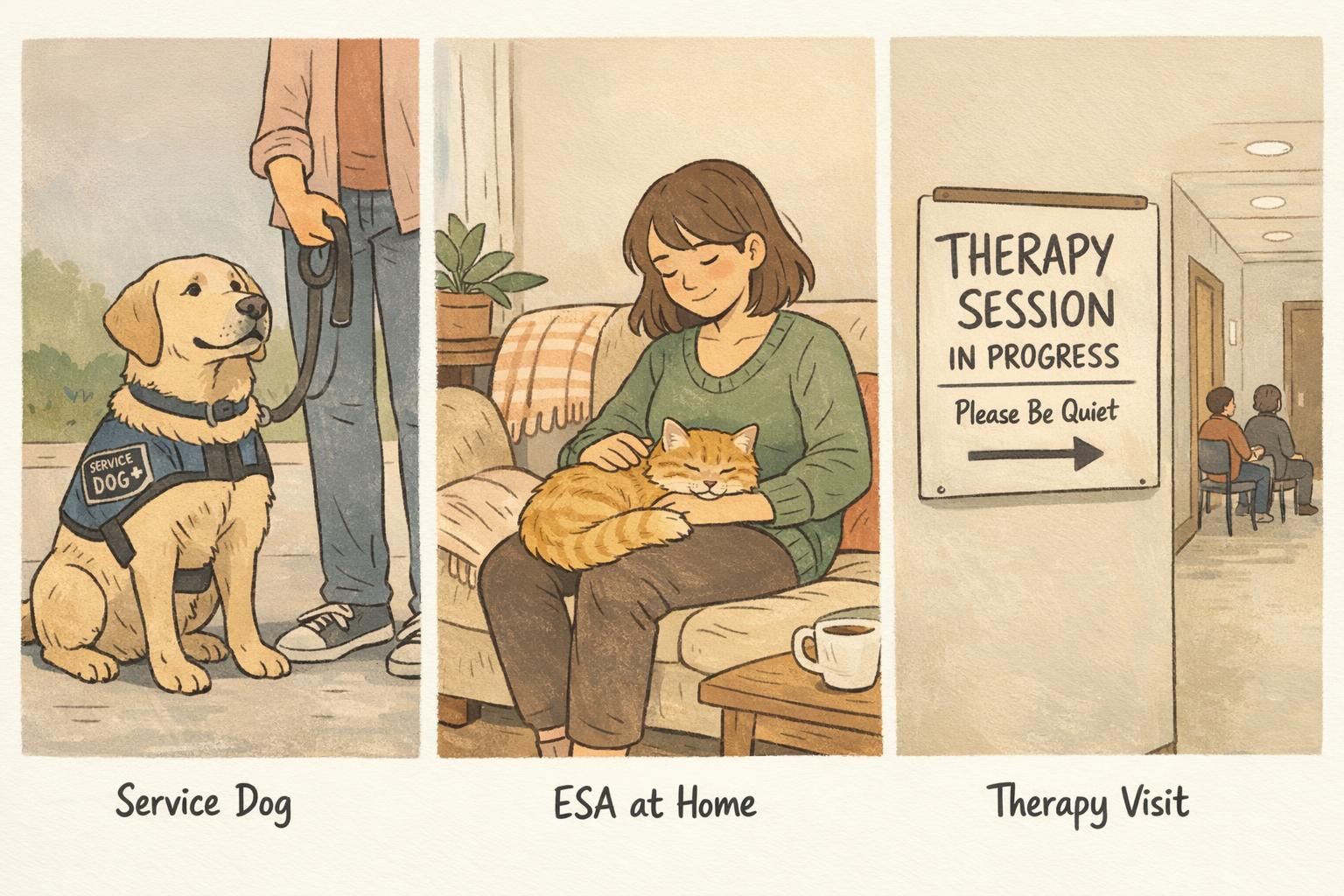
These three categories can sound similar, but they serve different purposes. Thinking in terms of “job description” helps: what is the dog meant to do, and where is the dog meant to do it?
A service dog is trained to perform specific tasks that help a person with a disability. An emotional support dog (ESA) provides comfort through companionship and presence, often in a home environment. A therapy dog is usually part of a volunteer team that visits facilities to support groups of people.
“ "Once I separated the idea of ‘comfort’ from ‘task help,’ it became clear what I was actually asking my dog to do every day." – National Animal Registry reader”
If you’re considering a service dog, public outings are usually part of the plan—grocery stores, appointments, workplaces, and other everyday places. In the U.S., the ADA describes service animals as dogs that are individually trained to do work or perform tasks for a person with a disability, which is a useful anchor point when you’re trying to understand the role and expectations. For an official overview, see this ADA resource: source.
In real life, the smoothest public-access experiences tend to come from two things working together: a dog that has reliable manners and focus, and a handler who communicates calmly and consistently. Rules can vary by location and setting, and individual businesses may have their own processes, so it helps to plan for polite, matter-of-fact conversations.
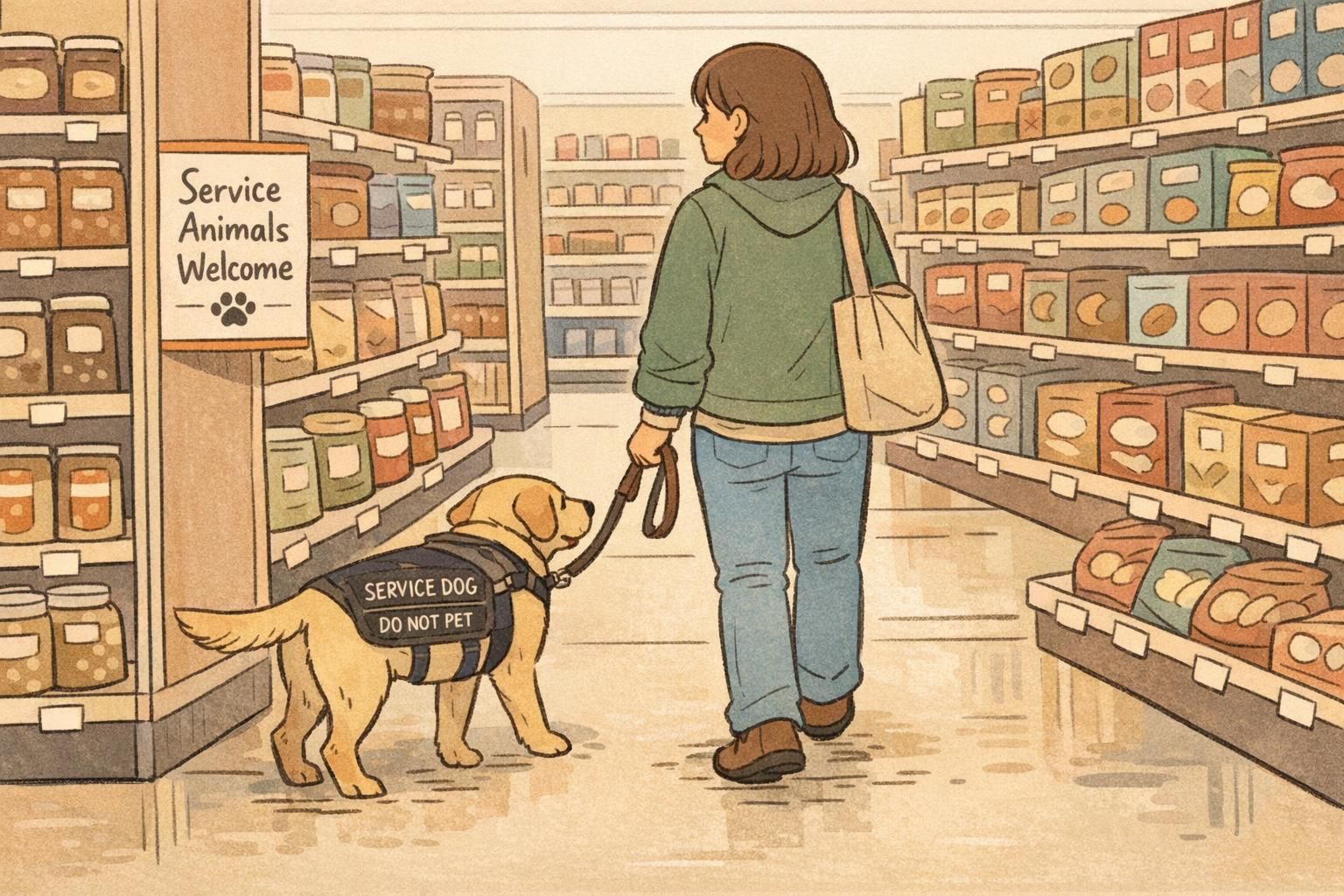
Stay calm and keep the interaction brief. Focus on practical reassurance: your dog is under control, well behaved, and you’re happy to cooperate with reasonable directions (like using a specific entrance if offered). A friendly tone and a clear routine often resolve confusion quickly.
No dog is perfect, especially while learning. The goal is steady progress toward calm, safe, non-disruptive behavior. Many handlers build public skills gradually—starting with quieter outings and increasing difficulty over time.
Choosing the right dog is less about a trendy look and more about stable temperament and lifestyle match. The dog’s job—whether it’s task work, emotional support at home, or therapy visits—requires an animal that can stay regulated in the environments you live in.
While some breeds are commonly seen in working roles, many breeds and mixes can succeed. What matters most is the individual dog’s confidence, resilience, and ability to learn. The “best” dog is often the one who can calmly live your routine with you, day after day.
“ "The biggest upgrade wasn’t a specific breed—it was choosing a dog who could truly settle. That made training everything else much easier." – Experienced handler”
Training is not a single milestone; it’s a pathway. Whether your dog is providing emotional support at home or learning disability-related tasks, the foundation is the same: calm behavior, clear communication, and predictable routines.
Many teams build skills in layers. First come basic manners and a shared “language” of cues. Next comes real-world practice—settling in new places, walking politely, ignoring distractions. For service dog teams, task work is added and strengthened until it’s dependable under stress and in varied environments.
Some people train independently, others work with an experienced trainer, and many do a mix of both. The most important ingredient is consistency.
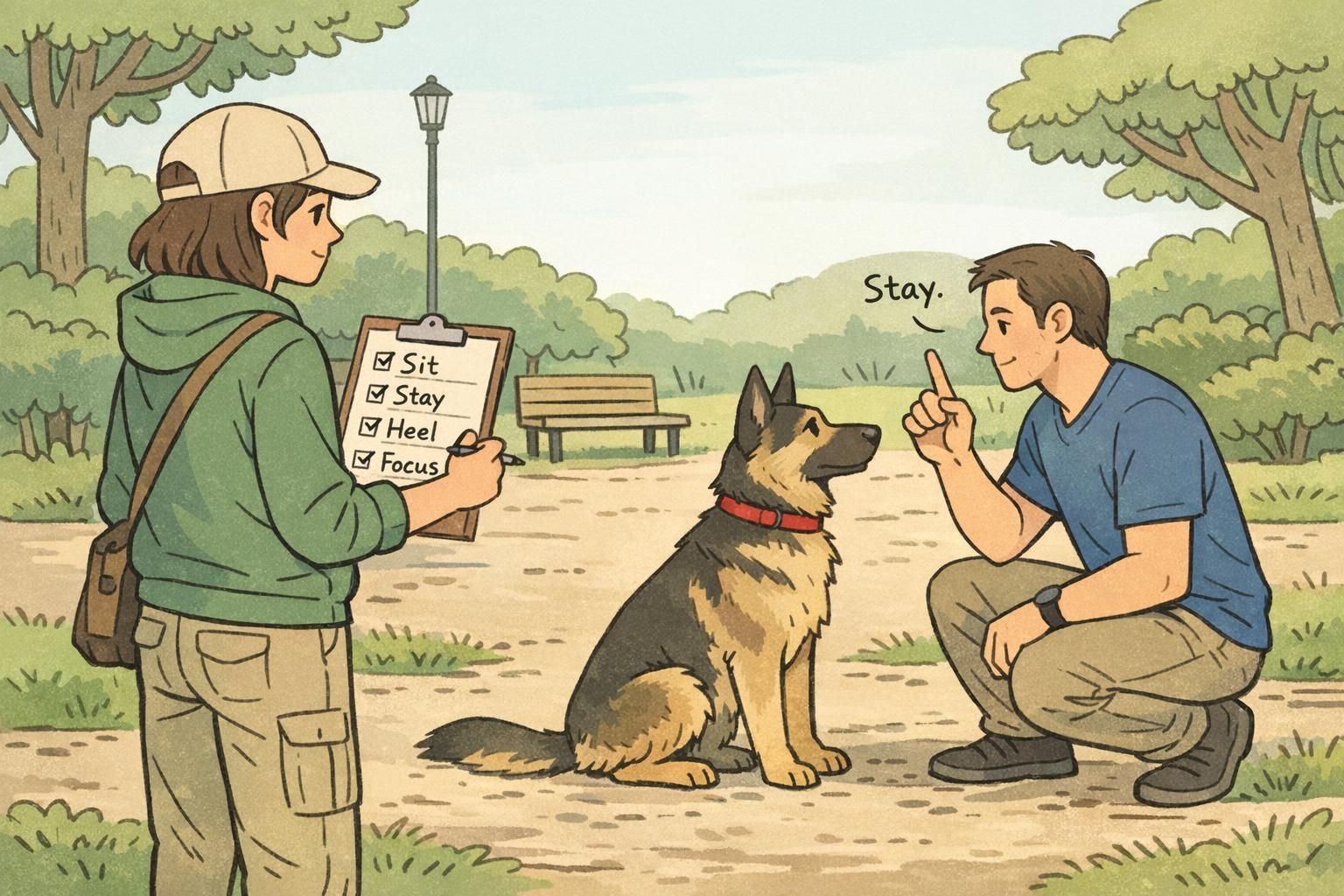
It varies widely based on the dog, the tasks, and the environments you frequent. Many teams think in terms of steady months of practice rather than quick weeks. The goal is long-term reliability, not speed.
That’s common. Try shorter, easier outings and build success slowly. Bring high-value rewards, keep sessions brief, and end on a win. Gradual exposure and repetition typically create meaningful progress.
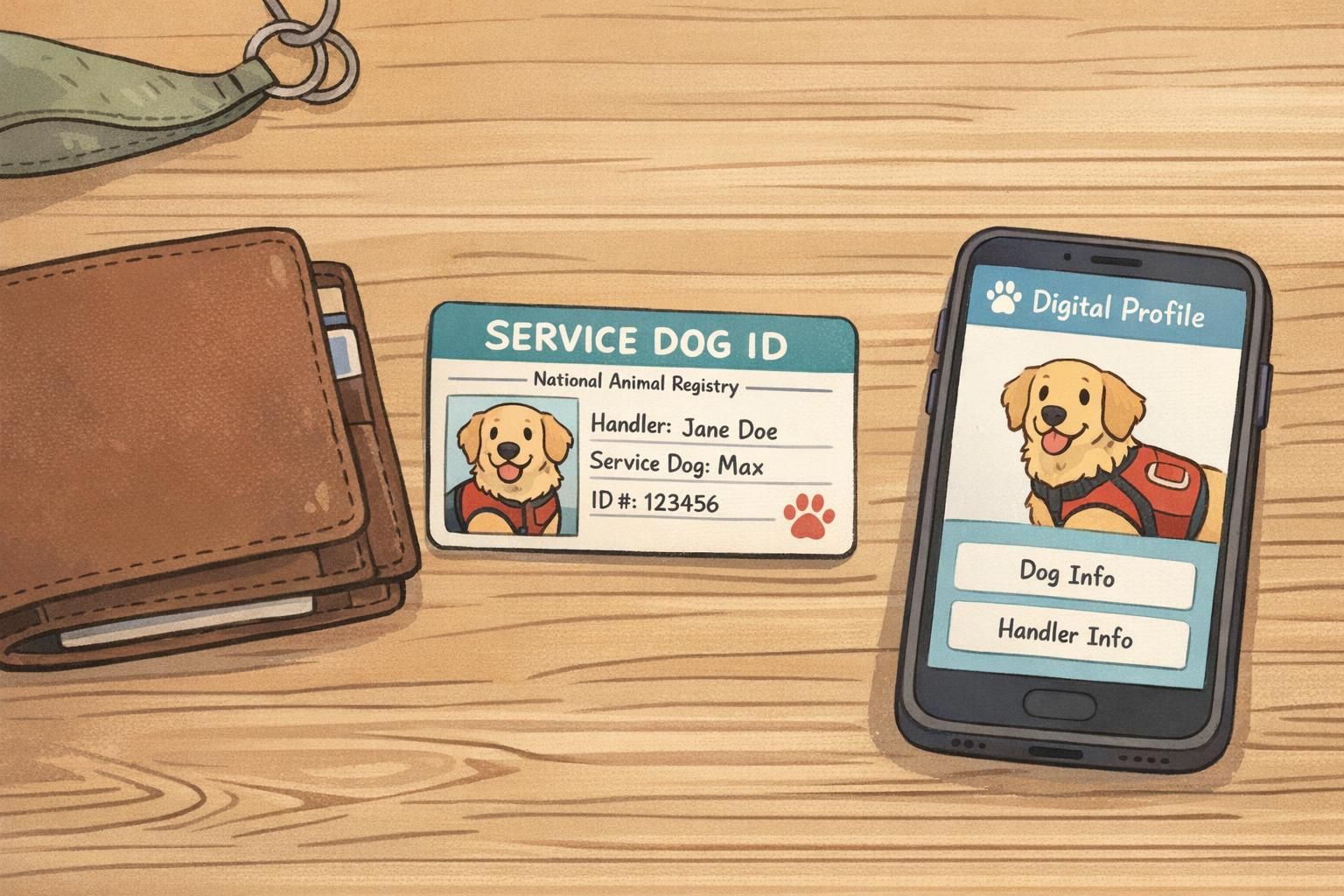
In day-to-day life, clarity reduces stress. Having a consistent way to present your dog’s information—especially in housing conversations, travel planning, and routine interactions—can make things smoother. Many handlers appreciate having an organized set of details they can reference quickly: the dog’s name, photo, and a stable profile that keeps everything in one place.
That’s where registration and identification tools can be useful. National Animal Registry registration, ID cards, and certificates are convenient, optional ways to support confident, organized handling and reduce confusion during everyday situations. If you want a simple starting point for identification, consider a starter registration package for everyday identification.
Planning ahead is one of the kindest things you can do for yourself and your dog. Moving, applying for housing, and traveling all introduce new environments, new rules, and new stressors—so it helps to rely on routines.
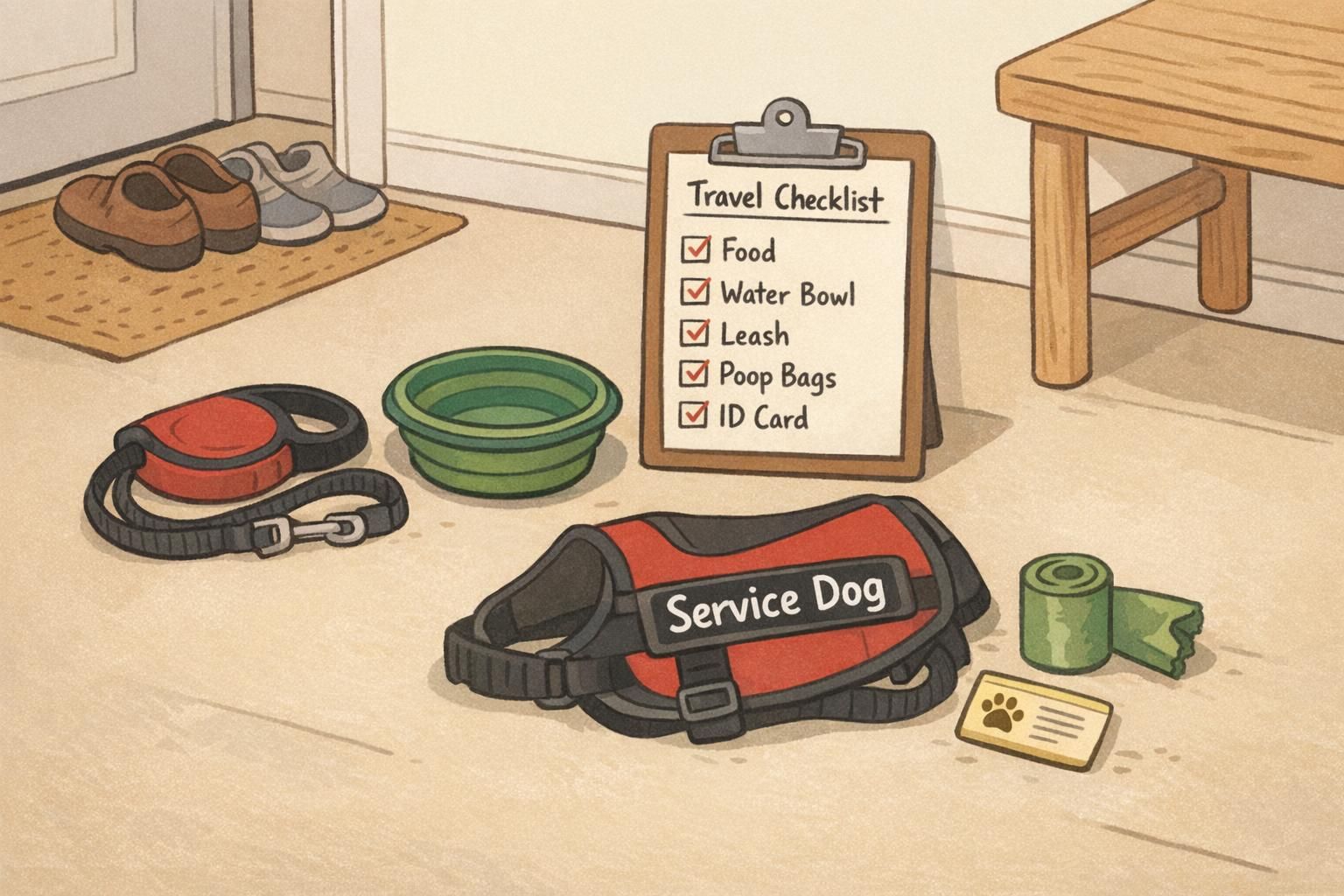
For housing, think about how you’ll describe your dog’s role and daily management: potty routines, noise control, and how you keep your dog calm around neighbors. For travel, the goal is to reduce surprises: pack the essentials, build in breaks, and keep your dog’s schedule as familiar as possible.
If you’re preparing for a trip, this guide on traveling with a service dog can help you think through practical logistics and routines.
For everyday communication during outings, many handlers like having a simple, respectful way to share basic ADA information when questions come up. Tools like ADA law handout cards for clear, respectful communication can help keep interactions brief, calm, and consistent—especially when you’re focused on managing your dog and your own needs.
A leash/harness, waste bags, water and a bowl, a few high-value treats, and any identification you prefer to keep on hand. If your dog uses specific gear for working or settling, bring that too.
Use predictable cues (like “heel” and “settle”), reward calm behavior, and keep early exposures short. A familiar routine—water break, quick sniff, then focus—often reduces anxiety.
If you’ve read this far and still feel torn, you’re not alone. The difference usually comes down to two questions: Do you need trained tasks tied to a disability? And do you need that support in public settings?
Use the decision guide below as a starting point, then refine based on your lifestyle, environment, and the kind of care and training you can maintain consistently.
“ "When I chose the role that matched my real routine, everything got easier—training, outings, and even how I explained my dog to other people." – Dog owner”
Your trusted source for service animal registration. Get professional ID cards, digital profiles, and smart NFC tags to keep your service animal safe and recognized.
© National Animal Registry — All rights reserved.