
For someone who experiences sudden faintness or episodes of falling blood pressure, a few moments of warning can matter. An interruption from a dog—a nudge, a paw, or a persistent request for attention—may give that person time to sit down, lie down, or ask for help before they become less steady.
Reported stories about cardiac alert dogs often center on these practical moments. The most meaningful outcome may not be a dramatic rescue. It may be avoiding a hard floor, reaching a safe resting place, or having someone nearby recognize that assistance is needed. Those small changes can make everyday life feel more manageable.
These accounts deserve both compassion and careful interpretation. They describe individual experiences, not a promise that a dog can detect every episode or predict a particular medical emergency. The term “cardiac alert dog” should not be read as a guarantee of reliable heart-attack detection. A dog’s support is best understood through the specific tasks it performs for its handler.
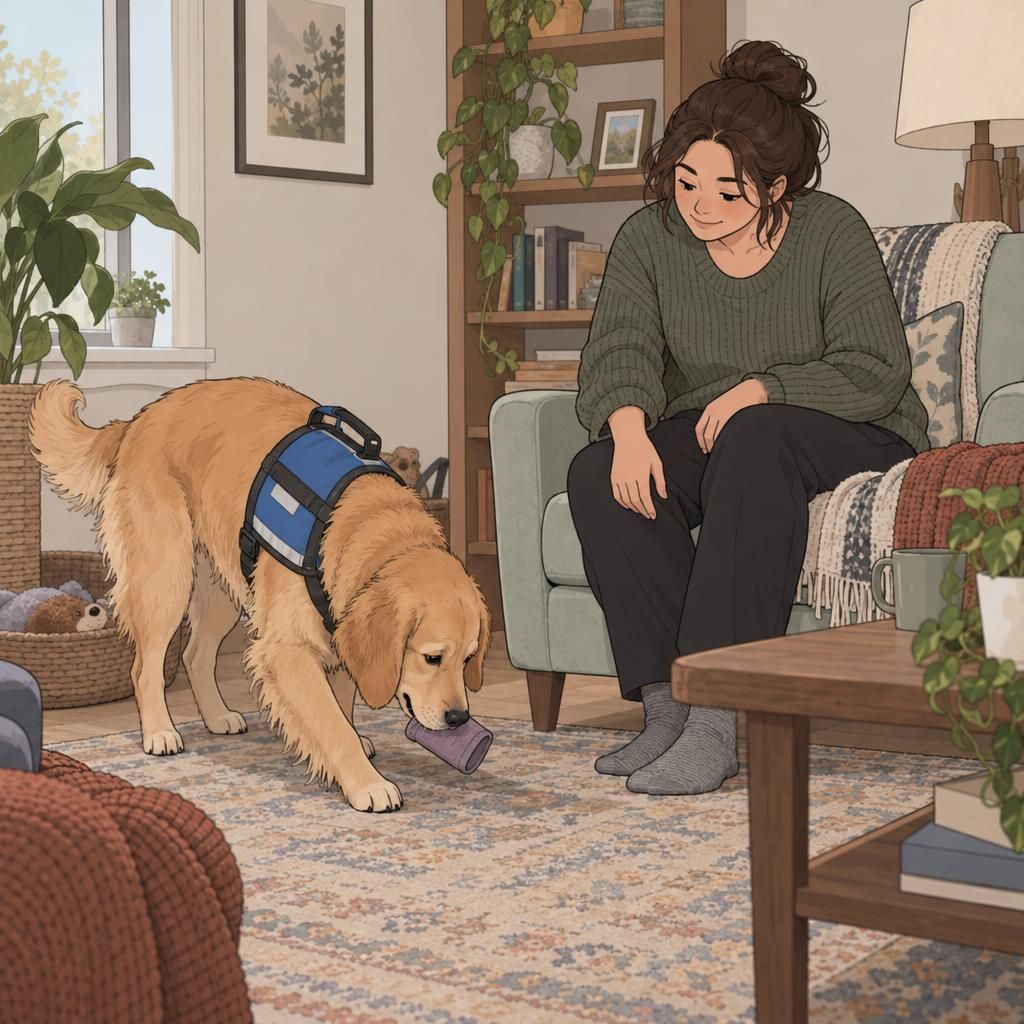
Medical alert dogs may be taught tasks that match a handler’s individual needs and response plan. One person may benefit from a clear signal to stop walking. Another may need an item retrieved after sitting down. A third may need the dog to seek assistance when they cannot easily do so themselves.
An alert and a medical diagnosis are different things. A dog’s behavior does not identify the cause of symptoms, measure their severity, or determine the right treatment. Its value lies in prompting a useful action. Tasks should also protect the dog’s welfare; a reported story about physical support is not an instruction to use a dog as a brace or cushion.

One reported example involves Marty Harris and her dog Adele, trained through Canine Partners for Life. In a journalistic account, Adele is described as alerting Harris when her blood pressure was dropping and helping her respond before a fall. The account illustrates how a dog’s actions can be valuable even when the immediate goal is simply getting safely to the floor.
Adele reportedly blocked Harris from continuing to walk and encouraged her to lie down. The story also describes Adele helping keep Harris’s legs elevated and, on one occasion, cushioning a fall. These details show the practical importance of interrupting movement and reducing exposure to injury during an episode.
For Harris, the reported benefit was not an abstract prediction. It was extra time to respond and help avoiding or reducing injury. The account appears in this source and should be understood as journalism about one handler’s experience, rather than clinical evidence that cardiac alert dogs reliably predict cardiovascular events.
Readers should not copy every physical detail of this story into their own care. Whether to lie down, elevate the legs, or take another action belongs in an individualized response plan developed with a healthcare professional. The broader lesson is the value of a timely interruption—not that every dog should perform the same response.

Other personal and journalistic accounts describe dogs interrupting their handlers before or during concerning symptoms. These stories share a practical theme: a dog’s behavior prompts someone to stop, pay attention, or seek help. They do not, by themselves, explain exactly what the dog noticed.
A dog acting before an emergency does not establish that it predicted a stroke. The account cannot determine whether Eric noticed an early change, responded to behavior, or acted for another reason. It would be misleading to turn that individual story into a general claim that dogs can reliably predict strokes. The reported experience can be meaningful without supporting that conclusion.
Across these stories, the clearest reported benefits involve recognizing an individual’s episode pattern, preventing falls, and prompting timely action. A handler who stops walking after an alert may avoid an injury even if the underlying reason for the alert remains uncertain. That is a practical benefit worth describing accurately.
However, personal accounts are not controlled clinical evidence. They cannot establish how often a dog misses an episode, how often an alert occurs without an episode, or whether the same behavior would work for another person. They also do not establish that a heart alert dog can consistently predict heart attacks, cardiac arrest, or other specific cardiovascular events.

A medical alert dog can be one part of a broader health plan, but it should not replace evaluation, prescribed monitoring, treatment, or emergency services. Work with your healthcare team to understand your symptoms and decide what to do when they occur, whether or not your dog signals.
It may also help to discuss how a trusted person can assist during an episode. A shared plan reduces the need to improvise when you feel unwell. The goal is not to rely on one signal alone, but to make the dog’s trained support fit into a clear, medically informed routine.
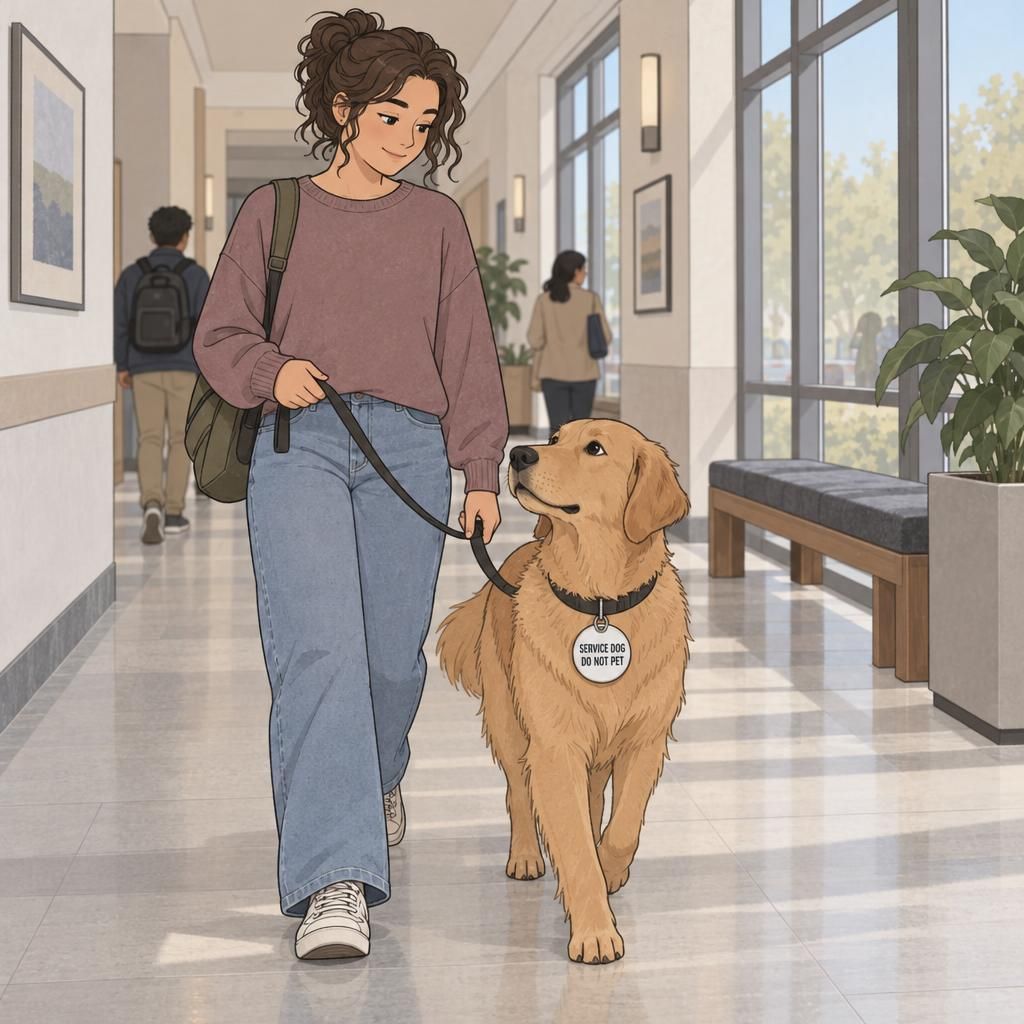
Daily planning also includes how you organize information and communicate about your service dog. Registration materials, IDs, and certificates can be useful organizational tools, keeping identifying details consistent and readily available. For handlers managing health needs alongside ordinary errands, that organization can support calmer interactions.
National Animal Registry offers a customizable service dog ID for everyday identification. Such materials can help present information clearly; public-access eligibility and documentation rules remain governed by the requirements applicable to the setting.
Because public-access and travel rules vary by location and situation, review the relevant guidance before an outing. For additional preparation, explore planning ahead when traveling with a service dog. Keep identification planning alongside practical arrangements such as rest opportunities, access to needed items, and a way to reach assistance.
The strongest message in these stories is a realistic one: individualized tasks can help a person take useful action at a vulnerable moment. Pairing that support with healthcare guidance, emergency planning, and organized everyday information keeps the focus where it belongs—on the handler’s safety and the dog’s well-being.

Your trusted source for service animal registration. Get professional ID cards, digital profiles, and smart NFC tags to keep your service animal safe and recognized.
© National Animal Registry — All rights reserved.