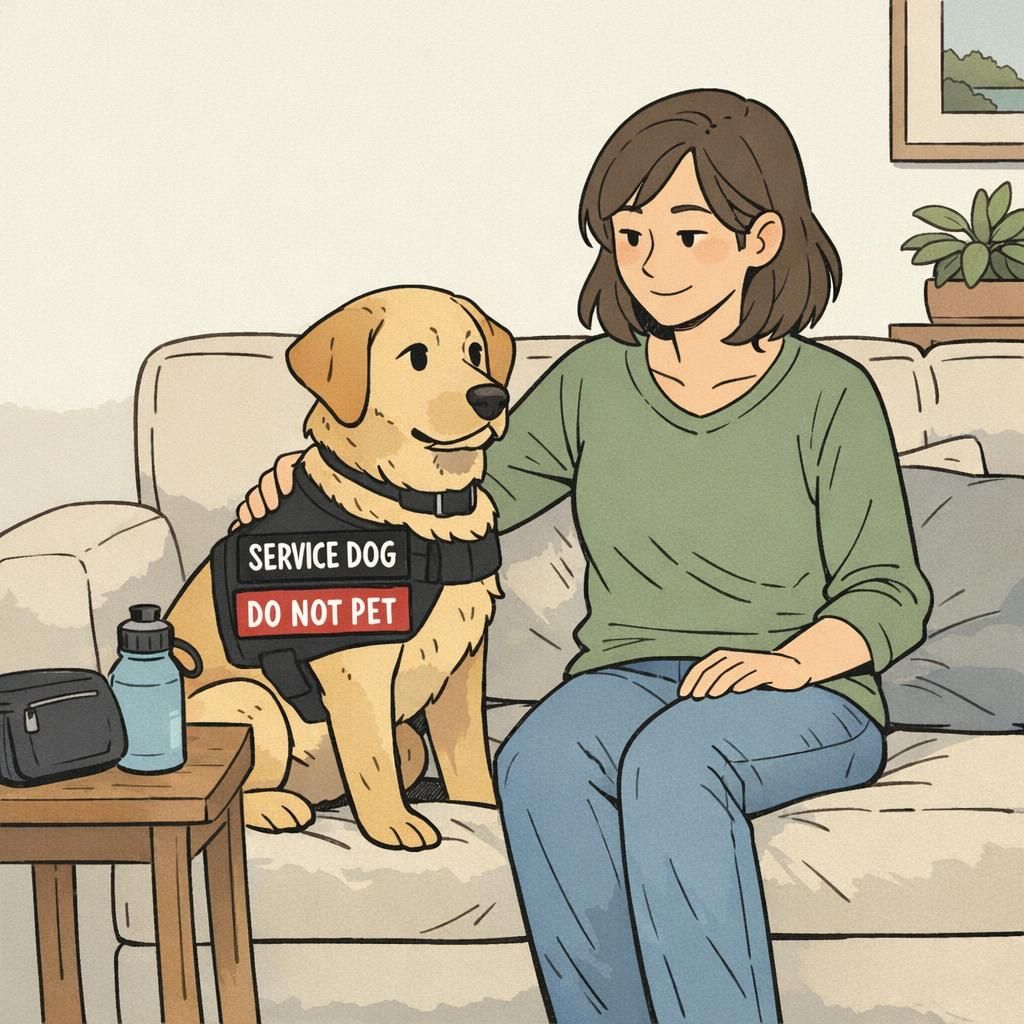
A diabetic alert dog (also called a medical alert dog or diabetes dog) is trained to notice scent and behavior changes that may happen when a person’s blood sugar is trending low or high. The dog’s job is to alert the handler early enough to check glucose and take action—often before symptoms become obvious.
Accessories matter because the best gear doesn’t just “look official.” It supports safety, smooth public outings, and faster response during a blood sugar event. When your hands are shaking, you’re distracted, or you need to move quickly to sit down and treat a low, the right setup helps you stay organized and keeps your dog comfortable and focused.
A well-fitted vest or harness is often the foundation of a diabetic alert dog’s working kit. It helps your dog move naturally while giving the public a clear visual cue that your dog is working. That visibility can reduce distractions, prevent crowding, and make entrances and check-ins feel more predictable.
Fit and comfort come first. A vest that rides up into the armpits, rubs the chest, or shifts side-to-side can distract your dog and reduce working focus. Look for adjustable straps (neck and girth), secure buckles, and a shape that sits flat without pinching.
Many teams also like a vest with practical hardware and add-ons—like D-rings for attachments, optional reflective tape, and even pockets—because it keeps everything in one consistent place. These are common features in diabetic alert dog vests and are frequently paired with identification accessories and communication tools for everyday use (source).
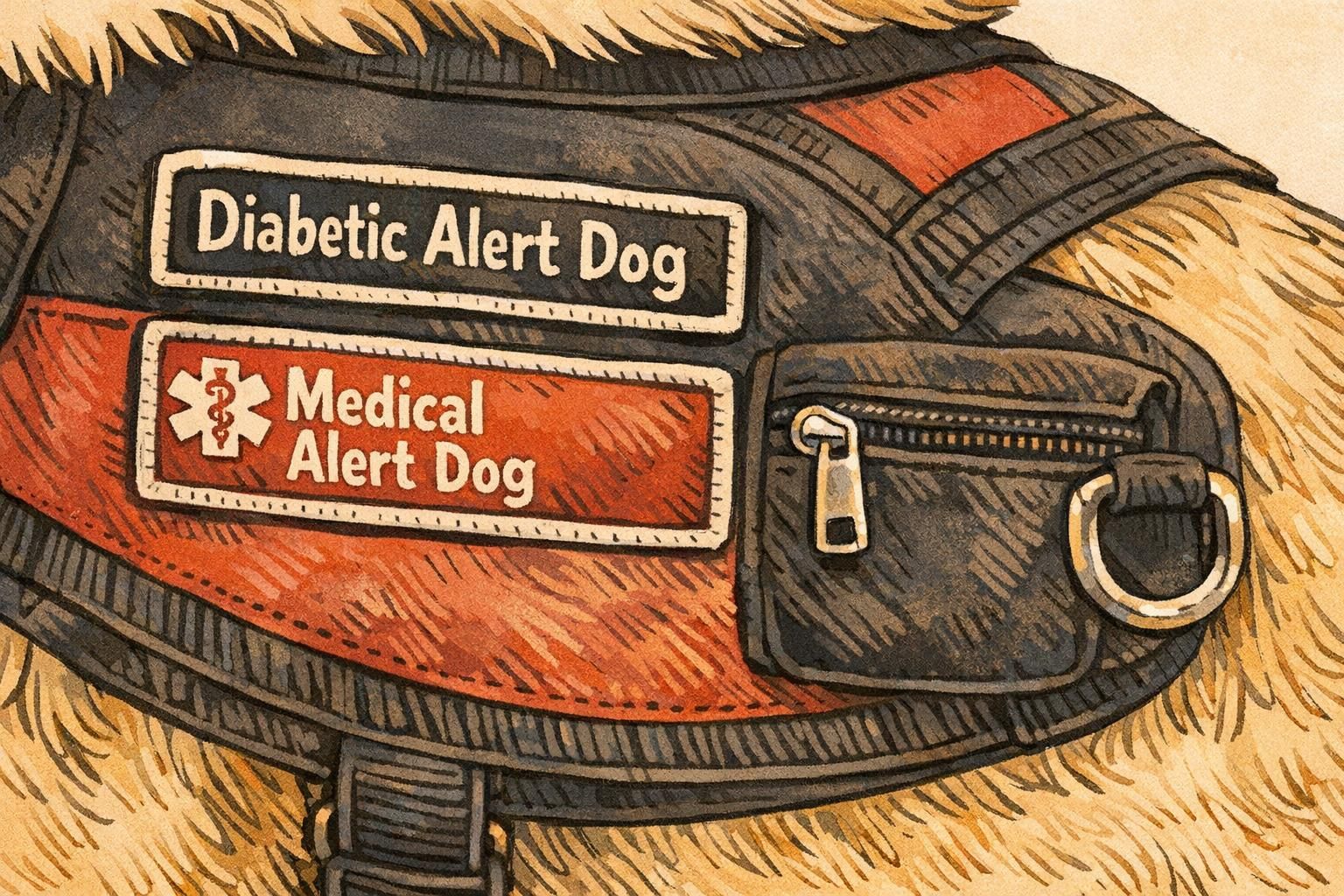
Clear patches do a lot of quiet work for you. They set expectations before someone reaches out to pet, calls to your dog, or tries to start a long conversation while your dog is actively monitoring you. During an alert, the less interruption your team faces, the easier it is to respond quickly and safely.
The best wording is short, readable at a glance, and consistent from one outing to the next. If you switch messages constantly (or use novelty phrases), people may hesitate, lean in to read, or ask more questions—exactly what you don’t want when your dog is working.
If you’re comfortable sharing that level of detail, it can help people take your dog’s job seriously. If you prefer privacy, “Medical Alert Dog” plus “Do Not Pet” still communicates the main message clearly.
Not completely, but they reduce the number of approaches and make it easier to redirect someone quickly without escalating the situation.
Pocketed vests and compact add-on pouches can be extremely helpful for diabetic alert dog teams—especially if you like to keep a few lightweight essentials attached to the dog rather than split across multiple bags. The goal is simple: if your dog alerts, the supplies you need are right there.
That said, pockets should stay lightweight and balanced. Avoid turning your dog into a pack animal. Bulky items can shift the vest, create pressure points, and distract your dog from alerting and tasking.
“ "When my dog alerts, I don’t want to dig through three compartments. A couple of tabs in a secure vest pocket keeps my response faster and calmer." – Diabetic alert dog handler”
Diabetes management doesn’t pause at sunset. Reflective and high-visibility add-ons make a big difference for early morning walks, evening errands, and winter afternoons when it gets dark quickly. Reflective trim, tape, and bright color accents help drivers, cyclists, and other pedestrians notice your team sooner.
These add-ons are especially useful in parking lots, at curb crossings, and near drive-thru entrances—places where cars may not expect a dog at handler height. Even if your dog is perfectly trained, visibility reduces the chance of a close call.
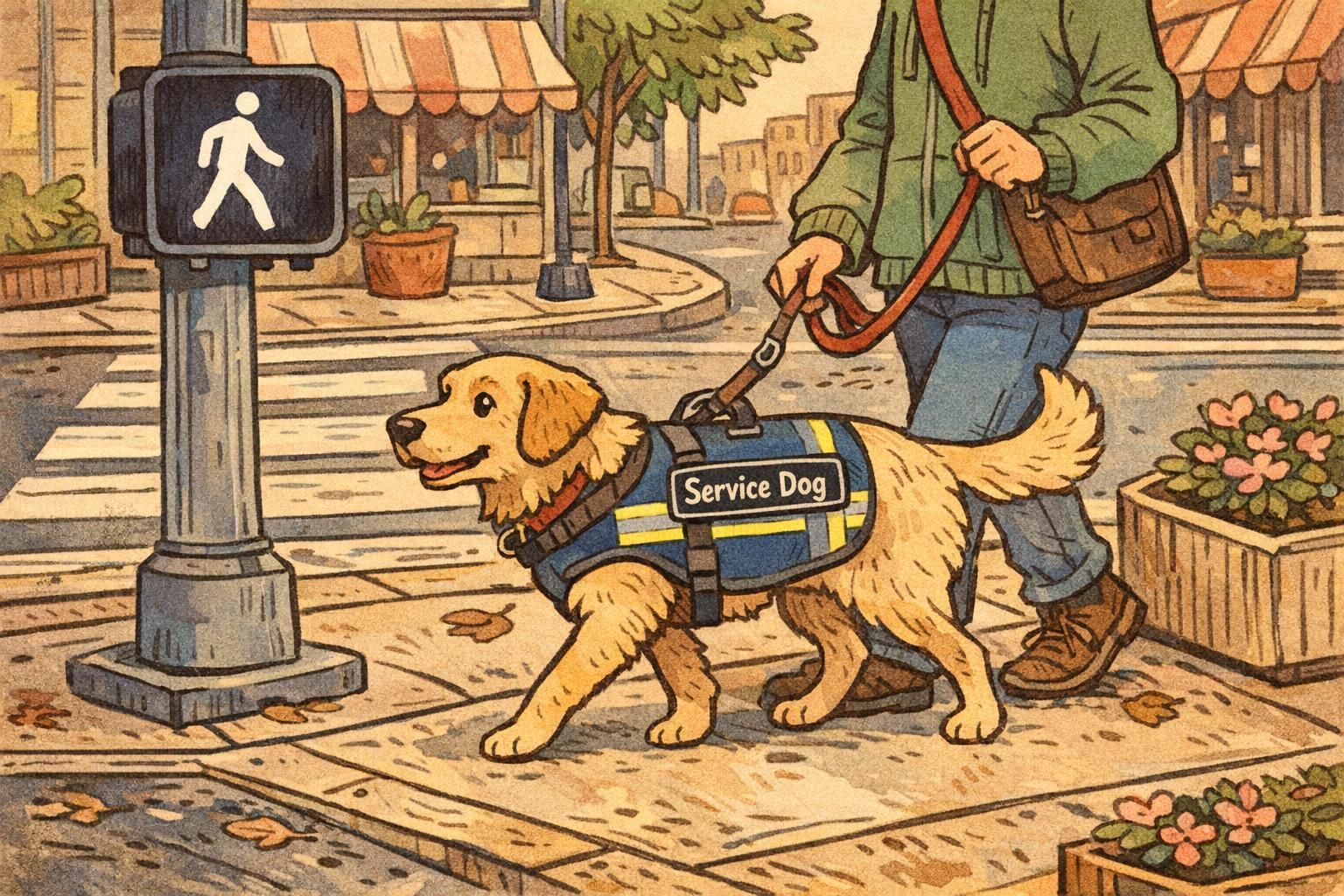
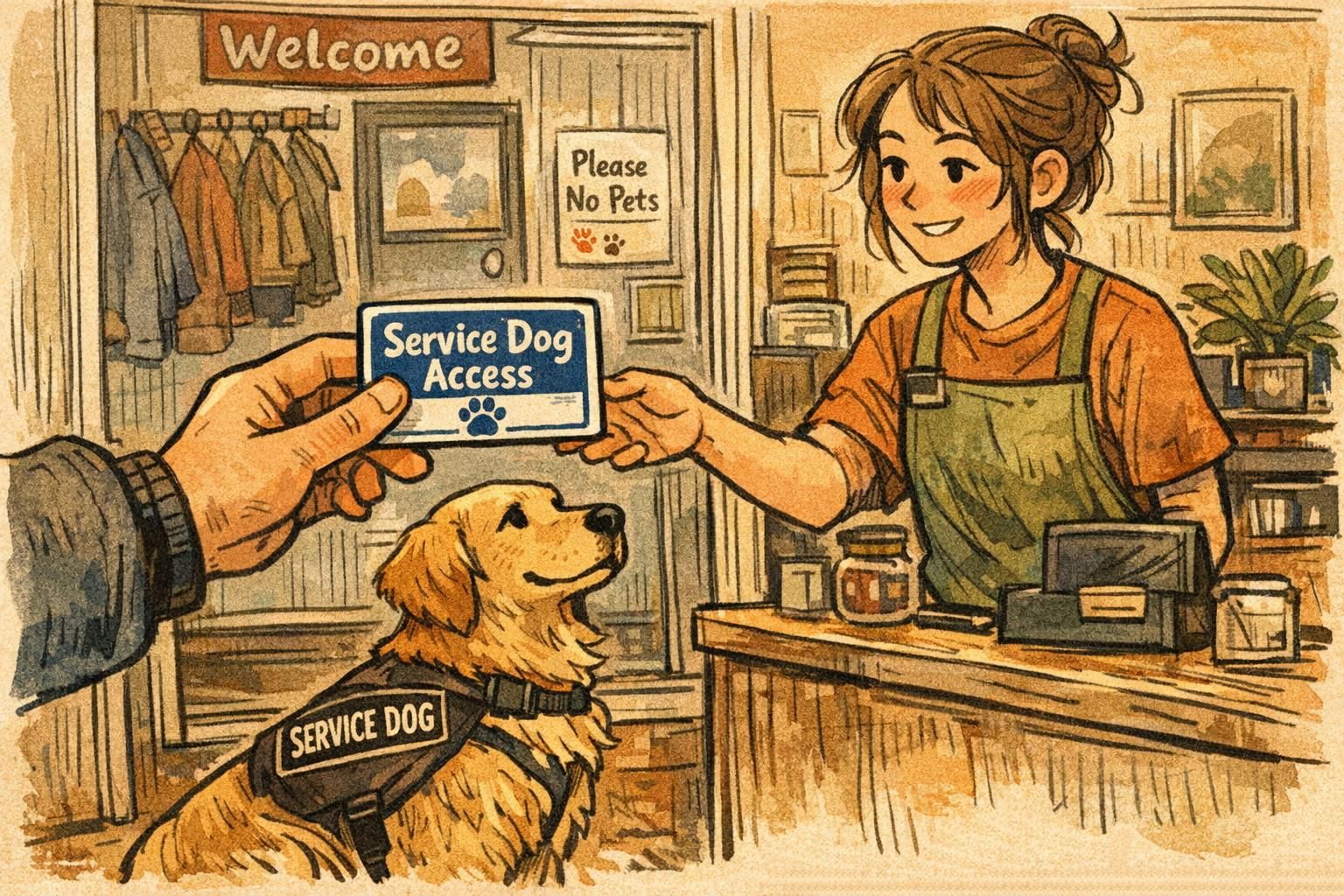
In day-to-day life, clear identification can make interactions smoother—especially when you’re trying to keep your attention on your dog and your health. A printed service dog ID card paired with a simple clip-on holder gives you consistent information in a format that’s quick to present at a glance when needed.
Many handlers like an ID holder because it keeps the card protected and easy to access without digging through a wallet. During an alert, you can stay focused on your response and still have identification readily available.
Consider a customizable printed service dog ID card so your day-to-day presentation stays consistent across errands, appointments, and travel days.
A digital ID and registration profile is a practical tool for modern life: it keeps key information organized and accessible when you’re on the go. If your phone is already part of your diabetes management routine, adding a digital profile can feel natural—especially when you want consistent details available quickly.
Requirements and norms can vary by situation and location, so many handlers appreciate having both physical and digital options available. A digital profile is also useful when you’re traveling, coordinating with family members, or keeping your dog’s working information in one place.
If you want quick access from your phone, consider a digital service dog ID for instant access as a simple way to keep your service dog’s information ready when you need it.
Even when your dog is clearly marked, you may occasionally run into confusion from staff or the public—especially in busy environments. Wallet-sized law handout cards offer a low-conflict way to communicate expectations and reduce back-and-forth conversations.
The biggest benefit is timing: if your dog alerts and you need to focus on checking glucose or treating a low, a handout card can help keep the interaction calm while you prioritize your health.
Keeping ADA law handout cards for easy communication in your wallet, bag, or vest pocket can make entrances and misunderstandings smoother—without turning the moment into an argument.
When your blood sugar is dropping, you may need both hands—one to check your glucose and the other to open tabs, a gel, or a snack. That’s where a reliable leash setup makes a real difference. The goal is steady control without creating tension that distracts your dog from alerting or assisting.
Hands-free leashes (worn around the waist or cross-body) can be helpful for stability, especially in lines, on sidewalks, or during appointments. Many handlers also like having D-rings or attachment points available to clip on an ID holder or a tiny accessory pouch, keeping everything in the same predictable place.
Not for everyone. Some handlers prefer a standard leash for tighter control in crowds. If you try hands-free, test it in a quiet area first and confirm you can quickly shorten or secure it when needed.
Accessories aren’t only about public outings. At home, simple training-support tools can help maintain strong alert behaviors over time. Food puzzles and enrichment toys encourage persistence, focus, and problem-solving—qualities that often translate well to consistent alerting and follow-through.
Food puzzles also help you stay “reward ready.” If you prepare a few options ahead of time, you can quickly reinforce good behavior during short, predictable practice sessions. That consistency can be especially helpful for handlers balancing diabetes care, work, and daily responsibilities.

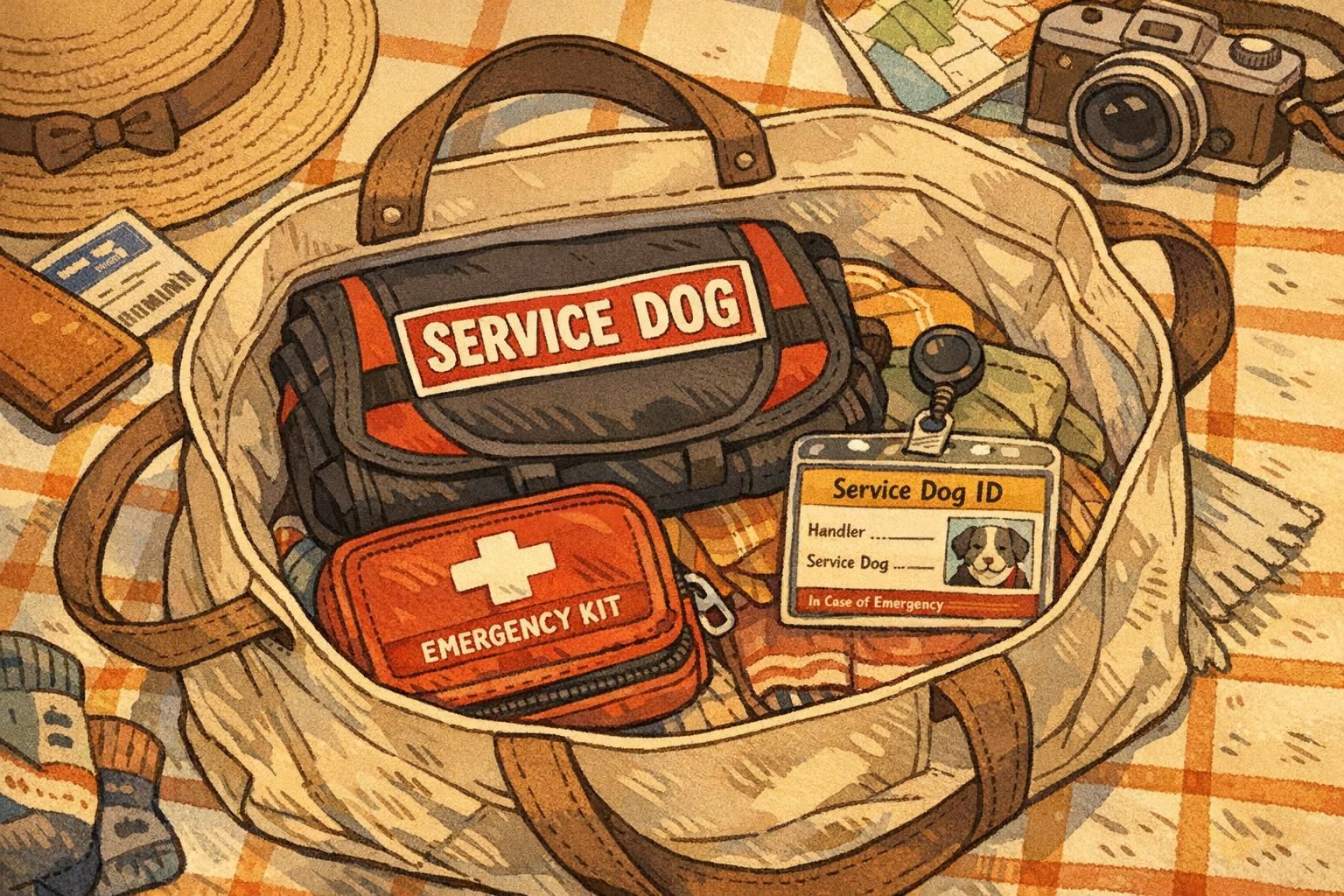
Outings go more smoothly when you don’t have to think through your setup every single time. A simple checklist reduces mistakes (like forgetting tabs or leaving an ID behind) and helps you leave quickly and confidently—especially when you’re already managing glucose decisions.
For longer trips, it also helps to review travel planning tips for service dog teams so you can map out rest breaks, access needs, and packing details with fewer surprises.
The “best” accessories depend on your dog’s body, your environment, and how you manage diabetes day to day. A city commuter team may prioritize high-visibility gear, a hands-free leash, and clear patches for crowded spaces. A quieter neighborhood routine may focus more on comfort, quick on/off, and lightweight storage.
Before committing to a new setup, do a comfort check at home. Put the vest on, watch your dog walk, sit, and lie down, and look for rubbing, strap twisting, or a pocket that flops when the dog turns. If your dog seems reluctant to work in the gear, treat that as useful feedback and adjust.
“ "Consistency is our biggest success factor—same vest, same pockets, same routine. When my dog alerts, I’m not thinking about gear. I’m responding." – Handler perspective”
Many diabetic alert dog teams choose an optional registration package as a simple way to keep their documentation and identification organized. In real life, having consistent materials can reduce friction, support smoother conversations, and add peace of mind—especially when you’re already managing a medical condition.
Different situations can call for different levels of readiness. Some handlers want everyday clarity (clear ID and a consistent profile). Others prioritize housing-focused organization, or travel readiness with materials kept together so they’re easy to access when plans change quickly.
If you want an all-in-one option, a starter registration package for everyday identification can help you keep key details in one place and maintain a professional, consistent setup.
Your trusted source for service animal registration. Get professional ID cards, digital profiles, and smart NFC tags to keep your service animal safe and recognized.
© National Animal Registry — All rights reserved.