Assistance dogs help people navigate everyday life with more safety, independence, and confidence. You’ll often hear terms like service dog, support dog, or even companion animal used in conversation—sometimes interchangeably—but the accessories people choose tend to fall into three practical categories no matter the label: comfort, communication, and task support.
Accessories aren’t about “dressing up” a working dog. The right gear can reduce physical strain, improve traction and visibility, protect paws and joints, and give handlers reliable points of control. Just as importantly, accessories can communicate boundaries in public—helping others understand when a dog is working and should not be distracted.
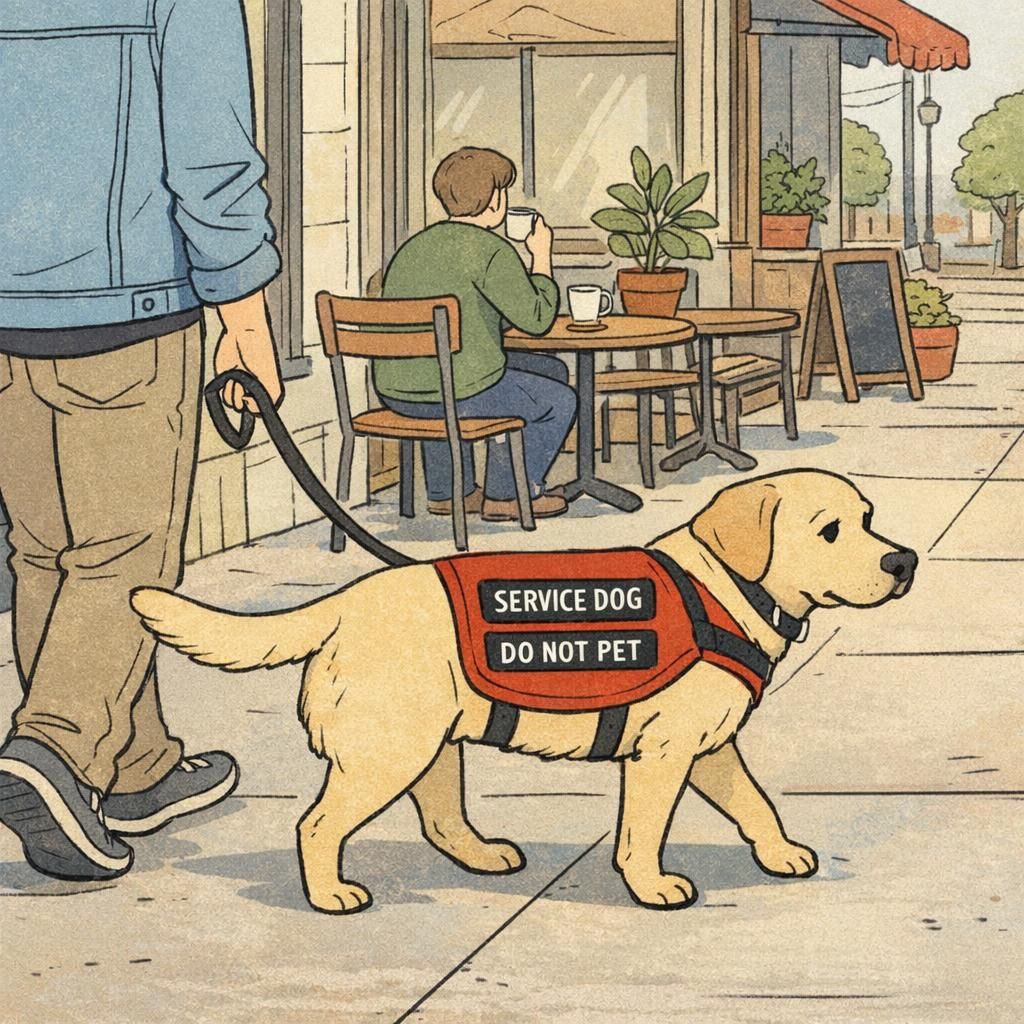
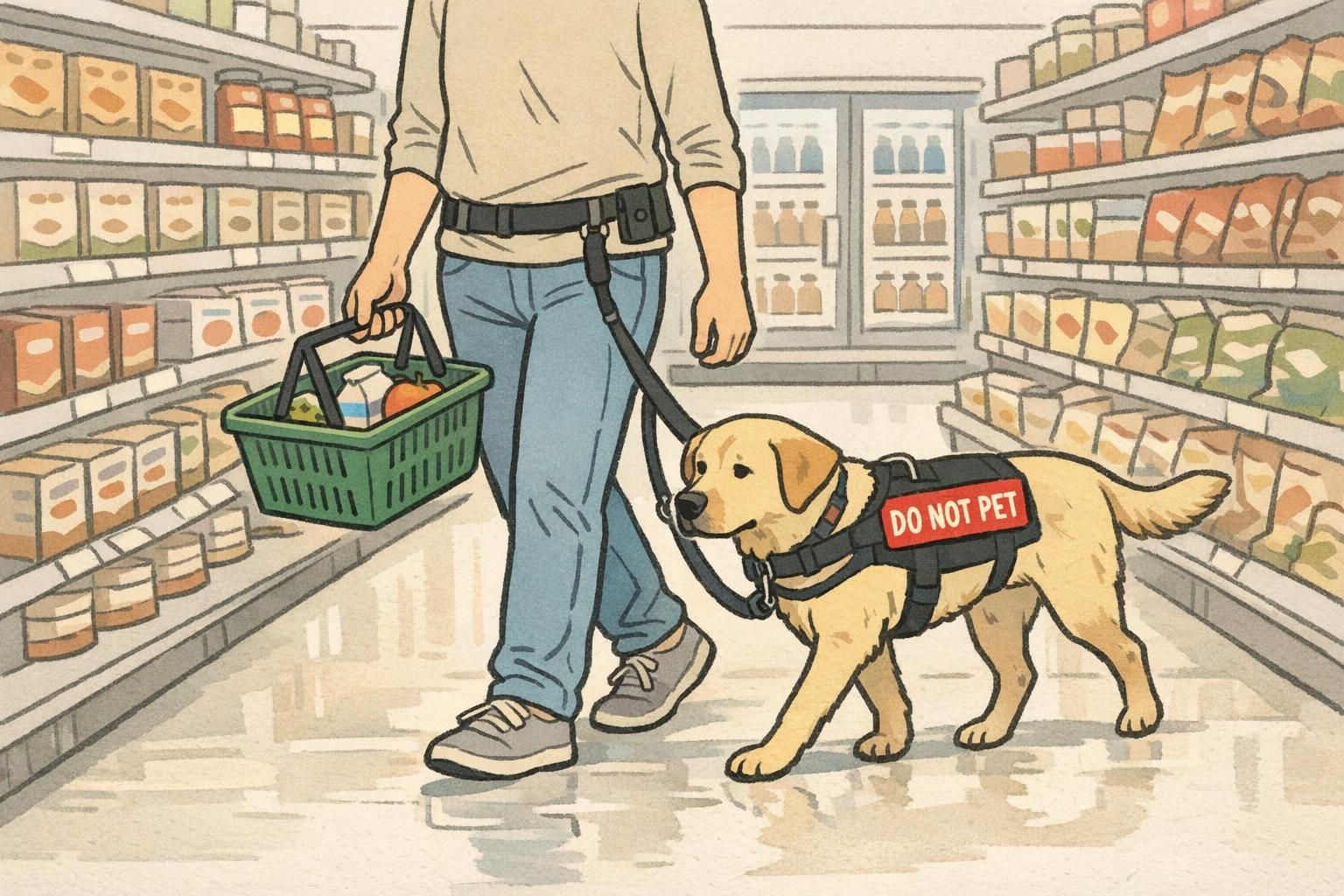
Many handlers choose identification gear because it makes daily outings smoother. A vest or cape with clear patches can signal that the dog is working, discourage petting or talking to the dog, and reduce awkward interruptions before they start. In busy places—stores, sidewalks, airports, waiting rooms—simple, readable identification can help others understand boundaries at a glance.
Practical features matter. High-visibility colors and reflective trim can improve safety during early mornings, evenings, or winter months. Some vests also include pockets or pouches that let handlers carry small essentials without juggling extra bags. Depending on the team, those pockets might hold medication, emergency instructions, a phone, wipes, or a compact treat pouch for reinforcement and focus.
As a general equipment overview, vests are commonly used to indicate working status and may include patches such as “Do Not Pet,” along with functional add-ons like pockets for carrying important items in public (source).
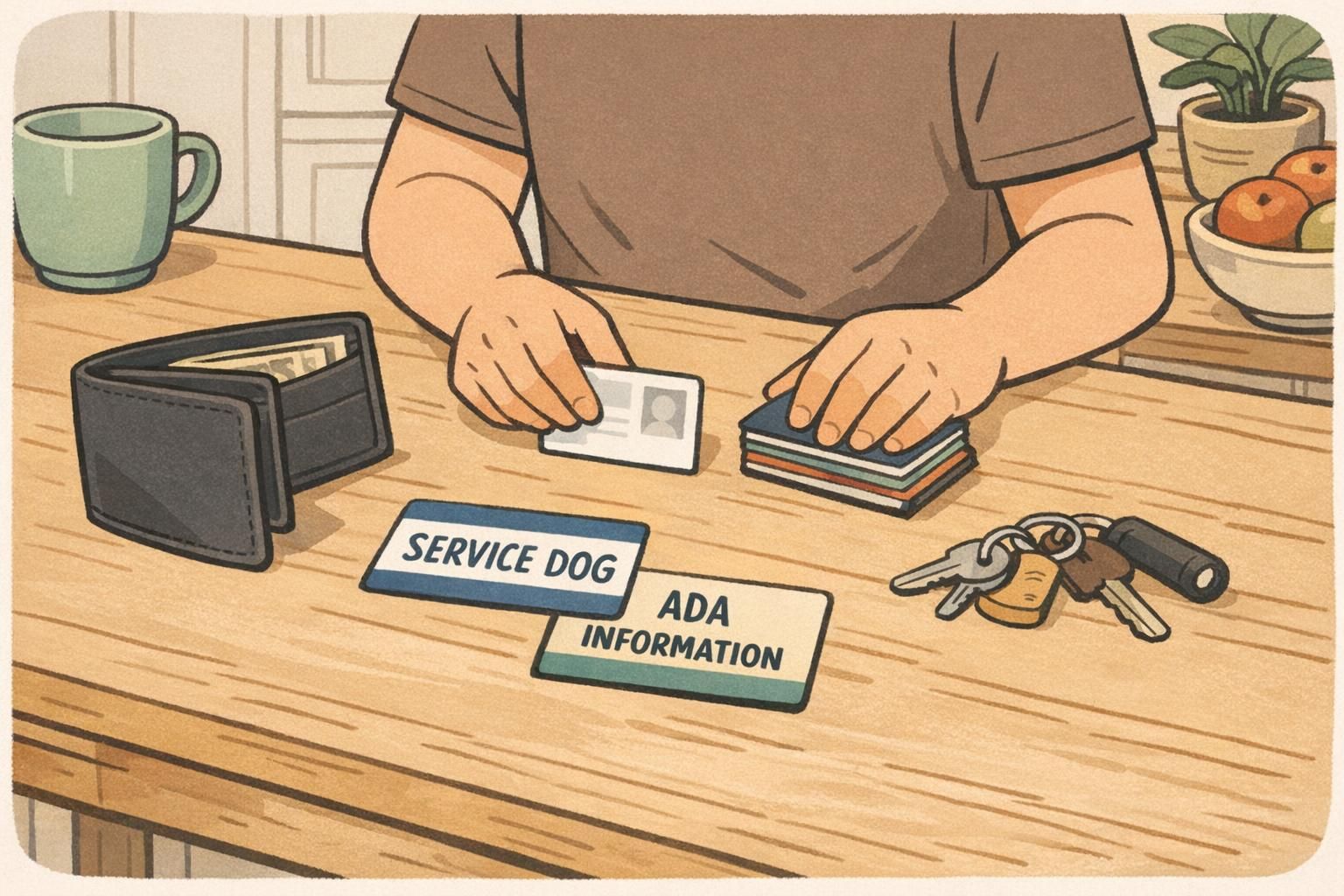
For many teams, a professional ID can be a simple, organized way to communicate clearly during errands, travel, or conversations that feel rushed. If you want a streamlined option you can keep in your wallet, consider a customizable service dog ID card to help present consistent information when it’s helpful.
“ "Clear patches don’t just reduce questions—they reduce distractions. When people understand ‘working’ immediately, my dog can stay focused and I can move through errands faster." – Service dog handler”
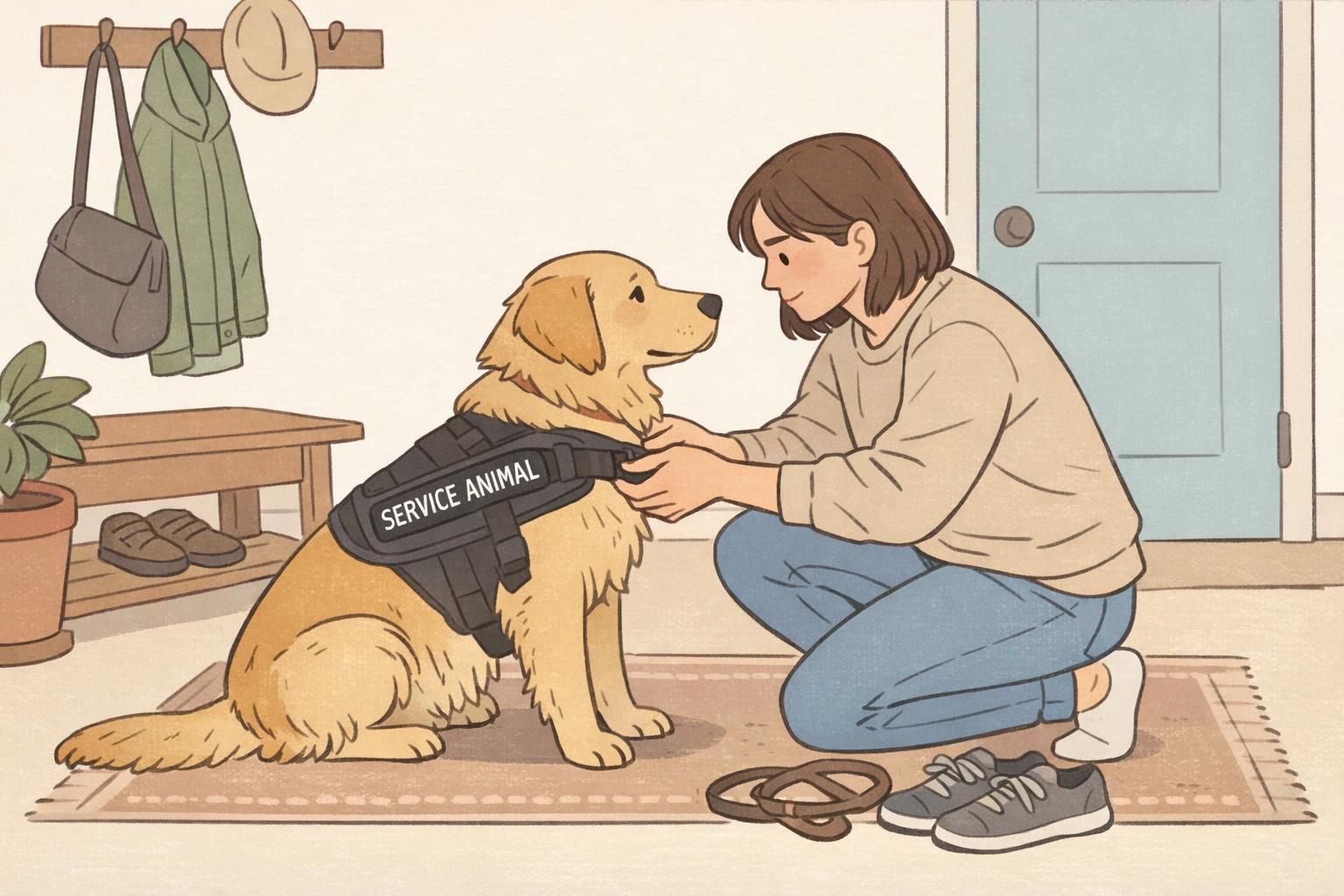
Harnesses can do much more than a standard collar-and-leash setup, especially for service dog teams that rely on specific trained tasks. Depending on the handler’s needs, a specialized harness may support guiding, balance assistance, momentum or pull support, and safer handler control in crowded areas.
The most important rule is simple: a harness should allow natural movement. A dog should be able to extend the shoulders, breathe comfortably, and move without rubbing, pinching, or shifting. A great harness is the one the dog can wear for the length of a normal working day without soreness or frustration.
Snug enough that it doesn’t slide or rotate, but not so tight that it rubs, restricts breathing, or limits shoulder movement. Many handlers use the “two fingers” spacing check at key contact points, then watch the dog move to confirm comfort.
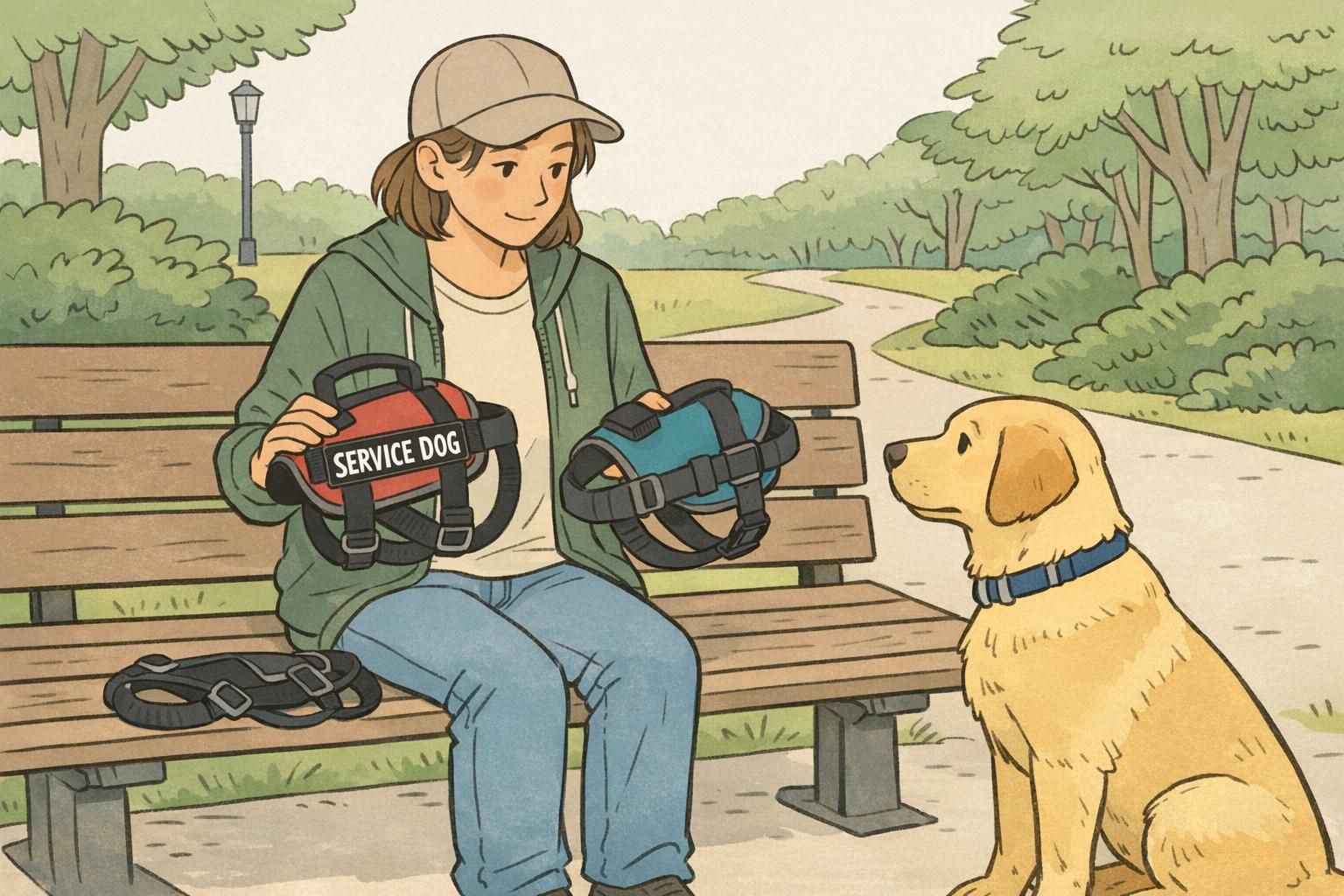
Sometimes, but not always. Many teams keep a “daily” harness for routine outings and a more specialized option for specific work, longer distances, or higher-support days.
Leash choice can change how comfortable and steady a service dog team feels in daily life. A reliable leash supports consistent communication between handler and dog—without adding strain to the handler’s wrist, shoulder, or back. For many teams, the “best” leash is the one that is simple, sturdy, and predictable in the hand.
Standard leashes (often 4–6 feet) remain popular because they’re straightforward and easy to manage in tight spaces. Hands-free belt leashes can be a helpful alternative for handlers who need their hands available for mobility devices, carrying items, managing symptoms, or handling doors. Some teams also like leashes with traffic handles (a second, closer handle) for quick control in busy areas.
Because public access expectations and leash rules can vary by location, it’s smart to choose an option that fits both local requirements and the handler’s accessibility needs. The goal is consistent, calm control that lets the dog work confidently and lets the handler move through the world with less effort.
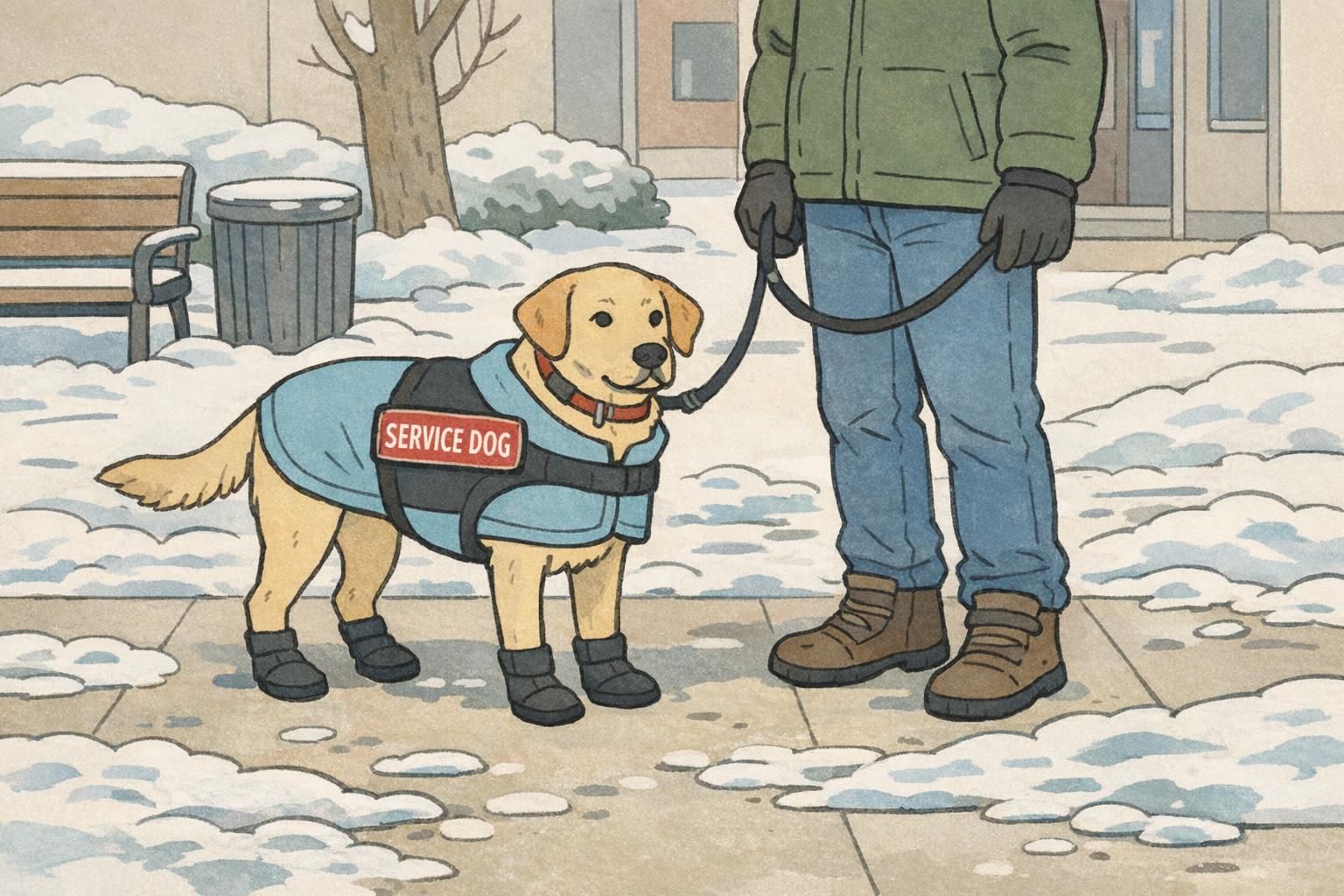
Protective gear helps assistance dogs stay comfortable and injury-free across changing seasons and surfaces. Boots can protect paws from hot pavement, ice melt, sharp debris, and rough gravel. They can also improve traction on slick indoor floors—especially in winter when entrances may be wet.
Weather layers matter, too. A light rain shell can keep a dog dry enough to stay focused, while a properly fitted coat can reduce stiffness and stress in cold or windy conditions. The goal isn’t to over-gear a dog—it’s to remove avoidable discomfort that could interfere with working.
Some teams also keep a few utility items for specific, uncommon situations. For example, a muzzle may be recommended by a veterinarian for emergency medical transport, injury management, or high-stress care situations. When used, it should always be humane, introduced calmly, and chosen for safety and breathability—never as a substitute for training, and never as a punishment.
Even with the right training and equipment, the hardest part of public access is sometimes communication with other people. Many handlers keep clear, professional documentation and simple communication tools on hand to reduce friction during travel, errands, and day-to-day interactions.
This isn’t about “proving” your life to strangers—it’s about making conversations easier when they happen. A neat ID, a consistent registration record, and a calm, straightforward handout can help someone quickly understand basic access guidelines without turning a quick moment into a stressful debate. For many teams, having these tools ready provides peace of mind and helps keep the focus where it belongs: on safe, respectful public behavior.
If you’re planning outings or a trip, it also helps to prepare for common scenarios ahead of time—restaurants, transportation, hotels, and longer days away from home. National Animal Registry’s travel tips for going out with a service dog can help you think through the details before you leave.
For quick, professional communication in public, many handlers like carrying small cards that summarize general guidelines in a calm, non-confrontational way. Consider keeping ADA law handout cards in your bag, wallet, or car so you can share information without having to argue or overexplain.
“ "Having a simple handout helped me stay calm. Instead of trying to explain everything under pressure, I can share a card and move on." – Assistance dog handler”
Your trusted source for service animal registration. Get professional ID cards, digital profiles, and smart NFC tags to keep your service animal safe and recognized.
© National Animal Registry — All rights reserved.