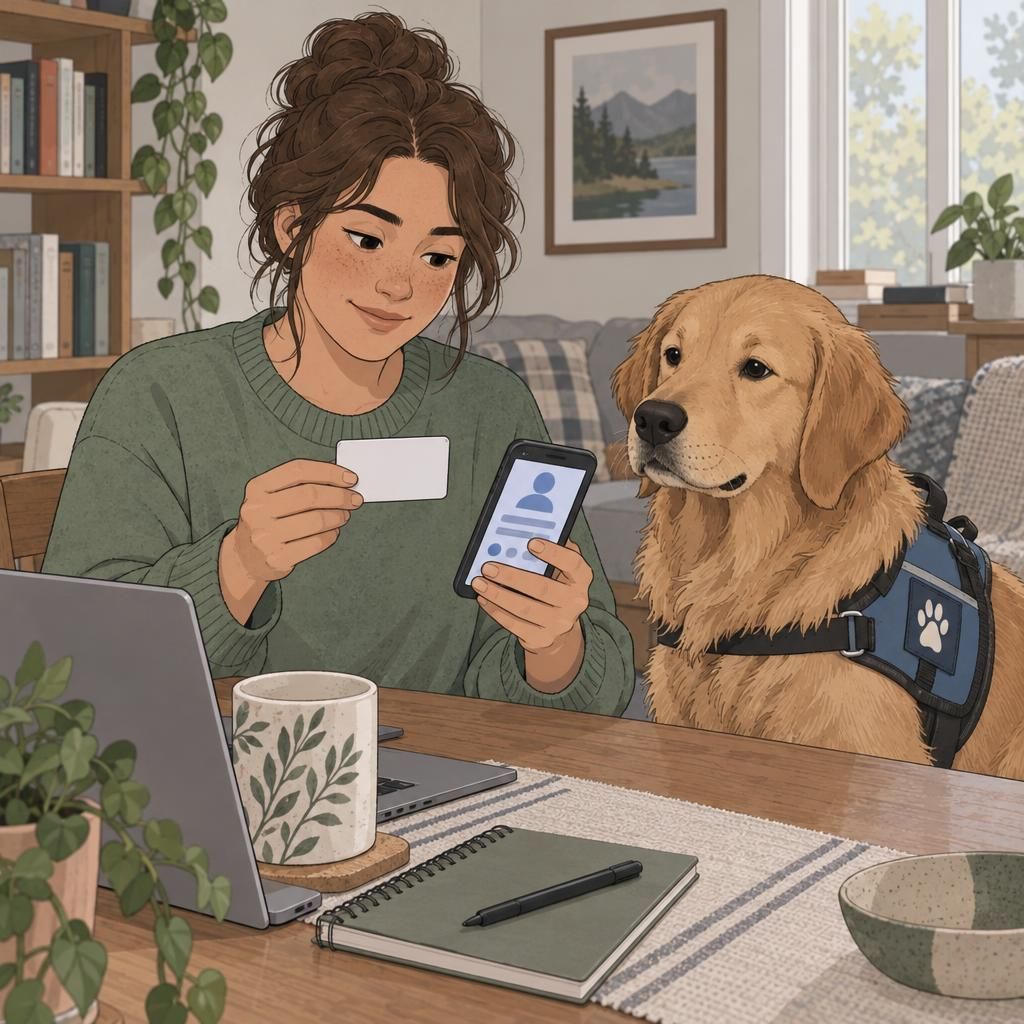

Getting a service dog ID card usually begins with choosing a provider or checking whether a local government program is available. Owners can then review the information requested, select an available format, and keep the finished card somewhere convenient. Before choosing an option, it helps to understand what the card is designed to do.
A service dog ID card provides a convenient way to identify a dog and organize useful information about the dog and handler. For someone managing everyday outings, appointments, and travel preparations, having those details in one place can make preparation simpler. A card also gives handlers a consistent document to carry rather than relying on scattered notes.
In the United States, identification from a private registry and documentation issued through a government program are different types of records. Private registration services offer their own identification products, while government programs follow the rules of the jurisdiction that operates them. Availability, application procedures, and requirements can vary by location.
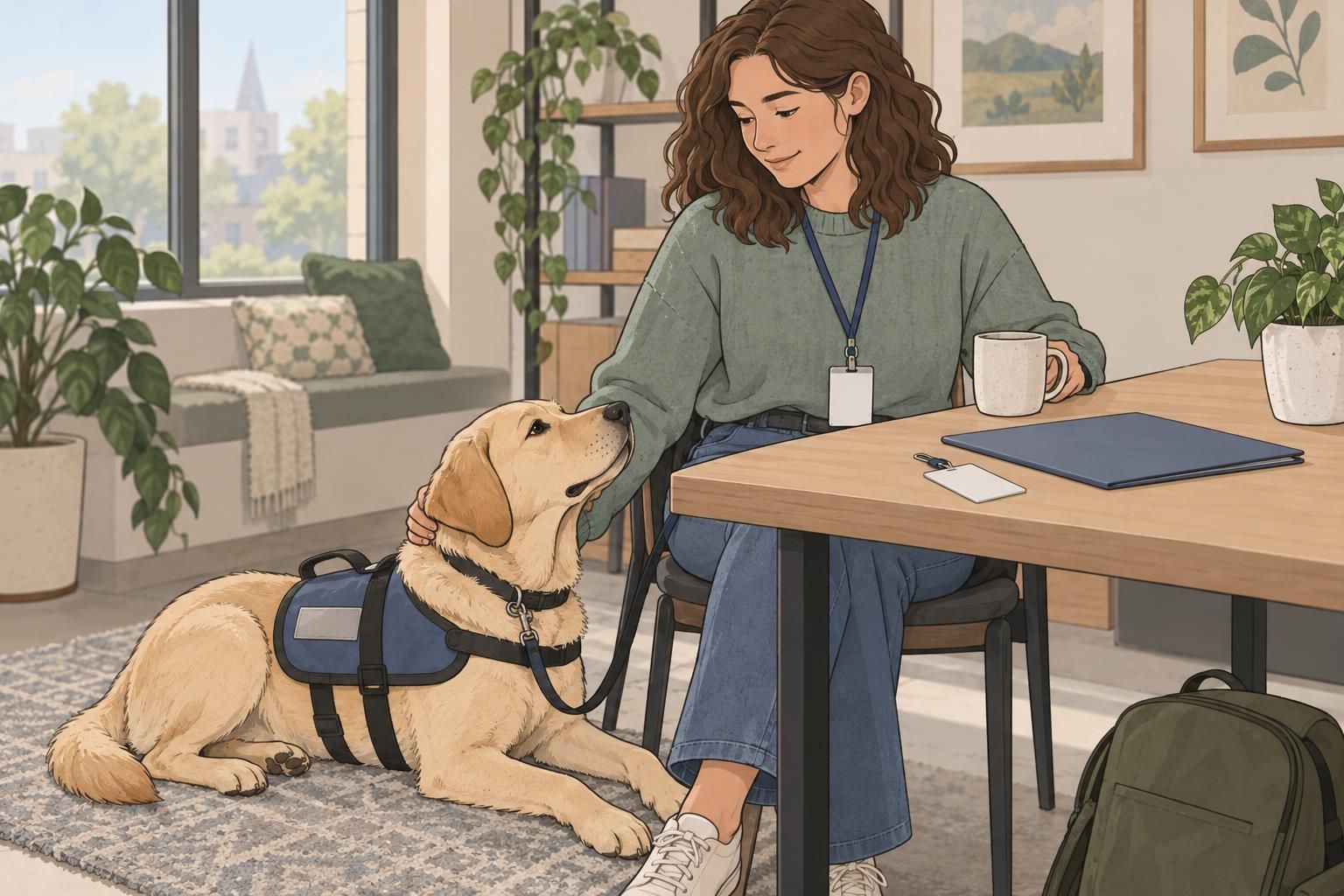
An ID card is most useful when it fits naturally into your routine. You might keep it in your wallet, carry it in a dedicated document pouch, or store a digital version where you can find it quickly. The goal is straightforward: make useful details easy to access when you want them.
These practical benefits are separate from the legal rules that apply in a particular setting. Carrying a card can support communication, but the card itself does not determine whether an animal meets the applicable service-animal requirements. Think of identification as one part of an organized routine, alongside understanding the rules for the places you visit.
You can also decide how much information you want readily available. Before ordering, review the requested fields and consider what you are comfortable carrying or showing. Keep sensitive personal information separate from documents you may share during ordinary interactions.
The process is easier when you first decide what you want to carry. Some owners prefer a printed card for their wallet; others value having digital information available as well. Review what each option includes before entering your details so that the finished identification suits your everyday needs.
National Animal Registry offers service animal registrations, IDs, and certificates without requiring proof, a medical letter, or training documentation. Owners interested in both physical identification and an online record can consider a service dog registration package with a printed ID and digital profile.
Before completing your order, take a moment to check names and any other details you entered. Small errors are easier to catch during a careful review. Once your identification is ready, choose a regular place for it so you do not have to search through bags or messages before every outing.

If you specifically want a government-issued service dog card, start with the official website for your state, province, or municipality. Check whether a program is available and which agency administers it. Do not assume that an option offered in one location is available in another.
Read the program's current application instructions rather than relying on another owner's experience. Requirements differ by jurisdiction, and the program's own information is the best starting point for understanding its process. If the instructions are unclear, contact the office responsible before submitting an application.
Where available, a local government card can be carried alongside private registry identification and other useful records. Keeping these documents together does not mean they serve identical purposes. Label or organize them so you can quickly find the document relevant to the situation.
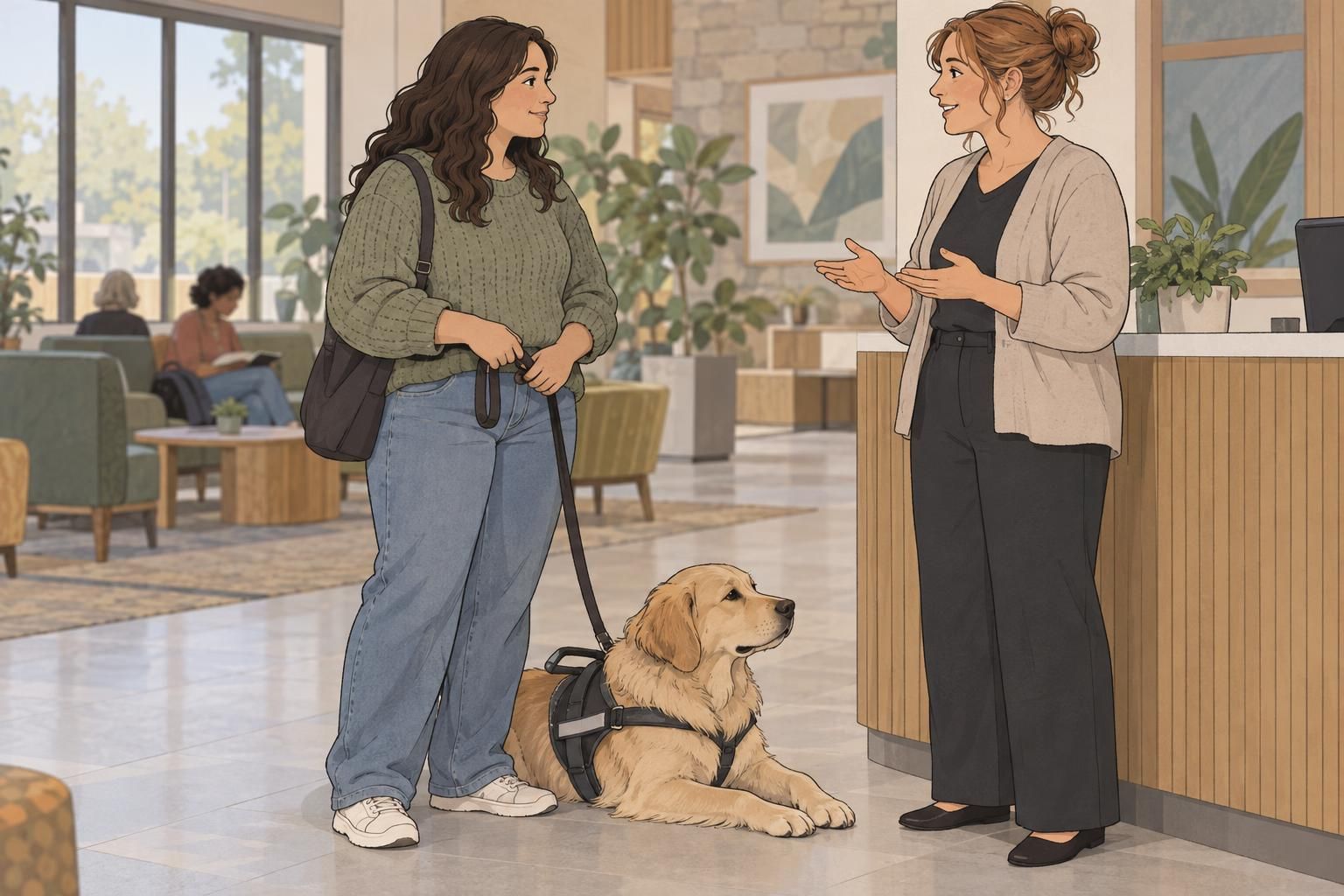
Understanding the public-access rules can help you use your card with confidence and realistic expectations. Under the Americans with Disabilities Act, when a dog's role is not obvious, businesses generally may ask two questions:
Businesses generally cannot require service-animal documentation, including an ID card, as a condition of entry. The ADA guidance also explains that staff cannot require the dog to demonstrate its task or ask about the person's disability. These limits are explained in the U.S. Department of Justice's service-animal guidance: source.
You may choose to carry or share your ID card as a communication aid. For example, having it accessible may help you present organized information during a conversation. However, showing a card is separate from answering the permitted questions, and a card should not be presented as a guarantee of entry.
A calm, direct response is often the clearest approach. If your dog's role is not apparent, be prepared to explain the trained work or task in straightforward language. You do not need to turn an everyday interaction into a discussion of your medical history.
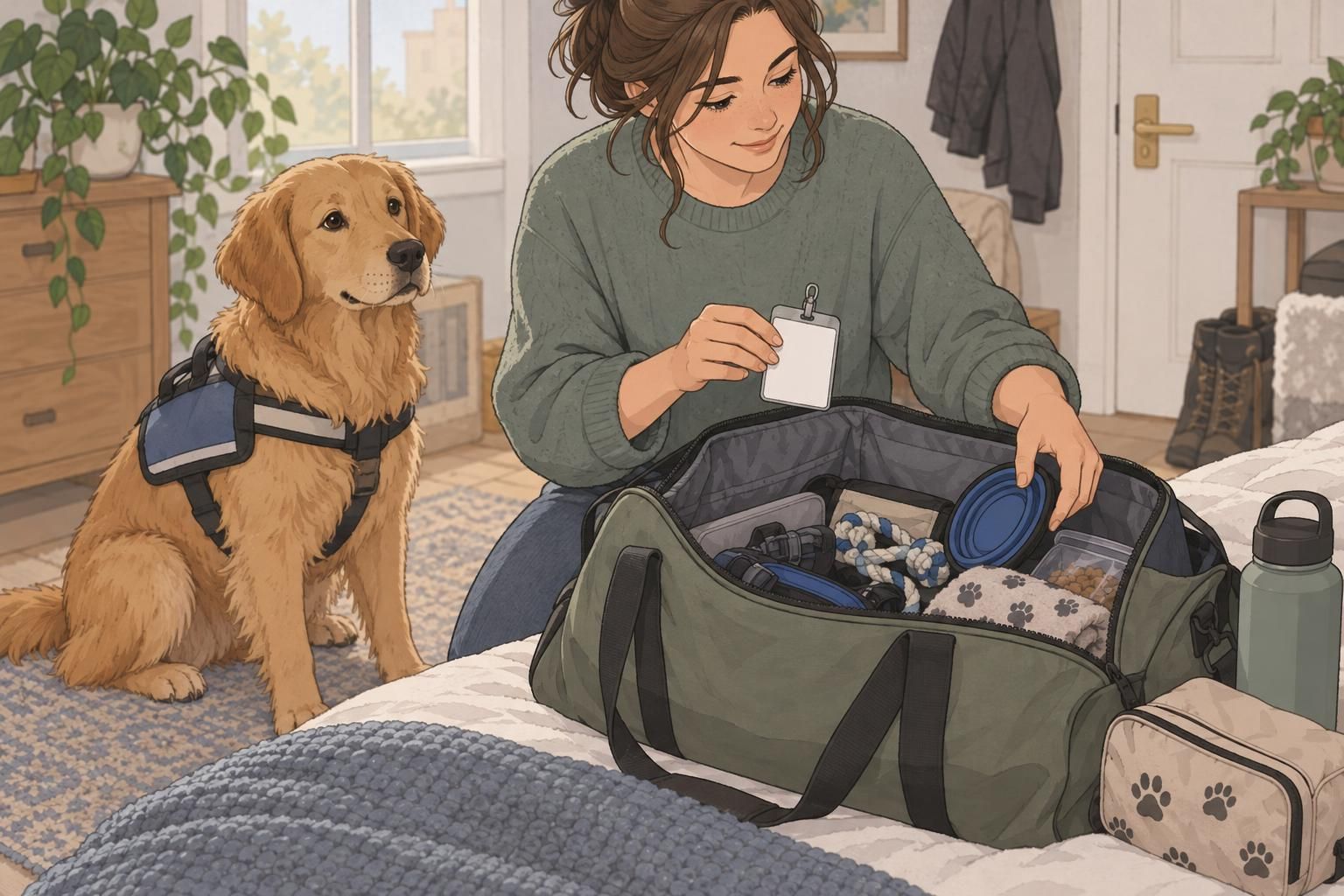
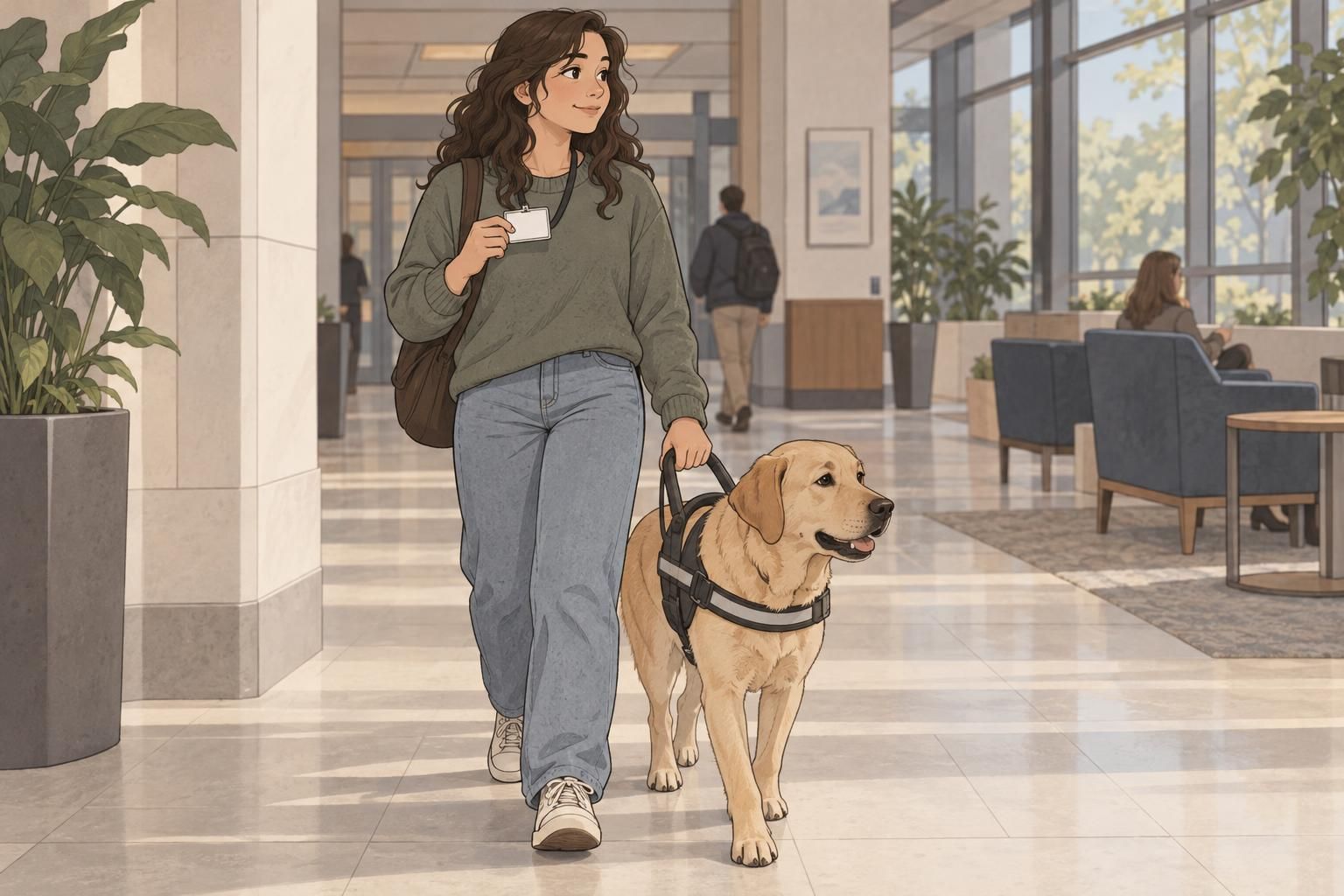
A little organization before leaving home can make your documents easier to manage. Keep your service dog ID card with the records and trip details you expect to use, while separating anything private that you do not intend to share. A dedicated wallet compartment or document pouch can help keep the routine consistent.
For a more complete preparation routine, review a guide to planning travel with a service dog. Planning ahead gives you time to check arrangements rather than trying to resolve every question while you are on the move.
If you also want a portable reference for public-access conversations, consider keeping wallet-sized cards explaining ADA service dog rights with your identification. These can complement your own familiarity with the rules.
The most useful identification system is one you can maintain comfortably. Choose the card option that fits your needs, keep the information organized, and understand the rules relevant to each outing. Together, those habits support clearer communication and more confident preparation.
Your trusted source for service animal registration. Get professional ID cards, digital profiles, and smart NFC tags to keep your service animal safe and recognized.
© National Animal Registry — All rights reserved.