
If you’ve heard that “ESAs don’t count anymore,” you’re not alone—and it’s easy to see why the topic feels confusing. Over the last few years, some guidance documents and policies around animals in different settings have changed, and that has led to a lot of mixed messaging online.
What hasn’t changed is the core idea behind ESA housing rights: people with disabilities can request a reasonable accommodation so they can live with an assistance animal, even in housing with a no-pets policy. These protections matter because stable housing is foundational to health, employment, education, and daily functioning—and an emotional support animal can be part of what makes that stability possible.
Emotional support animals are primarily protected in housing through federal fair housing laws—not through public-access rules for restaurants, stores, and other public places. That distinction is one of the biggest sources of confusion for renters.
In housing, ESAs are generally treated as “assistance animals.” The main federal law involved is the Fair Housing Act (FHA). In some housing situations—especially when a housing provider receives federal financial assistance—Section 504 of the Rehabilitation Act may also apply. Under these frameworks, housing providers evaluate requests as reasonable accommodations and should consider them on a case-by-case basis rather than using blanket assumptions. You can read a helpful legal overview here: source.
At the most practical level, ESA housing protections are about preventing disability-related barriers. If an emotional support animal helps someone manage the effects of a disability, housing providers typically must consider a reasonable accommodation request—meaning they may need to make an exception to a “no pets” rule or pet restrictions.
These protections commonly show up in everyday housing moments: applying for a unit, signing a new lease, renewing a lease, or moving into a building with pet limits. When the accommodation is appropriate, the ESA is generally not treated as a pet in the same way a typical household pet would be.
“ "When we treated the ESA request like any other professional paperwork—calm, organized, and respectful—the conversation stayed focused on solutions instead of assumptions." – Renter”
One of the most common pain points is money: pet rent, pet fees, and pet deposits. In many typical ESA accommodation situations, a housing provider generally should not charge pet-specific fees simply because you have an assistance animal. The logic is straightforward—if the animal is part of a disability-related accommodation, it isn’t being treated as a standard “pet add-on.”
That said, housing providers can still apply normal financial responsibilities that apply to everyone. If an animal causes actual damage beyond normal wear and tear, you can be responsible for the cost to repair it—just like any tenant would be responsible for damage they cause.
Renters often worry that breed bans or weight limits automatically disqualify an ESA. In many housing situations, pet-only restrictions like “no dogs over 25 lbs” or “no certain breeds” don’t apply the same way to assistance animals because the request is evaluated individually as an accommodation.
Species questions come up, too. Many emotional support animals are dogs or cats, but some renters have other common household animals that provide support. What matters in housing is typically an individualized evaluation: the disability-related need, the animal’s role in supporting that need, and whether the specific animal can be accommodated without creating a direct safety risk or unmanageable property issues.
Not necessarily. Dogs and cats are common, but housing requests are typically evaluated case-by-case based on disability-related need and whether the specific animal can be reasonably accommodated.
Many pet-only limits don’t apply the same way to assistance animals. Housing providers often need to consider the individual animal and the specific housing context rather than applying blanket pet rules.
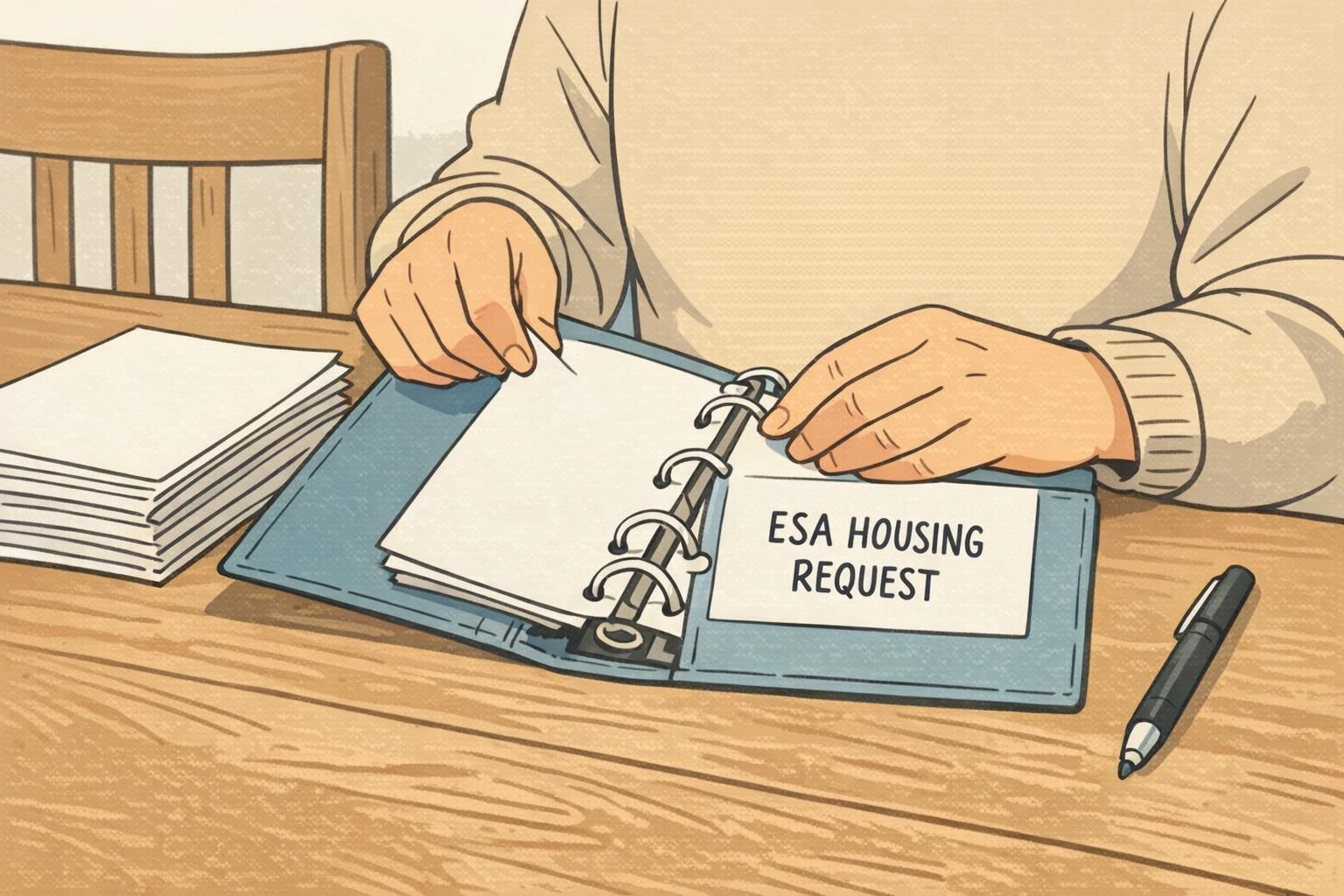
A smooth ESA housing request usually comes down to clarity: the housing provider needs enough information to understand that (1) there is a disability-related need, and (2) the animal helps with that need. In some situations—especially when the need is not obvious—housing providers may ask for reliable documentation supporting the request.
At the same time, the process is not meant to turn into an invasive medical interview. A housing provider typically does not need your full diagnosis, detailed medical records, or private therapy notes. A focused, relevant explanation and supporting materials (when requested) are usually more effective than oversharing.
After you submit an ESA accommodation request, many housing providers will go through an interactive process—meaning they review the request in good faith, may ask follow-up questions if something is unclear, and communicate a decision within a reasonable time.
“Reasonable” timelines can vary depending on the property, staffing, and how complete the request is. In general, a calm, organized approach helps: provide what’s needed, respond promptly, and keep everything in writing so there’s less room for misunderstanding.
“ "The biggest difference-maker was staying organized: one email thread, one folder, and friendly follow-ups. It kept the process professional." – Tenant”
Having an ESA accommodation doesn’t mean “no rules.” Landlords, property managers, and HOAs can still enforce reasonable property rules that protect health, safety, and quiet enjoyment—as long as they are applied fairly and don’t single you out unnecessarily.
In practice, this usually looks like basic expectations around supervision, noise, cleanliness, and compliance with local requirements. These rules are often helpful because they keep the accommodation workable long-term and prevent complaints from neighbors.

ESA housing protections are strong, but they are not unlimited. In narrow situations, a housing provider may lawfully deny a request—or require removal—when the specific animal poses a direct threat that can’t be reduced, or when there’s a substantial risk of significant property damage that can’t be mitigated.
The key concept is individualized assessment. Decisions should focus on the actual behavior and context, not stereotypes about breeds, sizes, or assumptions about ESAs in general.
“ "Once we showed the steps we were taking—like a leash plan and updated vet records—the conversation shifted from ‘problem’ to ‘plan.’" – Renter”
It helps to keep two buckets in mind: housing rights and public-access rights. This article is about housing—leases, apartment rules, HOAs, and moving in. Public places like grocery stores, restaurants, and many workplaces often follow different rules that commonly focus on trained service animals.
In day-to-day life, clear communication prevents awkward moments. If you’re discussing your animal with a landlord, frame it as a housing accommodation request. If you’re out in public, be prepared that rules may differ and that staff may not be familiar with housing protections.

Even when protections are on your side, the process feels easier when you make it easy for a housing provider to say “yes.” That usually means being prepared, being consistent, and keeping communication calm and professional.
Some renters also choose to use optional identification materials to keep conversations simple and consistent. While you can handle an ESA request through standard communication, having organized, easy-to-read information ready can reduce confusion—especially when staff changes or a file is handed off to a new manager.
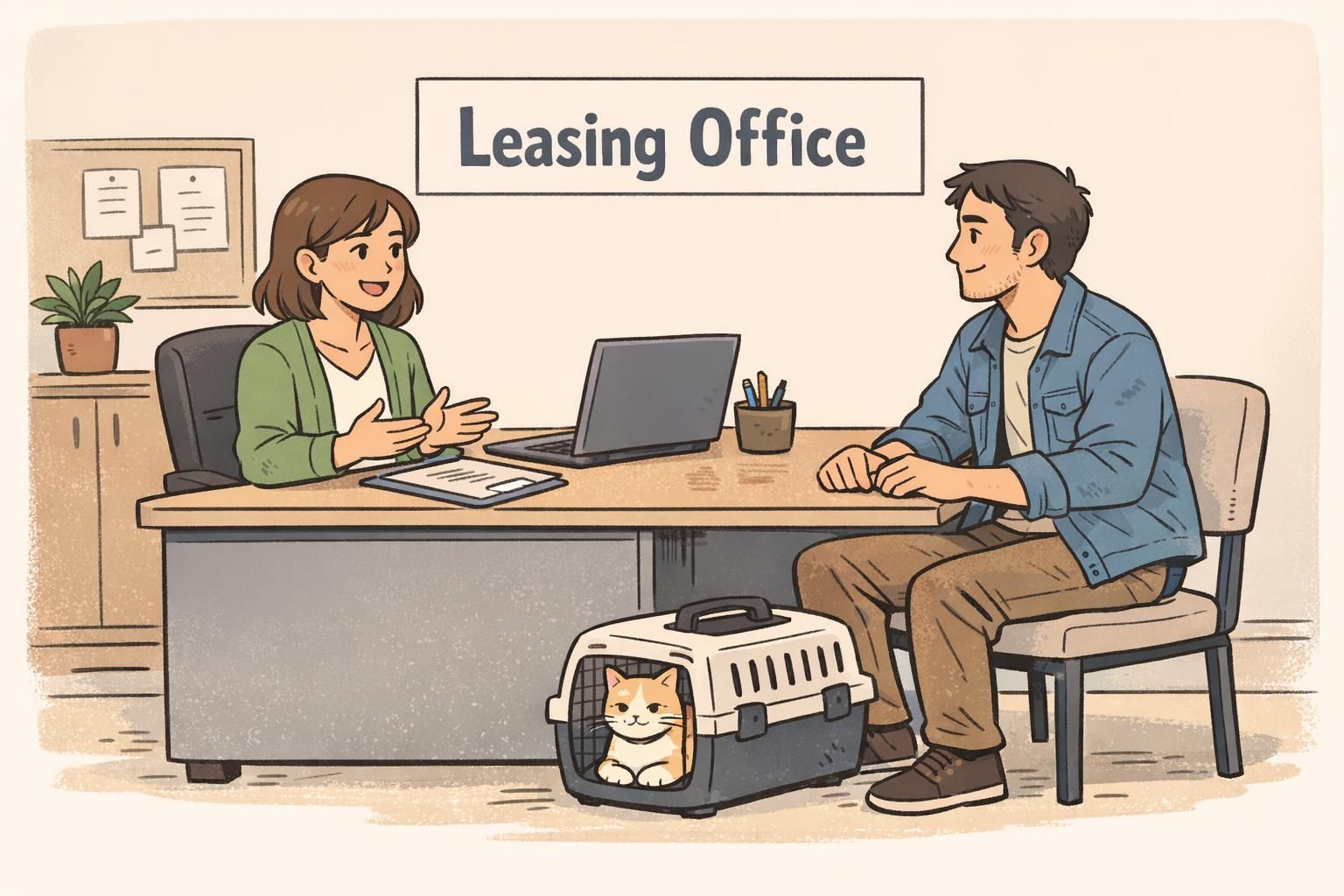
In real life, not every conversation happens at the perfect time with the perfect person. You might be talking to a leasing agent, a property manager, a front desk attendant, or an HOA representative—each with different levels of experience.
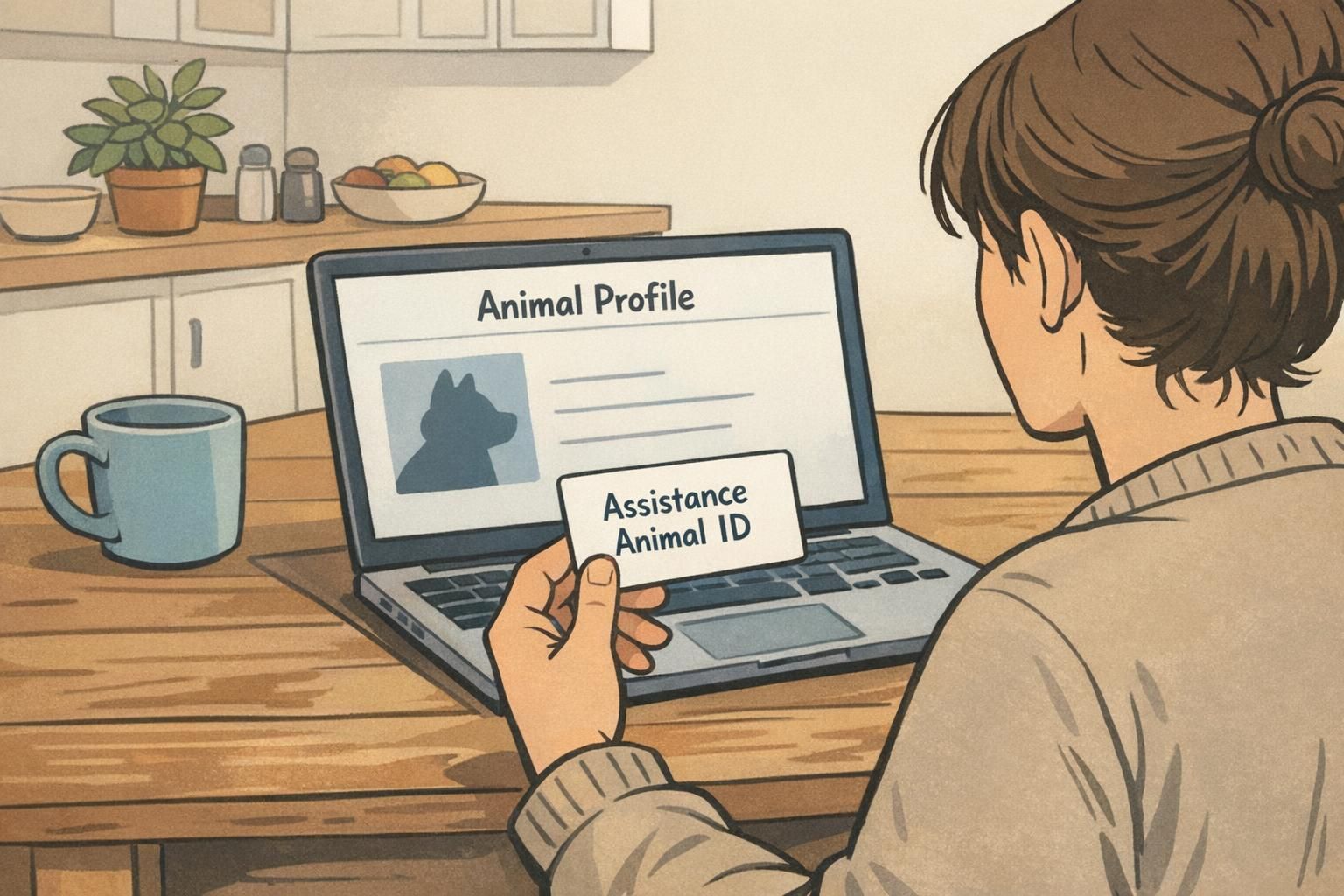
That’s where optional identification can be useful as a convenience tool. For example, some renters prefer to keep a professional-looking card and a consistent digital profile that helps present key details in one place. National Animal Registry offers a clear printed ID and matching digital profile that can make day-to-day interactions feel more straightforward and less confrontational.
An ESA accommodation denial can feel personal, but the most effective next steps are usually procedural and calm. Your goal is to understand the reason, correct misunderstandings, and propose solutions where possible.
If the situation doesn’t resolve, you may want to consult local fair housing agencies, legal aid, or an attorney who can explain options based on the property type and your location. Housing rules can vary depending on who owns the property, how it’s funded, and which laws apply—so getting tailored guidance can help you choose the most efficient path forward.
“ "Once I asked for the denial reason in writing, the tone changed. We found a compromise that addressed their concerns without giving up my accommodation." – Tenant”
Your trusted source for service animal registration. Get professional ID cards, digital profiles, and smart NFC tags to keep your service animal safe and recognized.
© National Animal Registry — All rights reserved.