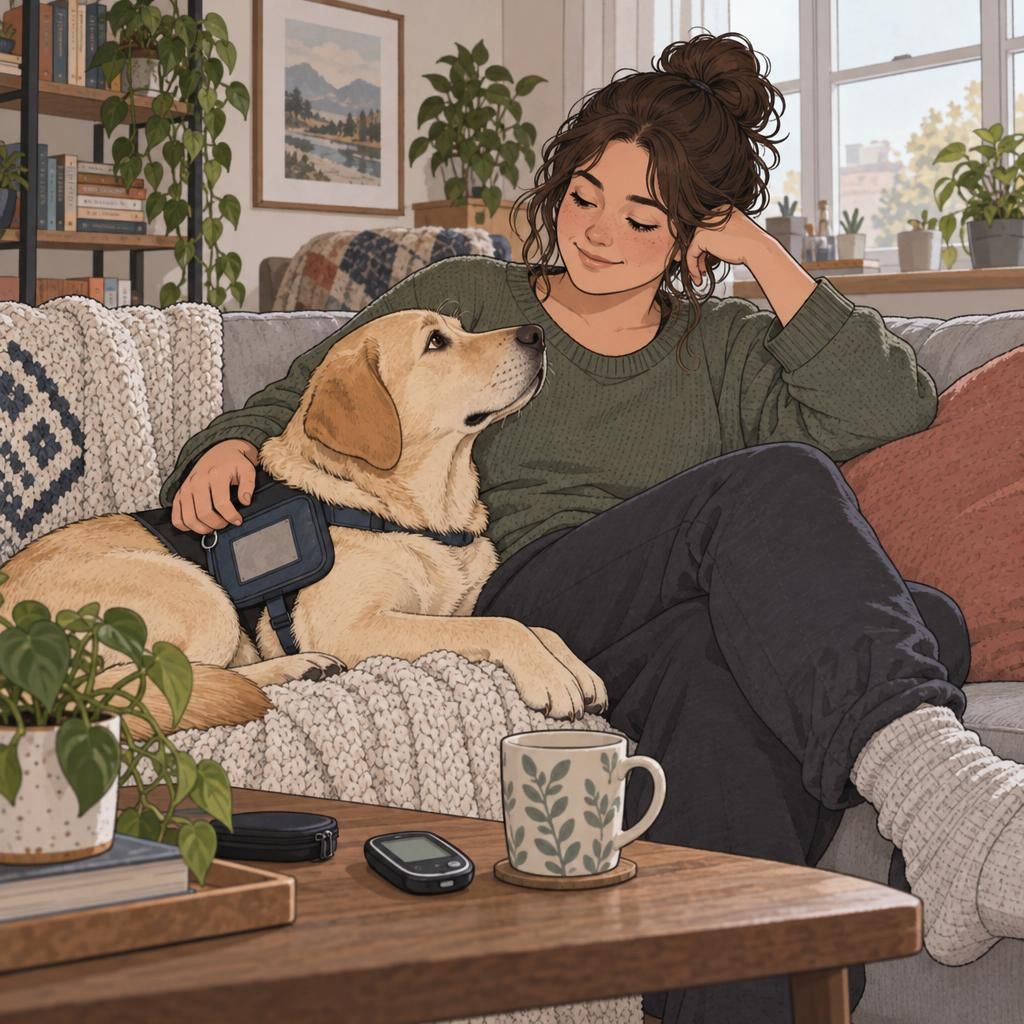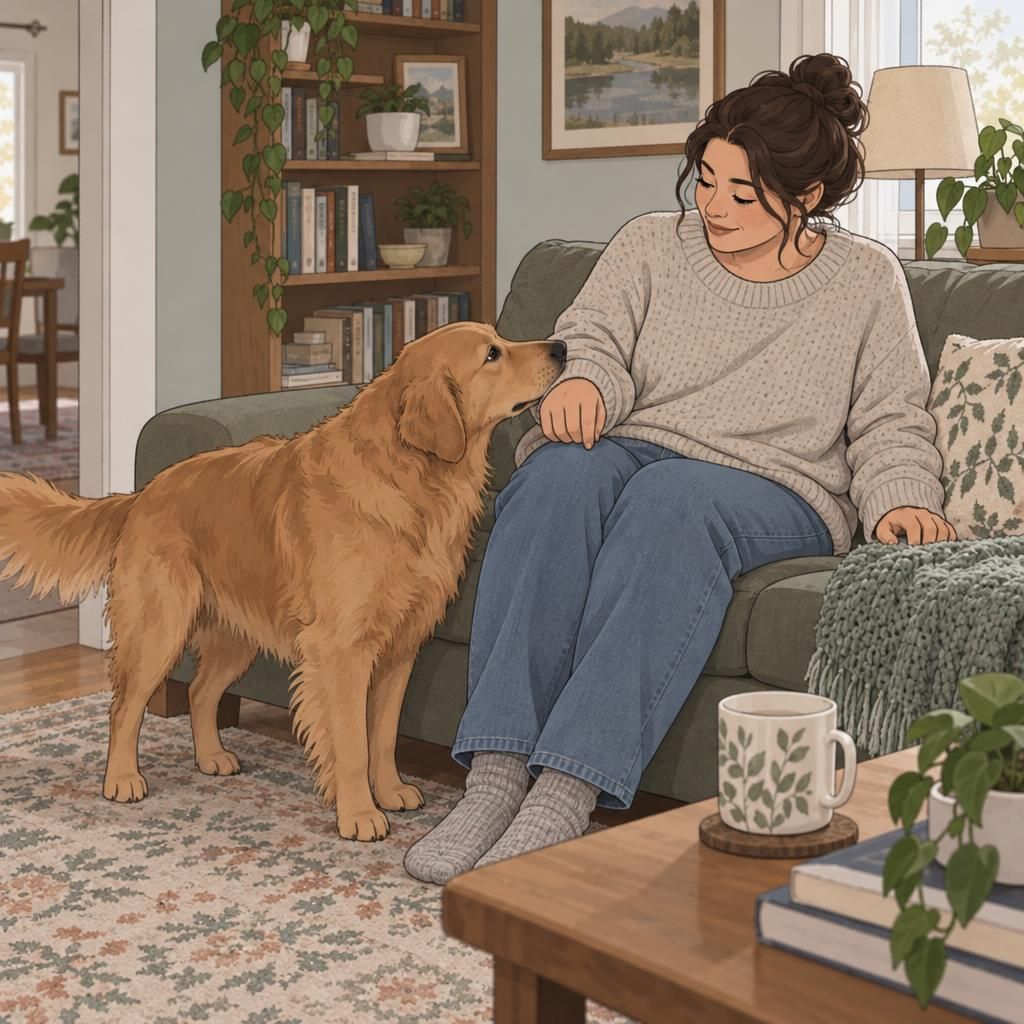

Psychiatric dog training prepares a dog to perform specific actions that help an owner manage a disabling mental-health condition. These actions, often called tasks, connect the dog’s training to the handler’s individual needs. The goal is practical assistance: a reliable response that helps the person during a difficult moment or supports their everyday routine.
For example, an owner might train a dog to respond to a cue by making gentle physical contact during distress. Another person might need a dog to interrupt a particular behavior with a practiced nudge. The useful task depends on what the handler experiences and what the dog can comfortably and consistently do.
Psychiatric service-dog tasks are not one-size-fits-all. Owners select behaviors around their needs, routines, and the situations in which assistance would be useful. A 2019 study of psychiatric assistance-dog owners reported tactile anxiety reduction as a frequently used task, followed by nudging or pawing to help handlers return to the present. The study also described other forms of trained assistance (source).
Each task should have a clear beginning, a recognizable action, and a way to finish. Physical-contact tasks should remain comfortable for both partners. Creating space should involve calm positioning—not threatening, guarding, or confronting other people.

Training works best as a gradual process rather than a rush toward public outings or complicated tasks. Before focusing on specialized assistance, consider the dog’s temperament, health, and comfort with learning. A useful plan supports the handler without overlooking the dog’s needs.
A behavior learned in a quiet living room may need additional practice on a sidewalk or in another unfamiliar place. That does not mean the earlier learning failed. Training is ongoing, and progress should move at a pace that supports both the handler and the dog.

Owners may train independently, work with a professional, or combine the two approaches. The right arrangement depends on the owner’s experience, available support, the dog’s learning needs, and how much time the handler can comfortably devote to practice.
Co-training brings the owner’s knowledge of daily life together with a trainer’s guidance. The owner can explain when assistance would be helpful and what a manageable response would look like. A trainer can help turn that goal into clear learning steps, troubleshoot behavior challenges, and strengthen public-setting skills and task reliability.
For example, an owner may know that hand contact is easier to notice than a dog resting nearby. Together, the owner and trainer can shape a gentle nudge and practice it in relevant routines. Whatever approach is chosen, developing reliable assistance can require sustained time, repetition, and adjustments. A training plan should make room for setbacks without treating them as personal failures.
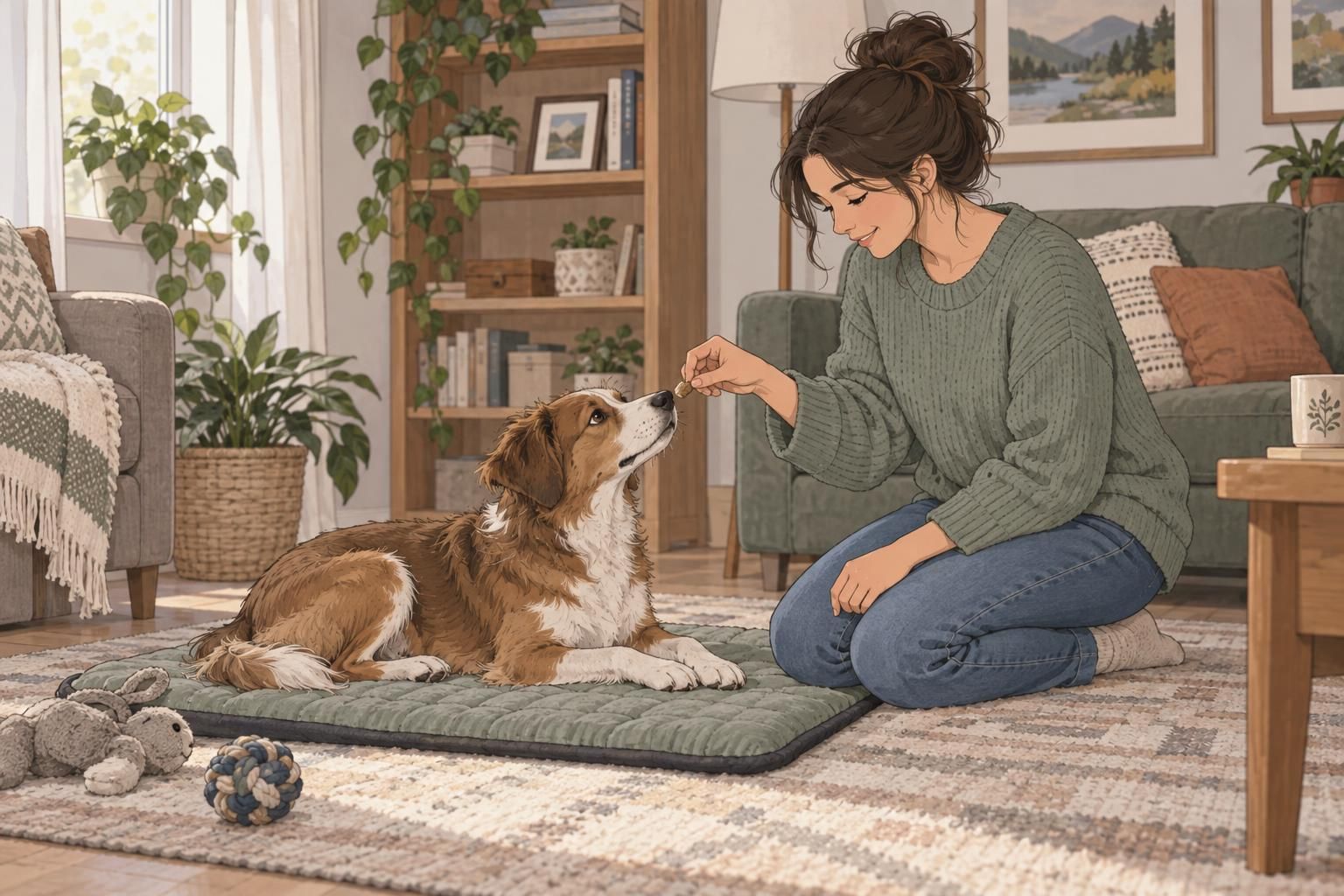
Reward-based training encourages the dog to repeat useful behaviors by making successful responses worthwhile. Rewards may include a small treat, play, or another activity the dog enjoys. Clear cues and well-timed rewards help the dog understand which action earned the positive outcome.
Keep sessions short, positive, and focused on an achievable goal. Practicing one comfortable step is often more productive than repeatedly asking for a difficult behavior when either partner is tired. Include breaks and opportunities for the dog to relax outside its working role.
The dog’s confidence and welfare are part of the training goal, not separate concerns. A sustainable partnership allows both handler and dog to rest, recover, and return to practice without unnecessary pressure.
Several kinds of animals can support well-being, but their roles differ. Understanding those differences helps owners describe their dogs accurately and choose training goals that match the assistance they need.
These distinctions do not rank the importance of a person’s bond with an animal. A companion can be deeply meaningful, and an emotional-support animal can provide valued comfort. The distinction is about the animal’s role and training. Rules and access arrangements may also differ by role and location.
A smoother outing starts before leaving home. Rehearse calm leash walking and settling, choose a manageable destination, and plan where breaks will happen. Bring water and any everyday supplies the dog needs. Allow flexibility to shorten the outing if either partner becomes uncomfortable.
Clear identification can also help communicate the dog’s role. National Animal Registry offers service animal registrations, IDs, and certificates as practical communication tools. Options such as a customizable service dog ID can keep identifying information organized and easy to carry.
National Animal Registry does not require proof, medical letters, or training documentation to obtain its registration products. Registration and identification serve a different purpose from the ongoing training that develops a dog’s assistance skills. Local rules and access requirements can vary, so check the requirements relevant to your destination. For longer trips, begin by planning ahead for travel with a service dog.

Public interactions are often easier when the handler has a short, calm response ready. If someone asks about the dog, describe its working role in plain language. A task-focused explanation can communicate useful information without turning the conversation into a discussion of personal medical details.
Applicable laws differ by location, so communication should reflect the setting and relevant rules. Carrying wallet-sized service dog law handout cards can help handlers share general service-dog information without repeatedly explaining personal details. Preparation, respectful communication, and ongoing practice all support a more manageable day together.
Your trusted source for service animal registration. Get professional ID cards, digital profiles, and smart NFC tags to keep your service animal safe and recognized.
© National Animal Registry — All rights reserved.